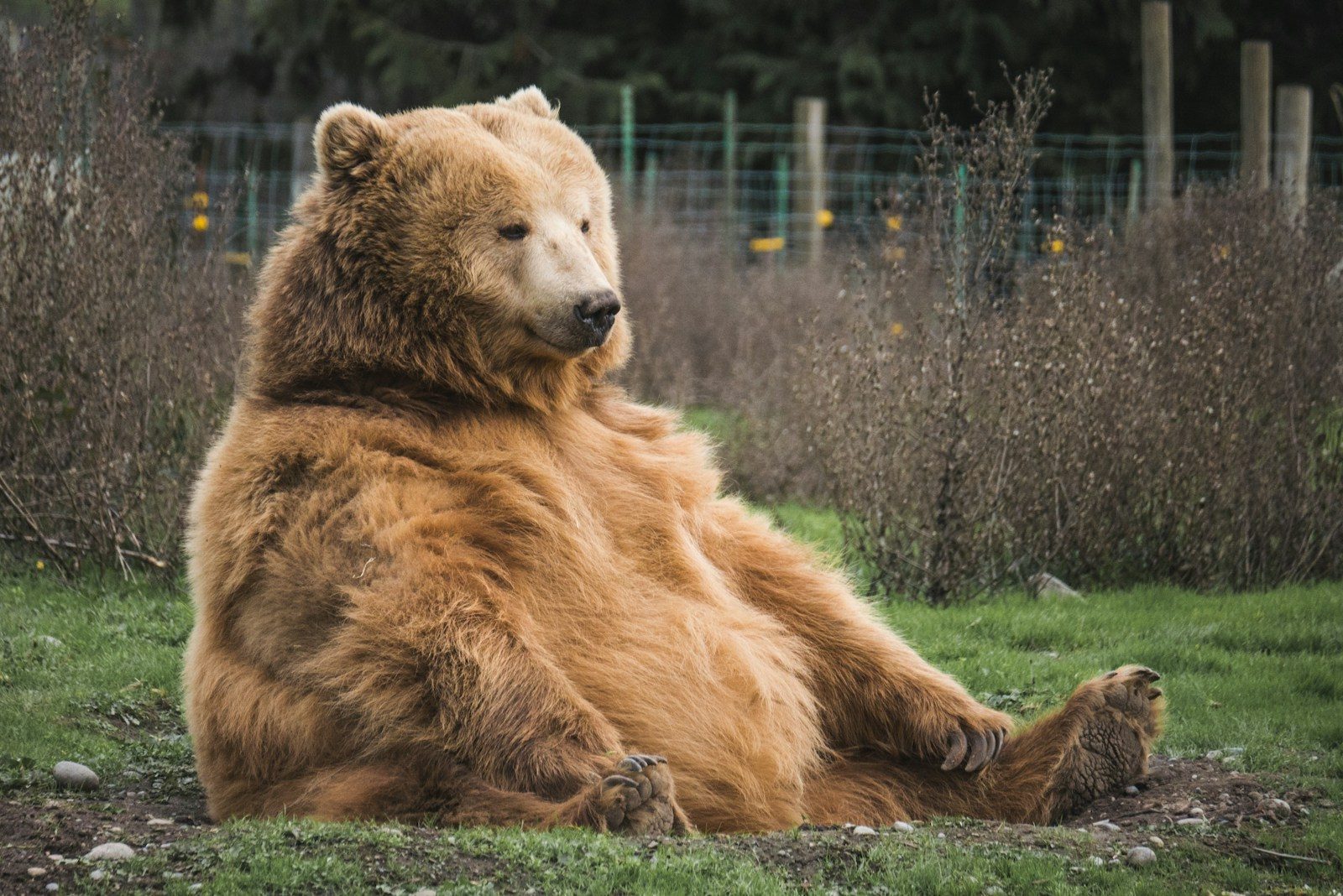
When an experienced hunter harvested an unusual-looking bear in Canada’s Arctic in 2006, he immediately suspected something was different. The animal looked partly like a polar bear and partly like a grizzly, with creamy white fur mixed with brown patches, long claws, and a distinctive shoulder hump.
DNA testing soon confirmed an extraordinary discovery: the world’s first documented wild hybrid between a polar bear and a grizzly bear. The finding demonstrated that two of the planet’s largest predators could successfully reproduce in the wild under the right conditions.
A discovery no one expected
The hybrid bear was harvested on Banks Island in Canada’s Northwest Territories during a legal polar bear hunt. Inuit guides immediately noticed that the animal possessed physical characteristics from both species and recommended genetic testing.
Laboratory analysis later confirmed that the bear’s mother was a polar bear while its father was a grizzly bear, making it the first verified wild hybrid ever recorded.
Why the hybrid could exist
Polar bears and grizzly bears belong to closely related species within the genus Ursus. Although they usually occupy different habitats, their breeding seasons overlap enough that interbreeding is biologically possible whenever they encounter one another.
Hybrid offspring had previously been produced in captivity, but this was the first confirmed case occurring naturally in the wild.
Climate change is increasing encounters
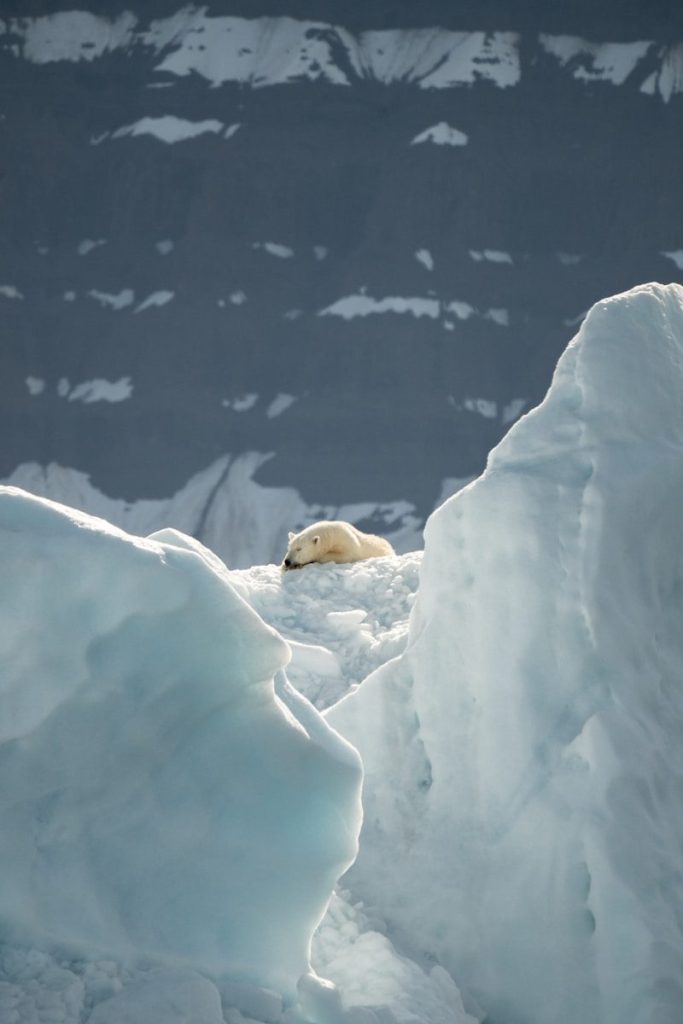
As Arctic sea ice declines and some grizzly bears expand farther north, the ranges of the two species increasingly overlap. Scientists believe these changing distributions create more opportunities for occasional hybridization.
However, researchers caution that climate change alone does not guarantee widespread interbreeding, and hybrid bears remain uncommon.
Hybrid bears remain extremely rare
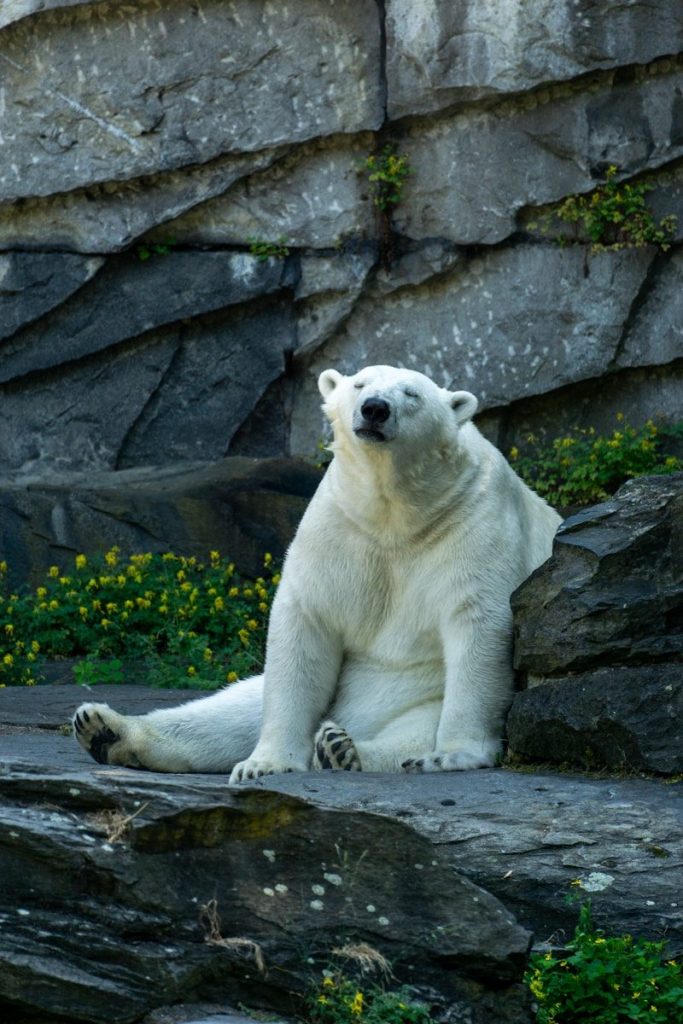
A large genetic study published in 2024 examined hundreds of polar and grizzly bear DNA samples collected across Canada, Alaska, and Greenland. Researchers found no previously unknown hybrid populations.
Instead, every confirmed wild hybrid belonged to the same extended family descending from a single female polar bear, showing that hybridization remains an exceptional event rather than a common occurrence.
What scientists are watching next
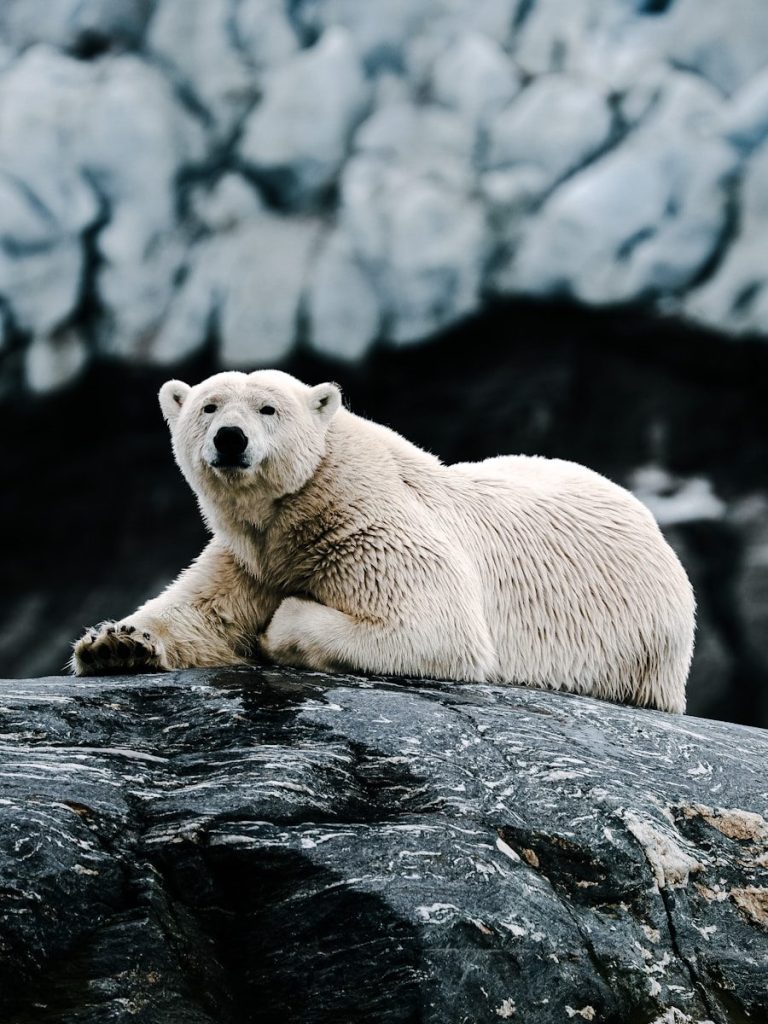
Researchers continue monitoring both bear species as environmental conditions change across the Arctic. Understanding when and where hybridization occurs helps scientists track wildlife movement, habitat shifts, and the long-term conservation of polar bears.
Most experts agree that preserving healthy habitats for both species remains more important than focusing on the rare appearance of hybrids.
A reminder that evolution is still happening
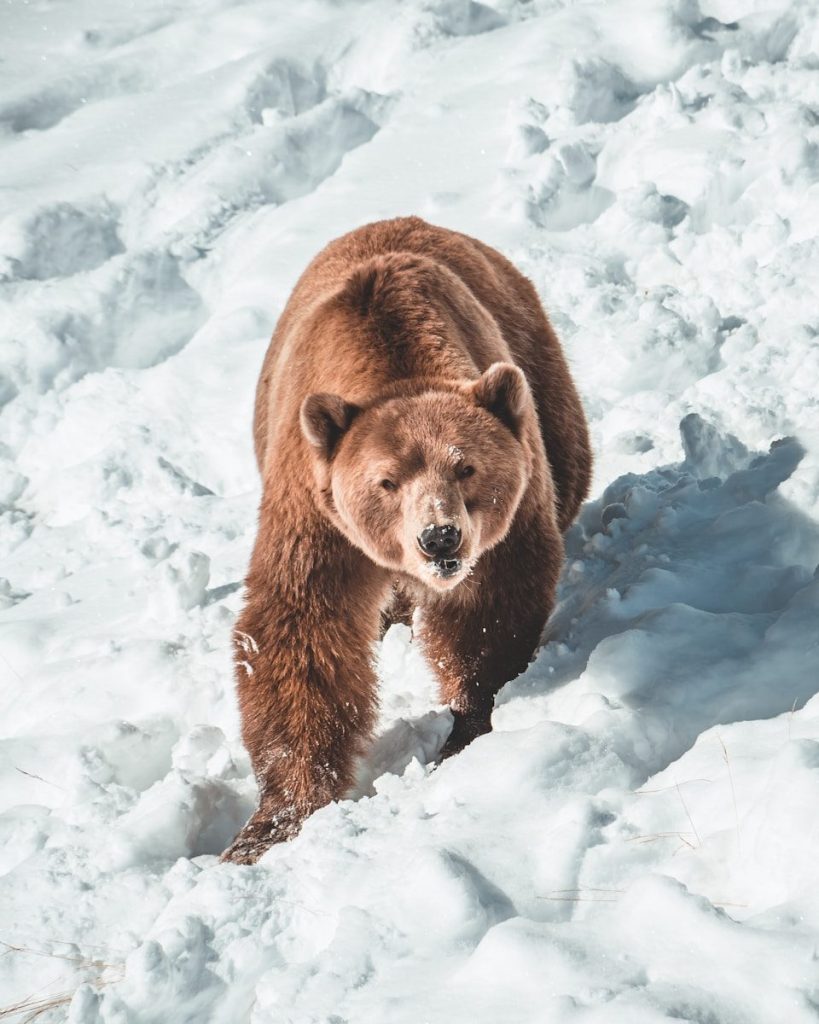
The discovery of the first wild hybrid bear demonstrated that evolution is an ongoing process rather than something confined to the distant past. While these bears capture public imagination because of their unusual appearance, scientists view them as valuable evidence of how closely related species can occasionally interbreed when ecological conditions allow.
Rather than representing a new species, these rare hybrids offer researchers another window into how wildlife responds to changing environments.
Fact: Photo by Mark Basarab on Unsplash
Leave a Reply