
A caregiver bonds with a rescued bear story can warm anyone’s heart, but it also shows the hard work behind wildlife rescue. Many rescued bears have survived injury, neglect, illegal captivity, or the loss of their mothers before arriving at a sanctuary. Building trust with these powerful animals takes time, patience, and expert care.
This article explains how caregivers earn a rescued bear’s trust, what rehabilitation involves, why human contact is carefully managed, and how these special relationships help bears recover while keeping both people and animals safe.
How rescued bears arrive at sanctuaries
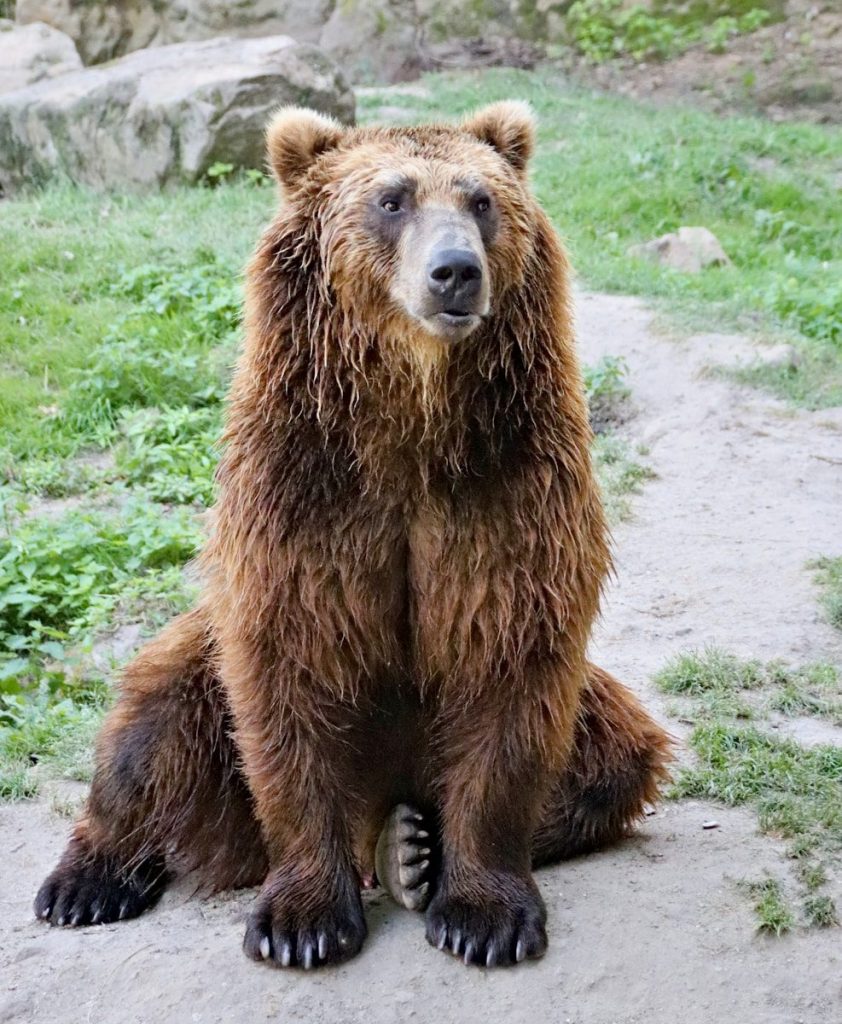
Many rescued bears come from difficult situations. Some are found injured in the wild, while others are rescued from illegal wildlife trade, roadside attractions, or places where they were kept in poor conditions.
Wildlife authorities and rescue organizations work together to move these bears to licensed sanctuaries or rehabilitation centers. There, veterinarians check their health and create care plans based on each bear’s age, injuries, and behavior.
How caregivers build trust
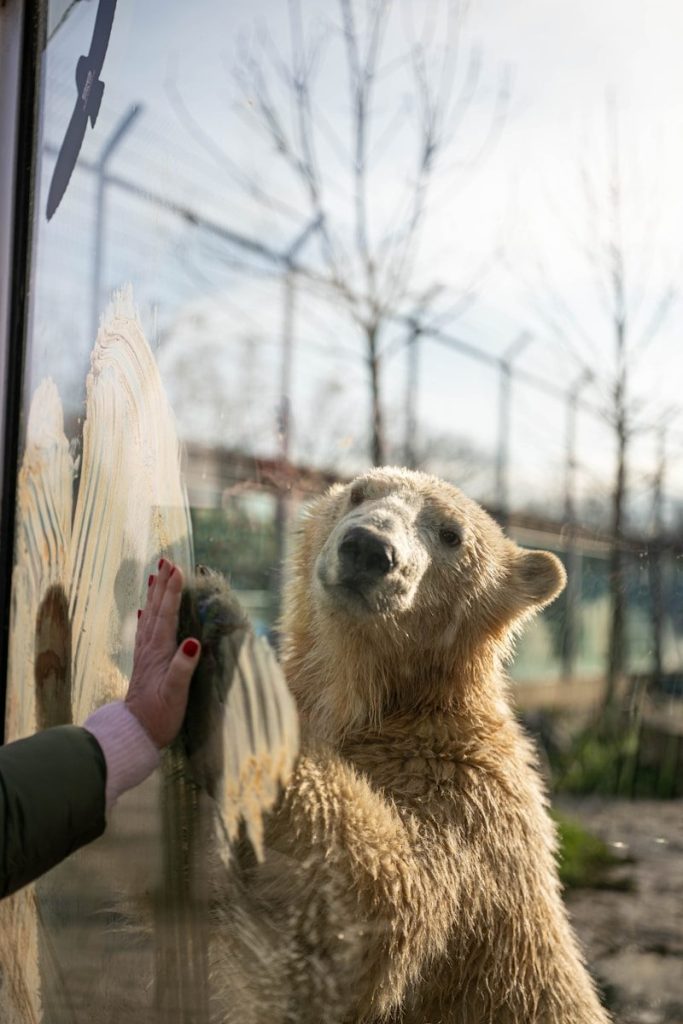
A caregiver never forces a rescued bear to interact. Instead, trust grows through daily routines like feeding, cleaning habitats, and watching the bear’s behavior from a safe distance.
Over time, many bears begin to recognize familiar voices, smells, and routines. While this can create touching moments, experienced caregivers always remember that bears remain wild animals with natural instincts.
What rehabilitation includes

Rehabilitation focuses on helping bears become as healthy and independent as possible. Caregivers provide balanced diets, medical treatment, clean water, and large spaces where bears can climb, dig, swim, and search for food.
Behavior is just as important as physical health. Enrichment activities, such as hiding food or adding logs and natural objects, encourage bears to use the same skills they would need in the wild.
Why does safety always come first?

Even a calm rescued bear is incredibly strong. Adult bears can weigh hundreds of pounds and can react quickly if they feel scared, stressed, or threatened.
For this reason, professional sanctuaries follow strict safety rules. Many caregivers work through protected barriers instead of entering an enclosure, reducing risks while still giving bears excellent daily care.
Why some rescued bears cannot return to the wild

Not every rescued bear can be released. Some have injuries that make survival difficult, while others were raised by people and never learned important skills like finding food or avoiding danger.
When release is not possible, accredited sanctuaries provide lifelong homes. Their goal is to give bears safe, enriching environments where they can live comfortably without being exploited for entertainment.
What these heartwarming moments really mean
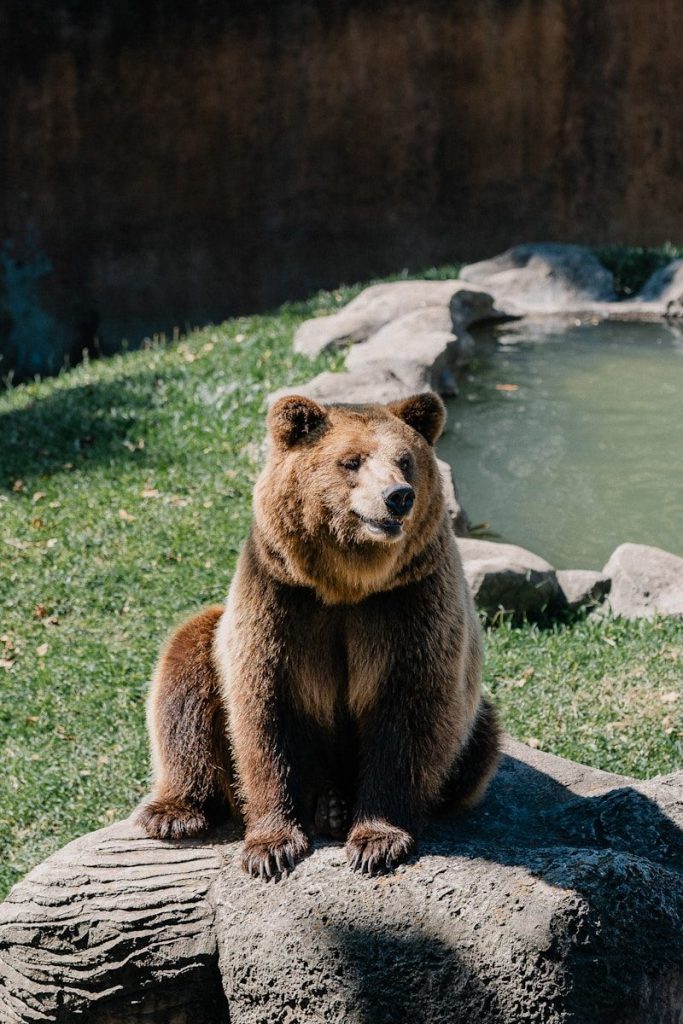
When a rescued bear calmly approaches a trusted caregiver or appears relaxed during care, it reflects months or even years of consistent work. These moments are signs that the animal feels more secure in its surroundings.
At the same time, responsible caregivers avoid treating bears like pets. Their main mission is to protect the animal’s welfare, respect its wild nature, and provide the best quality of life possible.
Featured Image: Photo by Zdeněk Macháček on Unsplash
Leave a Reply