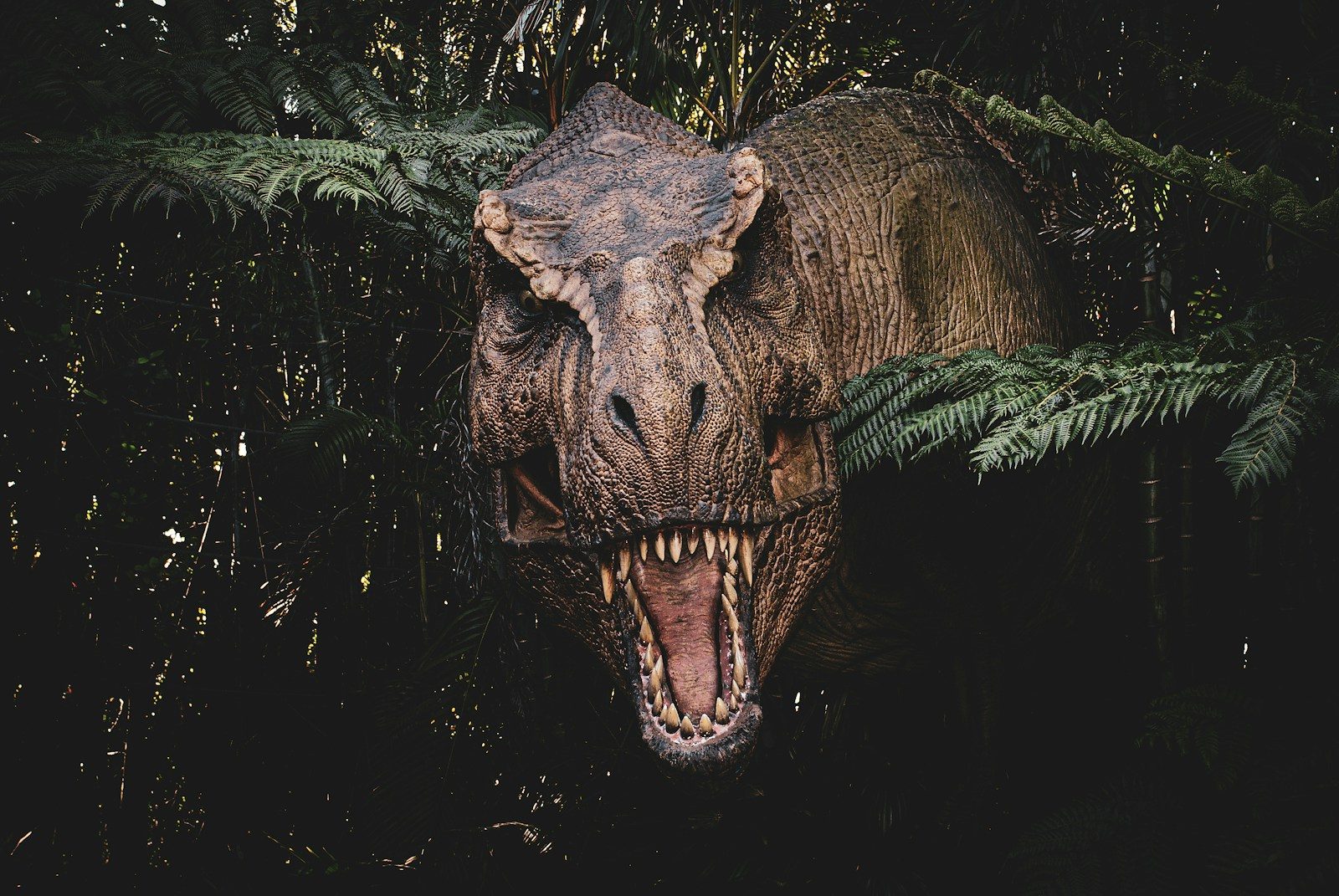
What happens when one of the world’s rarest dinosaurs is discovered? A rare T. rex discovered in South Dakota is making headlines because it could sell for tens of millions of dollars at auction. The fossil, nicknamed Gus, is one of the largest and most complete Tyrannosaurus rex skeletons ever found. Scientists are excited by the discovery, but many are also worried that the fossil could disappear from public view if it is purchased by a private collector.
This article explains where Gus was found, why it is so valuable, why experts are concerned, and what could happen after the auction.
How Gus was discovered
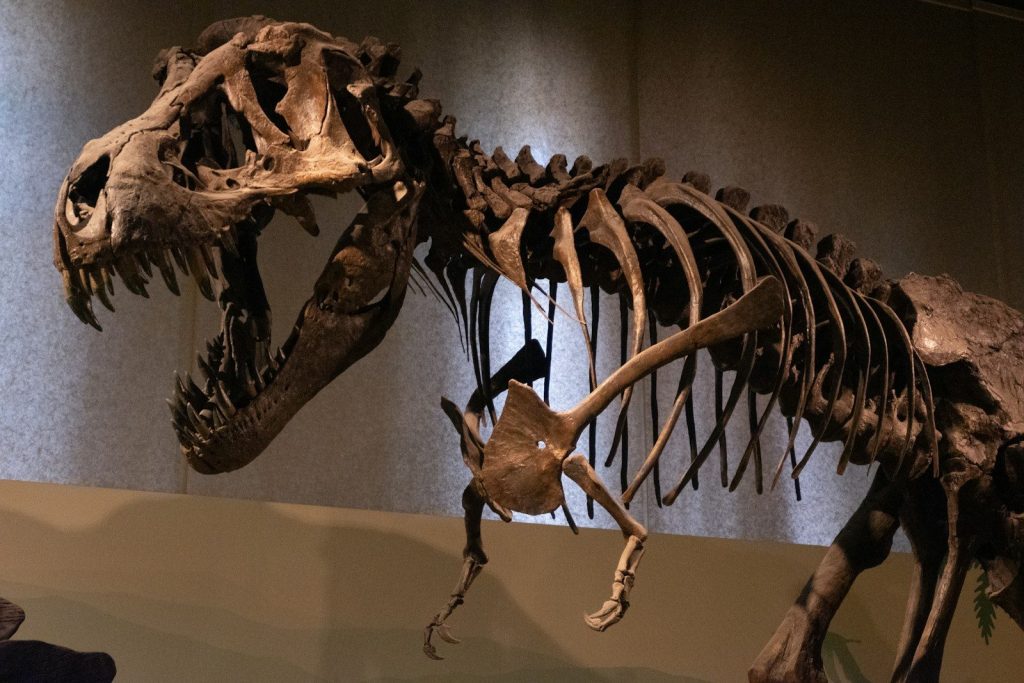
Gus was discovered on private ranch land in Harding County, South Dakota. The fossil was excavated over several years, from 2021 through 2024, by a commercial fossil company with the landowner’s permission.
The dinosaur was named after ranch owner Gary “Gus” Licking, who died before the excavation was completed. The skeleton is about 67 million years old and is believed to belong to a large adult Tyrannosaurus rex.
Why is this T. rex so special
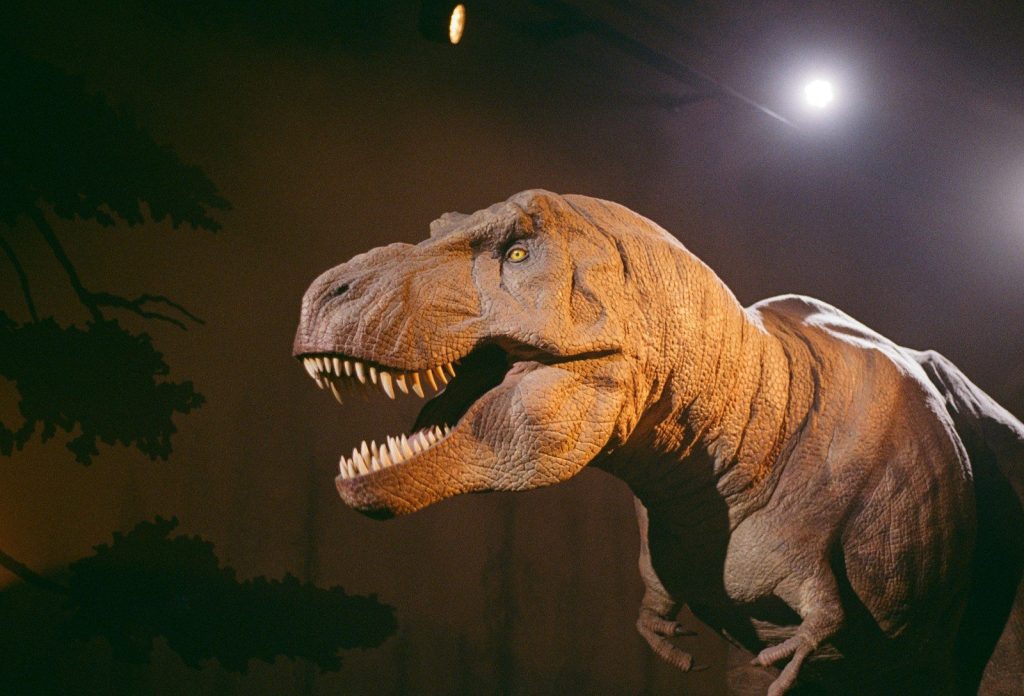
Gus measures about 38 feet long and stands roughly 12.5 feet tall when mounted. The specimen is about 61% complete by bone count, making it one of the most complete T. rex skeletons ever offered at auction.
The fossil also preserves signs of the dinosaur’s life. Bite marks on the skull and healed bone injuries suggest Gus survived violent encounters, possibly with another Tyrannosaurus rex. These details make the specimen especially valuable for scientific study.
Why the auction could make history
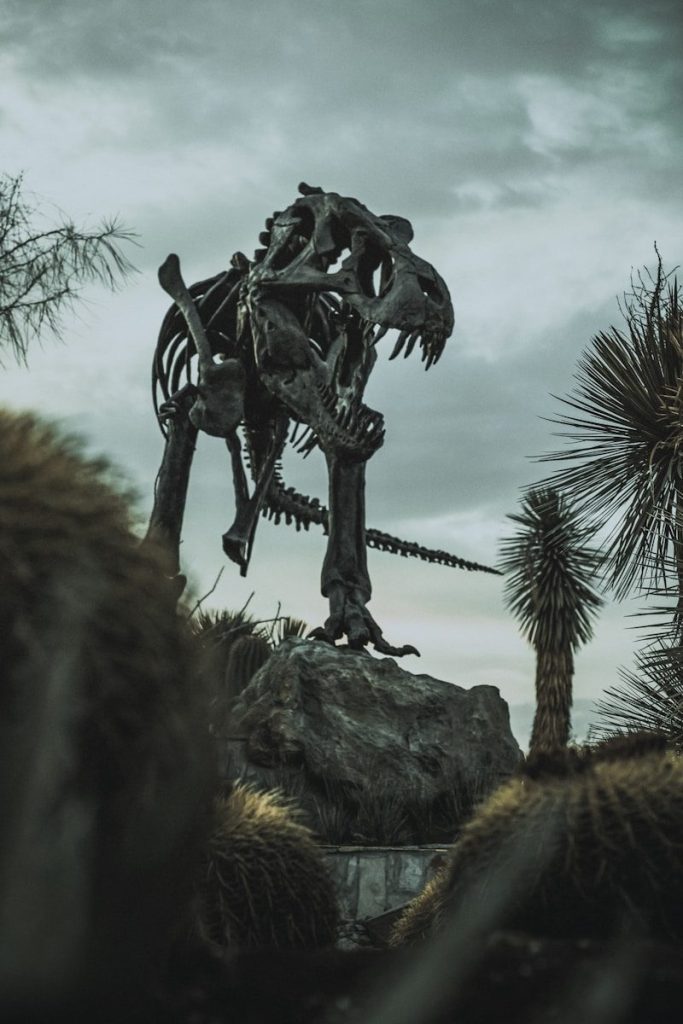
Sotheby’s expects Gus to sell for between $20 million and $30 million. If bidding climbs higher, the final price could approach or even exceed previous dinosaur auction records.
Recent dinosaur sales have shown that collectors are willing to spend enormous amounts on rare fossils. High-profile auctions have pushed prices beyond what most museums can afford, making each sale closely watched by scientists and collectors alike.
Why scientists are concerned

Many paleontologists worry that an important fossil could end up in a private collection instead of a museum. If that happens, researchers may lose regular access to the specimen to study it and compare it with future discoveries.
Scientists say fossils play an important role in understanding prehistoric life. They believe discoveries like Gus provide the greatest benefit when they remain available for research, education, and public display.
Could the fossil disappear from public view?
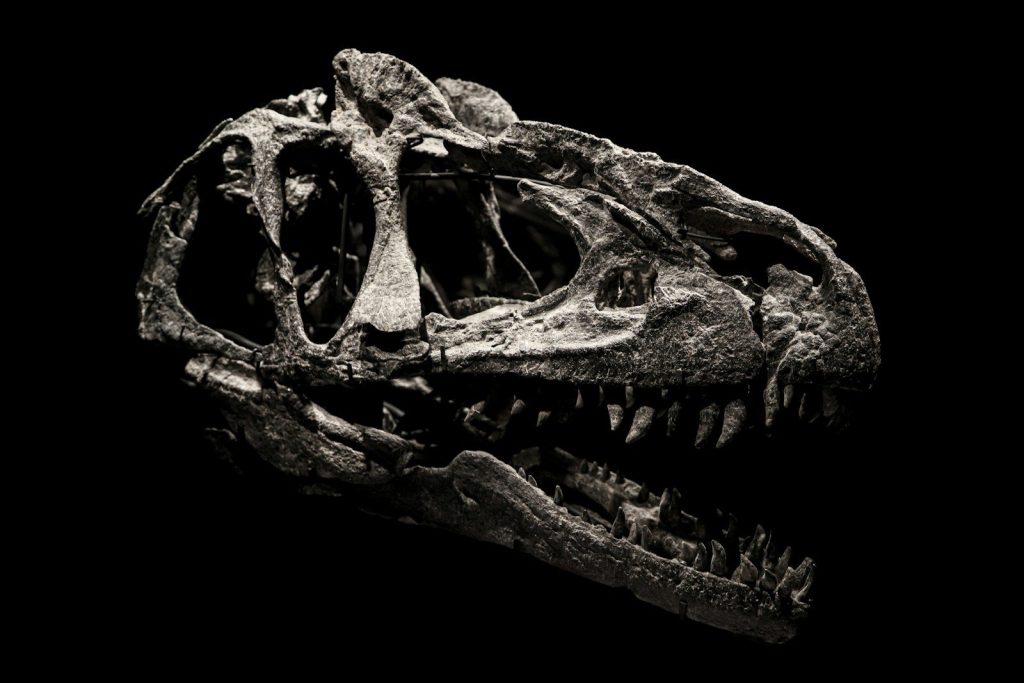
A private buyer is not required to display the fossil publicly. While some collectors loan or donate fossils to museums, others keep them in private collections where public access is limited.
Because the auction winner’s plans are unknown, experts cannot say where Gus will end up. Many researchers hope the fossil will eventually be displayed in a museum where visitors and scientists can continue learning from it.
Why is South Dakota famous for dinosaur fossils?
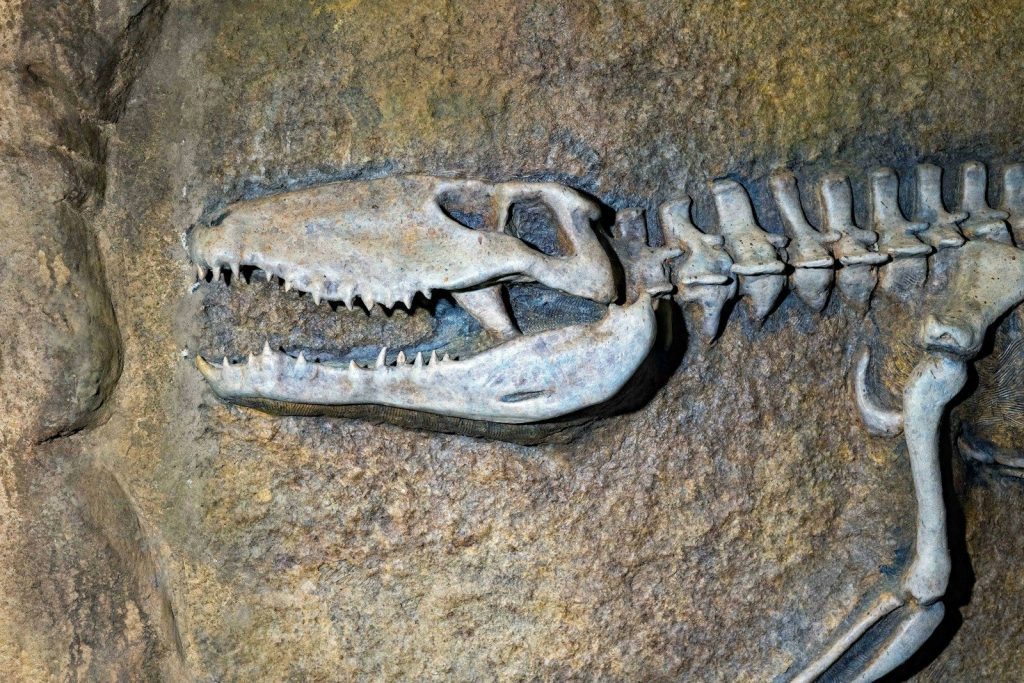
South Dakota’s Hell Creek Formation is one of the world’s richest places for Late Cretaceous fossils. The region has produced famous Tyrannosaurus rex specimens, including Sue and Stan, as well as many other dinosaur specimens.
New discoveries from the area continue to improve scientists’ understanding of dinosaurs that lived just before the mass extinction 66 million years ago. Each major fossil adds another piece to Earth’s prehistoric history.
Leave a Reply