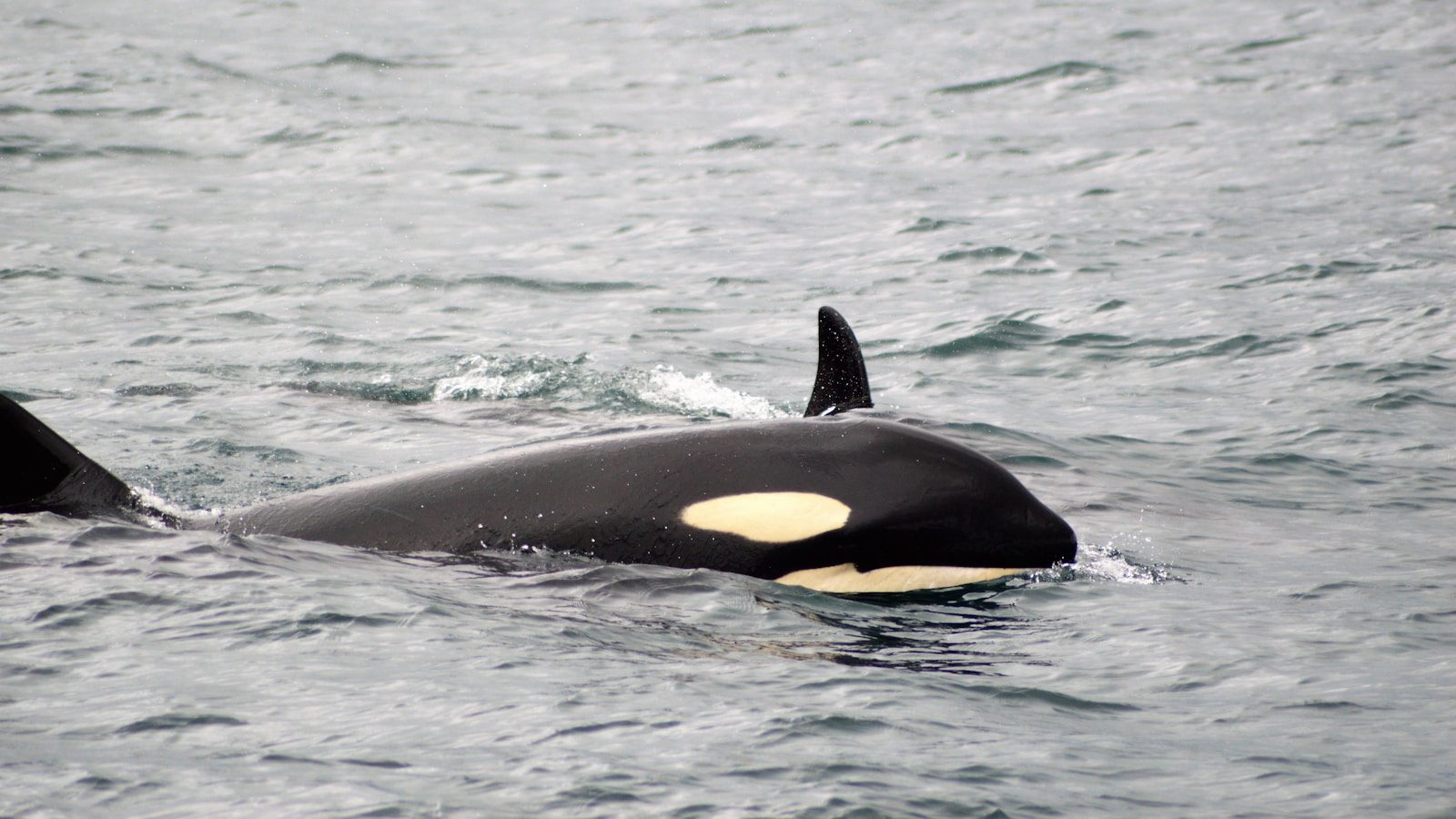
Have you ever wondered how a seal can be in danger even while resting on a floating piece of ice? Orcas use wave-making tactics to knock seals into the water, turning the ocean itself into a hunting tool. This amazing behavior shows just how smart and organized these marine mammals can be.
In this article, you’ll learn how orcas create powerful waves, why they work together, how young whales learn the skill, and why this hunting method is one of the most remarkable examples of teamwork in the animal world.
What is wave washing?
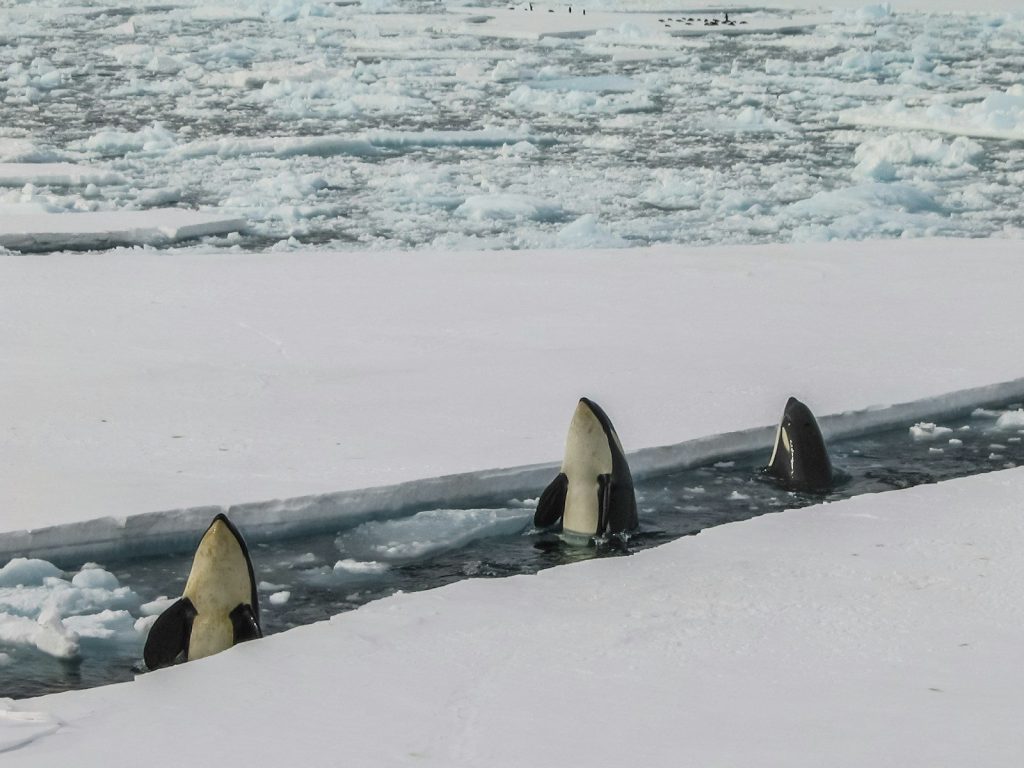
Wave washing is a special hunting method used by some Antarctic orcas. When they spot a seal resting on an ice floe, several orcas swim together at high speed toward the ice before diving at the same time. Their movement creates a strong wave that rushes over the ice.
The wave can wash the seal into the water, where the orcas have a much better chance of catching it. If the seal stays on the ice, the whales may repeat the attack many times until the ice breaks or the seal slips into the ocean.
Why do orcas work as a team?
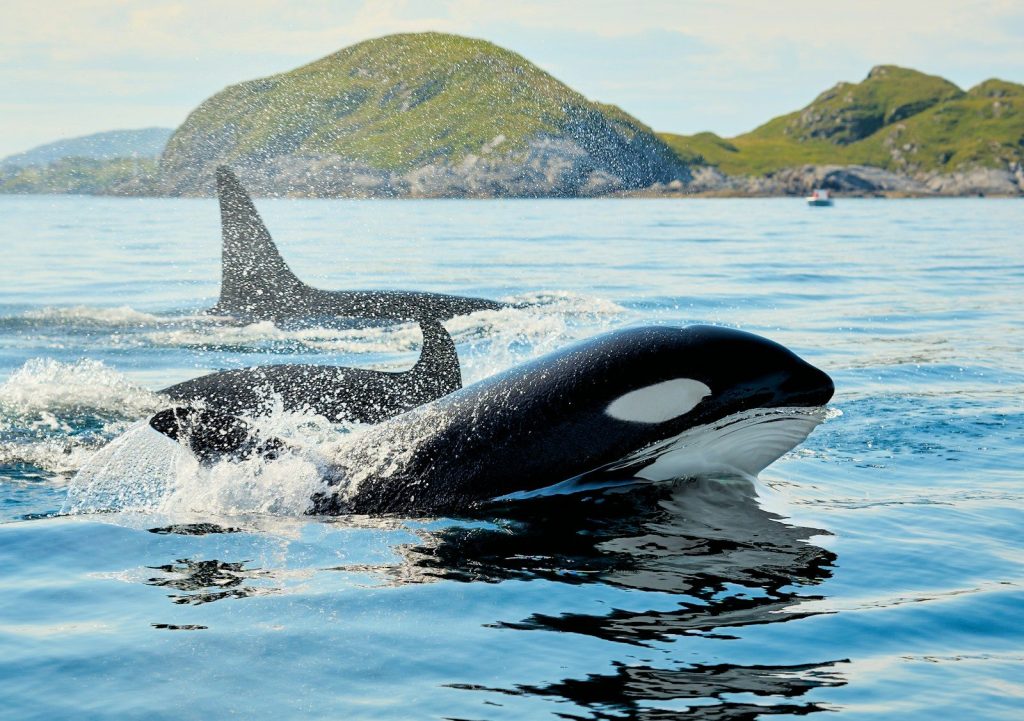
A single orca cannot usually make a wave strong enough to move a seal. That is why several whales line up and swim in perfect sync. Every whale must match the others in speed, timing, and direction.
This teamwork makes the hunt much more successful. Scientists have watched family groups communicate and coordinate each move, showing that cooperation is one of the orca’s greatest strengths.
Which seals are most often targeted?
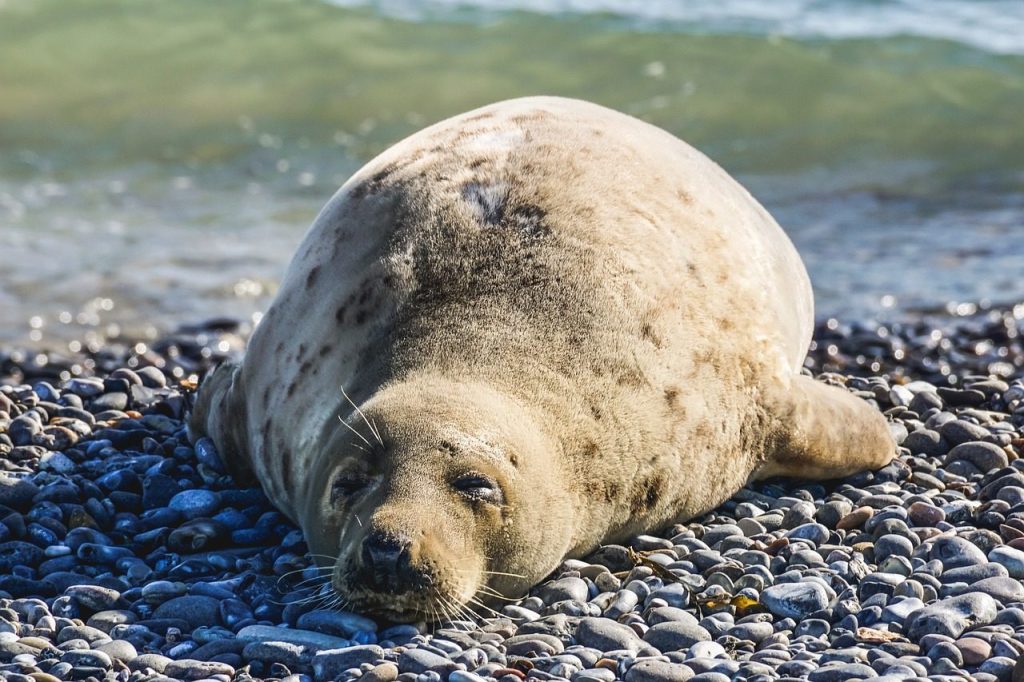
Wave washing is most often seen in Antarctica, where seals rest on floating sea ice. Weddell seals are common targets because they spend time lying on ice floes between swims.
Orcas have also been seen using this method against crabeater seals. Sometimes the waves even crack or break the ice, making it even harder for the seal to stay out of the water.
How do young orcas learn this skill?
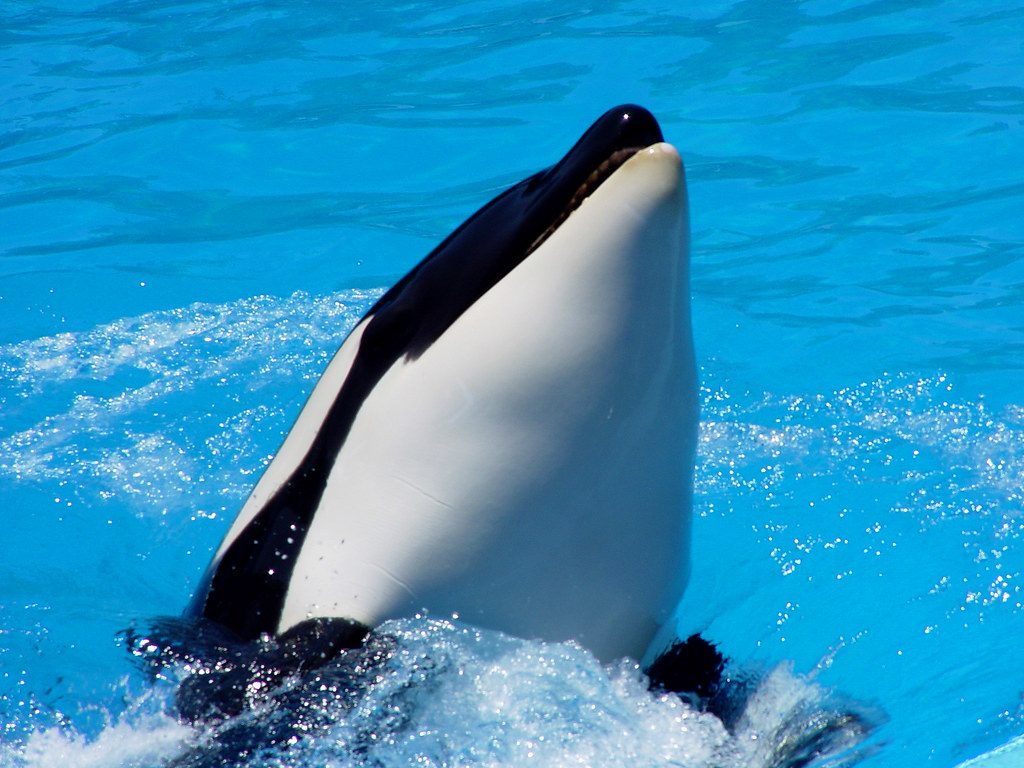
Wave washing is not something orcas are born knowing. Young whales learn by staying close to older family members during hunts and watching every step of the process.
Scientists believe this is an example of animal culture because knowledge is passed from one generation to the next. Calves may practice during hunts for years before they can help create waves correctly.
Why is this hunting method so unusual?
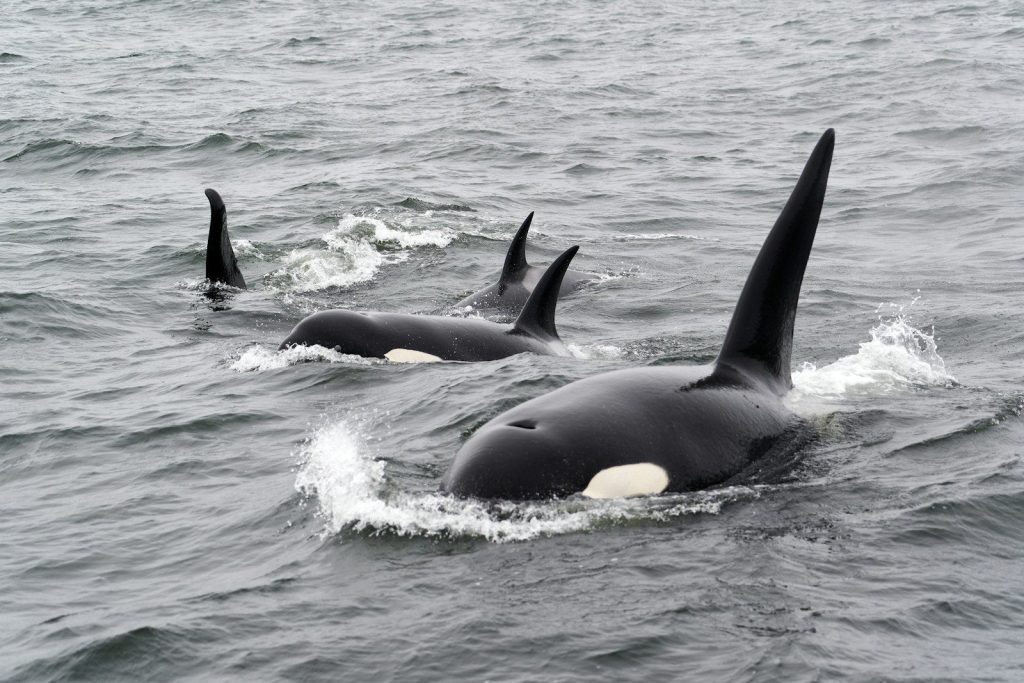
Most ocean predators chase their prey directly. Orcas are different because they change the environment to gain an advantage. Instead of attacking the seal on the ice, they use the force of moving water to remove its safe place.
Researchers have found that only a small group of Antarctic type B1 orcas regularly performs wave washing. Their ability to solve problems and work together makes this one of the most advanced hunting behaviors seen in marine mammals.
What does this tell us about orca intelligence?
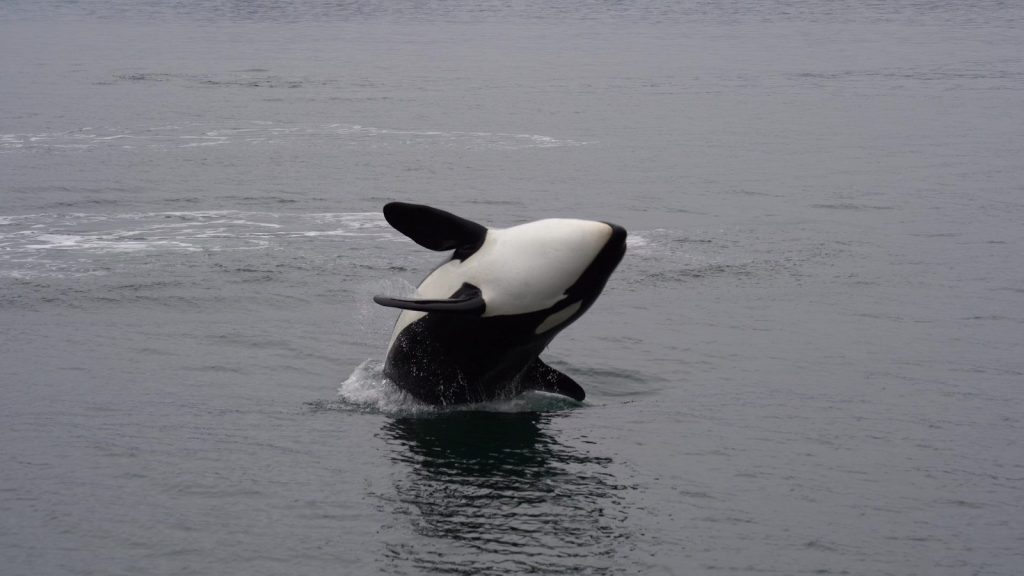
Wave washing shows that orcas can plan, communicate, and cooperate during difficult hunts. They adjust their actions based on the size of the ice floe and the seal’s movements, sometimes repeating the process many times before succeeding.
This behavior also highlights how important family groups are for orcas. Older whales teach younger ones, helping the pod keep valuable hunting skills alive for future generations.
Leave a Reply