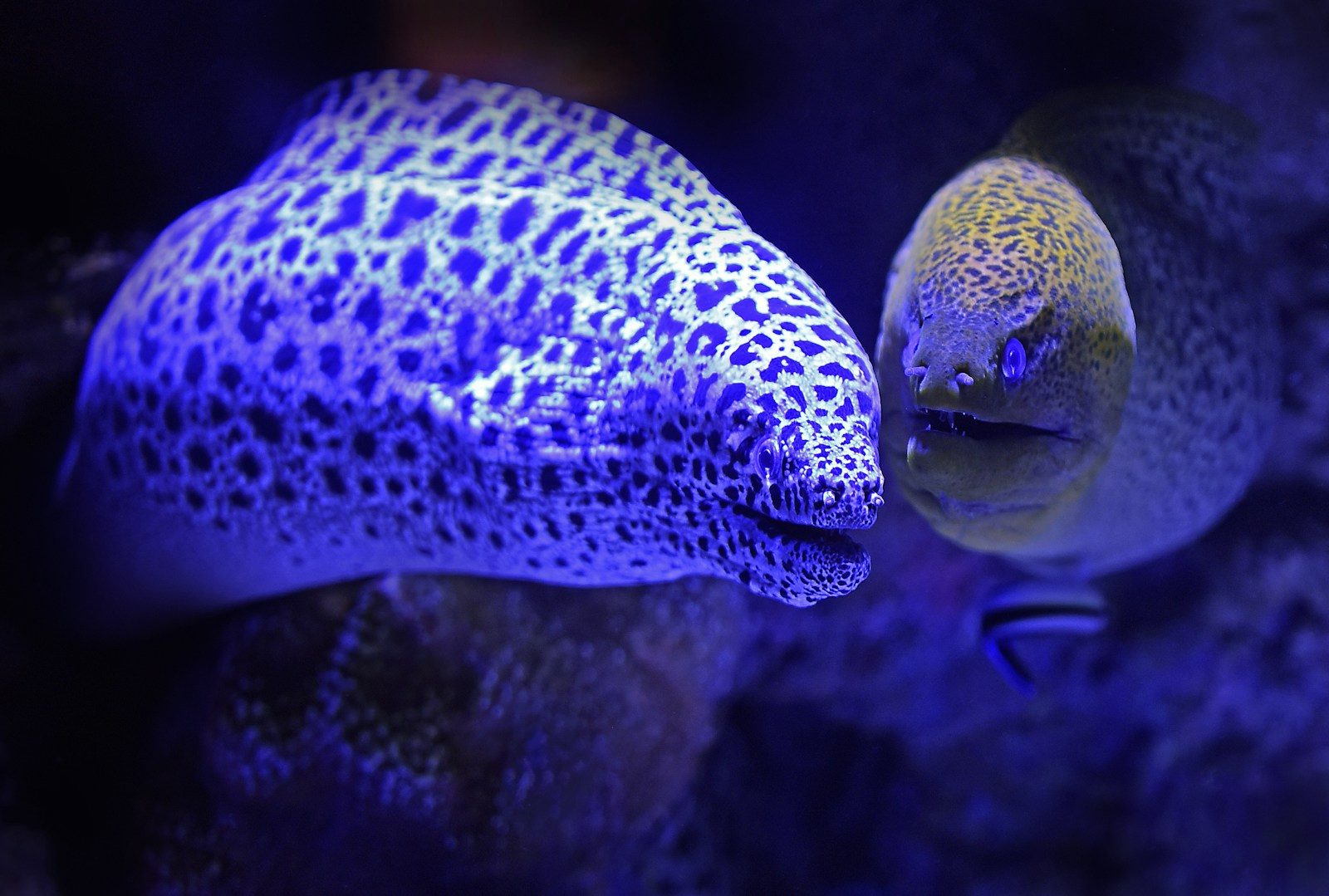
The world’s oceans and rivers are home to fish with extraordinary adaptations that help them survive in challenging environments. Some rely on venom, others on electricity, razor-sharp teeth, or incredible camouflage.
From reef-dwelling moray eels to the mighty electric eel of South America, these species demonstrate just how diverse—and sometimes dangerous—the underwater world can be. While many have fearsome reputations, most pose little risk to humans when left undisturbed.
Moray eels hunt with two sets of jaws
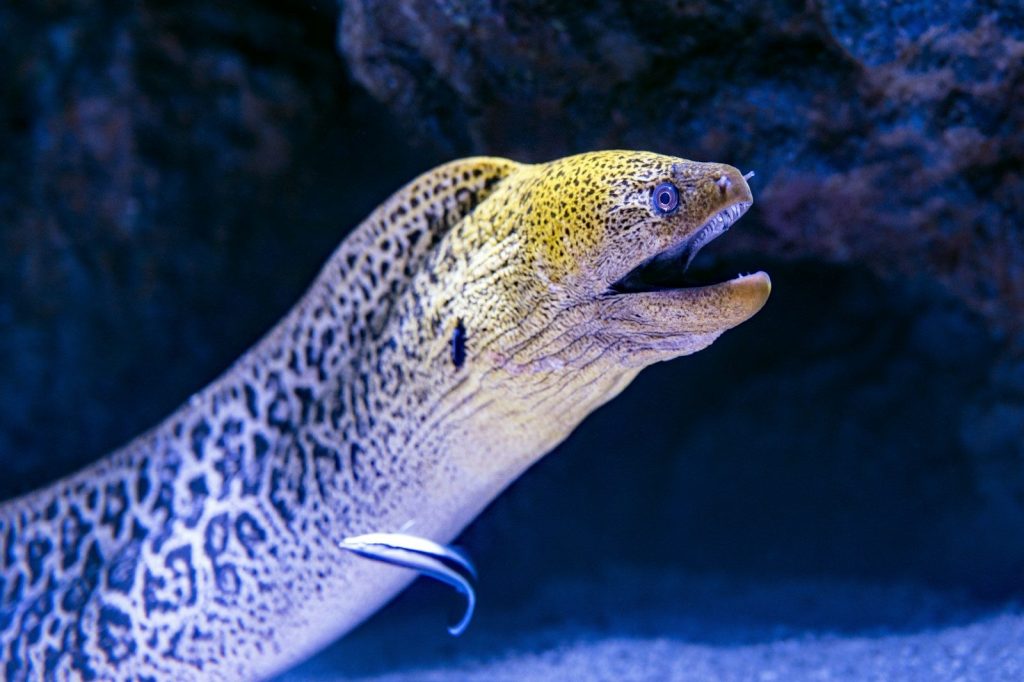
Moray eels are among the most unusual predators on coral reefs. Unlike most fish, they possess a second set of jaws, called pharyngeal jaws, inside their throat. Once the outer jaws seize prey, these inner jaws move forward to pull food deeper into the mouth.
Found throughout tropical and subtropical seas, morays usually hide inside rock crevices and attack only when threatened or provoked.
Tigerfish are freshwater speed hunters

African tigerfish are famous for their speed, aggression, and impressive teeth. Their long, dagger-like teeth remain visible even when the mouth is closed, allowing them to grip slippery prey with ease.
The largest species, the goliath tigerfish, can exceed 6 feet (1.8 meters) in length and is considered one of Africa’s premier freshwater game fish.
Piranhas are not the monsters movies suggest
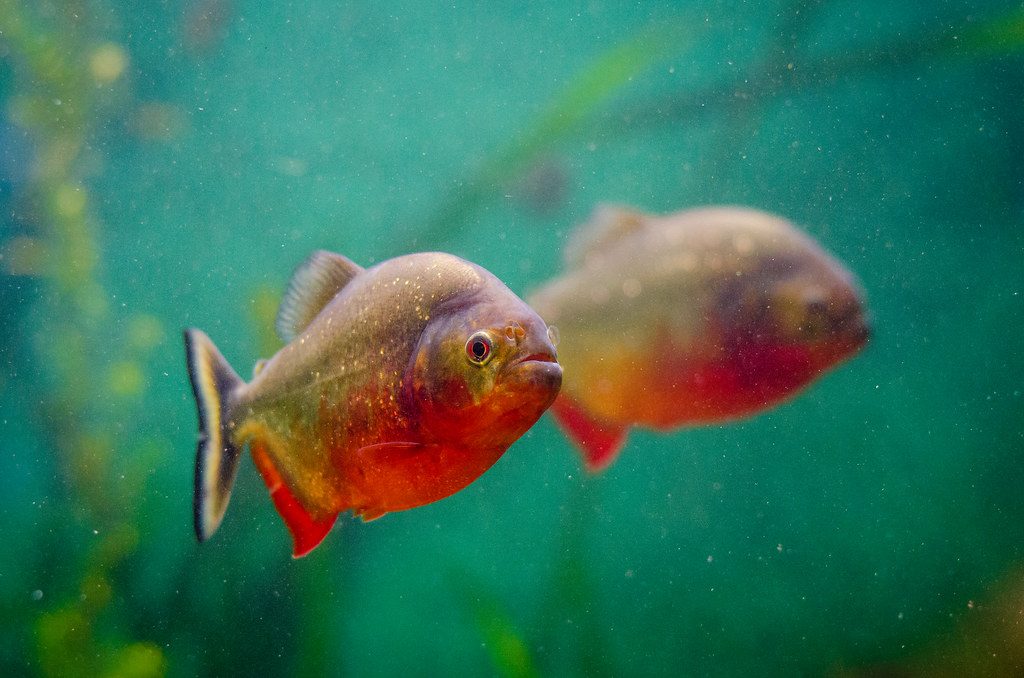
Piranhas have powerful jaws and razor-sharp triangular teeth, but their reputation has often been exaggerated. Most species feed on fish, insects, seeds, fruits, or carrion rather than actively hunting large animals.
Although feeding frenzies can occur under certain conditions, attacks on humans are relatively uncommon in the wild.
Stonefish rely on camouflage and venom
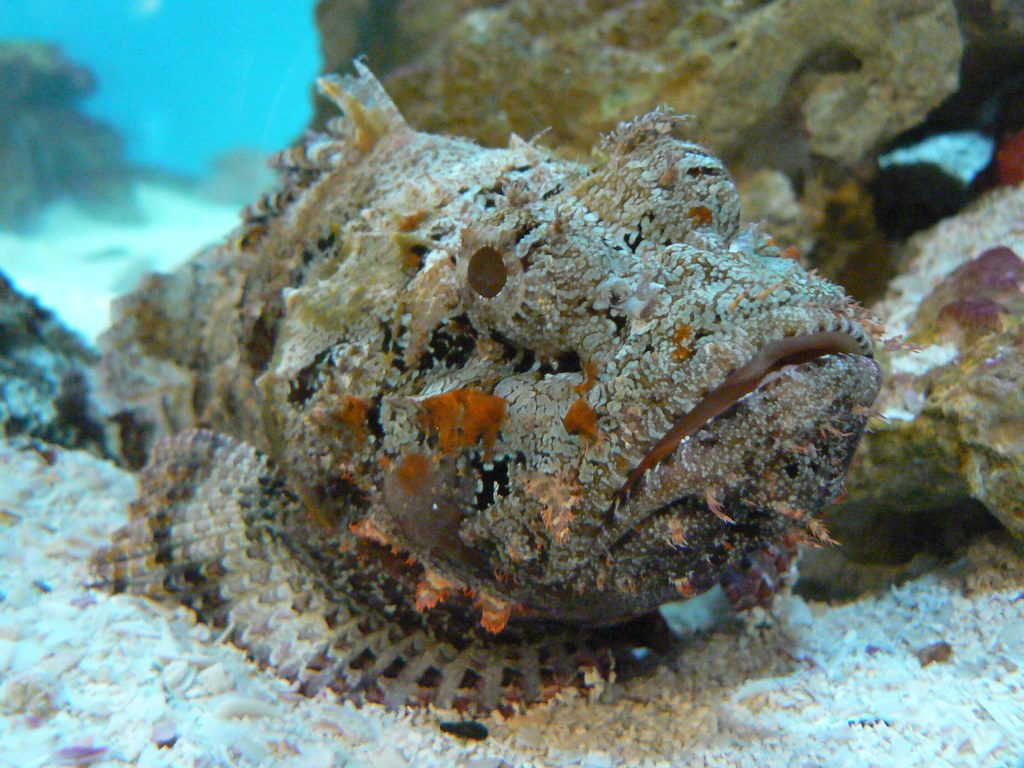
Stonefish are masters of disguise, blending almost perfectly with rocks and coral reefs. This camouflage protects them from predators while allowing them to ambush prey.
Their dorsal spines contain powerful venom that can cause intense pain and medical emergencies if stepped on, making them among the world’s most venomous fish.
Manta rays are gentle ocean giants
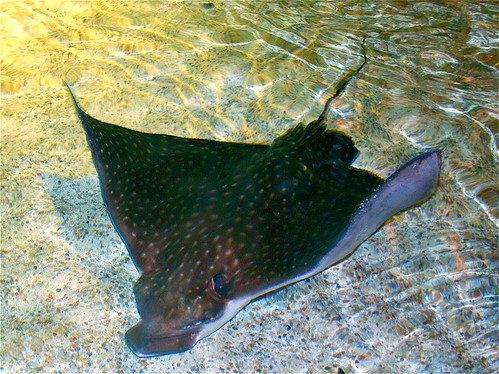
Despite their enormous size, manta rays are harmless filter feeders that consume plankton and small fish. Their wing-like pectoral fins allow them to glide gracefully through warm oceans around the world.
The largest manta rays can grow more than 23 feet (7 meters) across, yet they pose virtually no danger to swimmers or divers.
Electric eels generate powerful shocks
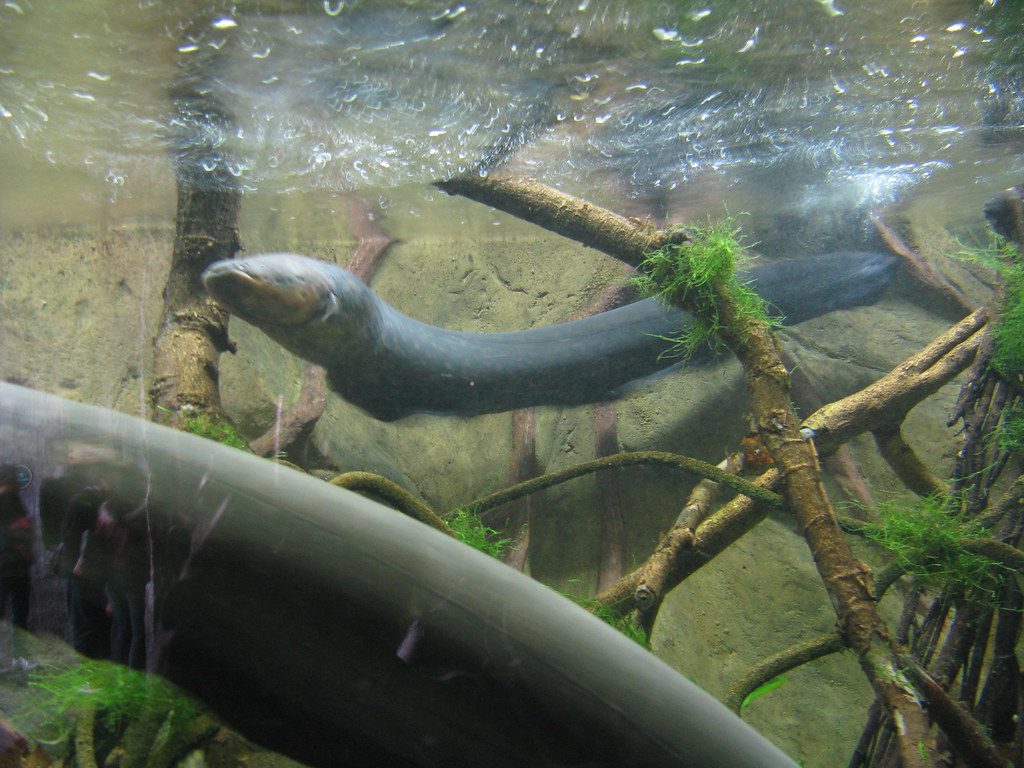
Electric eels are actually members of the knifefish family rather than true eels. Using specialized electric organs, they can generate powerful electrical discharges to stun prey, defend themselves, and even locate hidden animals in murky water.
These remarkable fish regularly surface to breathe air because they obtain much of their oxygen directly from the atmosphere rather than through their gills alone.
Leave a Reply