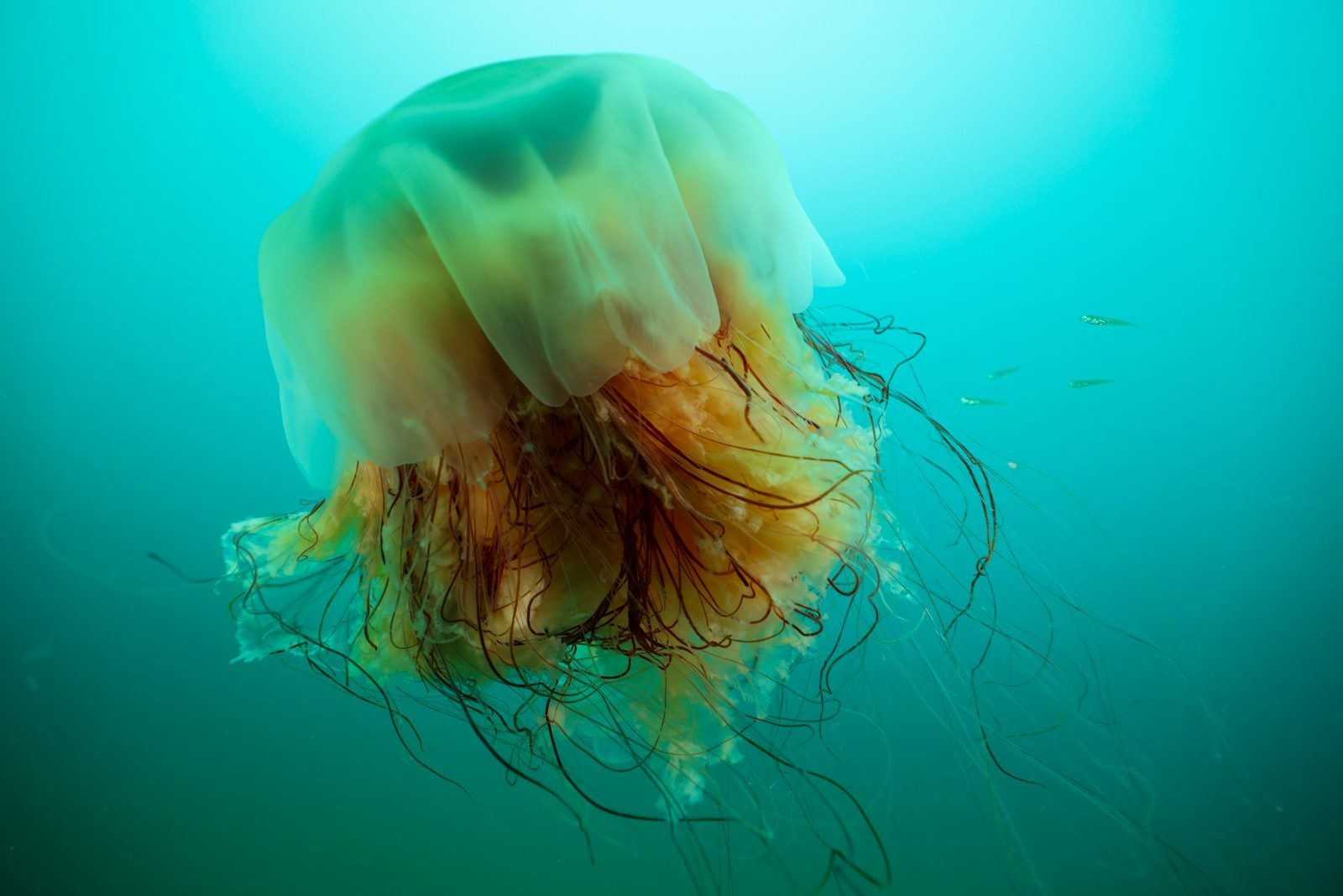
Planning a beach trip this summer? A giant venomous jellyfish with 120-foot tentacles spotted near U.S. beaches has prompted safety warnings in parts of New England. The animal is the lion’s mane jellyfish, one of the largest jellyfish species on Earth. While it usually lives in colder waters, large numbers have recently appeared near beaches, raising concerns for swimmers.
This article explains what the lion’s mane jellyfish is, where it has been spotted, why it can be dangerous, and how to stay safe if you see one.
What is the lion’s mane jellyfish?
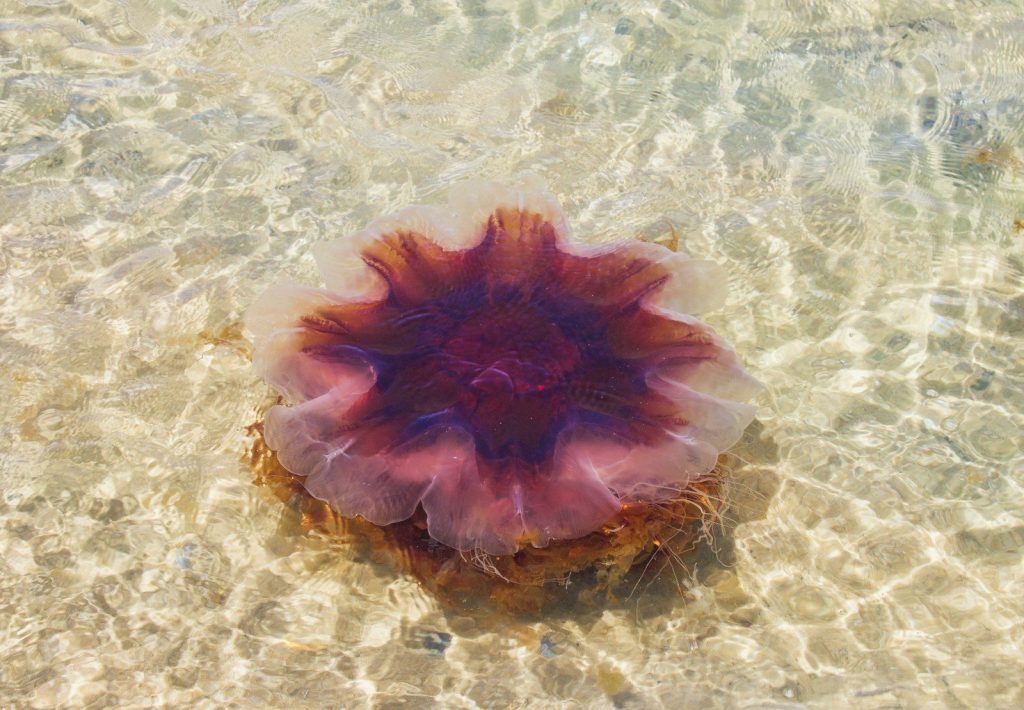
The lion’s mane jellyfish is the largest known jellyfish species in the world. Its bell can grow several feet across, while the longest recorded tentacles stretched about 120 feet, making them longer than many whales.
The jellyfish gets its name from its long, hair-like tentacles that look like a lion’s mane. It is usually found in the cold waters of the North Atlantic and Arctic, although it can also appear along parts of the northeastern United States.
Where has it been spotted?
Large numbers of lion’s mane jellyfish have recently been reported along the New England coast, especially near Massachusetts beaches. Local officials have issued safety warnings after swimmers and beach visitors reported seeing many of the giant jellyfish in the water and washed onto shore.
Marine experts say these sightings are higher than normal for this time of year. Reports have come from areas including Cape Cod, Salem, Nahant, and other coastal communities where beachgoers are being urged to stay alert.
Why are the tentacles dangerous?
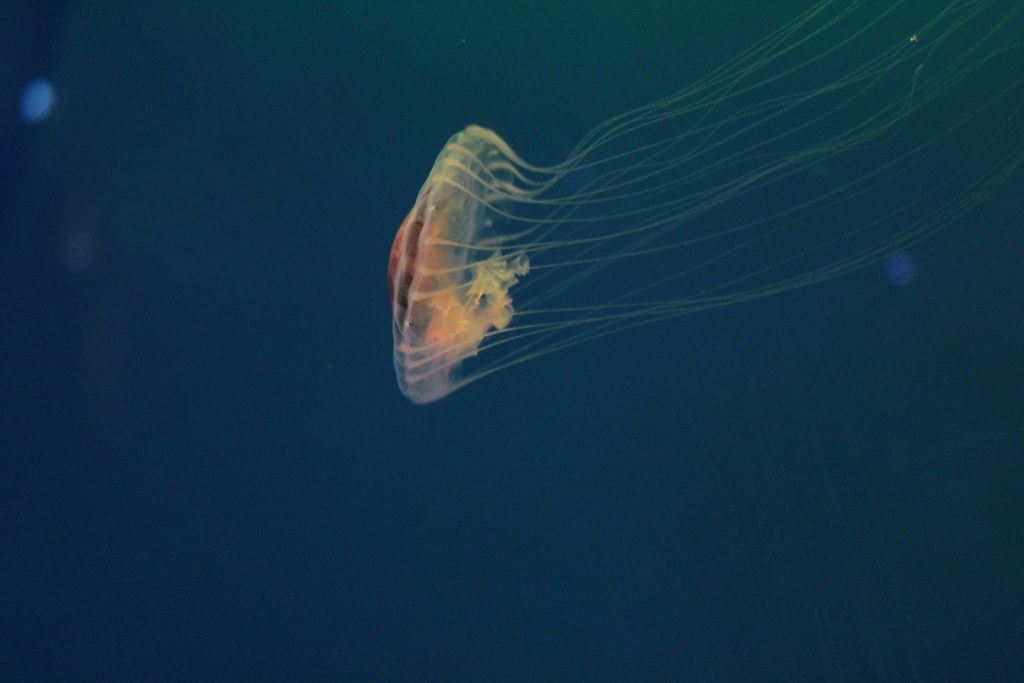
The lion’s mane jellyfish uses thousands of tiny stinging cells on its tentacles to catch fish and other prey. These cells release venom when touched, causing painful stings that can leave red marks, burning, and swelling.
Even a jellyfish that has washed onto the beach or died can still sting. Detached tentacles may remain active for days, so experts warn people never to touch the animal or its loose tentacles with bare hands.
Why are more jellyfish appearing?
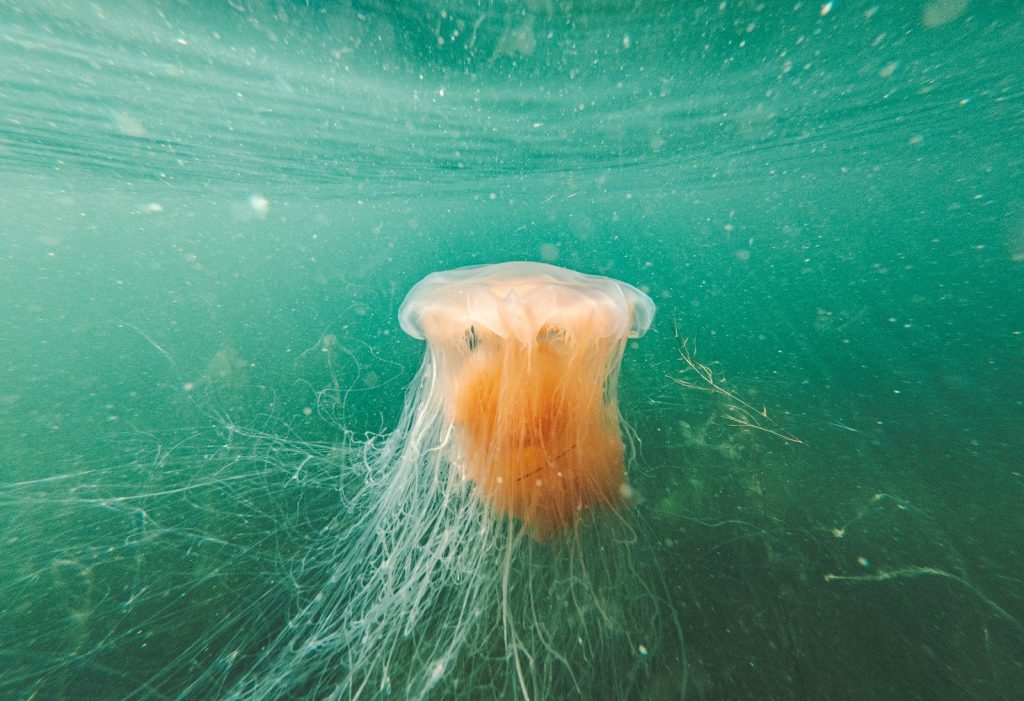
Scientists say there is no single reason for large jellyfish blooms. Ocean temperatures, tides, currents, wind, and the amount of available food can all affect where jellyfish gather and how many appear near beaches.
Researchers are still studying whether changing ocean conditions are helping create larger groups in some areas. Because many natural factors work together, experts cannot accurately predict when future blooms will happen.
What should beachgoers do?

If you see a lion’s mane jellyfish in the water or on the sand, keep a safe distance. Parents should also make sure children and pets do not touch stranded jellyfish because the tentacles can still cause painful stings.
If someone is stung, remove any visible tentacles carefully with tweezers if possible, rinse as directed by local health guidance, and seek medical care if severe pain, trouble breathing, or an allergic reaction develops. Do not rely on common myths such as using urine to treat a jellyfish sting.
What this means for summer beaches

The recent sightings do not mean beaches are closed or unsafe for everyone. Most beaches remain open, but local officials are asking visitors to follow lifeguard instructions and pay attention to warning signs before entering the water.
The lion’s mane jellyfish is an important part of the ocean ecosystem, but it deserves respect from a safe distance. Staying informed and avoiding contact can help people enjoy the beach while reducing the risk of painful stings.
Featured Image: Photo by Ekaterina Zlotnikova on Unsplash
Leave a Reply