
Many people believe shallow water is safer than deeper parts of the ocean. But one recent shark attack proved that serious encounters can happen close to shore. A boy was wading in shallow water when a shark struck at Sydney Harbour, leaving him with critical injuries. The incident shocked beachgoers and led to immediate emergency action.
This article explains what happened, how rescuers responded, what experts know about shark behavior, and the important safety lessons for anyone visiting the beach.
What happened at the beach?

The attack happened on January 18, 2026, near Shark Beach at Vaucluse in Sydney Harbour, Australia. A boy, believed to be about 12 or 13 years old, was wading in shallow water when a shark bit him on the legs.
Emergency services received the call quickly, and police marine officers reached the boy within minutes. The attack happened close to shore, showing that shark encounters, while rare, can occur even in shallow water.
How rescuers helped the victim
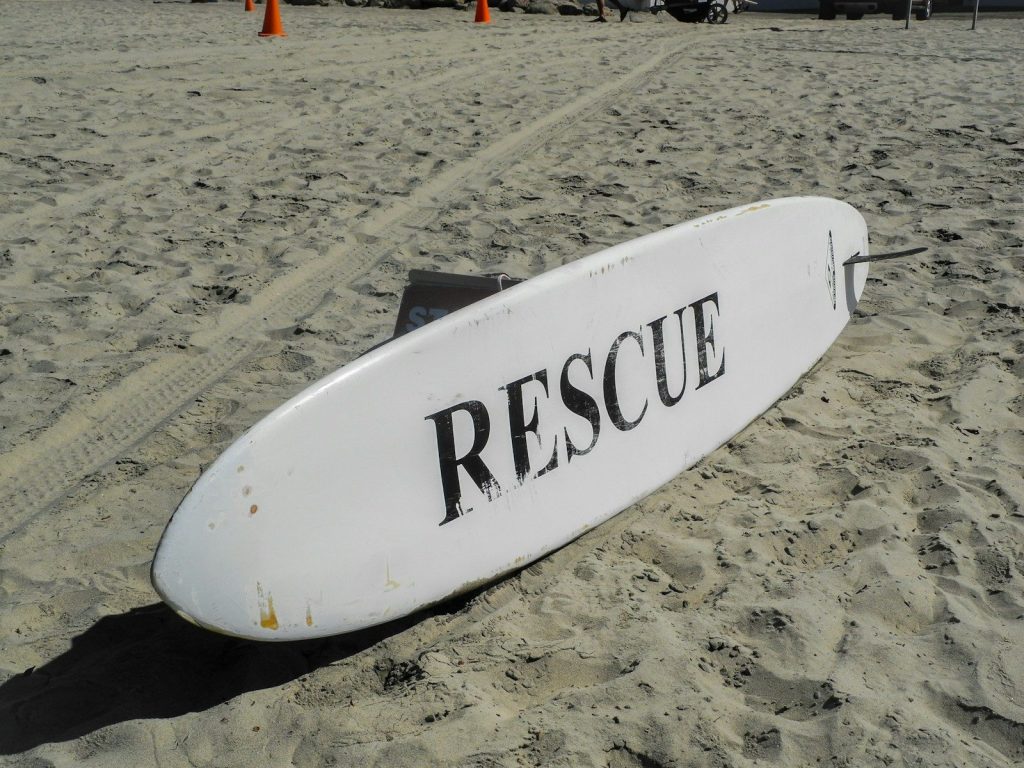
Police officers pulled the injured boy from the water and immediately began first aid. They placed tourniquets on his legs to help control severe bleeding before taking him by police boat to shore.
Paramedics continued emergency treatment after reaching the wharf and rushed the boy to the hospital. Fast medical care gave him the best possible chance after suffering life-threatening injuries.
Why sharks sometimes enter shallow water

Sharks do not always stay in deep ocean water. Some species swim close to beaches while following schools of fish or searching for food, especially in bays, estuaries, and coastal waters.
Marine scientists say sharks usually do not hunt humans. Most bites are believed to be cases of mistaken identity or exploratory behavior, and such incidents remain very uncommon compared with the number of people who swim each year.
What did the authorities do afterward

After the attack, officials increased monitoring of the area and warned people to be cautious while entering the water. Local authorities regularly assess beach conditions after shark incidents to help protect the public.
Beach managers may temporarily close swimming areas or increase patrols if sharks are spotted nearby. These precautions help reduce the risk of another encounter while experts monitor conditions.
How beachgoers can stay safer

Swimming at beaches with lifeguards is one of the best ways to improve safety. Lifeguards watch for hazards and can respond quickly during emergencies.
Experts also recommend avoiding swimming alone, staying away from schools of baitfish, and leaving the water immediately if sharks are reported nearby. Following local warnings is an important part of beach safety.
What this incident teaches us

The Sydney Harbour attack reminds people that the ocean is home to wild animals. Even shallow water cannot completely remove the natural risks of entering the sea.
At the same time, shark attacks remain very rare. Millions of people safely enjoy beaches every year, and following safety advice can help lower the already small risk of a shark encounter.
Featured Image: Photo by Gerald Schömbs on Unsplash
Leave a Reply