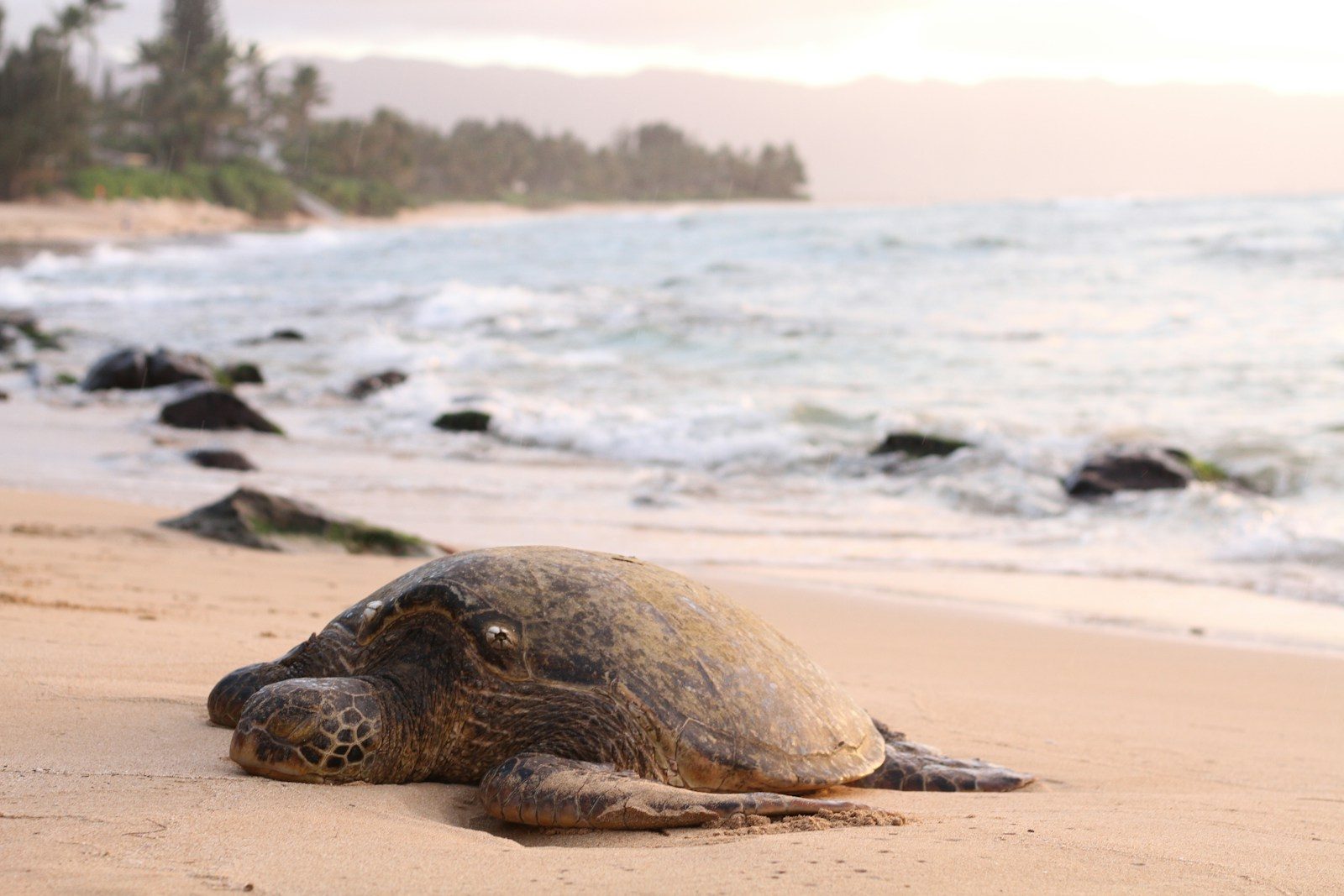
Finding a stranded sea turtle is always urgent, but sometimes rescuers discover something unexpected. An unexpected discovery changed a stranded turtle rescue in Louisiana when wildlife experts realized the animal needed specialized medical care instead of a simple return to the water. The rescue highlights why every stranded turtle must be carefully examined before release.
This article explains what happened, what rescuers found, how the turtle was treated, and why the public plays an important role in protecting endangered sea turtles along the Louisiana coast.
How the rescue began
The rescue started after members of the public reported a stranded juvenile green sea turtle near Port Fourchon, Louisiana. The turtle appeared weak and unable to behave normally, prompting a response from the Audubon Aquarium Rescue team.
Rescuers safely transported the turtle to the Audubon Aquatic Center for a full medical examination. Instead of releasing it immediately, veterinarians began checking for hidden health problems that could have put the turtle’s life at risk.
The unexpected discovery

During the examination, veterinarians determined the turtle was suffering from cold stunning. Sea turtles are cold-blooded animals, and when water temperatures drop too low, they can become weak, float at the surface, or wash ashore.
The rescue team also found that one turtle had buoyancy problems linked to cold exposure, while another had become stranded after being stunned by unusually cold weather. These discoveries changed the focus from rescue to long-term rehabilitation.
Why is cold stunning dangerous
Cold-stunned turtles cannot control their body temperature like mammals. As their bodies cool, they become sluggish and may stop swimming, feeding, or diving normally.
Without treatment, many cold-stunned turtles can die from exposure, dehydration, infections, or other health problems. Quick rescue and professional care greatly improve their chances of recovery.
How the turtles were treated
After arriving at the rehabilitation center, each turtle received a complete physical examination. Veterinarians created individual treatment plans based on the turtle’s condition instead of using the same approach for every animal.
The rescue team carefully warmed the turtles, monitored their health, treated medical issues, and provided supportive care while they slowly regained strength. Recovery can take weeks or even months, depending on the severity of the condition.
Why public reports are important

The rescue only happened because people quickly contacted Audubon Aquarium Rescue after spotting the stranded turtles. Wildlife experts say fast reporting often makes the difference between life and death for cold-stunned sea turtles.
Officials remind the public not to push stranded turtles back into the water. An animal that appears to need help may be sick or injured, and releasing it too soon could reduce its chances of survival.
What happens after recovery
Once veterinarians determine a turtle is healthy enough, it can be released back into Gulf waters. Before release, rescuers make sure the animal is swimming normally, eating well, and strong enough to survive on its own.
The rescue also helps scientists learn more about threats facing sea turtles in Louisiana. Information gathered during rehabilitation improves future rescue efforts and supports conservation programs for endangered marine species.
Featured Image: Photo by Jeremy Bishop on Unsplash
Leave a Reply