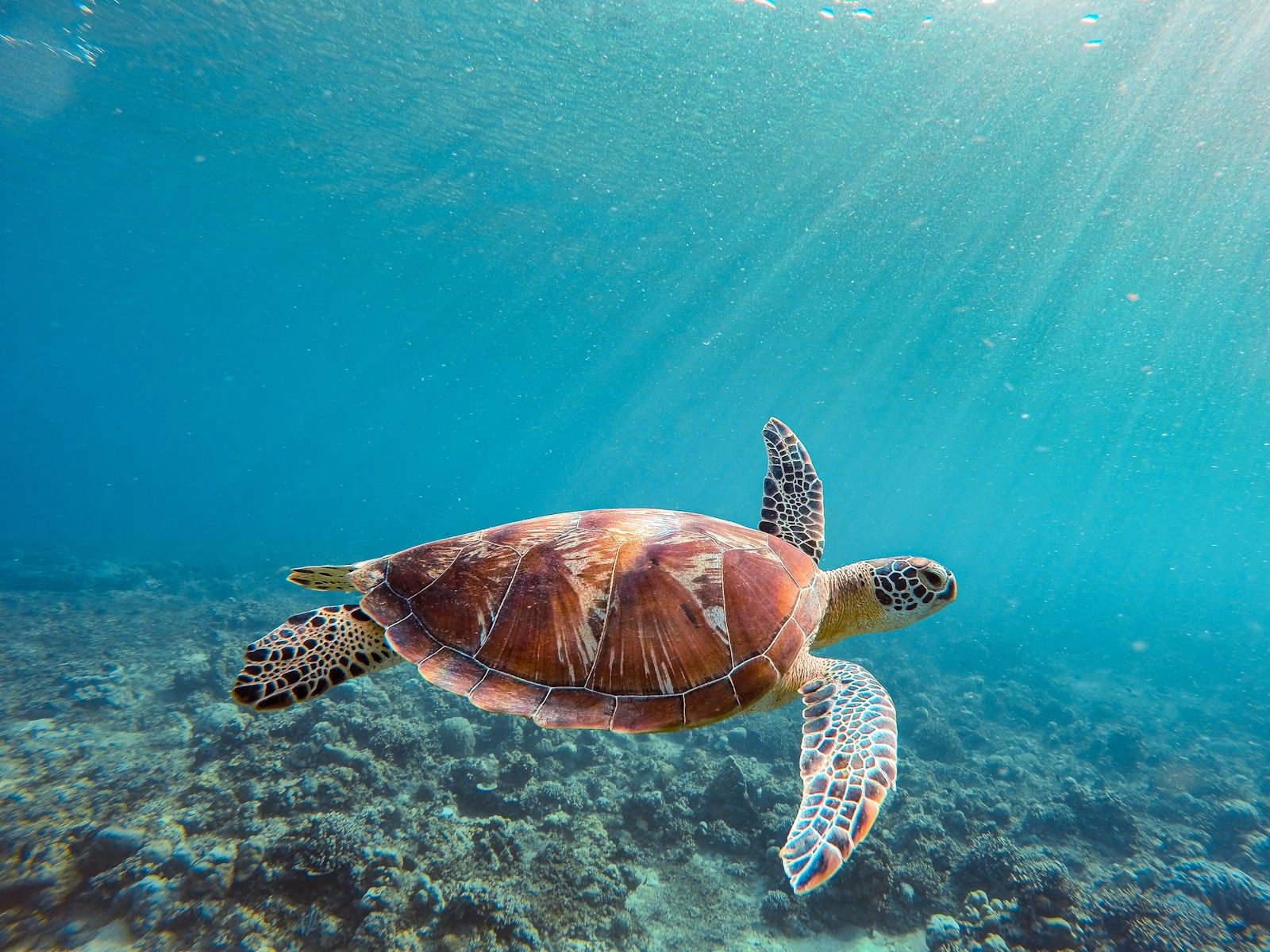
A sea turtle once believed lifeless is headed 1,500 miles for release after months of expert care and rehabilitation. The remarkable recovery of a loggerhead sea turtle named Crush shows how wildlife rescue teams can give injured marine animals a second chance. What first looked like a tragic loss became a conservation success story.
This article explains how Crush was rescued, what caused her condition, how she recovered, and why her long journey back to warmer waters is so important.
How Crush was found
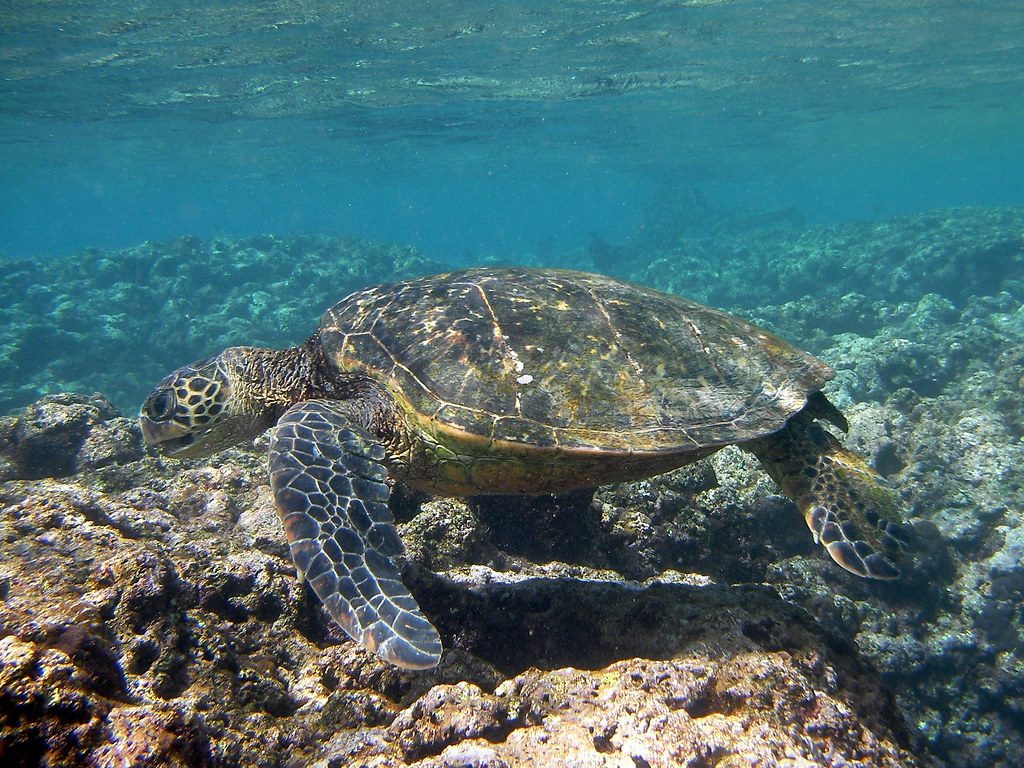
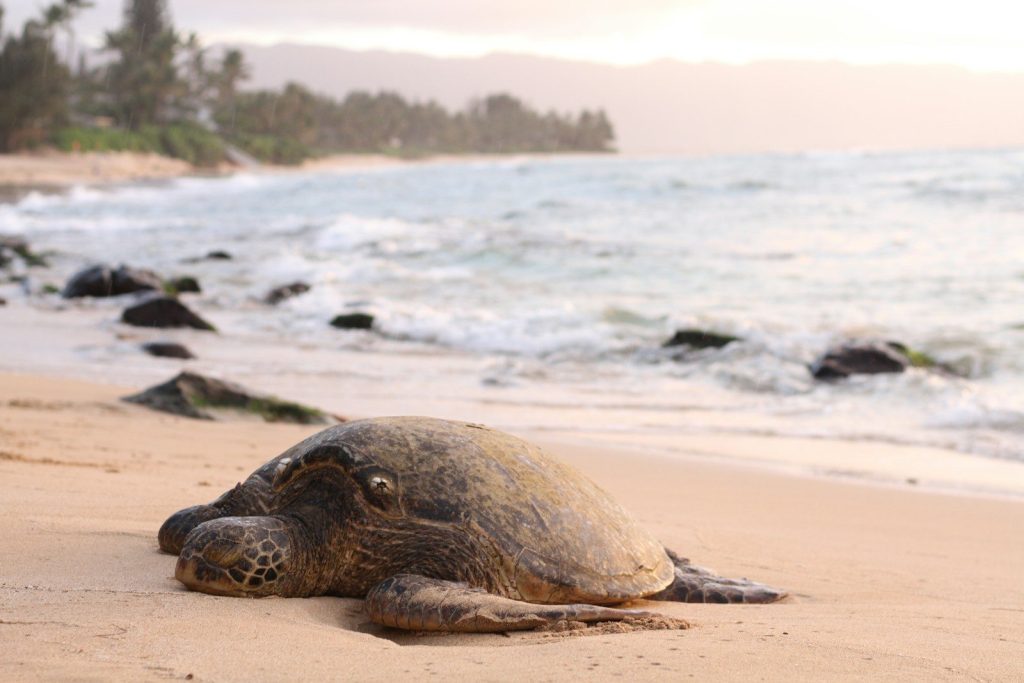
In January 2026, a dog walker discovered a loggerhead sea turtle lying motionless on a beach in Jersey, one of the Channel Islands. At first, the turtle appeared to be dead after being washed ashore following Storm Goretti.
Veterinarians soon realized the turtle was still alive. She was suffering from severe cold stunning and malnutrition, so rescuers quickly moved her to New Era Veterinary Hospital for emergency treatment before transferring her to Sea Life Weymouth in England.
Why the turtle looked lifeless
Cold stunning is a dangerous condition that affects sea turtles when water temperatures become too cold. Because sea turtles are cold-blooded, their bodies slow down, making it difficult to swim, eat, or even move.
Crush’s body temperature had dropped so much that she barely responded when found. Without immediate veterinary care, wildlife experts say she likely would not have survived.
Months of careful rehabilitation
After arriving at Sea Life Weymouth, Crush received regular blood tests, CT scans, health checks, and a carefully planned diet. Veterinarians closely monitored her progress as she slowly regained weight and strength.
The recovery process took nearly six months. During that time, animal care specialists also kept her in quarantine when needed to protect both Crush and the other rescued turtles receiving treatment.
Preparing for a long flight
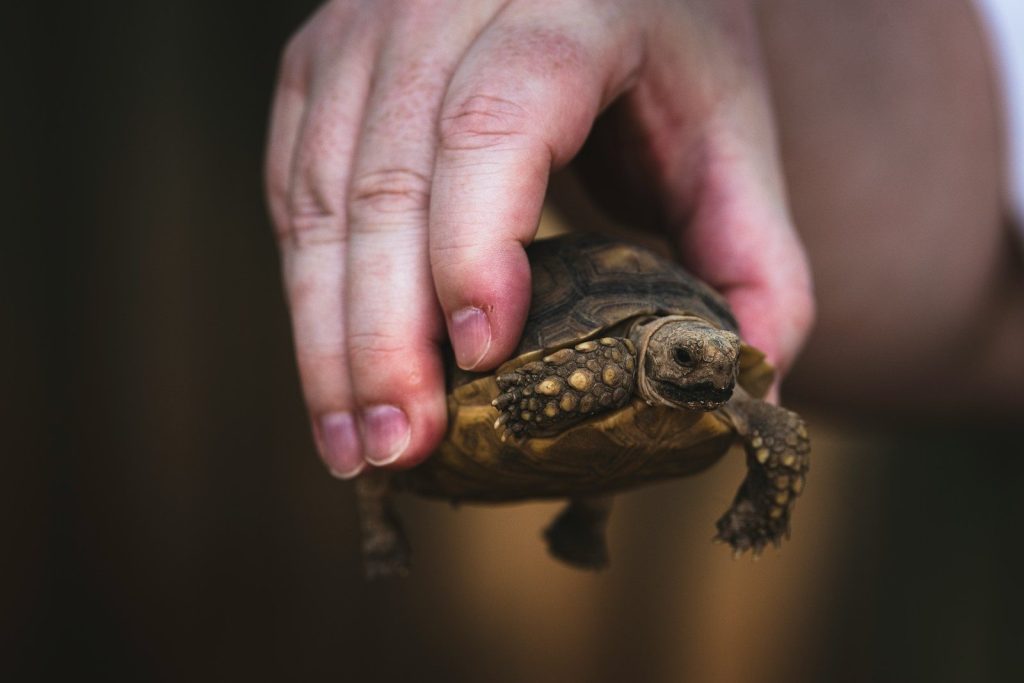
Once veterinarians determined Crush was healthy enough, plans began for an unusual trip. She will travel about 1,500 miles by airplane to the Azores, a group of Portuguese islands in the Atlantic Ocean.
The flight is carefully organized to reduce stress and keep the turtle comfortable throughout the journey. Wildlife experts will continue monitoring her after arrival before deciding the safest time to return her to the ocean.
Why the Azores were chosen

The waters around the Azores are much warmer than those around the United Kingdom. These conditions are far better suited for loggerhead sea turtles, giving Crush a stronger chance of surviving in the wild.
Before her final release, she will spend time at a specialized facility in the Azores. Experts want to make sure she remains healthy after the trip and is fully ready to live independently.
What this rescue teaches us
Crush’s recovery highlights the importance of fast action when stranded sea turtles are found. Wildlife hospitals, veterinarians, and conservation groups all worked together to give her another opportunity to return to the ocean.
The rescue also reminds people never to assume a stranded turtle is dead. Reporting the animal to trained wildlife professionals can make the difference between losing a threatened species and giving it a second chance.
Featured Image: Photo by Sébastien Goldberg on Unsplash
Leave a Reply