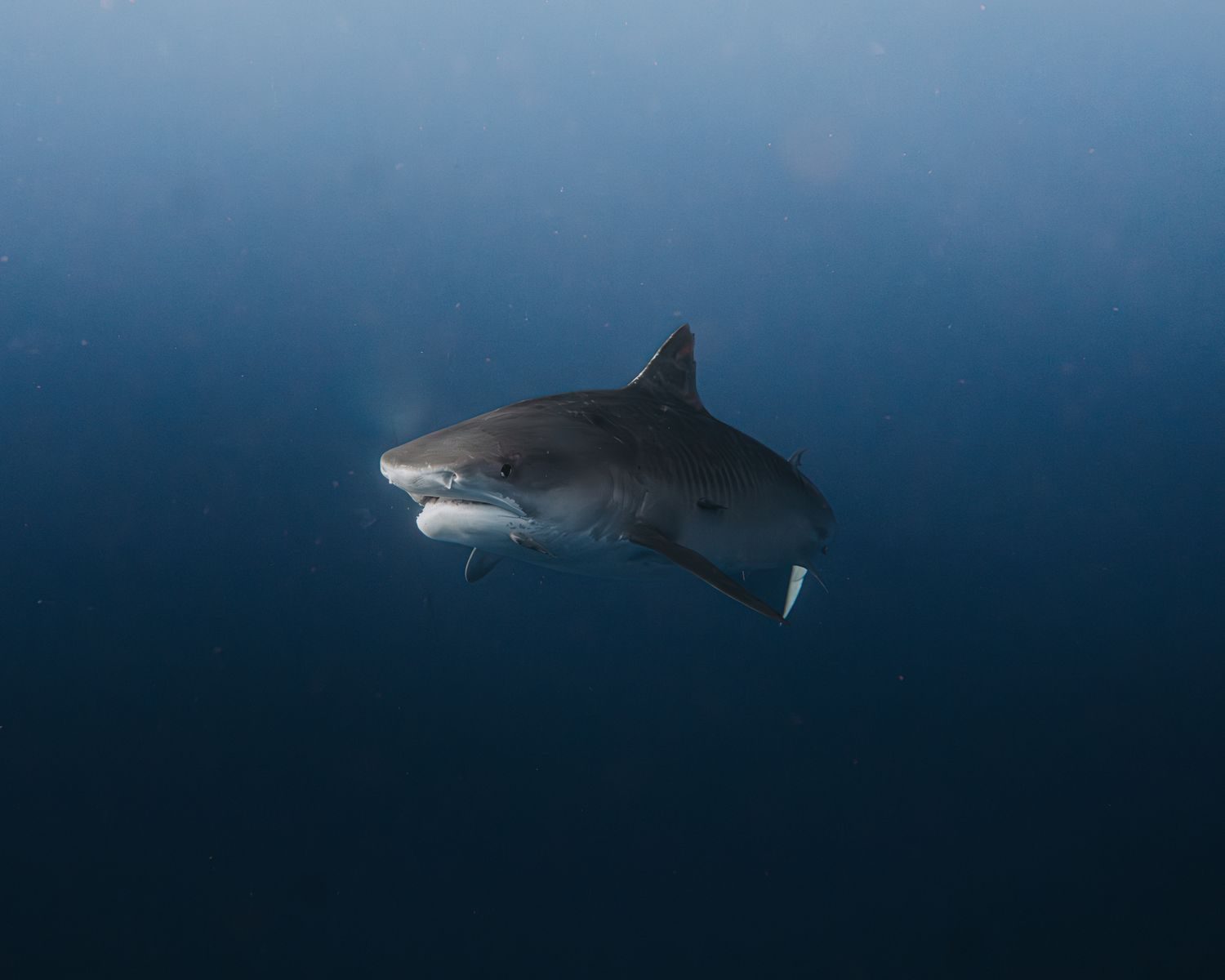
What makes a great white shark one of the ocean’s top predators? A massive 5,000-pound shark demonstrates its incredible bite, giving researchers a rare chance to study one of the largest great white sharks ever recorded. The famous shark, known as Deep Blue, amazed scientists with her enormous size and powerful jaws while remaining calm around divers.
This article explains who Deep Blue is, how strong a great white’s bite can be, and what this encounter teaches us about these remarkable marine animals.
Meet Deep Blue

Deep Blue is one of the largest great white sharks ever filmed. Researchers estimate she is about 20 feet long, weighs around 5,000 pounds, and may be about 50 years old, making her an exceptionally large female great white.
She became famous after being filmed near Guadalupe Island, Mexico. During the encounter, Deep Blue calmly swam around a protective diving cage, allowing researchers to closely observe her size, body, and powerful jaws.
Why is her bite so powerful
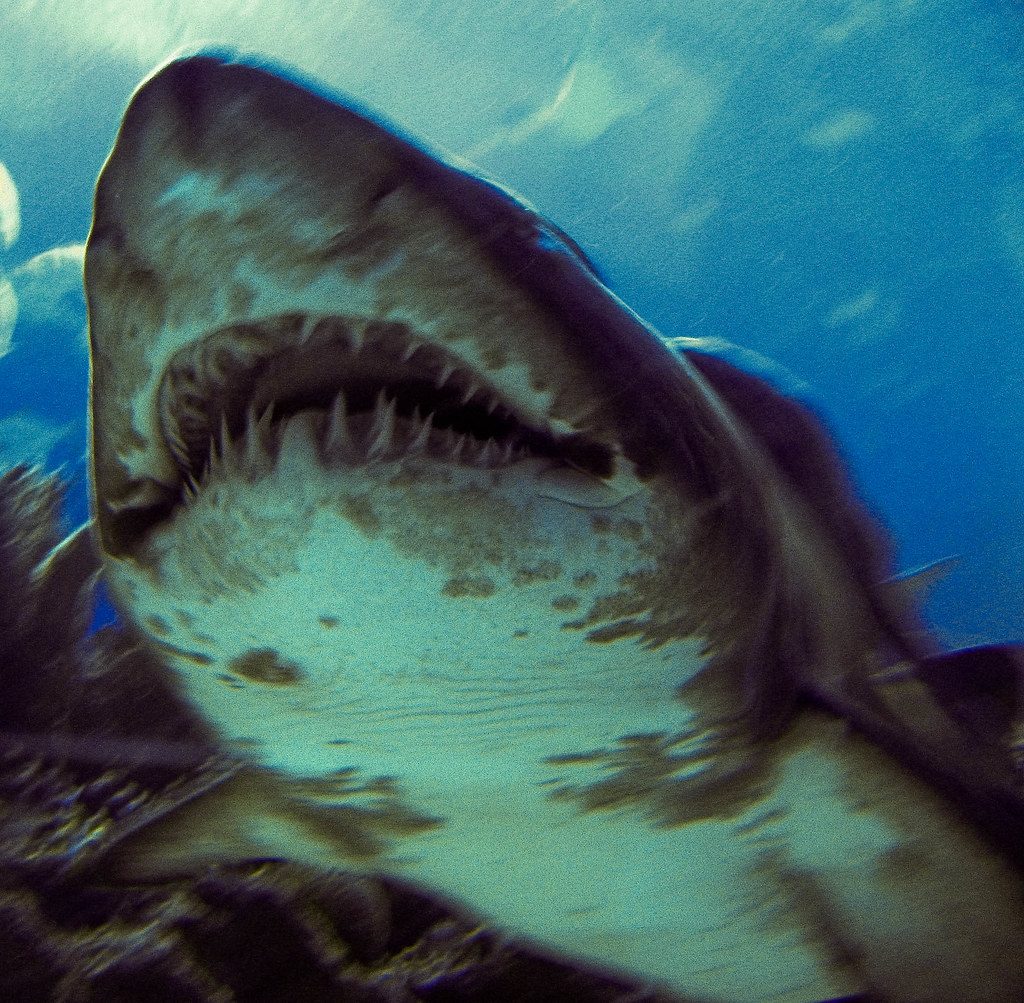
Great white sharks have one of the strongest bites of any living animal. Scientists estimate their bite force can reach about 4,000 pounds per square inch, allowing them to capture large prey such as seals and sea lions.
Their jaws work together with sharp, serrated teeth that slice through flesh. Great whites also shake their heads from side to side after biting, helping them tear away pieces of prey more effectively.
How sharks replace their teeth
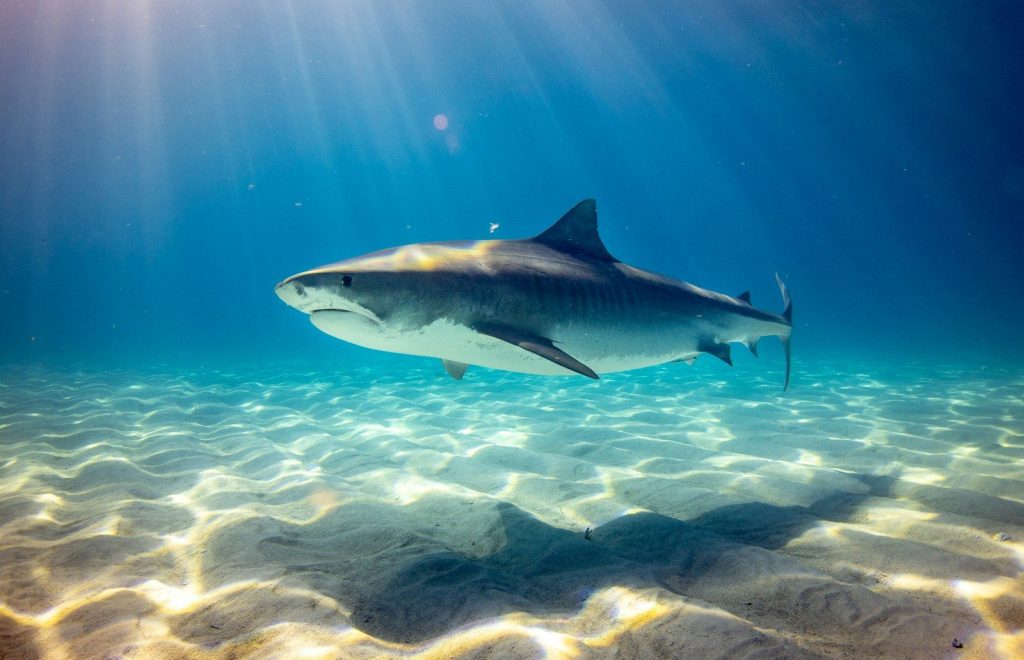
A great white’s teeth are designed for hunting, but they do not last forever. Sharks regularly lose teeth while feeding, yet new teeth continuously move forward from several rows behind the front teeth.
Over a lifetime, a great white shark may replace tens of thousands of teeth. This natural system ensures the shark almost always has sharp teeth ready for catching prey.
Why Deep Blue stayed calm
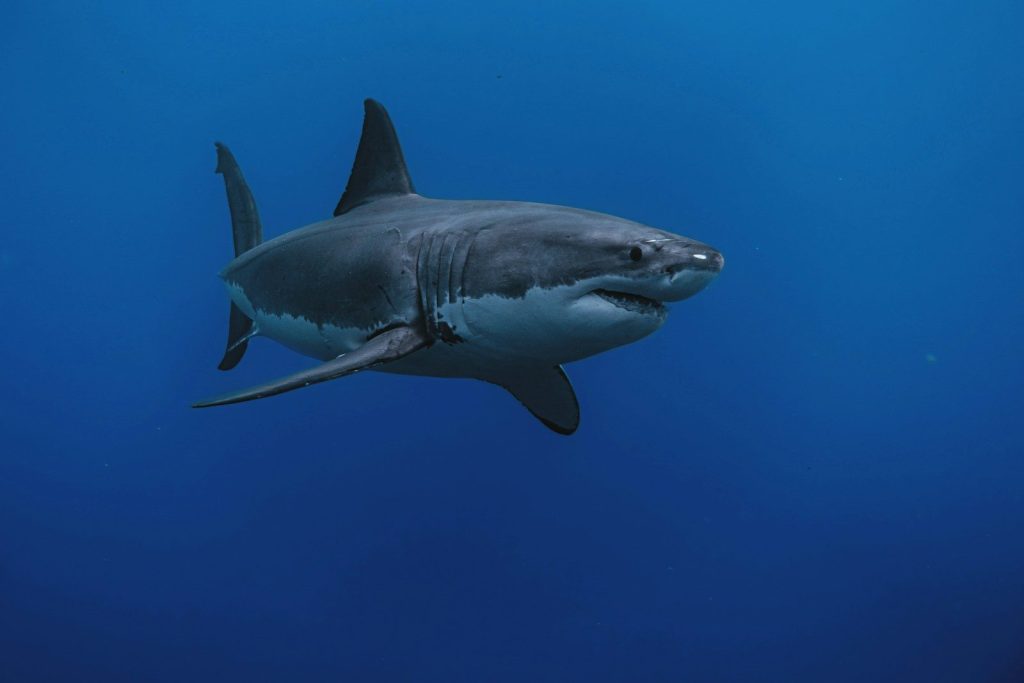
Although Deep Blue’s size and bite are impressive, researchers reported that she showed no aggressive behavior toward the divers inside the protective cage. Instead, she appeared curious as she slowly investigated her surroundings.
Marine biologists say great white sharks are intelligent animals that often explore unfamiliar objects before moving away. Observing calm encounters like this helps scientists better understand normal shark behavior in the wild.
What great whites usually eat
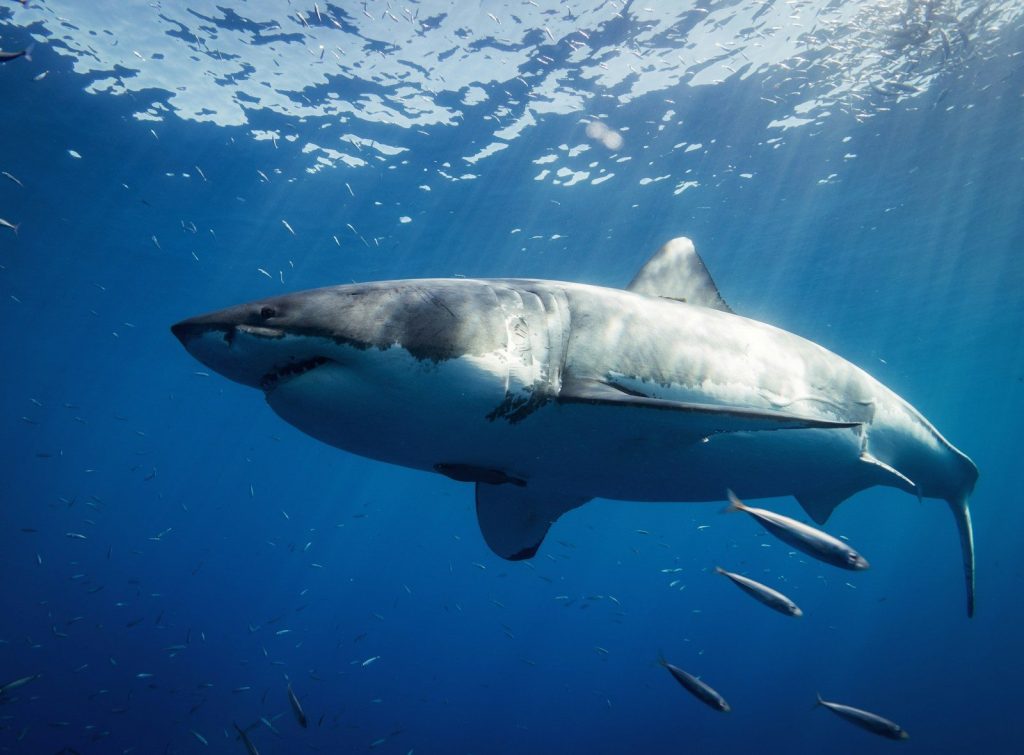
Great white sharks mainly feed on seals, sea lions, fish, rays, and other marine animals. Their powerful bite allows them to capture prey quickly, making them one of the ocean’s top predators.
Despite their reputation, humans are not their preferred prey. Scientists explain that most shark bites involving people are rare, and many are believed to be exploratory bites rather than deliberate hunting.
Why this research matters

Studying giant sharks like Deep Blue helps scientists learn more about growth, behavior, and conservation. Every close observation improves knowledge about animals that are difficult to study in the open ocean.
Research also helps correct common myths about great white sharks. While they possess incredible strength and powerful jaws, they are important predators that play a valuable role in maintaining healthy ocean ecosystems.
Featured Image: Photo by Daniel Torobekov on Pexels
Leave a Reply