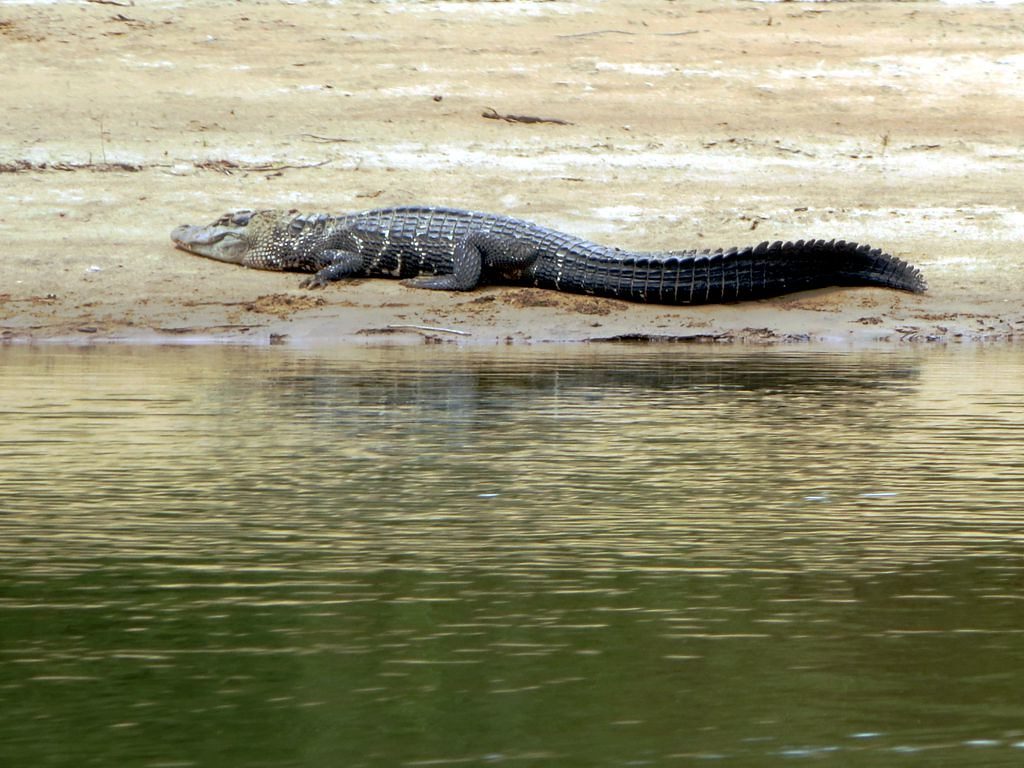
A black caiman grabs an 11-year-old during a terrifying encounter is the kind of headline that quickly gets attention. While attacks by black caimans are uncommon, they can happen in parts of the Amazon where people and these large reptiles share rivers and streams. Understanding the facts is important because these incidents are rare but can be very serious.
This article explains what happened in the documented case, why black caimans can attack, where they live, and how people can stay safe around them. You’ll also learn why respecting wildlife is the best way to reduce the risk of dangerous encounters.
What happened during the encounter
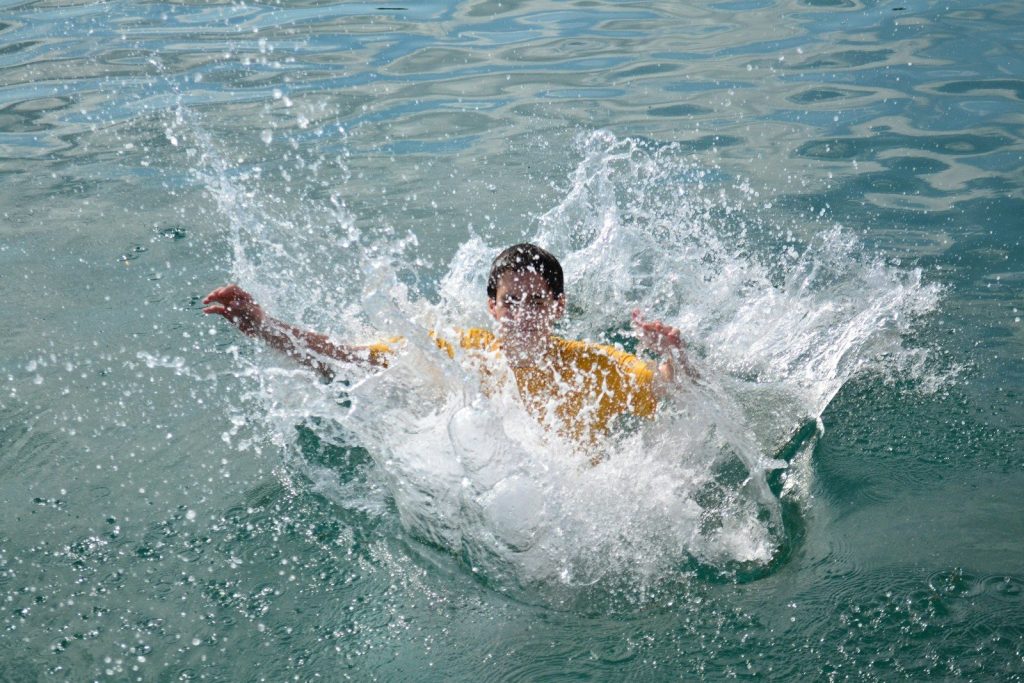
The documented attack involved an 11-year-old child in the Amazon region of Brazil. According to researchers who later described the case, the child was attacked by a black caiman while near the water.
The reptile grabbed the child and pulled the victim into the water. Scientists noted that the attack followed hunting behavior commonly seen in large crocodilian species and sadly ended in a fatal outcome.
What is a black caiman?
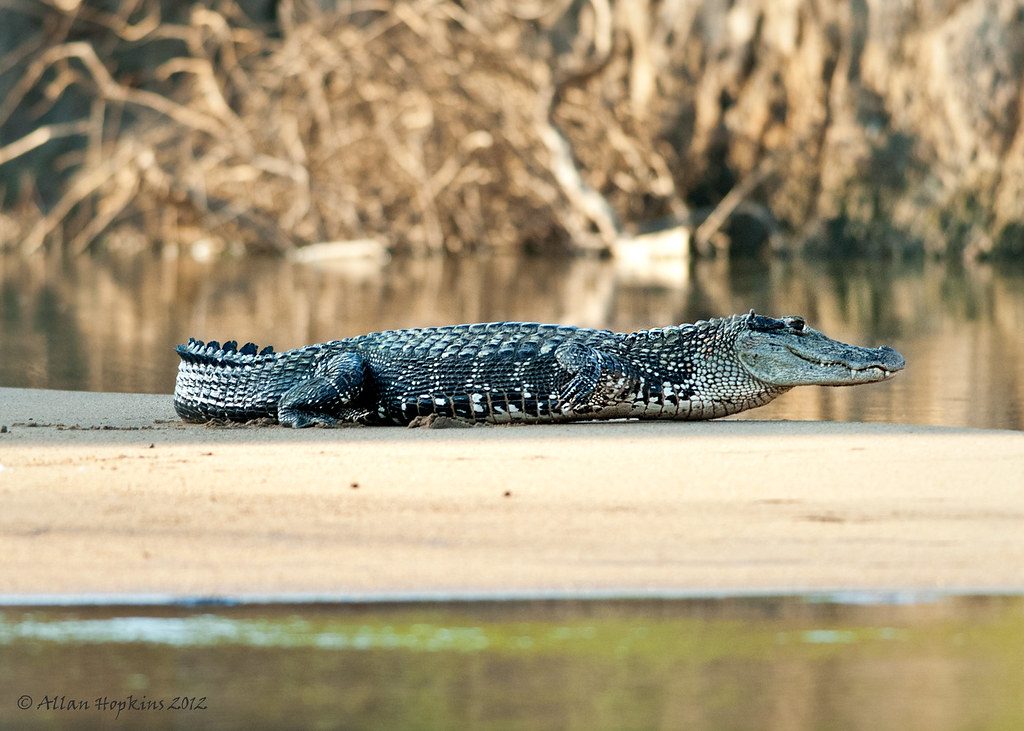
The black caiman is the largest predator in the Amazon Basin. Adults can grow over 16 feet long, although many are smaller, and they hunt fish, birds, reptiles, and mammals.
Black caimans are powerful reptiles with strong jaws and excellent hearing and eyesight. They usually remain hidden in the water, making them difficult to notice before they strike.
Why are attacks uncommon?
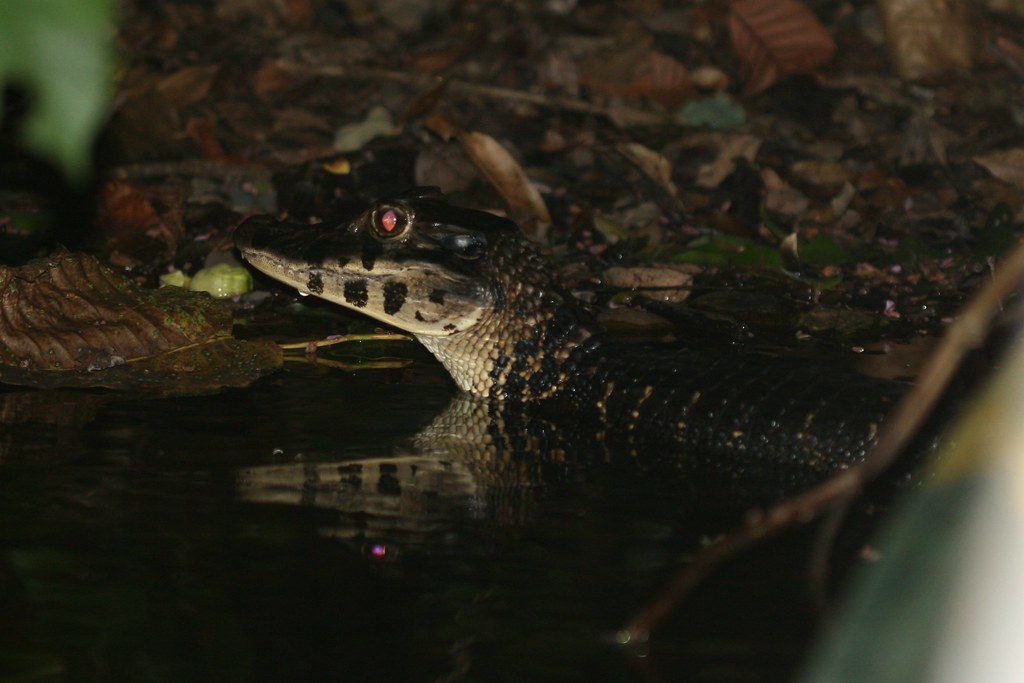
Black caimans do not normally hunt people. Most spend their lives feeding on wild prey and avoiding unnecessary contact with humans.
Experts say attacks are rare but become more likely when people enter rivers or streams where large caimans live. The risk may also increase during seasonal flooding, when wildlife and people are closer together.
How black caimans hunt
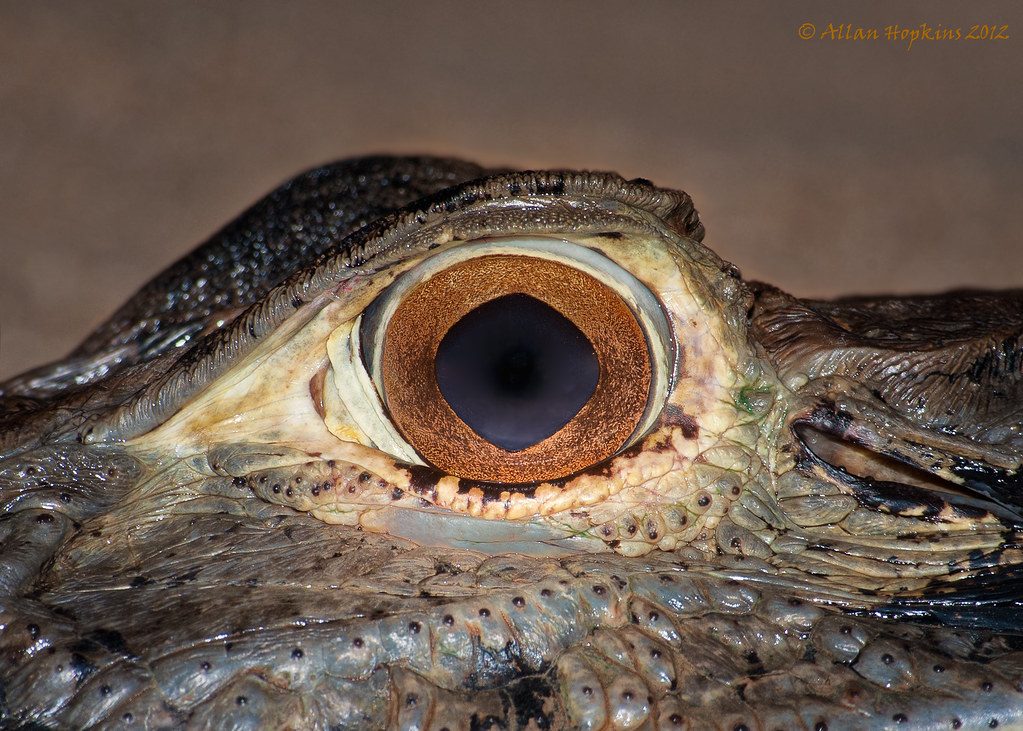
Black caimans are ambush predators. They stay nearly motionless in the water and wait for prey to come within reach before attacking with a sudden burst of speed.
After grabbing prey, they often pull it underwater. This hunting method allows them to overpower animals much larger than many other predators could handle.
Staying safe near caiman habitat

People living in or visiting the Amazon should avoid swimming in waters known to contain large caimans, especially at night when these reptiles are most active.
Children should always stay close to adults near rivers and never play alone at the water’s edge. Following local safety advice greatly lowers the chance of dangerous encounters.
Why is this case still important

Researchers published the case to better understand how and why rare attacks happen. Learning from real events helps wildlife experts improve public safety in areas where people and large reptiles live close together.
The case also reminds us that wild animals deserve respect. Giving dangerous wildlife enough space protects both people and the animals that are part of healthy ecosystems.
Featured Image: “Black Caiman” by D-Stanley is licensed under CC BY 2.0
Leave a Reply