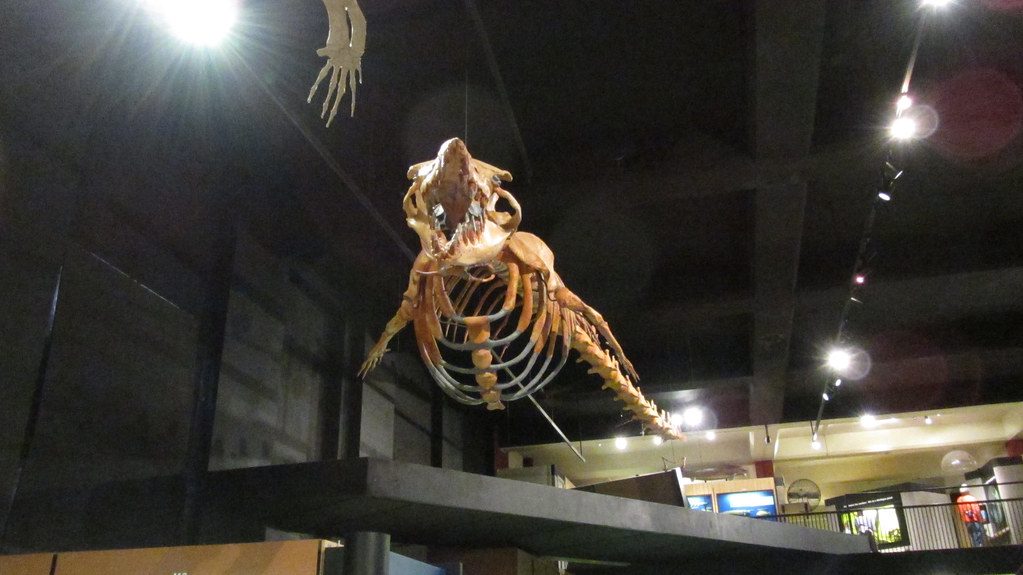
What happens when scientists discover proof that an ancient whale hunted other whales? The finding reveals that ancient whales hunted other whales as a top ocean predator, changing what researchers know about prehistoric ocean life. Instead of feeding only on fish, this giant whale sat at the very top of the food chain.
This article explains what scientists discovered, how they found the evidence, and why the ancient whale was such a powerful hunter. You’ll also learn how this predator compares with modern whales and why the discovery is important for understanding Earth’s ancient oceans.
Scientists uncovered direct evidence

Researchers studied fossils of an extinct whale called Basilosaurus isis from Egypt’s Valley of the Whales. Inside the fossilized stomach area, they found remains of smaller whales and large fish.
This was the first direct fossil evidence showing what Basilosaurus isis ate. Instead of guessing from teeth or body shape, scientists could see actual prey remains preserved with the predator.
The whale hunted other whales
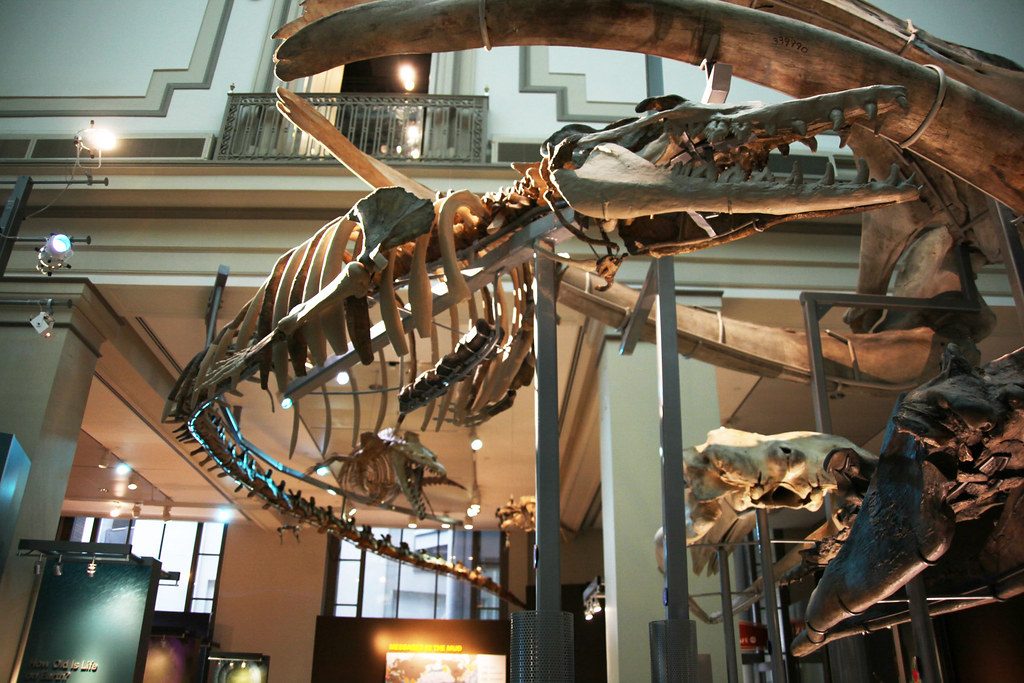
The stomach contents included bones from young Dorudon whales. Scientists believe Basilosaurus isis hunted these smaller whales rather than simply feeding on dead animals.
The predator likely targeted young whales because they were easier to catch. This behavior is similar to how some modern marine predators focus on younger or weaker prey.
A true top ocean predator
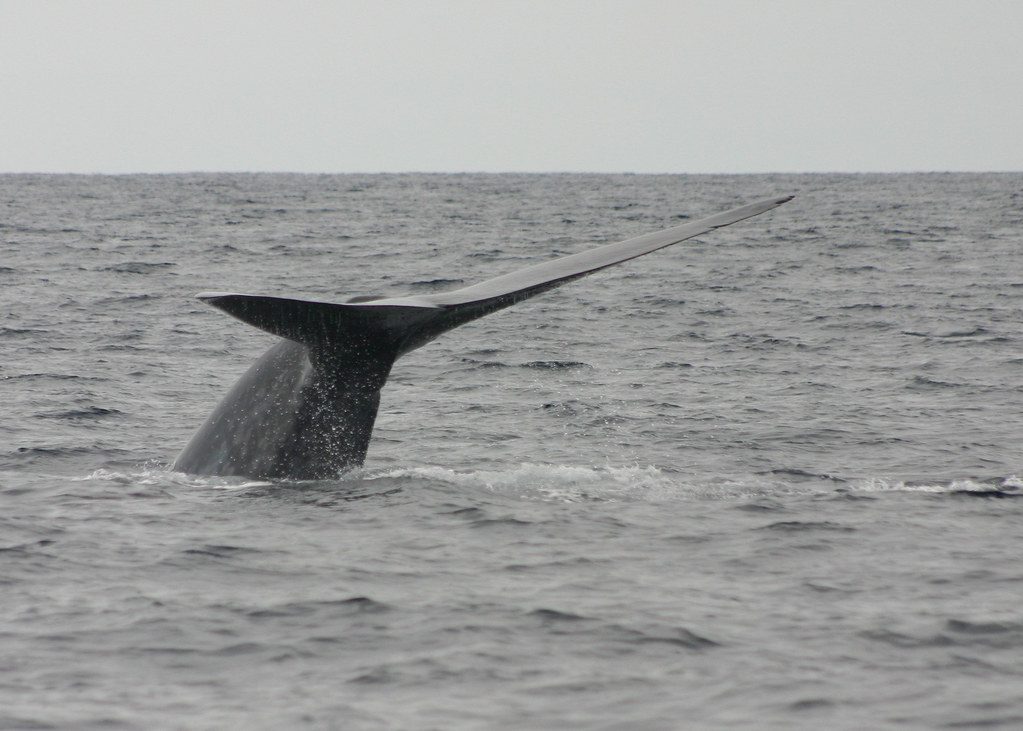
Basilosaurus isis lived about 35 million years ago during the late Eocene Epoch. It grew to around 50 feet long, making it one of the largest predators in the ancient seas.
Like today’s killer whales, it occupied the top of the food chain. With few natural enemies, it hunted large prey and played an important role in keeping the marine ecosystem balanced.
Powerful teeth made hunting easier
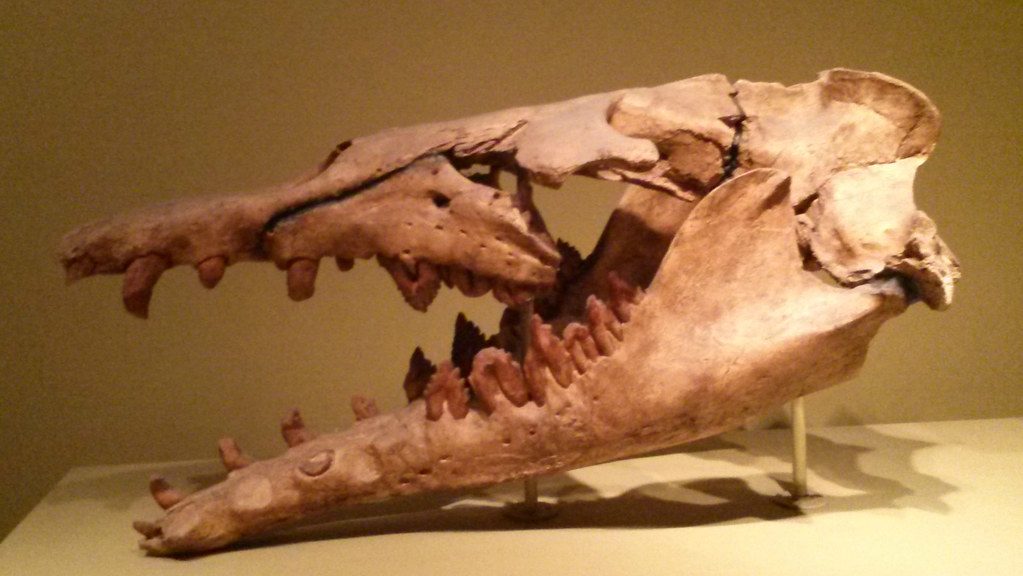
Unlike modern sperm whales that mainly suck in squid, Basilosaurus isis had large, sharp teeth designed for biting and tearing flesh. These teeth helped it capture struggling prey.
Its long body and powerful jaws made it an effective hunter. Scientists believe it could quickly overpower smaller whales and large fish swimming nearby.
The discovery changes whale history

Before this study, scientists believed Basilosaurus isis was probably a predator based on its body features. The fossil evidence finally confirmed that idea with direct proof.
The discovery also shows that whales have filled many different roles during evolution. Ancient whales were not all gentle filter feeders like many species living today.
Why this fossil is important

Fossils with preserved stomach contents are uncommon. They give scientists valuable information that cannot always be learned from bones alone.
This discovery helps researchers better understand ancient food chains and how marine ecosystems worked millions of years before humans appeared. Each new fossil adds another piece to Earth’s history.
Featured Image: “Basilosaurus Isis fossil skeleton” by ellenm1 is licensed under CC BY-NC 2.0
Leave a Reply