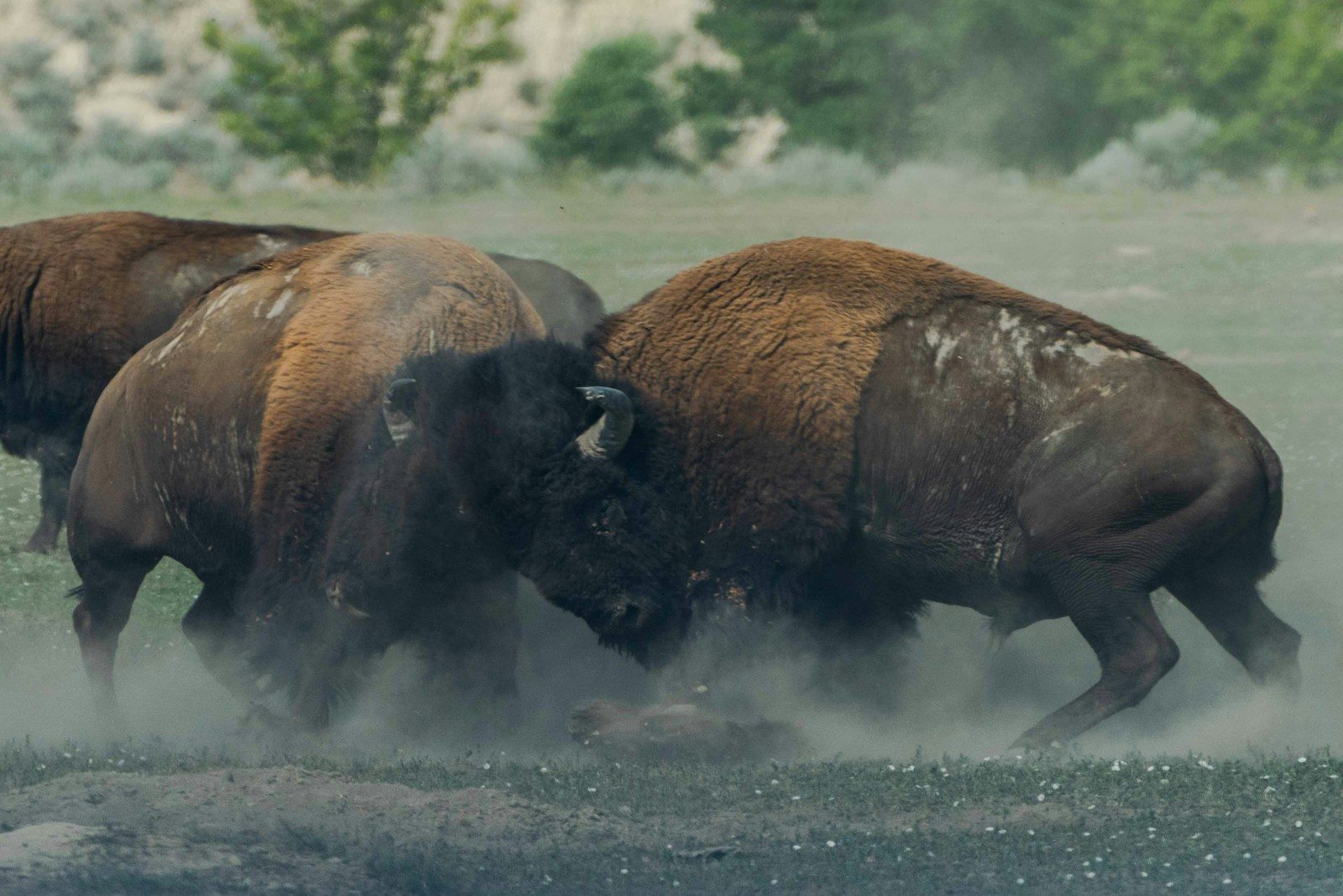
A family trip to Yellowstone turned frightening when Yellowstone responded after a bison tossed the grandfather during an encounter became national news. The incident reminded visitors that even calm-looking wildlife can react without warning. Bison are powerful wild animals, and they deserve plenty of space.
This article explains what happened during the encounter, how Yellowstone National Park responded, why bison sometimes charge, and the safety rules every visitor should know. By understanding these facts, you can better enjoy America’s first national park while staying safe around its wildlife.
What happened during the encounter

The incident took place at Bridge Bay Campground in Yellowstone National Park. A 65-year-old grandfather was with his 13-year-old grandson when a bull bison suddenly charged and tossed the man about 8 feet into the air.
Emergency medical personnel responded quickly and took the injured visitor to a nearby hospital. He suffered several broken bones, underwent surgery, and later began recovering while his grandson was not injured.
How Yellowstone responded
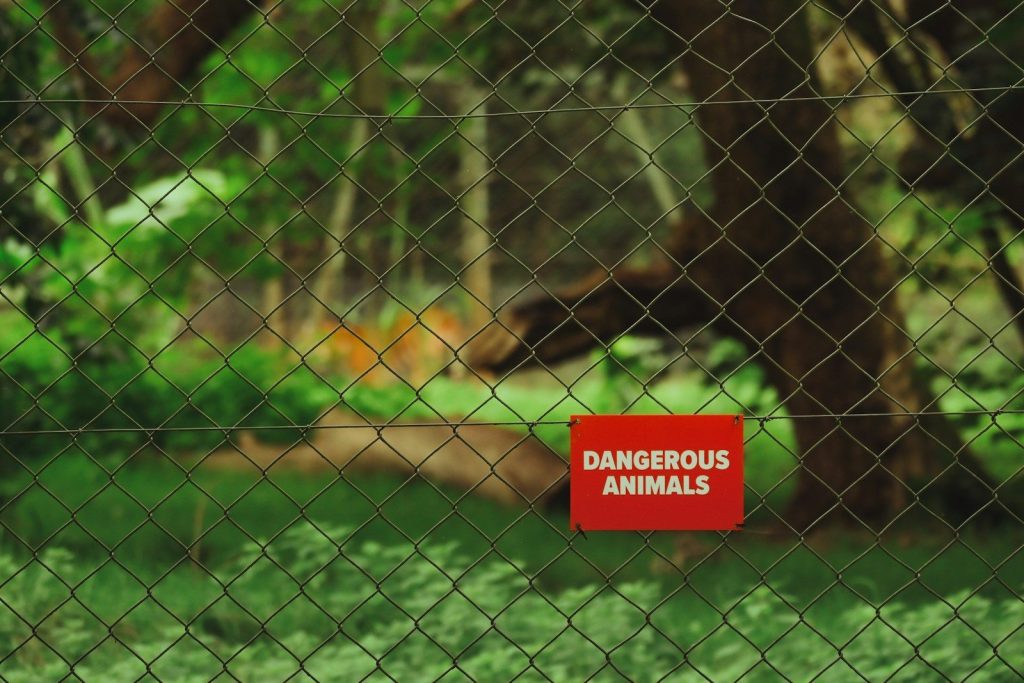
Following the incident, Yellowstone officials reminded visitors that wildlife in the park is wild and unpredictable. The park said people must always respect an animal’s space to help prevent dangerous encounters.
The National Park Service also repeated its long-standing safety rules. Visitors should stay at least 25 yards away from bison and other large animals and at least 100 yards from bears, wolves, and cougars.
Why can bison become aggressive?
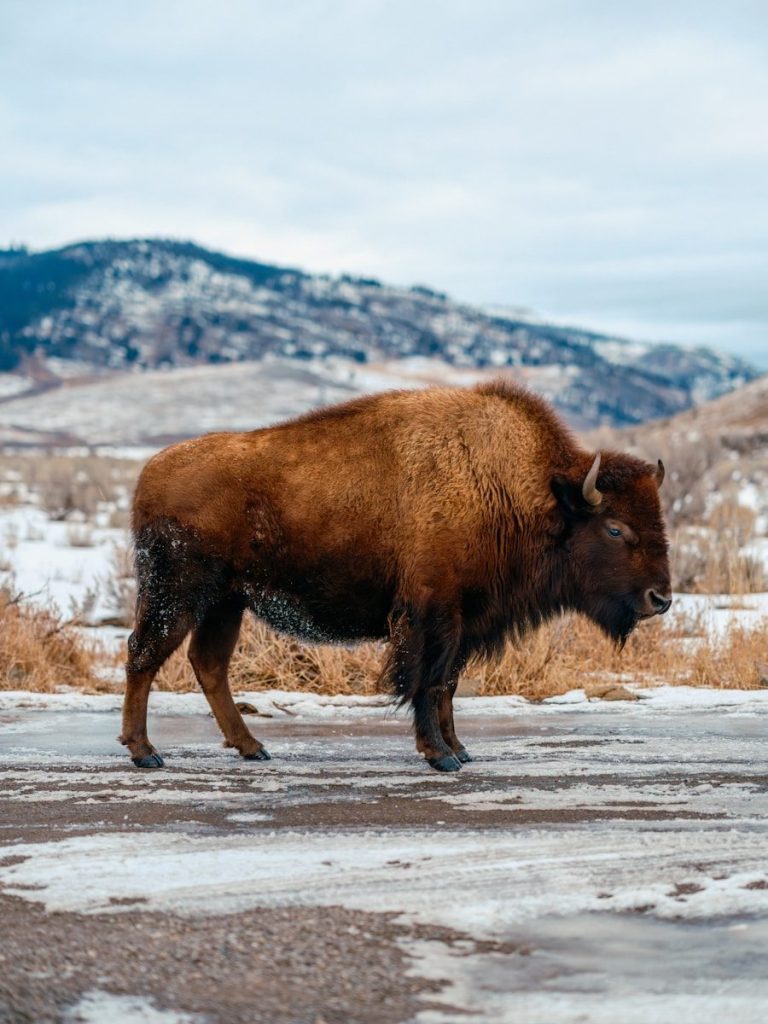
Bison may appear calm while resting or grazing, but they can react very quickly if they feel threatened. They are capable of running up to three times faster than humans over short distances.
Summer is also the bison breeding season, known as the rut. During this time, male bison can become more aggressive because they are competing for mates and defending their space.
Bison are Yellowstone’s most dangerous animal
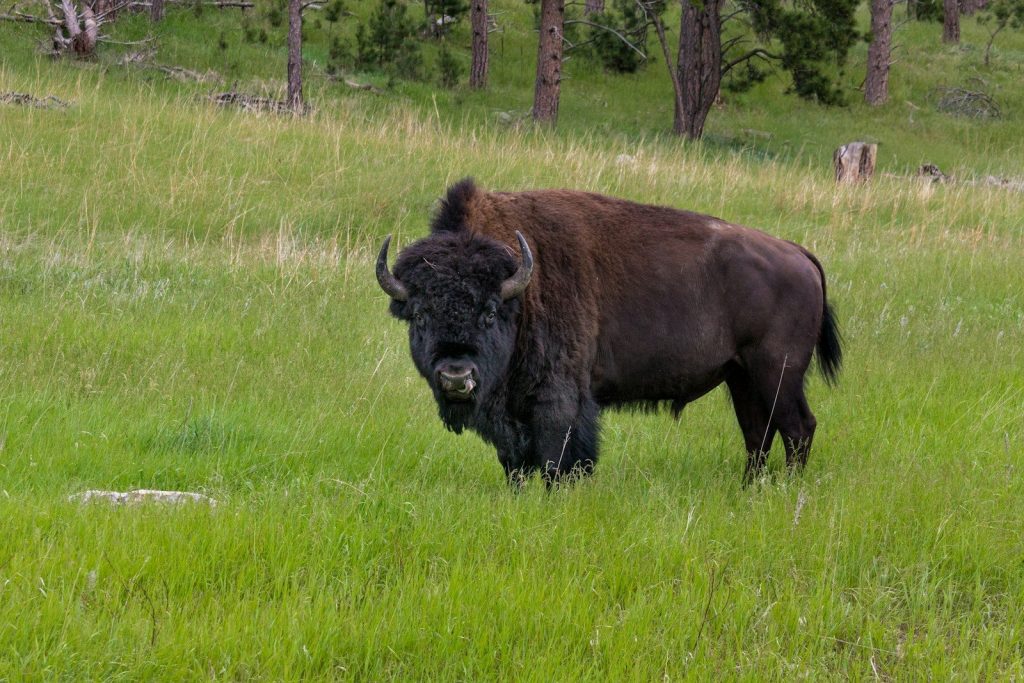
Yellowstone officials say bison have injured more people in the park than any other wild animal. Most incidents happen when visitors get too close while taking photos or watching wildlife.
Although bison usually ignore people, they can charge without much warning. Their size, speed, and strength make every close encounter potentially dangerous.
How visitors can stay safe
The safest way to watch bison is from a distance using binoculars or a camera with a zoom lens. If a bison begins moving toward you, calmly back away and create more space.
Never feed, touch, or approach wildlife, even if an animal looks relaxed. Following park rules protects both visitors and the animals that live in Yellowstone.
A reminder to respect wildlife
The incident shows that wild animals should never be treated like zoo animals. Yellowstone protects wildlife by allowing animals to behave naturally in their own habitat.
Most visits to Yellowstone end safely because people follow park guidelines. Giving wildlife enough room helps prevent injuries and keeps the park safe for everyone.
Featured Image: Photo by Richard Lee on Unsplash
Leave a Reply