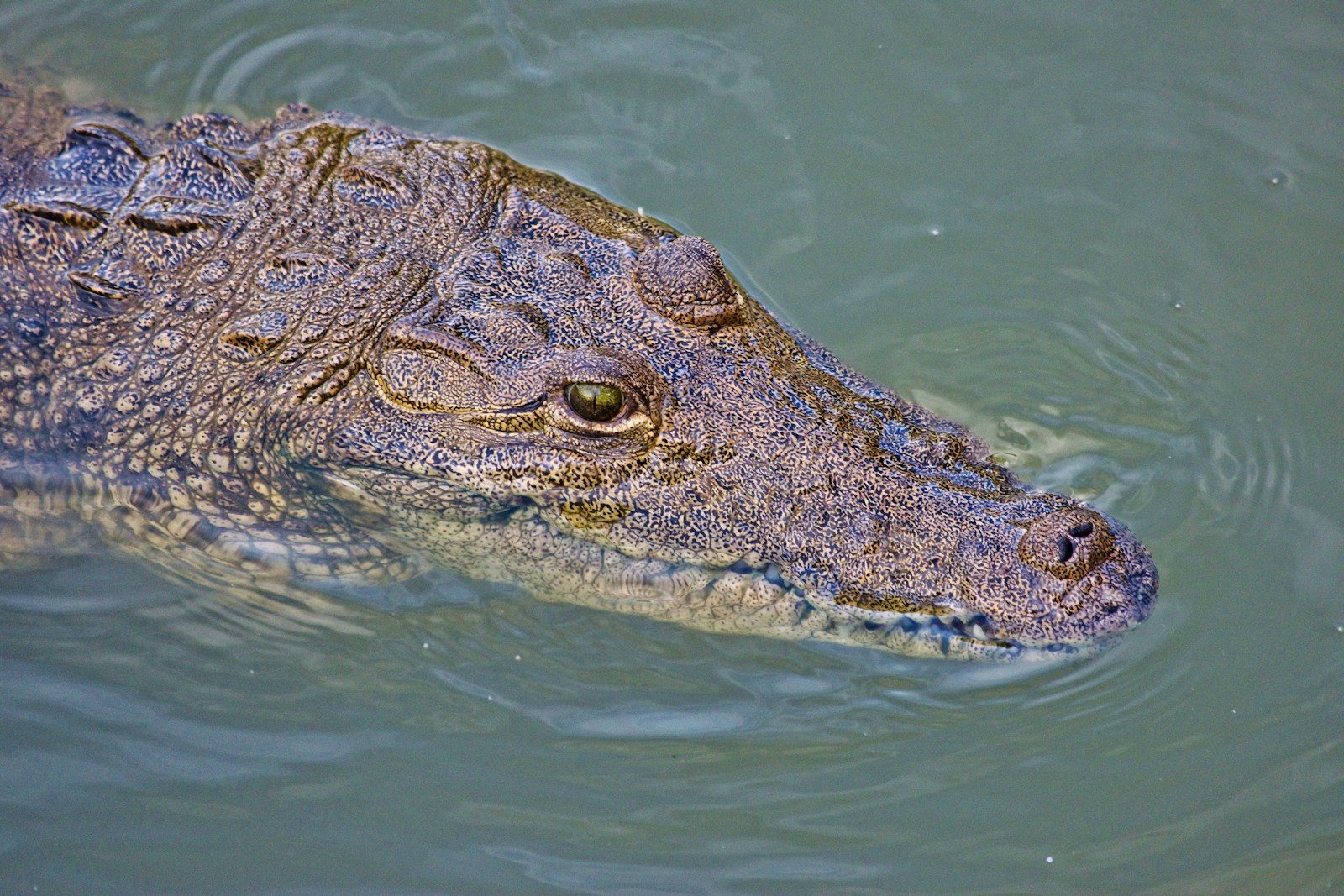
A peaceful paddle can turn dangerous in seconds when powerful wildlife is nearby. The story of a crocodile dragging a kayaker underwater in a deadly river attack highlights just how quickly a river adventure can become a tragedy. Crocodiles are skilled ambush predators that often remain hidden until the last moment.
This article explains what happened during the deadly river attack, why crocodiles can be so difficult to spot, how they hunt, and what kayakers can do to stay safe. Understanding these facts can help people make better decisions when traveling through crocodile habitat.
The deadly attack unfolded quickly

The attack happened on the Lukuga River in the Democratic Republic of the Congo during a long-distance kayaking expedition. Three experienced kayakers were traveling together when a crocodile suddenly attacked their expedition leader from behind.
The crocodile pulled the kayaker out of his boat and dragged him underwater before anyone could react. The other members of the group paddled to safety, but the victim was never recovered and was presumed dead.
Crocodiles are powerful ambush hunters
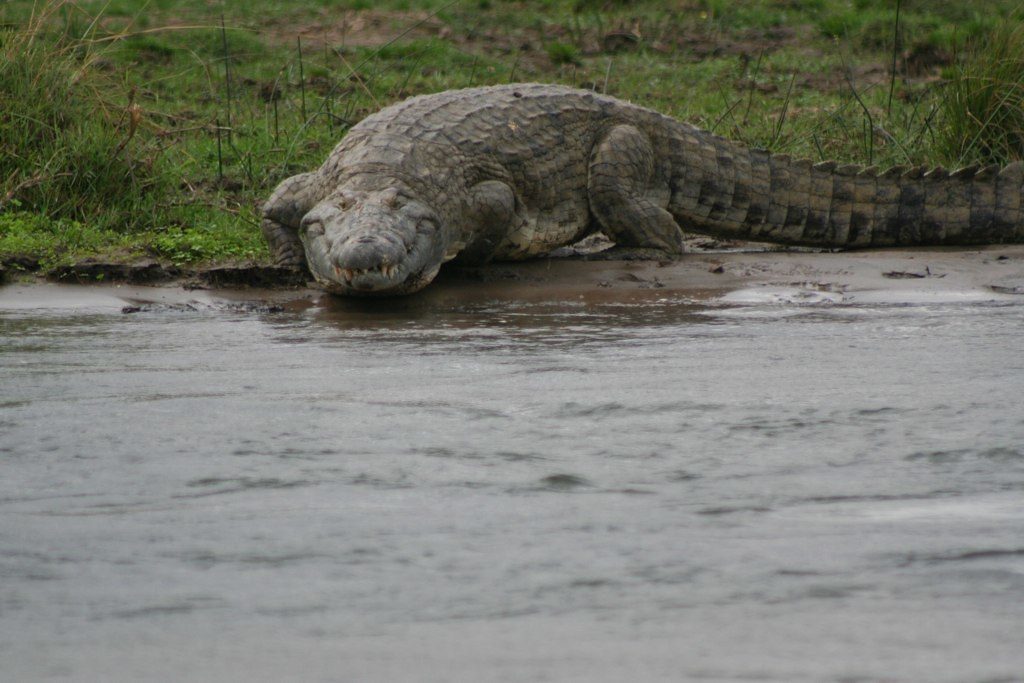
Large crocodiles spend much of their time waiting quietly beneath the water’s surface. Their eyes and nostrils stay above the water, allowing them to watch for prey while remaining almost invisible.
When prey comes close, a crocodile launches forward with incredible speed. It grabs the victim with powerful jaws and often pulls it underwater, making escape very difficult.
Why rivers can be dangerous
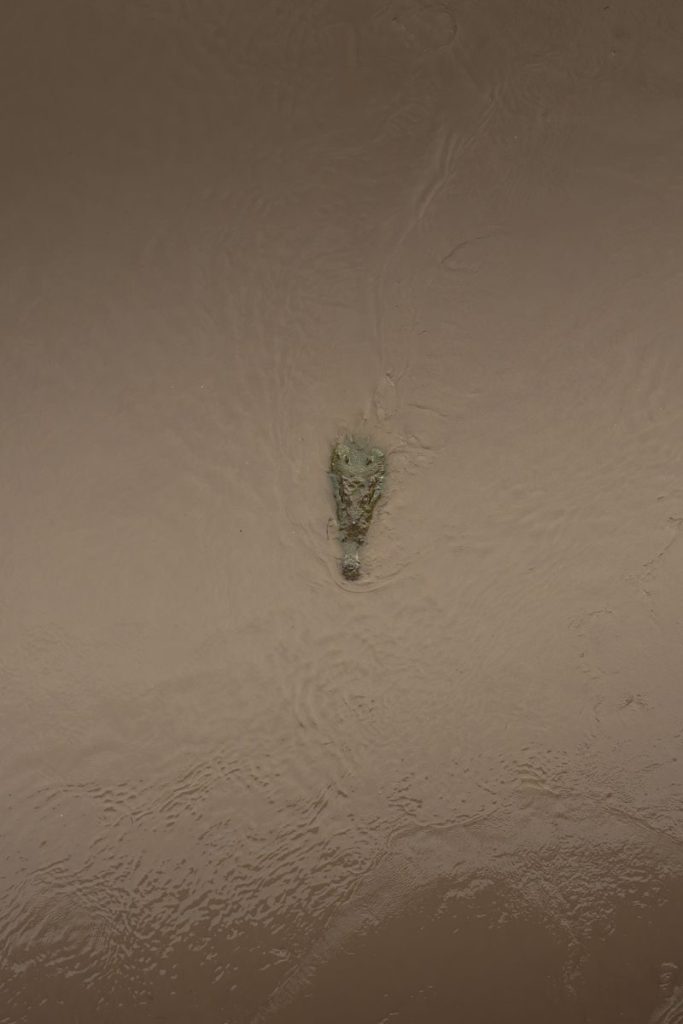
Many rivers in Africa, Australia, and parts of Asia are home to large crocodiles. These reptiles often live in calm water near riverbanks, where people may fish, swim, or paddle.
Even experienced outdoor travelers can have trouble spotting a crocodile because it blends into its surroundings. Murky water and thick vegetation make these predators even harder to detect.
The kayakers followed safety practices
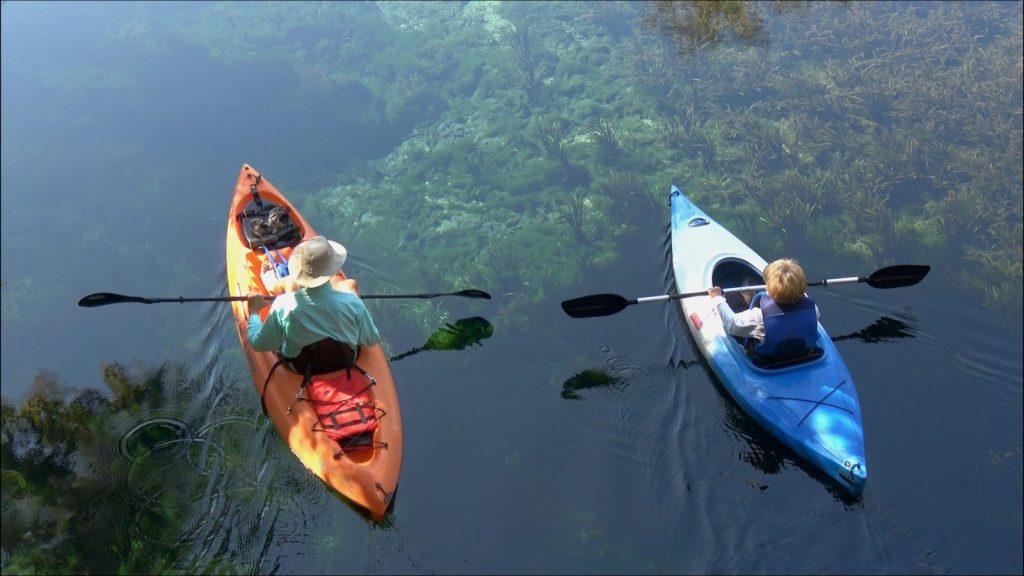
The expedition members reportedly paddled close together through many sections of the journey to reduce the risk of attacks from crocodiles and hippos. Even with careful planning, the attack happened without warning.
The incident showed that wildlife can behave unpredictably in its natural habitat. Remote rivers present risks that cannot always be completely avoided, even by skilled adventurers.
Staying safe around crocodile habitat
People should always learn whether crocodiles live in an area before entering the water. Local guides and wildlife authorities can provide important information about dangerous locations.
Avoid paddling, swimming, or standing near the water’s edge where crocodiles are known to live. Staying alert and respecting warning signs greatly reduces the chance of an encounter.
Wildlife deserves respect
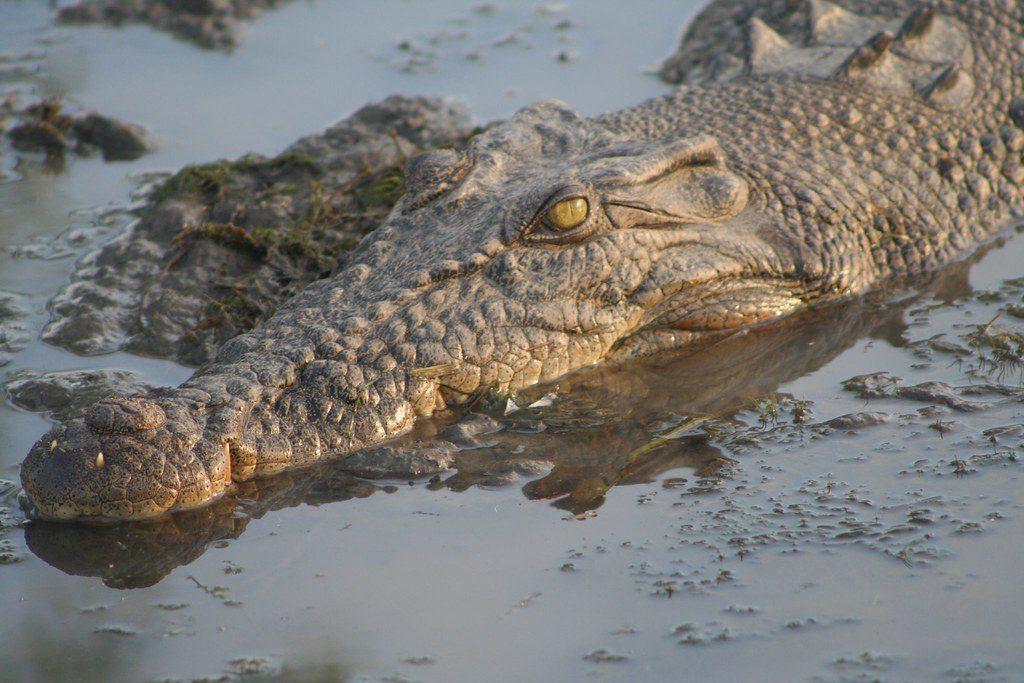
Crocodiles have lived on Earth for millions of years and play an important role in healthy river ecosystems. They help maintain balance by controlling populations of other animals.
The tragic attack serves as a reminder that wild animals are not predictable. Giving them enough space protects both people and the wildlife that shares these natural environments.
Featured Image: Photo by Steve Douglas on Unsplash
Leave a Reply