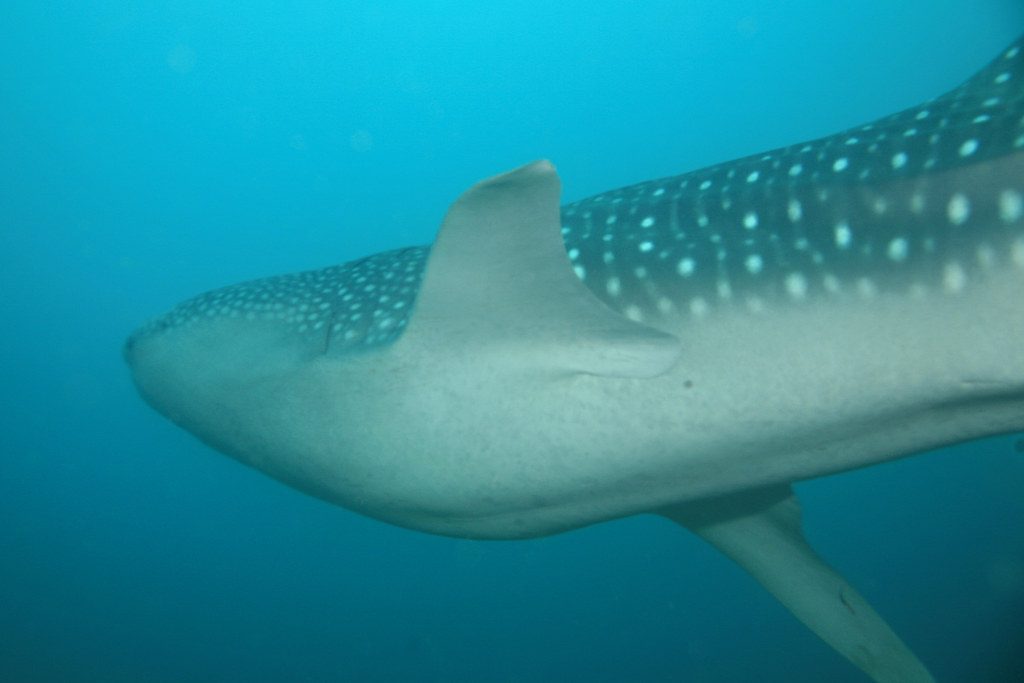
For years, people around the world were amazed by Deep Blue, one of the largest great white sharks ever filmed. The giant shark became famous after shocking videos showed her calmly swimming near divers off the coast of Mexico and Hawaii. Then, almost as suddenly as she appeared, Deep Blue disappeared again. No tracker followed her movements for long, and scientists still do not know exactly where she went.
That mystery has made many people wonder how a creature so huge could simply vanish into the ocean. This article explores who Deep Blue is, why she became so famous, where she was last seen, and what her disappearance tells us about the hidden world of sharks and the sea.
Deep Blue became a global sensation

Deep Blue first gained worldwide attention after marine researcher Mauricio Hoyos Padilla filmed her near Guadalupe Island, Mexico. The massive female great white shark looked far larger than most sharks people had seen before. Experts estimated she measured around 20 feet long and may have weighed more than 2 tons. Many scientists believe she is one of the biggest great white sharks ever recorded on camera.
Videos of Deep Blue spread quickly online because of her unusual size and calm behavior around divers. In one famous clip, she slowly swam beside a diving cage while researchers watched in shock. Her giant body, scars, and thick shape made her easy to recognize. Some experts even believed she may have been pregnant during certain sightings because of how round her body looked.
Great white sharks can disappear for years
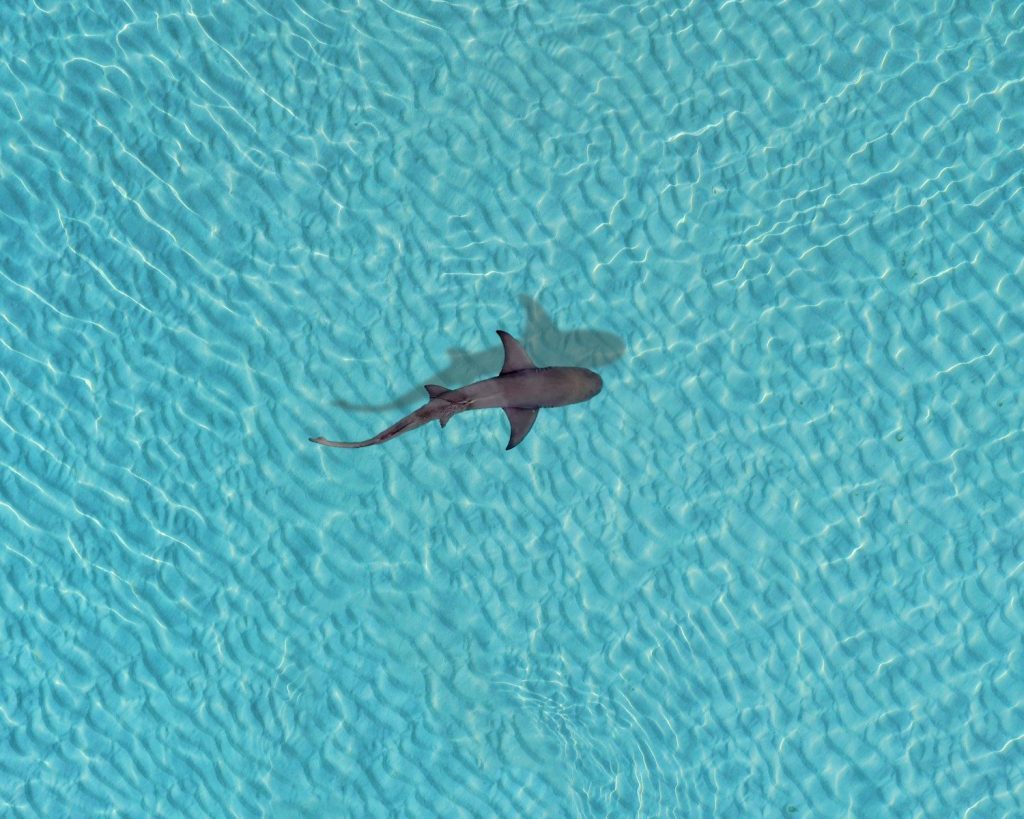
One reason Deep Blue could vanish so easily is that great white sharks travel across huge parts of the ocean. Scientists have learned that these sharks do not stay in one place. They move thousands of miles through deep water while hunting seals, fish, and whale carcasses. Some sharks cross entire oceans without humans seeing them for months or even years.
Tracking great white sharks is also very difficult. Satellite tags can fall off, stop working, or run out of battery power. The ocean itself is enormous, and most of it has never been fully explored by humans. Even a shark as huge as Deep Blue can disappear beneath the surface where nobody can follow her. Researchers believe many large sharks remain unseen for long periods in deep offshore waters.
The last famous sightings shocked researchers

One of the most talked-about sightings happened near Hawaii in 2019. Deep Blue appeared near a sperm whale carcass floating in the ocean. Researchers studying tiger sharks suddenly realized an enormous great white shark had arrived to feed. Videos from that moment showed just how massive she truly was compared to nearby people and boats.
After that sighting, Deep Blue largely vanished from public view again. Some divers later claimed they spotted her, but shark experts debated whether the shark was really Deep Blue or another giant female shark. Scientists often identify sharks using scars, fin shapes, and markings, but underwater conditions can make that difficult. Because of this, some sightings remain uncertain even today.
Scientists still debate her true size

Many reports call Deep Blue the largest great white shark ever filmed, but scientists still debate her exact measurements. Some experts estimate she was about 20 feet long, while others think she may have been slightly smaller. Measuring sharks underwater is not easy because camera angles can change how large an animal appears.
Even with those debates, nearly all experts agree that Deep Blue was extremely large for a great white shark. Most adult great whites are much smaller, usually around 12 to 15 feet long. Female great white sharks grow larger than males, and older females can reach incredible sizes after decades of survival in the wild. Scientists believe Deep Blue may have been around 50 years old when she was filmed.
Her disappearance highlights ocean mysteries

The disappearance of Deep Blue reminds people how little humans truly know about the ocean. Even with satellites, underwater cameras, and modern research tools, scientists still struggle to track large marine animals. Much of the deep ocean remains unexplored, and countless species move through areas where humans rarely travel.
Researchers believe many sharks avoid humans whenever possible. Great whites often swim deep below the surface during the day and rise closer to the top at night. Some also travel through cold offshore waters far away from beaches and boats. That means a giant shark like Deep Blue could still be alive somewhere in the Pacific Ocean without anyone noticing her.
Deep Blue changed how people see sharks
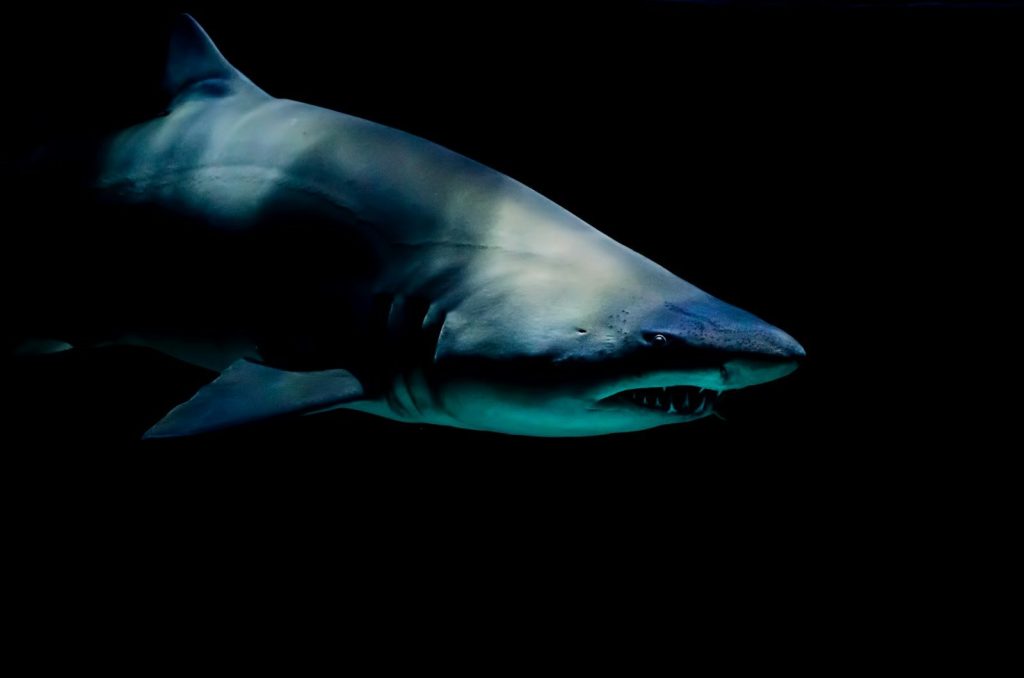
For decades, many people viewed great white sharks only as dangerous killers because of movies like Jaws. Deep Blue helped change that image for some viewers. Videos showed her moving slowly and calmly near divers instead of attacking them. Marine experts said the footage gave people a chance to see sharks as powerful wild animals instead of mindless monsters.
At the same time, scientists warned that people should still respect sharks and keep a safe distance. Great whites are top predators with enormous strength and sharp teeth. Researchers criticized some divers for touching or swimming too closely beside giant sharks. Even calm animals can become dangerous if stressed or disturbed in the wild.
Why giant sharks matter to the ocean
Great white sharks play an important role in keeping ocean ecosystems healthy. As apex predators, they help control populations of seals, fish, and other marine animals. Without predators like great whites, ocean food chains can become unbalanced, which may harm many other species over time.
Scientists also say large sharks face many threats from humans. Fishing nets, pollution, habitat loss, and illegal hunting have reduced shark populations in many parts of the world. Great white sharks grow slowly and have few babies, which makes recovery difficult. Protecting sharks like Deep Blue may help keep oceans healthier for future generations.
Leave a Reply