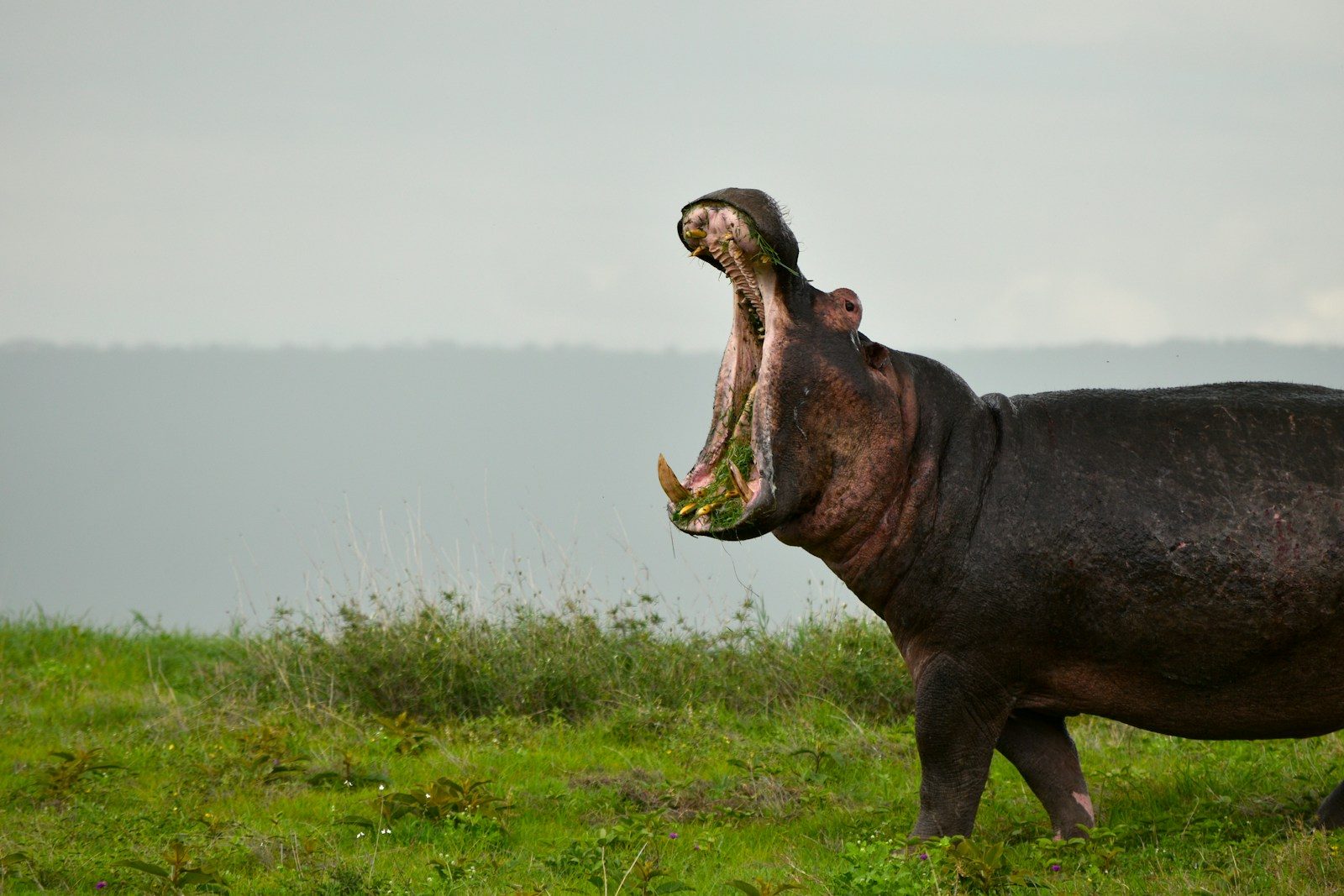
Hippos belong in Africa, yet one of the world’s most unusual populations now lives thousands of miles away in Colombia. What began with just four animals brought into the country decades ago has developed into a population of roughly 169 hippos living around rivers, wetlands, and lakes.
The animals are commonly nicknamed Colombia’s “cocaine hippos” because the original group belonged to drug trafficker Pablo Escobar. Today, however, scientists and wildlife authorities are focused less on their unusual origin and more on the ecological and safety problems created by a rapidly reproducing invasive species.
Four hippos started the population
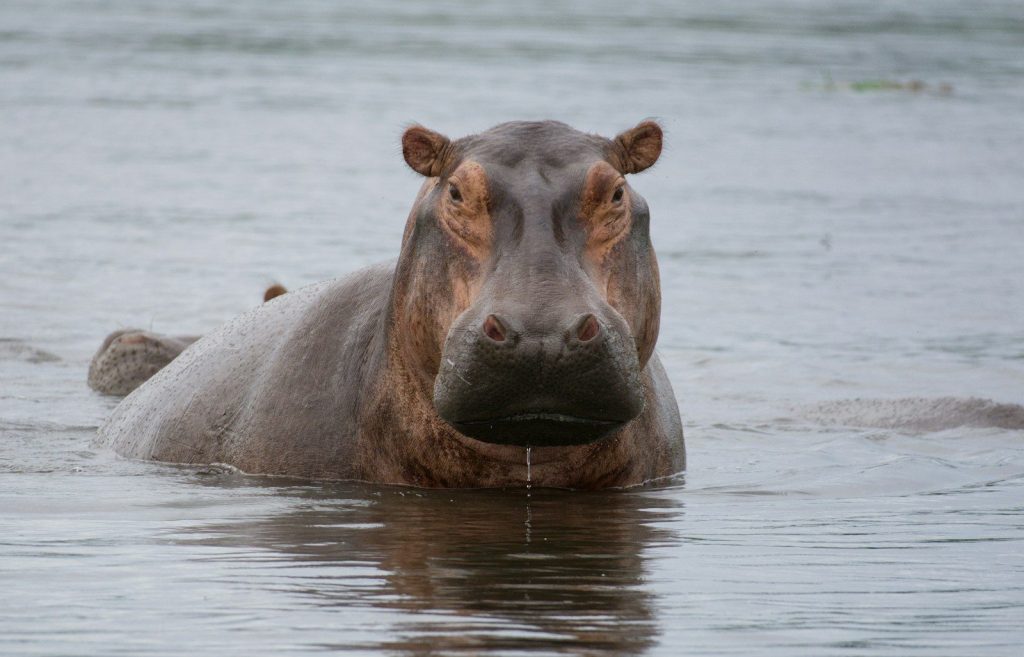
Four hippos were brought to Colombia in the 1980s and kept at Hacienda Nápoles, Pablo Escobar’s private estate. After his death in 1993, managing the enormous animals proved difficult, and the hippos eventually established themselves outside the estate.
Colombia provided conditions where the animals could reproduce successfully. Warm temperatures, abundant water, and the absence of the ecological pressures they experience in their native African range helped the population expand over subsequent decades.
The population has reached roughly 169
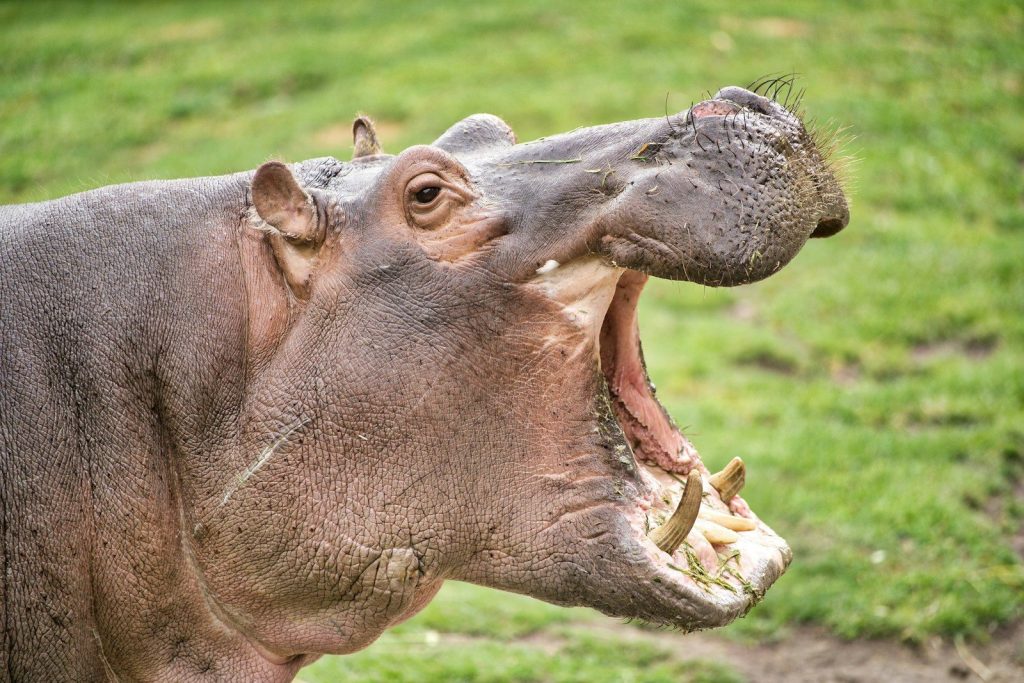
Colombia’s Environment Ministry says experts have estimated approximately 169 hippos in the country. Around 114 were associated with the area around Hacienda Nápoles, while another 31 were recorded around Cocorná, with others distributed elsewhere.
Their overall range is now estimated at more than 43,000 square kilometers. The animals are particularly associated with the Magdalena River basin and wetlands extending toward the Momposina Depression.
Male hippos can fight over territory
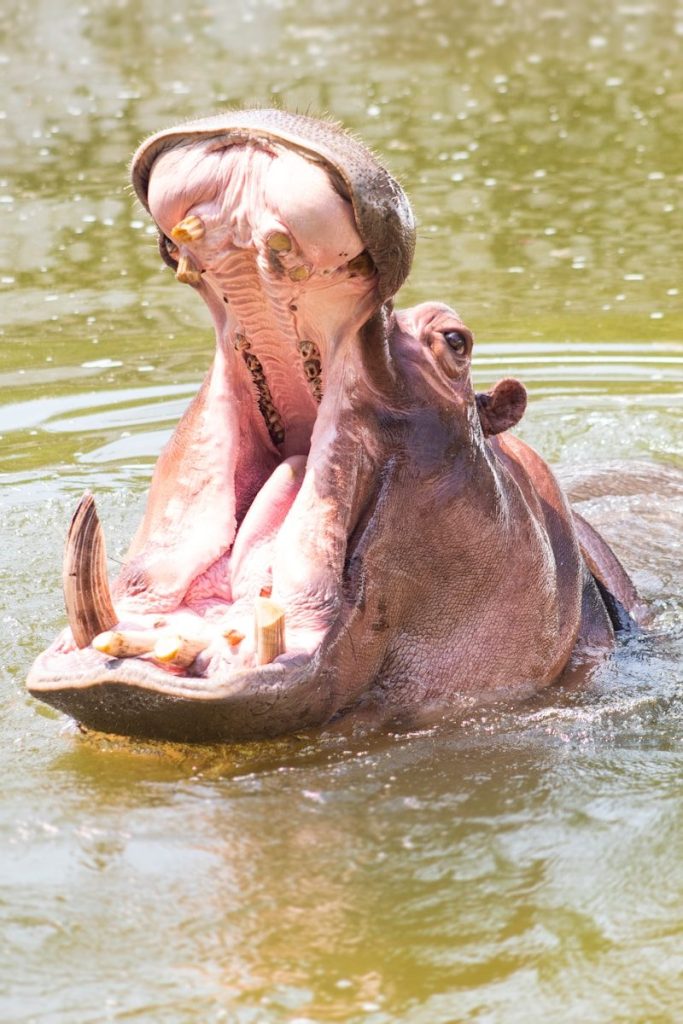
Hippos may appear slow when resting in water, but encounters between adults can become highly aggressive. Dominant males defend aquatic territories and can confront rivals that challenge their position.
Their enormous mouths and canine teeth provide formidable weapons during these encounters. Displays can sometimes prevent a confrontation from becoming a serious fight, but direct clashes between large males can result in injuries.
Their impact extends beyond fighting
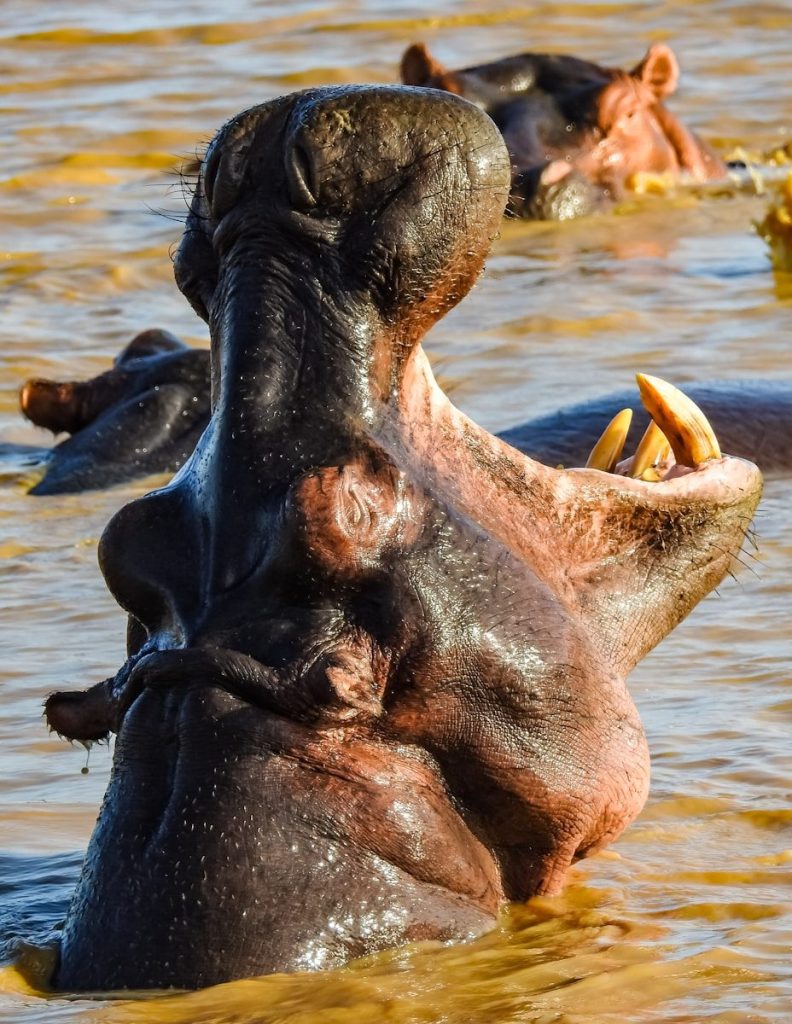
The larger concern in Colombia involves what the growing population does to an ecosystem where hippos did not naturally evolve. Their repeated movement between land and water can alter riverbanks, compact soil, remove vegetation, and create new channels.
Their waste also transfers large quantities of nutrients from terrestrial vegetation into aquatic environments. Colombia’s Environment Ministry identifies eutrophication, changes in primary production and excess nutrients among the ecological effects associated with the invasive population.
Native wildlife could face additional pressure
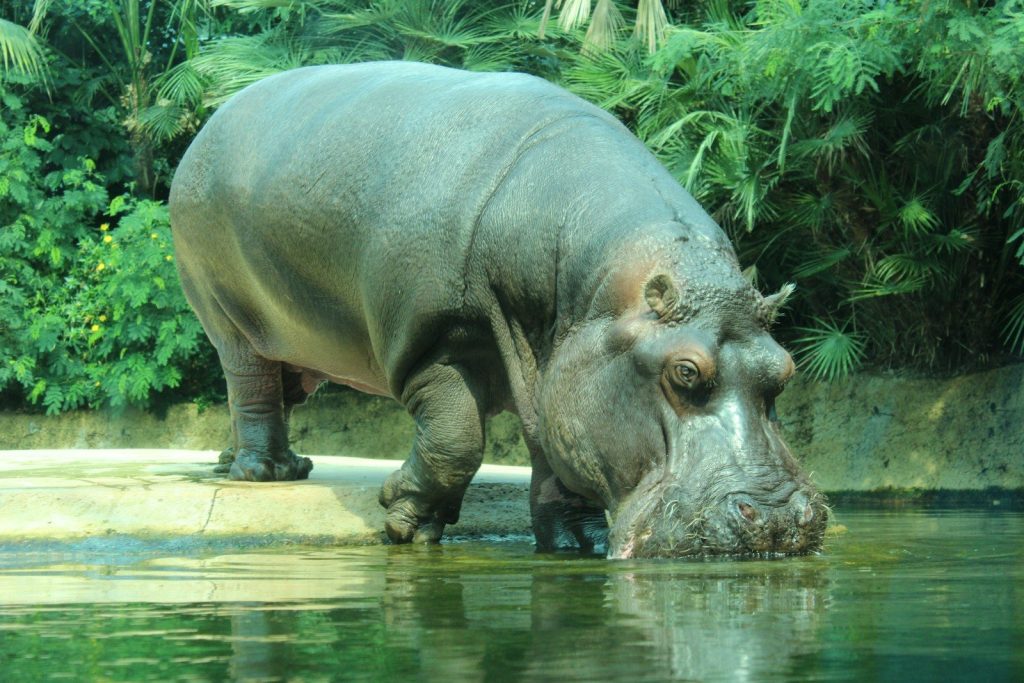
Colombia’s waterways already support native mammals, fish, and other wildlife. Government assessments warn that expanding hippo populations can affect species including manatees, otters, and capybaras, as well as fish important to local communities.
People living near the animals also face practical problems. Officials have documented concerns about damaged crops, blocked roads, livestock, fishing, and access to water, as well as the direct safety risks posed by encounters with such large animals.
Colombia is trying to control the population

Colombia has developed a management plan combining several approaches. These include surgical sterilization, confinement, and potential translocation, with euthanasia available as a last-resort management measure under animal-welfare standards.
The problem remains urgent because reproduction could dramatically increase the population without intervention. Government projections indicate that numbers could surpass 1,000 animals by 2035 if effective population controls are not implemented, transforming an unusual chapter of Colombia’s history into an increasingly difficult conservation challenge.
Leave a Reply