
Orcas are formidable ocean predators, but some of their most remarkable characteristics have nothing to do with hunting. They maintain complex social relationships, learn behaviors from one another, and develop vocal traditions that can persist across generations.
Their reactions to death have attracted particular scientific attention. Orca mothers have repeatedly been observed carrying dead calves, sometimes for days. Researchers often interpret this behavior as evidence consistent with grief, although scientists cannot know precisely what another species experiences internally.
Orca families can remain together for life
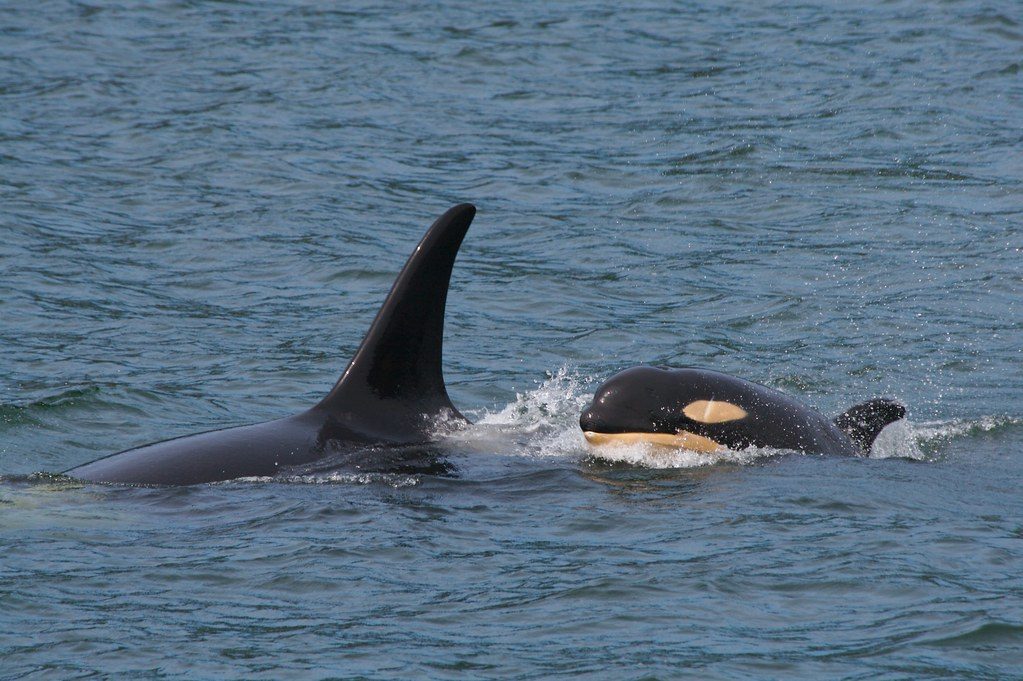
Resident killer whales live in unusually stable family groups organized around maternal lines. Sons and daughters can remain closely associated with their mothers well into adulthood, creating social relationships that can last for decades.
These long-term bonds influence almost every aspect of their lives. Family members travel, forage, communicate, and rest together, allowing knowledge and behavior to pass between generations rather than each animal learning everything independently.
Different groups develop their own dialects
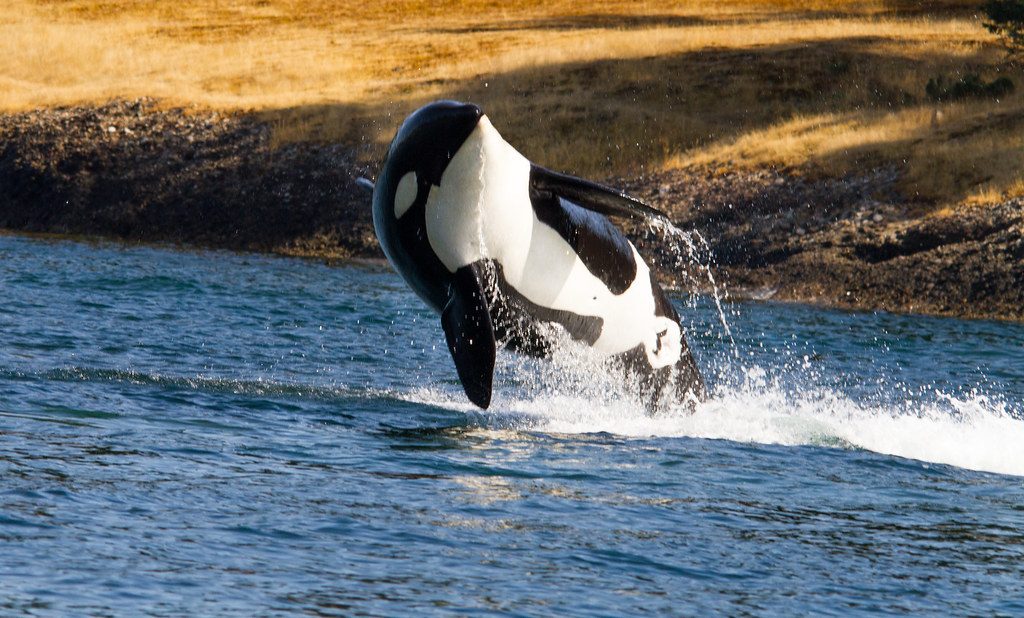
Orcas do not all communicate in exactly the same way. Research on resident killer whales has identified group-specific repertoires of stereotyped calls, commonly described as dialects.
Scientists have found that these calls can change gradually and that modifications may spread between social groups. This provides evidence for vocal learning and cultural transmission, meaning at least some elements of orca communication are socially acquired rather than simply genetically programmed.
Orcas also have culture
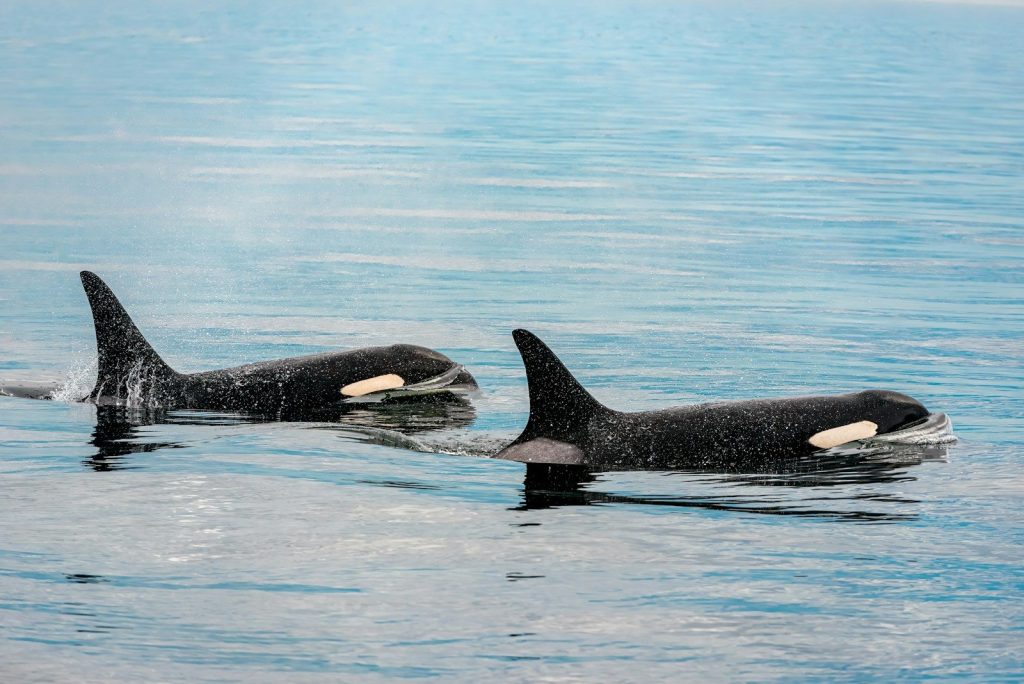
Culture is not limited to language. In animal-behavior research, it can refer to behaviors or information that spread socially and persist within groups across generations.
Orcas provide some of the clearest examples among nonhuman animals. Different populations specialize in different prey and hunting strategies, and younger whales can learn techniques by observing experienced members of their social group.
Tahlequah carried her calf for 17 days

One of the most extraordinary observations occurred in 2018. J35, a Southern Resident killer whale better known as Tahlequah, gave birth to a calf that died shortly afterward.
Instead of leaving the body, Tahlequah repeatedly carried and pushed it through the water. NOAA Fisheries documented the behavior for approximately 17 days before she finally stopped carrying the calf.
Scientists observed the behavior again

Tahlequah’s 2018 experience was not her last documented loss. After giving birth to another female calf in late 2024, researchers confirmed in January 2025 that the calf had died and that Tahlequah was again carrying its body.
Other killer whales have displayed similar behavior. Such observations strengthen evidence that cetaceans can respond to death in complex and prolonged ways, although researchers remain careful about assigning a specific human emotion to behavior they observe from the outside.
What orcas reveal about animal intelligence
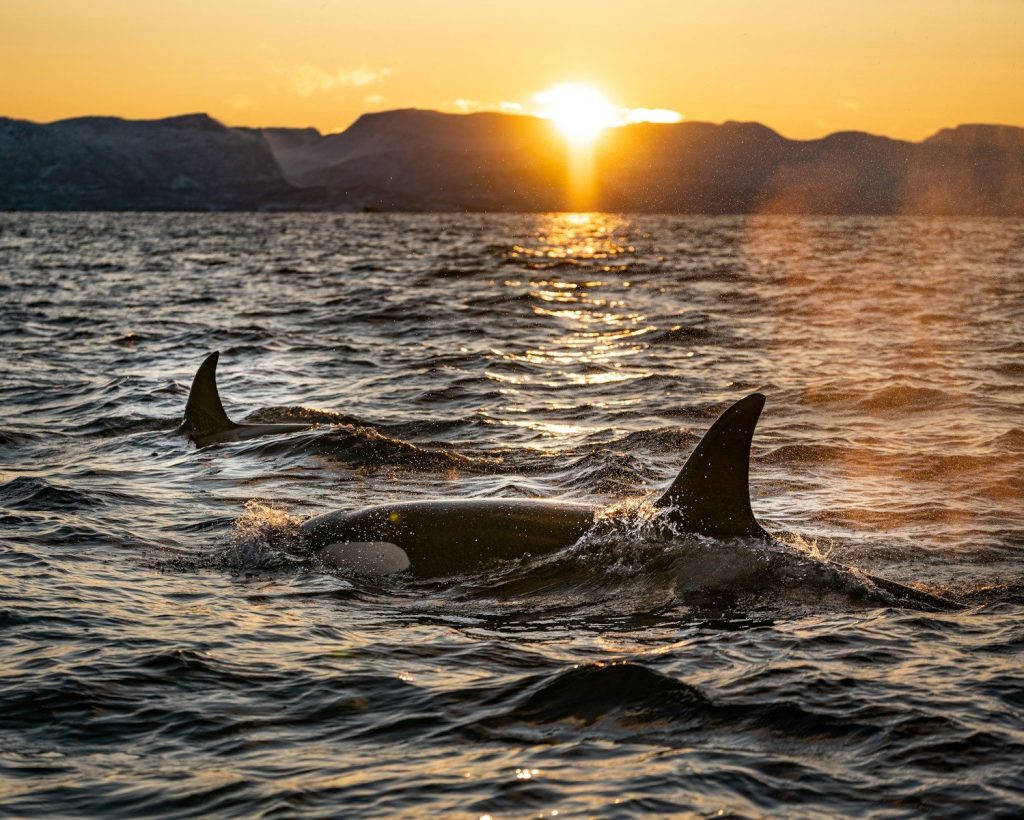
Orcas combine long-term family relationships, social learning, vocal traditions, and sophisticated hunting techniques. These traits make them important subjects for scientists studying intelligence and the evolution of culture outside humans.
Their behavior around dead relatives adds another layer to that picture. Calling it definitively identical to human mourning goes beyond what science can prove, but dismissing orcas as creatures driven only by simple instinct also fails to match the evidence. Their social lives demonstrate that complex learning, tradition, and responses to loss extend far beyond our own species.
Featured Image: Photo by Bryan Goff on Unsplash
Leave a Reply