Imagine diving 150 feet beneath the Mediterranean Sea and finding hundreds of ancient jars resting where a ship sank more than 2,000 years ago. That is what has been discovered off Mazara del Vallo on the western coast of Sicily. The ancient Roman shipwreck dates to the second or first century B.C. and contains about 500 ceramic amphorae.
Most are a type commonly used to carry wine across the ancient Mediterranean. Divers reached the site after local fishers provided information about its location. Italian officials have called the discovery one of the country’s most important underwater archaeological finds in recent years.
Divers find the wreck off western Sicily
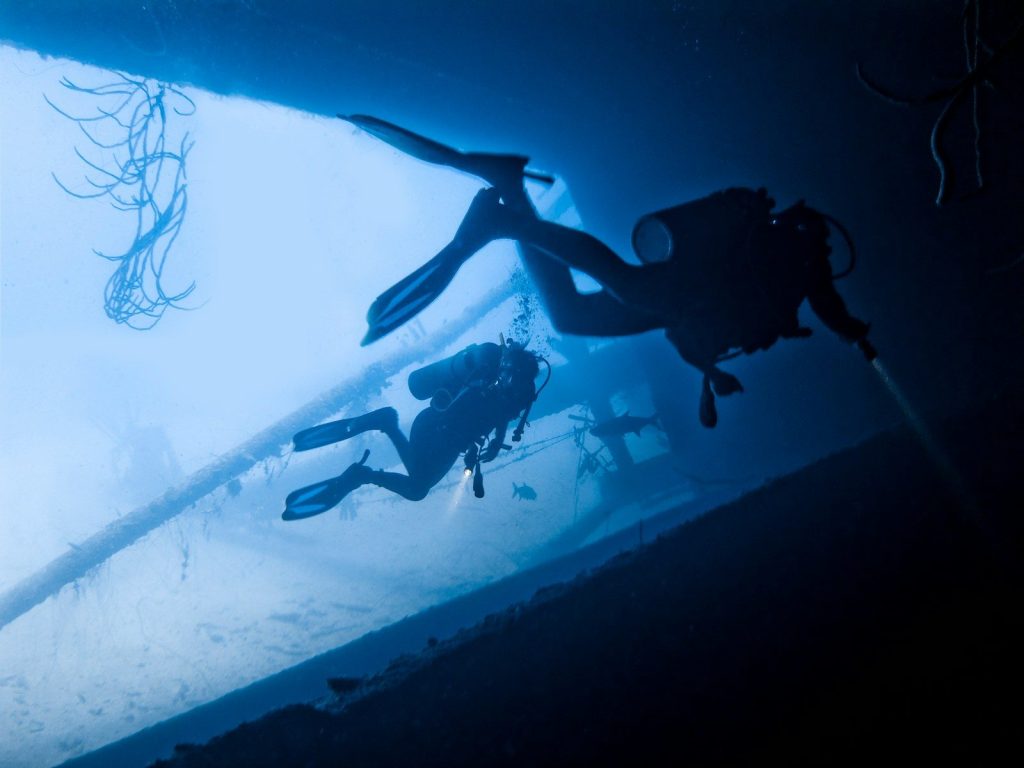
The ancient shipwreck lies about three miles off Mazara del Vallo, a coastal city in western Sicily. It rests around 46 meters, or 150 feet, below the surface. Local fishers helped start the discovery by providing information about something unusual beneath the water. Italian authorities then investigated the area with specialist divers and underwater equipment. What they found was far more than a few pieces of broken pottery scattered across the seabed.
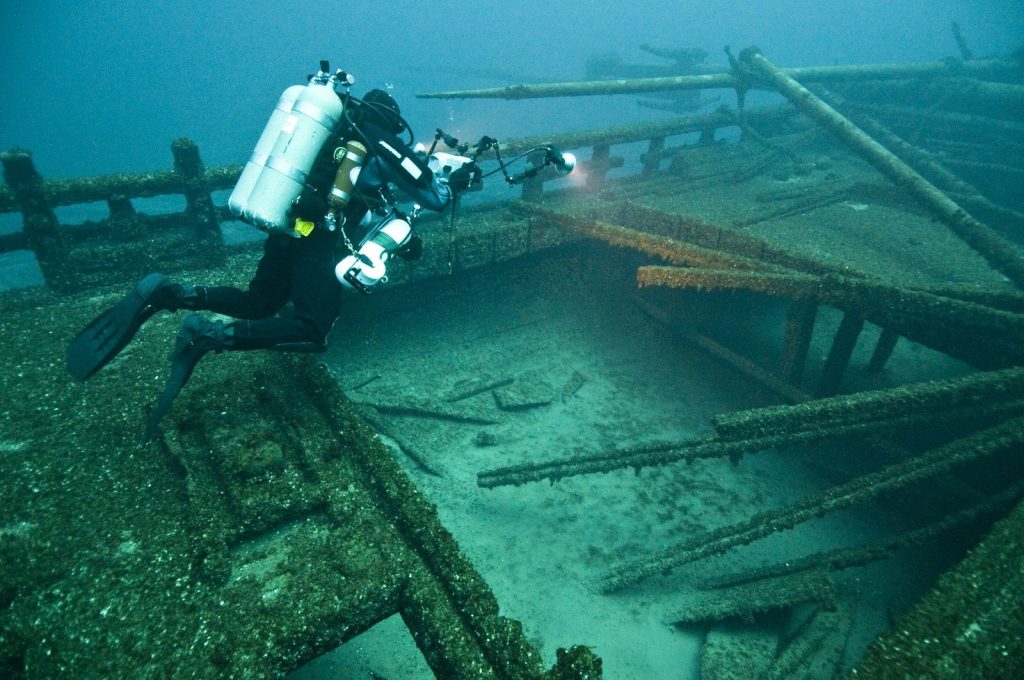
The archaeological site stretches about 21 meters, or 69 feet, in length and around 6 meters, or 20 feet, in width. Hundreds of ceramic containers remain together on the seabed. Divers also identified lead anchor stocks and other objects connected with the wreck. The large collection of cargo makes the site especially valuable because archaeologists can study many objects together instead of examining one jar that has been separated from its original setting.
Hundreds of ancient amphorae cover the site
About 500 amphorae have been reported at the wreck. Amphorae were ceramic containers widely used in the ancient Mediterranean to transport goods by ship. They normally had two handles, narrow necks, and shapes that made them useful for moving large amounts of cargo. Most of the jars found at the Sicily site have been identified as Dressel 1A amphorae.
Dressel 1A amphorae are strongly linked with the wine trade during the second and first centuries B.C. Their presence is one of the main clues archaeologists can use to understand the wreck. These containers were produced in ancient Italy and moved across the Mediterranean trade routes. Finding hundreds of them together provides evidence of a large commercial shipment rather than a few personal items carried by people aboard the ship.
The ship sailed more than 2,000 years ago
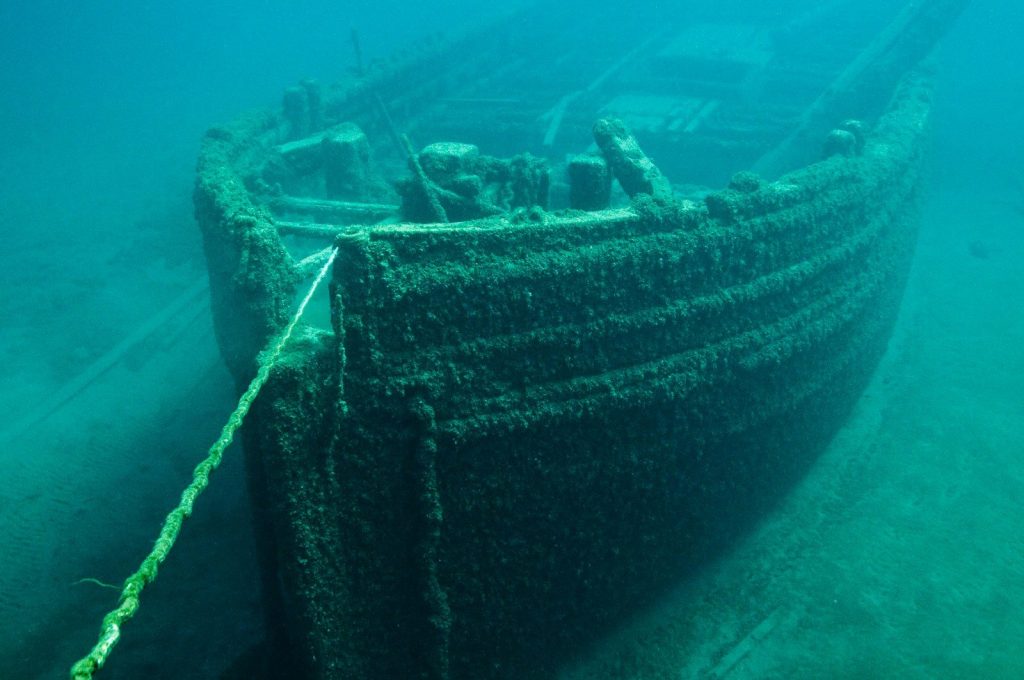
Early dating places the wreck between the second and first centuries B.C. That means the ship sank more than 2,000 years ago, during the period of the Roman Republic. This was before the Roman Empire began under Augustus in 27 B.C. Describing the vessel simply as Roman is correct, but calling it an Imperial Roman ship would place it in the wrong period based on the current dating.
The date also helps explain why the amphorae are so important. Ships moved large amounts of goods between Mediterranean ports during this period. Wine and other products could travel by sea in ceramic containers packed aboard merchant vessels. A wreck can preserve evidence of one of those voyages at a single moment in time. Instead of finding an amphora after centuries of movement on land, archaeologists can study hundreds of containers where the ancient voyage ended.
The discovery can reveal ancient trade routes
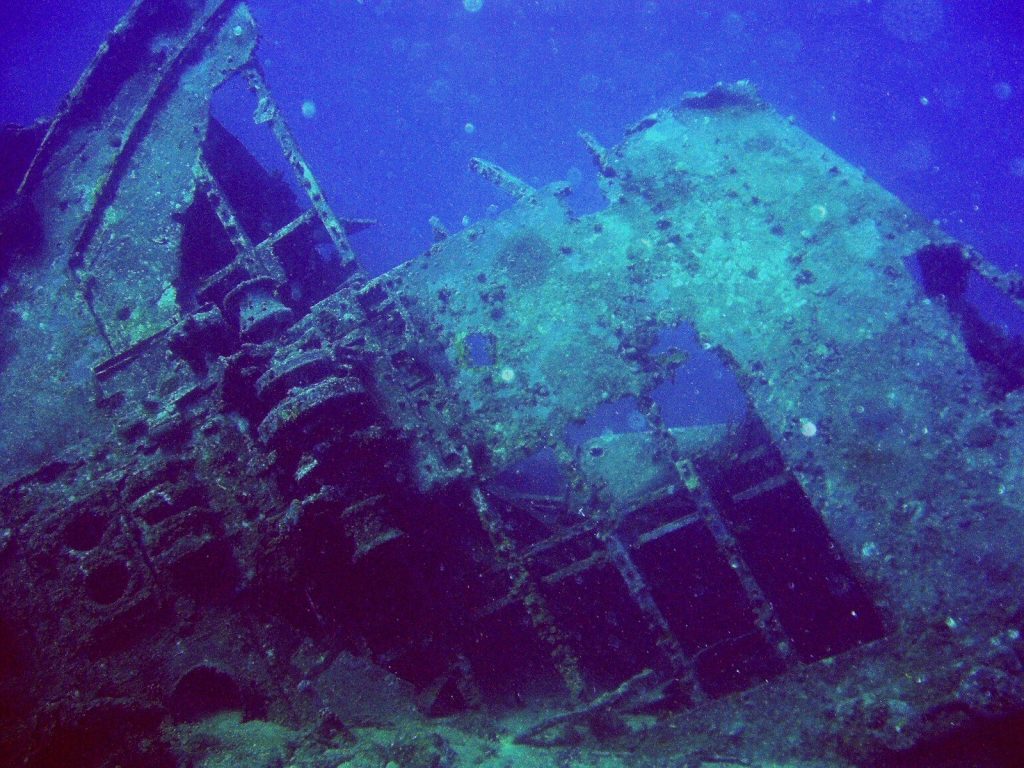
Italian Culture Minister Alessandro Giuli described the wreck as one of the most important underwater archaeological discoveries of recent years. Its value comes from more than the age of the ship. Archaeologists are interested in what the wreck can reveal about the people, trade routes, goods, and connections that shaped the ancient Mediterranean world.
The amphorae provide some of the strongest evidence. Their shape and type can help experts estimate when they were made and where they came from. Researchers can compare them with pottery found at other archaeological sites. Other objects around the wreck can add more information. Even the way the cargo lies across the seabed can provide clues about the vessel and what happened when it sank.
Archaeologists will study the wreck underwater
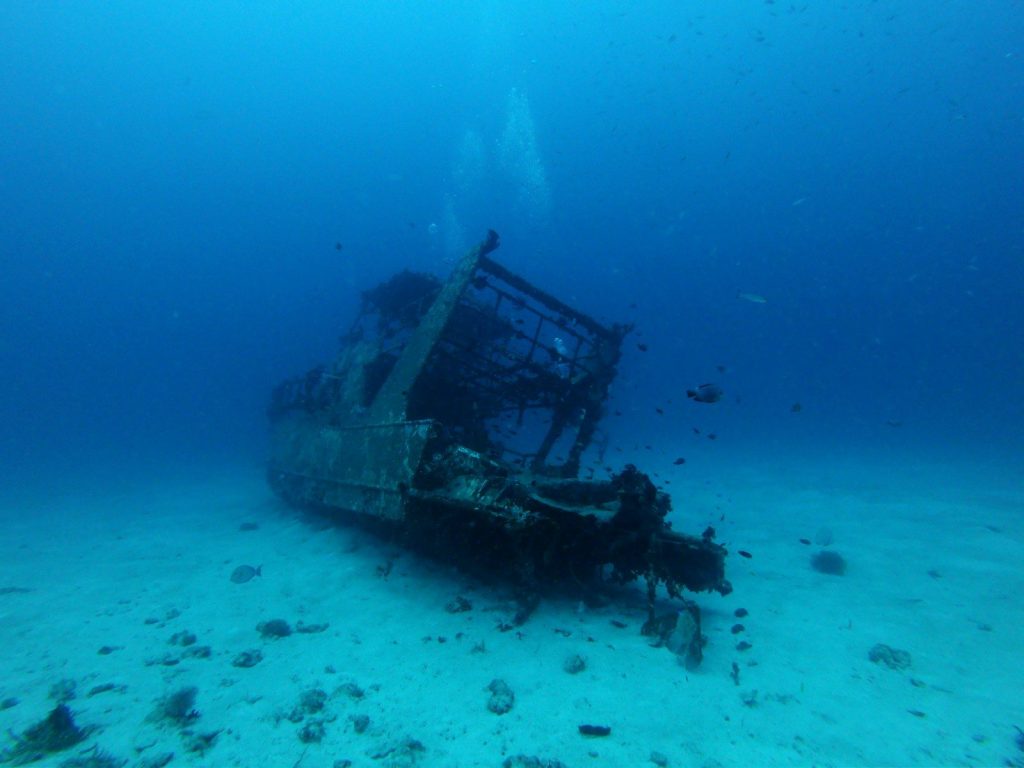
The discovery is only the beginning of the archaeological work. Sicily’s Superintendency of the Sea is expected to document and study the site in detail. Researchers need to understand the position of the amphorae, the remains of the vessel, the anchors, and other objects before drawing firm conclusions. Careful documentation is important because the relationship between objects can provide information that would disappear if everything were simply removed from the seabed.
Protection is another major part of the work. A newly identified underwater archaeological site can contain objects that have remained in place for thousands of years. Authorities need to protect that material while experts decide how best to study it. The goal is not simply to bring ancient objects onto land. Archaeologists want to understand the complete site and preserve as much information as possible about the ship and its final voyage.
Another Roman structure appears on the Danube
The Sicily discovery comes as another piece of Roman history has become easier to study elsewhere in Europe. Exceptionally low water levels in the Danube River recently exposed parts of the foundations of Constantine’s Bridge near Gigen in northern Bulgaria. Archaeologists used the opportunity to photograph and document remains that are normally hidden beneath the river.
Constantine’s Bridge comes from a much later period than the Sicily shipwreck. Emperor Constantine commissioned the bridge, which opened in A.D. 328. It connected Ulpia Oescus in what is now Bulgaria with Sucidava in present-day Romania. The huge structure stretched for more than two kilometers and ranked among the most ambitious bridges built in the ancient world. It remained in use for only a few decades and is believed to have been largely destroyed around A.D. 367.
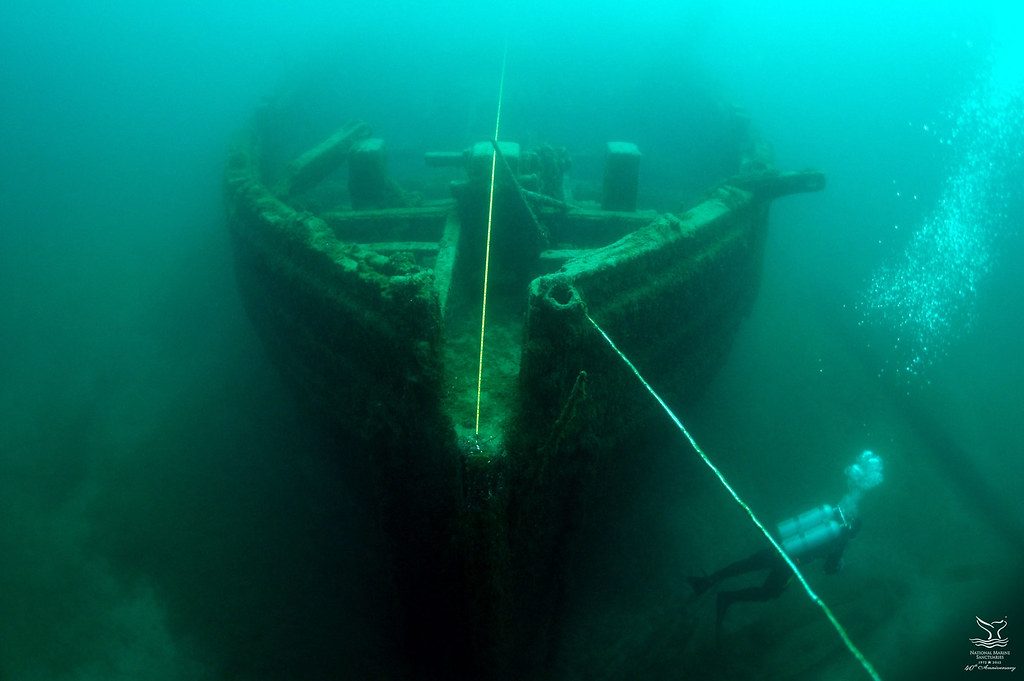
Featured Image: “Thunder Bay Shipwreck” by NOAA’s National Ocean Service is licensed under CC BY 2.0
Leave a Reply