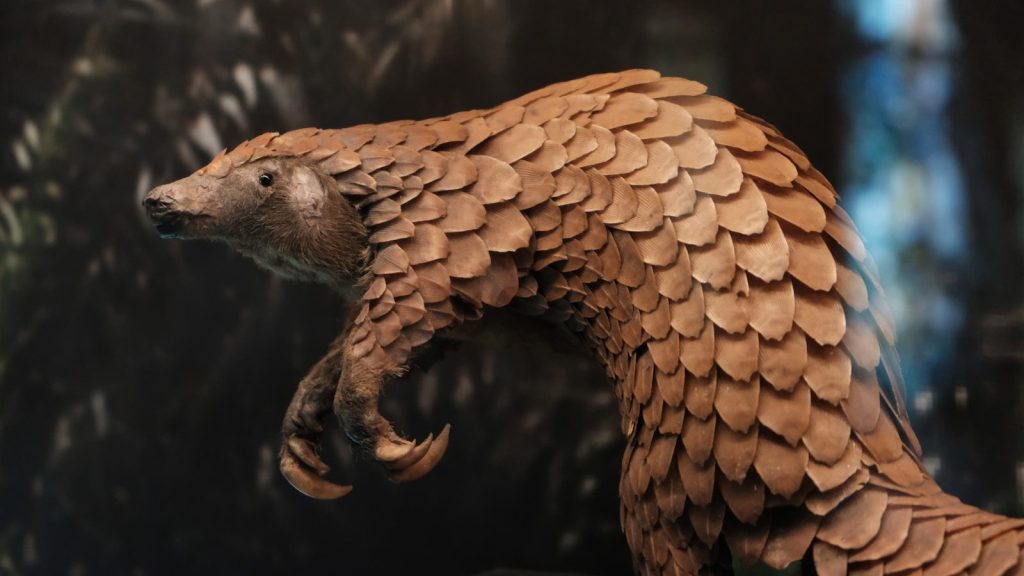
What if scientists discovered a new animal without first finding it alive in a forest? Something close to that happened with a mysterious pangolin. The first major clues came from scales seized from the illegal wildlife trade in Hong Kong. DNA from some of those scales did not match known Asian pangolin species. Years of further genetic work eventually provided strong evidence for a separate species, now proposed as Manis mysteria. Researchers found that its lineage separated from its closest known relatives more than 5 million years ago. The discovery shows how DNA taken from trafficked wildlife can reveal animals that science still knows very little about.
Seized pangolin scales revealed the first clues
The story began years before scientists had enough evidence to propose a new species. Researchers studied 239 pangolin scale samples from two confiscations in Hong Kong. DNA testing revealed 13 different genetic forms known as haplotypes. Some belonged to the known Sunda pangolin, but another genetic group created a puzzle. Its DNA did not match sequences from any known Asian pangolin species.
Researchers published those results in 2015. At the time, they described the unknown group as a possible hidden pangolin lineage rather than immediately declaring a new species. That was an important difference. Finding unusual DNA does not automatically prove that a separate species exists. Scientists needed much more evidence before reaching that conclusion. Still, the strange genetic results gave researchers a reason to keep investigating.
More mystery pangolin DNA appeared in China
The Hong Kong samples were not the end of the story. Researchers later identified two more unusual mitochondrial DNA types in separate confiscations from Yunnan, China. These genetic sequences lined up with the mysterious pangolin DNA previously detected in the Hong Kong material. Finding related DNA in separate seizures made it harder to explain the original discovery as one strange or isolated sample.
Scientists still needed stronger evidence. Mitochondrial DNA can provide important clues about relationships between animals, but researchers wanted to examine much more of the genome. They also needed to compare the mystery samples directly with all eight pangolin species already recognized at the time. This would help determine whether the unusual DNA represented variation within a known species or something truly different.
DNA points to a separate pangolin species
The results provided what researchers called strong genomic evidence for a separate species. The mystery samples formed a lineage distinct from the eight pangolin species already known to science. Researchers proposed the scientific name Manis mysteria for the animal. If formally accepted across pangolin taxonomy, it would represent a ninth living pangolin species and a fifth species within the Asian genus Manis.
Scientists did more than compare DNA. They also examined the physical features of the scales. Those measurements showed that the mystery pangolin belonged with Asian pangolins rather than the African species. The genetic evidence then allowed researchers to look much deeper into where the animal fits within the pangolin family.
Its lineage separated over 5 million years ago
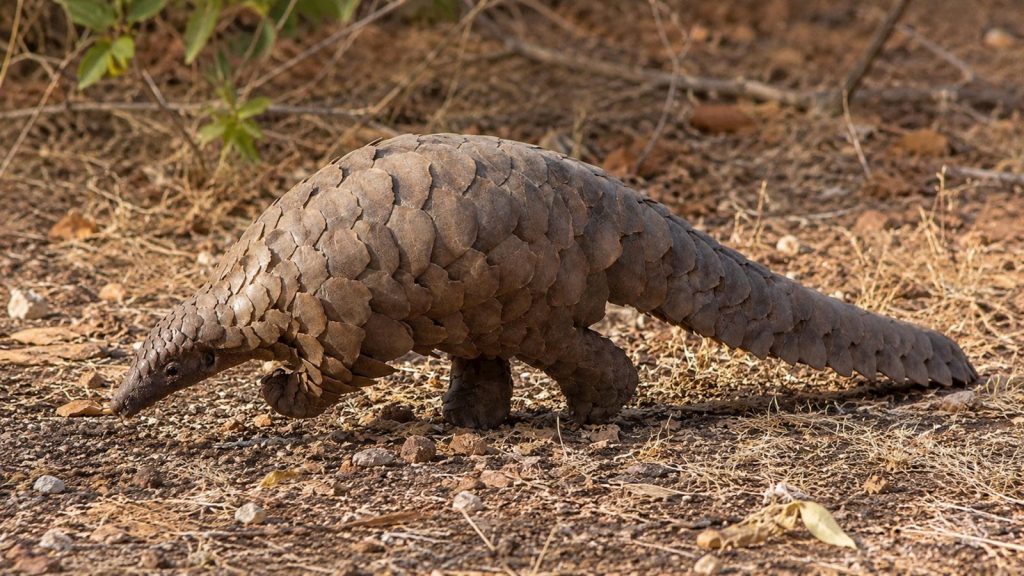
Genomic analysis showed that Manis mysteria is not simply a very recent branch of another known pangolin species. Researchers concluded that the lineage separated from the ancestors of the Philippine pangolin and Sunda pangolin more than 5 million years ago. That means its independent evolutionary history reaches millions of years into the past.
The number needs to be described carefully. Researchers did not show that one individual pangolin suddenly became a new species exactly 5 million years ago. Species develop through long evolutionary processes. Genetic studies allow scientists to estimate when different lineages shared common ancestors and began separating. In this case, the genomic evidence points to a split more than 5 million years in the past.
Scientists still have major questions to answer

Finding strong genetic evidence for a species is not the same as knowing everything about the animal. Researchers still need to determine where Manis mysteria lives in the wild. Its natural geographic range remains uncertain because much of the material used for the research came through illegal wildlife trade. A confiscated scale can reveal the animal’s DNA, but it does not automatically reveal the exact forest where that animal lived.
This creates one of the biggest challenges surrounding the discovery. Scientists want to study living populations, their habitat, numbers, behavior, and threats. Those details are needed to understand how well the species is surviving. Without a clear range, even basic questions about where conservation work should focus become harder to answer.
The illegal wildlife trade helped expose the mystery
There is a troubling twist at the center of the discovery. Illegal wildlife trafficking is a major threat to pangolins, yet confiscated material from that same trade helped scientists detect Manis mysteria. Hong Kong authorities have intercepted very large shipments of pangolin scales over the years. In one 2014 case, customs officers seized about 1,000 kilograms of scales from a container arriving from South Africa.
DNA forensics can turn confiscated wildlife products into scientific evidence. Researchers can extract genetic material from scales and compare it with reference samples from known species. This can help identify which pangolins are appearing in illegal shipments. It can also help researchers study genetic diversity and learn more about where trafficked animals may fit within the pangolin family.
Featured Image: Photo by samich time on Unsplash
Leave a Reply