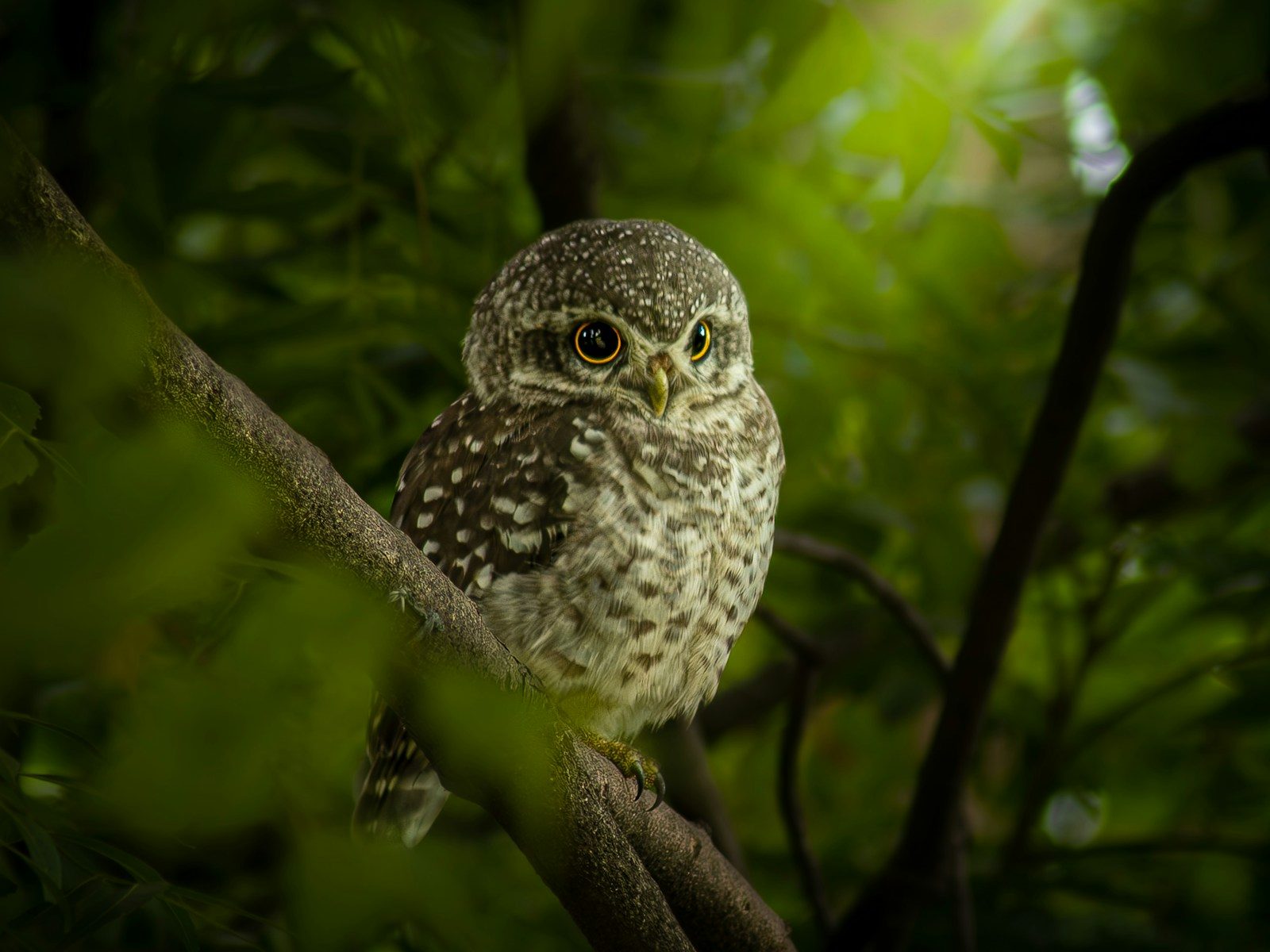
A young orphaned owl faced a major problem after surviving an attack that left her badly injured. Her damaged leg and foot stopped her from gripping properly, making normal life in the wild impossible. Her veterinary team began treatment, but the owl’s foot showed little improvement after laser therapy and physical therapy. Then the team tried something different.
Veterinary acupuncture became part of her care, and her condition began to improve. After weeks of treatment and rehabilitation, the owl regained the skills she needed to survive on her own. Her recovery ended with the moment everyone had worked toward: a return to the wild.
The young owl survives a difficult beginning
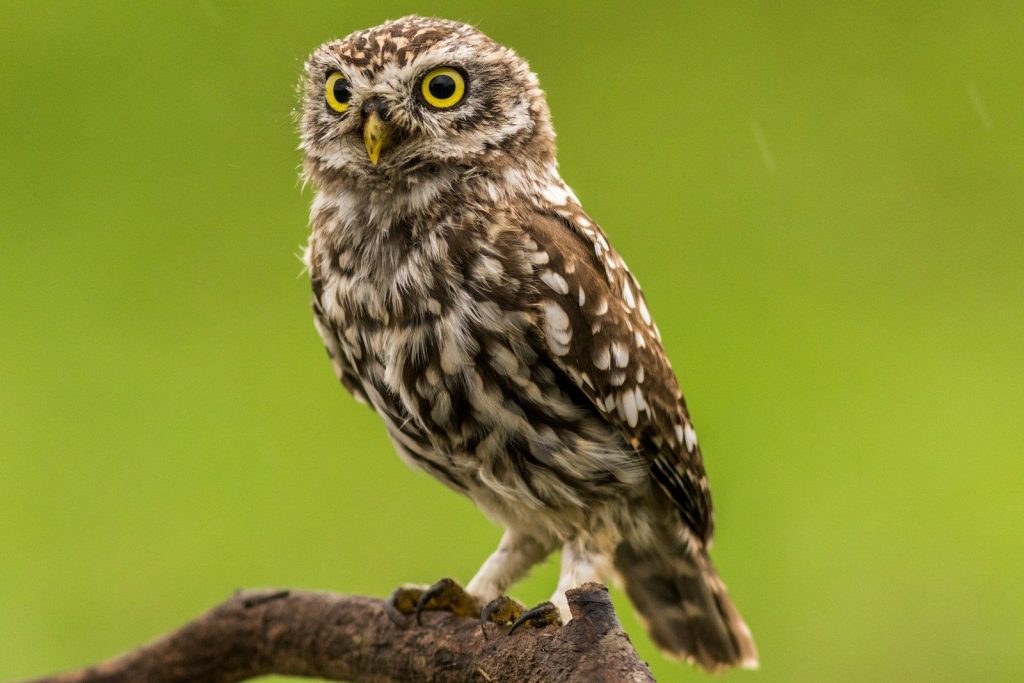
The owl’s problems began while she was still young. According to the account presented by The Dodo, another animal attacked her nest. Her mother was no longer there when rescuers became involved, and the young owl was reportedly the only member of the nest to survive. She was alive, but her injuries meant that surviving the attack was only the first challenge she faced.
One of the biggest problems involved her leg and foot. The owl had a large wound and could no longer grip normally. That ability is especially important for a bird that must eventually live without human help. An owl needs its feet for basic activities such as holding onto a perch and catching prey. A bird that cannot perform those tasks may survive while receiving professional care, but it is not ready to return to life in the wild.
Early treatments fail to restore her foot

The veterinary team first worked on the owl’s injuries and general recovery. Her care included laser therapy and physical therapy. These treatments were meant to support healing and improve function in the injured area. The team continued working with her, but one major problem remained. Her damaged foot was not improving enough for her to grip properly.
That created a serious obstacle to release. Flying is important for an owl, but flight alone is not enough. The bird also needs to land, perch, control its body, and catch food. A weak or poorly working foot could affect several of those skills. Returning the owl to the wild before she could perform them would leave her unable to live independently.
Veterinary acupuncture becomes the next step

Staff veterinarian Dr. Schneider suggested trying acupuncture after the owl’s foot failed to improve enough with the earlier treatments. The idea led the rehabilitation team to Dr. Jessica Dreyfuss, the medical director at Healing Paws Center. She began providing veterinary acupuncture as part of the owl’s continuing care.
The owl reportedly received acupuncture treatments every other day for about one month. Veterinary acupuncture uses carefully placed needles as part of treatment performed by trained professionals. In this case, it was added after other rehabilitation efforts had not restored enough function to the owl’s injured foot.
The owl begins using her foot again
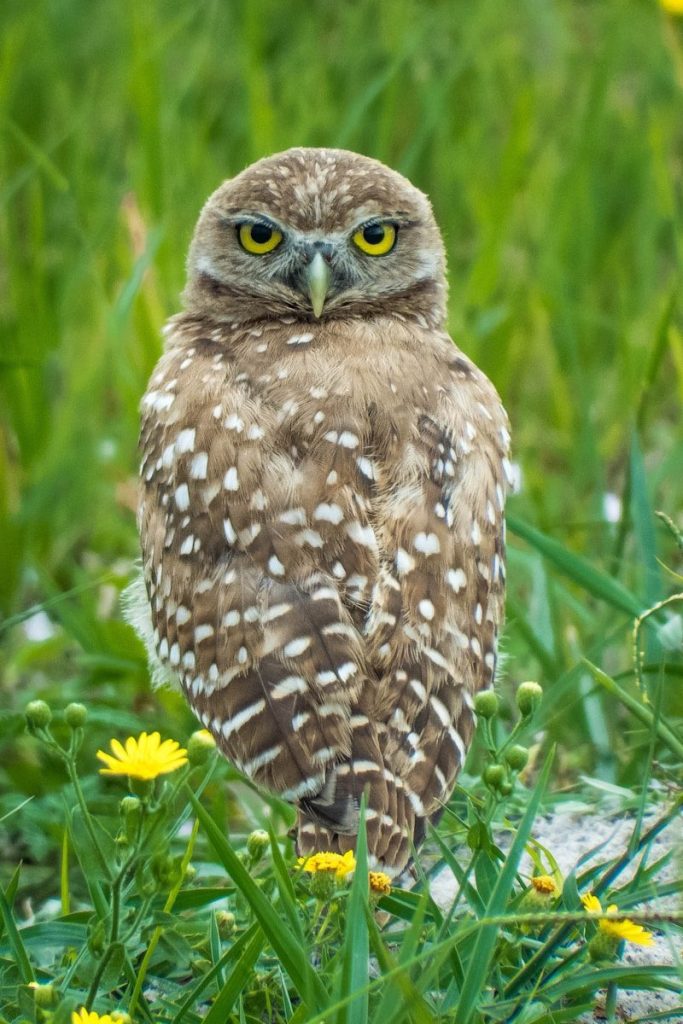
The biggest change involved function. The goal was not simply to make the owl look healthier. She needed to use the injured part of her body well enough to perform the tasks required for life outside human care. As her rehabilitation continued, her ability to use her foot improved.
Regaining a proper grip was an important step because an owl relies heavily on its feet. The bird must be able to hold onto branches and other surfaces when landing and resting. More importantly, a wild owl must be able to hunt. A bird released without those abilities could quickly find itself unable to survive.
Flying and hunting become the final tests

Improvement did not mean the owl could immediately be released. Her rehabilitation team still needed to make sure she could perform the skills required in the wild. Two of the most important were flying and hunting. The owl had to show that she could move normally and obtain food without depending on people.
This stage separated medical recovery from true rehabilitation. A wild animal can appear healthy while still lacking an important survival skill. For this owl, the earlier loss of grip had affected exactly the kind of abilities she would need after release. Her team, therefore, waited until she could demonstrate that her body was working well enough for independent life.
The orphaned owl finally returns to the wild
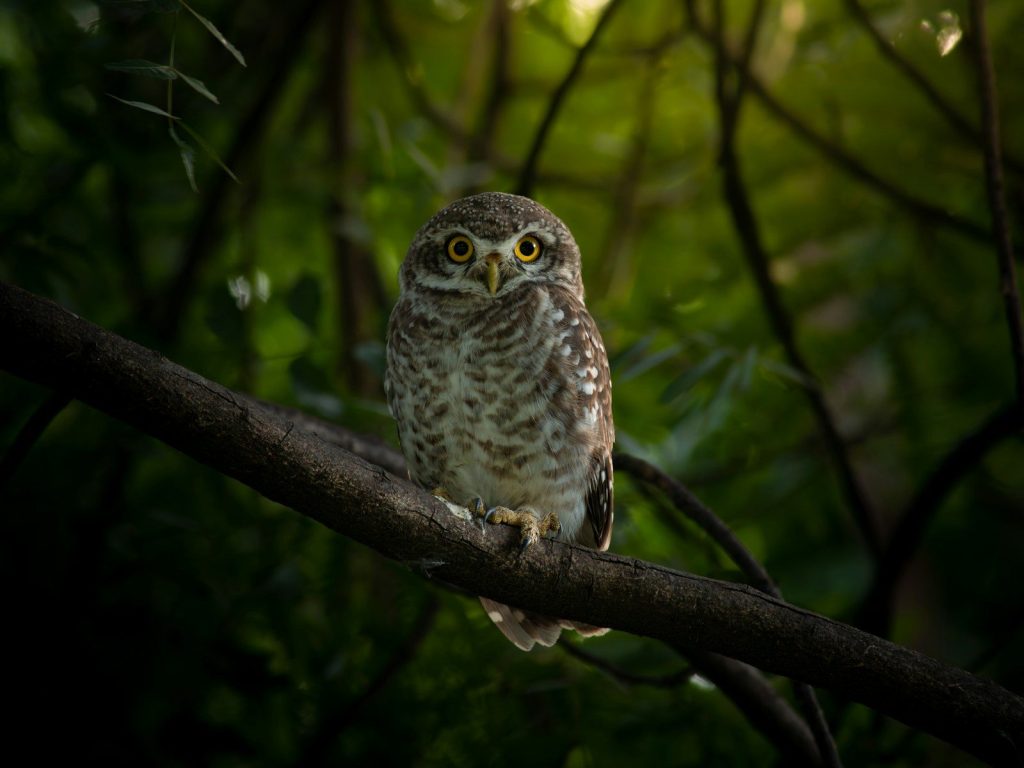
The final stage of the owl’s story took place outside the rehabilitation center. After surviving the original attack, recovering from a serious injury, going through several forms of treatment, and proving she could hunt and fly, she was ready for release.
Footage of the moment shows the owl heading back into the wild. For the people involved in her care, the release marked the end of a long process. The goal of wildlife rehabilitation is not to turn a wild animal into a permanent pet. When possible, the aim is to restore the animal’s health and natural abilities so it can live independently again.
Featured Image: Photo by Harshit Suryawanshi on Unsplash
Leave a Reply