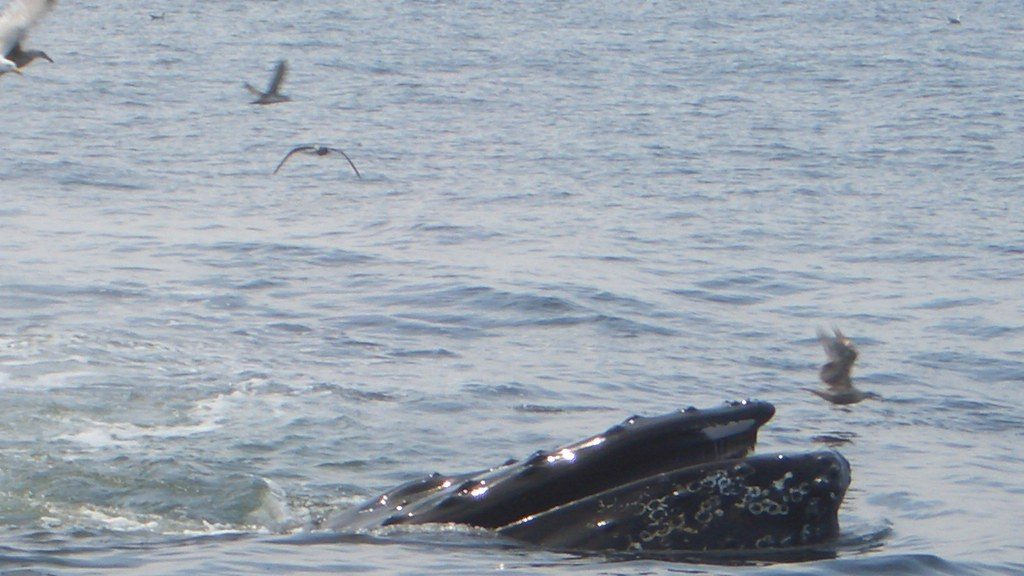
A young humpback whale faced a dangerous problem off Massachusetts when fishing rope became caught in its mouth and trailed behind its body. Recreational boaters spotted the entangled humpback whale in Ipswich Bay on August 4, 2026, and quickly reported it.
A specialized rescue team began searching the following morning and eventually found the animal off Rockport. Working from a small inflatable boat, responders carefully removed the fishing gear in stages. Once the final rope came free, the whale quickly swam away from the bay. Experts said the young humpback was expected to make a full recovery after the successful rescue.
Boaters first spot the entangled humpback whale
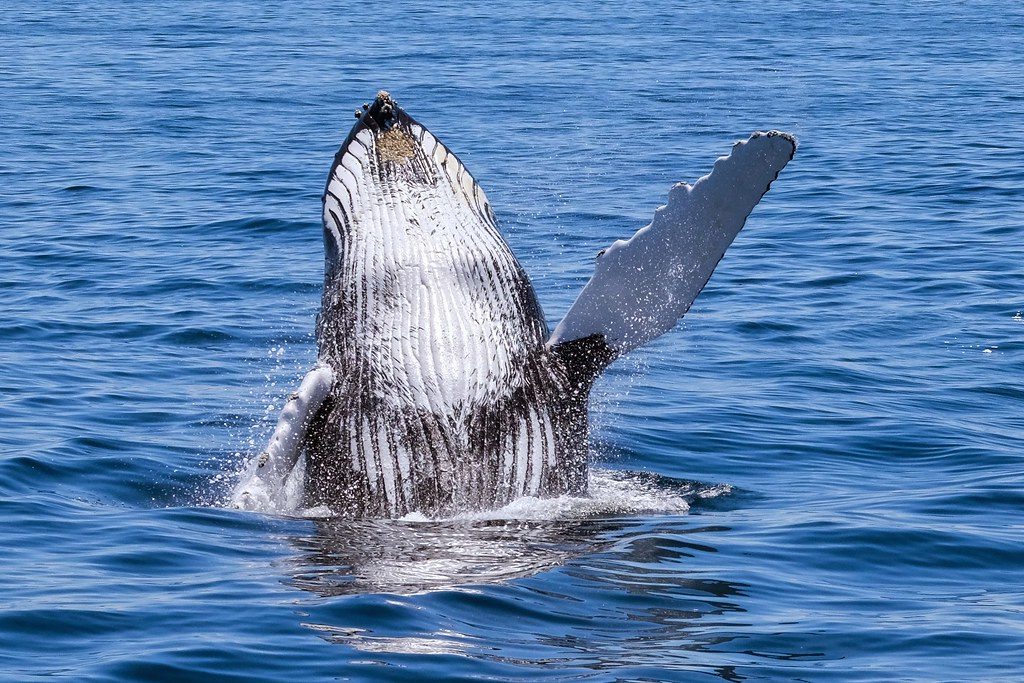
Recreational boaters came across the small humpback on the afternoon of August 4. A buoy connected to fishing gear was trailing behind the animal, showing that something was wrong. The boaters reported the sighting to the U.S. Coast Guard. That information was then passed to the Marine Animal Entanglement Response team at the Center for Coastal Studies. The quick report gave trained responders important information about where the whale had last been seen.
The rescue could not begin immediately. According to the Center for Coastal Studies, time and distance made it impossible for its team to reach the whale that afternoon. Instead, the organization alerted the wider disentanglement network and asked people on the water to watch for the humpback. The whale remained somewhere in the area overnight, still carrying the fishing gear. Responders, therefore, needed to locate it again before they could begin removing the rope.
Rescue teams search Ipswich Bay the next morning
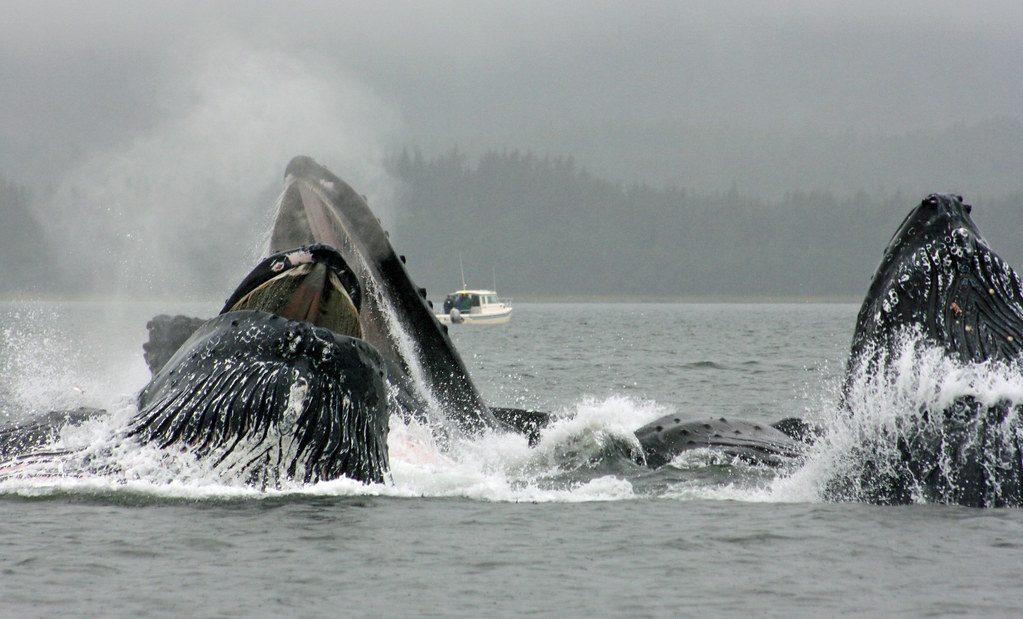
The Marine Animal Entanglement Response team left Provincetown on the morning of August 5 to search for the whale. The Rockport harbormaster and NOAA staff also joined the effort. Finding one moving animal across open water can be difficult, especially after many hours have passed since the previous sighting. The team needed another clear report before it could get close enough to understand exactly how the whale was tangled.
Help came from another recreational boater. By late morning, a boater spotted the humpback and reported its position. That allowed the response team to reach the scene and examine the entanglement. The responders found rope running through the whale’s mouth, with fishing gear and a buoy attached. They now had to remove it without creating another problem for the animal or putting the people working beside it in unnecessary danger.
Responders remove the fishing gear in stages
The team worked from a small inflatable boat beside the whale. Rather than trying to remove everything at once, responders dealt with different parts of the entanglement in stages. They first attached a grappling hook to the rope caught through the humpback’s mouth. Using the entangling line, they were able to move into a position behind the animal and cut away the fishing buoy.
Some rope still remained on the whale. The team then attached large floats to the remaining line. Those floats created drag as the whale moved through the water. That pressure helped pull the remaining entanglement away from the humpback. Eventually, the final section came free. The technique allowed the team to remove the gear without needing to capture or lift the huge marine mammal from the water.
The young humpback quickly swims away

The whale’s behavior after the final rope came off provided an encouraging ending. According to the Center for Coastal Studies, the humpback sped away and left Ipswich Bay once it was free. The organization said the young animal was expected to make a full recovery. Local reporting also confirmed that the whale swam away soon after responders removed the gear.
That outcome mattered because fishing gear can create serious problems for whales. An animal does not need to become completely trapped for an entanglement to affect it. A rope caught around or through parts of its body can interfere with normal movement and feeding. A whale may also have to drag heavy gear through the water. In this case, the responders were able to find the humpback and remove the equipment after boaters noticed the problem and reported it.
NOAA is examining the recovered fishing gear
The rescue did not completely end when the whale disappeared from view. Responders kept the fishing gear they had removed. Scott Landry, director of the Marine Animal Entanglement Response Program, said the material was turned over to NOAA Fisheries. Officials can examine recovered gear to learn more about where it came from and the circumstances surrounding the entanglement.
That information can help researchers and fisheries officials better understand whale entanglements. The rope itself may provide clues about the type of fishing activity connected with an incident. However, the available reporting does not yet establish where this particular gear came from. It is therefore important not to blame a specific fishery or individual without the results of NOAA’s examination. What is known is that the humpback had become caught in fishing gear and that the removed material was preserved for further investigation.
Trained teams handle dangerous whale rescues
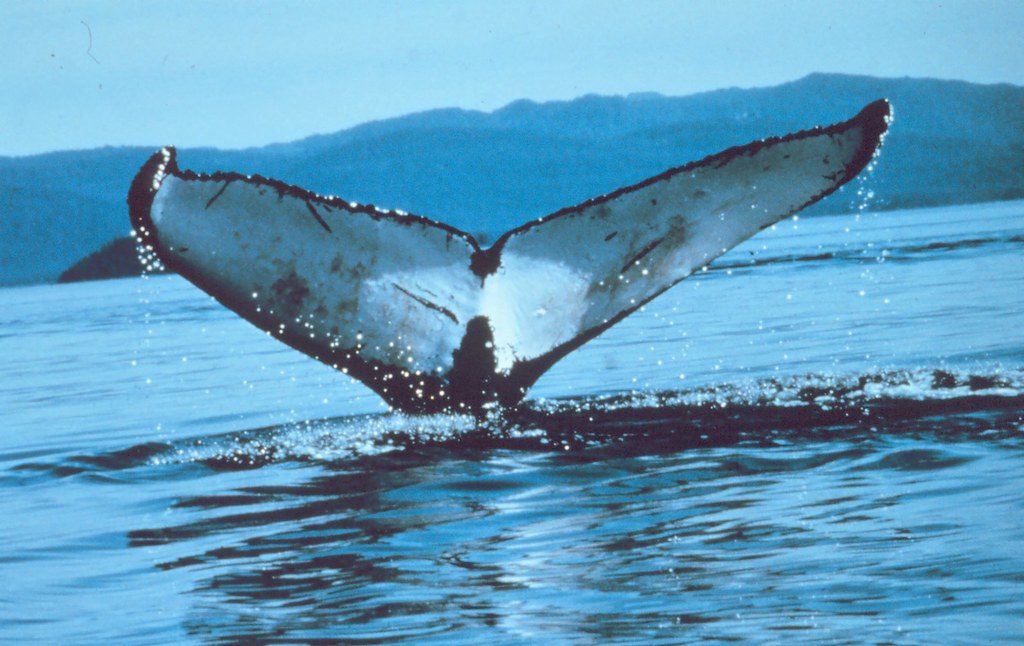
The Rockport rescue also shows why whale disentanglement is handled by trained specialists. Humpbacks are extremely large wild animals, and an entangled whale may move suddenly while people are working nearby. Ropes under pressure can also create risks. The Center for Coastal Studies conducts its disentanglement work under a federal permit authorized by NOAA. Its response program has specialized equipment and training for working around entangled marine animals.
The public still plays an important role without attempting the rescue itself. In this case, recreational boaters provided the first report, and another boater helped responders locate the whale the following morning. The Center for Coastal Studies specifically thanked those boaters, along with the Rockport harbormaster, NOAA, and the Coast Guard. The organization advises boaters who encounter an entangled marine animal to report it and remain at a safe distance while trained responders take over.
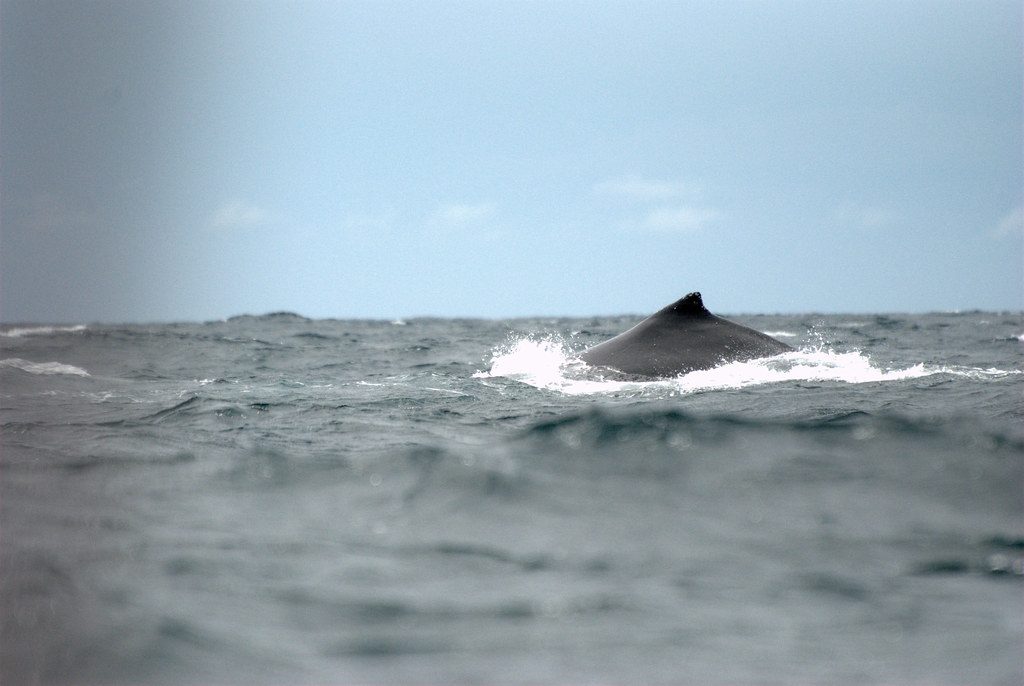
Featured Image: “Humpback Whale in the Atlantic Ocean; Stellwagen Bank (Massachusetts)” by Traveler-Reini is licensed under CC BY-SA 2.0
Leave a Reply