
One tiger became so feared that entire communities changed how they lived. The Champawat Tiger, a female Bengal tiger, is credited with killing 436 people in Nepal and northern India around the turn of the 20th century. Her attacks continued for years and made her one of history’s most infamous animals. She was finally killed in 1907 by Jim Corbett, who later became famous for tracking dangerous big cats.
Afterward, an examination revealed badly damaged teeth that may have helped explain why she had turned to humans as prey. The story of the Champawat Tiger is about far more than one dangerous animal. It also shows how injury, human activity, and wildlife can come together with devastating results.
The attacks began in Nepal
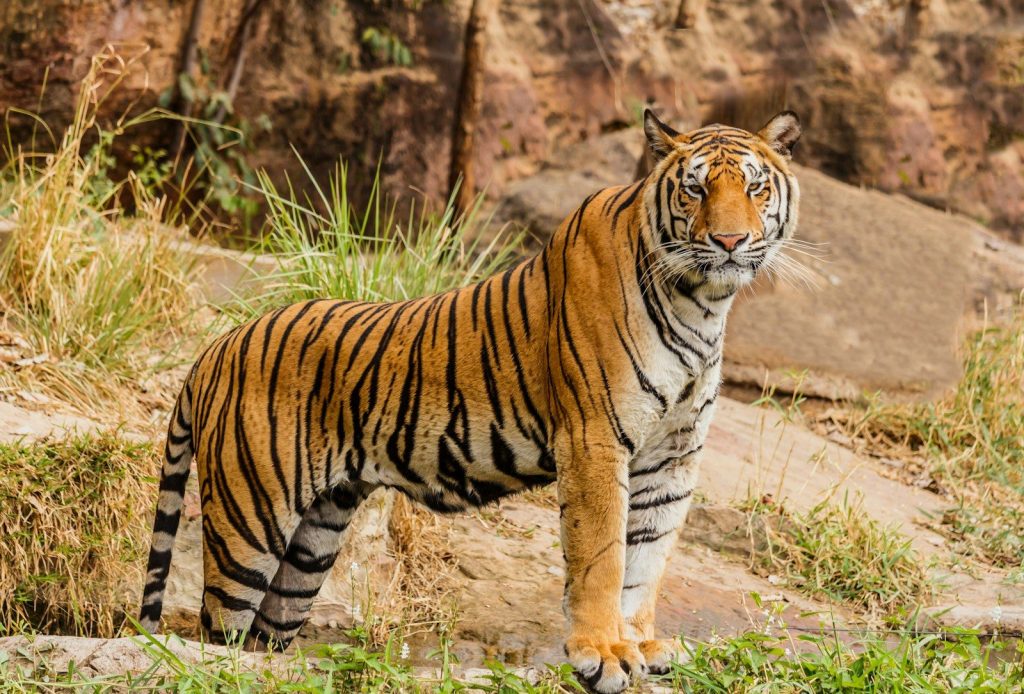
The Champawat Tiger’s story began in Nepal rather than the Indian town whose name she would eventually carry. Historical accounts say the Bengal tigress killed about 200 people in Nepal before being driven out of the region. Attempts to stop her had failed, and the attacks had created serious fear among communities living near her territory.
The tigress was eventually forced across the border into India. She entered the Kumaon region, where the attacks continued. The move did not solve the problem. It simply shifted the danger into another area, where more communities soon had to deal with the same predator. The number of deaths attributed to her continued rising as years passed.
The tigress brought fear to Champawat

After arriving in India, the tigress established herself around the Kumaon region. The area around Champawat became closely connected with her story. The Indian government’s Champawat district website still notes Jim Corbett’s arrival in the region to hunt dangerous tigers and connects the area with the opening story in his famous book, Man Eaters of Kumaon.
The tigress’s daylight activity made the danger particularly difficult to avoid. Accounts describe her moving around roads and villages instead of remaining deep inside the forest. People who needed to work, collect resources, or move between communities faced the possibility of encountering her.
Jim Corbett was asked to track the tiger

Edward James Corbett, better known as Jim Corbett, was born in 1875 in Nainital. He grew up around the forests of northern India and developed a deep knowledge of wildlife. He later became known as a hunter, writer, naturalist, and supporter of wildlife conservation.
In 1907, Corbett was asked to hunt the Champawat Tigress. This was not simply a search for an ordinary wild tiger. The animal had avoided earlier efforts to stop her and was moving through an area where she had already been linked with many deaths. Corbett needed to understand where she traveled and where she might appear next.
Hundreds of villagers joined the final hunt

The final operation involved 298 villagers, according to historical accounts. The group formed a large, organized drive designed to move the tigress from the area where she was hiding. Corbett positioned himself where he believed the animal might emerge.
The plan worked. The tigress appeared, giving Corbett the opportunity to stop the animal that had terrorized the region for years. She was killed in May 1907, bringing the long series of attacks attributed to her to an end.
Her damaged teeth may explain the attacks
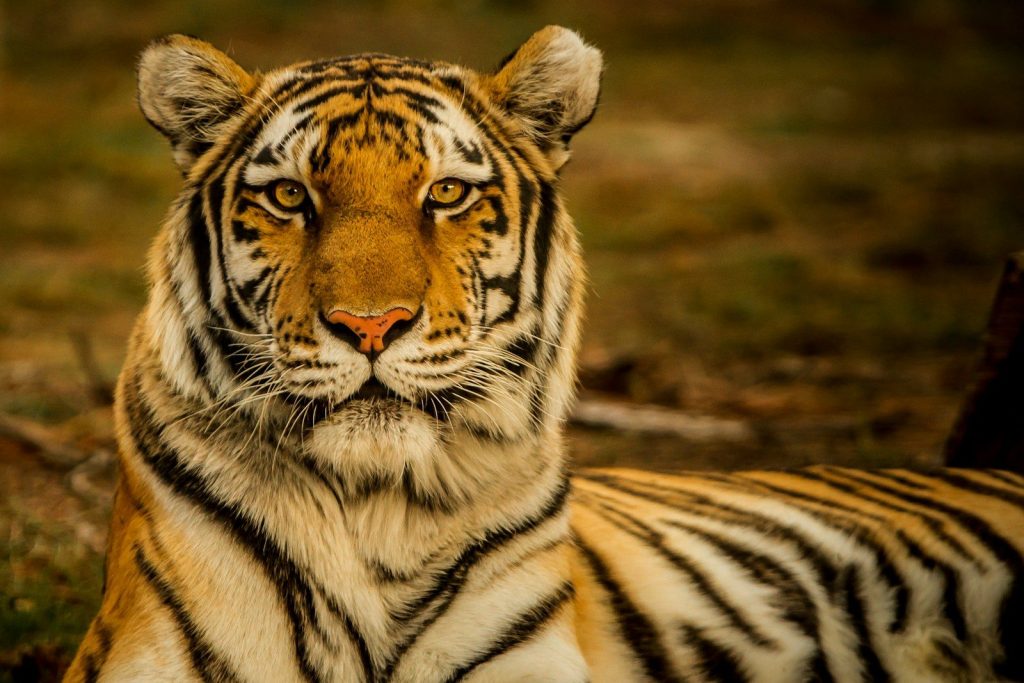
The examination of the Champawat Tigress revealed serious damage inside her mouth. Her upper and lower canine teeth on the right side were broken. The upper canine was broken roughly in half, while the lower one was damaged much farther down.
Corbett believed the damage had been caused by an earlier injury. He concluded that the damaged teeth had made it difficult for the tigress to capture and kill her normal prey. That could have pushed her toward humans, who were physically easier for an injured tiger to catch.
The 436 deaths became a historical record

The most famous number connected with the Champawat Tigress is 436. Guinness World Records lists her as responsible for 436 human deaths and recognizes the case as the tiger attack record with the greatest number of fatalities.
The number should still be presented with historical context. These deaths happened more than a century ago across Nepal and India. Modern researchers cannot independently reconstruct every individual case using today’s standards. For that reason, wording such as 436 deaths are attributed to the Champawat Tigress is more precise than treating every case as newly verified evidence.
Featured Image: Photo by Nick Karvounis on Unsplash
Leave a Reply