
What if finding a slow-moving animal could take hours? That is exactly the problem scientists face when studying sloths in the wild. Although sloths move slowly, they can be surprisingly hard to spot because they spend much of their lives high in trees and blend into their surroundings. Researchers have sometimes spent hours searching for one animal, only to discover that it was nearby all along.
This article explains why sloths are so difficult to find, how scientists track them, what makes field research so challenging, and why better ways to study these animals matter.
Sloths are masters of hiding
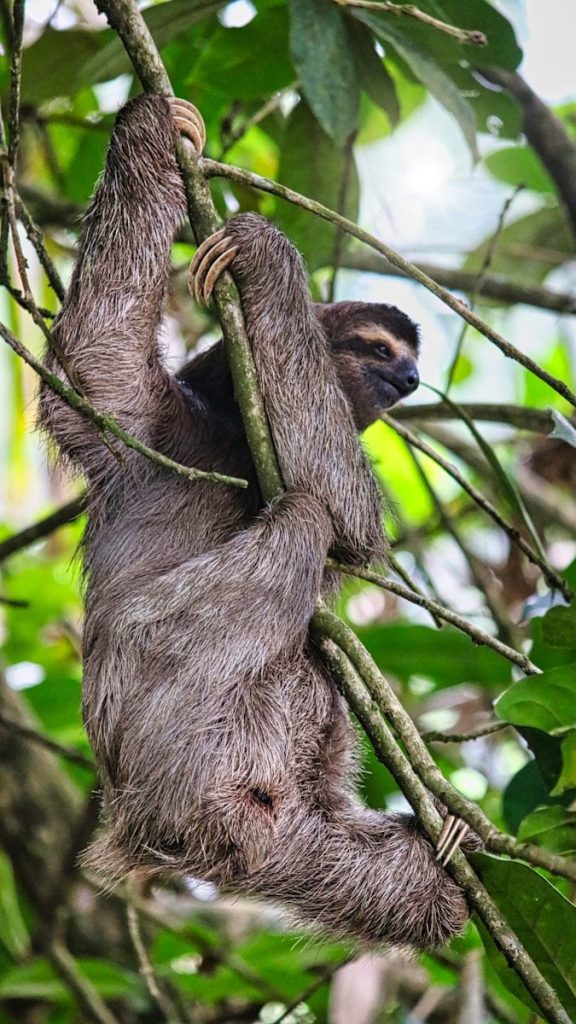
Sloths may look easy to spot because of their size, but their fur can blend closely with tree branches, leaves, and other growth in the canopy. They often remain still for long periods, making it harder for a person on the ground to notice them.
Their slow movements also work in their favor. A researcher may scan a tree several times without seeing anything unusual. In some field studies, researchers have reported spending anywhere from minutes to several hours trying to locate a single sloth.
Finding one can take hours
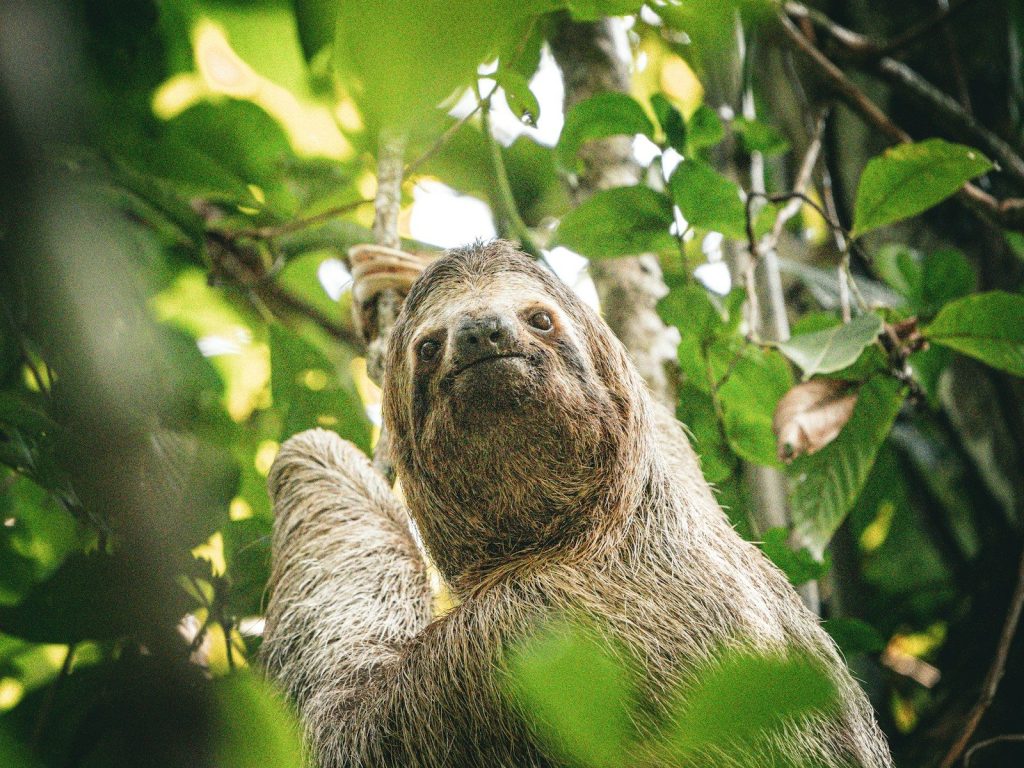
Sloth researcher Becky Cliffe has described searches that took as long as five hours for one animal. Even with binoculars and a radio receiver, she sometimes could not quickly pinpoint a sloth’s location.
Weather can make the job even harder. Rain can reduce visibility and make fieldwork difficult, while dense forest can block a clear view of the upper branches. Researchers must also move carefully through rough and sometimes dangerous terrain.
Scientists use special tracking tools

Researchers can use radio transmitters and collars to follow sloths after they have been tagged. A receiver can help scientists narrow down where an animal is, even when the sloth cannot be seen from the ground.
Other tools are also being tested. Recent research found that thermal drones can detect maned sloths more efficiently than traditional ground searches in some study areas. This could save researchers time while helping them learn more about where sloths live.
Sloths can surprise researchers
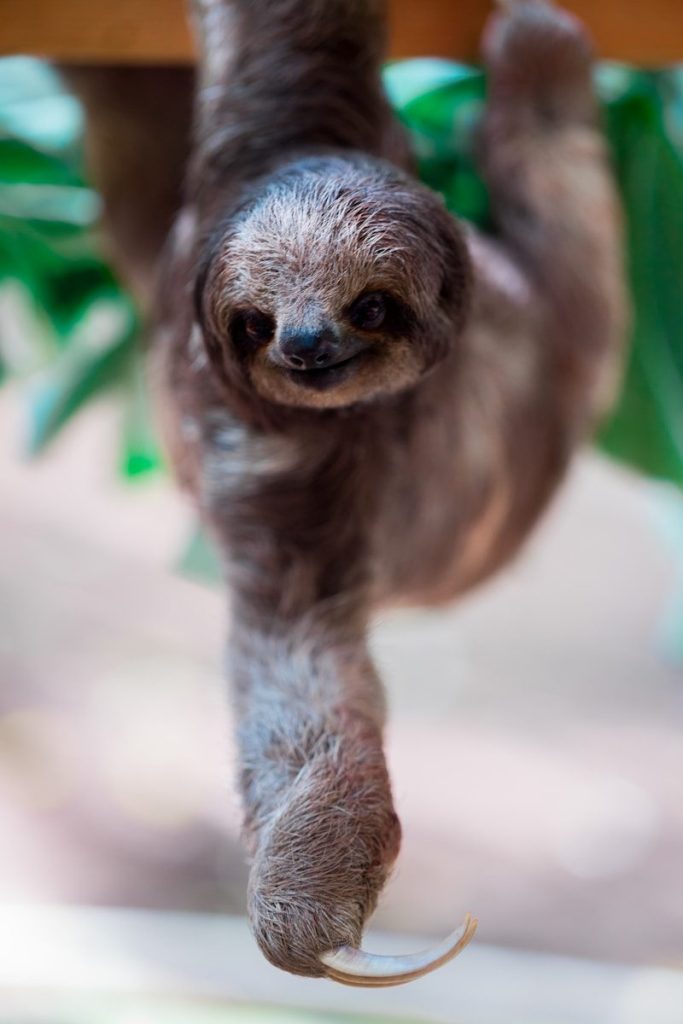
Being slow does not mean a sloth is completely helpless. Researchers who work closely with wild sloths have found that these animals can move more quickly than people may expect when they feel threatened.
Sloths also have strong limbs and sharp claws. Scientists must handle them carefully when necessary, because a frightened sloth can defend itself. This is one reason field research requires training, patience, and safe methods.
Studying sloths takes patience

Once a researcher finds a sloth, the work is far from finished. Scientists may record its location, position in the tree, behavior, feeding activity, and other details. Repeating these observations over time helps researchers understand how individual animals live.
This careful work is important because sloths have often been difficult to study in the wild. Some research has shown that older ideas about sloth behavior were based on limited observations, while longer studies have revealed different activity patterns.
Better research can help protect sloths

Knowing where sloths live and how they use their habitat can help scientists understand threats such as forest loss and roads. Accurate population information is also important when deciding where conservation efforts are most needed.
The challenge of finding sloths shows why modern tools can be valuable. A creature that seems easy to study because it moves slowly can actually be one of the hardest animals to observe in a dense forest. For scientists, patience may still be the most important tool of all.
Featured Image: Photo by David Gomez on Unsplash
Leave a Reply