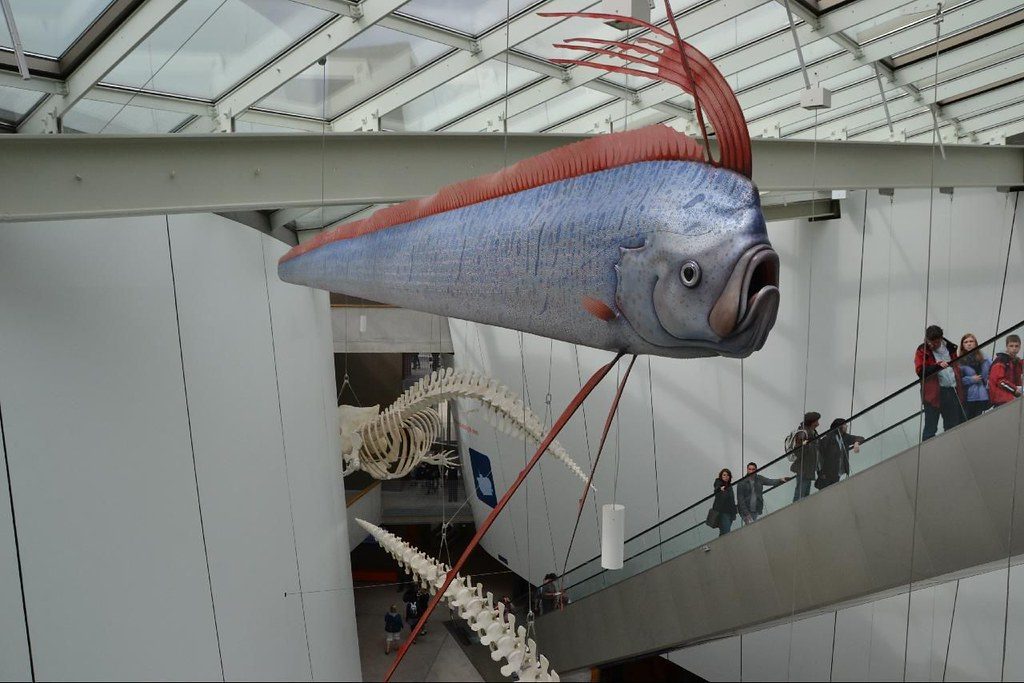
What would you do if a strange, ribbon-like fish suddenly appeared beside your tour boat? That is what happened in Baja California Sur, Mexico, when tourists saw a rare doomsday fish, the common nickname for an oarfish, swimming in shallow water. A tour guide captured video of the unusual encounter on July 17, 2024. The sighting drew attention because oarfish normally live far below the surface and are rarely seen alive.
This article explains what tourists saw, why the fish is so unusual, where the nickname came from, and what scientists say about claims that oarfish can warn of earthquakes.
Tour guide captures a rare sight

The unusual encounter took place near La Paz, in Baja California Sur. A tour guide from Pita’s Tour was leading a group when the long, silver fish appeared near the boat and moved through the water close to the surface.
Video showed the oarfish swimming beside the boat as people watched and filmed. The fish then changed direction and passed near the front of the vessel. For the tourists, seeing a live oarfish this close was an unusual experience.
Oarfish usually live deep underwater
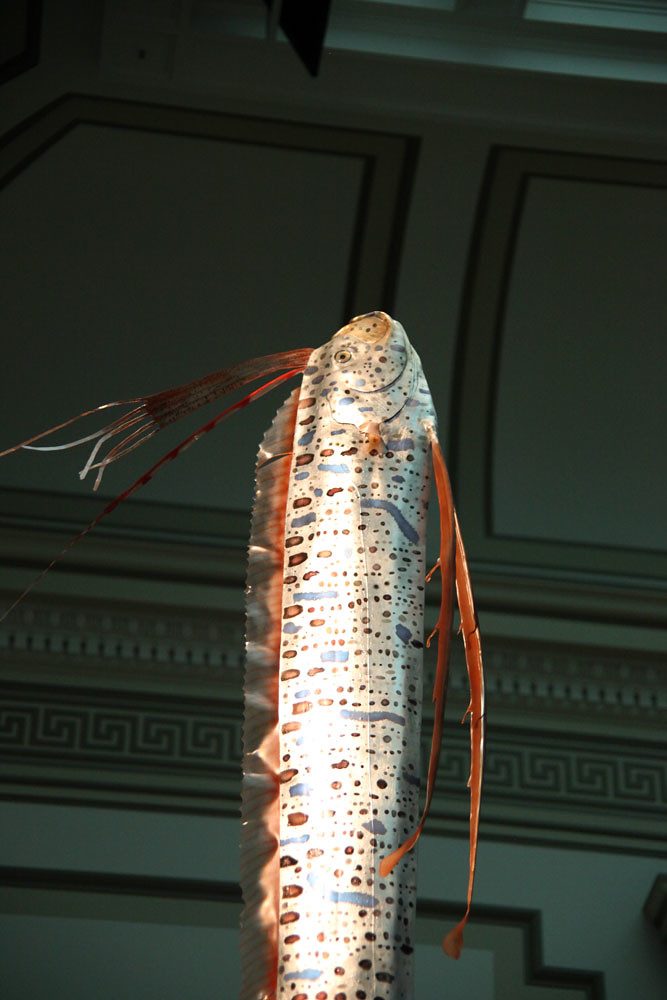
Oarfish are long, thin fish that live in the open ocean. They are usually found at depths of about 650 to 3,280 feet, making them difficult for people to see in their normal habitat.
Their bodies can look like a giant silver ribbon, with a long dorsal fin running along much of the body. Some oarfish can grow to more than 30 feet long, although the largest reported sizes are uncommon.
Why the fish is called a doomsday fish
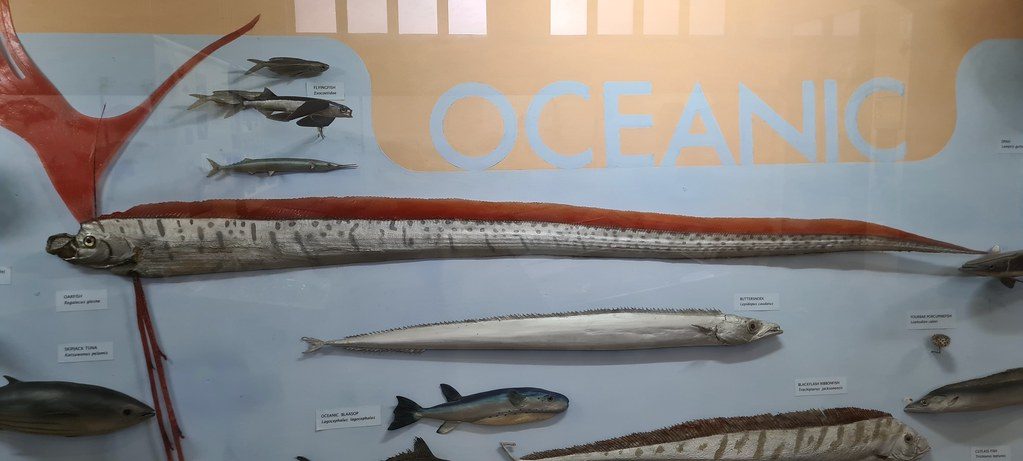
The nickname comes from old stories, especially in Japan, where oarfish have been linked to earthquakes and tsunamis. Some people believe that seeing one near shore can be a warning that a disaster is coming.
That belief has not been proven by science. A 2019 study that looked at reports of deep-sea fish and earthquakes found no strong evidence that oarfish appearances can predict earthquakes. The nickname is therefore part of folklore, not a scientific warning system.
An earthquake happened the next day

The timing of the Mexico sighting made the story even more interesting. The oarfish was seen on July 17, and a 3.8-magnitude earthquake was reported in the area the following day.
The earthquake was reported near San José del Cabo, at the southern end of Baja California Sur. However, the timing does not show that the fish caused or predicted the earthquake. Earthquakes happen naturally, and scientists have not established a reliable connection between oarfish sightings and seismic events.
Why seeing one alive is unusual

Oarfish spend most of their lives in deep water, so people rarely see them alive. When one reaches shallow water or the surface, experts may consider illness, injury, changes in ocean conditions, or other factors as possible explanations.
The Mexico sighting was also notable because it was reported as the fourth oarfish sighting in Baja California Sur that year. Reports said it was the first recorded sighting in the area at low tide, adding another unusual detail to the encounter.
What the sighting tells us

The appearance of an oarfish near the surface gives scientists and the public a rare chance to observe a creature that normally stays far from view. Encounters like this can also help researchers learn more about a species that remains difficult to study in the wild.
For tourists, however, the moment was much simpler. A strange fish suddenly appeared beside their boat, and a tour guide managed to record the encounter. While the sighting may sound like a warning from an old legend, there is no scientific reason to treat it as a sign of an approaching disaster.
Featured Image: “Riemenfisch” by ThomasKohler is licensed under CC BY 2.0
Leave a Reply