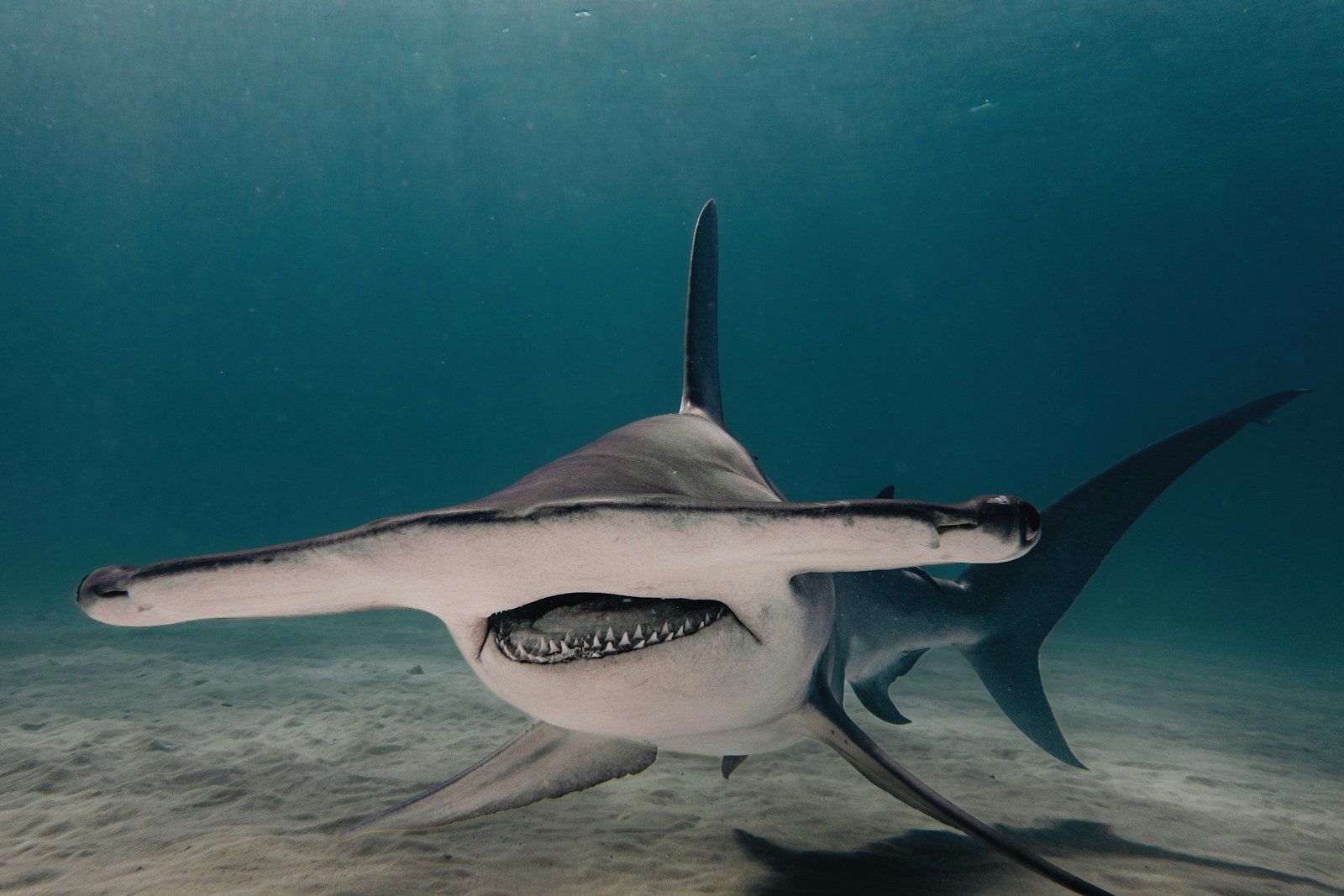
Imagine looking beyond one of Malibu’s best-known landmarks and seeing the shape of a great white shark moving through the water. That happened on August 14, 2026, when drone operator Carlos Gauna captured a great white shark near Malibu Pier in Southern California. The shark was swimming roughly 100 yards beyond the end of the pier.
The sighting came only a day after a hammerhead shark appeared in the same general area, creating an unusual run of shark activity around the historic structure. Warm ocean conditions and El Niño have added interest to the sightings, but Gauna says sharks are already regular residents of Southern California waters.
A drone spots the shark beyond Malibu Pier
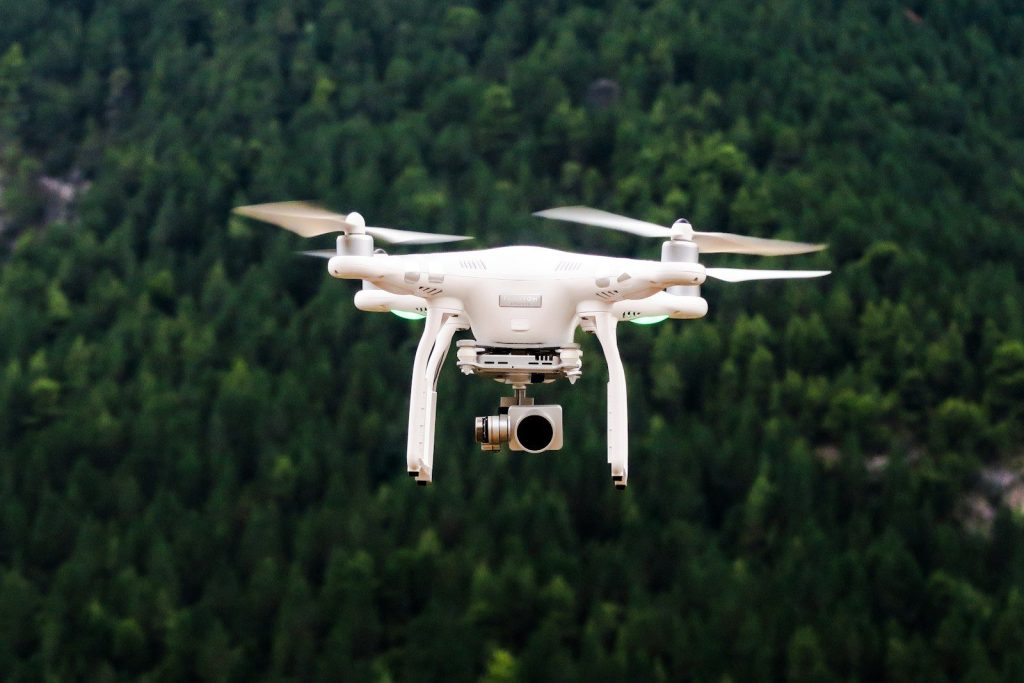
Carlos Gauna captured the great white from above using a drone on Friday, August 14. Gauna is a marine photographer and filmmaker who is known online as The Malibu Artist. His aerial work has documented many white sharks along the Southern California coast, often revealing animals that people at the surface may never notice. Recent footage has shown white sharks sharing coastal water with swimmers, surfers, boats, and other marine life.
This shark was reported to be roughly 100 yards beyond the end of Malibu Pier. From a drone, the shape of a white shark can become much easier to see than it would be from the beach or the pier. Gauna’s footage therefore provides a view of an animal that might otherwise pass through the area unnoticed. The sighting itself was notable, but Gauna cautioned people against treating the presence of sharks as something completely unexpected.
Another shark appeared just one day earlier
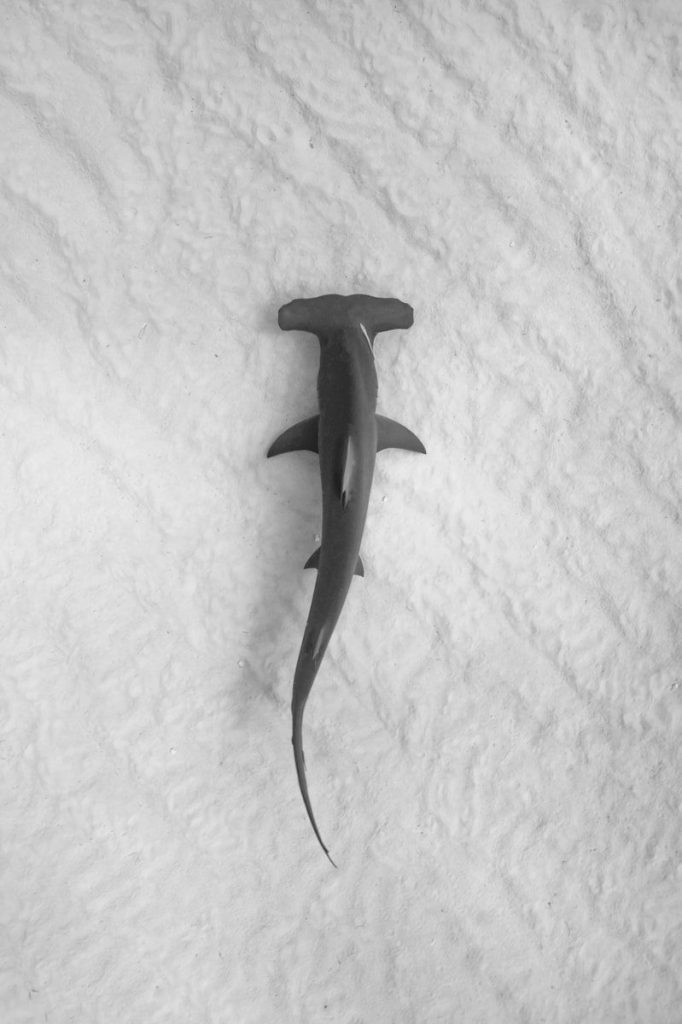
The great white was not the first shark to attract attention around Malibu Pier that week. A hammerhead shark had been filmed near the pier on Thursday, August 13. The animal was seen near the surface, creating an unusual sight for people watching from the area. Hammerheads generally favor warmer waters, making their appearance off Southern California less common than sightings farther south.
The hammerhead encounter became even more noticeable when an angler briefly hooked the shark from the pier. The animal was able to get free and swim away. Sport fisherman Ariel Kohanchi filmed the encounter and described his surprise at seeing a hammerhead there. Recent reporting also noted other unusual warm water visitors along the coast. Together, the hammerhead and great white sightings drew unusual attention to the waters surrounding Malibu Pier.
Warm water may help explain the activity
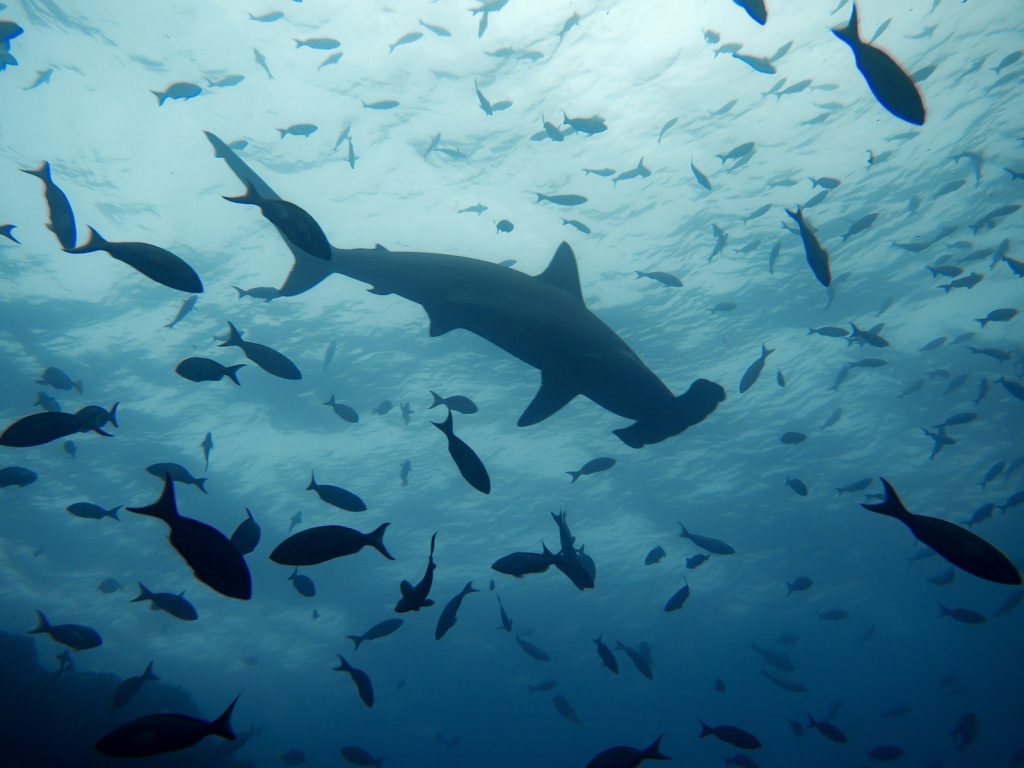
Ocean conditions provide important context for the sightings. Reports say unusually warm surface water has developed along the Southern California coast during the current El Niño pattern. Some surface waters in the region have exceeded 70 degrees Fahrenheit. Those warmer conditions can make Southern California more suitable for marine animals that are normally associated with warmer areas farther south.
That is particularly relevant to the hammerhead sighting because these sharks generally favor subtropical and tropical waters. Experts cited in recent reporting have connected the appearance of hammerheads farther north with warm water events. However, the great white should not be treated in exactly the same way. White sharks are established along the California coast, and the Southern California coastal areas are important habitats for younger white sharks.
Young white sharks use Southern California waters
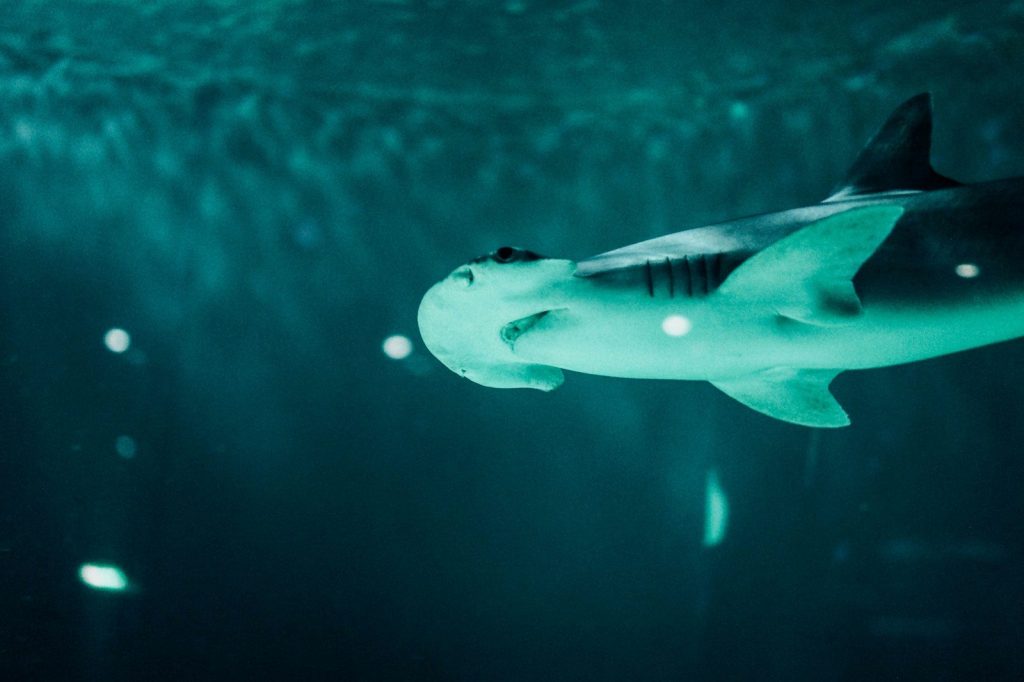
Juvenile white sharks are not strangers to Southern California. Young sharks are known to use warm, shallow coastal areas where they can find prey. These nearshore areas can function as nursery habitats, allowing younger animals to spend significant amounts of time relatively close to beaches. That means a white shark near a busy stretch of Southern California coast is not automatically an extraordinary biological event.
Gauna has spent years using drones to reveal just how often sharks and people can occupy the same coastal waters. Recent footage captured by him showed several juvenile white sharks close to a swimmer in Southern California. Despite the close distances sometimes visible from above, serious encounters remain uncommon. The aerial view can make these situations especially striking because people at water level may have little idea that a shark is swimming nearby.
Malibu Pier has stood there since 1905
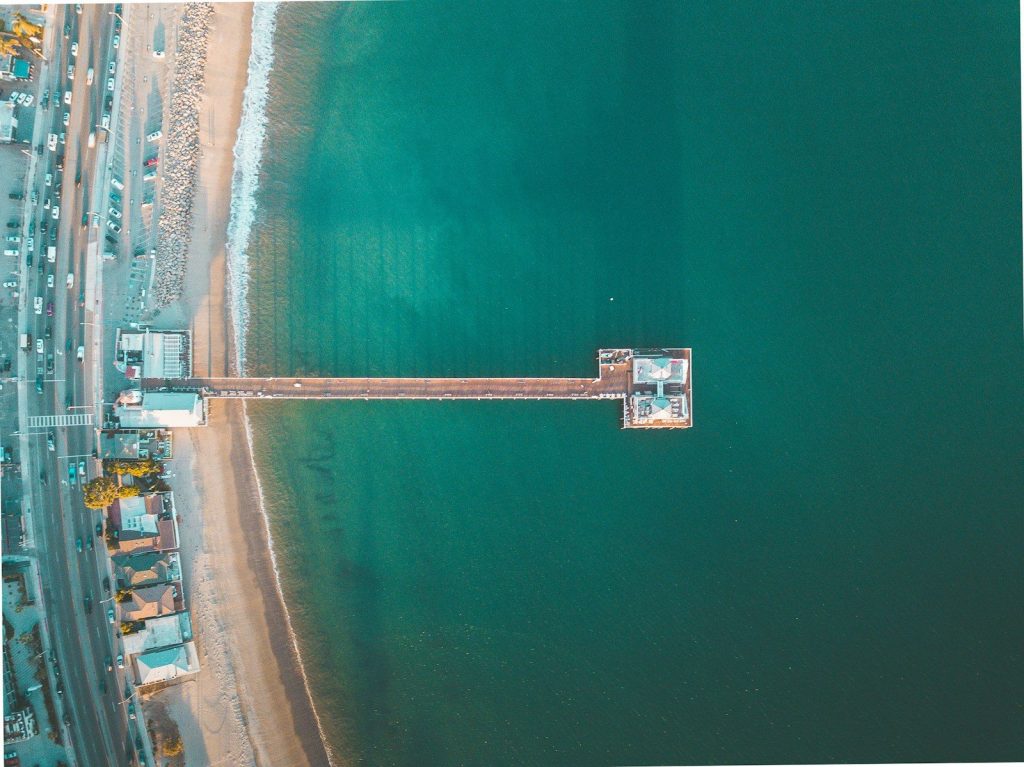
The setting adds another layer to the story. Malibu Pier was originally constructed in 1905 to support Frederick Hastings Rindge’s Malibu Rancho. Agricultural products, including hides, grains, and fruit, were shipped from the pier, while building materials and other supplies arrived there. A private railroad used for moving freight around the ranch also ended near the pier.
The pier took on a different role in 1934 when it opened to the public for pier and charter fishing. It was later extended to its current length of about 780 feet. Fishing remains part of the pier today, and people can catch species including surfperch, croakers, halibut, rays, mackerel, sardines, and seabass. The recent shark sightings, therefore, happened beside a structure that has connected people with Southern California’s marine environment for generations.
More shark sightings could follow
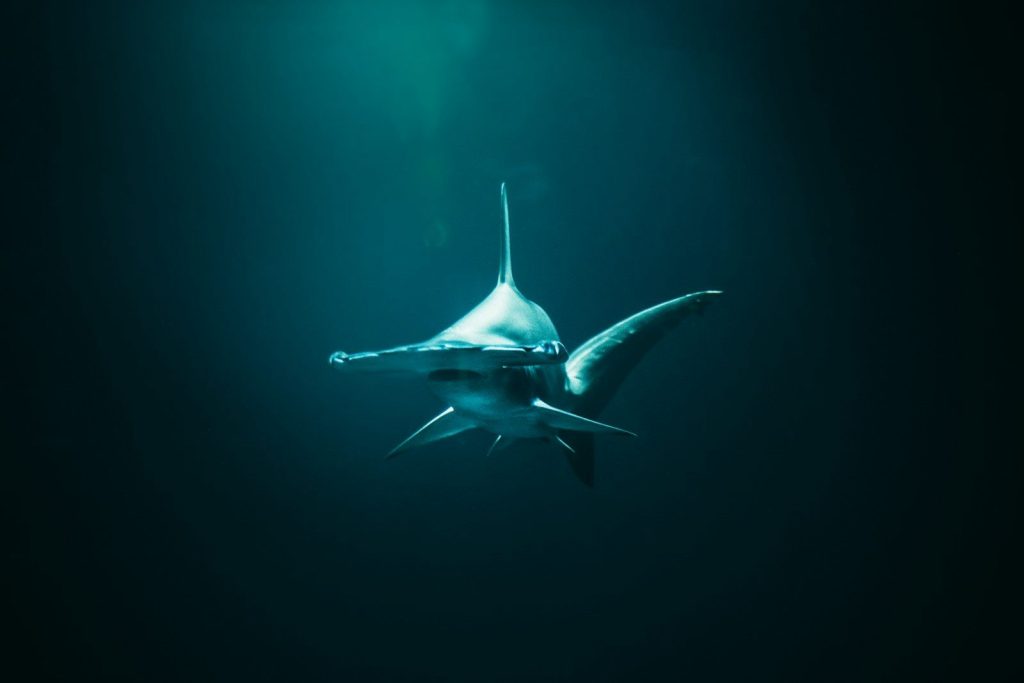
Gauna believes people may see additional sharks in the coming weeks. At the same time, he has pushed back against the idea that their presence should automatically cause alarm. He said there are already many sharks in these waters regardless of the year. What has changed from his observations is that sharks seem to be remaining around the area throughout the year more often.
That distinction matters when interpreting the Malibu Pier sightings. The hammerhead is unusual because warm water can bring this type of shark farther north than people normally expect. White sharks, however, already use Southern California coastal habitat. The back-to-back appearances created remarkable footage, but they do not mean Malibu Pier has suddenly become overrun with sharks. Instead, the videos provide another look at the large marine animals that can share coastal waters with one of California’s busiest human populations.
Featured Image: Photo by Gerald Schömbs on Unsplash
Leave a Reply