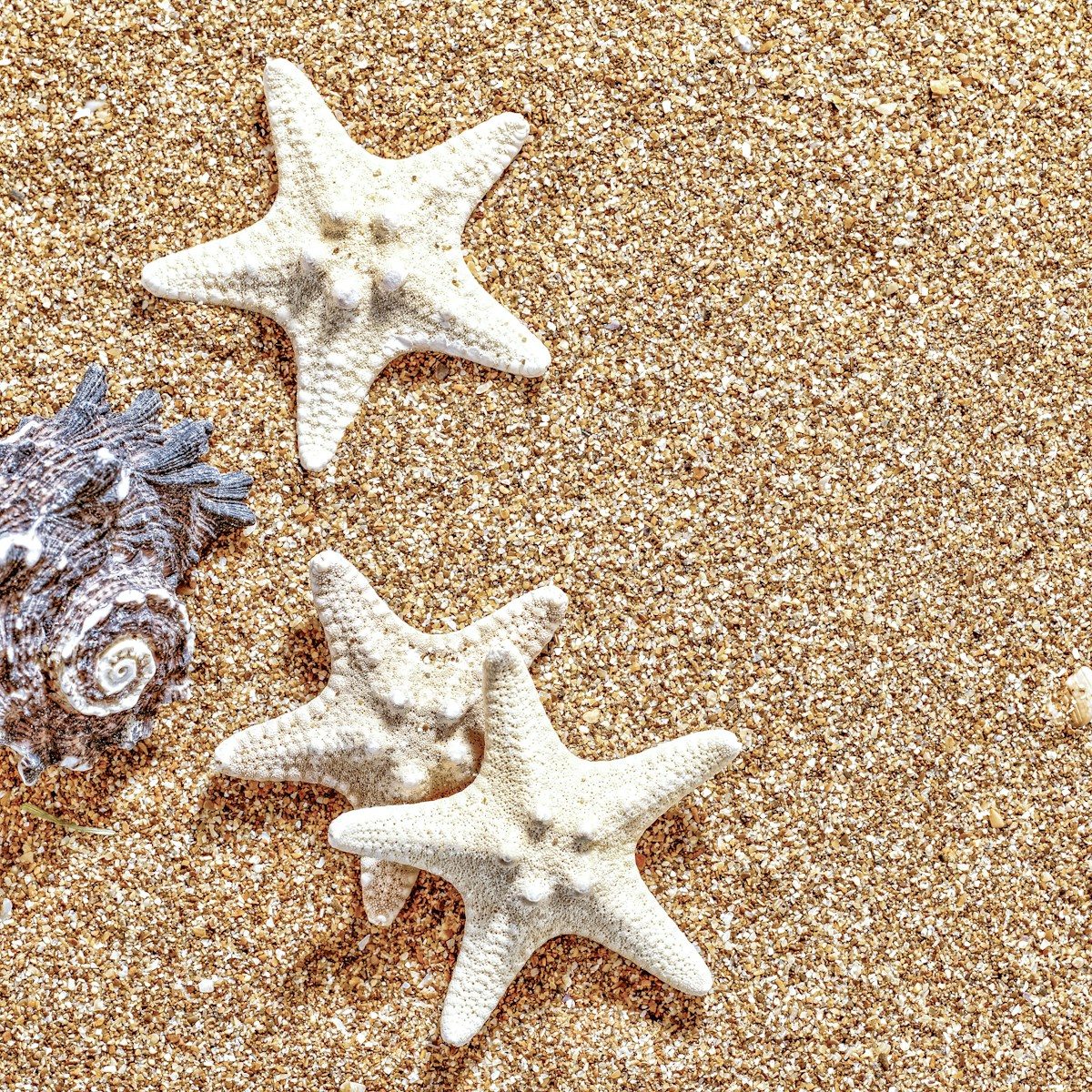
Swimming seems like an essential skill for any animal that spends its life around water.
But nature doesn’t always work that way.
Some aquatic animals have evolved to crawl, float, cling or simply drift instead of swimming. Others can move through water only in a very limited way.
And surprisingly, there are even animals with “fish” in their names that don’t fit what most people imagine when they think of a swimming fish.
Here are some animals that challenge what we think we know about swimming.
Starfish
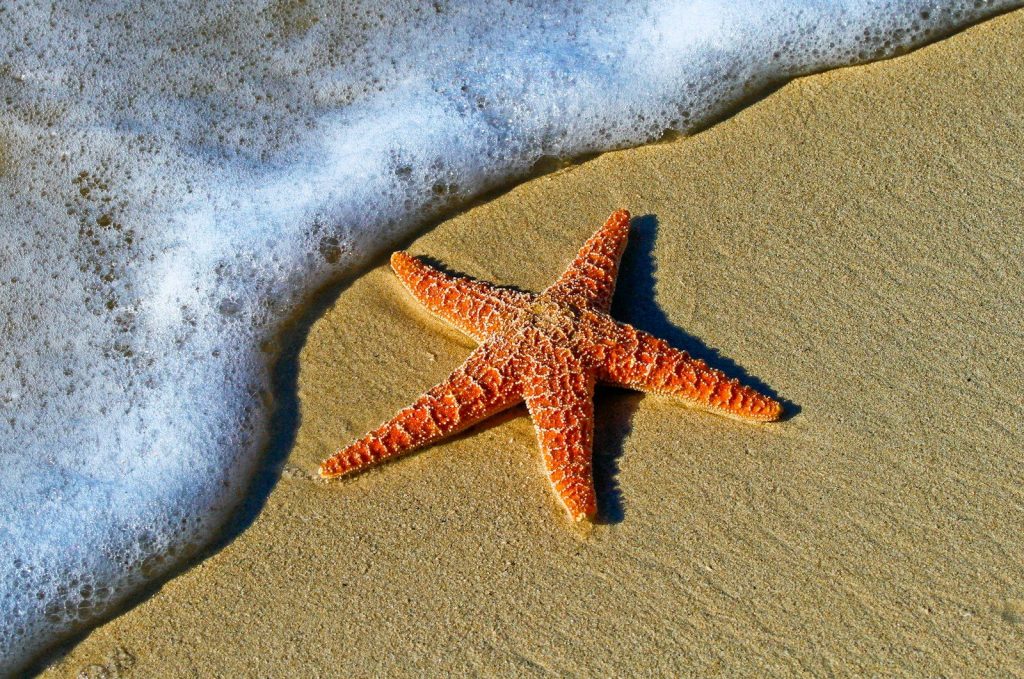
Despite their name, starfish aren’t actually fish.
These marine animals move along the seafloor using hundreds of tiny tube feet. Their movement can be surprisingly coordinated, but they don’t swim through the water like fish do.
That makes the name “sea star” a more accurate description.
Sea urchins
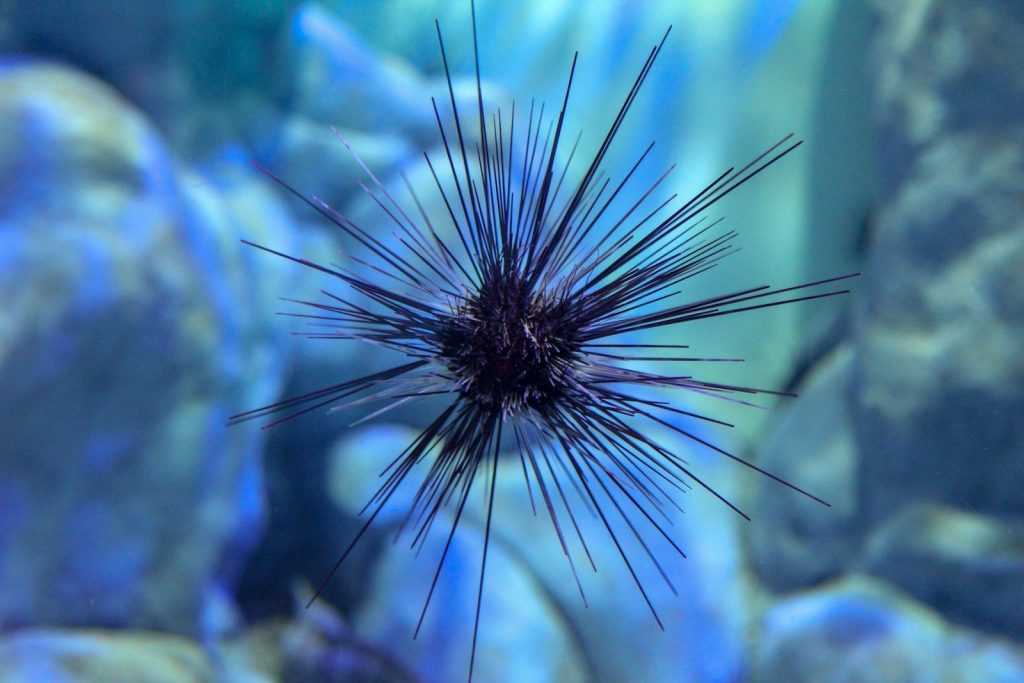
Sea urchins spend most of their lives on the ocean floor.
Their spiny bodies are moved by tiny tube feet, allowing them to crawl slowly across rocks and other surfaces.
They aren’t built for swimming, and their survival depends on staying close to the seafloor.
Sea cucumbers
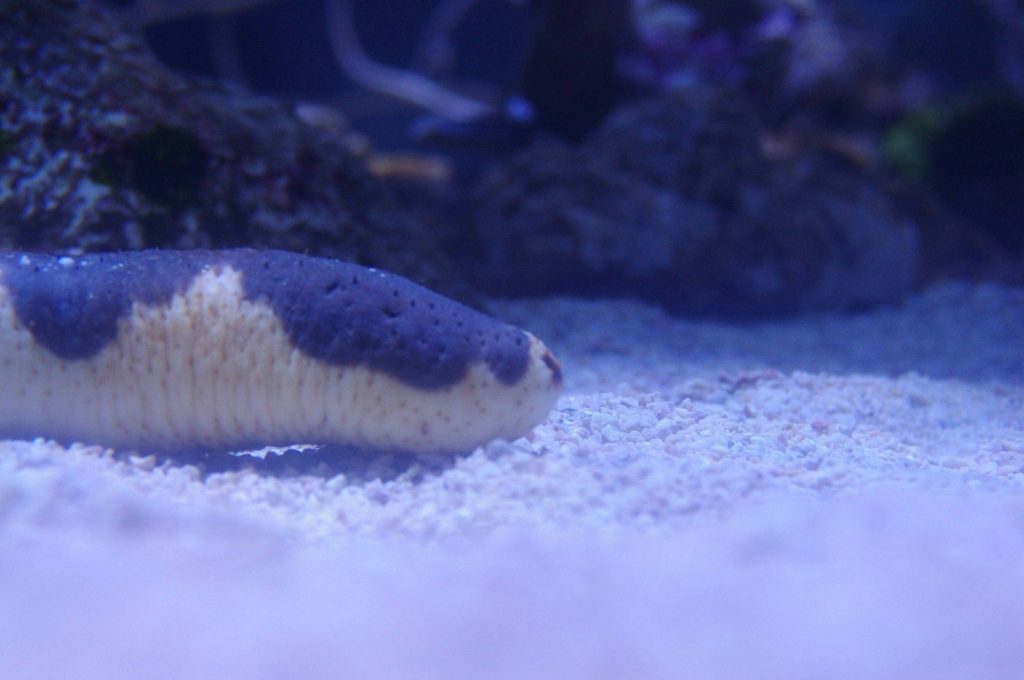
Sea cucumbers look more like underwater vegetables than animals, but they are living creatures related to starfish and sea urchins.
Most species move slowly along the seabed, feeding on organic material found in the sediment.
Rather than swimming, they use their small tube feet and muscular bodies to crawl.
Limpets
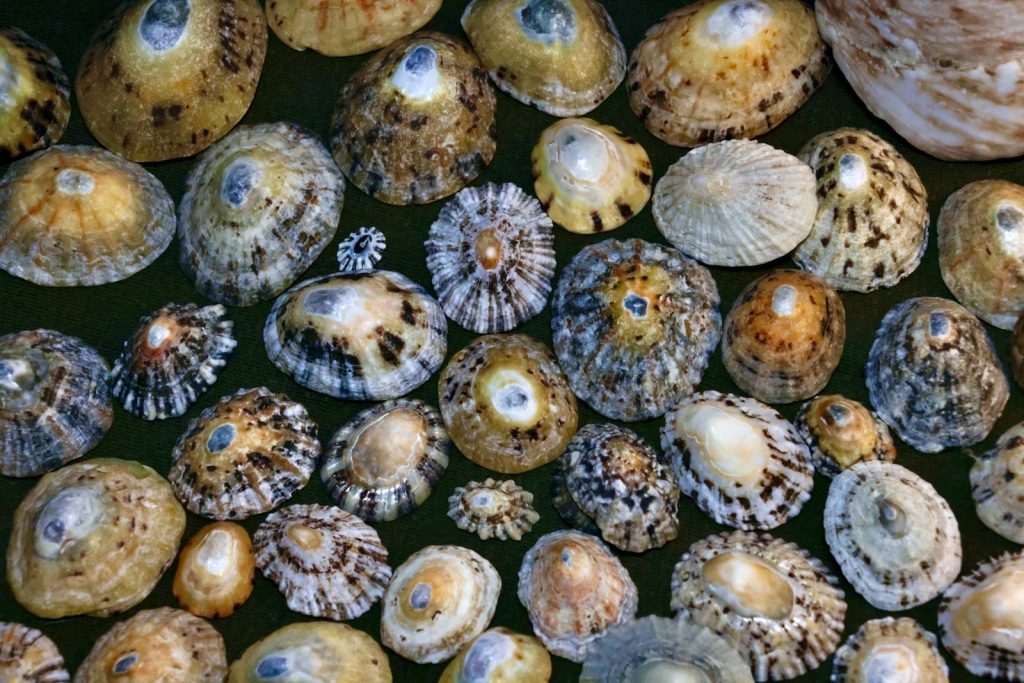
Limpets look like tiny underwater hats attached to rocks.
They use a powerful muscular foot to cling tightly to surfaces, allowing them to withstand waves and strong currents.
Instead of swimming away from danger, they often rely on their grip and their hard shell for protection.
Barnacles

Barnacles spend their adult lives attached to rocks, boats, piers and even whales.
They cannot swim once they reach adulthood.
Instead, they use feathery appendages to capture tiny particles and organisms from the water flowing around them.
Their free-swimming larval stage, however, allows them to disperse before they settle permanently.
Sponges
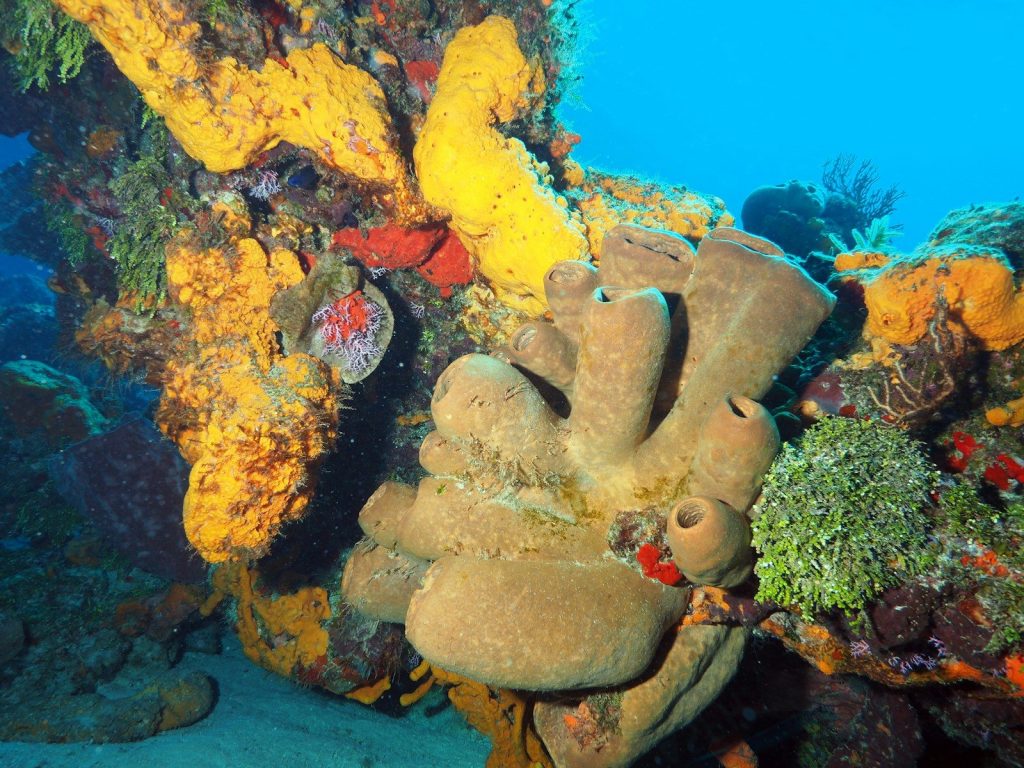
Sponges may look like plants, but they are animals.
Adult sponges are generally attached to a surface and remain there. Instead of swimming after food, they pump water through their bodies and filter tiny particles from it.
Their simple lifestyle has been remarkably successful, with sponges found throughout the world’s oceans.
An animal called a “fish” that doesn’t swim like one
The animal world is full of misleading names.
Some creatures have “fish” in their common names even though they aren’t true fish. Starfish and jellyfish are obvious examples.
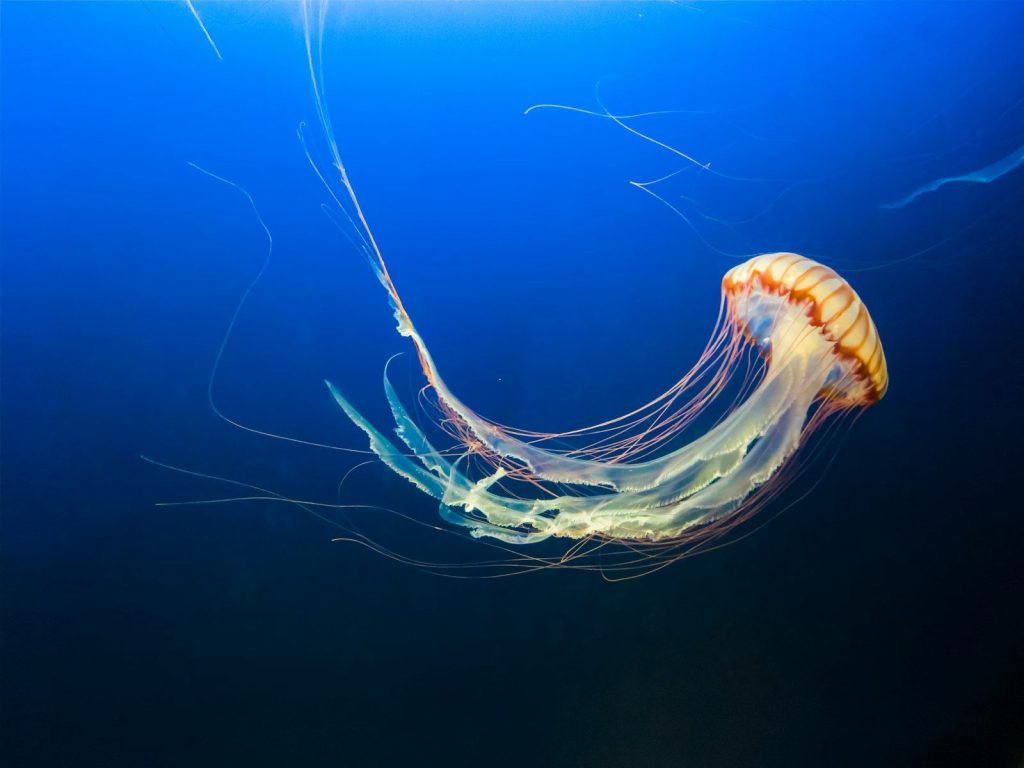
Jellyfish, for instance, don’t swim in the same way as fish. They move through the water mainly by contracting their bell, while currents can carry them considerable distances.
The distinction matters because “living in water” and “being able to swim” aren’t necessarily the same thing.
Featured Image: Photo by Dmytro Tolokonov on Unsplash
Leave a Reply