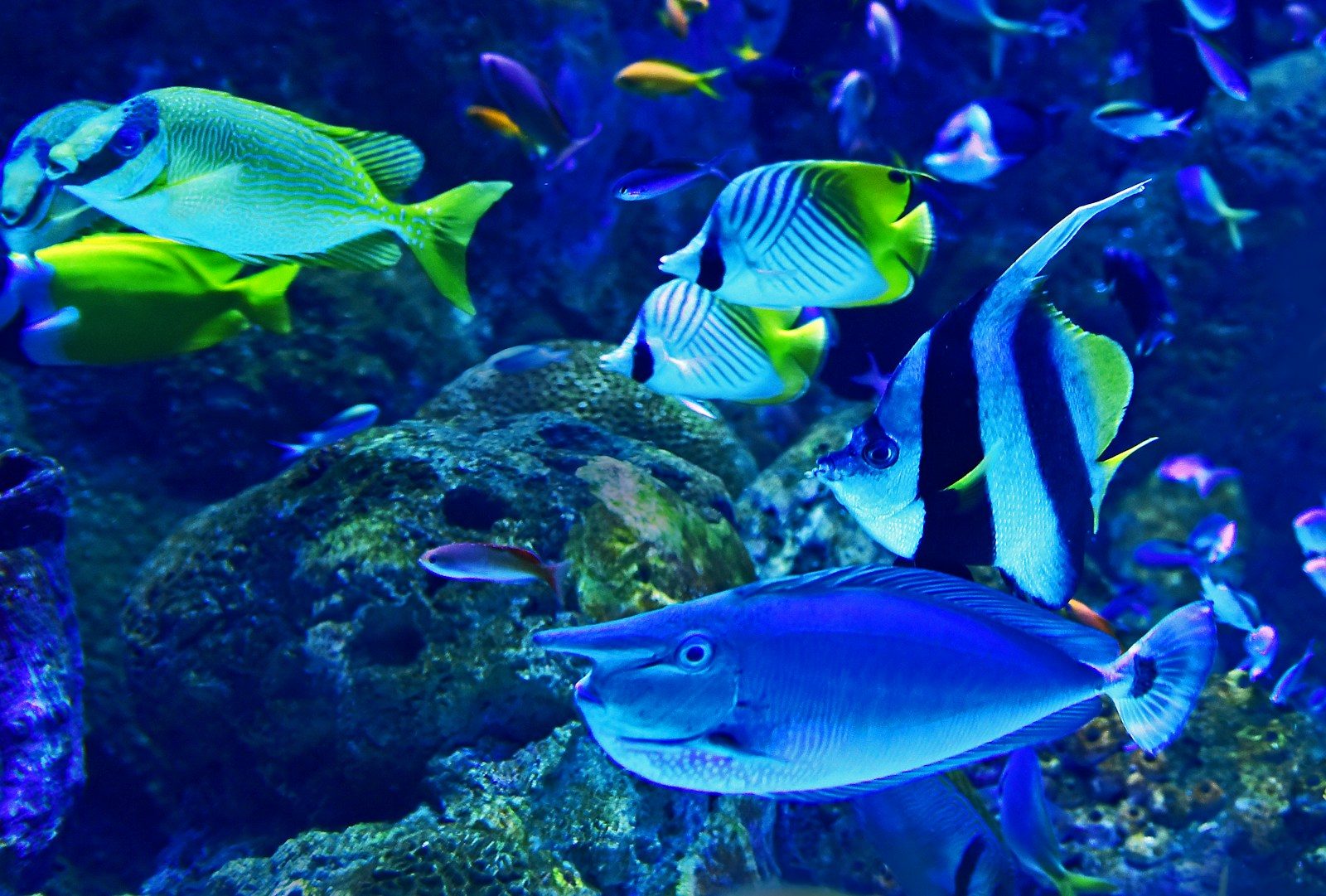
The Mediterranean Sea has long been one of the world’s most recognizable marine ecosystems. But beneath its familiar blue waters, a major transformation is underway.
Rising temperatures are creating conditions that favor species from warmer regions while putting many native animals under increasing pressure. Scientists say the changes are already reshaping parts of the Mediterranean, and some may be difficult or impossible to reverse.
Marine biologists are particularly concerned about the spread of invasive fish species. As the water warms, animals that once struggled to survive in the Mediterranean are finding new territory, sometimes at the expense of species that have lived there for generations.
The Mediterranean is warming faster than many ecosystems
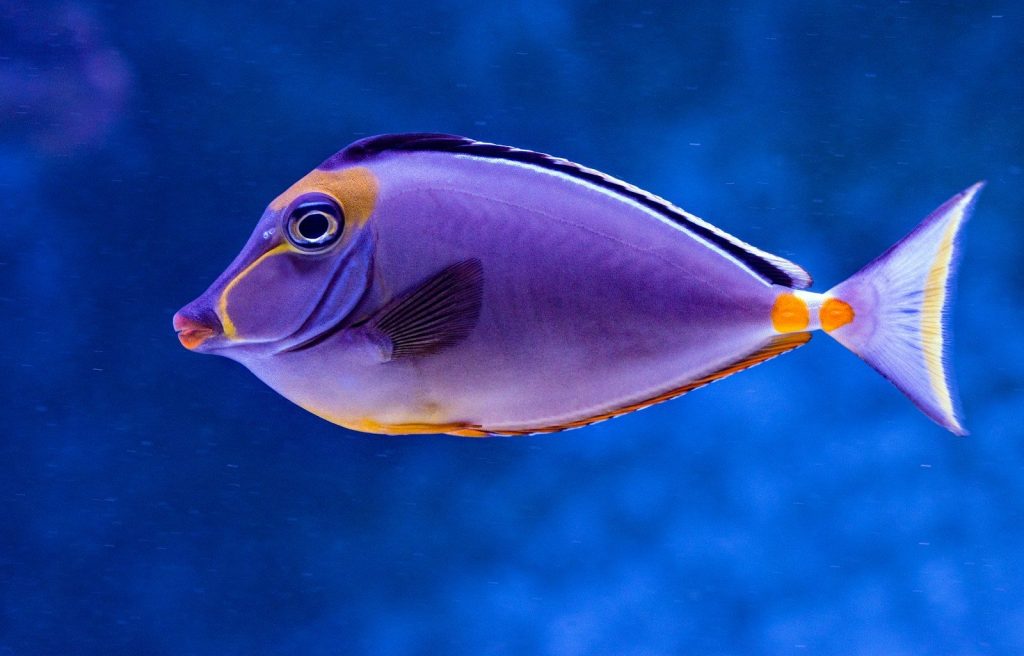
The Mediterranean has been identified as a climate change hotspot. Because it is a largely enclosed sea, heat behaves differently there than it does across the world’s open oceans.
Climate projections suggest Mediterranean waters could warm by several degrees Celsius by the end of the century, with marine heatwaves also expected to become more frequent and intense.
That extra warmth can have a cascading effect.
Species that depend on cooler conditions may be pushed toward new areas or disappear from parts of their traditional range. At the same time, fish adapted to warmer waters can expand into areas where they previously struggled to survive.
Invasive fish are spreading across the sea
One of the clearest examples is the growing presence of invasive fish species.
Many entered the Mediterranean through the Suez Canal, which provides a pathway between the Red Sea and the Mediterranean. Warmer conditions have made parts of the Mediterranean increasingly suitable for these species, allowing some to spread farther west.
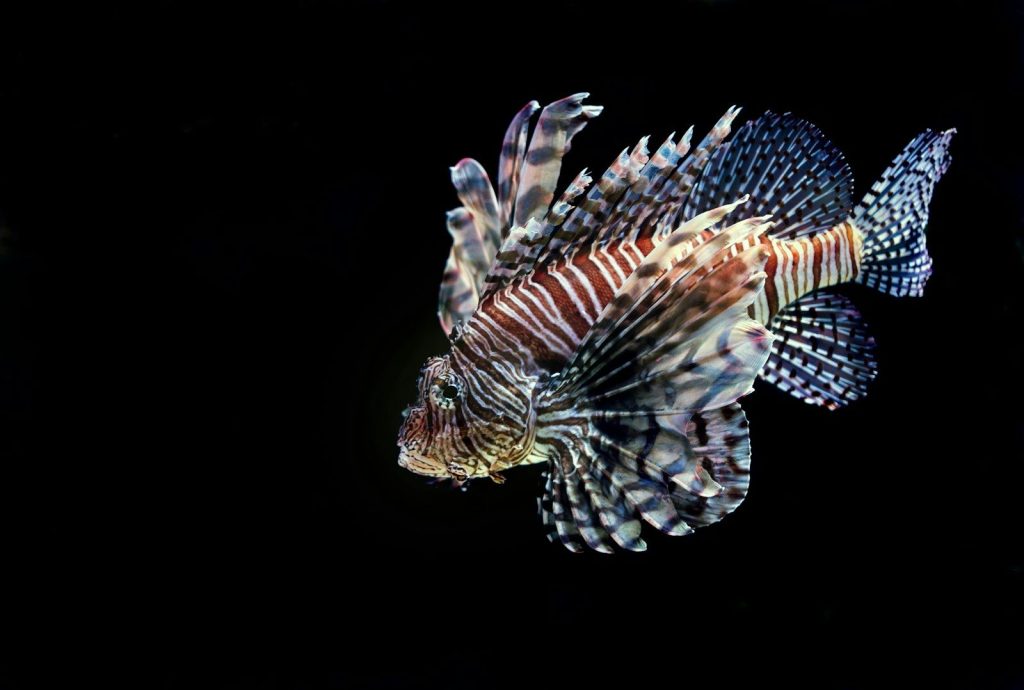
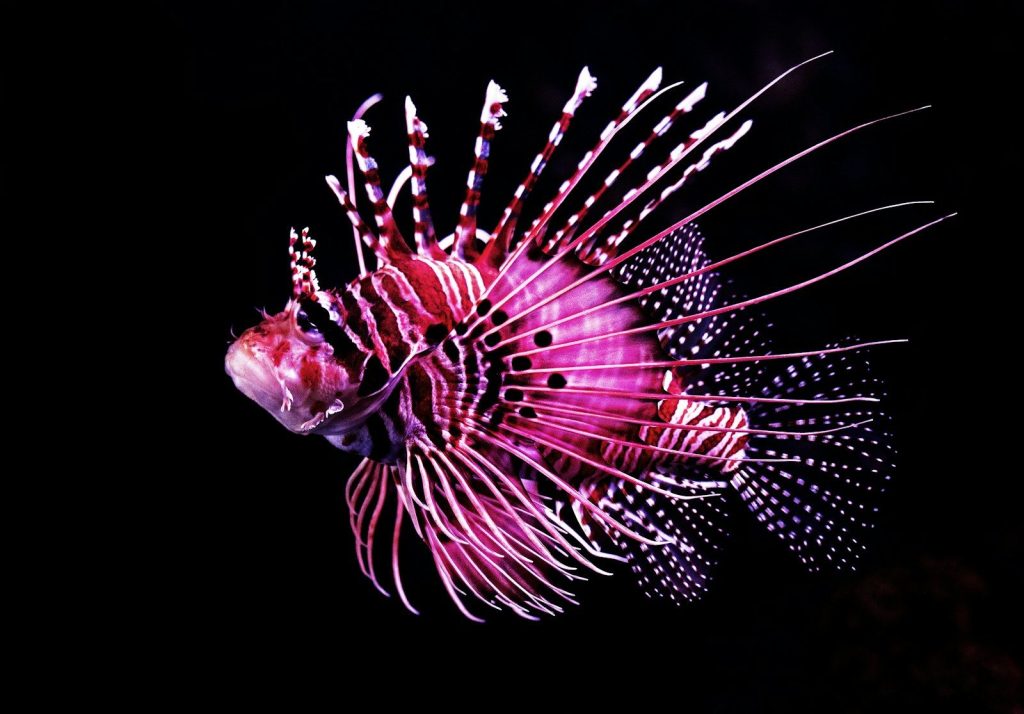
Lionfish are among the most recognizable examples. First recorded in the eastern Mediterranean in 2012, they have since expanded their range.
These predators can put pressure on native fish populations by competing for food and consuming smaller marine animals.
Other invasive species pose different problems. Rabbitfish, for example, can consume large quantities of algae from the seabed. That can alter underwater habitats and make it harder for native species to survive.
Some native species are already disappearing
The consequences are particularly serious for animals that coastal communities have relied on for generations.
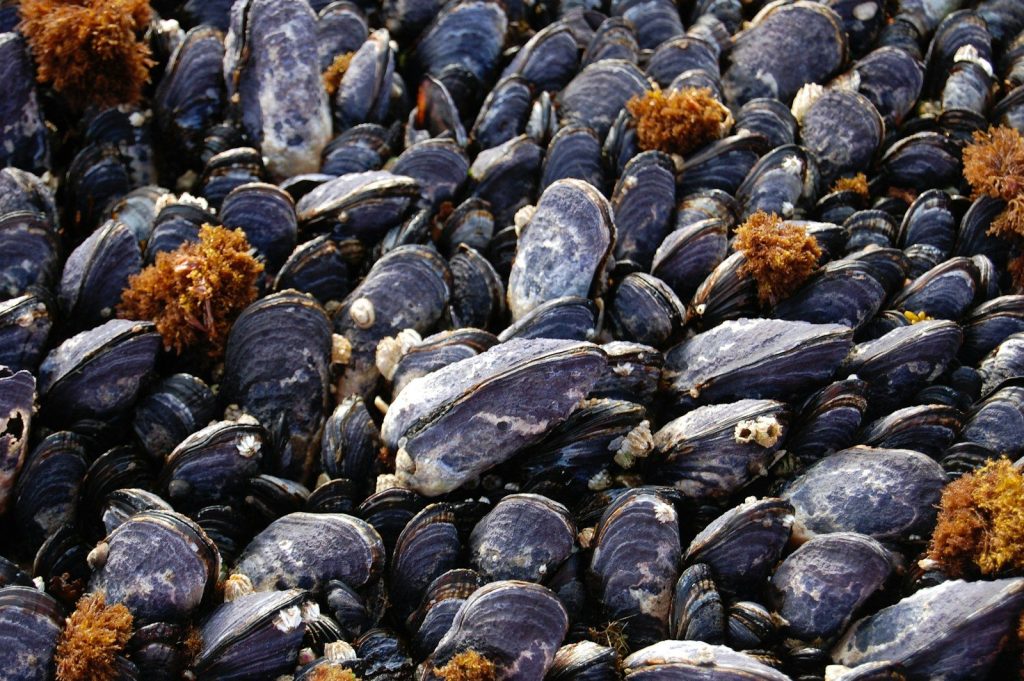
Scientists have reported dramatic declines in some native mollusk populations in parts of the eastern Mediterranean. The Adriatic Sea has also experienced major losses among mussel populations during periods of extreme heat.
For fishermen, these changes are more than an environmental concern.
A decline in familiar species can affect catches, local seafood supplies and the livelihoods of communities that have depended on the same waters for generations.
As native populations decline, fishers may increasingly find unfamiliar species in their nets instead.
Some invasive species can be dangerous to people
The changing ecosystem is also creating concerns beyond fishing.
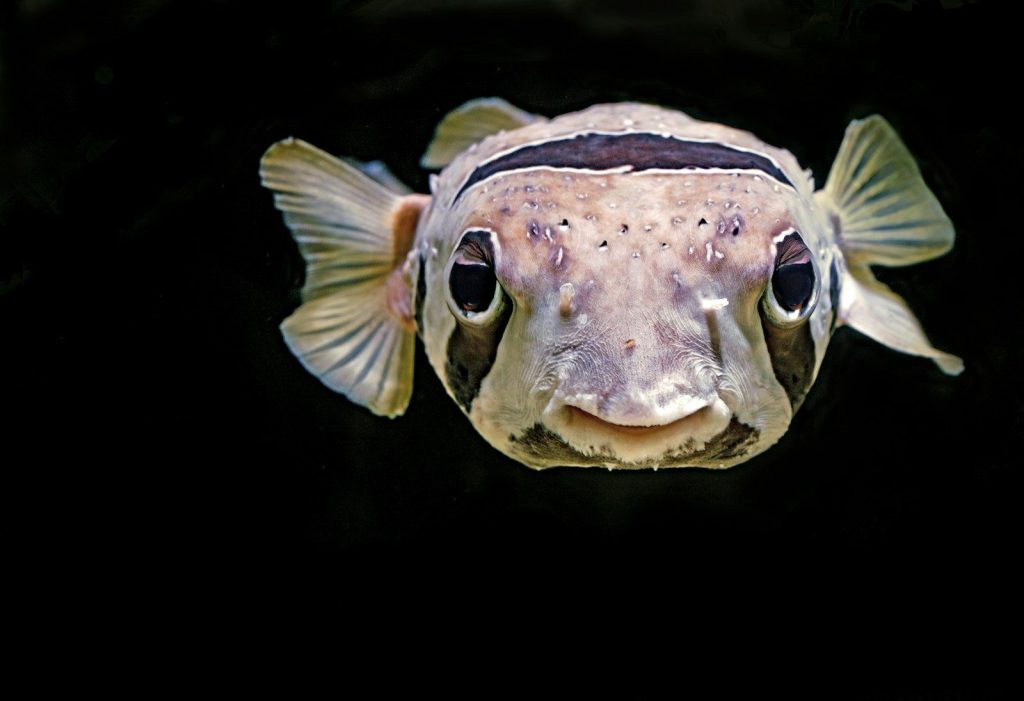
Some invasive fish can pose direct risks to humans. Certain puffer fish contain powerful toxins and can be dangerous if eaten. Lionfish have venomous spines that can cause painful injuries when handled.
Researchers have therefore urged coastal communities and fishermen to learn how to identify unfamiliar species before touching or consuming them.
The concern is not simply that the Mediterranean has gained a few new fish. It is that the balance between native and invasive species is changing.
Can the Mediterranean ecosystem recover?
Scientists say stopping the spread of invasive species entirely may no longer be realistic. But that does not mean there is nothing that can be done.
One important step is preventing additional species from entering the Mediterranean. Ships can transport marine organisms in their ballast water, allowing species to travel thousands of miles before being released into new environments.
Better management of ballast water could significantly reduce the number of new invasive species reaching the sea.
Treating ship hulls to prevent organisms from attaching to them could also help.
At the same time, scientists are exploring ways to help native species recover, including changes to fishing policies and efforts to protect vulnerable marine habitats.
The Mediterranean of the past may be gone
The most troubling part of the transformation is that some changes may be permanent.
The Mediterranean will continue to contain an extraordinary variety of marine life, but it may not look the way it did for previous generations.
Warmer water, invasive predators, declining native species and increasingly frequent marine heatwaves are combining to create a new underwater environment.
For coastal communities, the challenge will be learning how to live with that changing ecosystem while protecting whatever native marine life can still survive.
The Mediterranean may not be disappearing, but the sea that generations of fishermen knew is already changing into something very different.
Featured Image: Photo by David Clode on Unsplash
Leave a Reply