
Seeing a whale floating upside down off the coast of Australia might look like something has gone terribly wrong.
But scientists studying southern right whales have discovered that the bizarre behavior may actually be a clever way for mothers to conserve energy while caring for their calves.
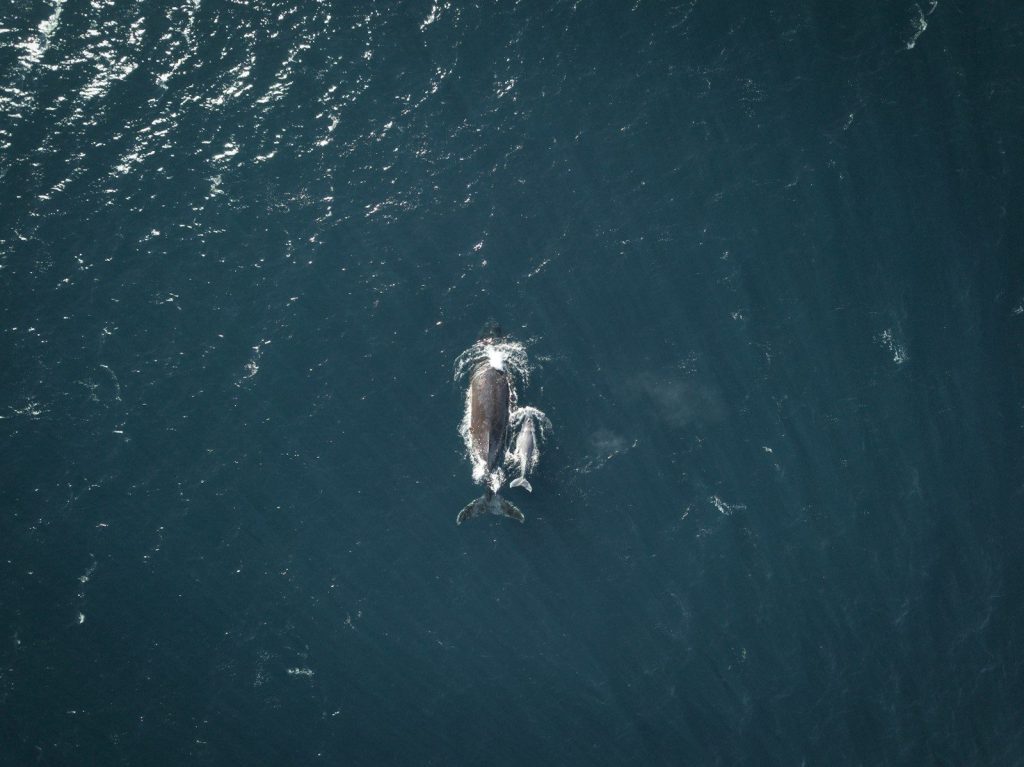
Researchers observed the unusual behavior during drone surveys of whales along Australia’s southern coastline. What they found suggests these giant animals may be using an upside-down position as a natural way to take a break from nursing.
The strange behavior is mostly seen in whale mothers
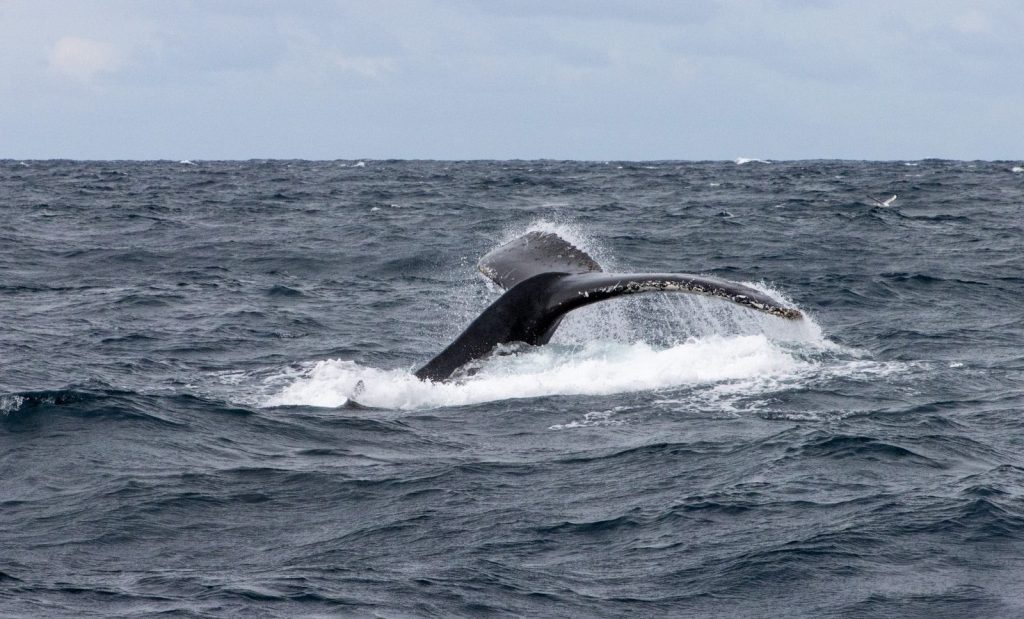
Southern right whales travel thousands of miles between their feeding grounds and the coastal waters where they give birth.
Once they reach their calving grounds, however, the mothers stop feeding. Instead, they rely on energy stored in their bodies while producing milk for their rapidly growing calves.
That creates a difficult balancing act.
A mother has to produce enough milk for her calf while conserving enough energy to eventually make the long journey back to feeding grounds.
Researchers noticed something unusual while watching these mother-and-calf pairs.
Some of the mothers would lie upside down at or just below the surface.
The behavior was not observed among the other adults, juveniles or calves studied.
It could give exhausted mothers a break
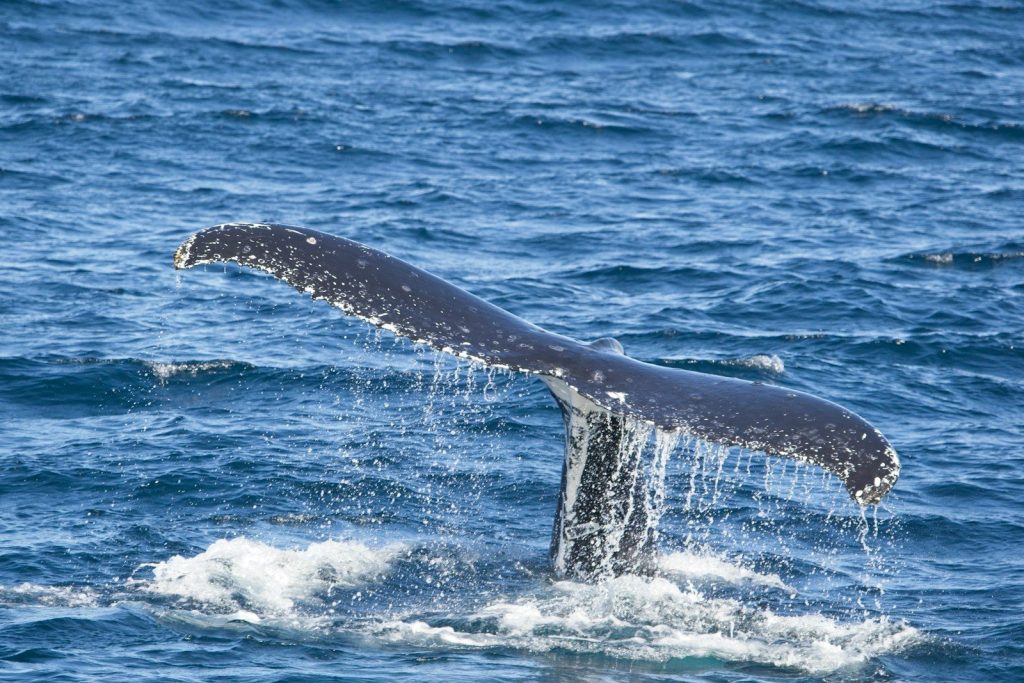
Researchers believe one possible explanation is surprisingly simple: the whales may be using the position to temporarily stop their calves from nursing.
When a mother turns upside down, her calf cannot easily reach the mammary slits where it feeds.
That could give the mother a short period to rest and conserve some of the energy required to produce milk.
The behavior may therefore be less about swimming and more about managing the enormous physical demands of motherhood.
The whales may also be trying to cool down
There could be another benefit to the strange posture.
Southern right whales don’t have a dorsal fin. Unlike many other whales and dolphins, they therefore lack that fin’s potential role in exposing blood vessels near the skin to cooler air.
By lying upside down at the surface, a whale can expose more of its underside and pectoral fins to the air.
Researchers suggest this could help the animal lose heat, particularly during periods when it is resting close to the surface.
It is still a hypothesis rather than a proven explanation, but it could help explain why the behavior occurs.
These whales have an enormous journey ahead of them
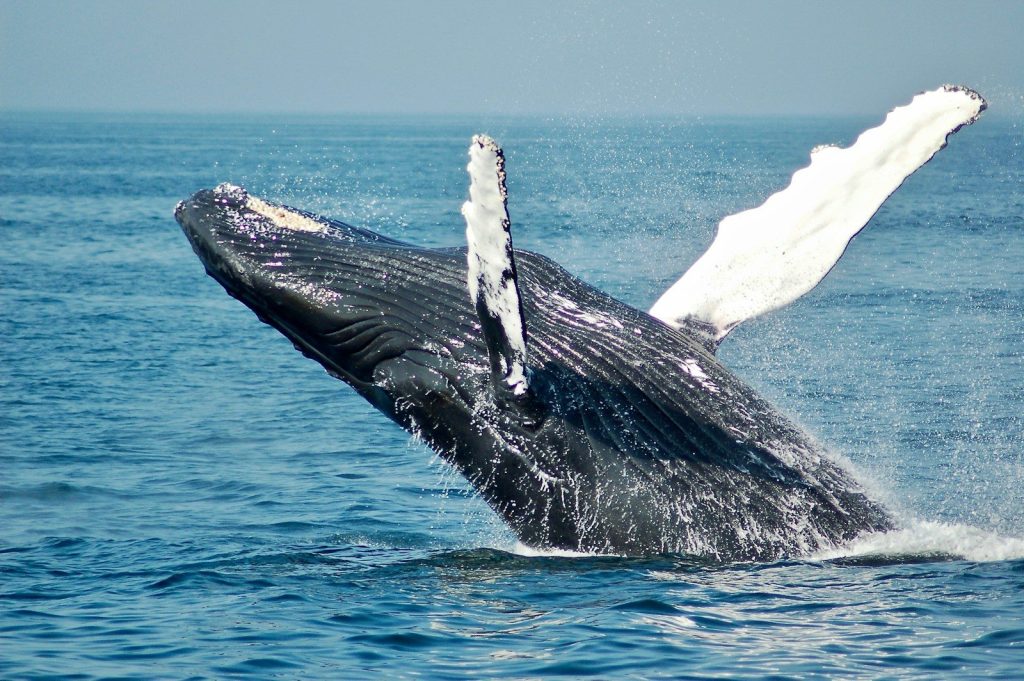
Southern right whales are built for long-distance travel.
They can migrate more than 6,000 kilometers between feeding and breeding areas. During the months spent around Australian calving grounds, mothers depend heavily on energy reserves accumulated before migration.
That makes every bit of conserved energy important.
A mother has to support herself, produce milk and eventually make the return journey with her calf.
The upside-down resting position may be one small part of that survival strategy.
But resting upside down isn’t completely safe
There is a downside to the unusual behavior.
A whale weighing many tons cannot simply flip itself upright as quickly as a small animal can change position.
Researchers say an upside-down whale could take longer to rotate and respond if a boat or another potential threat approaches.
That makes the behavior particularly interesting from a conservation perspective.
Southern right whales are still recovering from the effects of historical whaling, and some Australian populations remain far smaller than they once were.
Leave a Reply