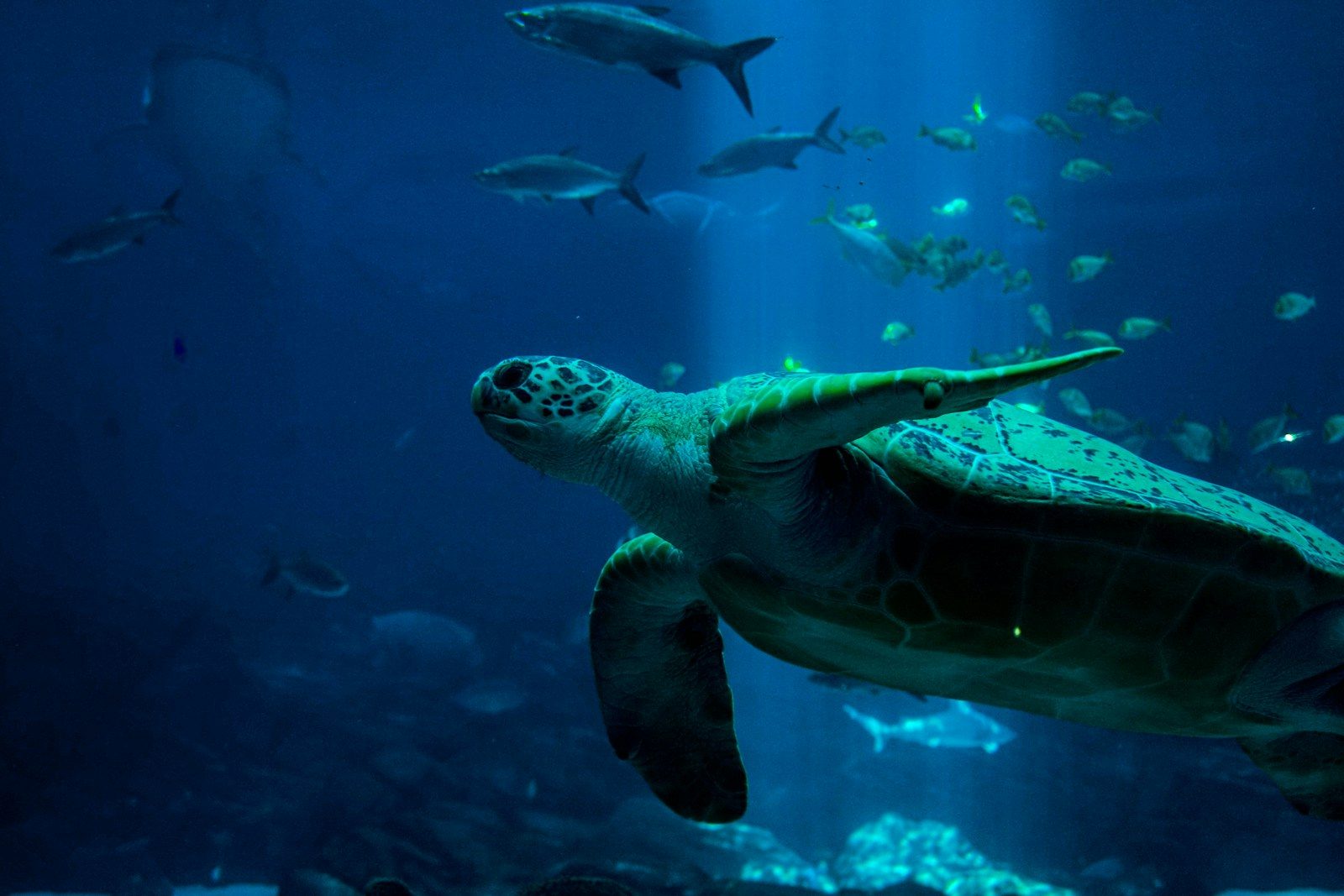
The oceans, rivers and lakes are home to some of the strangest animals on Earth.
From fish that can change color to mammals that can hold their breath for hours, aquatic animals have evolved remarkable ways to survive underwater.
Some can sense prey without seeing it. Others can communicate across enormous distances or regenerate parts of their bodies.
Here are 15 fascinating facts about aquatic animals that show just how unusual life beneath the surface can be.
Octopuses have three hearts
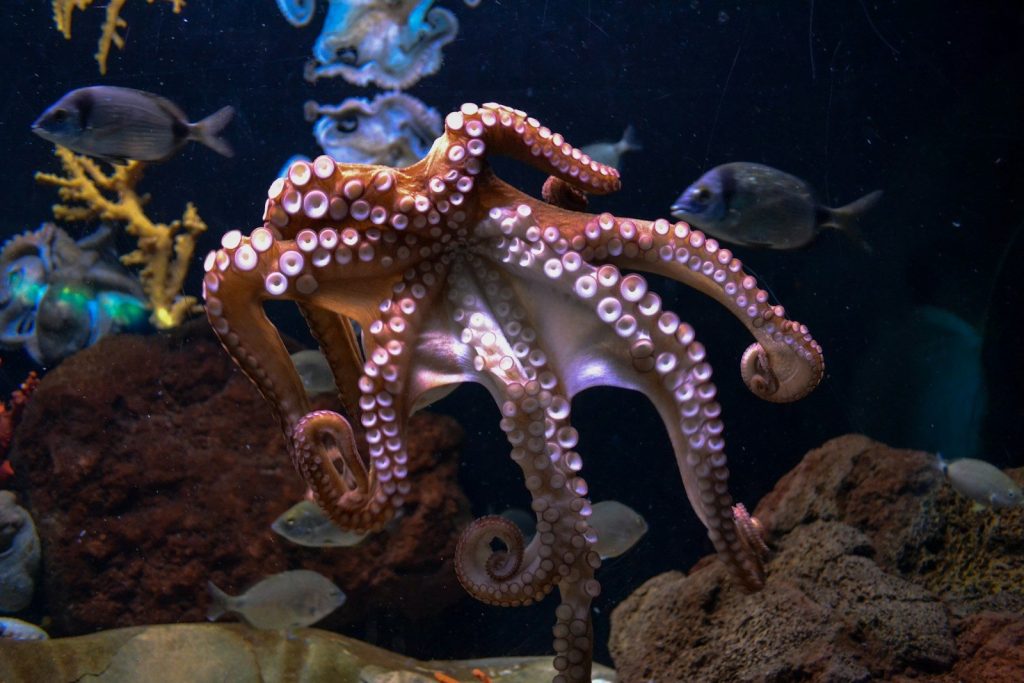
Octopuses are among the most unusual animals in the ocean, and their circulatory system is no exception.
They have three hearts. Two pump blood toward the gills, while the third sends oxygenated blood around the rest of the body.
Even more surprisingly, the main heart stops beating when an octopus swims.
That may help explain why these animals often prefer crawling along the seafloor rather than constantly swimming.
Dolphins can sleep with half their brain
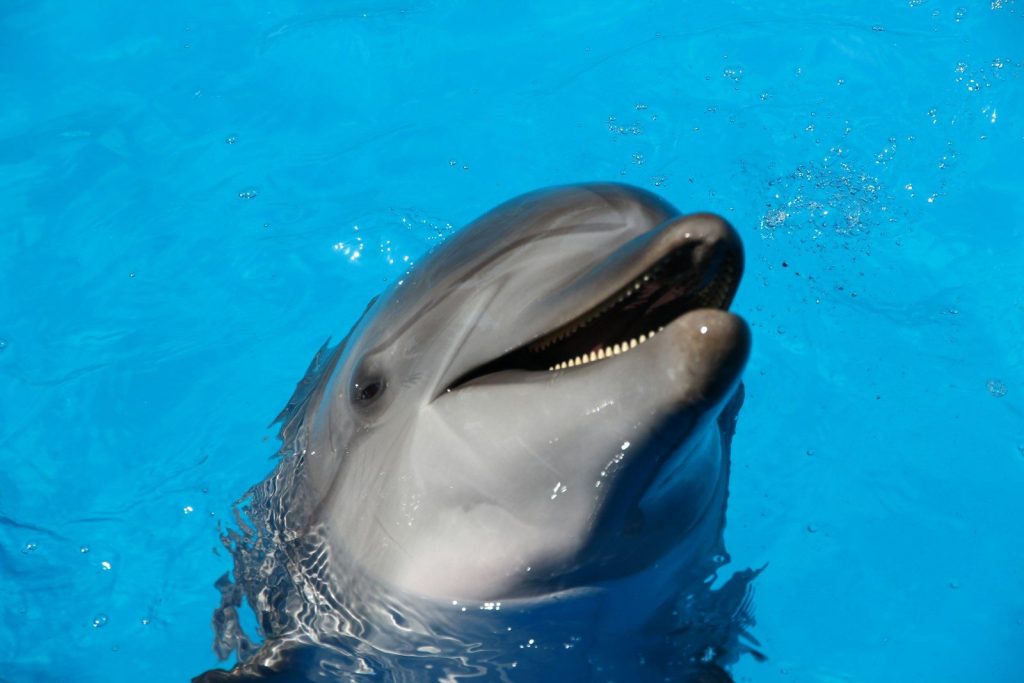
Dolphins need to surface regularly to breathe, which makes ordinary sleep impossible.
Instead, they can rest one half of their brain while the other remains active. This allows them to continue swimming and surface for air while getting much-needed rest.
It is an extraordinary adaptation for an animal that spends its entire life in the water.
Some sharks can detect electricity
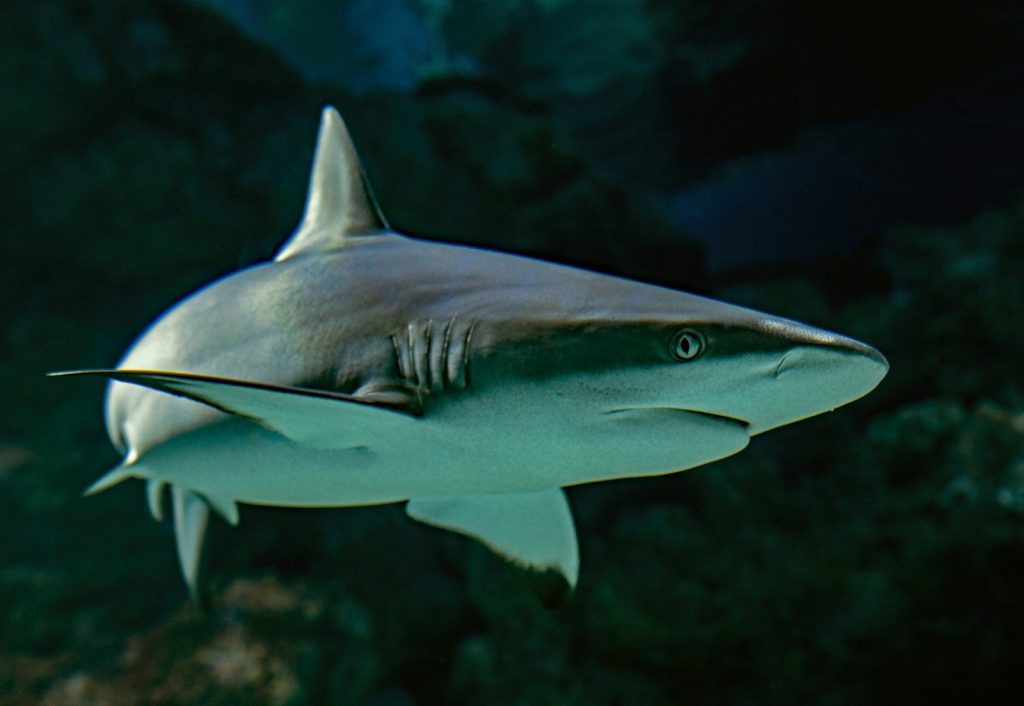
Sharks have an ability that humans can only imagine.
Special sensory organs around their heads allow them to detect tiny electrical signals produced by other animals.
That means a shark can potentially locate prey even when visibility is poor or the animal is hiding beneath sand.
This electrical sense is one reason sharks are such effective underwater hunters.
Sea turtles can navigate across entire oceans
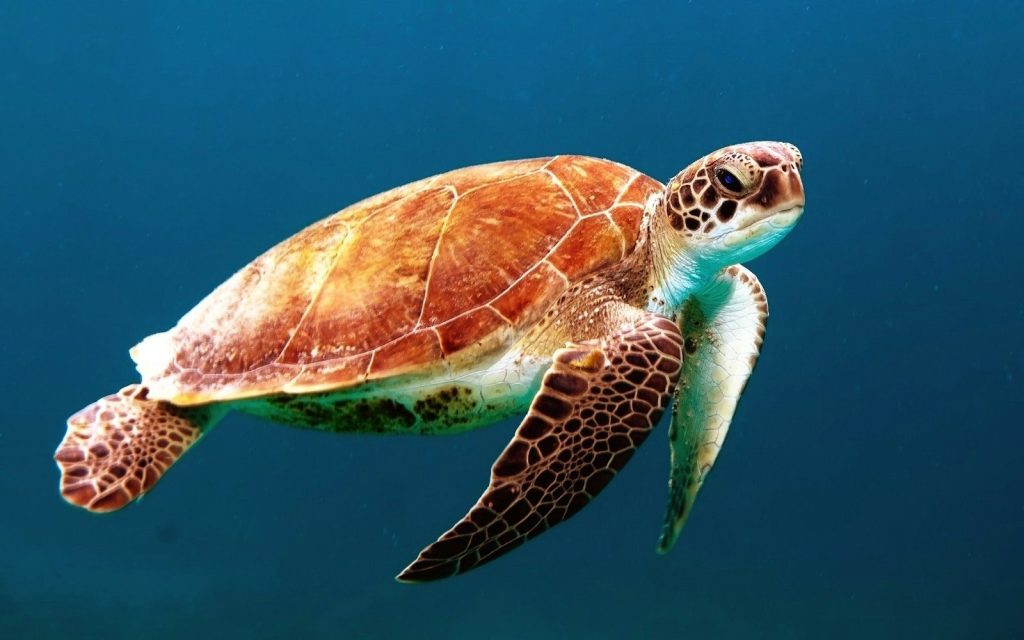
Sea turtles may travel thousands of miles during their lives, yet many eventually return to the region where they were born.
Scientists believe they use several environmental clues to navigate, including Earth’s magnetic field.
Some species can spend years traveling through the open ocean before returning to coastal areas to feed or reproduce.
Mantis shrimp can see colors humans cannot
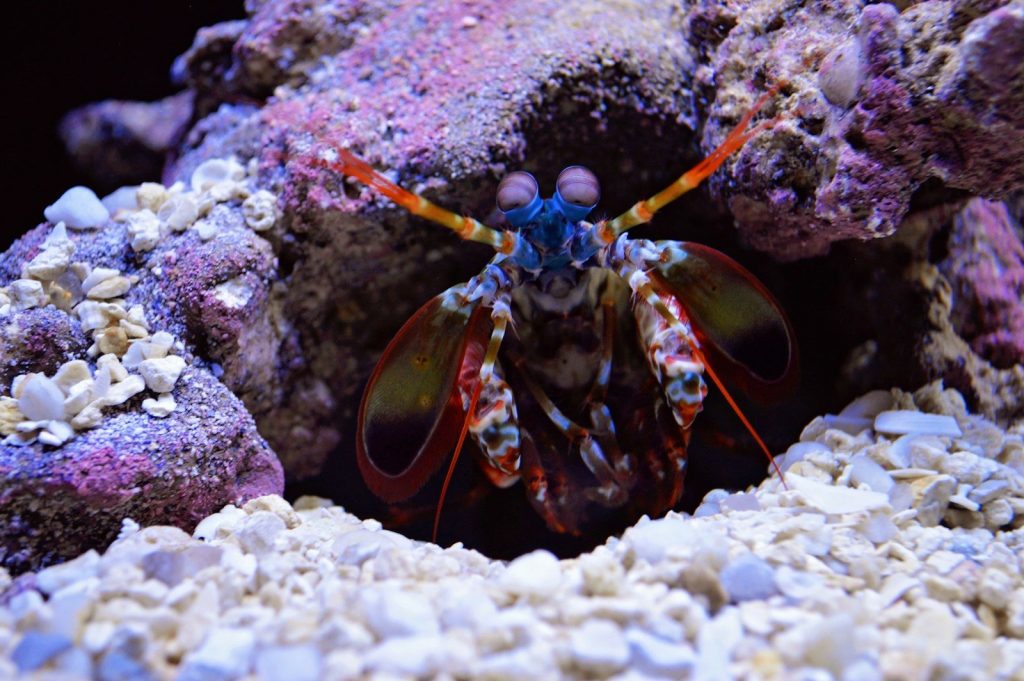
The mantis shrimp has one of the most sophisticated visual systems known in the animal world.
Its eyes can detect forms of light that humans cannot see, including ultraviolet wavelengths.
The animal also has independently moving eyes, allowing it to scan its surroundings in unusual ways.
Its vision is just one part of an extraordinary set of adaptations that make the mantis shrimp one of the ocean’s most remarkable predators.
Whales can communicate across huge distances
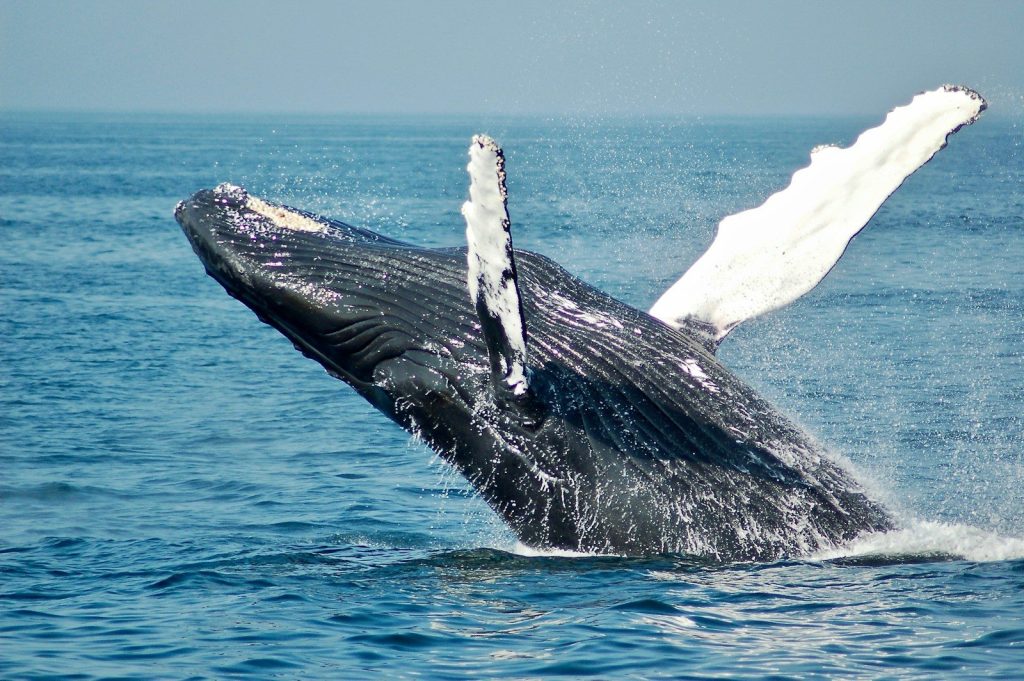
Some whales produce powerful sounds that can travel through the ocean over enormous distances.
These calls can help individuals communicate, find one another and potentially maintain social connections across large areas.
The underwater world may look quiet from the surface, but below it can be filled with sound.
Featured Image: Photo by Tai’s Captures on Unsplash
Leave a Reply