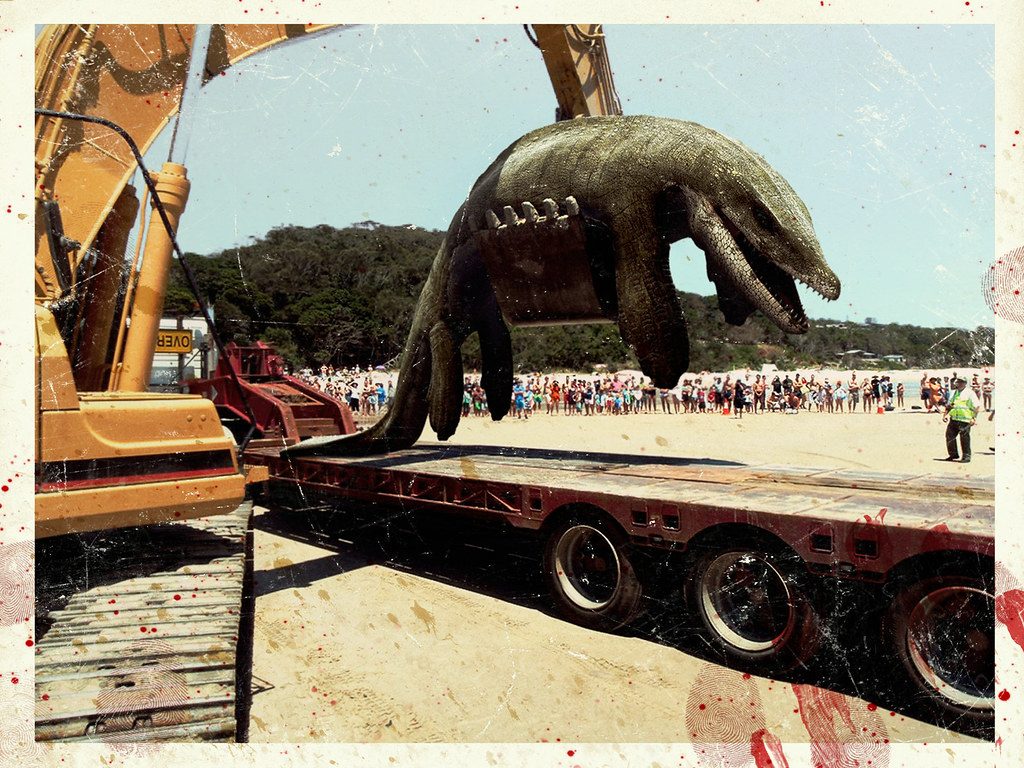
A giant marine predator that lived alongside dinosaurs has just been given a name.
Scientists have identified a new species of mosasaur from fossils discovered in Morocco. The enormous reptile lived around 66 million years ago, near the very end of the Cretaceous Period.
Named Pluridens imelaki, the animal may have reached around 30 feet (9 meters) long.
But its size isn’t the only thing that makes the discovery remarkable.
The fossil suggests that mosasaurs were still evolving and becoming more diverse shortly before the mass extinction that wiped out the non-avian dinosaurs.
A giant predator from an ancient sea
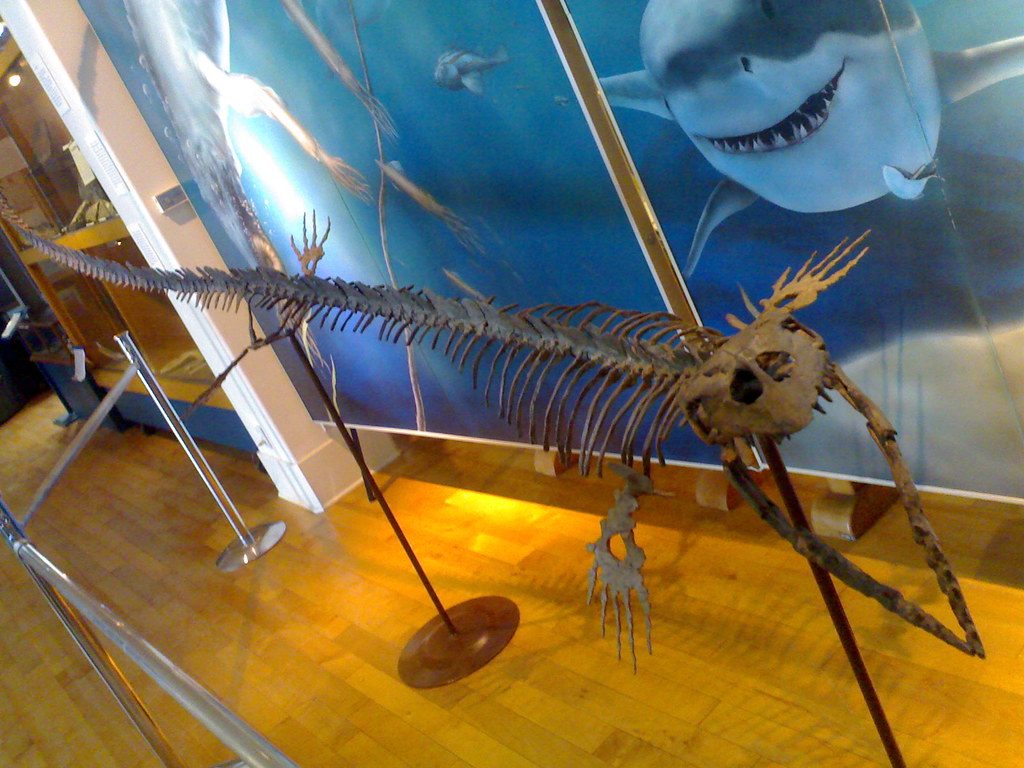
The fossil was discovered in Morocco’s Khouribga Province, an area famous for its exceptionally rich deposits of marine fossils.
Around 66 million years ago, the region looked nothing like modern Morocco.
Much of it was covered by a shallow sea along the ancient Atlantic coastline, providing a habitat for a huge variety of marine reptiles and other ocean creatures.
The newly identified mosasaur was one of them.
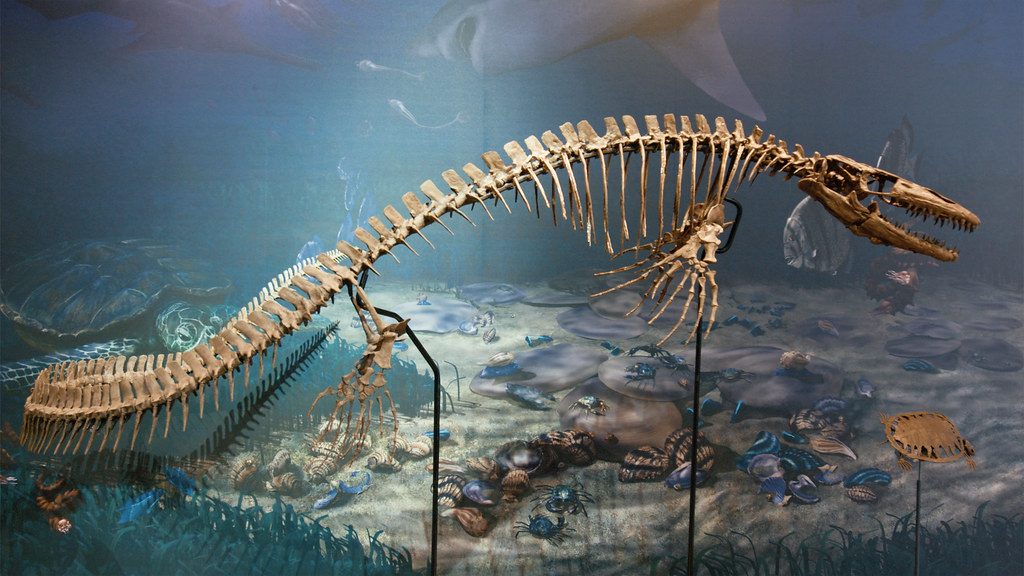
Researchers estimate that Pluridens imelaki reached at least 9 meters in length, making it the largest known member of its particular mosasaur group.
Its skull was more than 4 feet long
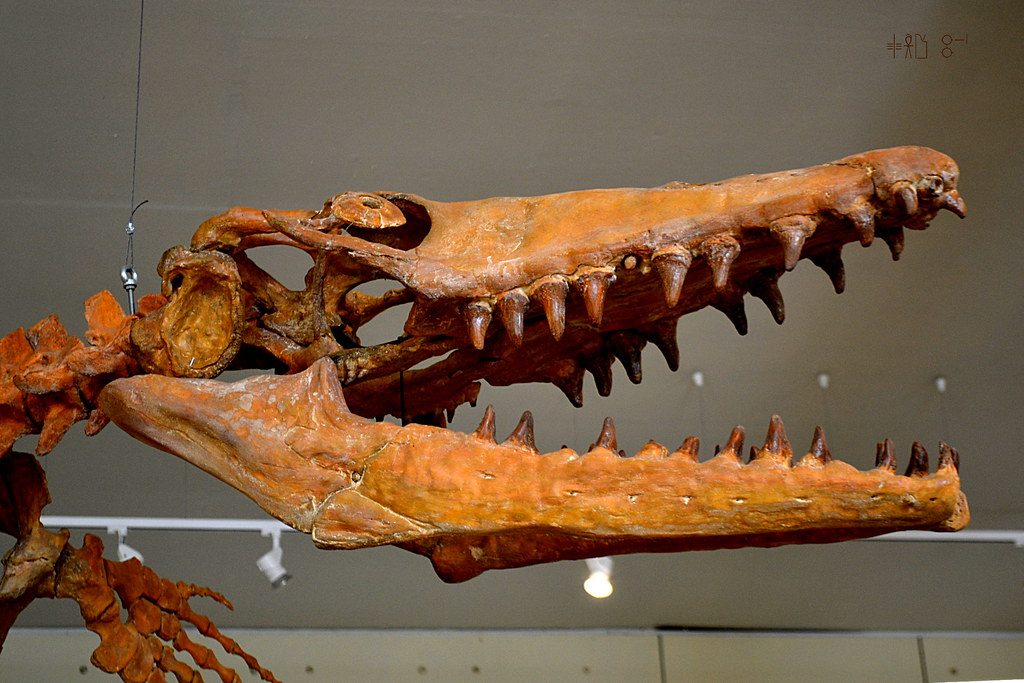
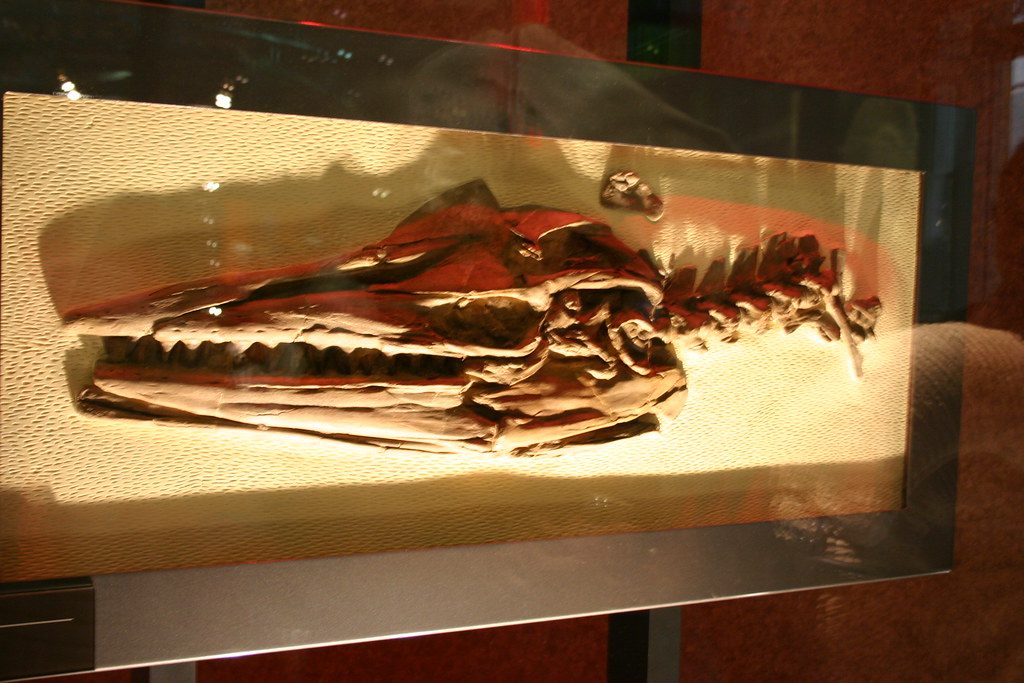
The most important part of the fossil is an unusually well-preserved skull.
It measures roughly 1.25 meters, or more than 4 feet, in length.
The skull is long and narrow, with slender jaws and around 25 teeth in the lower jaw.
That anatomy gives scientists clues about how the animal lived.
Despite its enormous body, Pluridens imelaki probably wasn’t built for crushing huge prey.
Instead, its narrow jaws and relatively slender teeth suggest that it may have targeted smaller, softer-bodied animals.
In other words, this giant predator may have been less like a prehistoric great white shark and more like a specialized hunter with a surprisingly selective diet.
It belonged to a rare group of mosasaurs
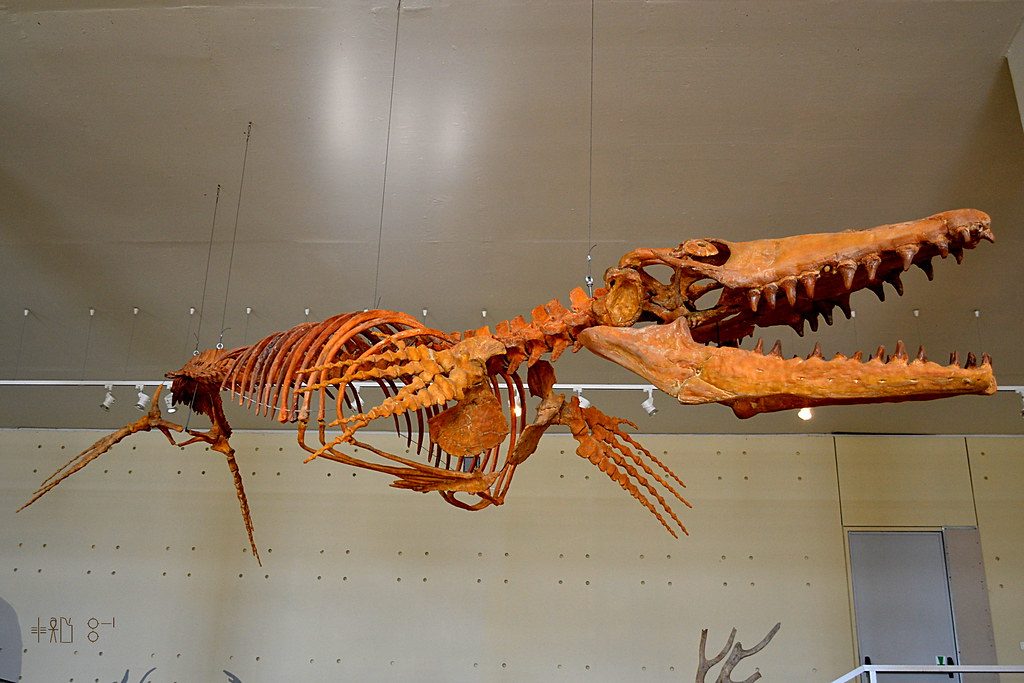
Mosasaurs were not dinosaurs.
They were giant marine reptiles that became some of the dominant predators in the world’s oceans during the final part of the Cretaceous Period.
Some species grew to enormous sizes, with powerful bodies and jaws adapted for hunting underwater.
Pluridens imelaki belonged to a subgroup called Halisaurinae.
The group was already known to scientists, but the Moroccan discovery adds another species to the picture.
And it may reveal just how diverse these reptiles were shortly before they disappeared.
The animal is known from just one specimen
Perhaps the strangest part of the discovery is how little fossil material exists.
Scientists have identified the new species from a single specimen despite decades of fossil collecting in Morocco’s phosphate deposits.
Hundreds of mosasaur remains have been recovered from the region, yet Pluridens imelaki appears to be exceptionally rare.
That raises an obvious question.
Was this animal genuinely uncommon in the ancient sea, or have scientists simply been unlucky in finding its remains?
For now, there isn’t enough evidence to know.
Mosasaurs were still changing before the extinction
The discovery is particularly important because of when the animal lived.
Pluridens imelaki dates to the Late Maastrichtian, the final stage of the Cretaceous Period.
Only a few million years later, the asteroid impact that struck what is now Mexico helped trigger the mass extinction event that ended the age of dinosaurs.
For decades, scientists have debated whether ecosystems were already declining before the extinction.
The new mosasaur adds an interesting piece to that puzzle.
Rather than showing a group that had stopped changing, the fossil indicates that at least some mosasaurs were still evolving and diversifying close to the end.
Featured Image: “The Last mosasaur colour” by julian_j_2011 is licensed under CC BY-SA 2.0
Leave a Reply