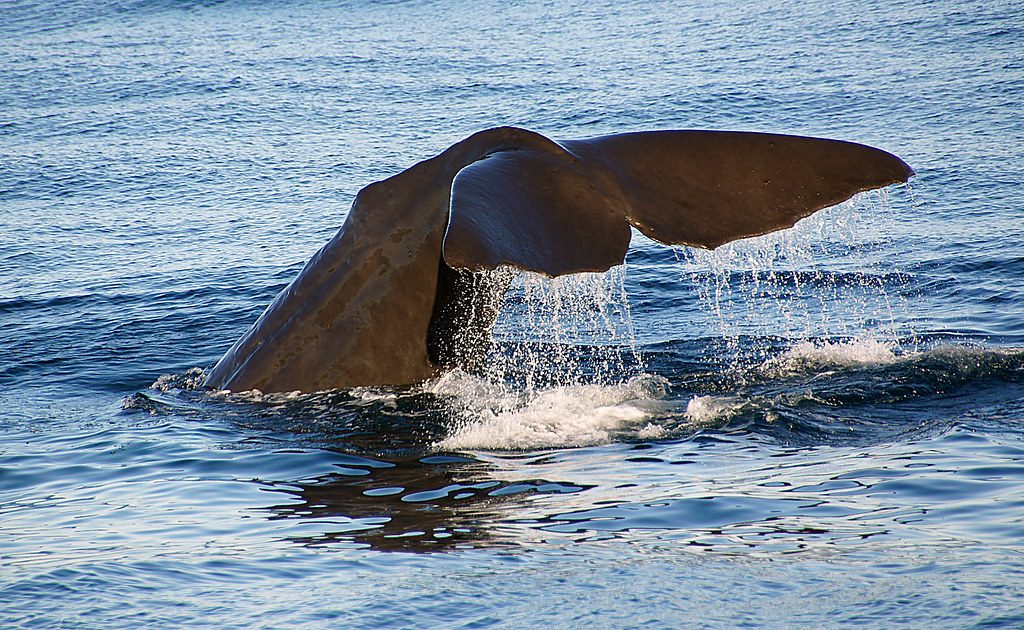
What if scientists could use artificial intelligence to better understand what whales are saying? Researchers are using AI, underwater microphones, sensors, drones, and other tools to study whale communication, with much of the work focused on sperm whales near Dominica in the Caribbean. Project CETI is building large sets of whale sounds and behavior data so computers can find patterns that people might miss. Recent studies have found that sperm whale calls can have complex patterns and may change when ships are nearby.
Scientists are not yet able to translate whale speech into human language, but AI is helping them ask better questions about how these animals communicate.
Scientists are studying sperm whales

Project CETI, short for the Cetacean Translation Initiative, is a large research effort focused on sperm whales. Scientists from many fields are working together to record whale sounds, study behavior, and use machine learning to look for patterns.
Sperm whales communicate with short groups of clicks called codas. These sounds can differ in timing and rhythm, and researchers are studying whether different patterns carry different information.
AI can find patterns in whale sounds

Whale recordings can contain huge amounts of information. AI can sort through these recordings much faster than people can, helping researchers compare sounds and find patterns linked to individual whales, groups, behavior, and surroundings.
The goal is not simply to make a computer repeat whale sounds. Researchers want to connect sounds with what whales are doing at the same time. This can help scientists learn whether certain calls are linked to social activities or other events.
New tools help researchers listen

Scientists are using suction cup tags, underwater microphones, drones, and robots to collect information. Some tags can record whale sounds while also measuring movement, depth, and other details.
In 2026, researchers also described an underwater glider that can detect sperm whale sounds and change its movement to follow the whales. This could allow scientists to track whale communication for much longer than many older methods.
Whale sounds may be more complex

Earlier research by Project CETI and MIT scientists found that sperm whale codas contain complex, context-sensitive patterns. The work suggested that whales can combine and vary sounds in ways that are more complicated than a simple list of fixed calls.
More recent research has explored vowel-like sound features in sperm whale codas. Scientists stress that these sounds should not automatically be treated as human vowels or proof that whales have a human-like language.
Ships can change whale sounds

Researchers studying sperm whales near Dominica found that the animals changed parts of their calls when ships were nearby. Their click patterns could become shorter or change in timing when underwater shipping noise was present.
This finding matters because ocean noise can make it harder for animals to communicate. Scientists are still studying what these changes mean. The whales could be changing how they make the same message, or they could be sending different information.
Scientists are not translating whales yet

Despite the exciting progress, researchers cannot yet have a normal conversation with a whale. AI can identify patterns, but finding a pattern is not the same as knowing exactly what a whale means.
Scientists still need to connect sounds with real-world behavior and test their ideas carefully. If researchers eventually learn what different calls mean, the knowledge could improve our understanding of whale social life and help guide better protection of these animals.
Featured Image: “Sperm whale..(Physeter macrocephalus)” by Bernard Spragg is licensed under CC CC0 1.0
Leave a Reply