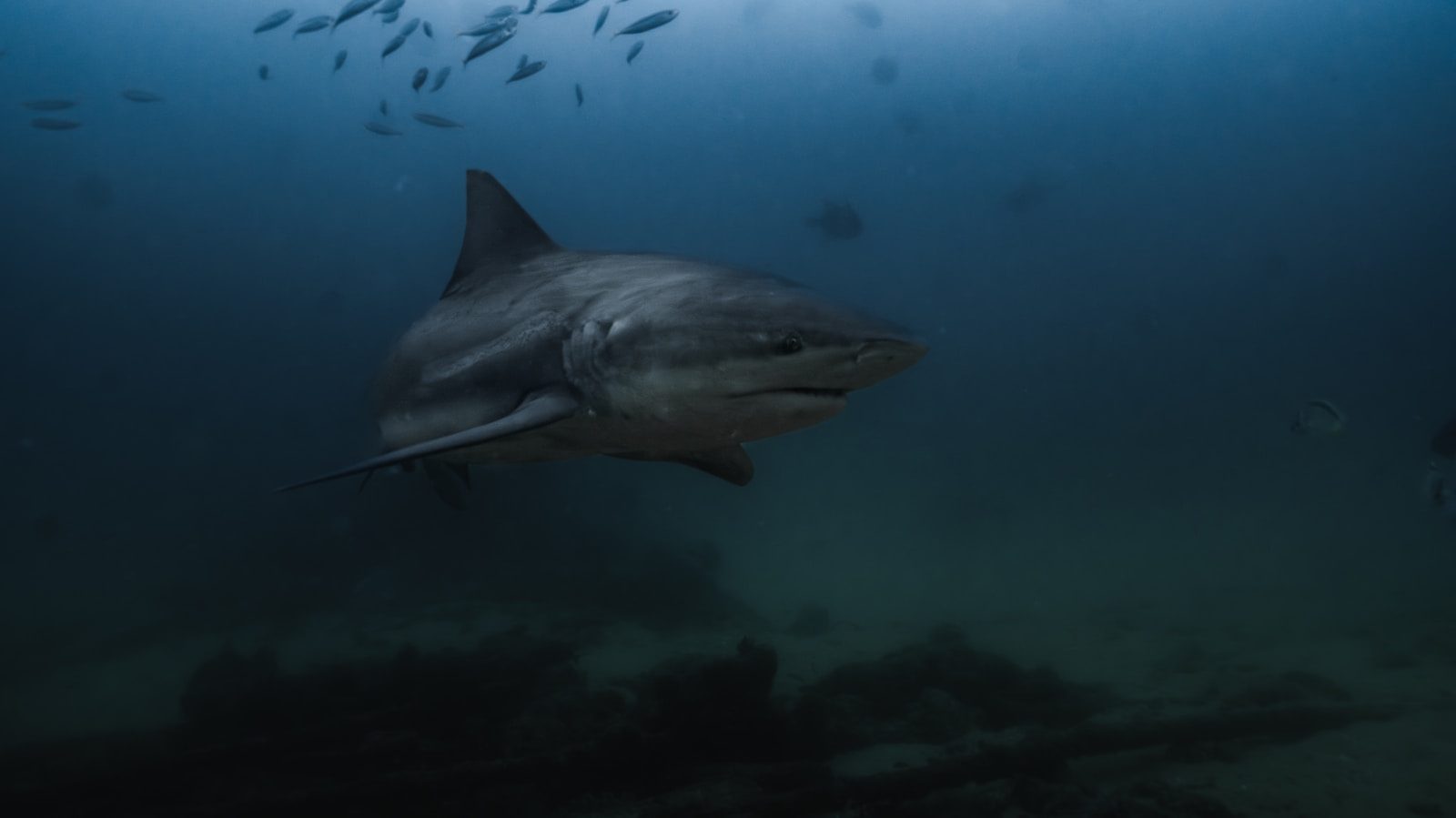
An underwater meeting with a bull shark can become tense in just seconds. A widely shared video shows a diver facing a bull shark that swims very close and appears to make a direct approach. The diver responds by pushing the shark away before the animal turns and moves off. The scene has attracted attention because the shark comes close enough to make the encounter look dangerous. However, the video alone does not prove that the shark was attacking the person.
Understanding what is actually shown, how bull sharks behave, and why they approach divers can help separate a tense wildlife encounter from a confirmed shark attack.
The shark moved close to the diver
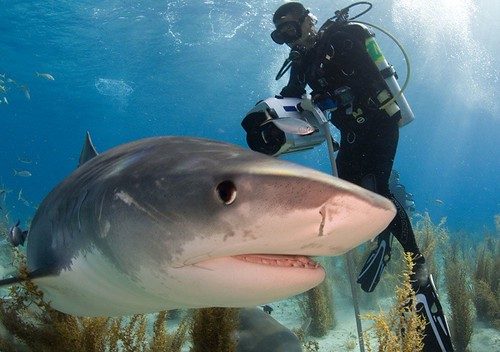
The video shows a bull shark swimming toward a person underwater. The shark comes close to the diver’s body and appears to make a direct approach before the person reacts.
The close distance makes the moment look especially tense. A shark moving toward a diver does not automatically mean it is preparing to attack, though. Sharks may approach objects or people to investigate them, and a short video cannot always show what caused the animal to move closer.
The diver pushed the shark away
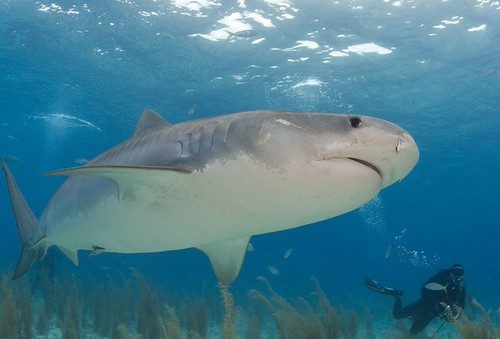
As the shark came close, the diver reacted by striking or pushing at the animal around its nose. The shark then moved away, creating more space between itself and the person.
The footage does not establish that the shark was injured. It also does not show a confirmed bite to the diver. The diver’s reaction appears to have been an attempt to create distance from an animal that had entered very close personal space.
The shark came back again
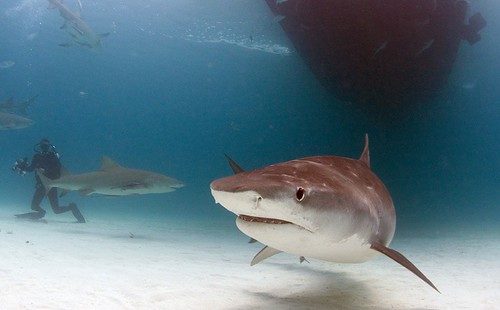
The encounter became even more unusual when the shark returned after moving away. The animal again approached the diver, showing why getting close to a large wild shark can be risky even when the first contact does not lead to an attack.
The diver later presented a fish to the shark, and the animal took the food. This part of the footage shows that the shark was interested in food, but it does not tell us exactly what motivated its earlier approach.
Bull sharks can live in different waters
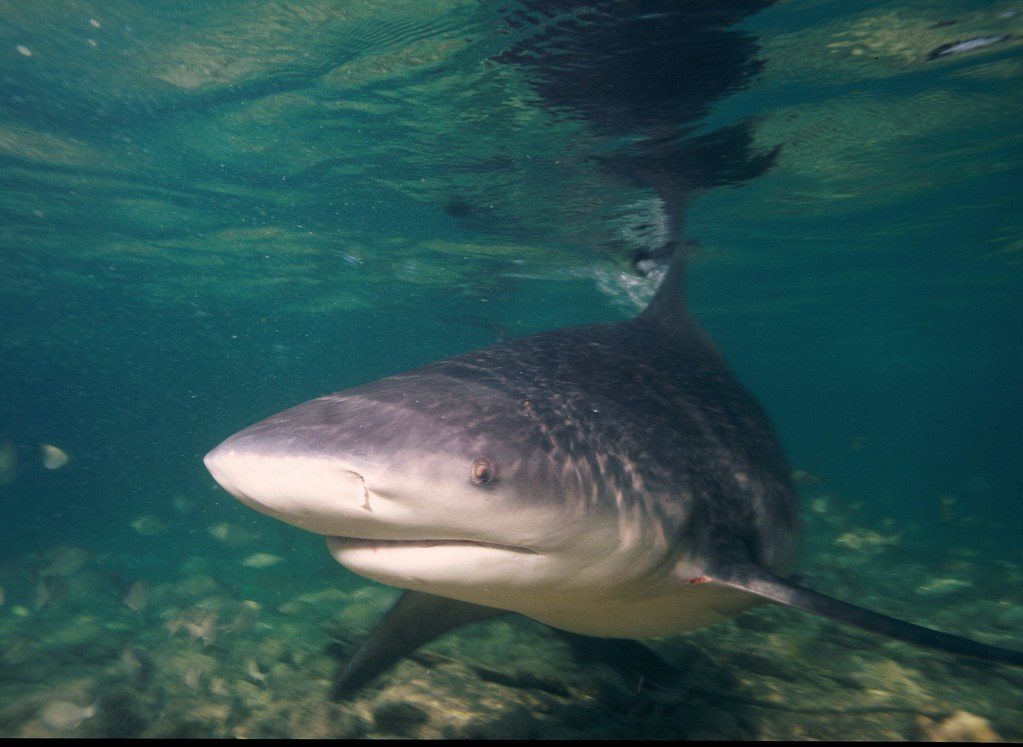
Bull sharks are unusual among sharks because they can handle both salt water and fresh water. They are often found in warm coastal waters, estuaries and rivers, which brings them into areas where people may also swim or fish.
They are strong predators with a stocky body and broad head. Their ability to move into shallow and freshwater areas means people can sometimes encounter them in places where they might not expect to see a large shark.
A close approach is not always an attack
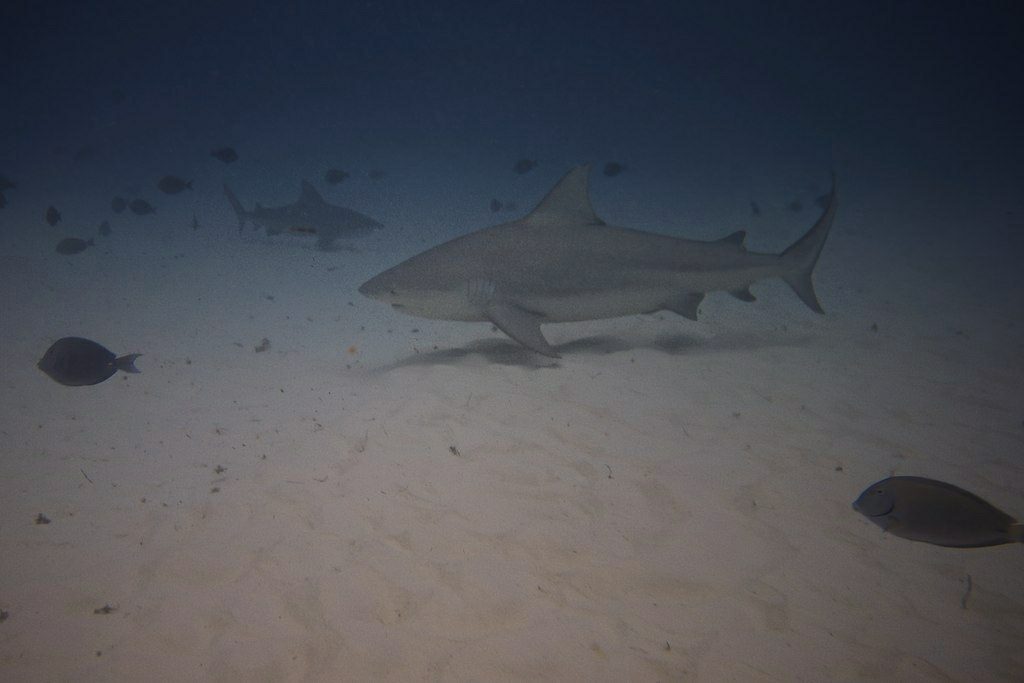
Sharks can investigate unfamiliar animals, objects and activity in the water. A close approach can therefore look aggressive without being proof of an attempt to bite.
That does not mean people should treat bull sharks as harmless. They are powerful wild animals, and their behavior can change quickly. A diver should never assume that a calm approach will remain calm, especially when food, fishing or other activity is present.
The encounter offers a safety lesson

The video is striking because it shows how little space can remain between a person and a large predator underwater. It also shows why swimming or diving near feeding sharks is not something ordinary beachgoers should copy.
People who encounter a shark should avoid chasing, touching, or feeding it. Staying aware of the animal and leaving the area calmly when possible is a safer choice than trying to create a close encounter for a photo or video.
Leave a Reply