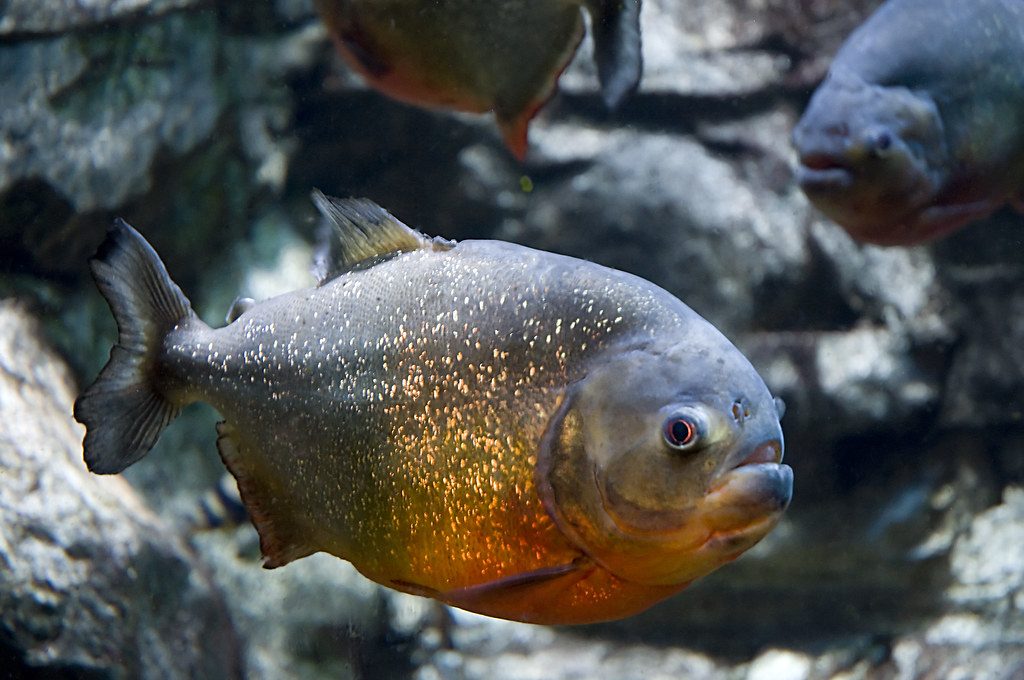
What would you do if you went fishing for bass and pulled up a piranha instead? That is what happened at Ridley Park Lake in Pennsylvania on August 8, 2026, when 8-year-old Seamus Coffey made an unusual catch while fishing with his father. The piranha caught in Pennsylvania was later examined and confirmed by the Pennsylvania Fish and Boat Commission. The fish is not native to Pennsylvania, raising questions about how it reached the lake and whether it had once been kept as an exotic pet.
The case also gives wildlife officials a chance to remind pet owners why releasing nonnative animals can cause serious problems.
An eight-year-old made the catch

Seamus Coffey was fishing with his father, Michael, at Ridley Park Lake when something pulled hard on his line. The boy thought he had caught a bass, but when the fish came out of the water, he quickly recognized it as a piranha.
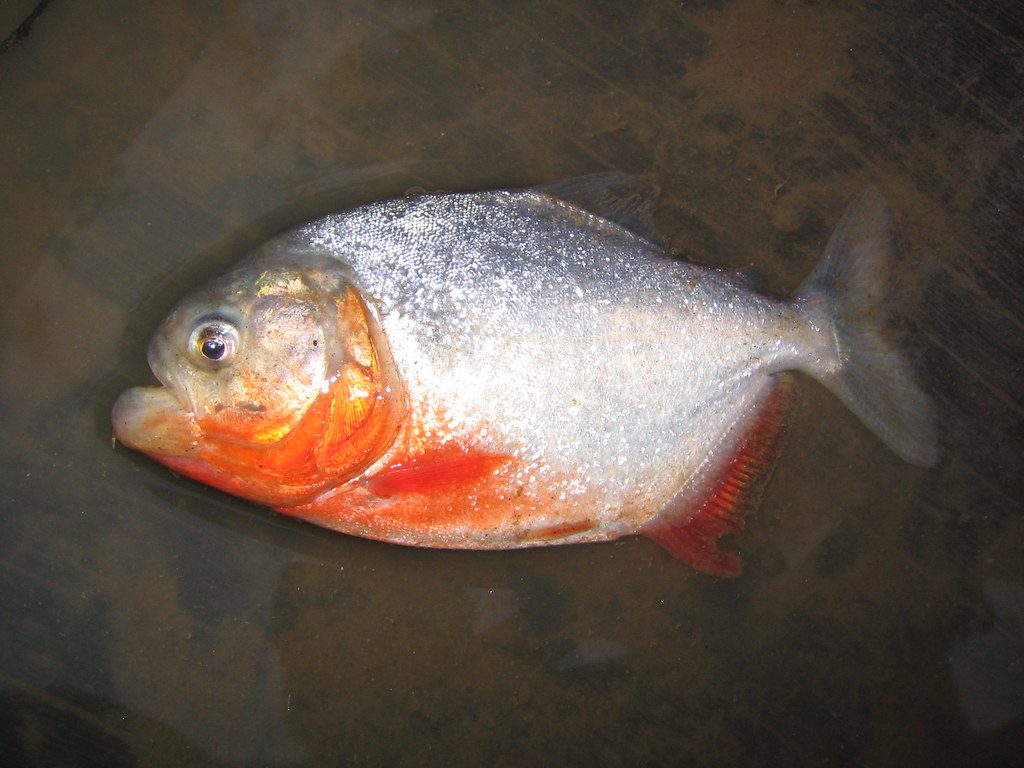
Seamus told his father he knew what the fish was because he watches wildlife and fishing videos online. His father later shared photos of the unusual catch, which showed a fish with a bright belly and sharp teeth.
Officials confirmed it was a piranha
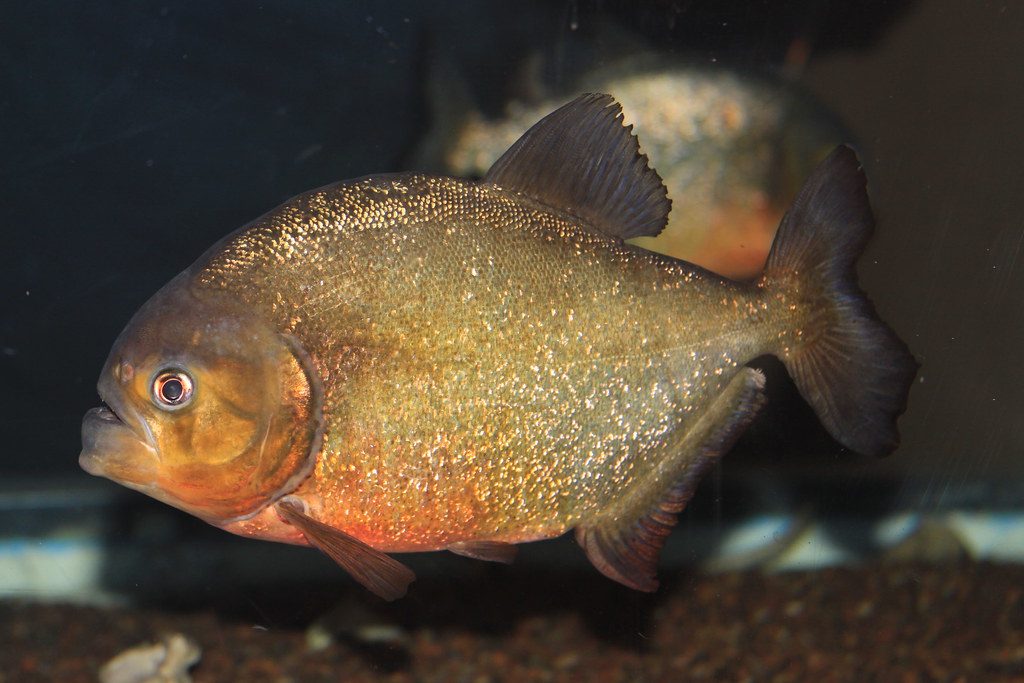
The Pennsylvania Fish and Boat Commission examined photographs and the fish itself before confirming that it was a piranha. Reports described it as a red-bellied piranha, a type native to South America.
The fish was reported to weigh about two pounds. Its discovery was unusual because piranhas are not native to Pennsylvania and are not expected to live as part of the state’s natural fish population.
How did the fish get there?
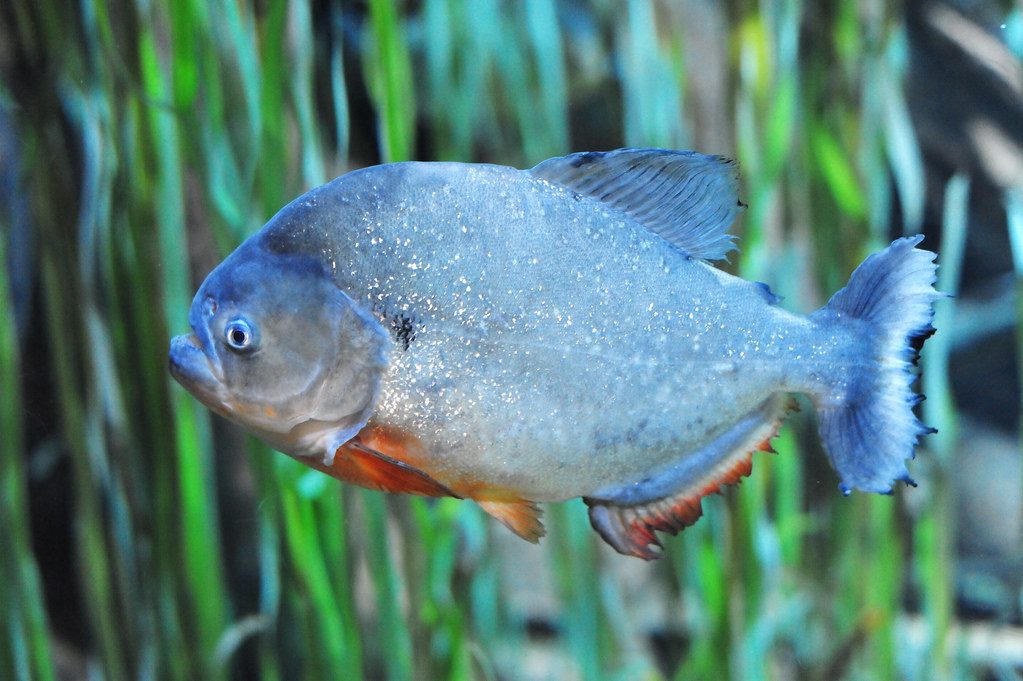
Wildlife officials said the most likely explanation is that someone kept the fish as a pet and later released it into the lake. Officials stressed that releasing an unwanted exotic pet into a lake or river is not a safe way to get rid of it.
Other unusual nonnative animals have also been found in Pennsylvania waters. These cases can happen when people release pets or when animals escape from places where they are kept, although officials did not establish exactly how this piranha entered Ridley Park Lake.
Why releasing pets can be harmful
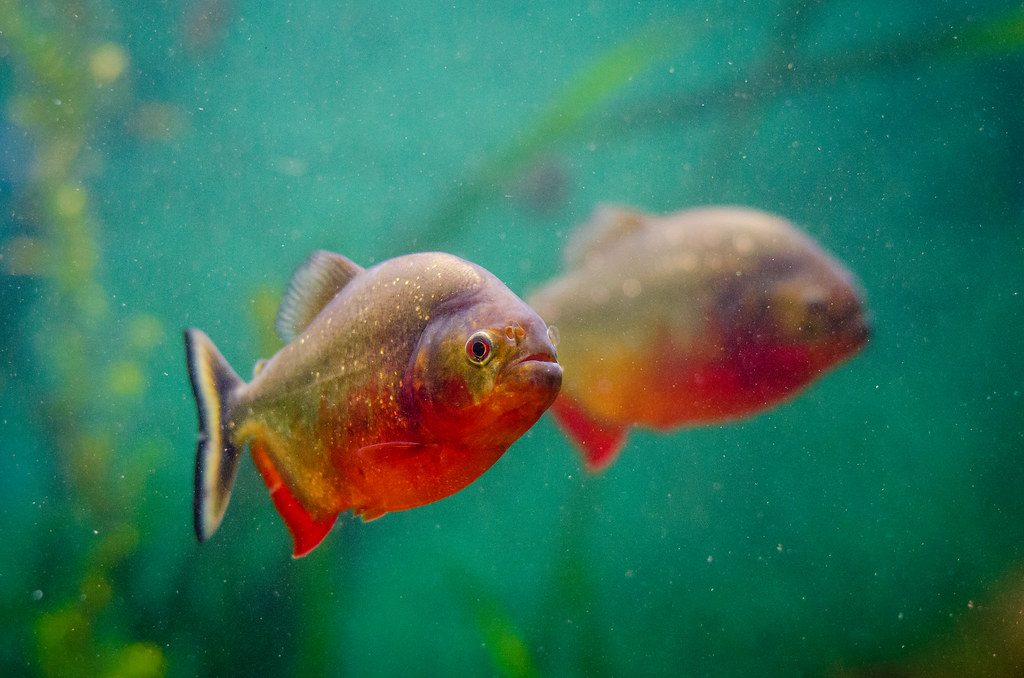
A nonnative animal may compete with local wildlife for food or space. It can also introduce diseases or change the balance of an ecosystem. Even when an animal cannot survive long term, it can still create problems while it is alive.
Pennsylvania wildlife officials advise people not to release unwanted pets into the wild. Owners who can no longer care for an animal should look for a new home, surrender option or advice from a veterinarian instead.
Could a piranha survive in Pennsylvania?
Piranhas come from warm parts of South America, so Pennsylvania’s cold winters create a major challenge for them. Officials said this fish could likely survive through the summer but would not be expected to survive the winter as water temperatures fall.
That does not make releasing one harmless. A nonnative fish can still affect other animals during the time it remains alive, which is why preventing these releases is important even when the animal is unlikely to become a permanent population.
What happened to the fish?

The Coffey family did not put the piranha back into Ridley Park Lake. Instead, the fish was humanely killed and disposed of, a decision supported by the Pennsylvania Fish and Boat Commission under the circumstances.
The unusual catch has now become a lesson about exotic pets and responsible ownership. A fish that may look interesting in a home aquarium can require special care for many years. When owners can no longer keep such animals, releasing them is not a safe answer for the pet, native wildlife or the environment.
Featured Image: “Red bellied Piranha” by Gregory Moine is licensed under CC BY-NC-SA 2.0
Leave a Reply