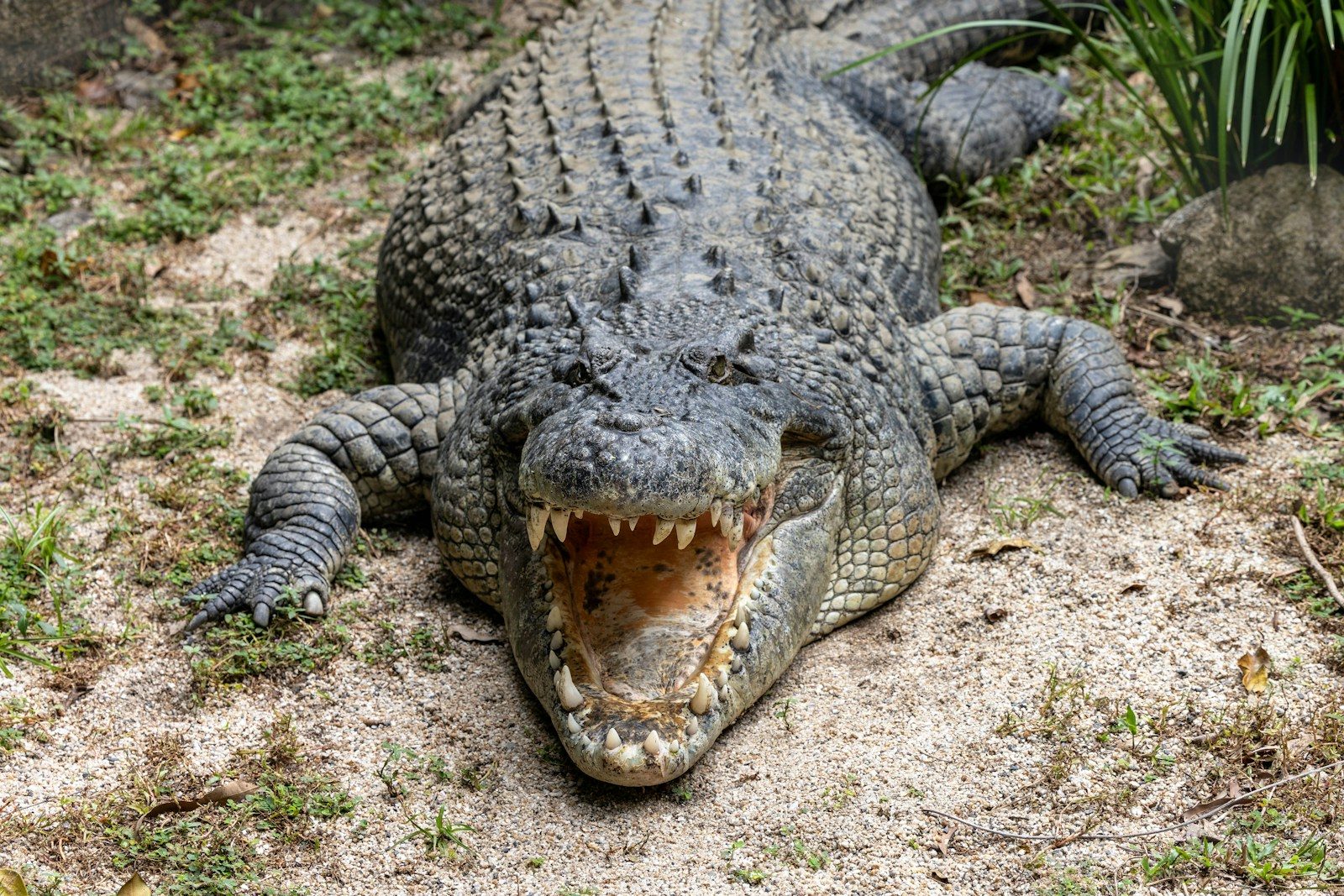
Imagine watching calm water when a huge crocodile suddenly bursts from beneath the surface. There may be almost no warning before one of the world’s largest predators appears. The saltwater crocodile is the largest living reptile and combines enormous size with an exceptionally powerful bite. These animals are built around a hunting method that depends more on patience and surprise than chasing prey over long distances.
They can wait quietly in or beside water before making a sudden move when an opportunity appears. Their success is also part of a much longer evolutionary story. Crocodile relatives have existed for more than 200 million years, although their ancient ancestors were far more diverse than many people realize.
Saltwater crocodiles can reach enormous sizes
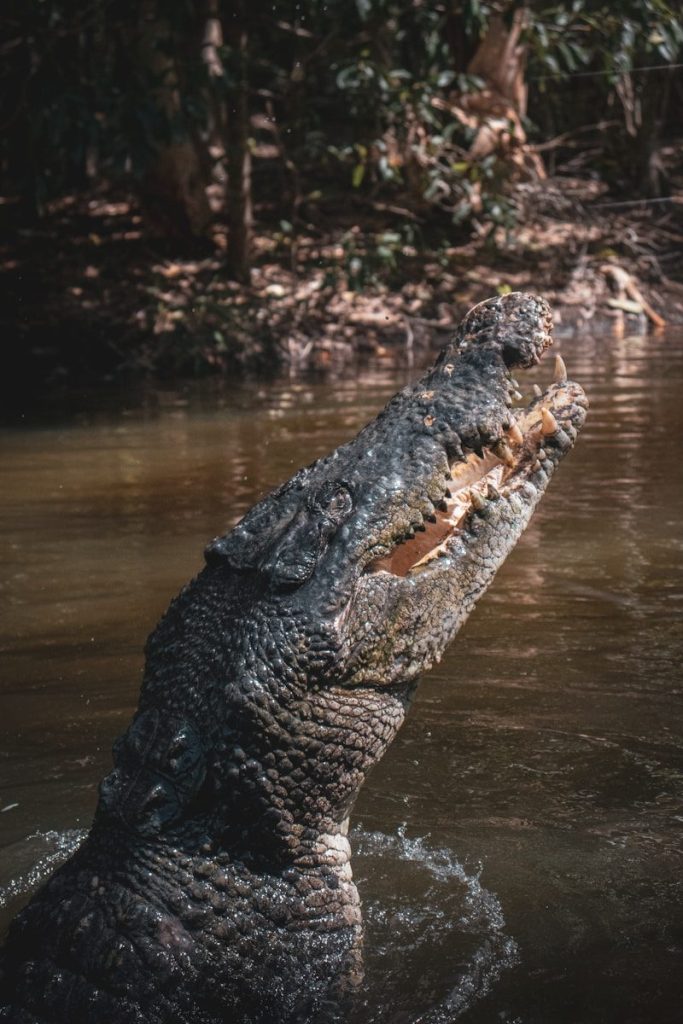
Saltwater crocodiles are the largest living reptiles on Earth. Large adult males can reach extraordinary lengths, although individuals approaching 20 feet are exceptional. Their huge bodies, muscular tails, powerful jaws, and armored skin give them an appearance that few other living animals can match. Their size also plays an important role in their strength because crocodilian bite force increases strongly with body size. Scientists studying crocodilian bites found body mass to be the main factor behind the enormous forces these animals can produce.
One famous saltwater crocodile showed just how large the species can become. Lolong was captured alive in the Philippines and officially measured at 20.24 feet, or 6.17 meters, long. The measurement established an extraordinary example of the size this species can reach. Animals of that scale are not typical of every saltwater crocodile, so the 20-foot figure should not be treated as the normal size. It represents the extreme upper end documented in a remarkable individual.
Their bite is among nature’s most powerful
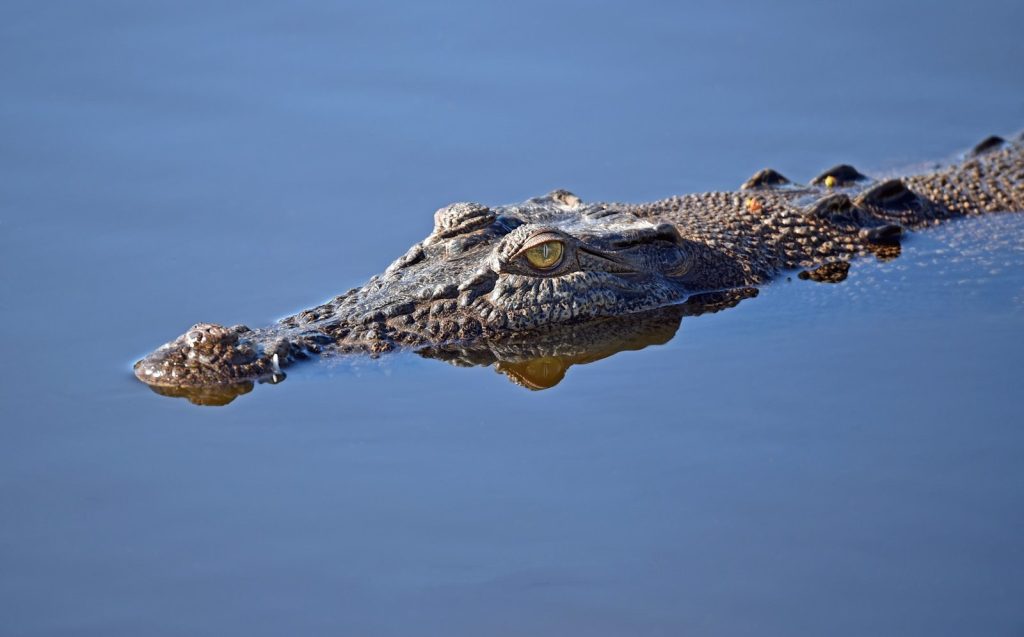
Size is only part of what makes the saltwater crocodile such an effective predator. Its jaws can produce extraordinary force. Scientists tested the bites of living crocodilian species using specialized equipment and found that saltwater crocodiles produced the highest forces in the study. The strongest individual measurement reached 16,414 newtons, making it the strongest bite directly measured from a living animal under those testing conditions.
The animal responsible for that measurement was not even a 20-foot giant. Guinness World Records reports that the tested saltwater crocodile measured about 15 feet, or 4.59 meters, long. That matters because scientists found a strong connection between body size and bite force across crocodilians. The jaws are part of a feeding system designed to produce a tremendous closing force. Once those jaws close on something, the crocodile combines that grip with the movement and strength of its entire body.
Ambush is more important than a long chase
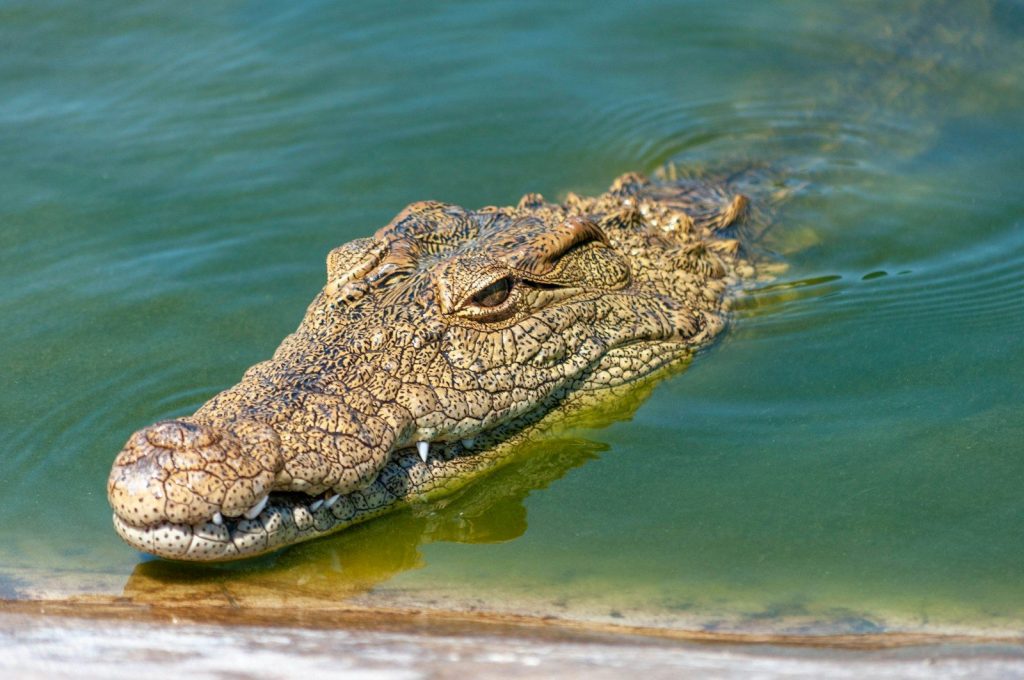
Saltwater crocodiles are successful hunters because they do not depend on chasing animals for long distances. Crocodilians are highly effective at stalking and ambushing prey around water. Their body position allows much of the animal to remain beneath the surface while its eyes and nostrils stay above water. That makes it possible for a crocodile to watch its surroundings without exposing its entire body. Scientific research describes crocodilians as skilled stealth predators in freshwater and estuarine environments.
When an opportunity appears, the quiet approach can change into sudden movement. That is why footage of a large crocodile bursting from the water can look so dramatic. The important point is not that crocodiles spend their lives racing after prey. Their hunting system is built around getting close before making a rapid move. Surprise reduces the need for a long pursuit. The animal can remain patient until the distance between itself and a possible meal is small enough for a sudden attack.
Crocodile speed is often misunderstood
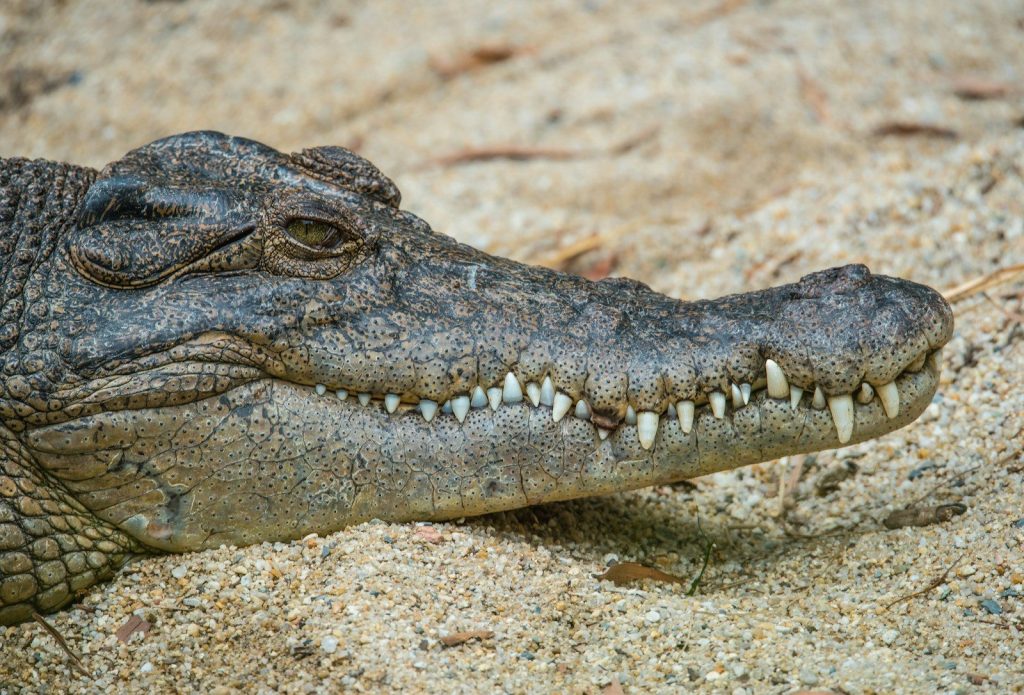
Claims about crocodiles running at 18 mph, or 29 km/h, frequently appear in popular descriptions. Some modern summaries give that figure as an extreme short-distance speed for large crocodilians. However, crocodile running speeds are not measured as neatly as the speeds of racing animals, and dramatic maximum figures should not be treated as the normal speed of a large saltwater crocodile.
The better way to understand their danger is to focus on acceleration, distance, and hunting style rather than imagining a crocodile as a long-distance runner. Saltwater crocodiles are ambush predators. They benefit from getting close before making a move instead of maintaining a high speed over a long chase. Their size does not mean they are unable to move quickly when needed, but their greatest hunting advantage comes from remaining difficult to notice until they are close enough to act.
Crocodile relatives go back over 200 million years
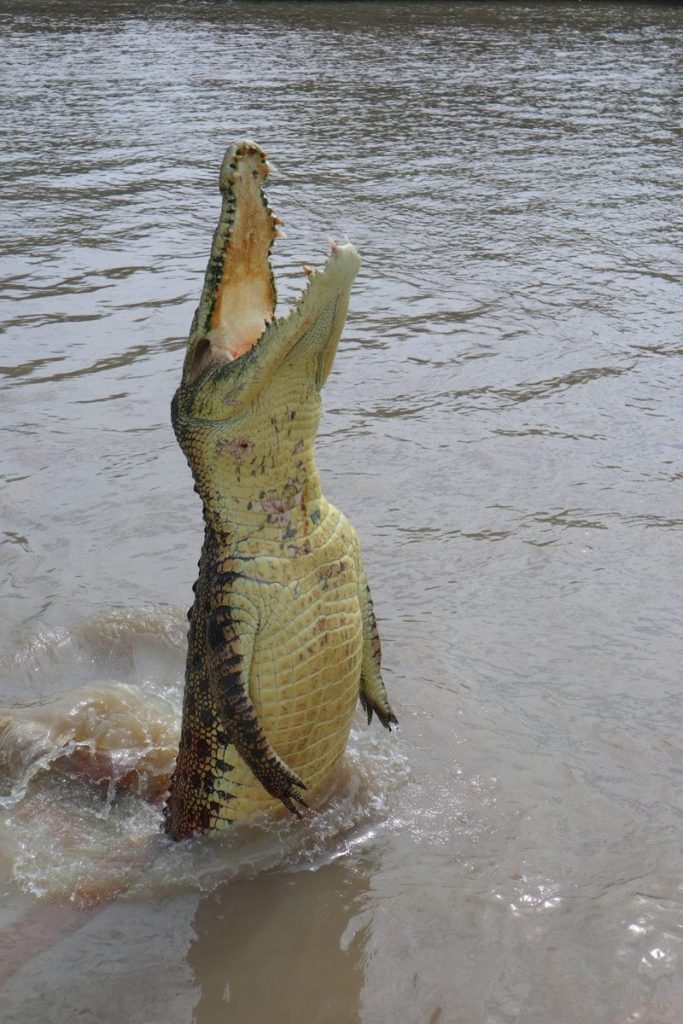
Modern crocodiles belong to an ancient evolutionary story. The larger crocodyliform lineage extends back more than 200 million years to the Late Triassic. This means crocodile relatives were already part of Earth’s ecosystems during the age of dinosaurs. Their lineage survived enormous environmental changes and major extinction events before eventually producing the crocodilians living today.
But describing crocodiles as animals that simply remained unchanged for 200 million years creates the wrong picture. Ancient crocodile relatives came in many different forms. Some were small land animals, while others occupied very different ecological roles from today’s large semiaquatic predators. The Natural History Museum notes that the wider group included hundreds of extinct species and had a much richer evolutionary history than the familiar living forms suggest. Crocodiles have ancient roots, but evolution did not simply stop for them.
Their body plan has remained highly successful
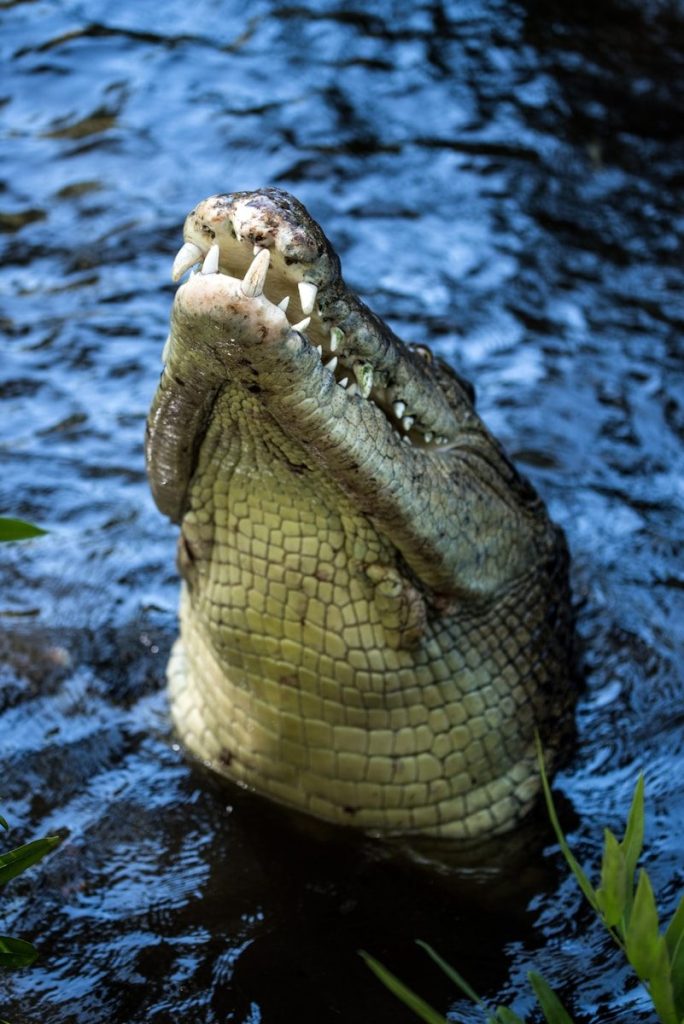
Although their family history includes major changes, modern crocodilians do share features that have proved remarkably effective. Their powerful jaws, strong bodies, armored skin, sensory abilities, and life around water create a combination suited to ambush hunting. Researchers studying crocodilian bite mechanics found that the basic system for generating very high bite forces remained remarkably consistent as crocodilians diversified. Changes in body size then allowed different species to produce very different levels of force.
The saltwater crocodile represents an extreme version of that successful design. It combines the basic crocodilian body plan with enormous adult size and exceptional physical power. It does not need to be the fastest animal or constantly chase prey to succeed. Instead, patience, concealment, sudden movement, and strong jaws work together. That combination helps explain why seeing a huge saltwater crocodile rise suddenly from apparently calm water remains such an impressive display of one of nature’s most successful predator designs.
Featured Image: Photo by David Clode on Unsplash
Leave a Reply