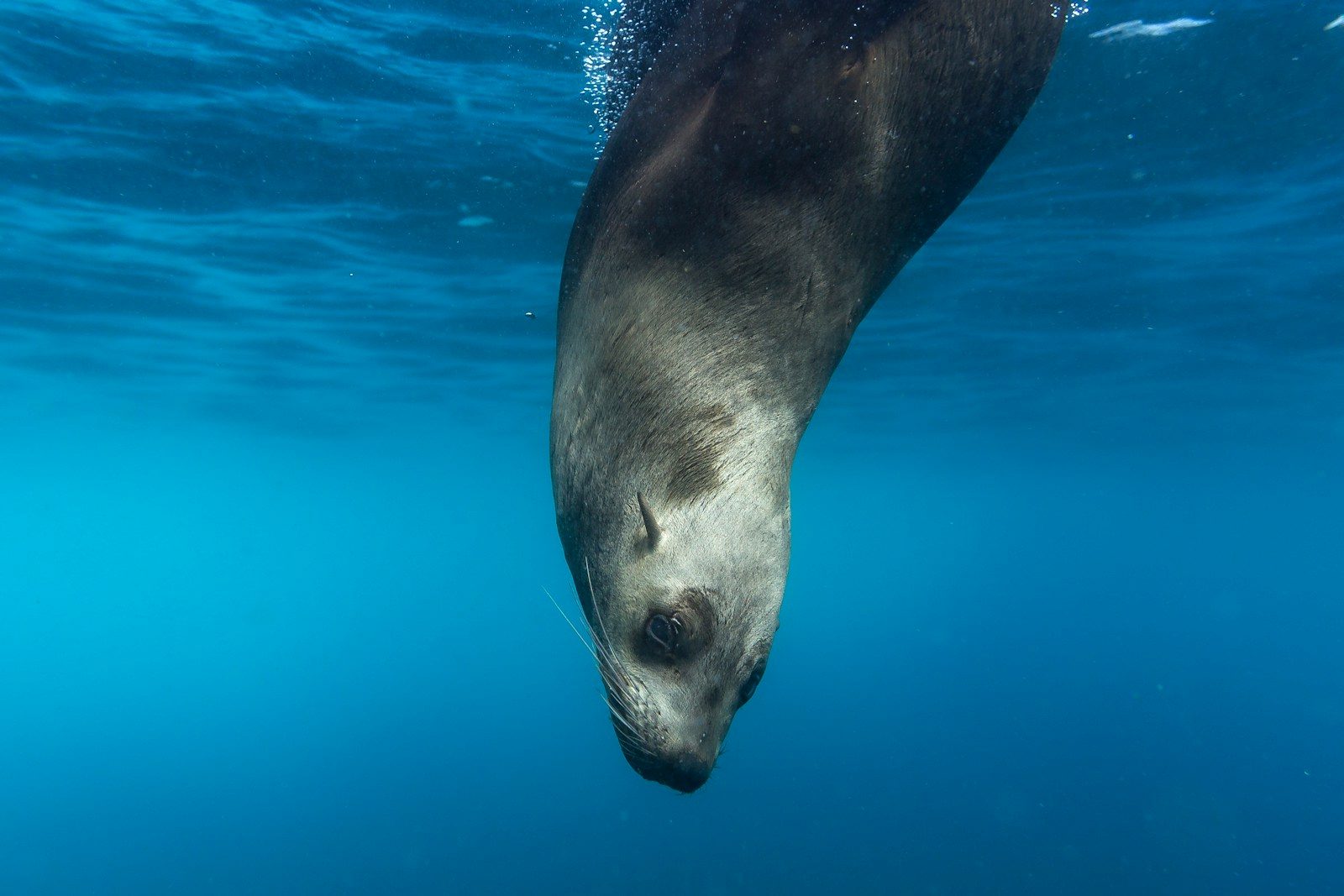
A piece of fishing gear can keep causing harm long after it enters the ocean. One injured seal showed exactly how serious that problem can become when it was found dragging a large fishing net behind its body. The seal fishing net rescue became urgent because entanglement can make normal movement harder and cause serious injuries over time.
In a documented rescue by Ocean Conservation Namibia, rescuers found a seal pup dragging a green fishing net and discovered a deep injury after removing it. The seal was eventually able to return to the ocean. Its story shows how abandoned or lost fishing gear can become a lasting danger for marine animals and why trained wildlife rescuers play such an important role.
The seal was dragging a large fishing net
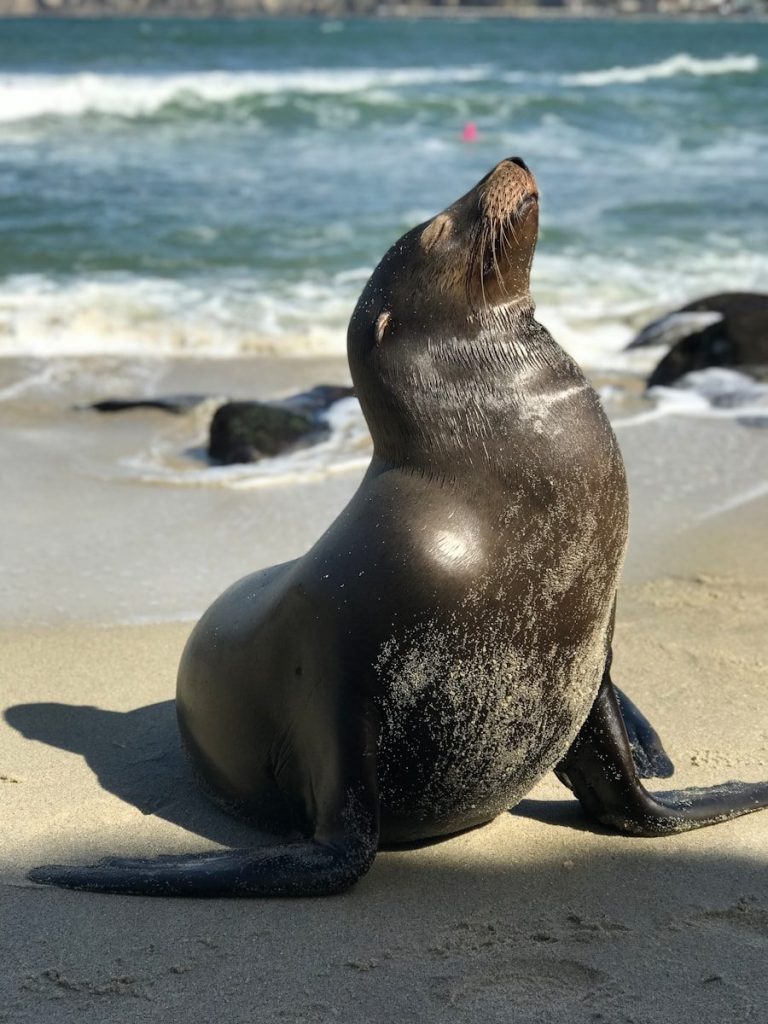
The seal was easy for rescuers to notice because a large piece of green fishing net was trailing behind it. This was not simply a loose object floating beside the animal. The seal had become caught in the material and was carrying it as it moved. Ocean Conservation Namibia documented the rescue and explained that the net gave its team a way to identify and catch the animal.
The situation shows one of the major dangers created by fishing gear that remains in the ocean. Nets are designed to catch animals, so they can continue doing exactly that after they are lost or abandoned. NOAA explains that lost fishing nets can remain in marine environments and trap wildlife that was never meant to be caught. Strong net materials can also remain in the environment for long periods, extending the threat beyond the original fishing activity.
The net had caused a serious injury
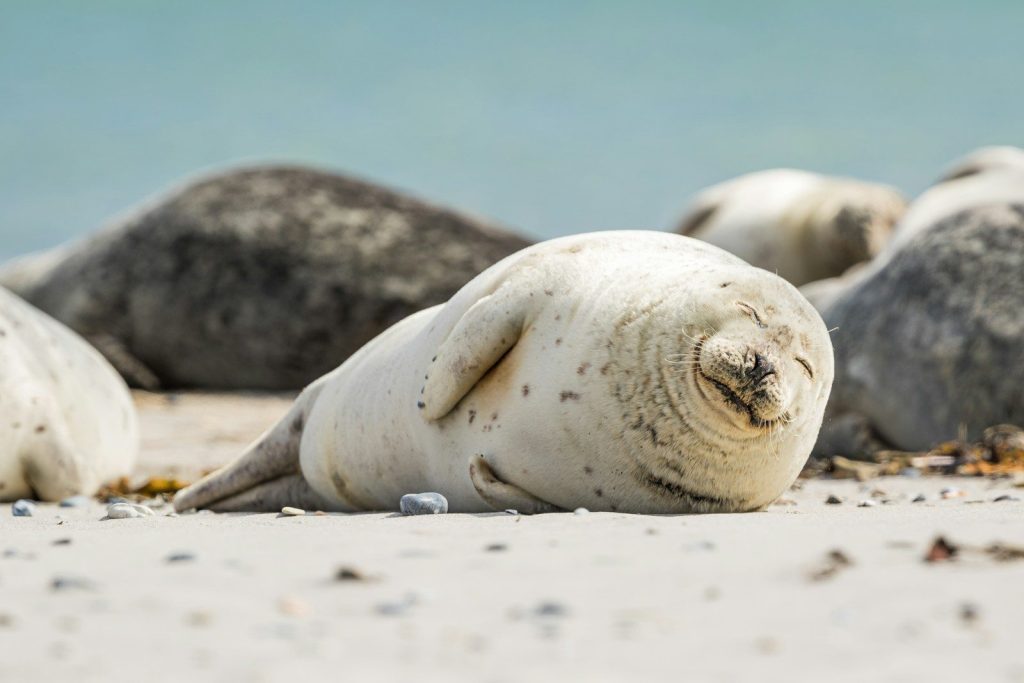
Once rescuers reached the seal, they discovered that the problem was worse than simply having to drag extra material. Ocean Conservation Namibia reported that the thick net had created a deep injury. Each time the seal moved, the material had pressed farther into its body. Removing the net, therefore, stopped an ongoing source of harm rather than simply freeing the animal from an inconvenience.
This type of injury is a known result of marine animal entanglement. NOAA says entangling material can cause wounds and additional energy use and may contribute to drowning or death. Other documented effects include infection, blood loss, reduced body condition, and difficulty performing normal behaviors. A seal may remain mobile while still facing a dangerous problem that can become worse over time.
Lost fishing gear remains dangerous underwater
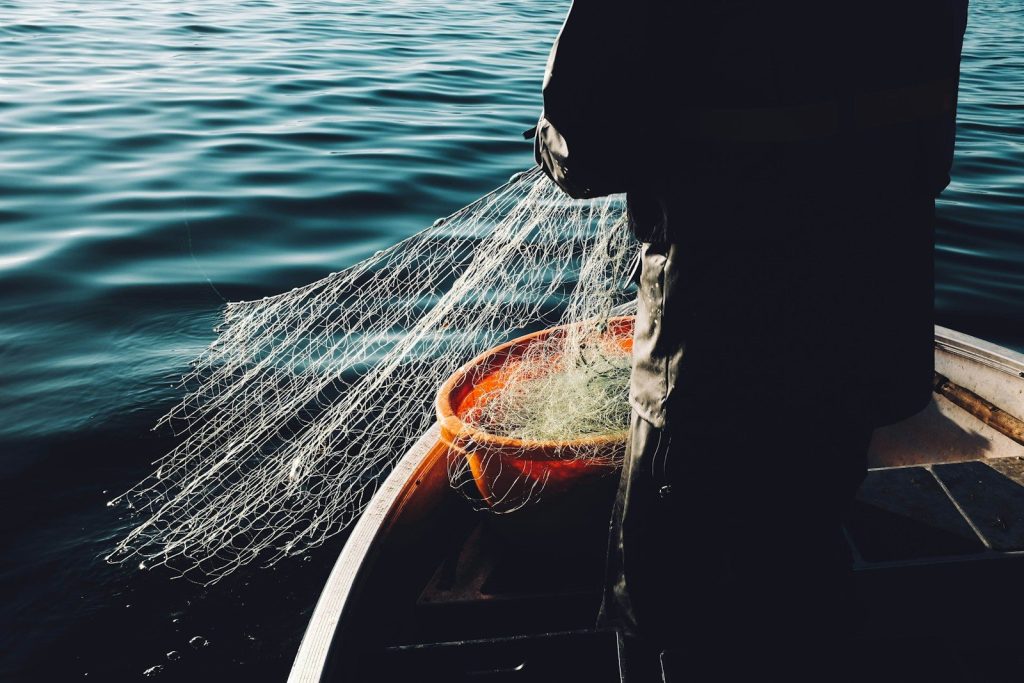
Fishing equipment does not automatically become harmless when people lose control of it. Nets, lines, ropes, and other equipment can continue moving through the marine environment or become trapped around underwater features. Wildlife can then swim into the material. NOAA calls lost, abandoned, or discarded fishing equipment derelict gear, and it can continue trapping animals after people are no longer actively using it.
Seals are among the animals vulnerable to this problem. NOAA lists nets, rope, line, monofilament line, plastic packing straps, and large rubber bands among materials capable of becoming wrapped around seals and sea lions. The shape of a seal’s body can also make some entanglements difficult to escape. Once material becomes trapped around the animal, simply swimming away may not solve the problem.
Entanglement can interfere with survival
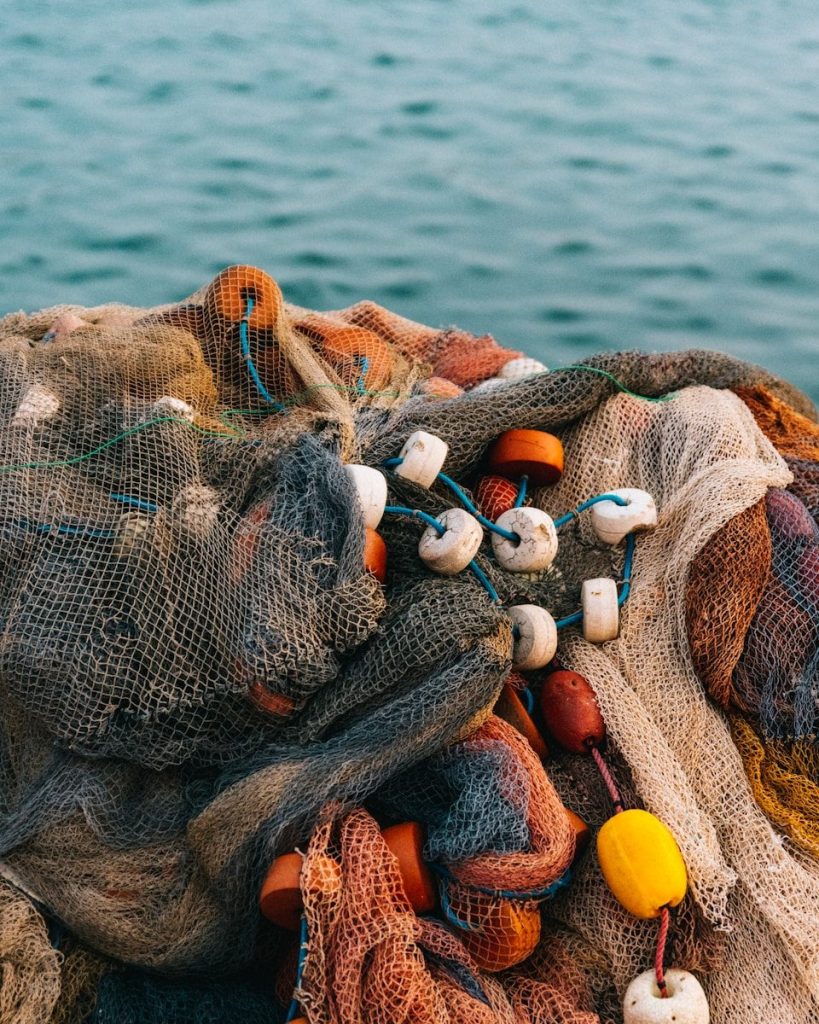
A seal needs to swim, find food, breathe at the surface, avoid threats, and move between water and land. Entangling material can interfere with those basic activities. NOAA says marine animals caught in fishing gear may have difficulty swimming and feeding. Depending on the type and amount of material, smaller marine animals can also face a risk of drowning.
The extra effort required to carry fishing gear can create another problem. NOAA identifies increased energy use as one of the effects of entanglement. An animal already dealing with an injury may therefore have to spend additional energy simply moving through its normal environment. Entanglements can also tighten or create deeper wounds, which may increase the danger if the material remains attached for a long period.
Trained rescuers can give seals another chance
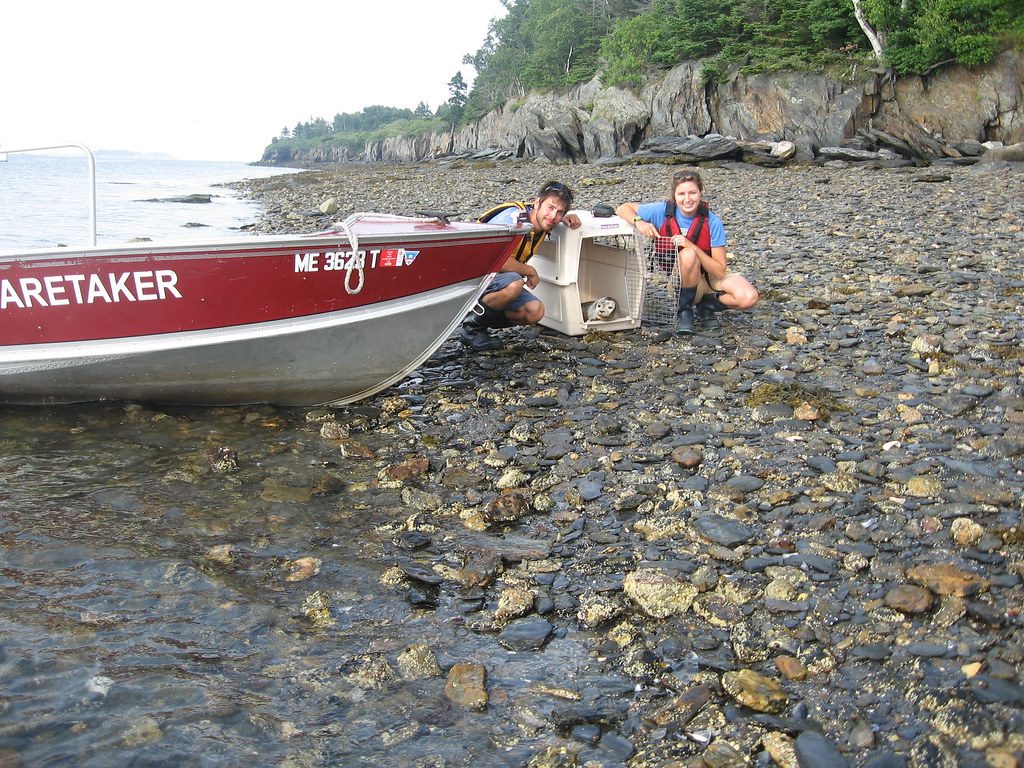
Finding an entangled seal does not mean a member of the public should immediately try to grab it. Marine mammals are wild animals, and a frightened or injured animal can behave unpredictably. Removing strong fishing gear can also require special equipment and experience. NOAA says marine mammal disentanglement should be handled by trained professionals because rescue attempts can be dangerous for both the animal and the person trying to help.
In the documented Ocean Conservation Namibia rescue, the team caught and restrained the seal before removing the thick net. After the material was removed, the seal was released and returned to the ocean. The outcome demonstrates why experienced rescue teams matter. Removing some or all of an entanglement can increase an animal’s chances of survival, according to NOAA, while also allowing experts to study the recovered material.
Preventing entanglement starts with marine debris
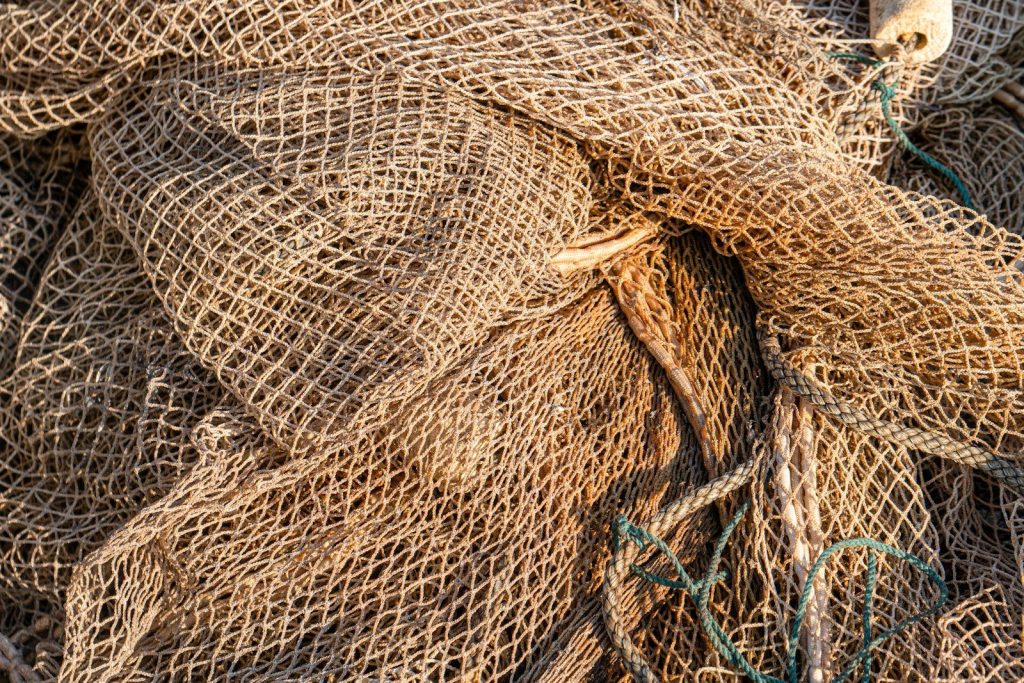
Rescues can save individual animals, but preventing fishing gear from becoming marine debris addresses the problem earlier. NOAA recommends that people fishing or boating never leave fishing equipment or trash behind. Community cleanup projects can also remove debris before it reaches waterways or becomes a danger to wildlife. These actions matter because lost gear can remain strong enough to trap animals long after it has been abandoned.
The injured seal provides a clear example of what can happen when durable fishing material and wildlife meet. The animal survived long enough for rescuers to locate it, remove the net, and return it to the ocean, but many entanglements can have far worse outcomes. NOAA says entanglement and ingestion of fishing gear and marine debris remain global problems affecting many marine species. Keeping that material out of the ocean can prevent an animal from needing a rescue in the first place.
Featured Image: Photo by Samuel Scrimshaw on Unsplash
Leave a Reply