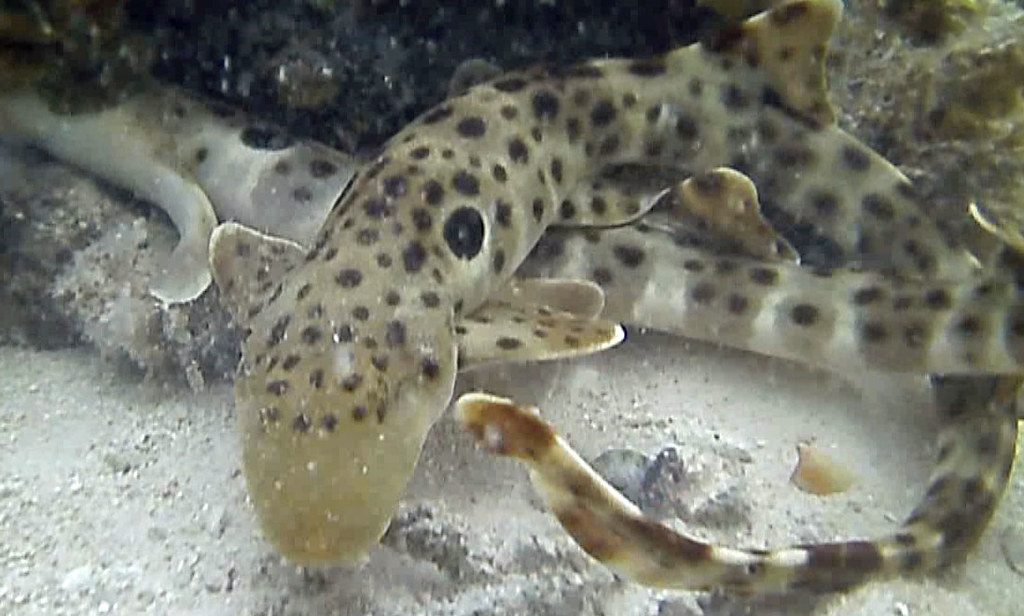
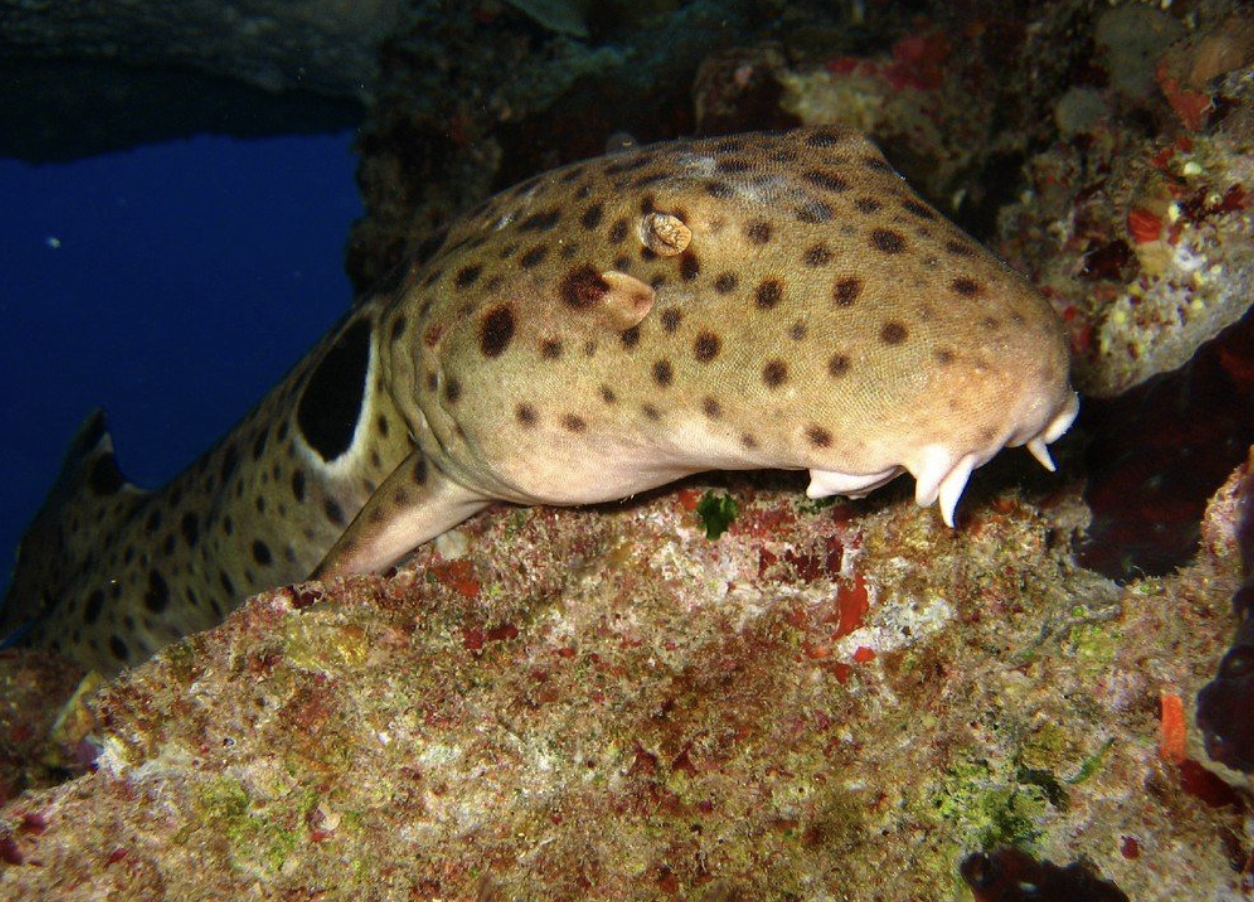
The epaulet shark, Hemiscyllium ocellatum, is a small bottom-dwelling shark found on shallow coral reefs around Australia and New Guinea. Unlike most sharks, it can use its paired pectoral and pelvic fins to perform a distinctive walking motion across the reef floor and even across partially exposed reef surfaces.
This ability is particularly useful when falling tides isolate shallow pools from the surrounding ocean. Instead of remaining trapped in deteriorating conditions, epaulet sharks can move through extremely shallow water and negotiate complex reef surfaces in search of more suitable habitat.
Low tide creates an oxygen problem
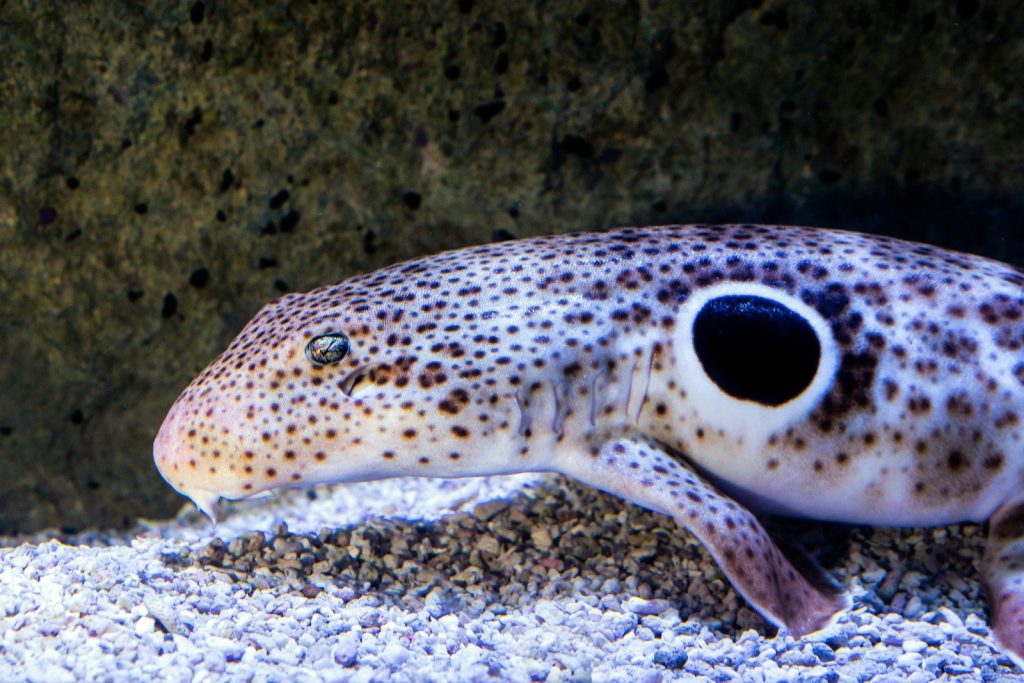
Epaulet sharks inhabit reef flats where water conditions can change dramatically as tides rise and fall. When low tide isolates sections of reef, respiration by reef organisms can sharply reduce dissolved oxygen, particularly at night.
Measurements cited in physiological research found oxygen concentrations on the Heron Island reef platform falling from 6.8 mg/L to 2.1 mg/L, with minima around 1.2 mg/L under calm conditions. The claim that oxygen routinely falls by “more than 80%” should therefore be tied to a particular measurement rather than presented as universal across these reefs.
Their fins function almost like legs
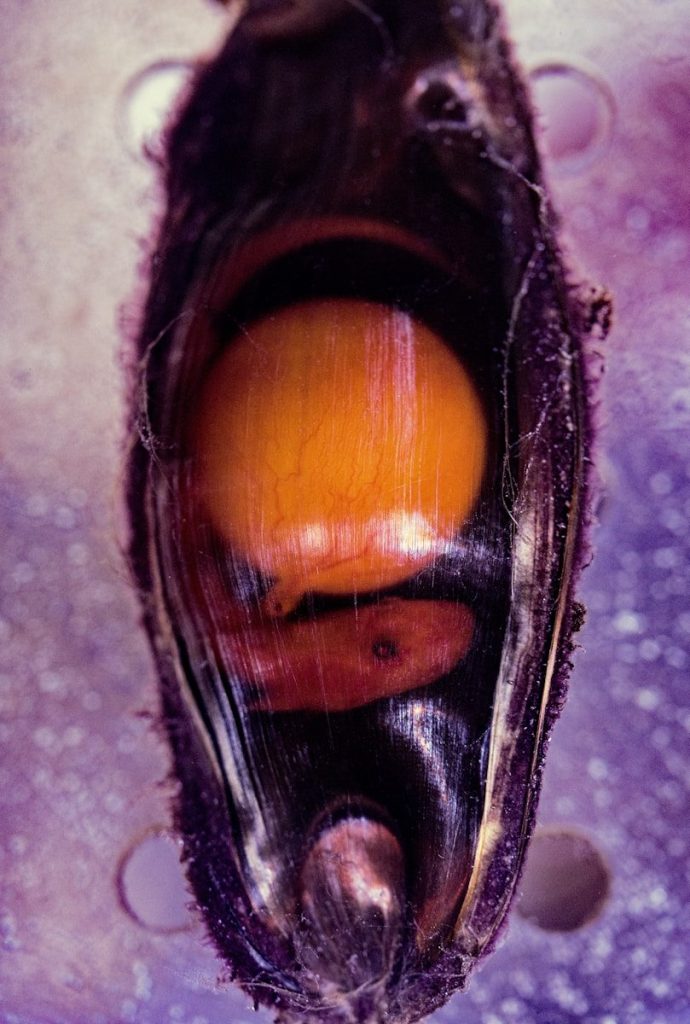
The shark does not literally have shoulders or legs. Instead, its anatomy allows the pectoral and pelvic fins to rotate substantially while its body bends from side to side, producing a coordinated stepping movement.
Researchers have identified specialized musculature, unusually flexible fin movements, and substantial changes in fin shape as the fins contact the substrate. Juvenile sharks can already perform the walking gaits documented in adults, showing that this unusual locomotion develops very early in life.
They can endure hours with little oxygen
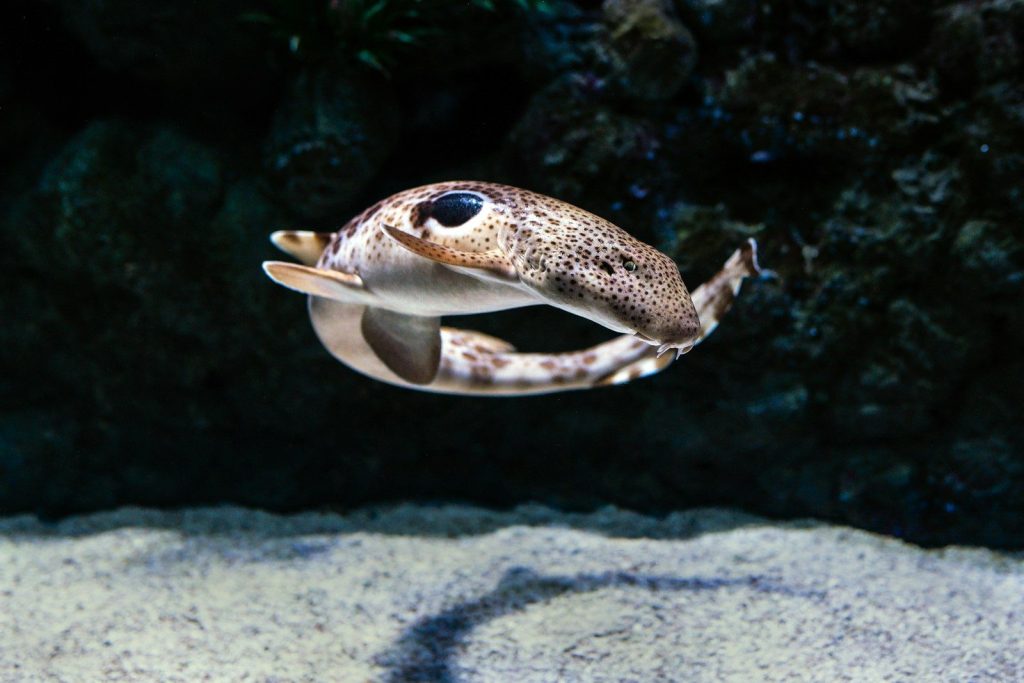
The epaulet shark’s most extraordinary adaptation may be its tolerance of hypoxia. Scientific literature describes the species surviving hours of extremely low oxygen, while the Florida Museum reports survival for as long as about 3.5 hours under hypoxic conditions without an observed decline in neurological function.
So “up to three hours” is broadly defensible, but saying the shark remains fully conscious throughout near-total hypoxia is stronger than the evidence presented here. Scientists instead document the remarkable preservation of neurological and physiological function under conditions that many vertebrates could not tolerate.
Its body enters an energy-saving state
The shark survives partly by reducing how much energy its tissues require. Research describes bradycardia, lower blood pressure, reduced metabolic activity, increased adenosine signaling, and decreased glutamate release during severe oxygen limitation.
Its circulatory responses also help protect particularly sensitive organs. Vasodilation and other mechanisms maintain blood flow to the brain, while cellular defenses help limit damage associated with oxygen deprivation and subsequent reoxygenation.
Walking does not mean evolution reversed
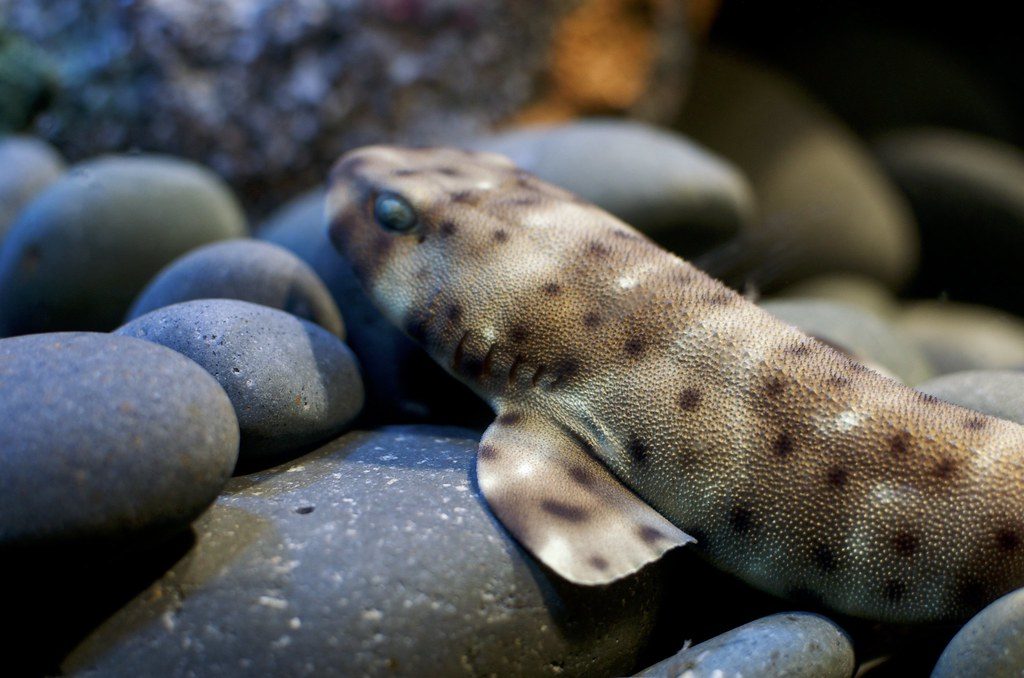
Watching a shark apparently walk across a reef naturally invites comparisons with the ancient vertebrates that eventually colonized land. But an epaulet shark is not recreating or reversing that evolutionary transition. Its movement is a specialized adaptation to the shallow, structurally complicated reef habitat in which it lives.
Modern biomechanical research describes epaulet locomotion as an aquatic walking system combining fin movements with lateral bending of the body. It is scientifically interesting because it demonstrates that limb-like locomotion can evolve independently in fishes facing very different environmental pressures.
Climate change is not necessarily good news
The idea that warming oceans could simply benefit these unusually resilient sharks needs correction. A 2026 review found that adults and juveniles retain impressive tolerance to hypoxia and elevated CO₂, but warming creates significant physiological problems, particularly during early development.
Experiments have found embryos hatching earlier and smaller under warmer conditions, while higher temperatures can increase metabolic costs, impair growth, and narrow aerobic performance. Epaulet sharks may therefore handle some environmental stresses better than many fish, but current research does not support claiming that climate change will necessarily expand their territory or benefit the species.
Featured Image: “Epaulette sharks in mating ritual” by Marine Explorer is licensed under CC BY-NC-SA 2.0
Leave a Reply