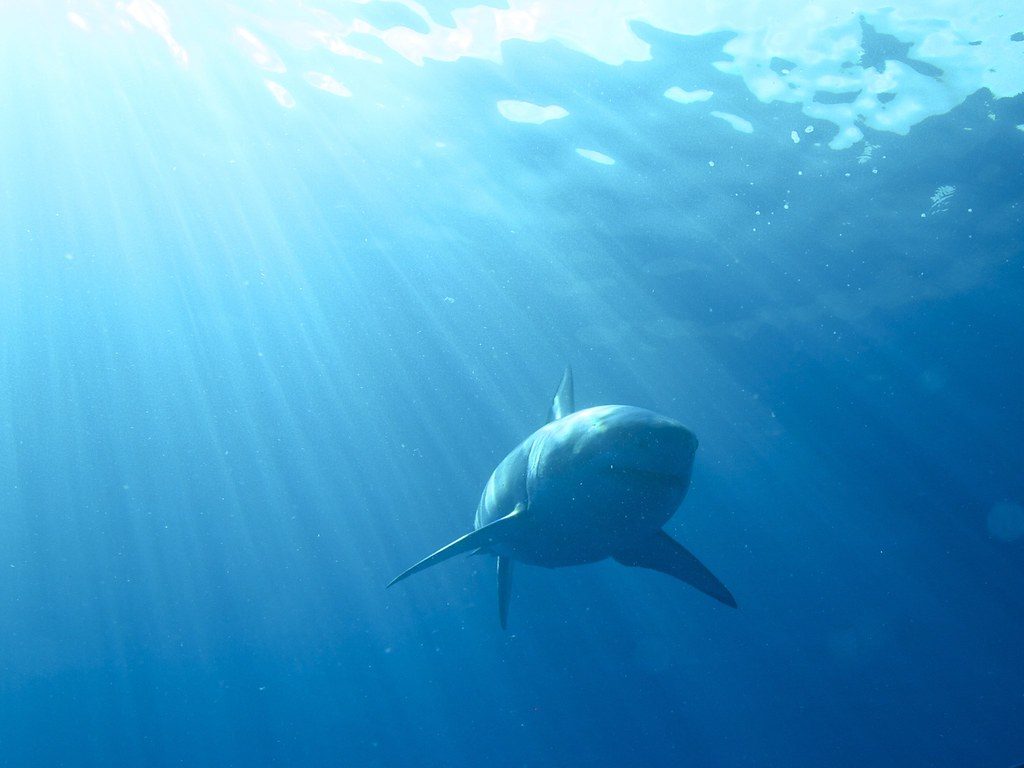
Contender is an adult male great white shark tracked by OCEARCH in the western North Atlantic. Researchers tagged him on January 17, 2025, about 45 miles off the Florida and Georgia coastline, making his movements available to researchers through satellite tracking.
At tagging, Contender measured 13 feet 9 inches, or about 4.2 meters, and had an estimated weight of 1,653 pounds, or about 750 kilograms. OCEARCH describes him specifically as the largest male white shark it has tagged in the western North Atlantic, which is more precise than calling him the largest great white ever recorded.
His latest track puts him far north
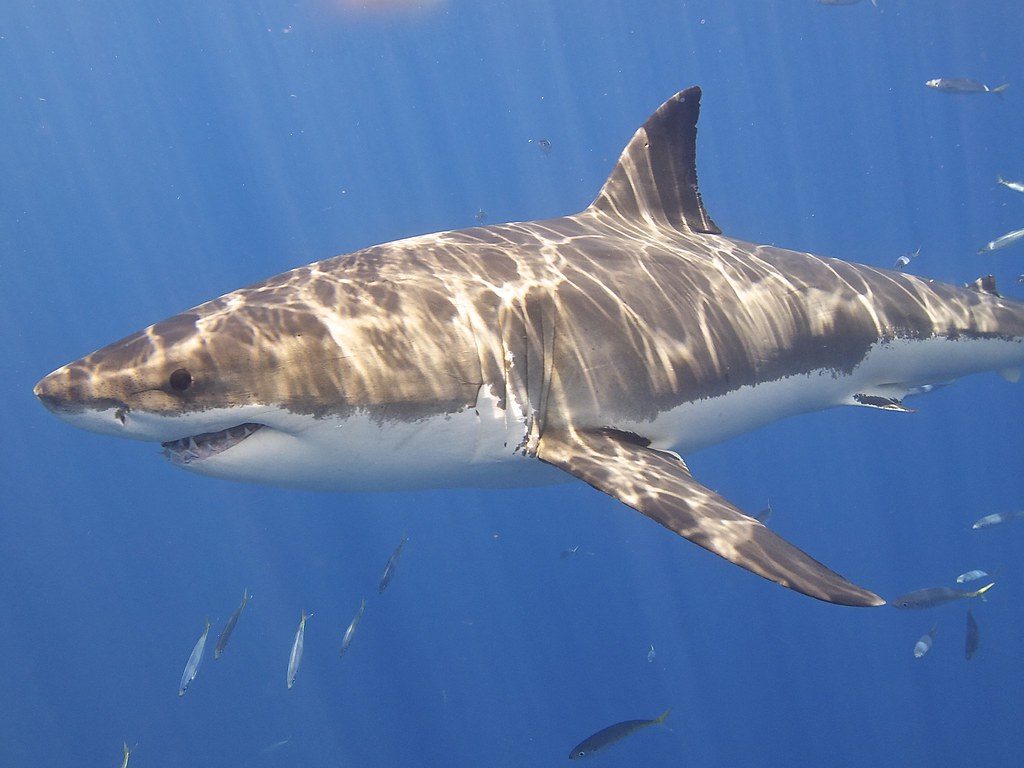
Contender completed another substantial northward migration during summer 2026. Recent tracking information places him around Nova Scotia, rather than immediately off New Jersey or Cape Cod, with coordinates published by the tracker around 46.4° N and 60.2° W in late July.
That makes some recent headlines describing him as simply “heading toward New Jersey” outdated. Reports in late July and early August described his northward progress, but subsequent tracking showed that he had already traveled considerably farther north toward Canadian waters.
His journey follows a seasonal pattern
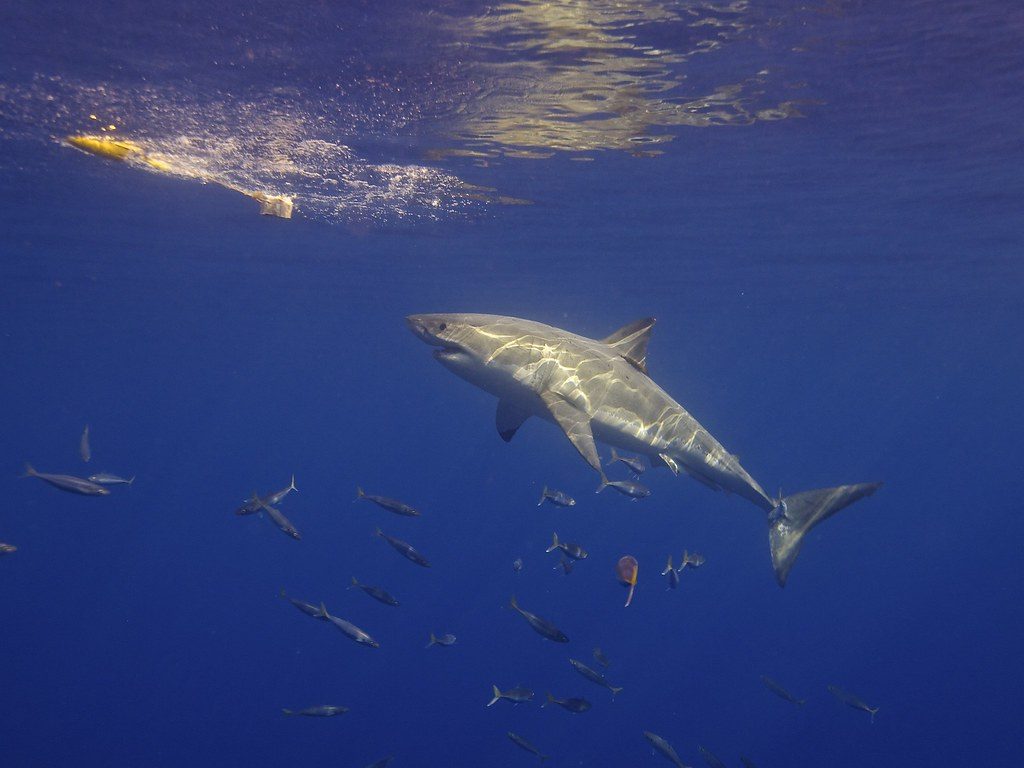
Western North Atlantic white sharks undertake extensive seasonal migrations. OCEARCH research shows sharks moving between summer and fall feeding areas around the northeastern United States and Atlantic Canada and warmer winter habitats farther south.
Tracking also shows that individual sharks can repeatedly favor particular northern feeding areas. OCEARCH describes this tendency to return to specific summer feeding regions, including Cape Cod or Atlantic Canada, as philopatry.
His tag only works when he surfaces
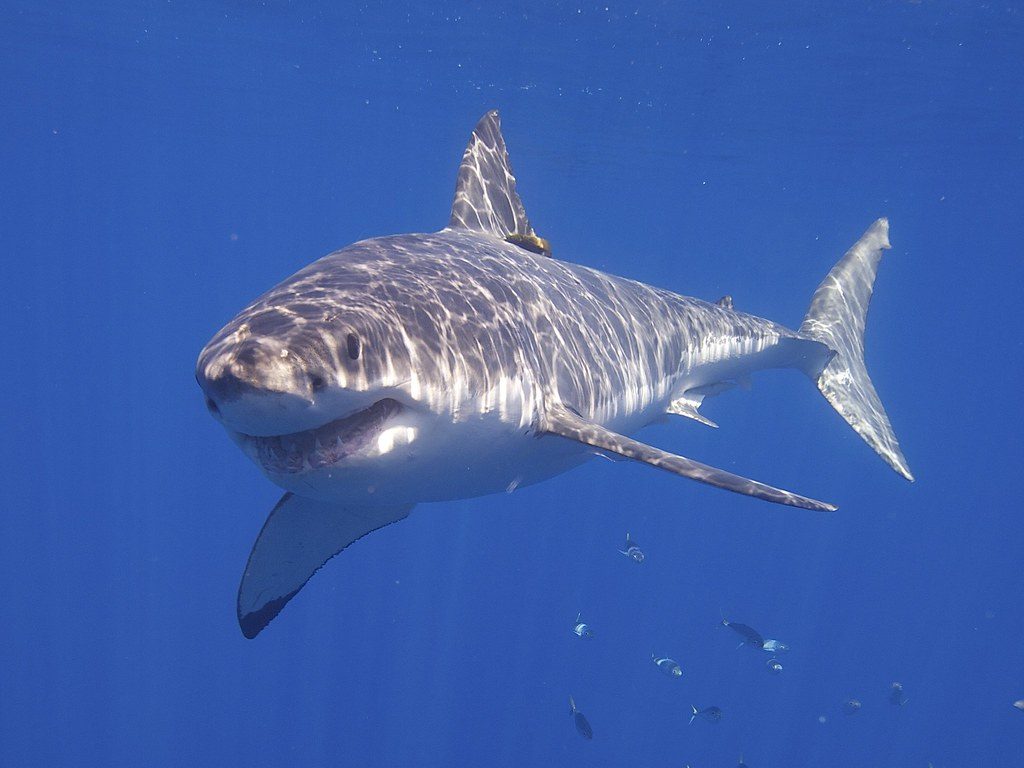
Contender carries a satellite-linked SPOT tag that helps researchers follow his large-scale movements. Because the antenna must emerge from the water to communicate successfully with satellites, researchers do not receive a continuous GPS trail while the shark remains submerged.
That limitation explains why Contender can seemingly disappear from tracking maps and then suddenly reappear. A brief surfacing may produce only a partial transmission, while a sufficiently long exposure can provide researchers with a usable location.
His size needs some context
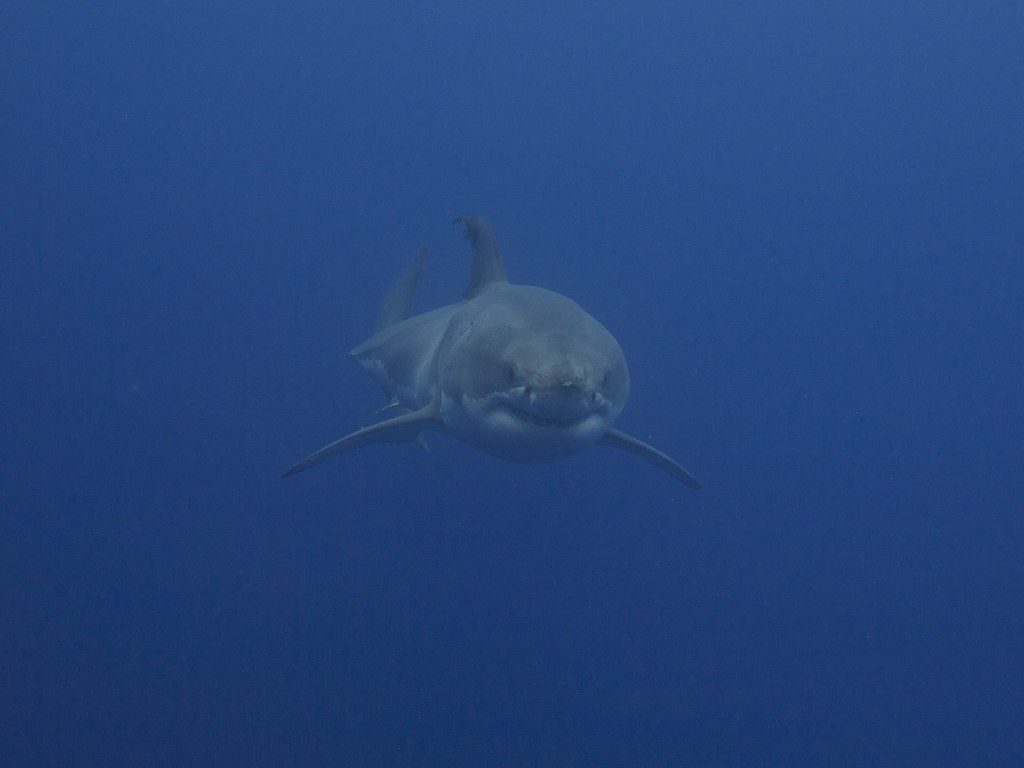
At nearly 14 feet, Contender is unquestionably an exceptionally large male. However, reports calling him the largest great white shark ever recorded in the Atlantic go beyond OCEARCH’s narrower and better supported distinction that he is its largest tagged male in the western North Atlantic.
Female great whites can become considerably larger than Contender. Therefore, his record is significant because of his sex and OCEARCH’s research sample, not because scientists believe no larger great white has ever existed or been documented.
Tracking helps scientists understand sharks

Contender’s importance extends beyond his impressive measurements. His tag contributes data about the movements, feeding areas, and migration of mature male white sharks, an age and size class that researchers have historically found relatively difficult to study.
OCEARCH says its broader western North Atlantic research has documented a coastal range extending from Atlantic Canada to the Gulf of Mexico. Tracking individuals through repeated migrations helps scientists identify important seasonal habitats across that enormous range.
A tracked shark is not a beach emergency
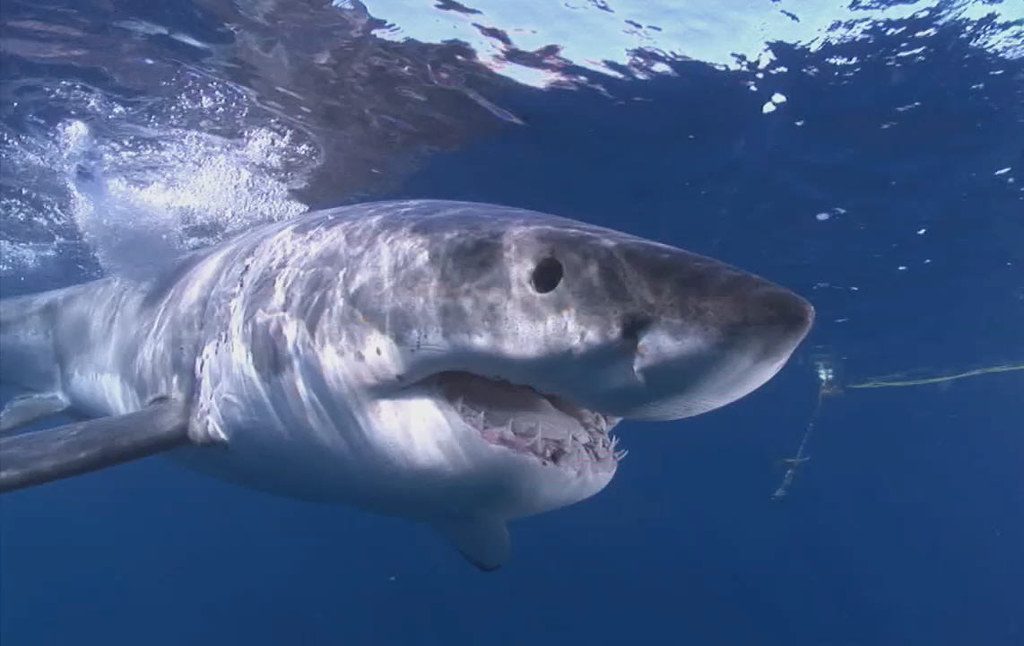
A large shark appearing on a tracking map can sound alarming, particularly when its route passes regions with popular beaches. But OCEARCH’s research notes that white sharks occur near swimming beaches from Nova Scotia to Florida, while documented incidents involving people remain comparatively uncommon.
Contender’s satellite tag primarily makes an otherwise largely unseen natural migration visible. As of the latest reliable tracking information I found, the more accurate 2026 story is that the 1,653-pound shark completed a major northward journey into Atlantic Canadian waters, rather than that he is currently bearing down on crowded New Jersey beaches.
Featured Image: “Great White Shark” by Elias Levy is licensed under CC BY 2.0
Leave a Reply