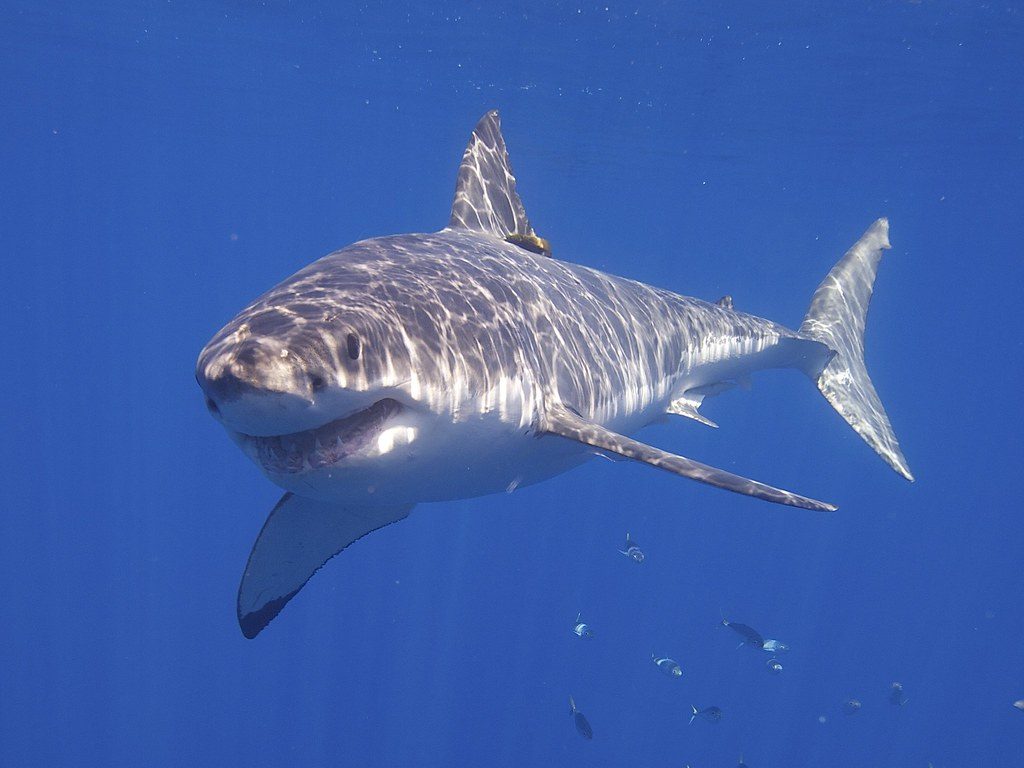
Great white sharks often hunt seals by approaching from below, using depth and darker water to reduce the chance of being detected. Around seal colonies, researchers have documented sharks accelerating toward animals near the surface and sometimes carrying enough momentum to breach completely out of the water.
This ambush strategy makes the opening moments especially important. A seal that detects the shark before contact can suddenly change direction, while an undetected seal has far less opportunity to respond once the shark begins its final acceleration.
Their acceleration creates very little warning

Great whites belong to the lamnid shark family, whose physiology allows their swimming muscles to remain warmer than the surrounding seawater. Combined with a streamlined body and powerful tail, this adaptation allows them to produce impressive short bursts of speed when pursuing prey.
However, the specific claim that a shark reaches 27 mph and covers the final 8.5 feet in exactly 0.25 seconds should be presented cautiously unless the original footage or research provides those measurements. At a constant 27 mph, 8.5 feet would actually take about 0.21 seconds, so those figures do not precisely match.
Seals can turn faster than their pursuers
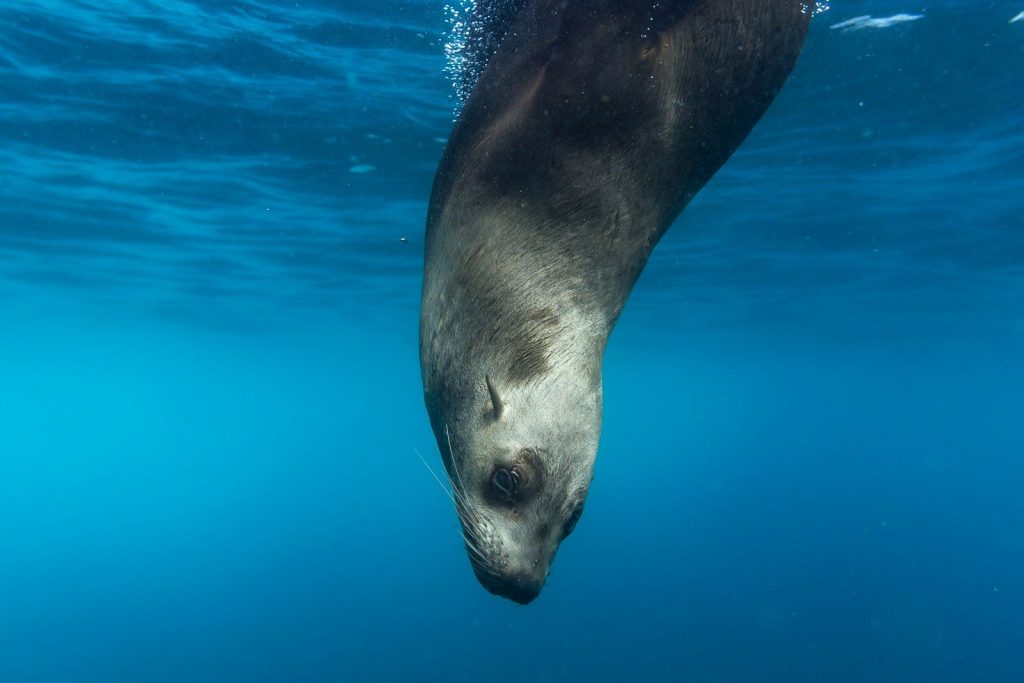
Great whites have enormous power, but seals have an important defensive advantage in close pursuits. Their smaller bodies allow rapid changes in direction that can make it difficult for a much larger shark to continually match their movements.
Footage of white shark predation has documented seals zigzagging during pursuits and even moving back toward an attacking shark. National Geographic footage from Cape Cod similarly captured a gray seal twisting and changing direction as it successfully escaped a pursuing great white.
Shark cameras reveal hidden pursuits
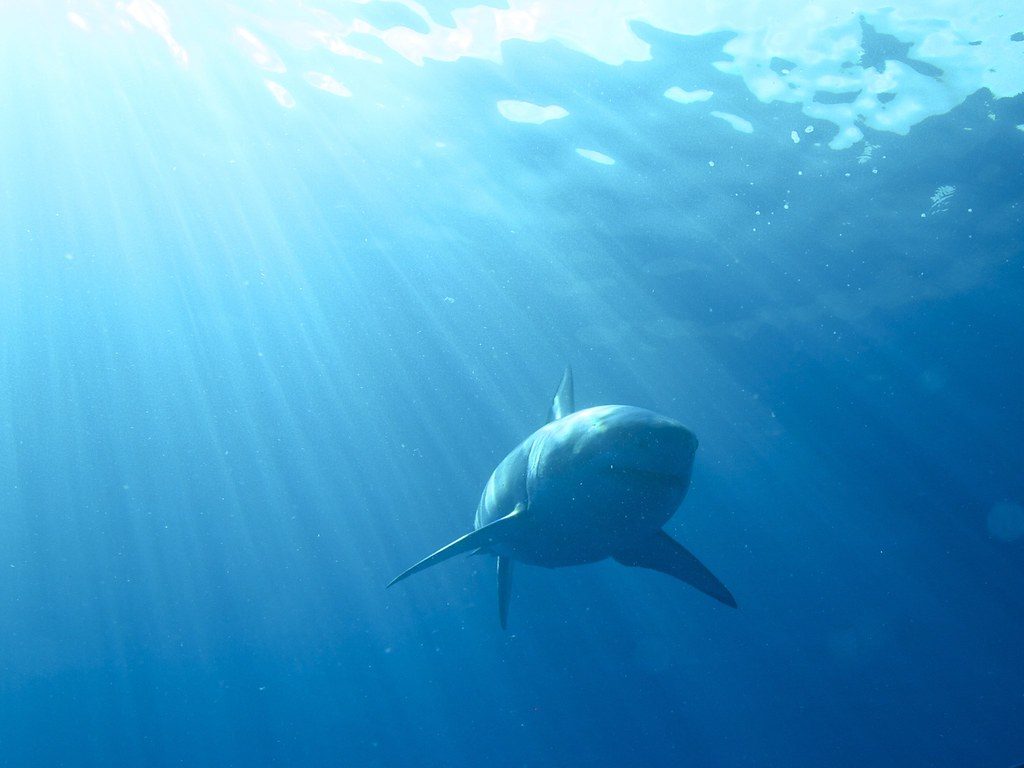
Animal-mounted cameras and motion sensors have transformed scientists’ ability to observe white shark behavior underwater. One study equipped 8 white sharks measuring 2.75 to 3.65 meters long with cameras and motion-sensing instruments near a Cape fur seal colony in South Africa.
Researchers collected more than 28 hours of video and recorded interactions between the sharks and Cape fur seals. The seals displayed evasive behavior, including moving deeper into kelp and using the complex habitat to successfully avoid pursuing sharks.
A missed ambush can become a chase
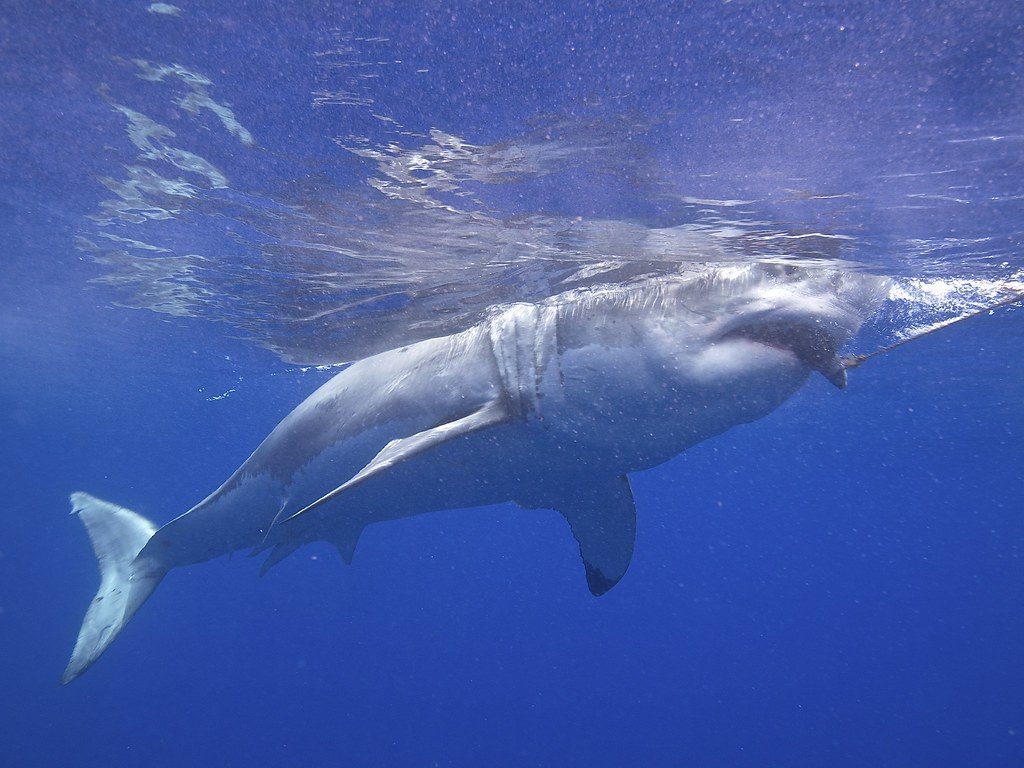
The initial surprise attack gives a great white an important advantage because prolonged pursuit gives an alert seal more opportunities to maneuver. Observations at South Africa’s Seal Island have documented attacks developing into surface chases when the shark fails to capture the seal immediately.
During these pursuits, seals can repeatedly zigzag while the shark follows with powerful bursts. Some seals have even been observed leaping toward the pursuing shark, illustrating how unpredictable evasive movements can complicate the predator’s attempt to anticipate its prey’s path.
Even great whites regularly miss prey
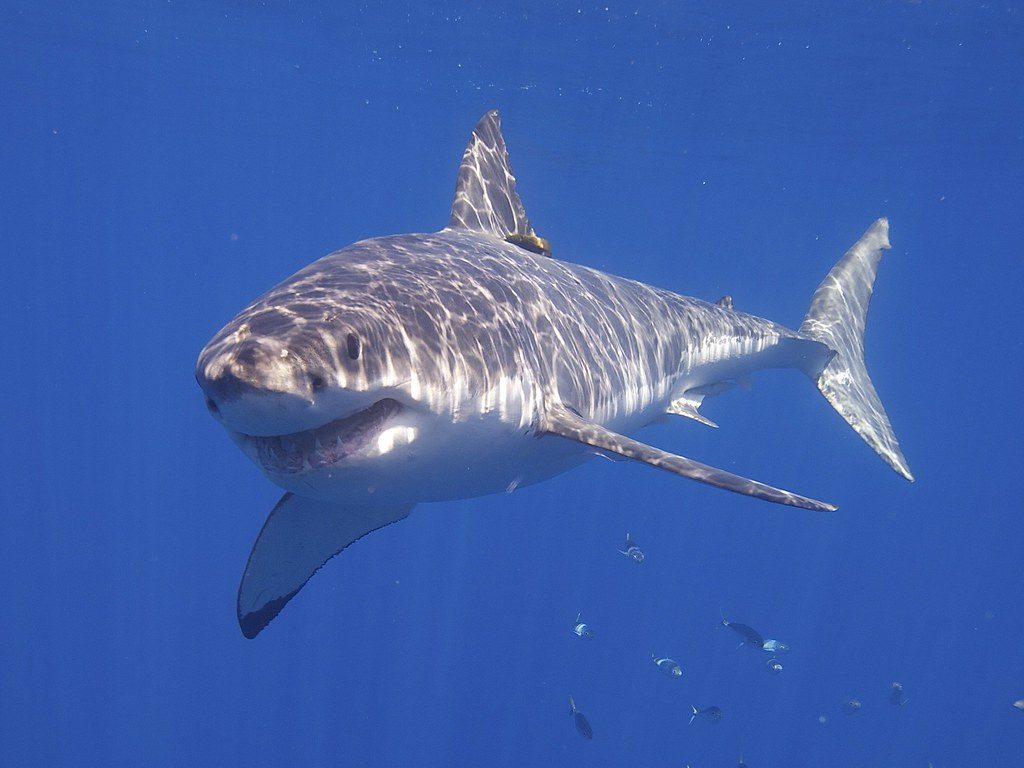
A dramatic attack does not guarantee a successful hunt. Researchers have documented unsuccessful predation attempts in several locations, including a Cape Cod encounter in which a roughly 12-foot great white accelerated after a gray seal but ultimately failed to capture it.
The claim that great whites fail in nearly 60% of their hunts needs a specific study, location, and definition of hunting success before it can safely be stated as a general figure. Success rates vary with prey, habitat, shark experience, and how researchers define an attack.
Split-second encounters reveal both adaptations
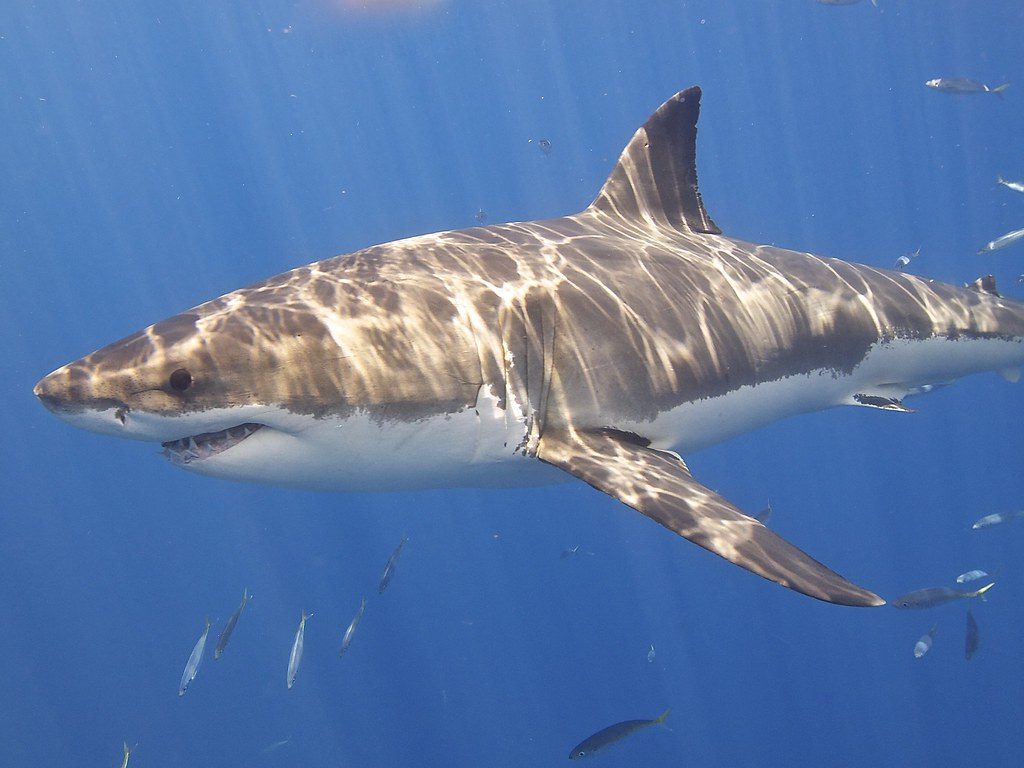
Great white sharks illustrate how speed, surprise, and powerful acceleration can favor a predator. Seals demonstrate the opposite strategy, relying heavily on awareness, maneuverability, and rapid changes in direction when an attack is detected.
That combination explains why these encounters can change extraordinarily quickly. Frame-by-frame observations from Smithsonian Ocean describe great white attacks on seals as requiring split-second timing, but the outcome still depends on whether the shark’s initial ambush succeeds or gives its prey an opportunity to evade it.
Featured Image: “Great White Shark” by Elias Levy is licensed under CC BY 2.0
Leave a Reply