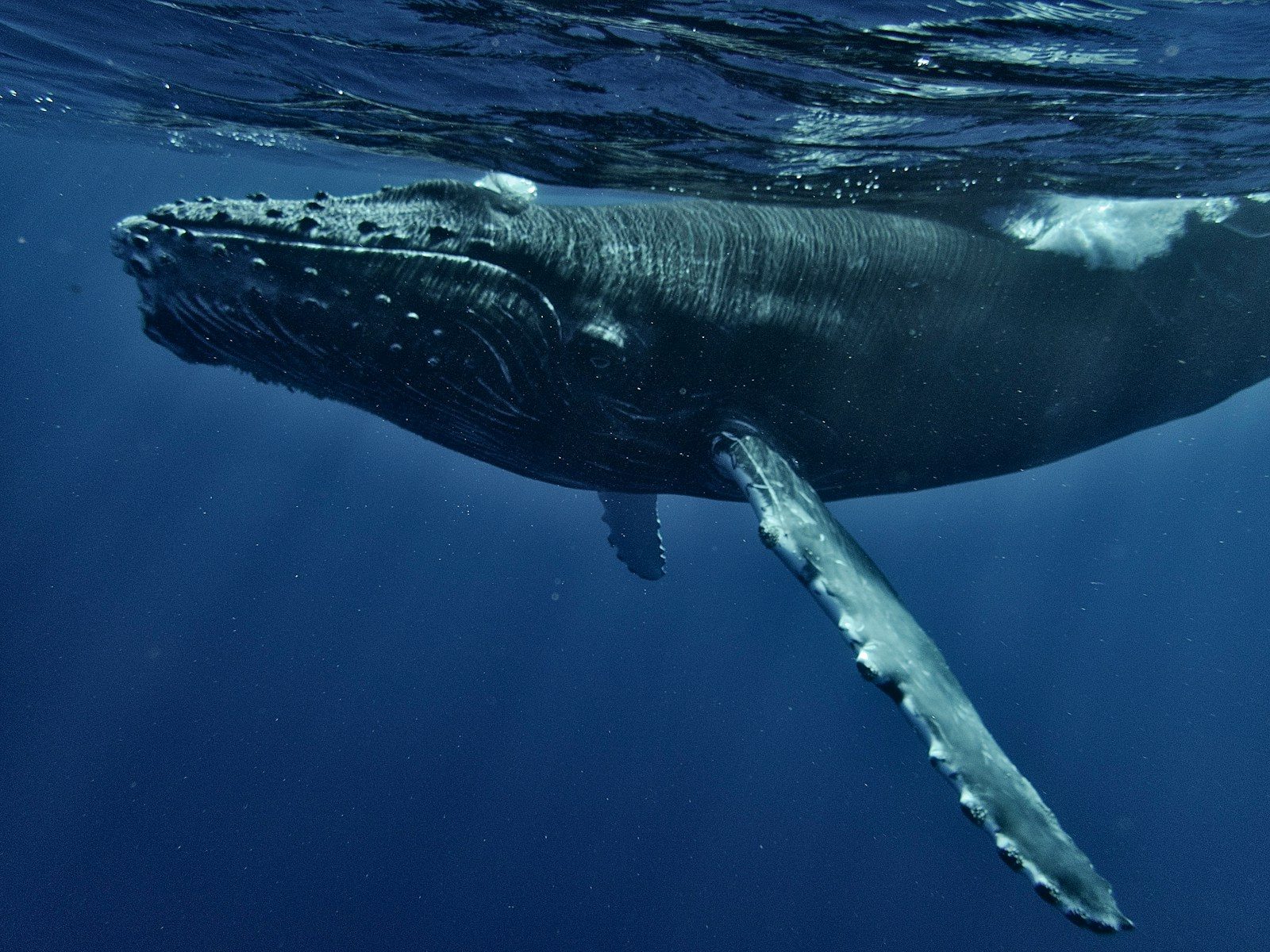
The death of a blue whale is already a spectacular event. But in the remote waters of New Caledonia, the enormous carcass became something even more dramatic: a feeding ground for dozens of sharks.
A 50-foot blue whale, one of the largest animals ever known to have lived on Earth, had died beneath the Pacific surface. As its body began releasing oil, fat, and other nutrients into the surrounding water, the scent spread through the bay.
It did not take long for predators to arrive.
The whale’s death sends a signal through the ocean
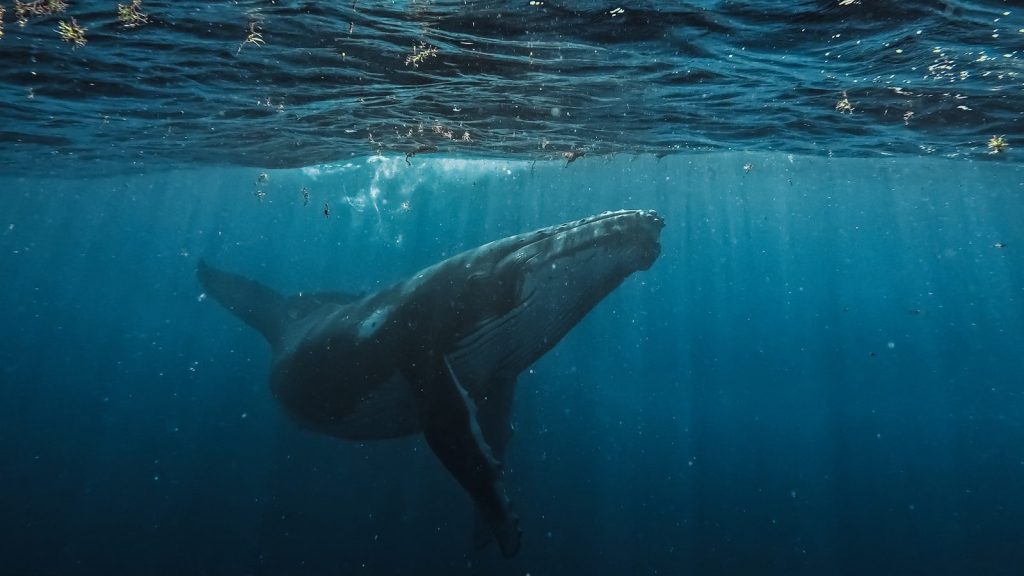
A dead whale can become an enormous source of food for marine animals. As the carcass begins to break down, its remains attract predators and scavengers from the surrounding waters.
For sharks, the scent can act like a dinner bell, drawing them toward the source from considerable distances.
But this was not a quiet gathering.
Dozens of sharks arrive at once
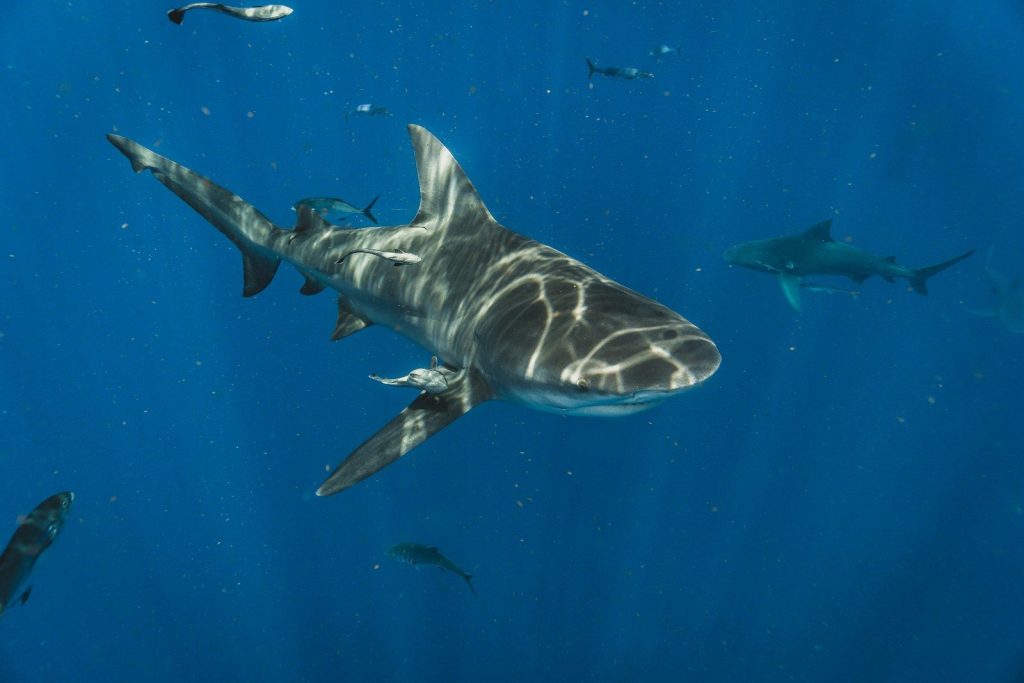
Instead of seeing one or two sharks circling the carcass, the scene quickly turned into a massive gathering.
Around 40 sharks converged on the dead whale, creating a chaotic feeding frenzy beneath the surface.
With so much food concentrated in one place, the predators had little reason to leave. The enormous carcass provided enough flesh to attract shark after shark.
A blue whale becomes an underwater buffet
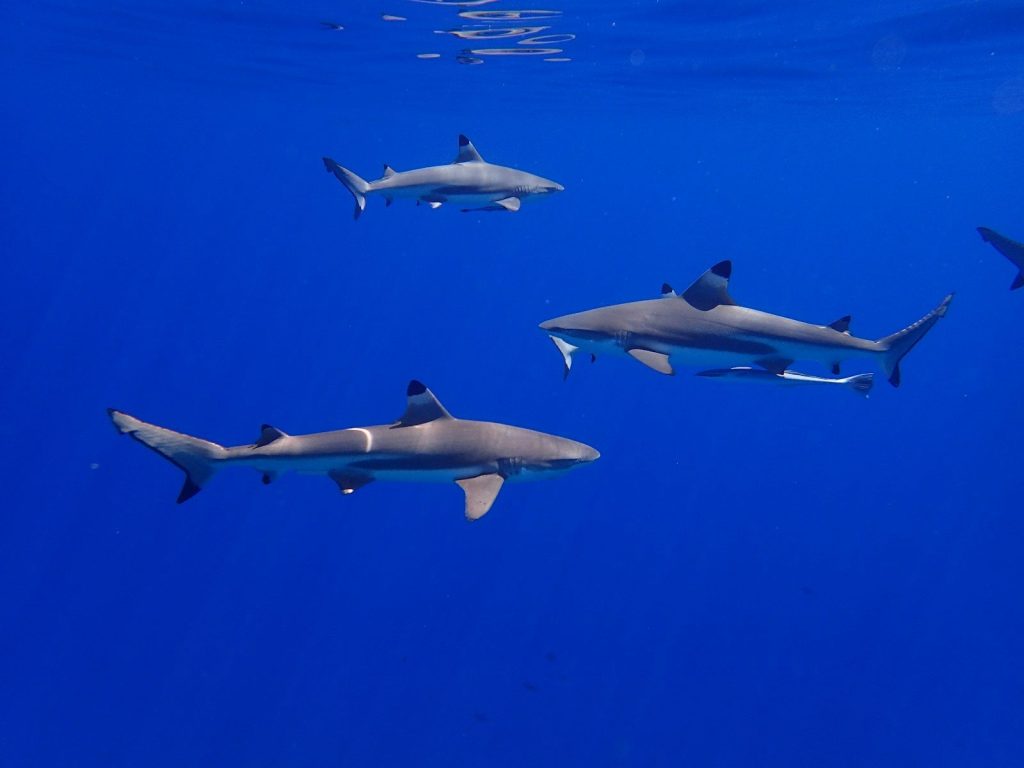
A blue whale can reach enormous sizes, meaning even its remains can provide food for marine life for an extended period.
As the carcass breaks apart, different creatures can take advantage of it. Sharks may consume large portions of the soft tissue before other scavengers eventually arrive.
What looks like a tragedy from the surface therefore becomes an important event for the surrounding ecosystem.
The feeding frenzy shows how sharks find food
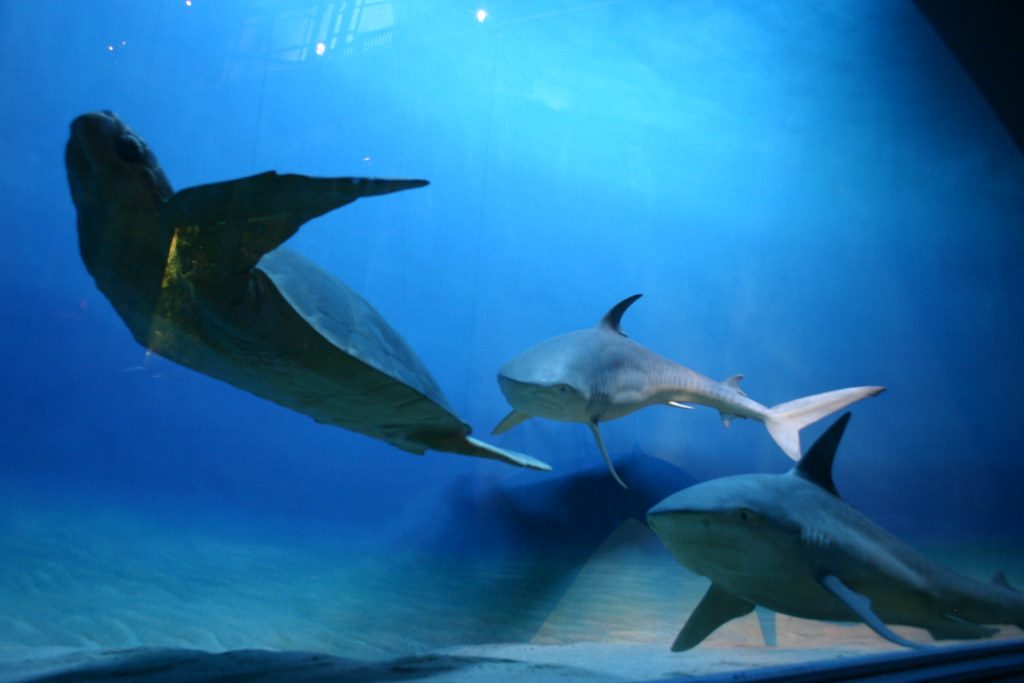
The gathering also highlights just how efficiently marine predators can detect potential food.
The smell of biological material can travel through seawater, allowing sharks to investigate unusual activity from far away.
Once several sharks begin feeding, their presence can attract even more predators to the same location.
One of nature’s most brutal recycling systems
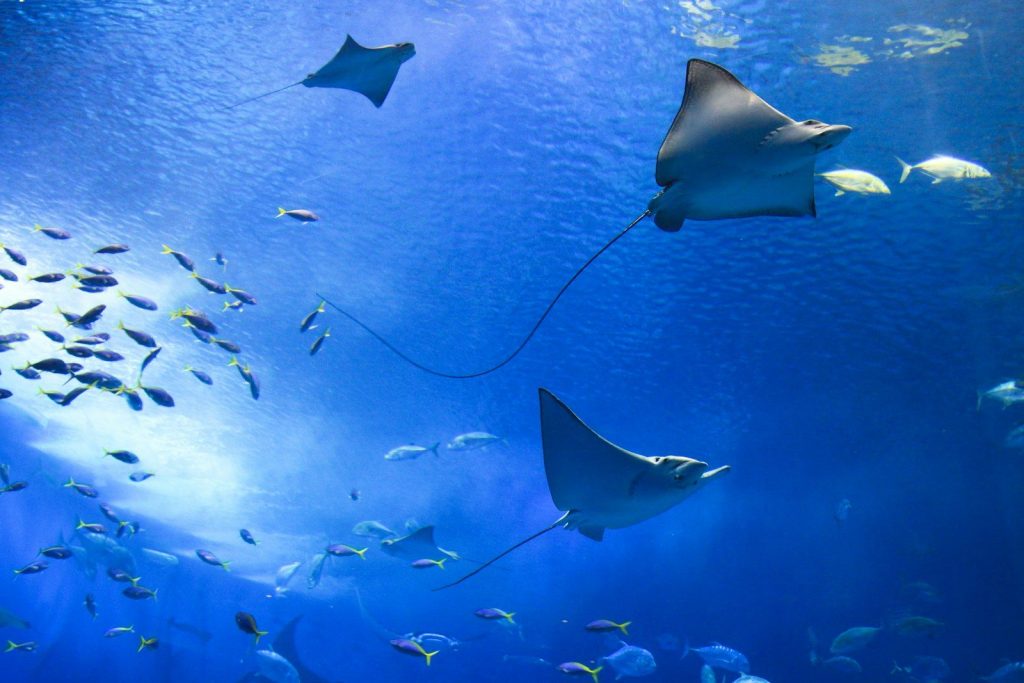
A dead whale may look like the end of a story, but in the ocean, it can be the beginning of another.
The enormous animal’s remains become food for sharks and other marine organisms, transferring its stored energy back into the ecosystem.
And with roughly 40 sharks descending on this particular blue whale, the scene offered a spectacular look at one of the ocean’s most intense natural feeding events.
Featured Image: Photo by Chinh Le Duc on Unsplash
Leave a Reply