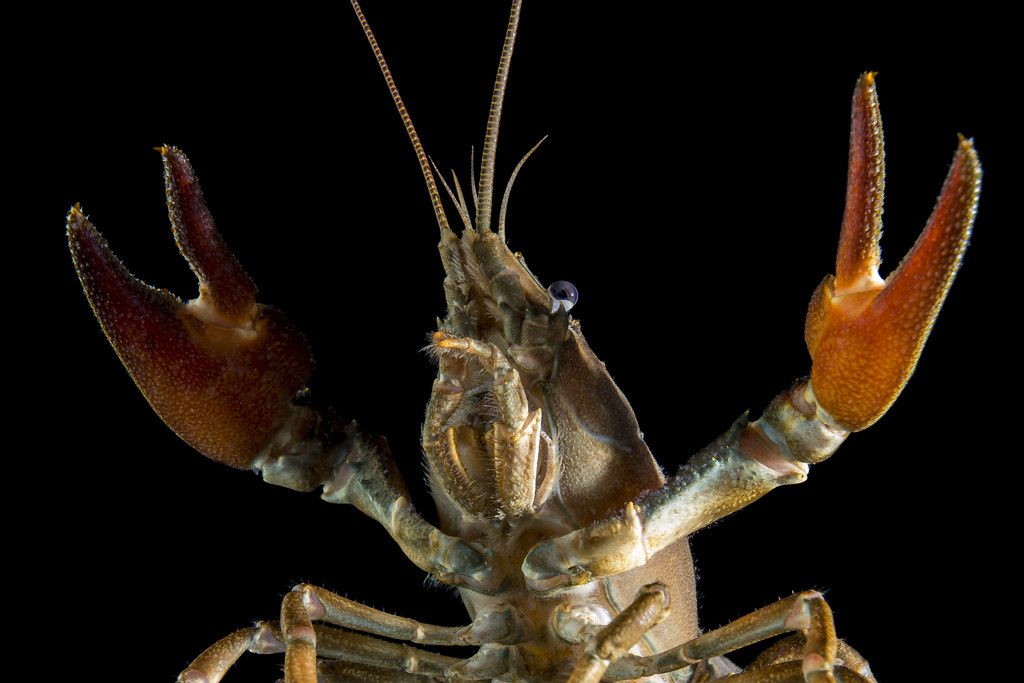
More than 50 years ago, Spain imported thousands of pounds of American red swamp crayfish for aquaculture. The plan was to raise the creatures in controlled ponds, but the crayfish eventually escaped and spread through southern Spain.
Today, the invasive species has permanently changed local ecosystems while also supporting a major commercial fishing industry.
It started with thousands of pounds of crayfish
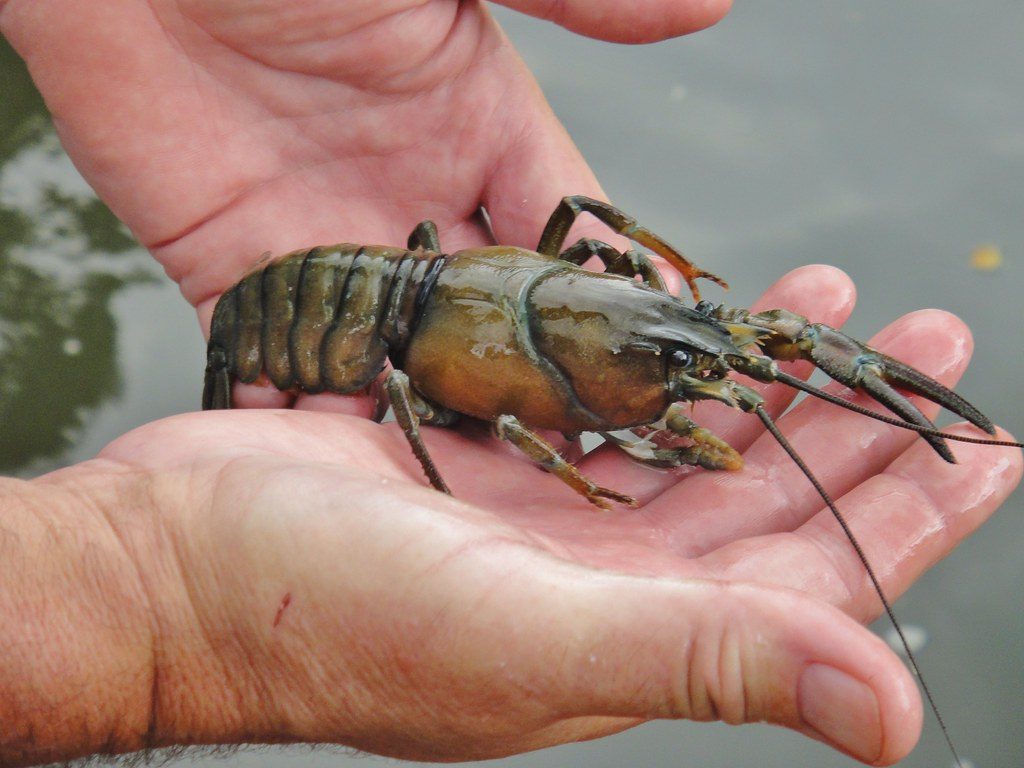
The story began in 1974, when aristocrat and cattle rancher Andrés Bores Saavedra imported approximately 4,400 pounds of red swamp crayfish from Louisiana.
The animals were brought to aquaculture ponds near La Puebla del Río, where they were expected to reproduce and remain contained.
That did not happen.
Flooding and other factors allowed the crayfish to escape, eventually sending them into the Guadalquivir River basin in southern Spain.
The crayfish quickly spread through the ecosystem
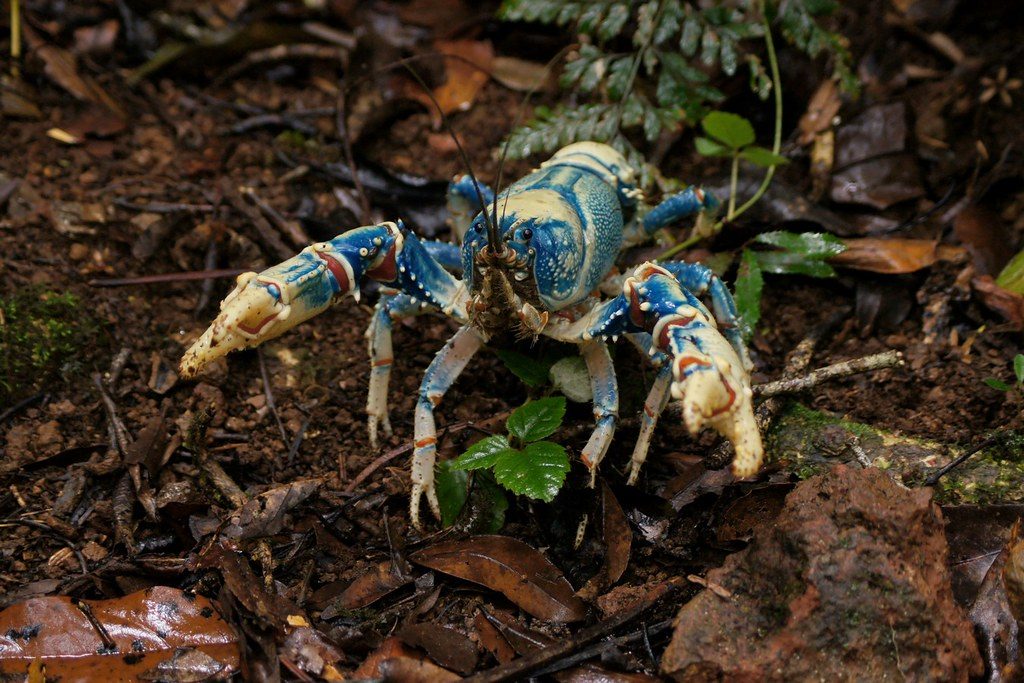
Once outside the ponds, the red swamp crayfish proved remarkably difficult to contain.
They spread through waterways and began altering the ecosystems they entered. The species also carried Aphanomyces astaci, a water mold that devastated native white-clawed crayfish populations.
The damage did not stop there. Underwater vegetation was affected, while native water beetles, dragonflies and fish such as the Iberian toothcarp also declined.
Their survival skills make them difficult to control
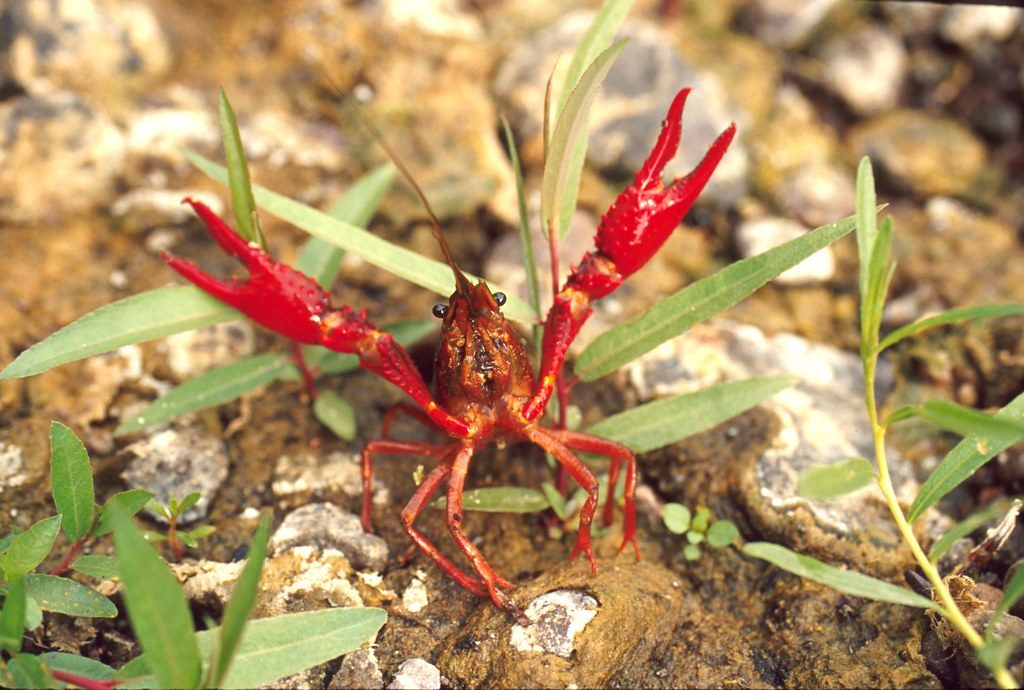
Red swamp crayfish are particularly successful invaders because they are prolific and extremely adaptable.
Invasive crayfish biologist Kathleen Quebedeaux described them as animals that produce large numbers of eggs and can survive in many different environments.
They can also burrow underground and tolerate extremely low-oxygen conditions. Their ability to disperse quickly gives them another advantage when they enter new waterways.
The U.S. Fish and Wildlife Service has described the species as an “unwelcome world traveler,” noting that it has spread to multiple countries.
Spain turned an invasive species into an industry
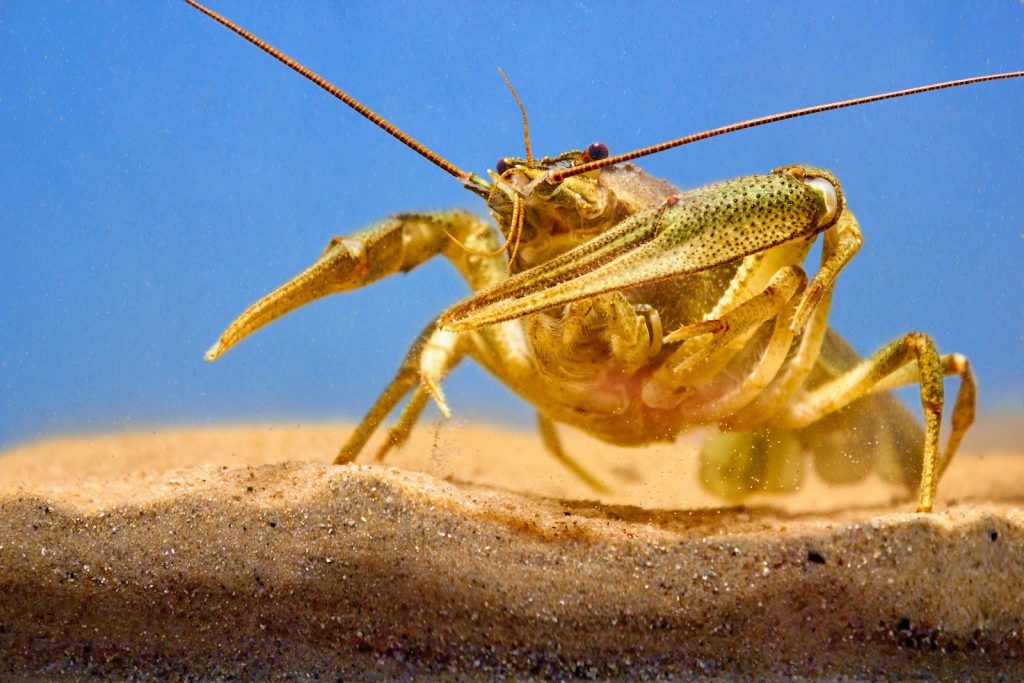
Although the crayfish caused serious ecological problems, their abundance eventually created an unexpected commercial opportunity.
Fishing communities began harvesting the animals, and Spain developed a large crayfish industry. The country now exports thousands of tons of red swamp crayfish to markets across Europe and even to the United States.
The species that once arrived as an aquaculture experiment had effectively become an important part of the country’s seafood economy.
Eradication may no longer be realistic
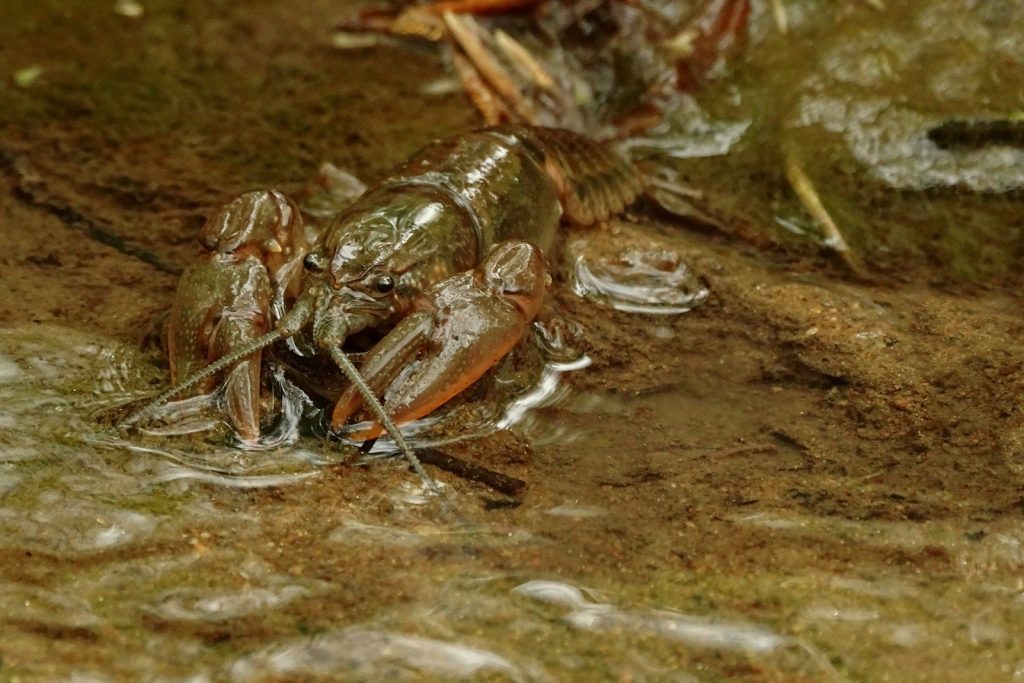
Spain’s relationship with the crayfish became even more complicated after the Supreme Court added the species to the country’s Catalog of Invasive Alien Species in 2016.
Commercial sales were initially restricted, but the government later amended the rules to permit commercial harvesting and processing under strict conditions designed to prevent the crayfish from spreading to other waterways.
Scientists now believe completely removing the red swamp crayfish from the Guadalquivir River may be unrealistic. Instead, the focus has shifted toward managing its population and limiting further ecological damage.
What began with a few thousand pounds of imported crayfish has become a decades-long environmental challenge, showing how quickly an introduced species can transform an ecosystem.
Featured Image: “Crayfish” by Brian Tomlinson Photography is licensed under CC BY 2.0
Leave a Reply