A young seal entangled in discarded plastic and fishing material faced a danger that marine rescuers encounter repeatedly. Unlike natural materials that eventually deteriorate, synthetic fishing line, straps, and other plastics can remain wrapped around a growing seal for months or years.
As the animal becomes larger, the material can tighten around its body, making an initially loose loop increasingly dangerous. Wildlife organizations say young seals are particularly vulnerable because their curiosity often brings them into contact with floating or discarded debris.
Young seals are especially vulnerable to entanglement
Seal pups naturally investigate objects around them, including material floating in the ocean or lying on beaches. Unfortunately, fishing line, net fragments, plastic straps, rope and similar debris can become caught around their heads or bodies.
Research cited by The Marine Mammal Center indicates that younger seals and sea lions appear more susceptible to entanglement than adults. Their continued growth makes the problem especially serious because the trapped material does not expand along with them.
Plastic becomes tighter as the animal grows
One of the most dangerous characteristics of fishing line and rigid plastic is that they have little or no ability to stretch. Once trapped around a young seal, the material can gradually constrict the animal as its body becomes larger.
Seal Rescue Ireland has described the same process in previous entanglement cases. A young animal can initially become caught in plastic and continue growing while the material remains the same size, eventually causing increasingly serious wounds and potentially threatening its survival.
Rescuers have found fishing line deeply embedded
Some entanglements remain on seals long enough to become extremely difficult to remove. In one documented Cape fur seal case in South Africa, rescuers discovered fishing line that had worked deep into the area around a young animal’s flipper and shoulder.
Veterinarians eventually removed about 1.5 meters of fishing line during a delicate procedure. After treatment and recovery, the seal regained movement in its flipper and was released about a week later.
Rescue teams regularly search seal colonies
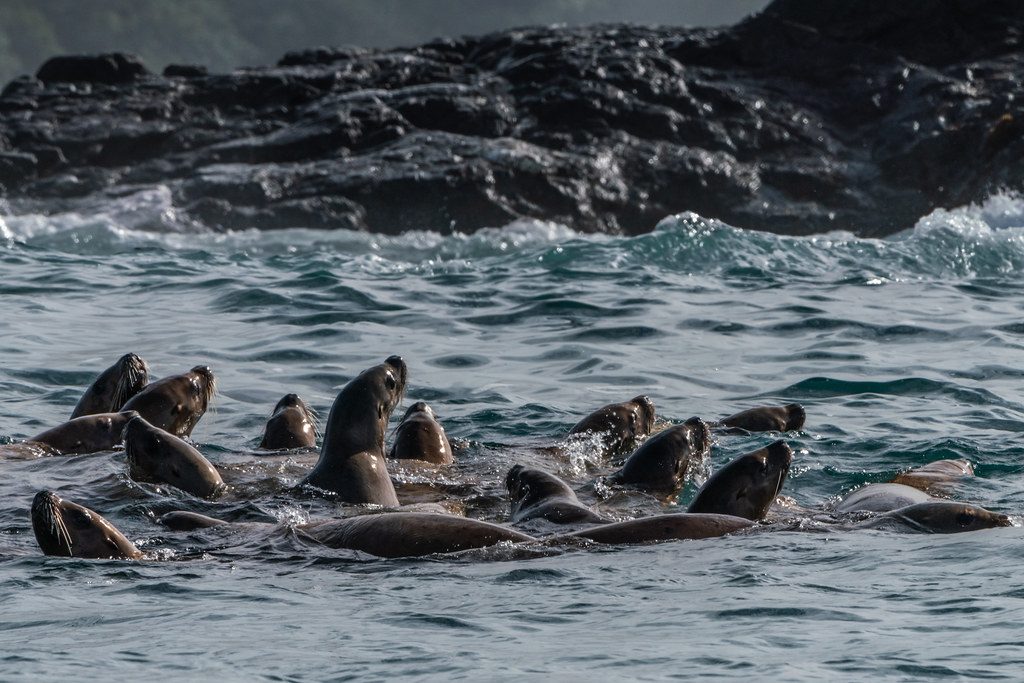
Groups such as Ocean Conservation Namibia have developed specialized techniques for capturing entangled Cape fur seals and quickly removing debris. The organization has documented numerous rescues involving pups trapped in fishing line and plastic straps, including cases reported in 2026.
The problem is frequent enough that teams deliberately search colonies for animals showing signs of entanglement. Most of the animals encountered by these rescuers are pups, although much larger adult seals can also become trapped.
Discarded fishing gear can remain dangerous for years
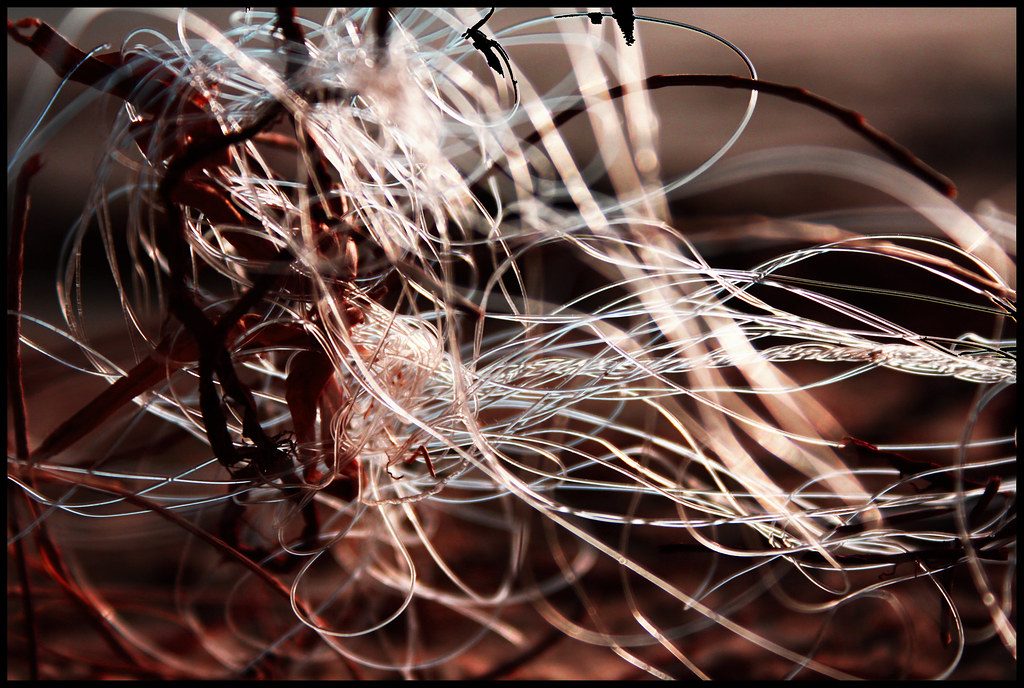
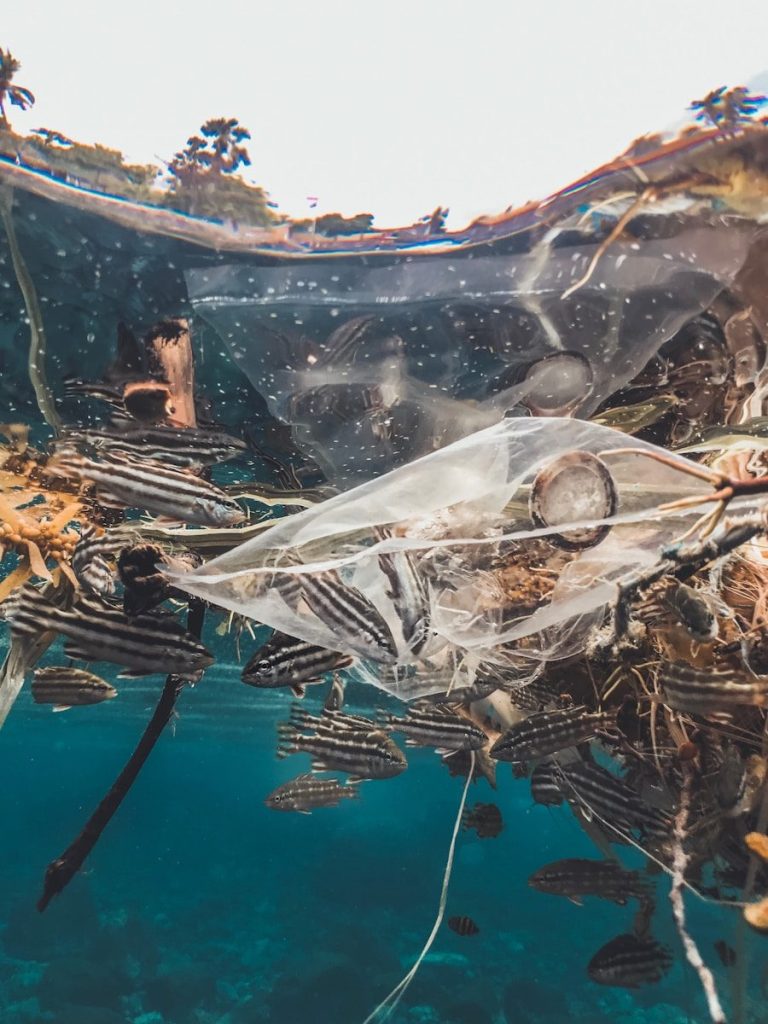
Lost or discarded fishing equipment does not stop posing a threat when people leave the water. Monofilament line, pieces of nets, and packaging material can continue drifting through marine habitats where animals may encounter them later.
Seals can mistake these objects for something worth investigating or playing with. Once an animal pushes its head or body through a loop, however, the debris can become difficult or impossible for it to remove without outside intervention.
The rescue highlights a preventable threat
Entanglement is particularly frustrating for wildlife rescuers because much of it comes from human-generated debris. Properly disposing of fishing tackle, plastic straps, and other waste prevents those materials from remaining in marine habitats where seals and other wildlife can encounter them.
One detail in the supplied story needs caution, however. I could verify the broader pattern of young seals becoming trapped in tightening plastic and fishing line, but I could not independently verify the claim that this particular seal’s mother believed she had lost her baby forever. Unless the original rescue team explicitly documented that behavior, that part of the headline should be treated as emotional interpretation rather than established fact.
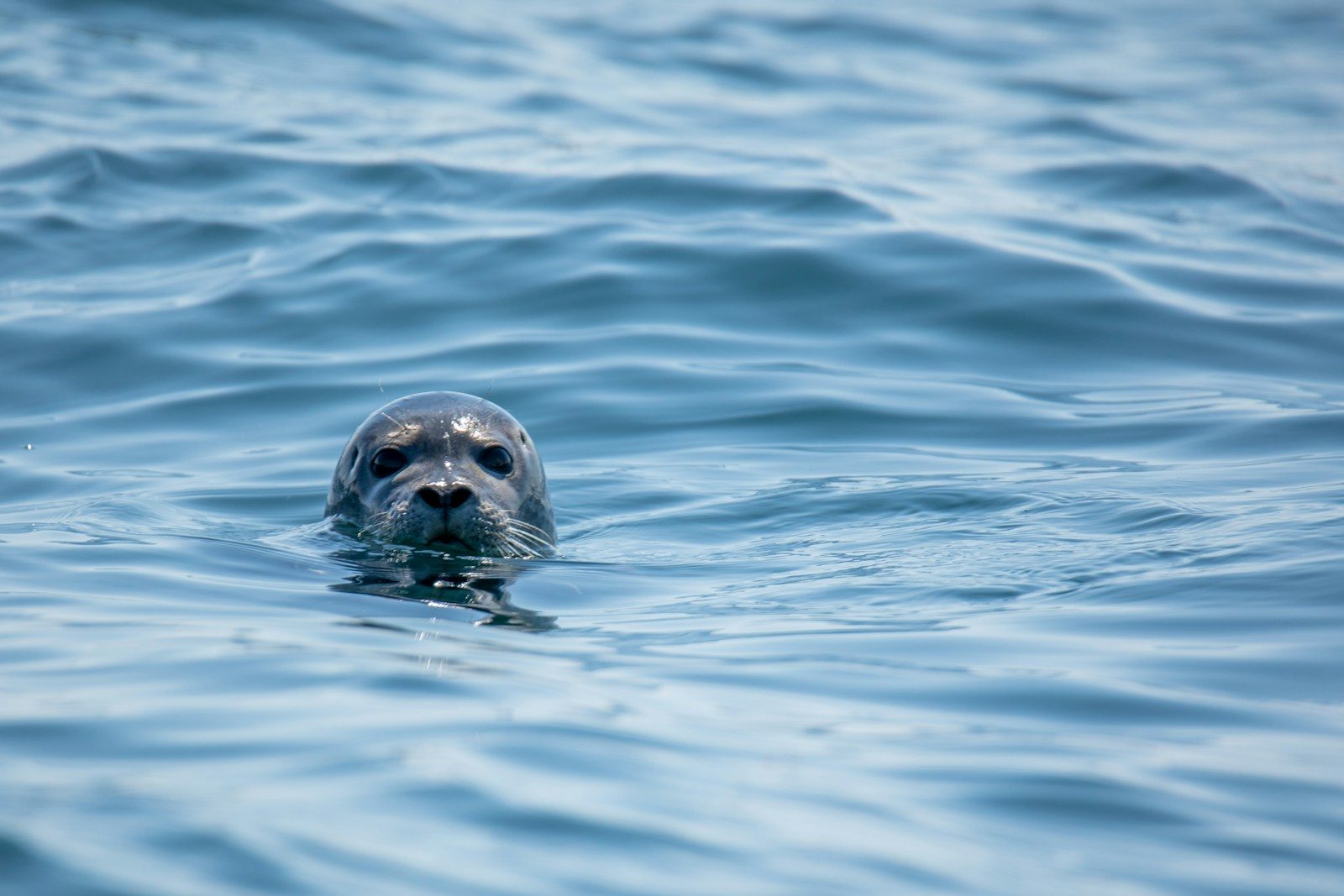
Featured Image: Photo by Keith Luke on Unsplash
Leave a Reply