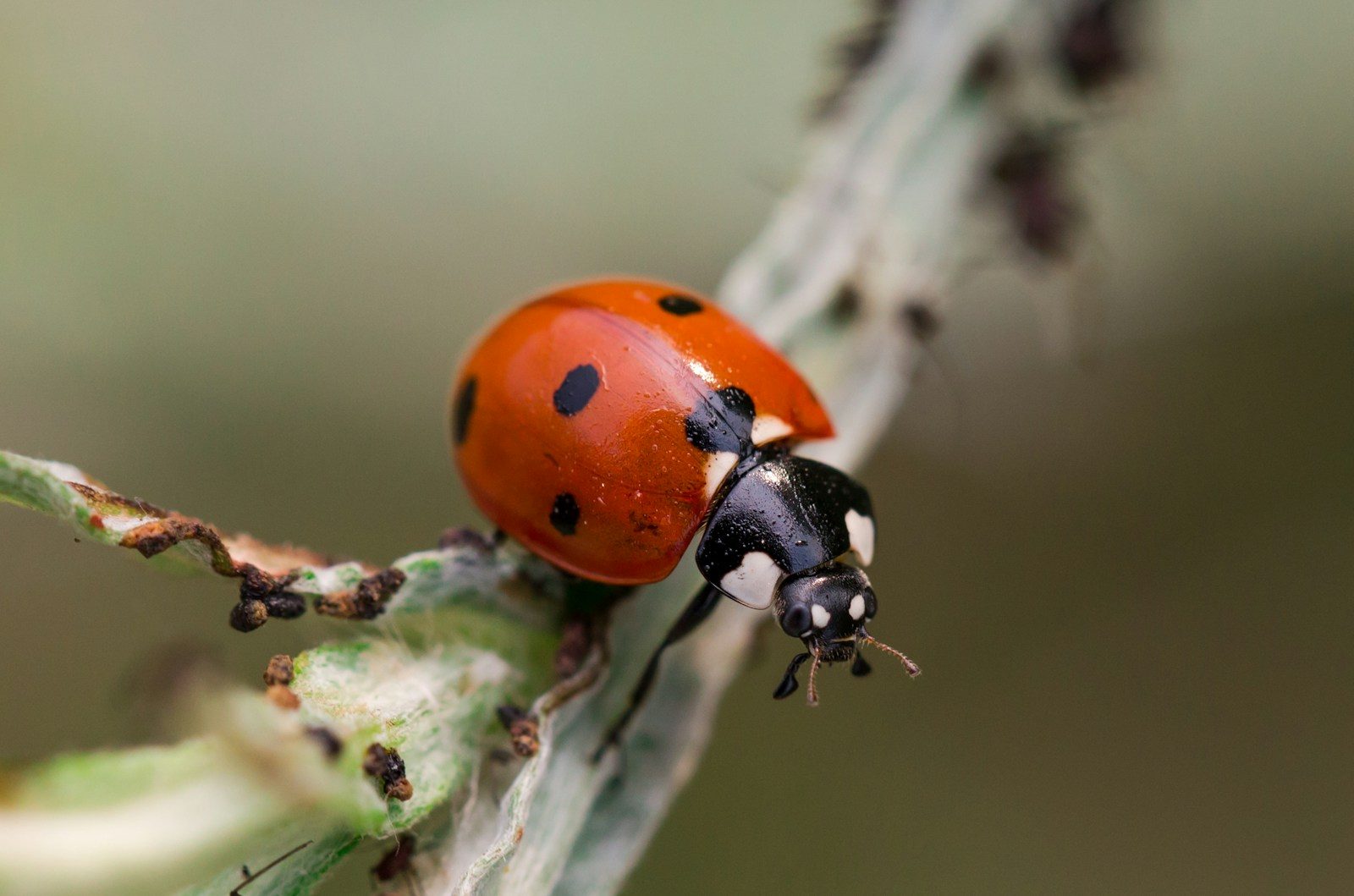
Most people do not hesitate when they see something with too many legs racing across the floor. A shoe, tissue, or vacuum usually comes next. But some of the creatures that look the least welcome inside a home can actually be useful predators.
Spiders, ladybugs, house centipedes, and cellar spiders all feed on other small creatures, including species people often consider pests. That does not mean homeowners should tolerate an infestation, but seeing one of these tiny predators does not always mean it needs to be killed.
House spiders are natural hunters
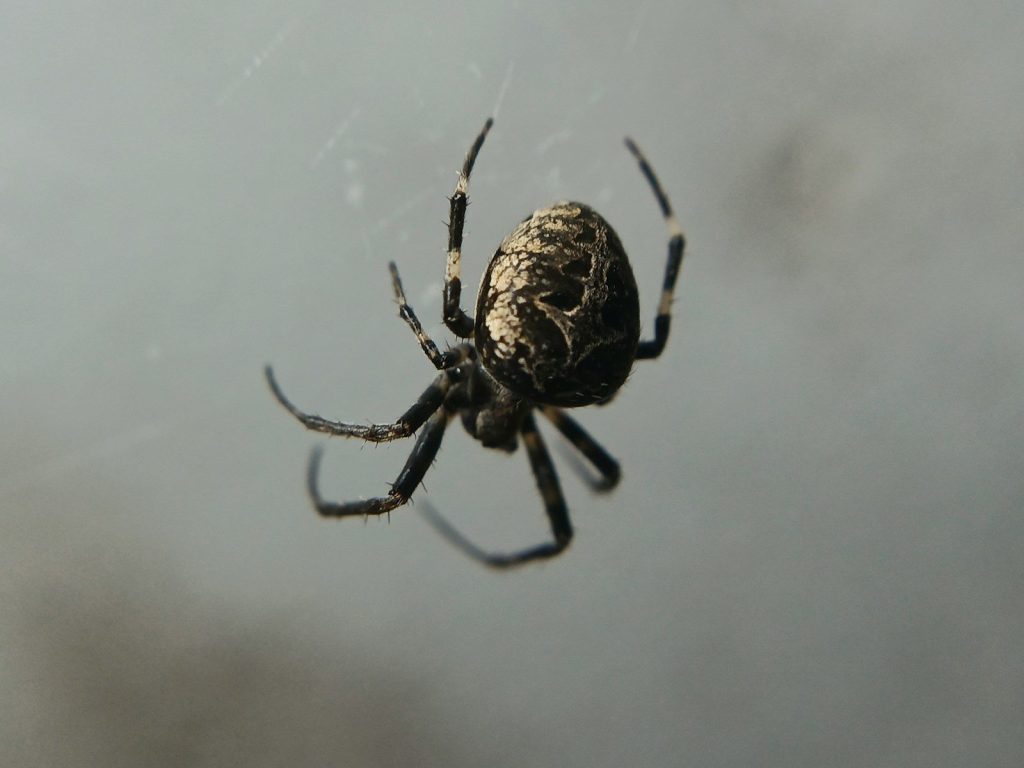
Spiders are among the most important terrestrial predators on Earth. A major scientific estimate found that the global spider population kills roughly 400 million to 800 million metric tons of prey every year, with insects and springtails making up more than 90% of that total.
That enormous number should not be interpreted as the work of spiders living inside houses alone. More than 95% of the estimated prey kill comes from spiders living in forests and grasslands, while urban spiders account for a much smaller share.
Ladybugs are much more than pretty beetles
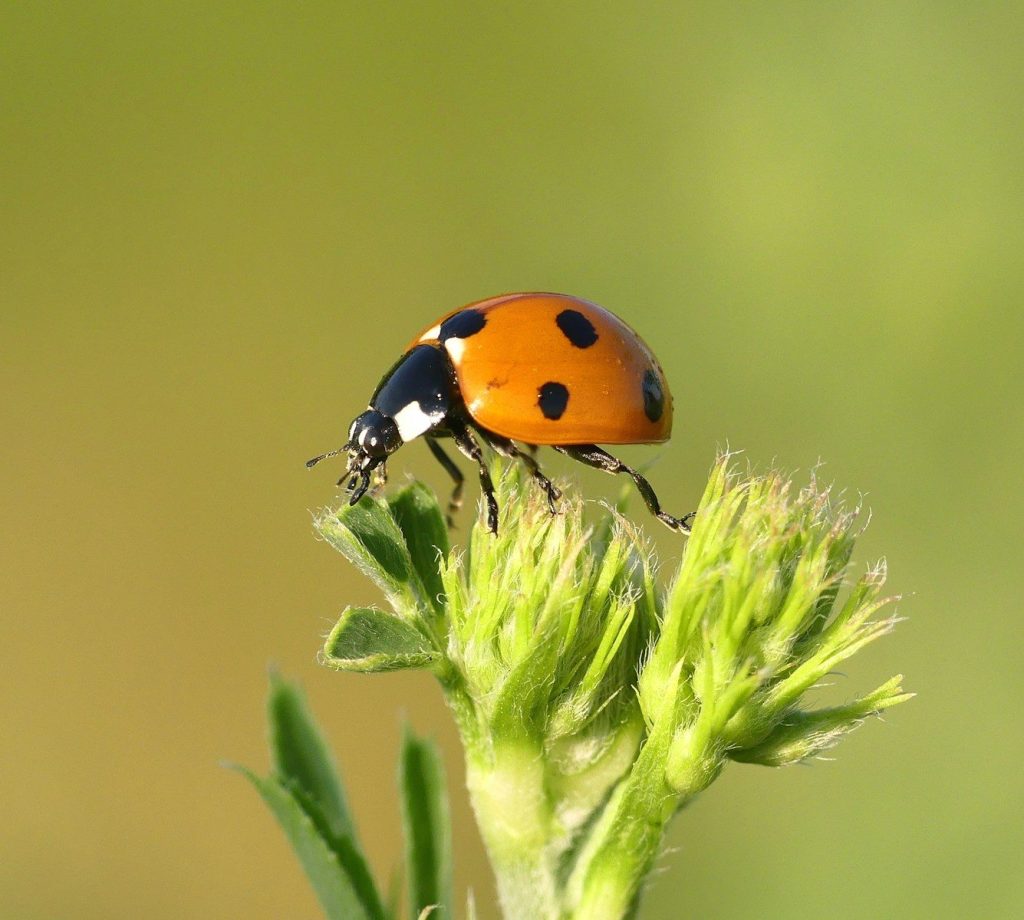
Ladybugs, more accurately called lady beetles, have one of the friendliest reputations among insects. Their bright appearance hides the fact that many species are highly effective predators.
Both adult lady beetles and their larvae can feed on aphids and other soft-bodied insects. That makes them important natural enemies of pests that damage garden and landscape plants.
House centipedes look scarier than they are
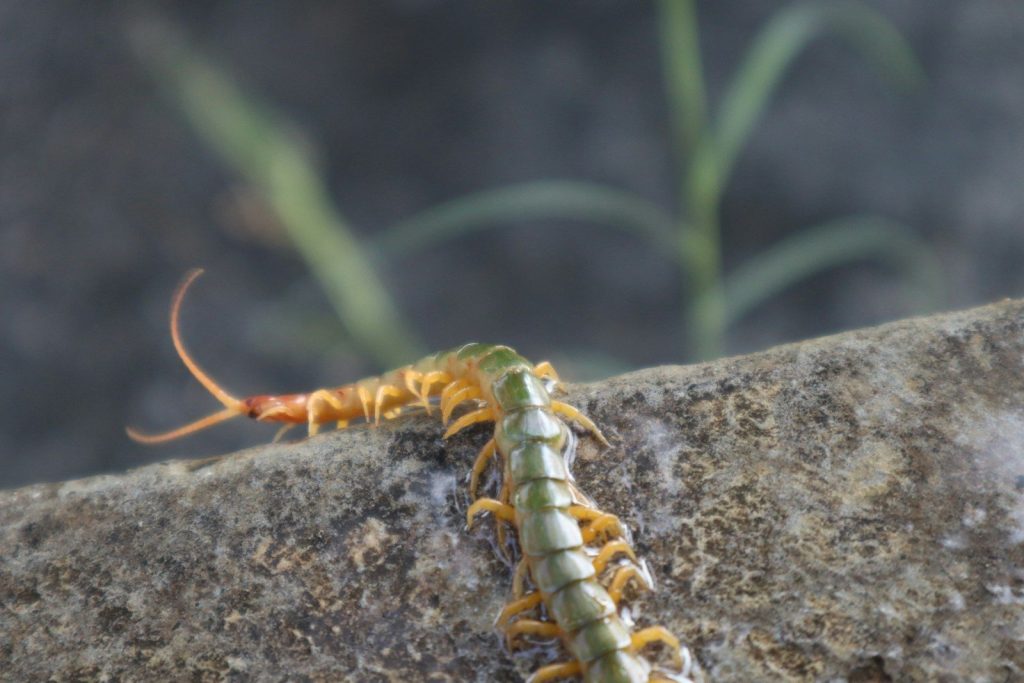
Few household visitors trigger a reaction quite like a house centipede. Their numerous long legs and surprisingly fast movement make them look intimidating, but they are predators rather than creatures looking to damage your home.
House centipedes feed on small insects, insect larvae, spiders, and other arthropods. Iowa State University Extension describes them as beneficial predators even though homeowners commonly consider them a nuisance because of their appearance.
Cellar spiders hunt other spiders
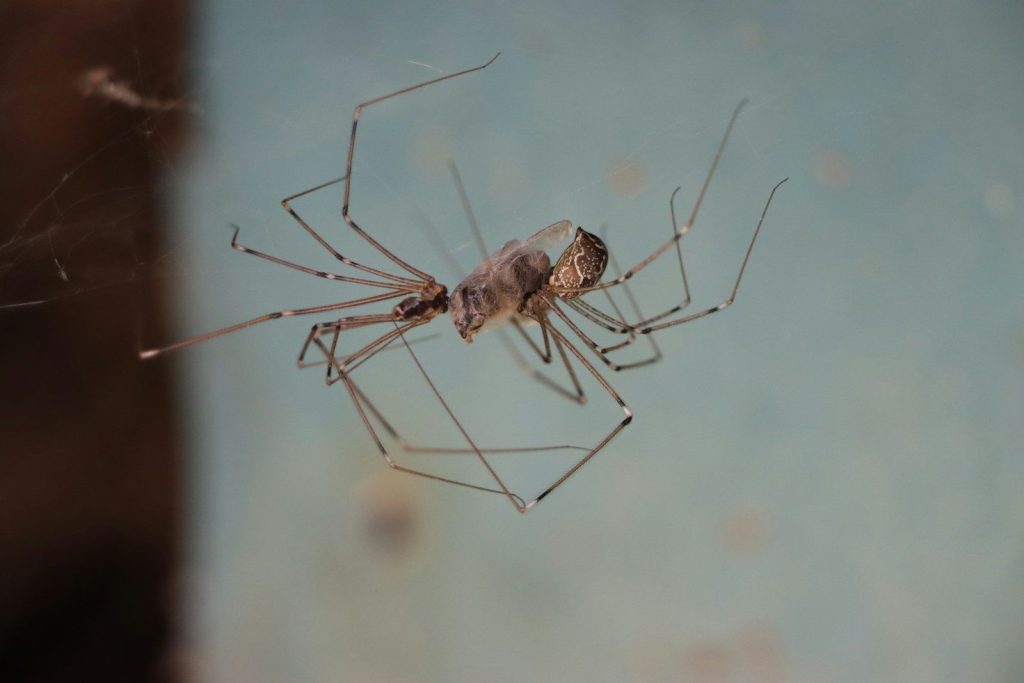
Those extremely thin-legged spiders hanging upside down in loose webs around basements, garages, and ceilings are often cellar spiders. They are sometimes casually called daddy longlegs, although that name is also used for harvestmen, which belong to a different group of arachnids.
Cellar spiders are predators. Small insects can become trapped in their webs, and some species also attack other spiders.
When leaving them alone makes sense
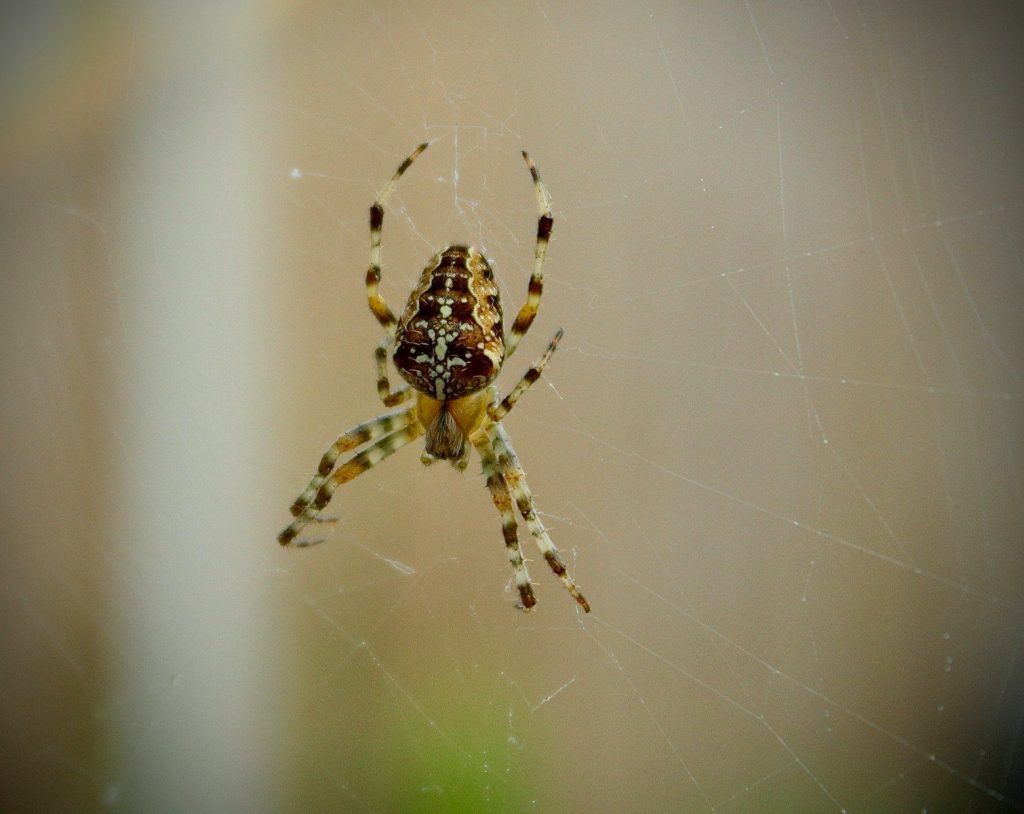
Not every bug or spider inside a home needs to survive indefinitely. Kitchens, bedrooms, food-storage areas, and homes experiencing large infestations require sensible pest management.
But a single harmless predator is different from an infestation. Spiders, lady beetles, and house centipedes can all consume other arthropods, and immediately killing them may remove an animal that was already hunting less desirable visitors.
Featured Image: Photo by Anton Atanasov on Unsplash
Leave a Reply