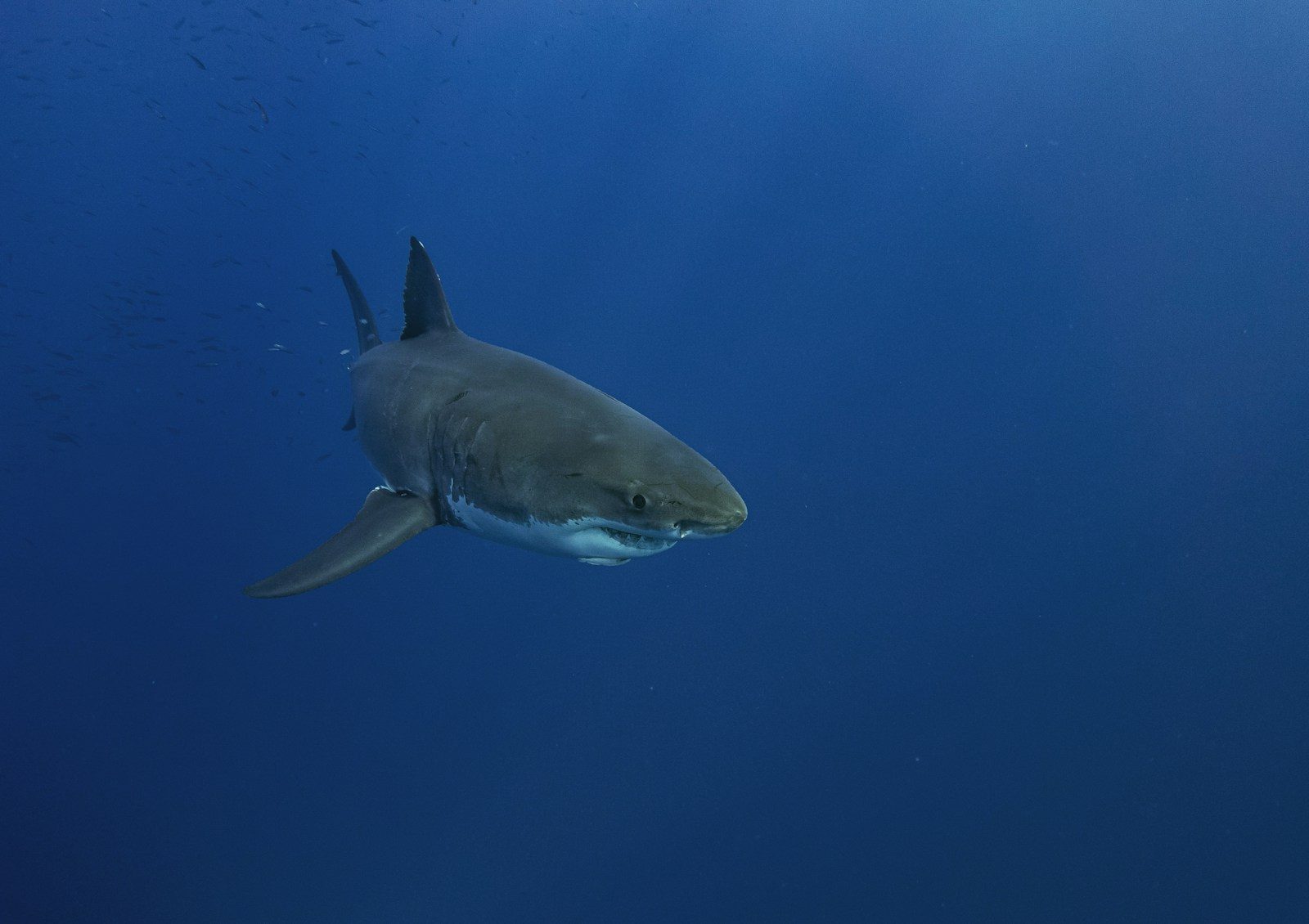
Great white sharks may look like the ultimate predators of the ocean, but there is one animal that can make them abandon some of their best hunting grounds almost instantly.
That animal is the orca.
Researchers studying great white sharks in California and South Africa have repeatedly observed the sharks disappearing when killer whales enter the area. In some cases, the sharks stay away for weeks or even an entire season.
The behavior is changing how scientists view the ocean’s food web. Great whites may be powerful predators, but when orcas arrive, they are willing to give up valuable feeding grounds rather than risk an encounter.
What happens when orcas arrive
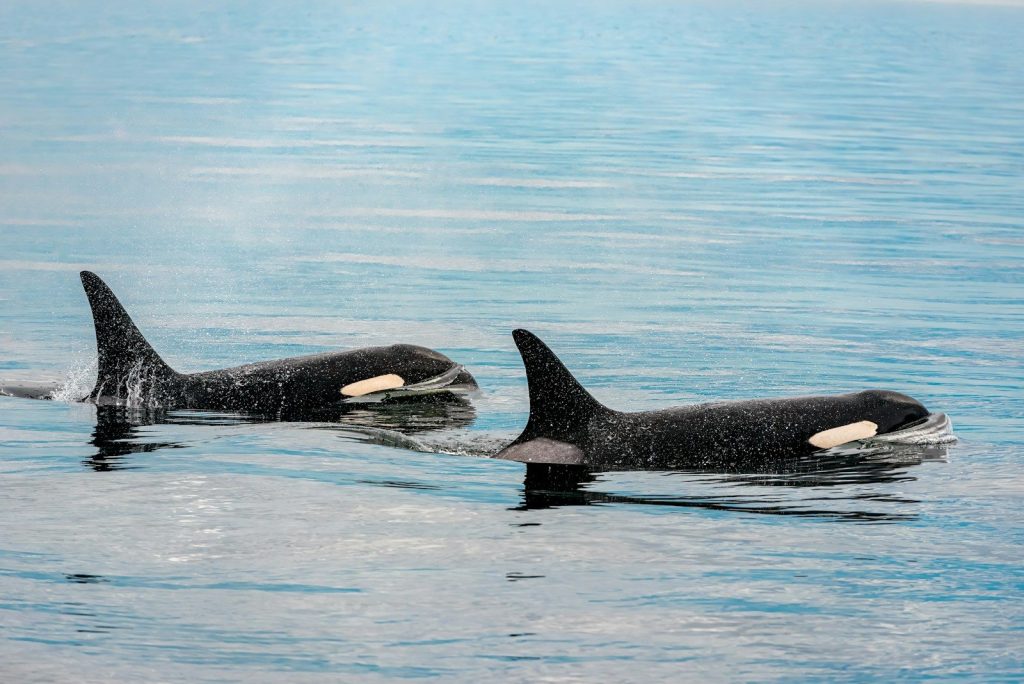
One of the clearest examples comes from the waters off central California.
Every autumn, great white sharks gather near seal colonies to hunt young elephant seals. The area provides an important seasonal source of food, allowing the sharks to build up energy reserves.
But when orcas pass through the area, something remarkable happens.
Tagged great white sharks have been recorded leaving soon after the killer whales arrive. Rather than waiting for the orcas to leave, the sharks can abandon the area for the rest of the season.
That comes at a considerable cost.
The sharks are giving up access to one of their richest feeding grounds, even though plenty of prey remains. Their decision suggests that the perceived danger from orcas is greater than the benefits of staying.
South Africa revealed an even darker reason
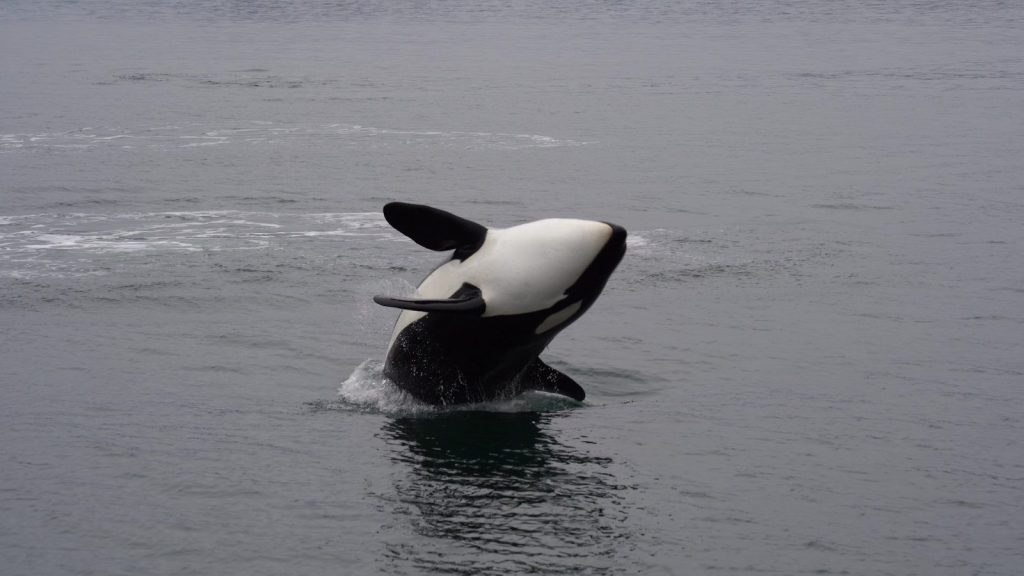
The relationship between the two predators became even more striking in South Africa.
Beginning in the late 2010s, a pair of orcas became known for attacking great white sharks and targeting their livers. The organ contains energy-rich oils, making it an especially valuable source of food.
Great white shark carcasses began washing ashore with distinctive injuries and their livers missing.
As the orcas continued appearing in areas where great whites traditionally gathered, the sharks began disappearing from some of those locations.
This was more than a temporary reaction. Some shark populations dramatically changed where they gathered, suggesting that the threat of predation could override their normal seasonal movements.
Why are great whites so afraid of orcas?
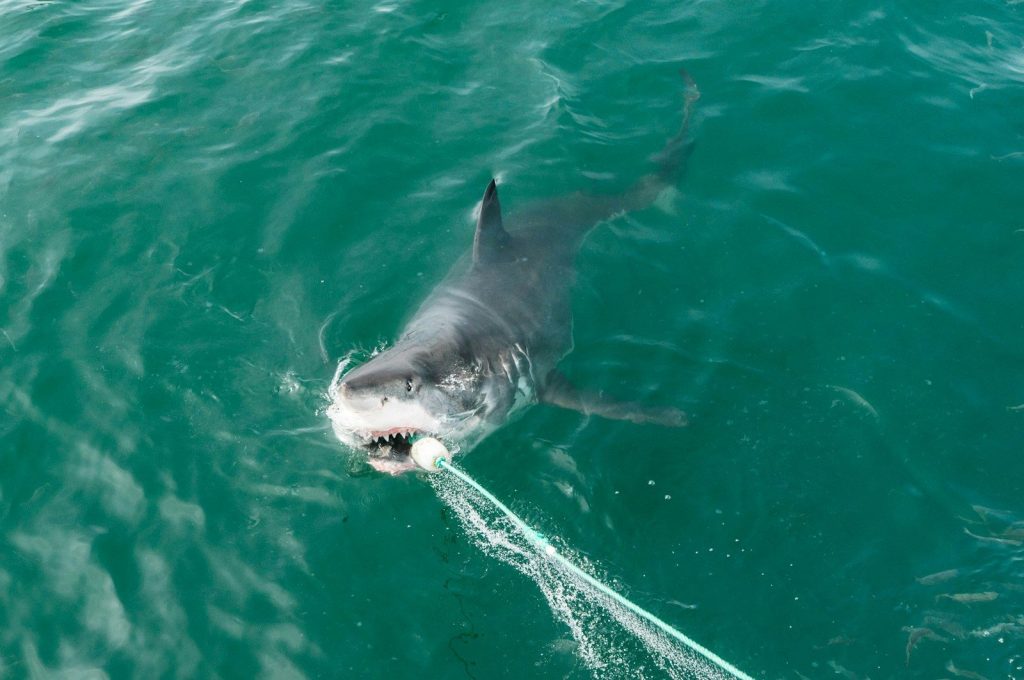
The answer becomes easier to understand when the two predators are compared.
Orcas are generally larger than great white sharks and have another major advantage: they hunt cooperatively.
A killer whale can be dangerous on its own, but a coordinated pod can work together to overpower prey that would be difficult for a single predator to challenge.
Orcas are also highly intelligent and social animals. Their ability to cooperate gives them an advantage that a lone great white shark simply cannot match.
Scientists believe great whites may even be able to detect the presence of orcas before seeing them.
Their highly developed sensory systems could allow them to pick up chemical or other environmental cues associated with the whales, giving them enough warning to escape.
The sharks’ disappearance can change an entire ecosystem
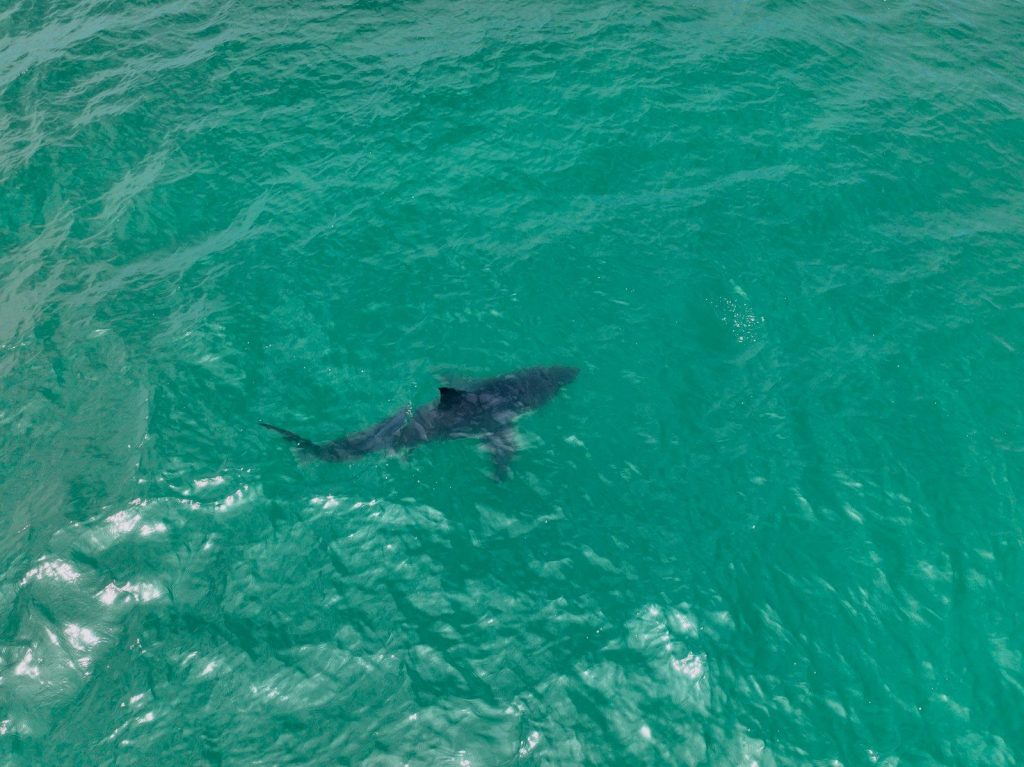
When great whites leave an area, the effects do not necessarily stop with the sharks.
Their usual prey, including seals and sea lions, may suddenly face less pressure from one of their major predators.
That can affect other species further down the food chain.
This is an example of a trophic cascade, where changes involving one predator can produce a chain reaction throughout an ecosystem.
It also gives scientists another reason to be cautious when interpreting shark population data.
If great whites suddenly disappear from an area, it does not automatically mean their population has declined. The sharks may simply have moved elsewhere because orcas have entered the region.
Great whites are not always the ocean’s top predator
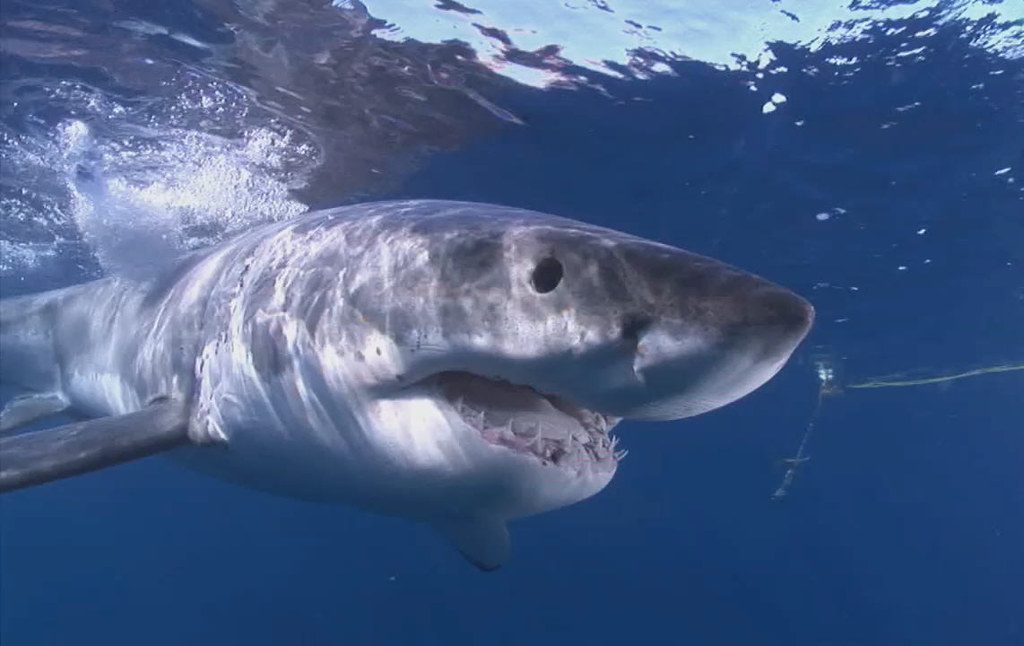
The great white remains one of the ocean’s most formidable hunters. But its behavior around orcas reveals something important about how dominance works in nature.
There is no single predator that is unbeatable everywhere.
In waters without orcas, a great white may sit near the top of the food chain. When a pod of killer whales arrives, however, the balance can change almost immediately.
Instead of fighting for its territory, the shark often chooses another strategy.
It leaves.
And that simple decision may be one of the clearest examples of how fear and risk can shape an entire ocean ecosystem.
Featured Image: Photo by Gerald Schömbs on Unsplash
Leave a Reply