
A major ecological transformation is underway along East Greenland, where retreating summer sea ice is allowing humpback, fin, and minke whales to regularly enter coastal waters that historically were difficult for these species to access.
A new peer-reviewed study published on August 20, 2026, describes the change as a rapid “borealization” of the marine ecosystem, driven by warmer water, reduced ice, and shifting prey.
Humpback whales went from almost absent to common
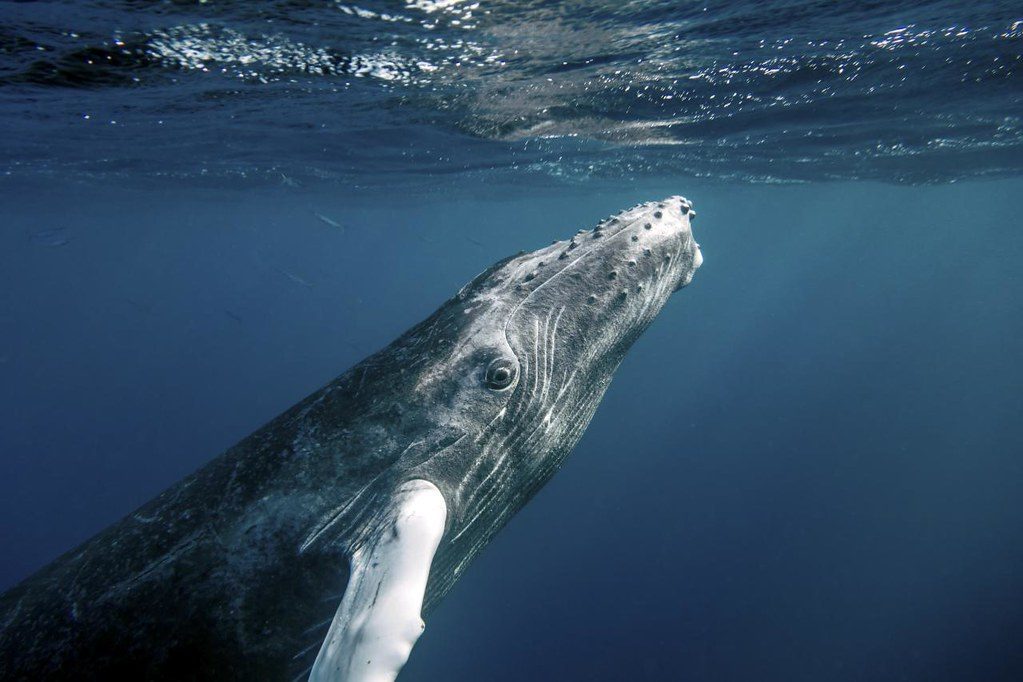
Historical and ship-based observations show just how quickly the situation changed. Researchers recorded no humpback whale sightings in their ship surveys before 2007, followed by 7 sightings that year. By 2024, those surveys recorded 150 humpback sightings along East Greenland.
This does not necessarily mean the overall North Atlantic humpback population increased by the same amount. Some whales may simply be redistributing into East Greenland as newly accessible feeding habitat becomes available. Researchers say determining exactly where all these animals previously spent the summer remains an important question.
Thousands of enormous whales arrived in 2024
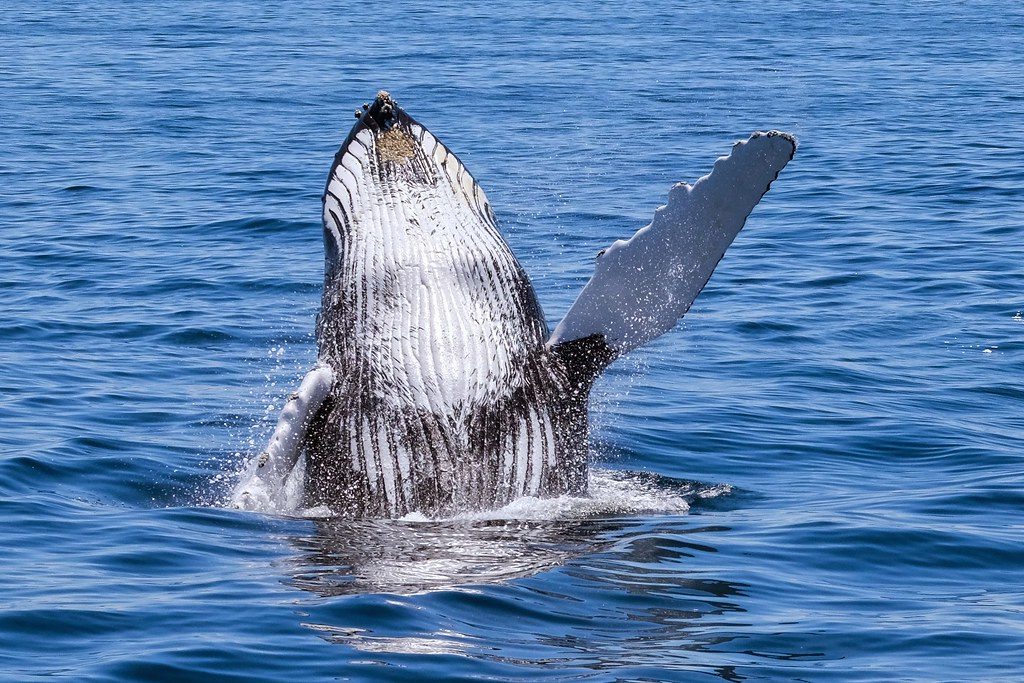
Systematic aerial surveys conducted in 2015 and 2024 revealed large numbers of baleen whales spread along the East Greenland coast. Researchers combined those observations with ship surveys, information from Inuit hunters, and tracking data from 15 satellite-tagged whales.
Estimates reported for summer 2024 put the numbers at roughly 4,000 humpback whales, 6,000 fin whales, and 6,000 minke whales in the Greenland Sea. The simultaneous presence of thousands of large whales represents a substantial new concentration of marine predators in the ecosystem.
Disappearing ice opened the door

The transformation did not happen randomly. Earlier research found that summer sea ice along Southeast Greenland had virtually disappeared after 2003 compared with historical conditions, while the new study identifies a marked shift in the summer ice regime after about 2000.
The latest study also identifies a change in East Greenland sea-surface temperatures during the late 1990s, followed by warming of roughly 1°C. Reduced pack ice means species that generally avoid ice-covered water can now reach coastal feeding areas much more easily.
The whales followed their food north
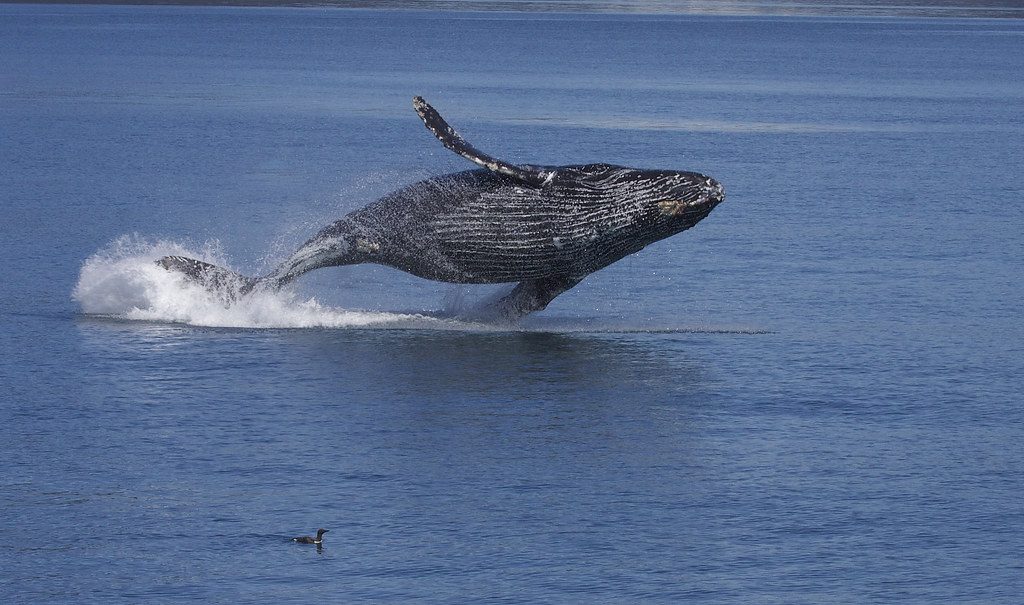
The whales appear to be responding not only to open water but also to changes farther down the food web. Capelin, an important prey fish, has shifted its summer feeding distribution from relatively warmer waters north of Iceland toward the Greenland Sea.
Minke whale stomach contents confirm that they consume capelin in East Greenland, while humpback and fin whales are also thought to feed heavily on capelin and krill there. In effect, warmer conditions changed where prey could thrive, and enormous predators followed the resulting food supply.
The whales could eat around 1 million tonnes
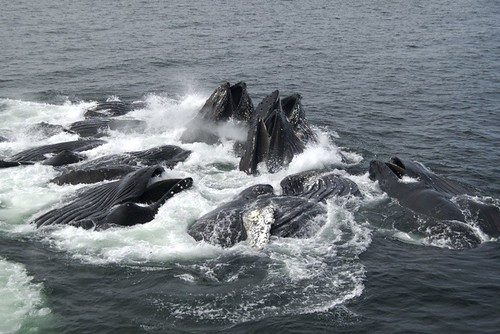
With thousands of large whales feeding for months, their impact on the ecosystem could be enormous. The peer-reviewed paper estimates that the combined prey consumption of humpback, fin, and minke whales during their roughly 4-month seasonal stay could approach 1 million tonnes annually.
That estimate is somewhat higher than the at least 800,000 tonnes of fish and krill highlighted in recent news coverage of the research. Either figure demonstrates that the newcomers are becoming major consumers within East Greenland’s marine food web.
Not every Arctic whale benefits from the change

The expanding feeding grounds may benefit adaptable baleen whales, but the same environmental transformation creates problems for species specifically adapted to Arctic conditions. Narwhals and belugas increasingly share habitat with temperate whales and could face displacement as sea ice retreats and the ecosystem changes.
Researchers therefore describe East Greenland as undergoing a major ecological regime shift, rather than simply experiencing an unusual influx of whales. Some species are exploiting new opportunities while ice-dependent animals are losing parts of the environment to which they are adapted.
Featured Image: “Humpback Whale” by rjshade is licensed under CC BY 2.0
Leave a Reply