The Earth was once home to some truly terrifying ancient creatures. Long before humans walked the planet, giant hunters ruled the oceans, skies, and land. Some had teeth bigger than bananas, while others could crush bones with one bite. These prehistoric animals survived by being fast, powerful, and deadly. Scientists continue to study fossils to learn how these creatures lived and hunted millions of years ago.
In this article, you will discover some of the scariest ancient animals ever found. From giant sharks to massive flying predators, these creatures show just how dangerous prehistoric Earth could be. Learning about them also helps us understand how life changed over time and why humans were fortunate to appear much later in history.
Megalodon ruled the ancient oceans
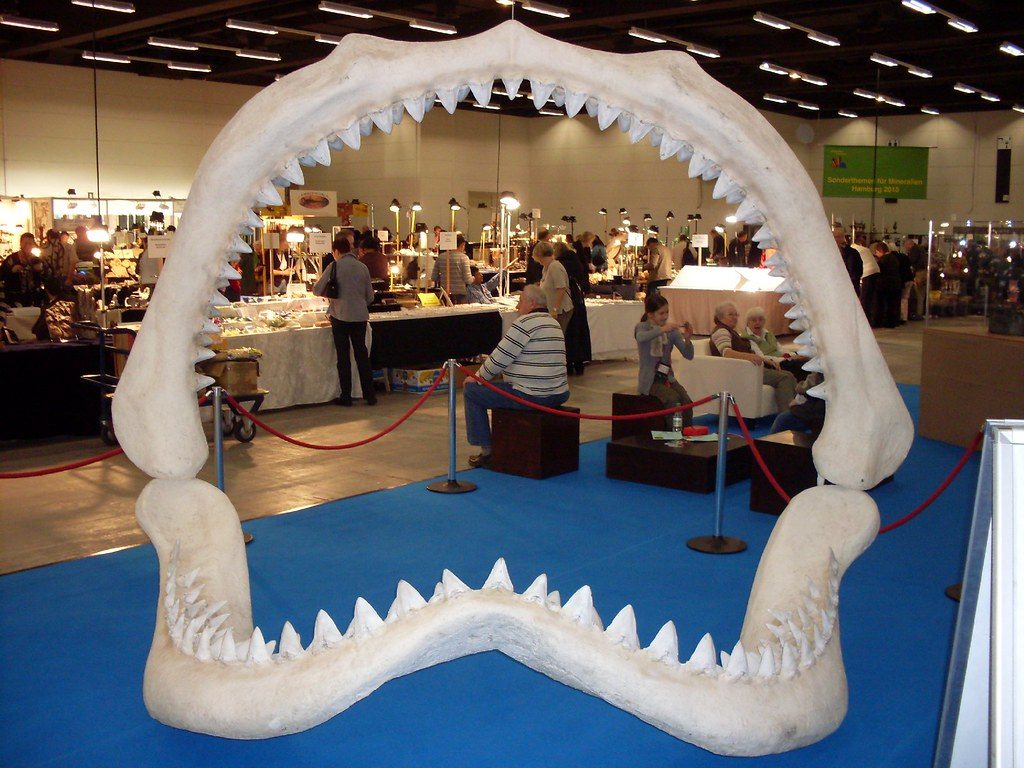
One of the most feared prehistoric predators was the giant shark known as the Megalodon. This massive animal lived millions of years ago and may have grown up to 60 feet long. Its jaws were wide enough to swallow large prey, and its teeth could grow over 7 inches long. Scientists believe the Megalodon hunted whales and other large sea animals using powerful bites that crushed bone and flesh with ease. Fossils of damaged whale bones show clear signs of attacks from this giant predator.
The Megalodon was likely an ambush hunter similar to today’s great white shark, but much larger and stronger. It may have attacked prey from below before delivering deadly bites. Experts also believe the shark could swim very quickly despite its huge size. If humans had lived during its time, the oceans would have been far more dangerous places to explore. Even modern sharks seem small compared to this ancient sea monster.
Tylosaurus hunted like a sea nightmare
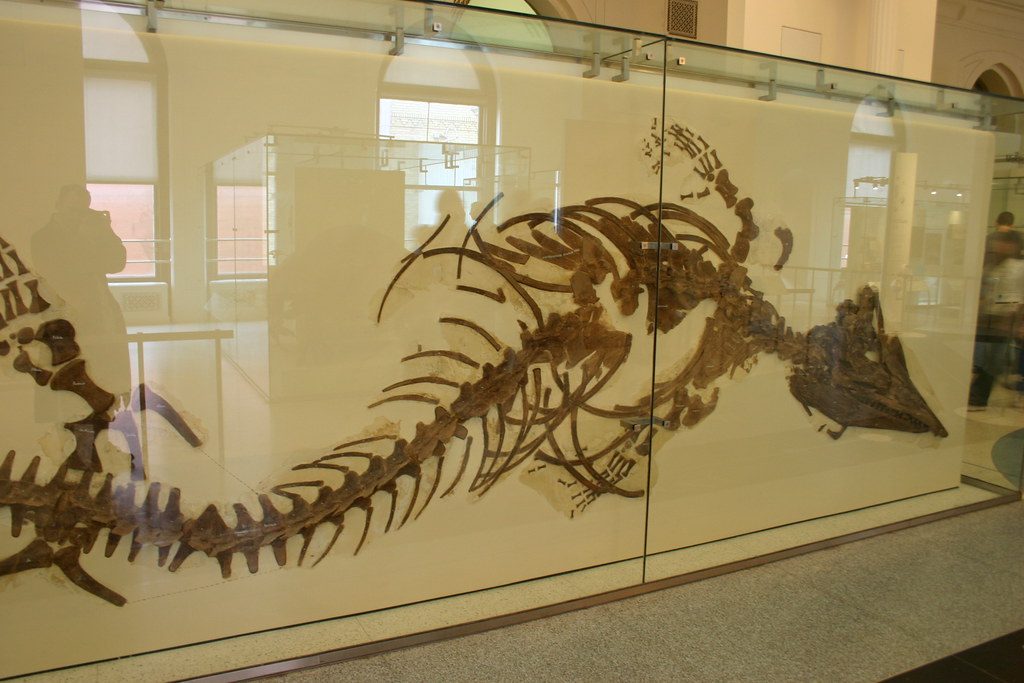
The Tylosaurus was another terrifying creature that lived in ancient seas during the age of dinosaurs. Even though it looked somewhat like a giant lizard, it was actually a marine reptile called a mosasaur. It could grow longer than 45 feet and had a long, muscular tail that helped it move quickly through water. Its mouth was filled with sharp cone-shaped teeth that trapped prey with little chance of escape.
Scientists discovered fossils showing that the Tylosaurus ate fish, sharks, seabirds, and even other marine reptiles. Extra rows of teeth inside its mouth helped keep prey from escaping once caught. This predator likely attacked with sudden bursts of speed before swallowing animals whole. Fossils found in North America reveal that ancient inland seas were once full of deadly hunters like this one. A swimmer encountering a Tylosaurus would have faced one of the ocean’s most powerful killers.
Spinosaurus was larger than T. rex
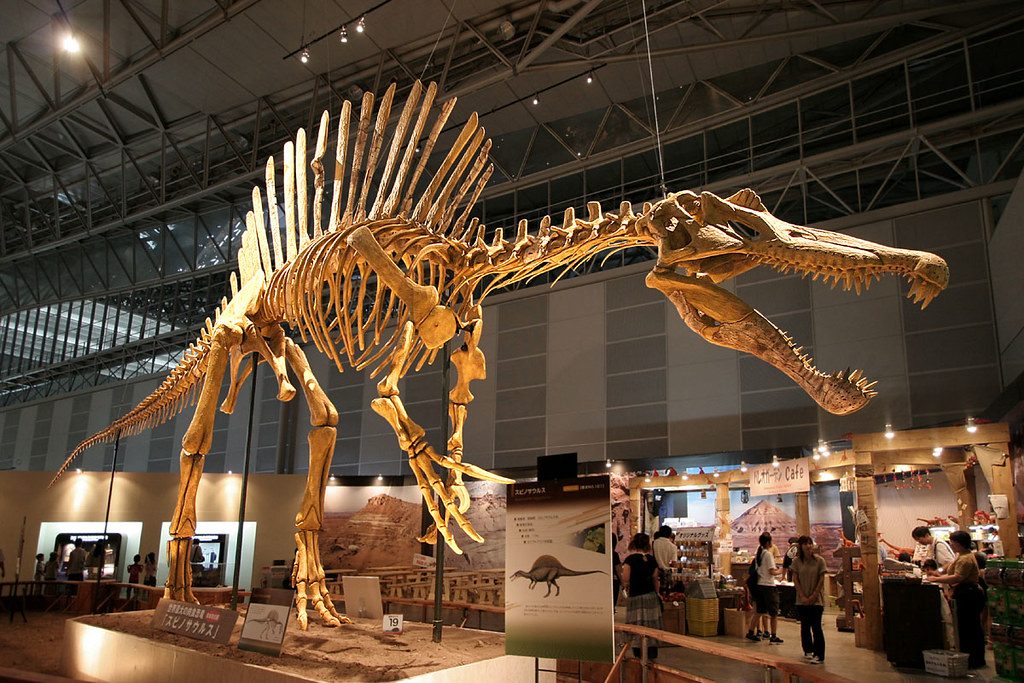
Many people think Tyrannosaurus rex was the biggest meat-eating dinosaur, but Spinosaurus may have been even larger. This giant predator had a crocodile-like skull, sharp teeth, and a huge sail on its back. Some studies suggest it reached nearly 50 feet in length and weighed over 20 tons. Unlike many other dinosaurs, Spinosaurus spent much of its time near water and may have hunted both fish and land animals.
Its long snout and cone-shaped teeth were perfect for catching slippery prey in rivers and swamps. Scientists believe it was partly aquatic, meaning it could move through water very well. This made it especially dangerous because prey had little chance of escaping whether on land or in water. Recent discoveries continue to reveal new details about how this dinosaur lived and hunted. Its strange appearance and massive size make it one of the most frightening predators ever discovered.
Terror birds dominated ancient grasslands
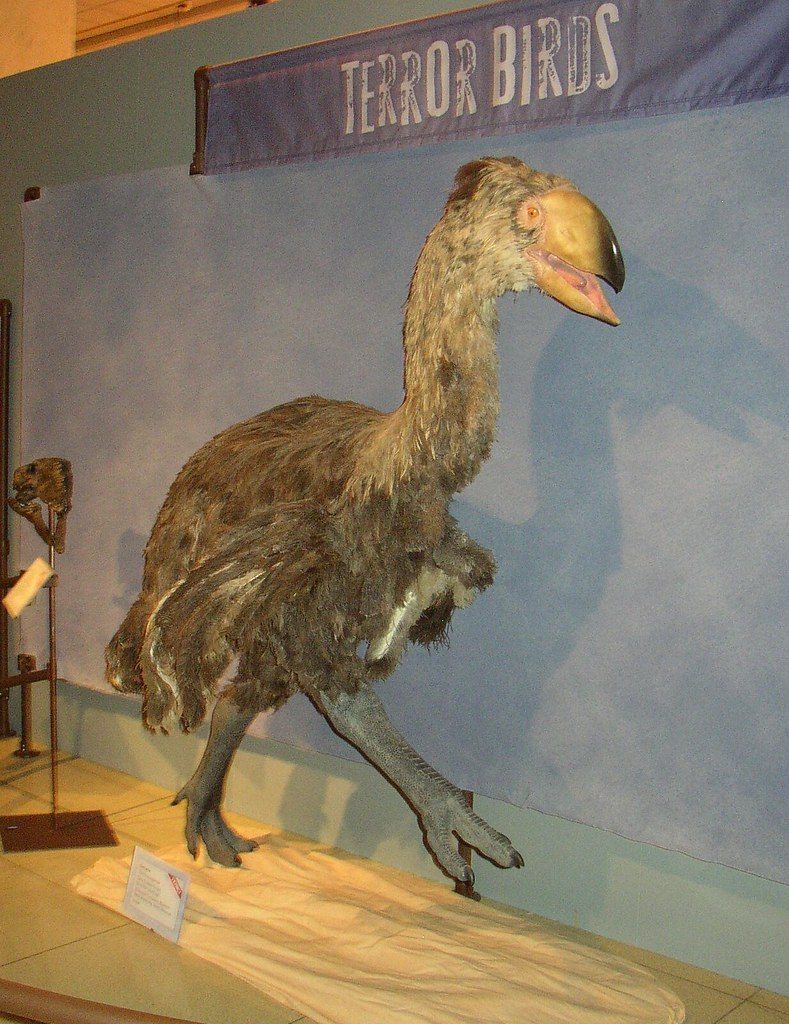
After dinosaurs disappeared, giant flightless birds called terror birds became top predators in parts of South America. These birds stood over 9 feet tall and had strong legs built for running. Instead of using claws like eagles, they relied on huge hooked beaks that could tear into prey. Their speed and height made them fearsome hunters across open grasslands.
Scientists believe terror birds chased smaller animals before attacking with crushing pecks from their powerful beaks. Fossil evidence even suggests some terror birds may have faced attacks from giant crocodile relatives. Despite having no ability to fly, these birds were fast and aggressive enough to become apex predators for millions of years. Their appearance was likely frightening, with tall bodies, sharp beaks, and long legs built for speed. Humans would have struggled to outrun one of these deadly birds.
Dunkleosteus had one of the strongest bites ever
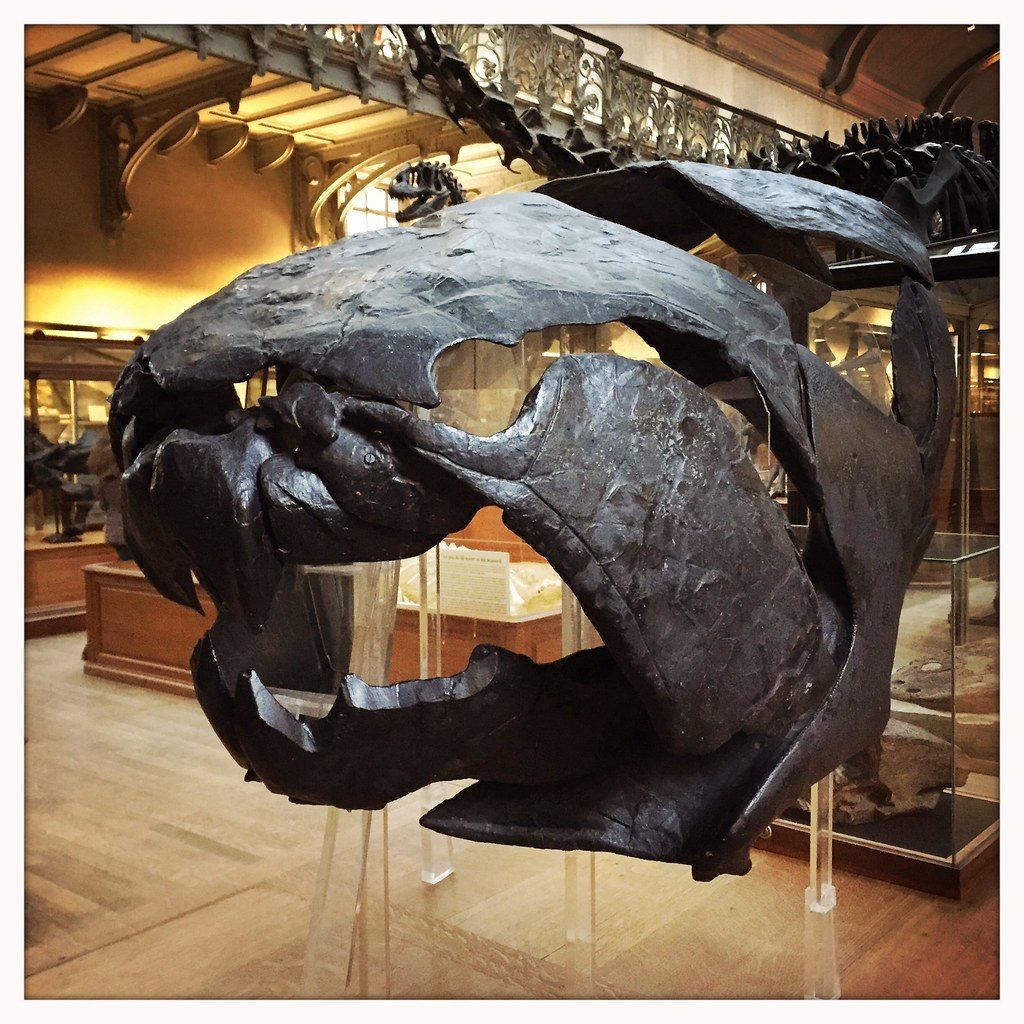
Long before dinosaurs appeared, ancient oceans were ruled by a massive armored fish called Dunkleosteus. This creature lived during the Devonian Period and could grow over 30 feet long. Instead of regular teeth, it had sharp bony plates that acted like giant blades. These jaws could slice through prey with incredible force.
Researchers believe Dunkleosteus had one of the strongest bites of any animal in history. Fossils show signs of cannibalism, meaning these fish sometimes attacked and ate each other. Its thick armor protected it from many threats while allowing it to dominate ancient seas. Scientists also think it could swim surprisingly fast for such a large predator. With huge jaws, armor plating, and deadly strength, Dunkleosteus was one of the ocean’s earliest super predators.
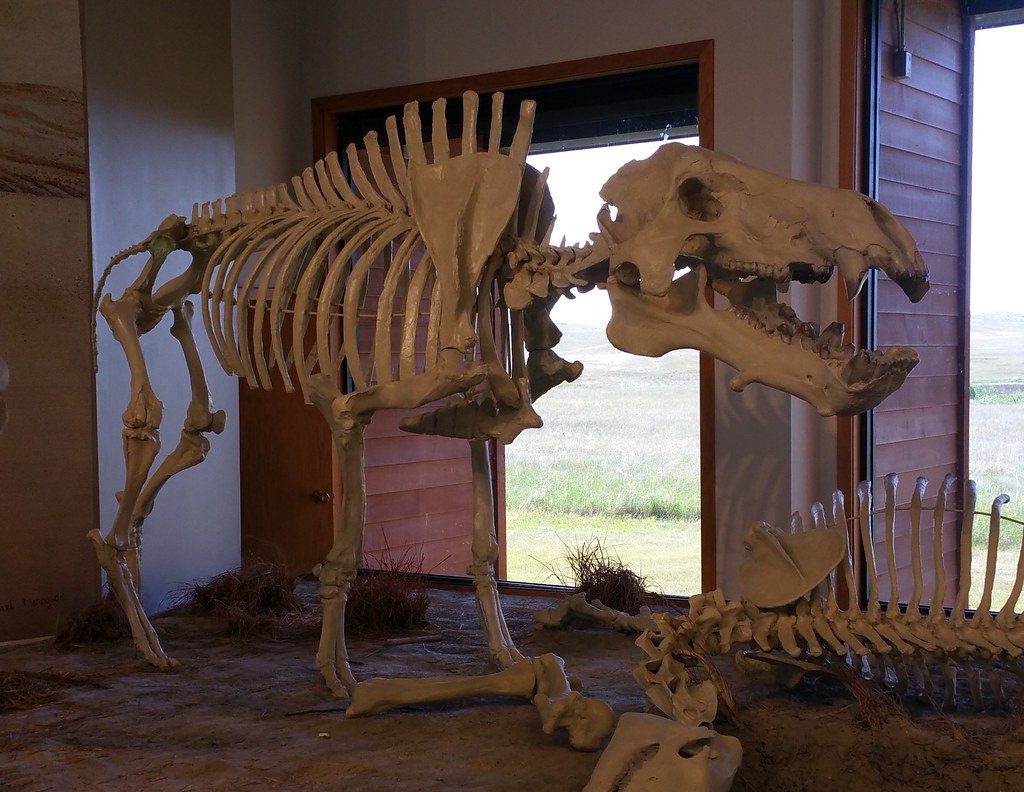
Hell pigs were brutal prehistoric mammals
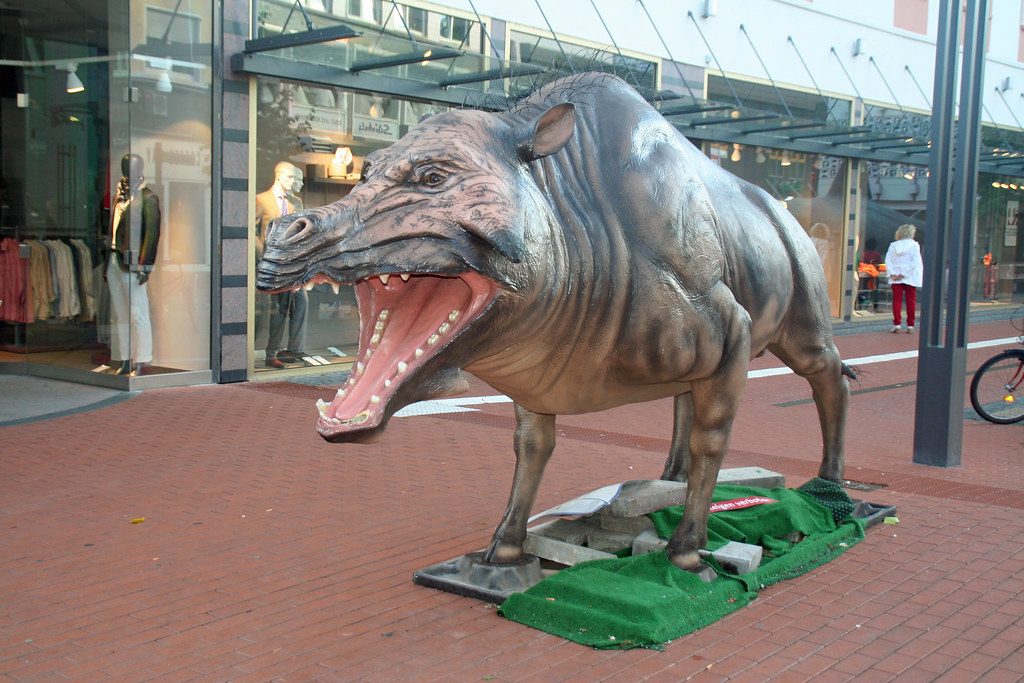
Not all scary prehistoric creatures were reptiles or dinosaurs. Some ancient mammals were just as frightening. One example was the entelodont, often called the “hell pig.” These animals looked like giant pigs mixed with hippos. They had large heads, powerful jaws, and long legs built for speed.
Hell pigs lived millions of years ago across North America, Europe, and Asia. Scientists believe they were omnivores, meaning they ate both plants and meat. Their strong teeth could crush bone, and they likely fought aggressively over food. Fossils suggest these mammals were fast runners and skilled scavengers. Their appearance alone would have been enough to scare many animals away. Even though they were not true pigs, they became some of the most feared mammals of their time because of their strength and aggressive behavior.
Leave a Reply