
Many dog owners love sharing snacks with their pets. A small bite from the dinner table may seem harmless, but some common foods that are toxic to dogs can cause serious illness within hours. In some cases, these foods can even lead to kidney failure, liver damage, seizures, or death. Dogs process food very differently from humans, which means foods that are safe for people may be dangerous for pets.
Knowing which foods to avoid can help keep your dog healthy and safe. This guide explains the most common toxic foods for dogs, the symptoms they can cause, and why quick action matters. By learning these facts, you can prevent accidents and make smarter choices about what your dog eats.
Why dogs react differently to human food
Dogs have a different digestive system than humans. Their bodies break down chemicals and nutrients in ways that are not always safe. Some foods contain substances that dogs cannot process properly. Even tiny amounts can sometimes trigger dangerous reactions. A dog’s size, age, breed, and overall health can also affect how severe the poisoning becomes.
Another problem is that many toxic foods are hidden inside everyday meals. Garlic powder, onion seasoning, chocolate chips, raisins, and sugar-free sweeteners are often mixed into foods people eat every day. Dogs are curious animals and may grab food from counters, trash cans, or bags left open. This is why pet experts stress that prevention is one of the best ways to protect dogs from accidental poisoning.
Chocolate and caffeine can damage the heart
Chocolate is one of the most well-known dangerous foods for dogs. It contains substances called theobromine and caffeine. Dogs cannot break these chemicals down as fast as humans can. Dark chocolate and baking chocolate are the most dangerous because they contain higher amounts of these compounds. White chocolate has much lower levels, but it can still upset a dog’s stomach because of the fat and sugar.
Signs of chocolate poisoning include vomiting, diarrhea, shaking, rapid heartbeat, restlessness, seizures, and heavy panting. Serious cases can become deadly if treatment is delayed. Caffeine products such as coffee, tea, energy drinks, and caffeine pills are also harmful for the same reason. Even small amounts may overstimulate a dog’s nervous system and heart. Veterinarians recommend calling for help right away if a dog eats chocolate or caffeine products.
Grapes and raisins can cause kidney failure
Grapes and raisins are extremely dangerous to dogs. Experts still do not fully understand why these fruits are toxic, but they know the results can be severe. Some dogs become very sick after eating only a few grapes or raisins. Others may eat more without symptoms at first, which makes the risk harder to predict. There is no known safe amount for dogs.
Symptoms often begin with vomiting, weakness, stomach pain, diarrhea, and loss of appetite. In severe cases, kidney failure can develop within one to two days. A dog may stop urinating or become very tired and dehydrated. Raisins are especially risky because they are concentrated and often hidden in cookies, cereal bars, cakes, and trail mix. Fast treatment greatly improves the chance of recovery, so owners should never wait for symptoms to appear before calling a veterinarian.
Onions and garlic can destroy red blood cells
Onions, garlic, leeks, and chives belong to the allium family. These foods contain compounds that can damage a dog’s red blood cells. When too many red blood cells are destroyed, dogs can develop anemia. Garlic is often considered even more toxic than onions because it is more concentrated. The danger exists whether the foods are raw, cooked, dried, powdered, or mixed into sauces and gravies.
A dog that eats onions or garlic may first show signs like vomiting, diarrhea, drooling, and stomach pain. Over the next few days, weakness, pale gums, fast breathing, and tiredness may appear as anemia develops. Some dogs may also have dark-colored urine. Since onion and garlic powder are common ingredients in soups, chips, fast food, and leftovers, accidental poisoning happens more often than many owners realize.
Xylitol is dangerous even in tiny amounts

Xylitol is an artificial sweetener found in many sugar-free products. It is commonly used in chewing gum, candy, toothpaste, baked goods, protein bars, flavored drinks, and some peanut butters. While xylitol is considered safe for people, it is extremely toxic to dogs. Even a small amount can cause a sudden drop in blood sugar within minutes.
Dogs poisoned by xylitol may vomit, stumble, shake, collapse, or have seizures. In more severe cases, liver failure can occur. Some dogs die if treatment is not given quickly. One reason xylitol is especially dangerous is that many owners do not realize it is hidden in foods they consider harmless. Checking ingredient labels before sharing snacks with dogs is very important. Products labeled “sugar-free” or “low sugar” should always be kept away from pets.
Alcohol and raw dough can quickly become deadly
Alcohol affects dogs much faster than humans because their bodies are smaller and more sensitive. Even small amounts can cause vomiting, trouble breathing, poor coordination, low body temperature, seizures, and coma. Dogs may accidentally drink alcohol from unattended glasses, but poisoning can also happen from products like mouthwash, hand sanitizer, cough syrup, and uncooked bread dough.
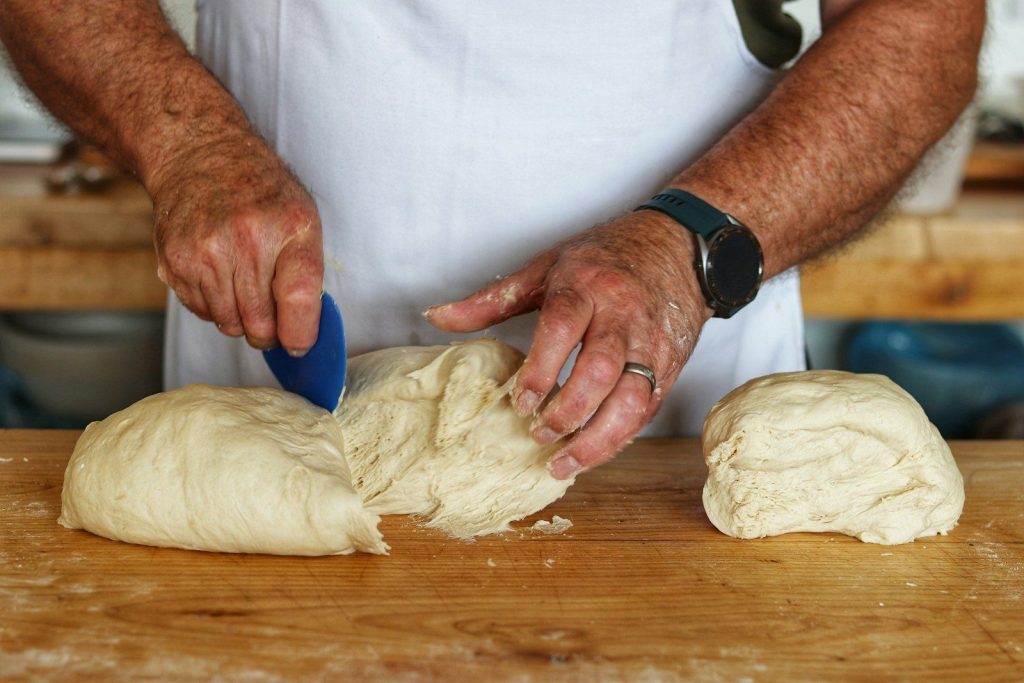
Raw yeast dough is another hidden danger. Once eaten, the dough can expand inside the stomach, causing painful bloating. At the same time, the yeast creates alcohol during fermentation, which can poison the dog. This combination can become a life-threatening emergency very quickly. Large amounts of dough may even twist the stomach, blocking blood flow and requiring emergency surgery. Keeping baking ingredients out of reach is an important safety step for pet owners.
Leave a Reply