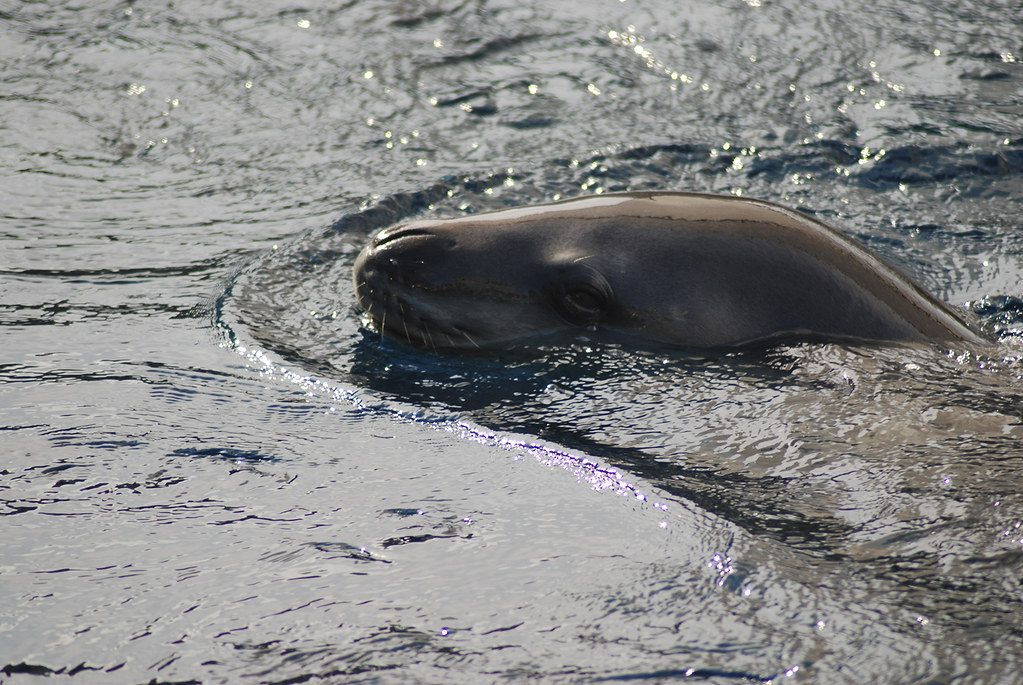
A rare seal attack in Antarctica shocked the scientific world when an experienced marine biologist lost her life during a research dive. The tragedy remains the only confirmed human death caused by a leopard seal, making it one of the most unusual wildlife incidents ever recorded in Antarctica. While leopard seals are powerful predators, attacks on people are extremely uncommon.
This article explains what happened, why scientists believe the attack occurred, how leopard seals normally behave, and how the event changed safety practices for researchers working in Antarctica.
The tragic incident at Rothera Research Station
On July 22, 2003, 28-year-old British marine biologist Kirsty Brown was snorkeling near Rothera Research Station on the Antarctic Peninsula. She was studying marine life close to shore when a leopard seal suddenly attacked and pulled her underwater. Her research partner and nearby teammates responded immediately, launching a rescue within moments.
Brown was brought back to the surface, and medical staff performed CPR for about an hour. Despite their efforts, she could not be revived. The incident became the first and only confirmed fatal leopard seal attack on a human, making it one of the rarest wildlife accidents ever recorded in Antarctica.
Why leopard seals can be dangerous
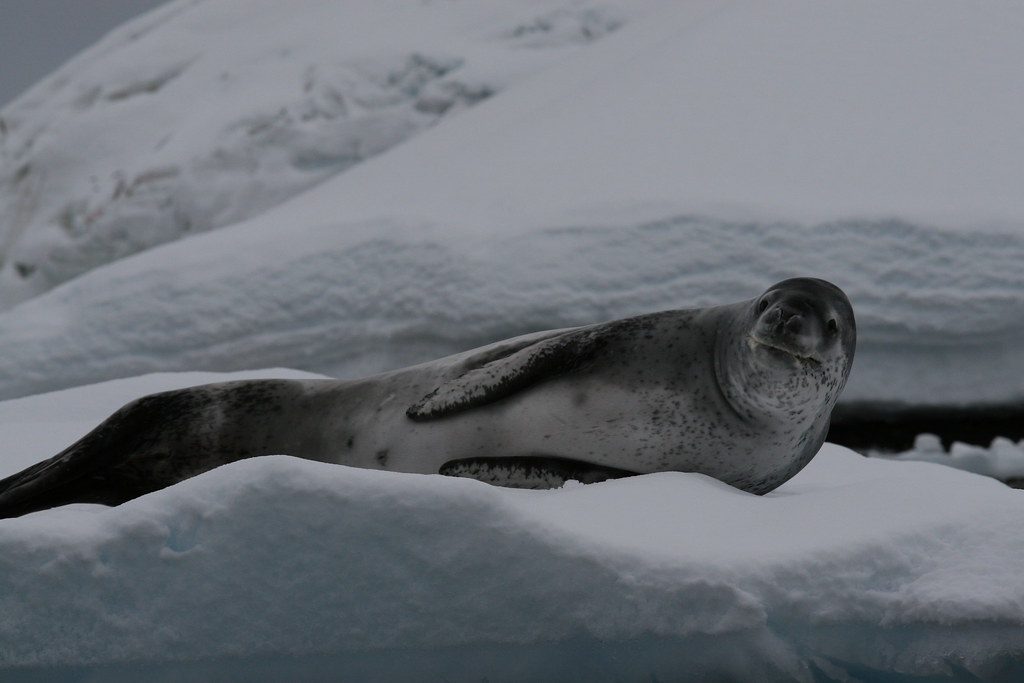
Leopard seals are the second-largest seal species in Antarctica, growing up to about 12 feet long and weighing more than 1,000 pounds. They are top predators that hunt penguins, fish, squid, and even other seals. Their large jaws, long teeth, and strong bodies make them highly effective hunters in icy waters.
Even though they are powerful, leopard seals rarely attack humans. Most encounters involve curious animals that swim close to divers or boats without becoming aggressive. Scientists have recorded only a handful of attacks over many decades, and Brown’s death remains the only confirmed fatal case.
What scientists believe happened
The exact reason for the attack will never be known with certainty. Experts suggested the seal may have mistaken Brown for natural prey because she was snorkeling at the water’s surface. Another possibility is that the seal reacted defensively after being surprised by a person entering its hunting area.
Investigators found that the seal held Brown underwater for several minutes, causing her to drown. She also suffered multiple bite and scratch injuries, mostly around her head and neck. The official investigation ruled her death accidental, with drowning caused by the leopard seal attack.
How this changed Antarctic research
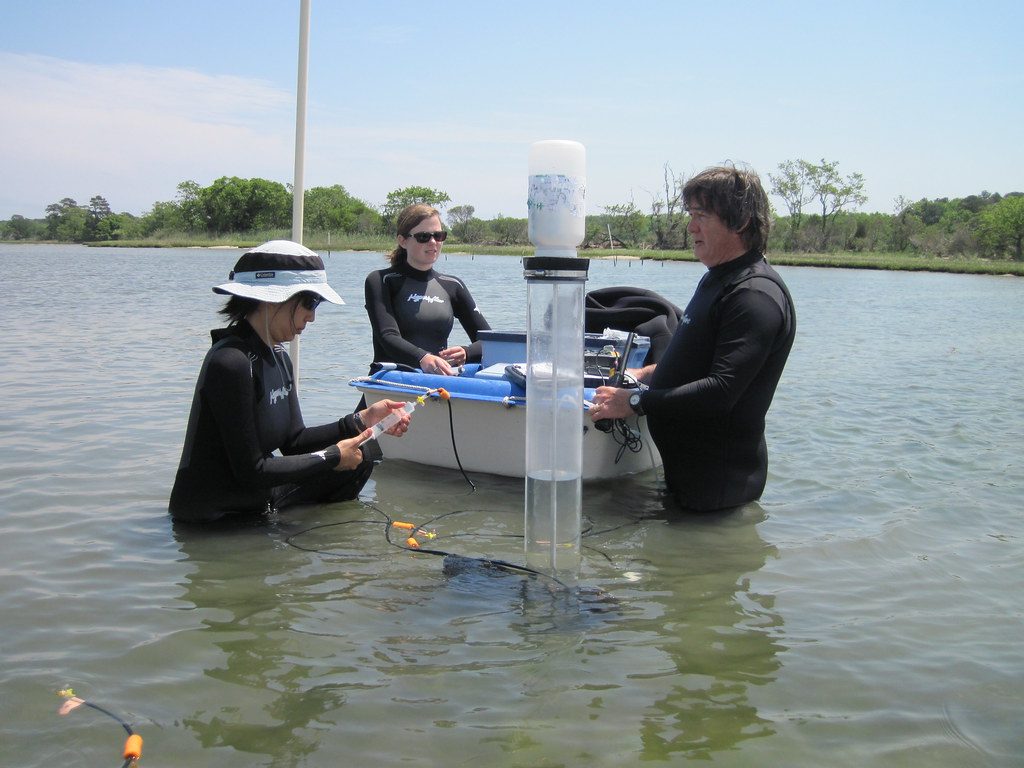
The tragedy led Antarctic research organizations to review their safety procedures for diving and snorkeling. Scientists now pay even closer attention to wildlife activity before entering the water, especially in areas where leopard seals are known to hunt.
Research teams also improved emergency planning, communication, and rescue procedures. Divers often work with dedicated surface support teams and carefully assess animal behavior before beginning underwater surveys. These measures are designed to reduce risk while allowing important scientific work to continue.
Understanding leopard seal behavior
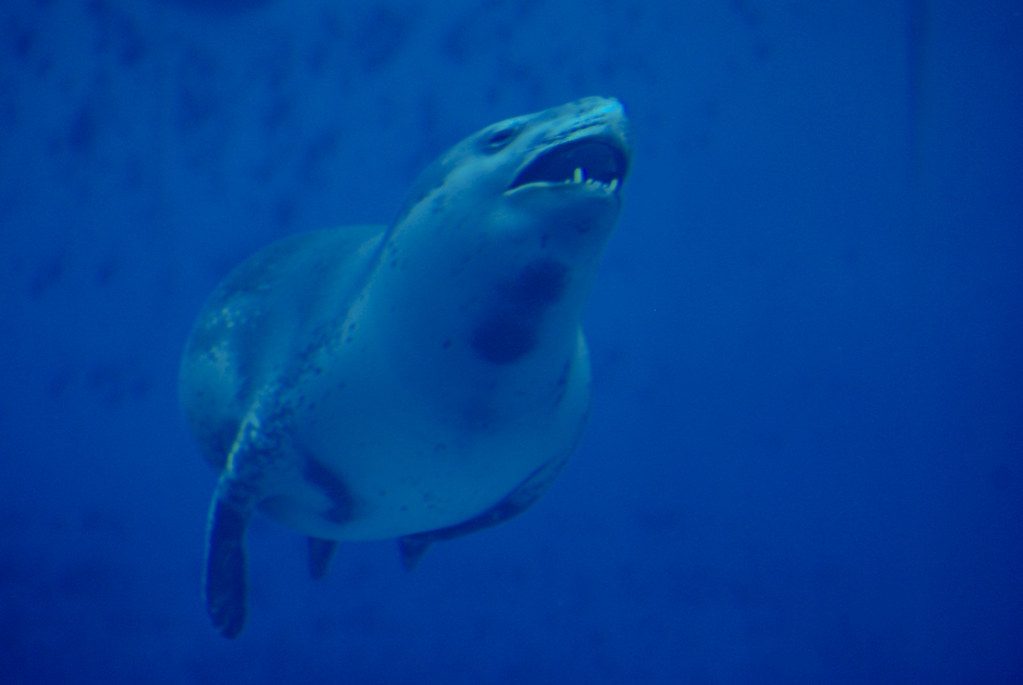
Leopard seals spend much of their lives alone, patrolling the icy waters around Antarctica. They are intelligent, curious animals that sometimes approach divers without showing signs of aggression. Wildlife photographers have even reported peaceful encounters lasting several minutes.
Still, scientists remind people that leopard seals are wild apex predators. Like polar bears or great white sharks, they deserve caution and respect. Most experts agree that Brown’s death was an extraordinary event rather than normal leopard seal behavior.
The lasting impact of Kirsty Brown’s story
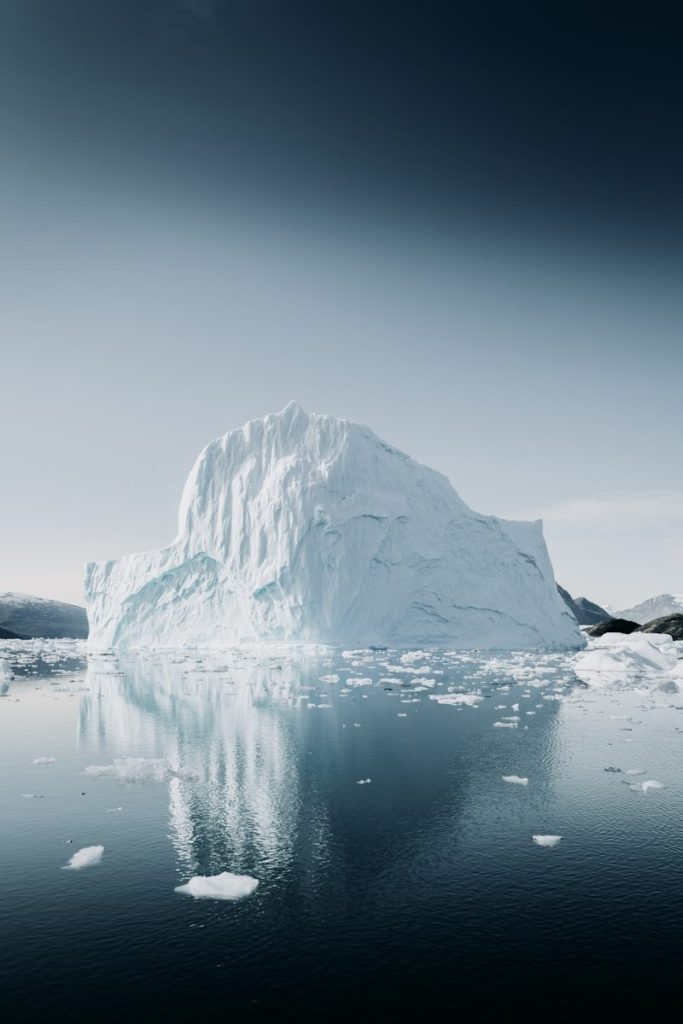
Kirsty Brown was remembered as a talented scientist with a promising career studying Antarctic marine ecosystems. Her work focused on how icebergs affect life on the seafloor, an important area of research for understanding Antarctic environments. An island near Rothera Research Station was later named Kirsty Island in her honor.
Her story continues to remind researchers that even the most experienced professionals face risks when working in remote natural environments. It also highlights the importance of balancing scientific discovery with careful wildlife safety, especially in one of Earth’s most extreme places.
Leave a Reply