Author: Ethan

  • Scientists found drugs in sharks from the Bahamas waters

    Scientists found drugs in sharks from the Bahamas waters

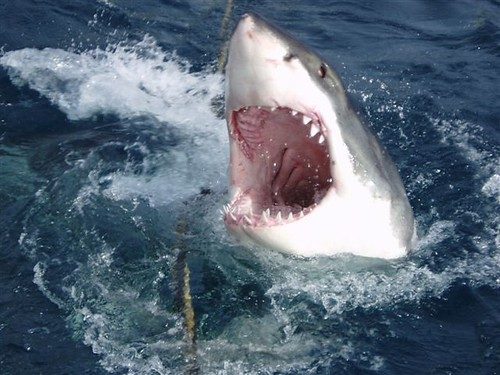
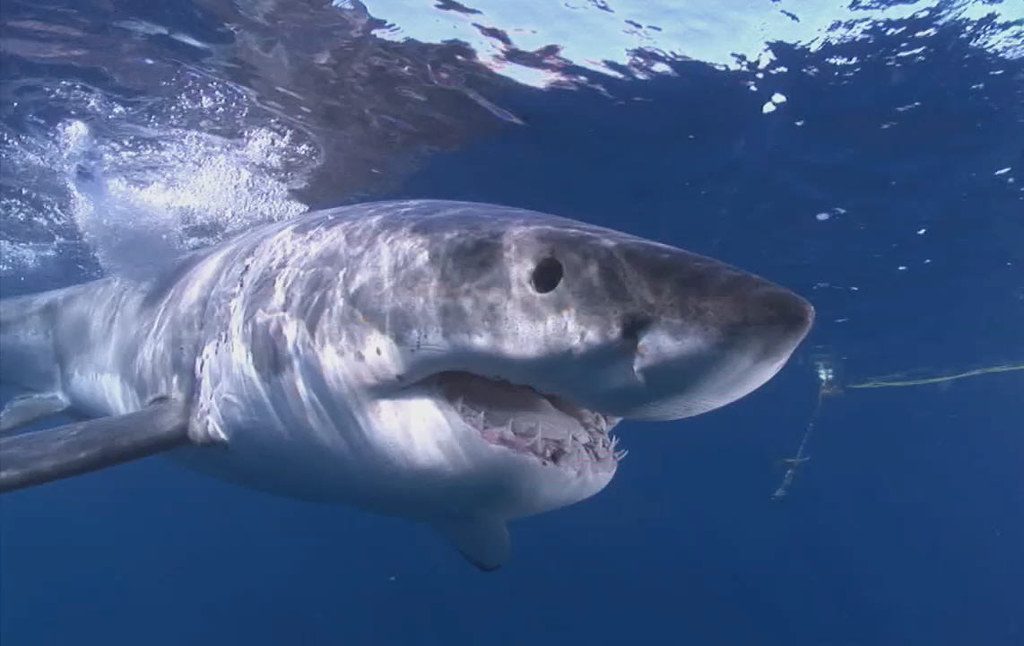
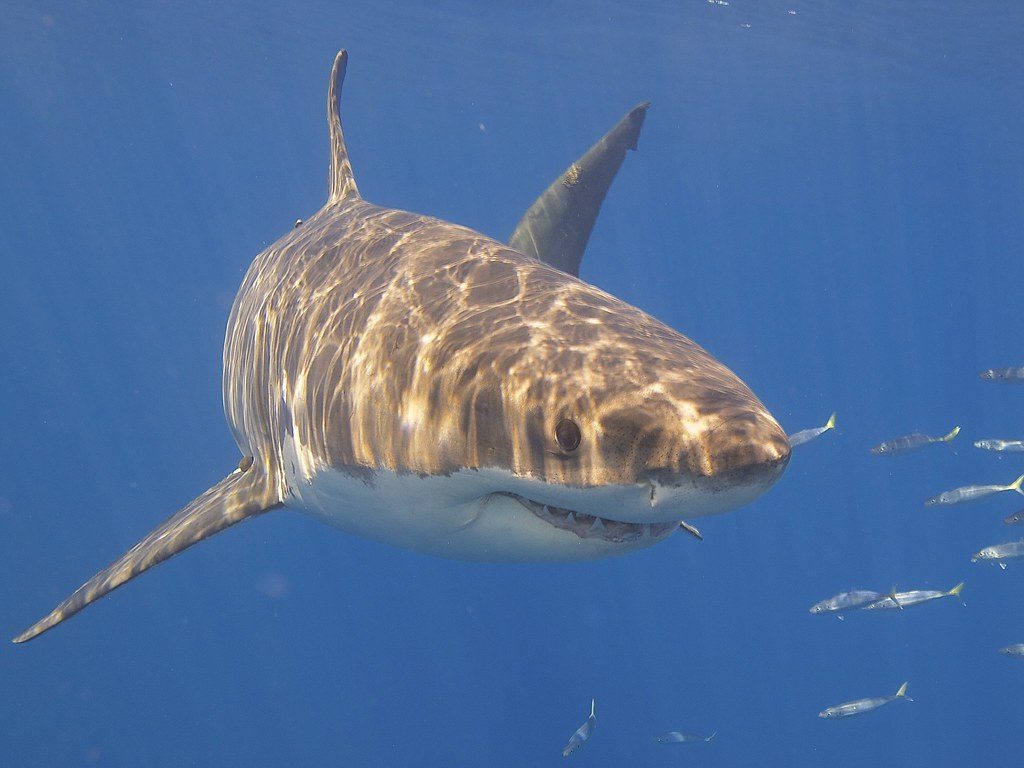
    The Bahamas is often considered one of the most beautiful places on Earth, with clear blue waters, colorful coral reefs, and thriving marine life. But a new study has revealed a troubling reality hidden beneath the surface. Researchers testing sharks near Eleuthera Island in the Bahamas discovered that many carried traces of drugs in their blood.

    The findings surprised scientists and raised new concerns about how human pollution is affecting ocean ecosystems. From caffeine to painkillers and even cocaine, the substances found in these sharks show that pollution can reach even the most remote and seemingly untouched environments.

    A surprising discovery in paradise
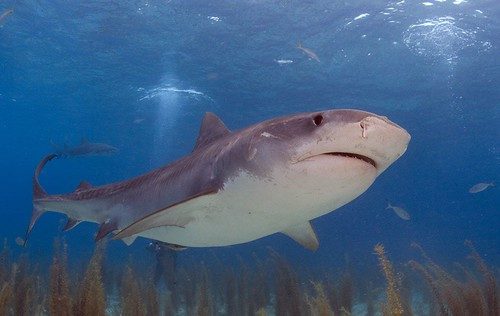
    Tiger shark” by WIlly Volk is licensed under CC BY-NC-SA 2.0

    For generations, sharks in the Bahamas have lived among coral reefs and tropical waters known for their beauty. The region is often viewed as one of the world’s most pristine marine environments.

    That image was challenged by a recent study that examined sharks living near Eleuthera Island. Scientists expected to learn more about shark health, but the results revealed something far more concerning about the surrounding ecosystem.

    Testing sharks for hidden contaminants
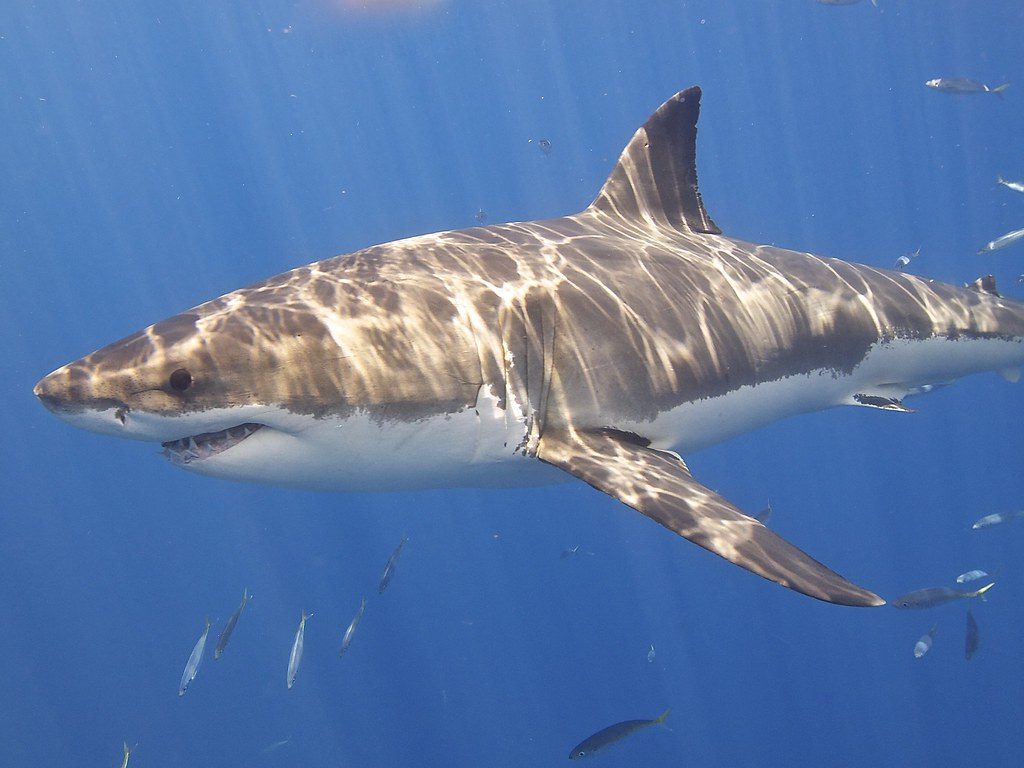
    Great White Shark” by Elias Levy is licensed under CC BY 2.0

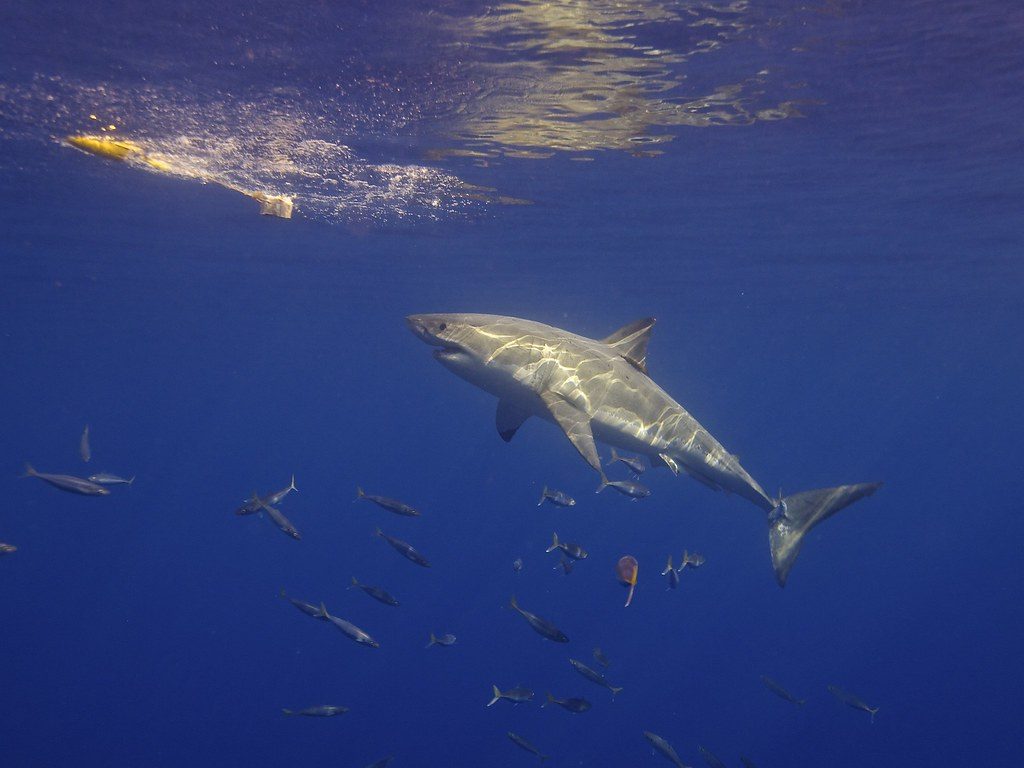
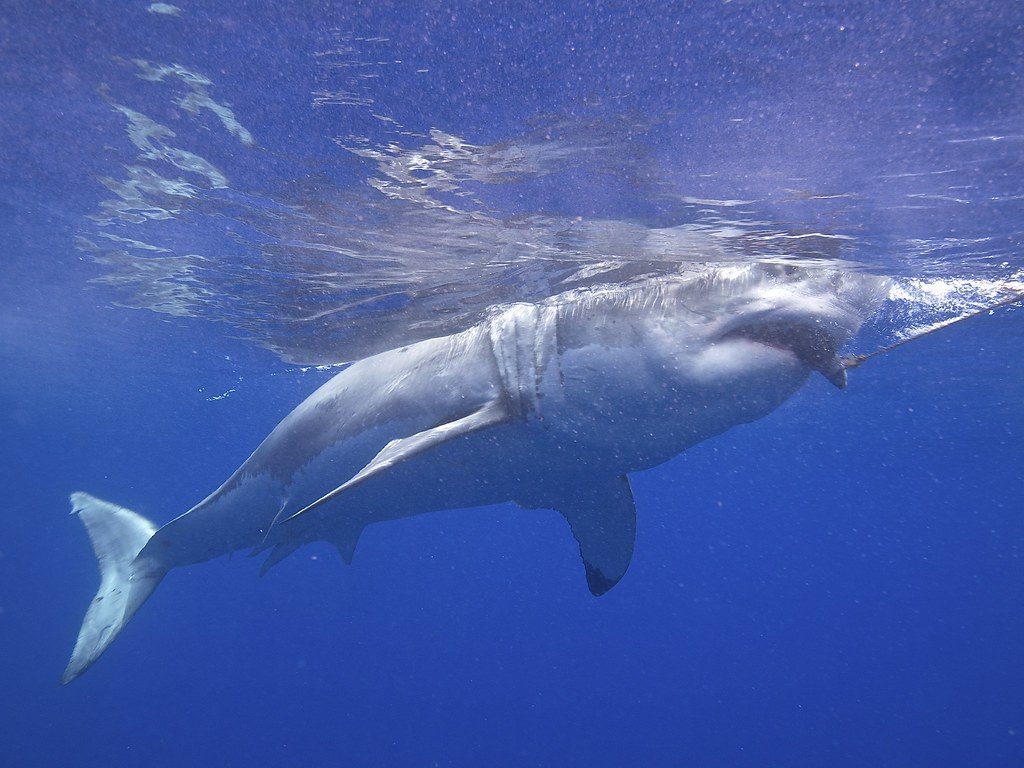
    Researchers collected blood samples from 85 sharks living in the waters around the island. The project was led by biologist Natascha Wosnick from Brazil’s Federal University of Paraná.

    When the samples were analyzed, scientists found that 28 sharks contained detectable levels of different substances. This meant that nearly one-third of the animals tested had traces of human-related contaminants in their bloodstreams.

    Caffeine appeared most often

    “Tiger shark” by WIlly Volk is licensed under CC BY-NC-SA 2.0

    Among all the substances discovered, caffeine was the most common. This finding stood out because caffeine had never previously been documented in any shark species anywhere in the world.

    The discovery highlights how widespread human pollution has become. A substance commonly found in drinks consumed by people had somehow reached marine predators living far from major population centers.

    More than one type of drug was found
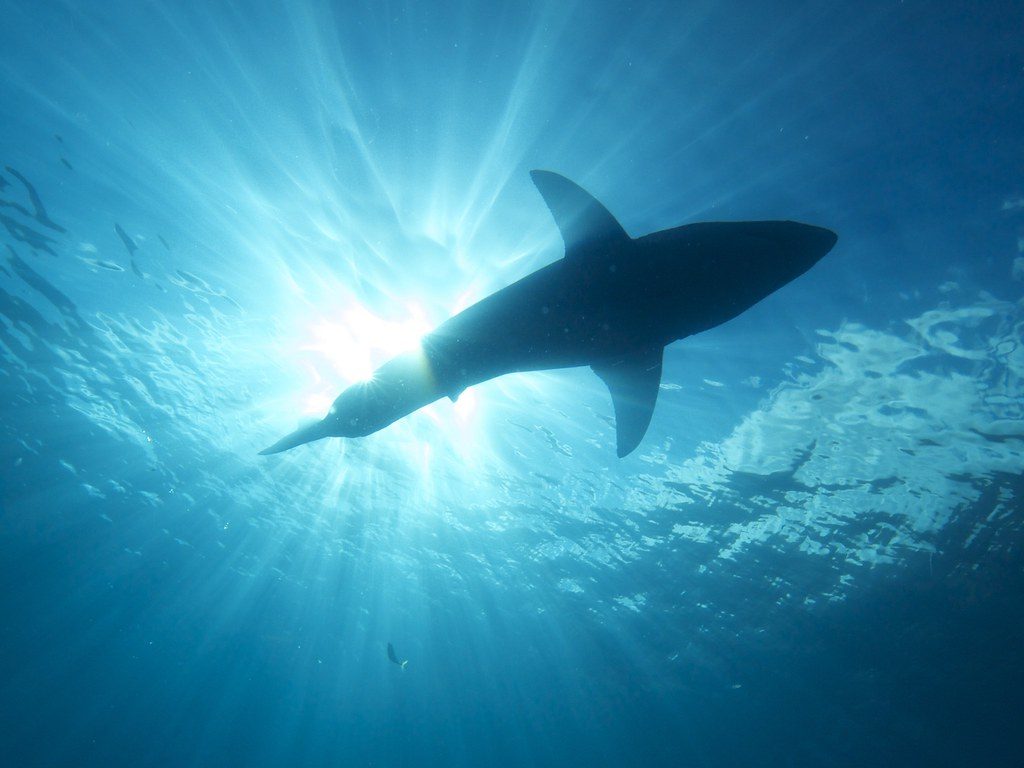
    Great White Shark” by Elias Levy is licensed under CC BY 2.0

    Researchers also detected acetaminophen and diclofenac in some of the sharks. Both substances are commonly used medications and are not naturally found in marine environments.

    Even more surprising was the discovery of cocaine in two sharks. Scientists believe the animals may have encountered the drug after biting objects or packages that entered the ocean. Some sharks were found to have multiple substances in their blood at the same time.

    Why the location matters
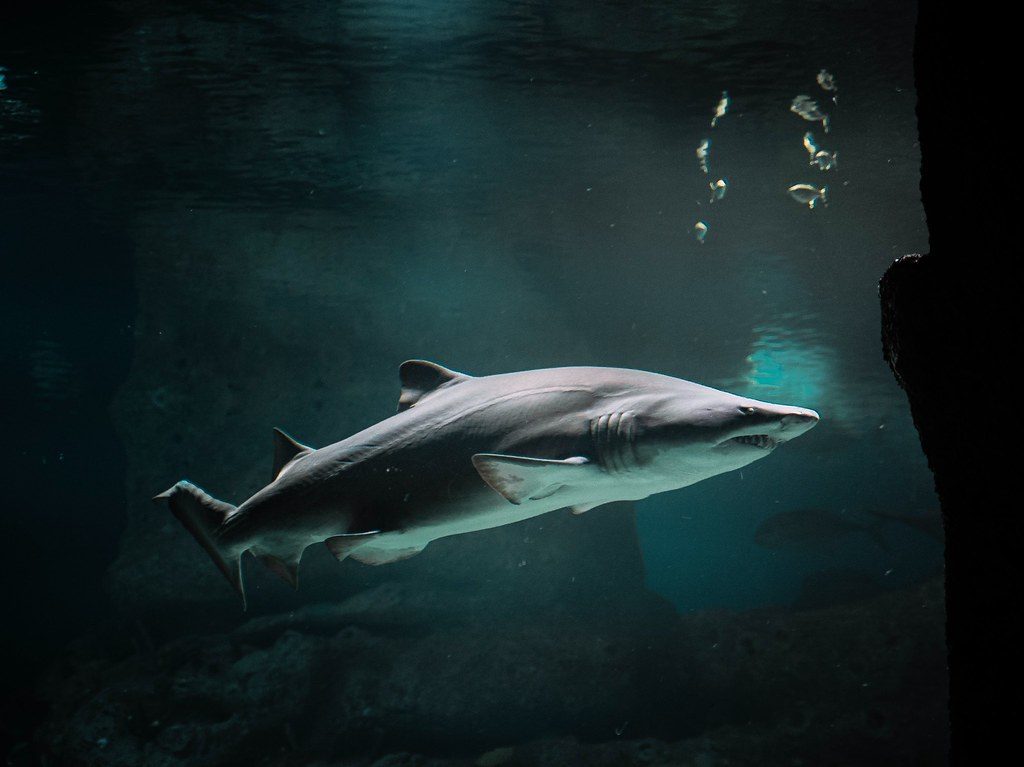
    Shark Of The Deep” by qoqeygeo32 is licensed under CC CC0 1.0

    One of the most striking parts of the study is where it took place. Eleuthera Island is considered one of the more remote parts of the Bahamas and is located far from major cities.

    Many people assume that isolated tropical waters remain protected from pollution. The findings suggest otherwise. Even locations that appear untouched can still be affected by contaminants that travel through waterways and ocean currents.

    What the findings mean for the future
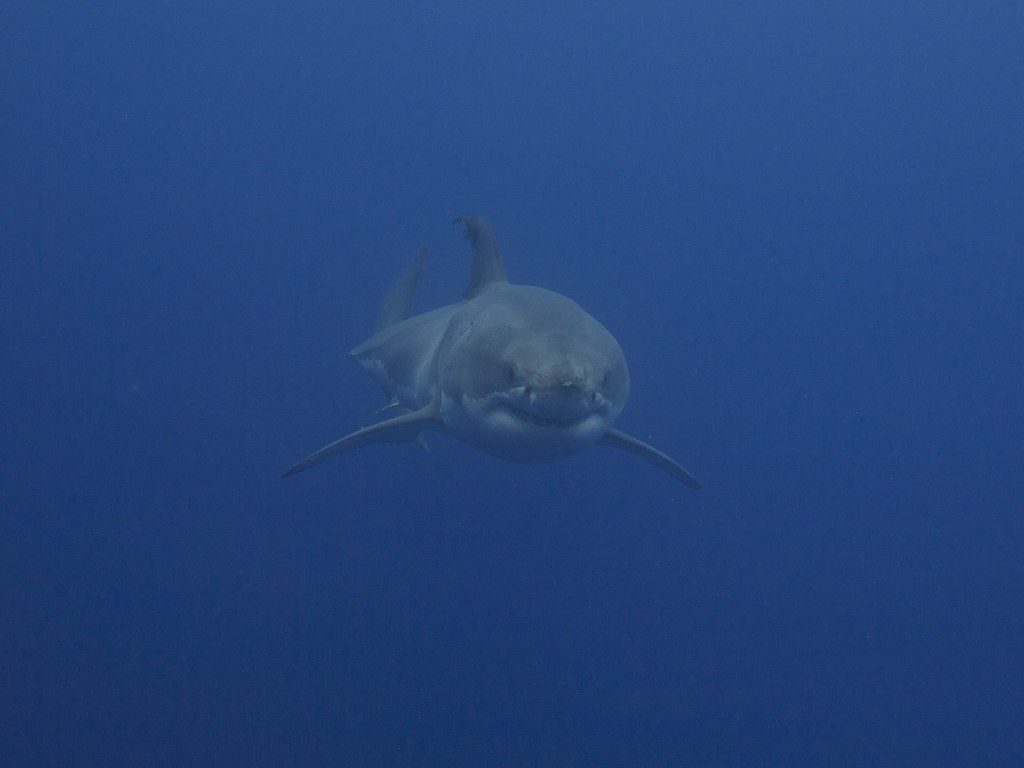
    Great White Shark” by Elias Levy is licensed under CC BY 2.0

    The study serves as a reminder that pollution does not stay in one place. Human activities can have effects that reach ecosystems far beyond where contaminants originally entered the environment.

    Researchers say the results show how deeply human influence has spread across the planet. The discovery also raises important questions about how these substances may affect marine animals and the health of ocean ecosystems over time.
  • Saltwater crocodile launches from the water in seconds

    Saltwater crocodile launches from the water in seconds

    One moment, the water is calm. Next, a giant reptile launches from below with shocking speed. That is what makes the saltwater crocodile one of the most feared predators on Earth. Known for its patience, power, and stealth, this massive hunter can remain almost invisible before striking in a split second.

    Some of the largest individuals can reach enormous sizes, and their attacks are designed to overwhelm prey before it has time to react. From explosive ambushes to the famous death roll, the saltwater crocodile has developed a hunting style that has helped it survive for millions of years.

    A predator built for surprise attacks

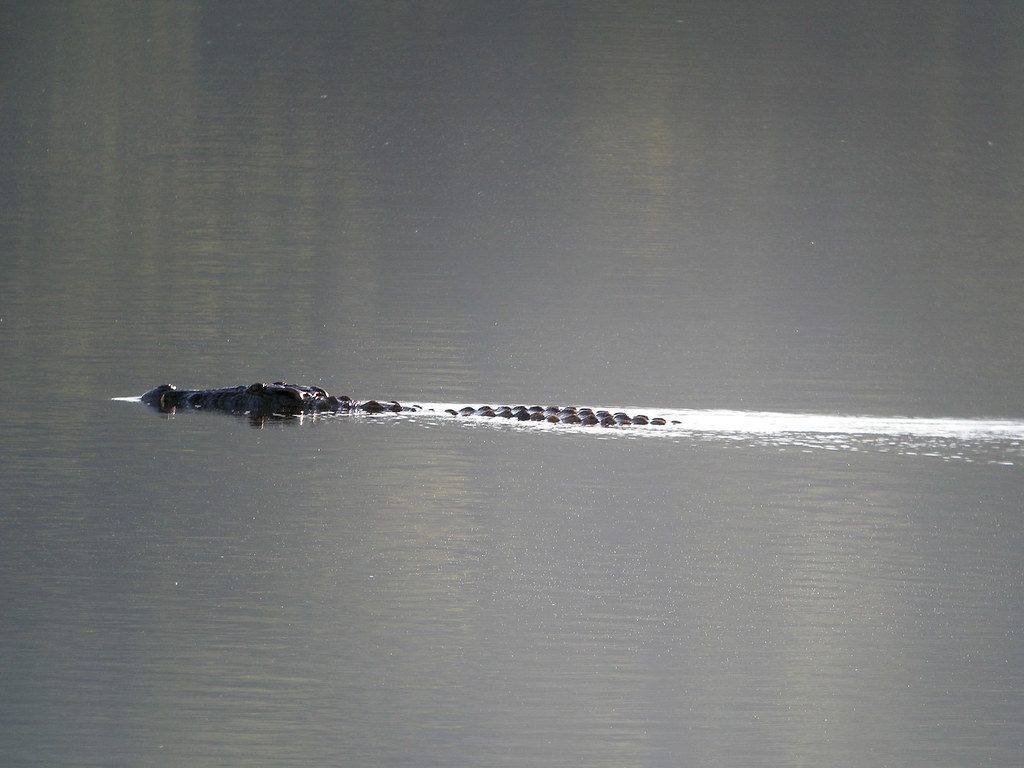
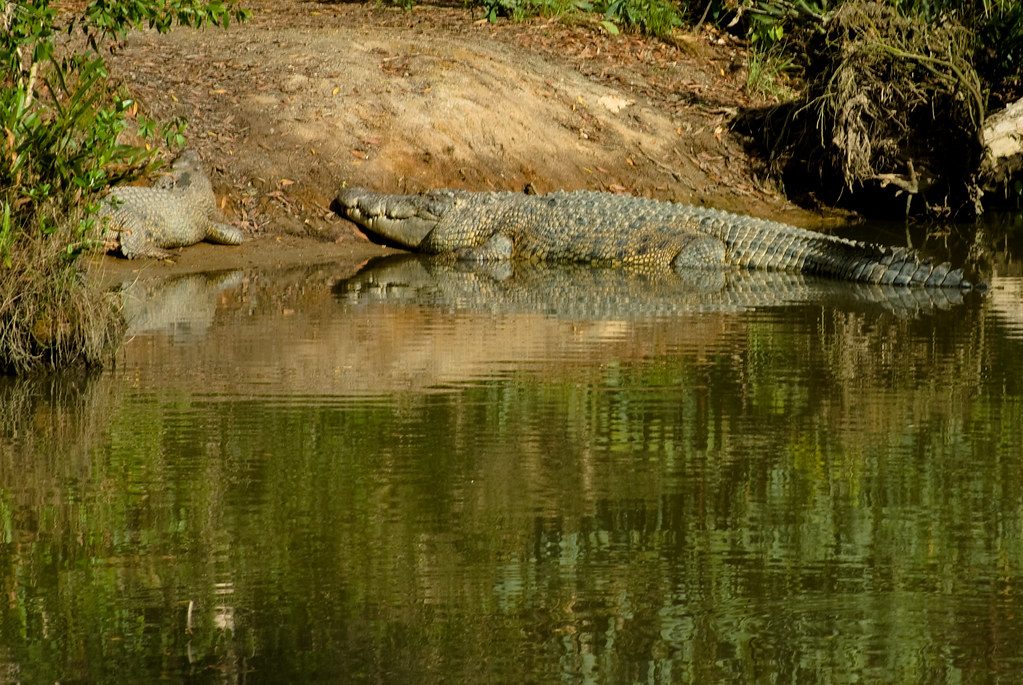
    Male saltwater crocodile (5 metres plus) – South Alligator River, Kakadu NP, Northern Territory, Australia” by Geoff Whalan is licensed under CC BY-NC-ND 2.0

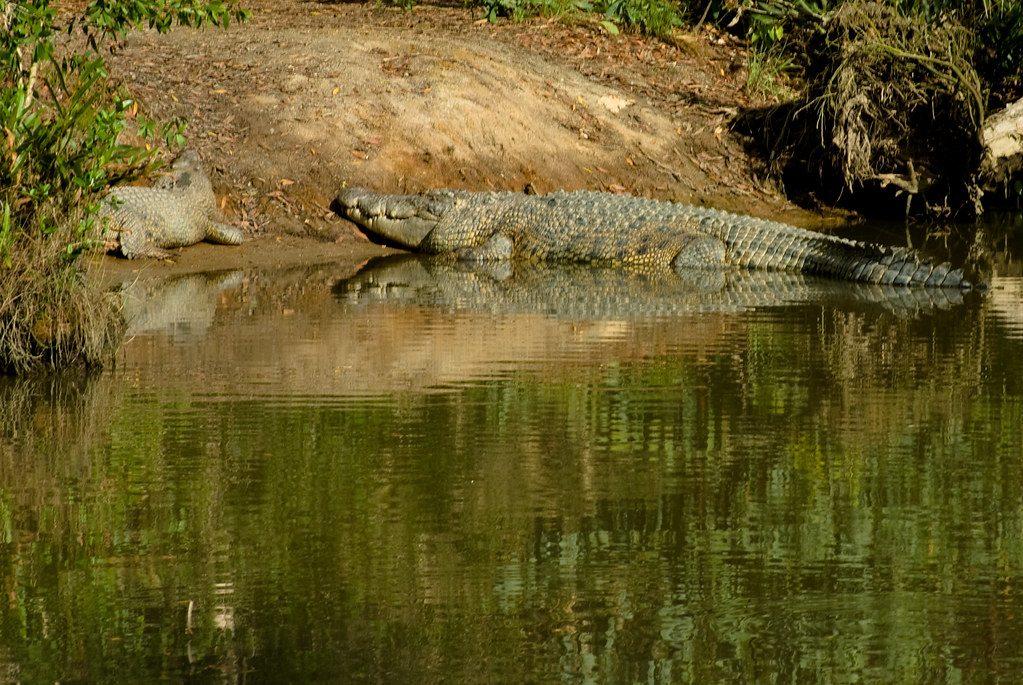
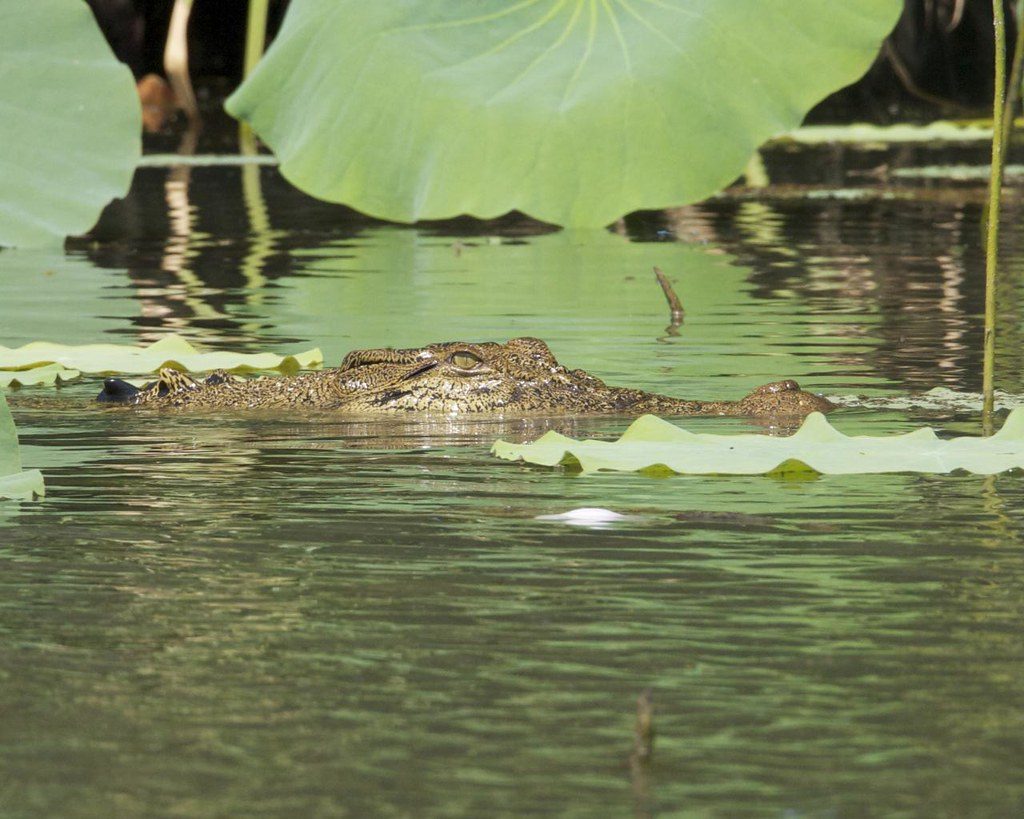
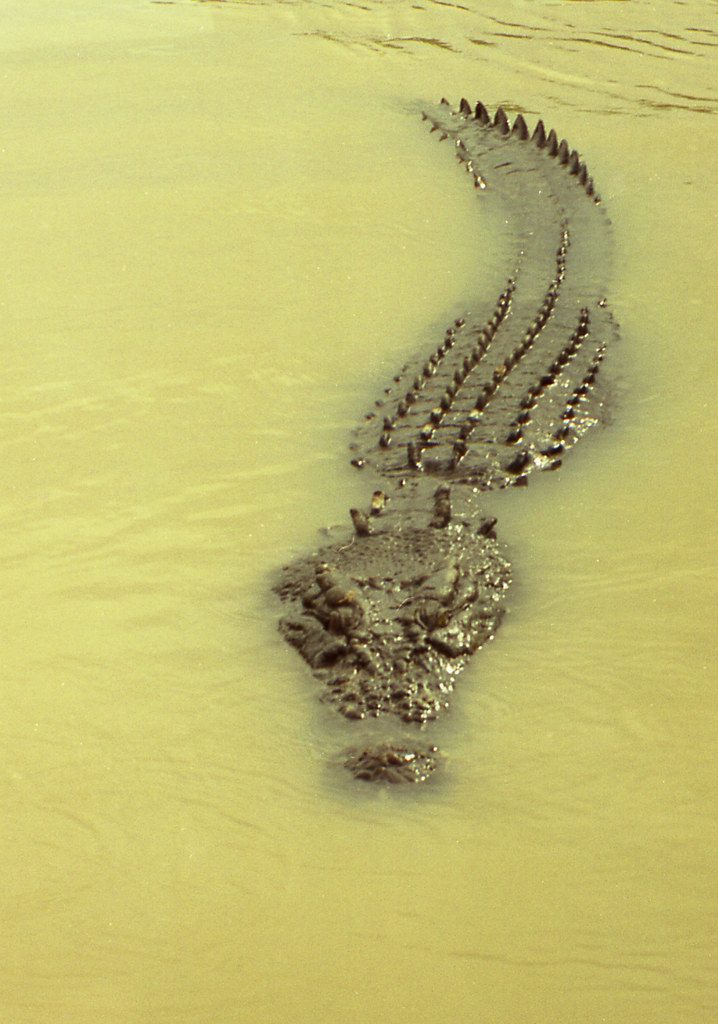
    Saltwater crocodiles are ambush hunters. Rather than chasing prey over long distances, they rely on stealth and patience. They often remain nearly motionless in the water while waiting for the perfect moment to strike.

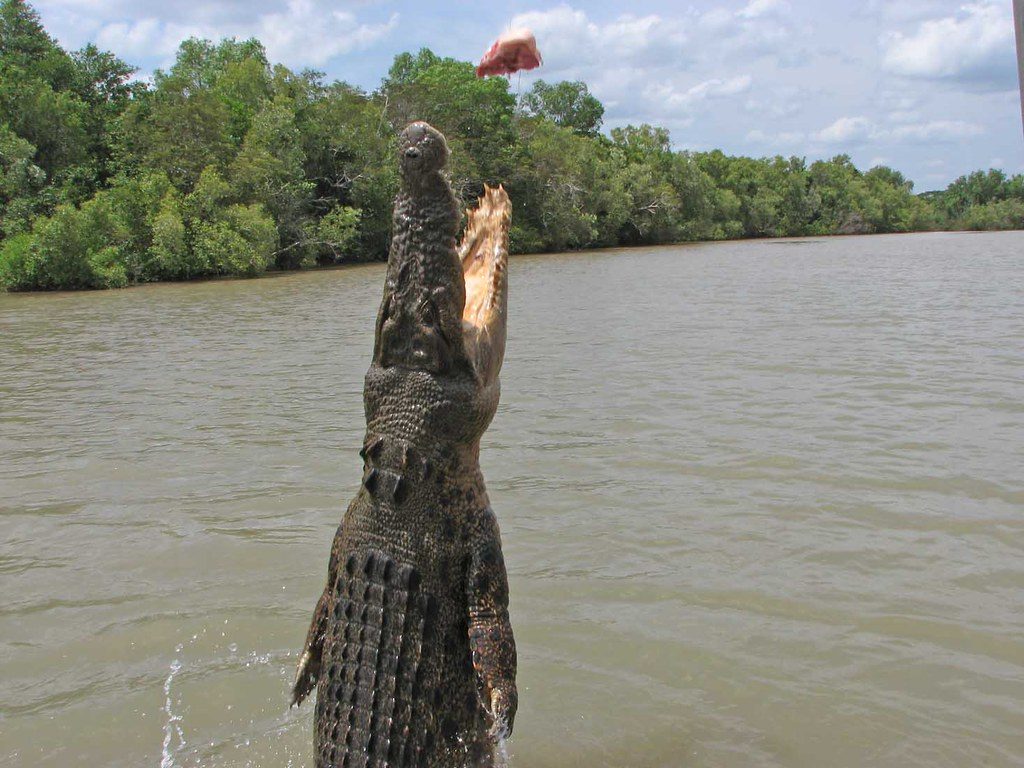
    When that opportunity arrives, the attack happens with incredible speed. A crocodile can burst from the water unexpectedly, using the force of its body and powerful tail to launch toward its target. For nearby animals, there is often little warning before the attack begins.

    Power hidden beneath the surface

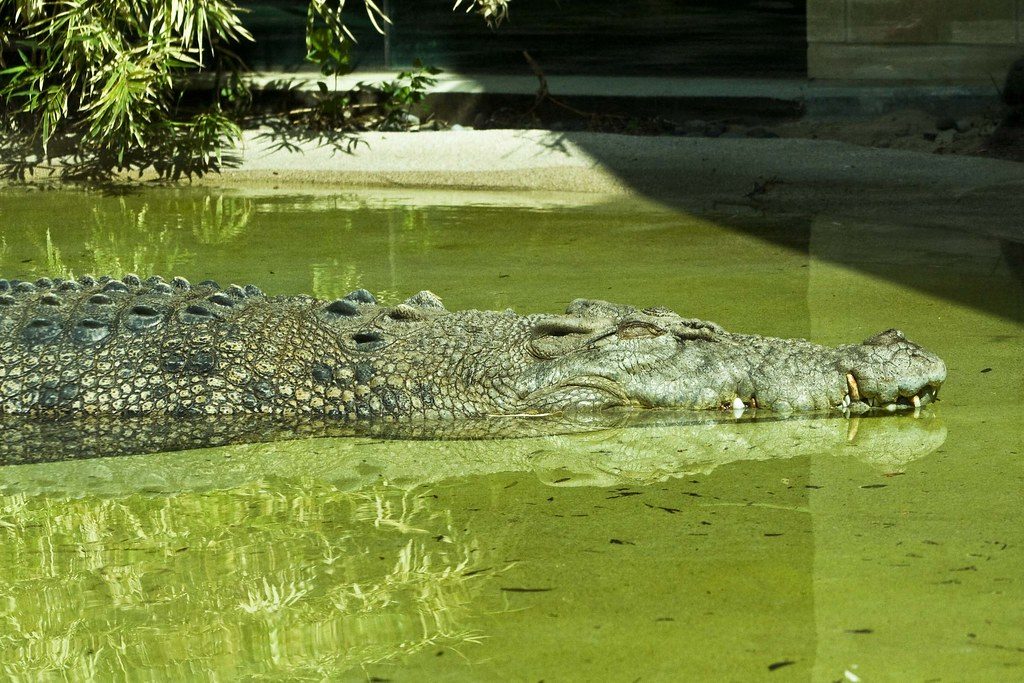
    Saltwater Crocodile” by Corey Leopold is licensed under CC BY 2.0

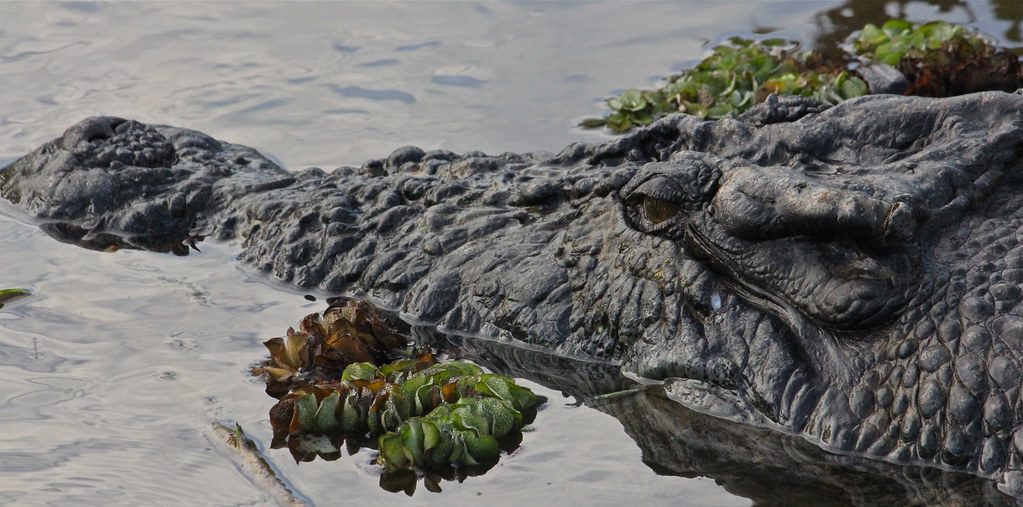
    Much of a crocodile’s body remains hidden underwater while it waits. This allows the animal to stay concealed while observing everything around it. From the surface, it may appear calm and inactive.

    In reality, the crocodile is prepared to react instantly. Its muscular body provides the strength needed for explosive movement. The contrast between complete stillness and sudden action is one reason these predators are so effective.

    One of the strongest bites ever measured

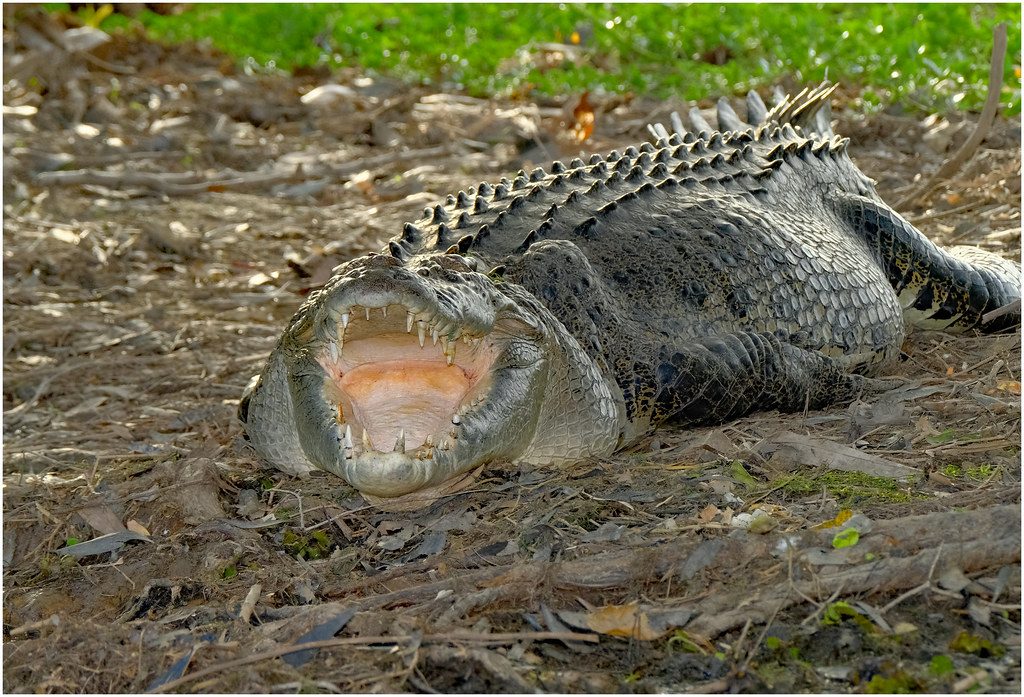
    Saltwater Crocodile” by Crazy Creatures is licensed under CC BY-ND 2.0

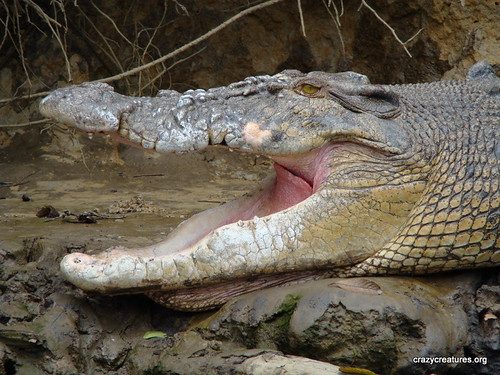
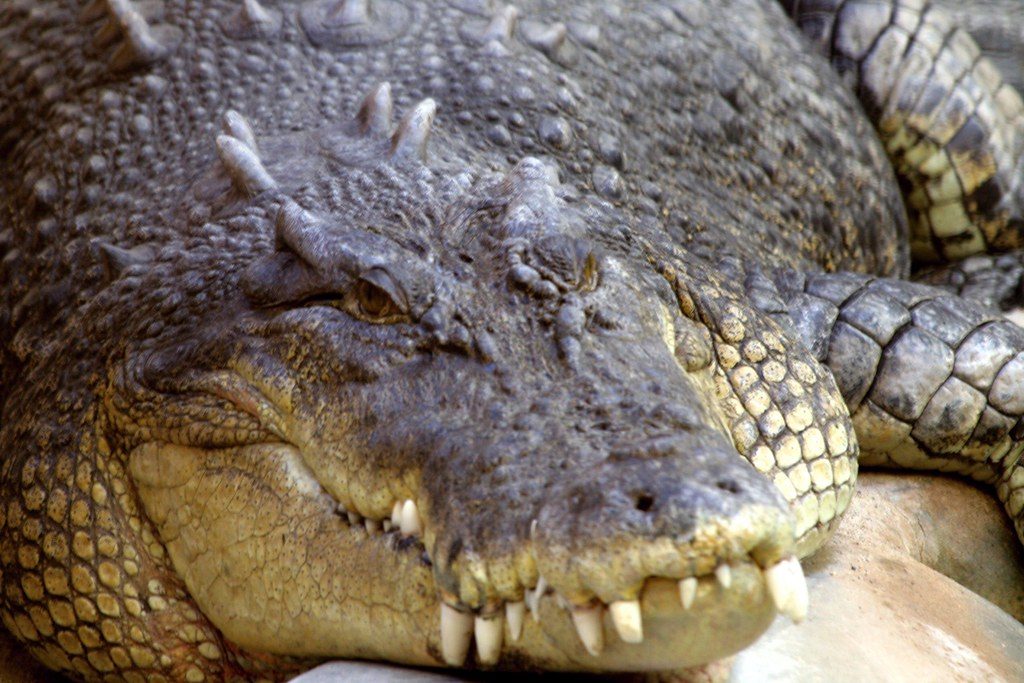
    A saltwater crocodile’s jaws are among its most powerful weapons. Scientists have recorded the strongest bite force ever measured in a living animal from a saltwater crocodile.

    Once those jaws close, escaping becomes extremely difficult. The crocodile’s bite is designed to grip and hold prey securely. Combined with its size and strength, the bite helps make the species one of the most formidable predators alive.

    The attack does not end with the bite

    Saltwater Crocodile” by mattfrancey is licensed under CC BY-NC 2.0

    For a saltwater crocodile, grabbing prey is often only the first step. After securing its target, the animal may use a behavior known as the death roll. During this maneuver, the crocodile spins its body while maintaining its grip.

    The movement helps the predator overpower struggling prey. This technique has become one of the crocodile’s most recognizable hunting behaviors and plays an important role in how it controls large animals in the water.

    Why saltwater crocodiles are so successful

    Saltwater Crocodile (Crocodylus porosus)” by Lip Kee is licensed under CC BY-SA 2.0

    Saltwater crocodiles combine several advantages that few predators possess at the same time. They have immense size, tremendous strength, powerful jaws, and a hunting strategy based on patience rather than speed alone.
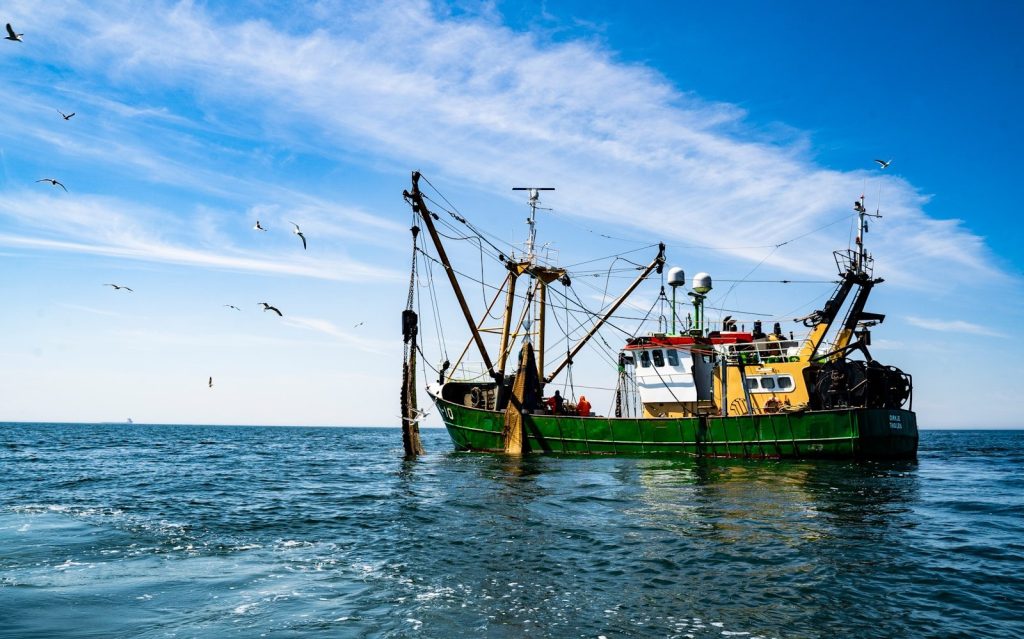
    They are also highly adaptable. Their ability to wait quietly for long periods before attacking allows them to conserve energy while remaining ready for opportunities that may appear without warning.

    An ancient hunter still dominates today

    Saltwater Crocodile” by iansand is licensed under CC BY-NC 2.0

    Saltwater crocodiles are often described as living relics from a distant past. Their basic hunting strategy has remained effective for millions of years, helping them survive while many other species disappeared.

    Today, they continue to command respect wherever they live. Whether resting silently near the water’s edge or exploding from beneath the surface during an ambush, they remain among the most impressive predators in the natural world.

  • Snakehead explodes from the water during a canal battle

    Snakehead explodes from the water during a canal battle

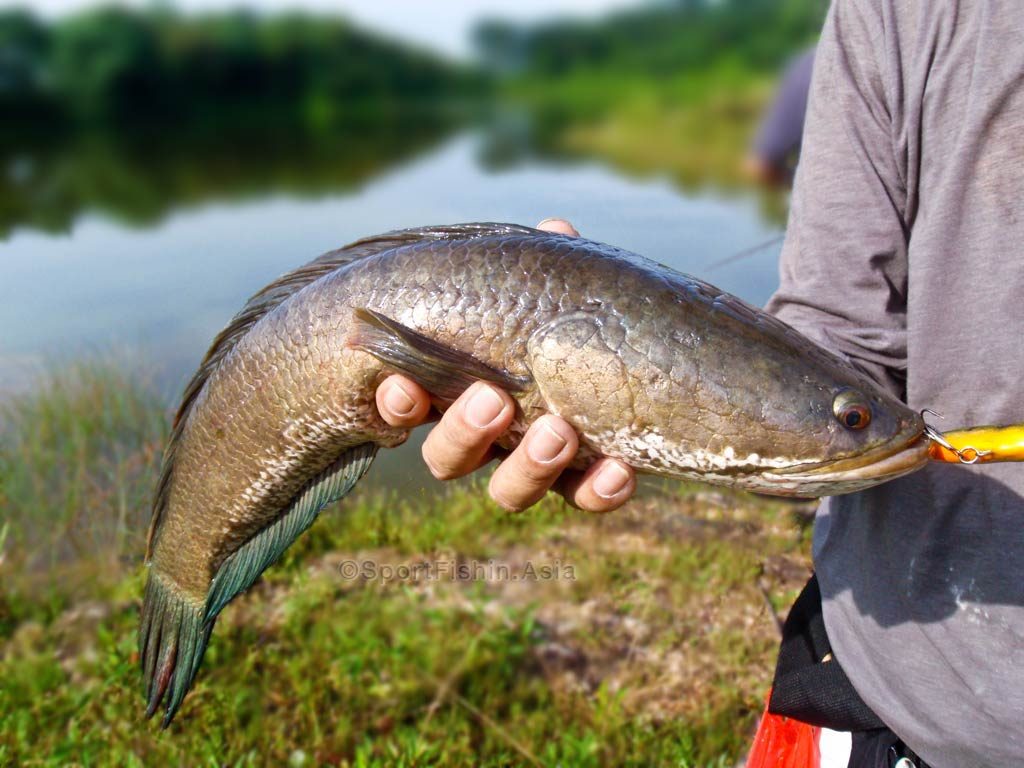
    A calm afternoon of frog fishing can change in an instant. One moment, the water is still, and the next it erupts with a violent strike. That is exactly what happened during a canal fishing trip that turned into a battle with a determined snakehead. The fish hit the lure with incredible force, escaped more than once, and kept the angler guessing throughout the day.

    From missed strikes to explosive surface attacks, the experience showed why snakehead fishing is so exciting. In the end, patience and persistence paid off as the fisherman finally landed the fish he had been searching for.

    A different approach to fishing

    landscape photo of man fishing on river near mountain alps
    Photo by Robson Hatsukami Morgan on Unsplash

    The day started with a simple goal. Instead of following a strict plan, the angler decided to spend the day experimenting and having fun while fishing. He wanted to try different techniques and enjoy the experience rather than focus only on results.

    His main target was a snakehead. To catch one, he chose a topwater frog lure, a bait known for creating exciting surface strikes. Watching fish attack a frog lure on the surface was one of his favorite parts of fishing.

    Early action keeps things interesting

    man holding a fishnet
    Photo by Fredrik Öhlander on Unsplash

    The canal showed signs of life almost immediately. Fish were moving, and several strikes occurred during the first part of the outing. Some fish missed the lure, while others briefly connected before getting away.

    The angler also caught a bass on the frog lure. Although it was not the species he was targeting, the catch proved that fish were actively feeding. Every cast brought the possibility of another explosive strike.

    The snakehead makes its presence known

    An arowana fish swims in the blue water.
    Photo by Torben Gettermann on Unsplash

    As the day continued, signs of snakeheads became easier to spot. The fisherman noticed movement in the water and watched fish rise to the surface for air. These clues suggested that snakeheads were nearby.

    Then came a powerful strike. A fish smashed the lure, immediately creating chaos. The angler was convinced it was a snakehead, but the fish broke free. The sudden loss was frustrating, yet it confirmed that the target species was in the area.

    More surprises in the canal

    eel on green grass
    Photo by Krzysztof Niewolny on Unsplash

    The action did not stop after the missed opportunity. Other fish continued attacking the frog lure, including a peacock bass. Catching a peacock bass on a frog was an unusual experience and added another memorable moment to the trip.

    Despite these catches, the fisherman remained focused on snakeheads. Several more strikes followed, but some fish missed the lure while others escaped before reaching shore. The day became a test of patience and determination.

    The strike everyone was waiting for

    grey fish in close up photography
    Photo by David Clode on Unsplash

    Eventually, the moment arrived. A fish exploded out of the water and hit the frog lure with force. This time, the hook held, and the fight was on. The fish pulled hard and refused to surrender.

    As the snakehead neared land, it continued thrashing and twisting in an effort to escape. The fisherman had to stay focused because snakeheads are known for slipping free even with the slightest chance. Every second of the battle felt important.

    Landing the hard-fighting fish

    Snakehead fish (Channa Striata)” by juanwei is licensed under CC BY-NC-ND 2.0

    After a tense struggle, the angler finally brought the snakehead onto shore. Even then, the fish continued fighting. It twisted, flopped, and tried repeatedly to get back to the water.

    The fisherman carefully controlled the fish and admired the successful catch. After several missed opportunities and lost fish earlier in the day, landing the snakehead felt especially rewarding. The battle proved exactly why these fish are known for their strength and determination.

    Why is snakehead fishing so exciting?

    Snakehead fish” by SFU – Communications & Marketing is licensed under CC BY 2.0

    Snakeheads have earned a reputation among anglers because of their aggressive strikes and powerful fights. They often attack topwater lures with explosive force, creating unforgettable moments for fishermen.

    This trip highlighted everything that makes snakehead fishing exciting. There were missed chances, surprise catches, dramatic strikes, and a hard-earned success at the end. The combination of unpredictability and action keeps anglers coming back for more.

  • Crocodile watched a man for months before the attack

    Crocodile watched a man for months before the attack

    Few animals inspire as much fear and respect as the saltwater crocodile. As the largest living reptile on Earth, it has earned a reputation as one of nature’s most effective hunters. Some reports suggest these crocodiles can spend long periods observing their surroundings and remembering patterns before making a move.

    One story even describes a crocodile that appeared to watch a man for months before attacking his leg. Combined with immense strength, a powerful bite, and the famous death roll, these abilities make the saltwater crocodile one of the most formidable predators alive. Understanding how these reptiles hunt reveals why they have remained successful for millions of years.

    The world’s largest living reptile

    Saltwater Crocodile” by Stephen Michael Barnett is licensed under CC BY 2.0

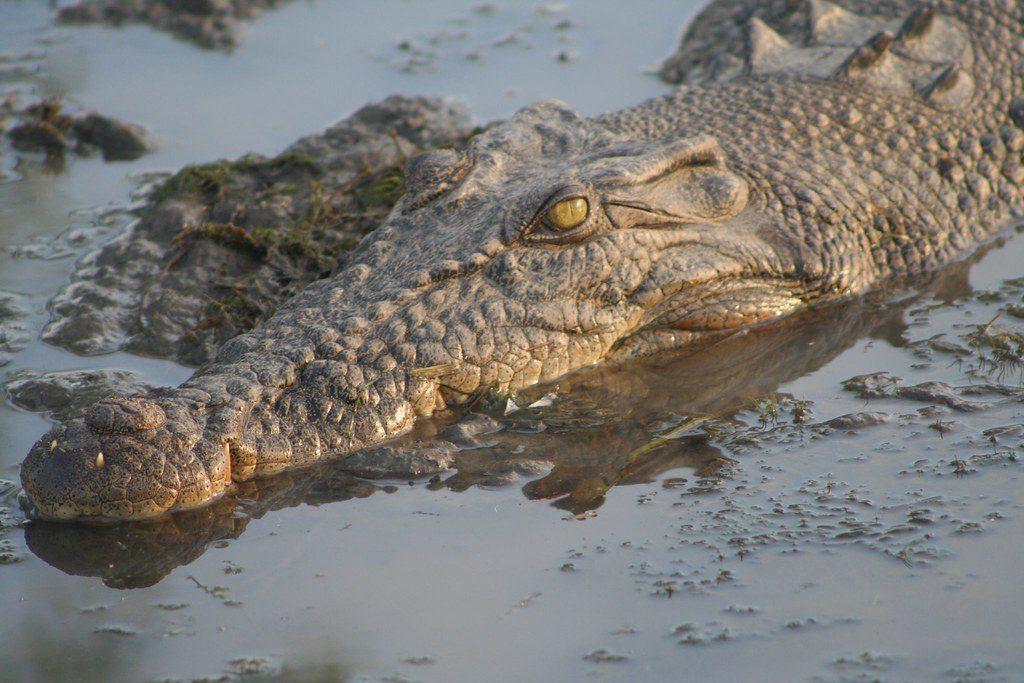
    Saltwater crocodiles are the largest reptiles alive today. Some individuals can grow longer than 20 feet, making them larger than most people imagine when they think of a crocodile.

    Their size alone gives them a major advantage in the wild. A fully grown saltwater crocodile can dominate many habitats and has few natural threats once it reaches adulthood. This combination of size and strength helps make it an apex predator.

    Built to survive in many environments

    Saltwater Crocodile” by iansand is licensed under CC BY-NC 2.0

    One reason saltwater crocodiles are so successful is their ability to live in different environments. They can be found in rivers, estuaries, coastal areas, and even open ocean waters.

    This flexibility allows them to travel long distances and explore new territories. Unlike animals that depend on a single habitat, saltwater crocodiles can thrive in a wide range of conditions, increasing their chances of finding food and suitable living areas.

    A hunter who can work in darkness

    Saltwater Crocodile S37144” by yaruman5 is licensed under CC BY-NC-ND 2.0

    Many predators depend heavily on daylight to find prey, but saltwater crocodiles are effective hunters even when visibility is poor. They can operate in darkness, giving them an advantage when other animals may be less alert.

    This ability helps them remain hidden while waiting for opportunities. Rather than chasing prey over long distances, crocodiles often rely on patience, stealth, and timing to get close enough for an attack.

    Intelligence may play a role in hunting

    Saltwater Crocodile” by Corey Leopold is licensed under CC BY 2.0

    Researchers and observers have noted that crocodiles appear capable of remembering territories and recognizing patterns in their environment. This has led many people to believe that they can learn from repeated observations.

    Stories describing crocodiles watching potential prey over long periods have contributed to their reputation for intelligence. While their behavior can be difficult to study, their ability to adapt and respond to changing situations suggests they are more than simple instinct-driven hunters.

    The strongest bite in the animal world

    Saltwater Crocodile” by City of Albuquerque is licensed under CC BY 2.0

    One of the saltwater crocodile’s most famous features is its bite. It has the strongest measured bite force of any living animal, allowing it to clamp down with tremendous power.

    Once those jaws close, escaping becomes extremely difficult. The crocodile’s muscular body and powerful jaws work together to secure prey before it has a chance to break free. This strength is one of the key reasons crocodiles are such effective predators.

    The death roll completes the attack

    a person in a hospital bed with an iv
    Photo by Olga Kononenko on Unsplash

    The bite is often only the beginning of a crocodile attack. After grabbing prey, a crocodile may perform a behavior known as the death roll. During this movement, the animal spins its body rapidly while maintaining its grip.

    The death roll helps the crocodile overpower prey and gain control during a struggle. Combined with its powerful bite and large size, this technique has become one of the most recognized hunting behaviors in the animal kingdom.

  • Seahorses and seadragons have more in common than you think

    Seahorses and seadragons have more in common than you think

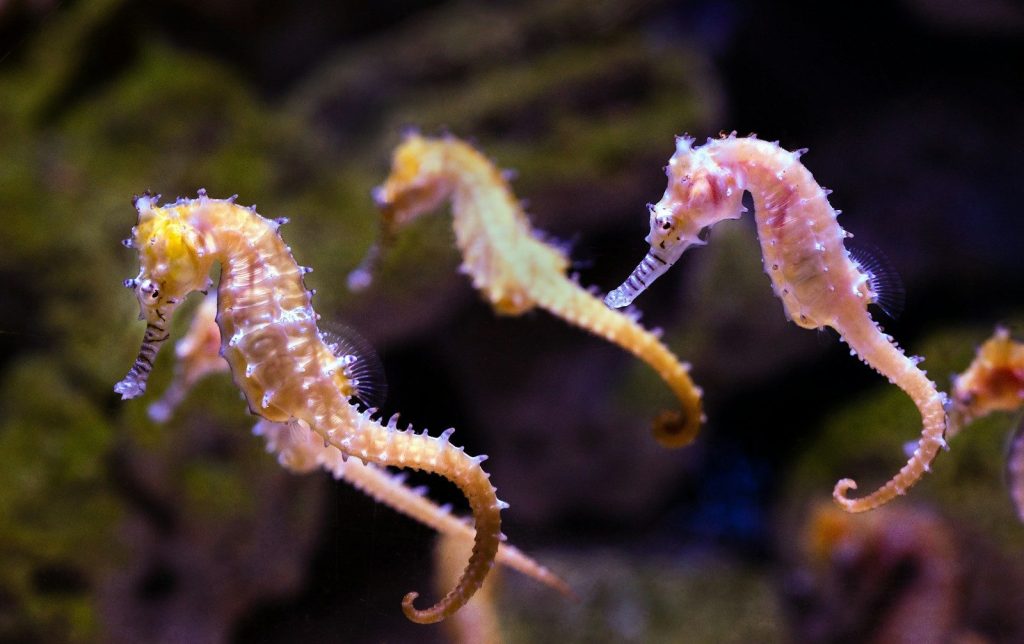
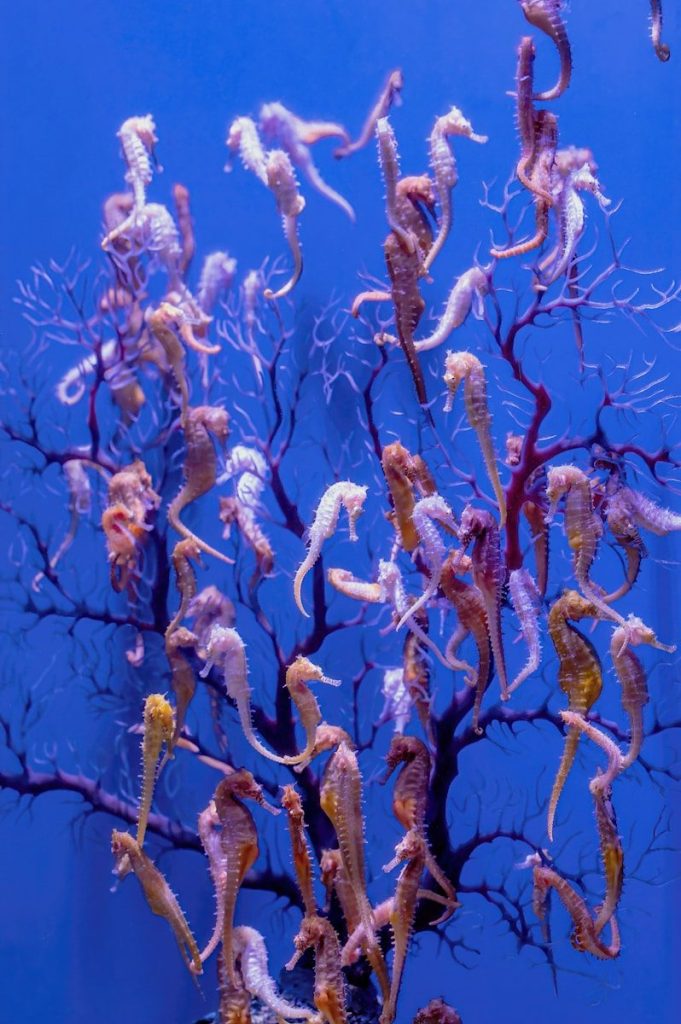
    Seahorses and seadragons are among the most unusual animals in the ocean. They belong to the same family, known as Syngnathidae, and share several remarkable traits. These fish have fused jaws, rigid bodies, and a unique way of moving through the water. They are also famous for males carrying and protecting the eggs until the young hatch.

    While seahorses are found around the world, seadragons live only in parts of Australia. Their unusual appearance, special adaptations, and fascinating behavior have made them some of the most interesting creatures in marine life. Here is a closer look at what makes these animals so unique.

    The family that connects seahorses and seadragons

    a sea horse is swimming in the water
    Photo by David Clode on Unsplash

    Seahorses and seadragons belong to the Syngnathidae family. The name comes from Greek words meaning fused jaws. This feature is shared by all members of the group and helps define them as closely related species.

    They also share several other traits. Their bodies are rigid rather than flexible, males carry fertilized eggs, and they live in tropical or temperate waters. These shared characteristics make them unlike most other ocean fish.

    Different lifespans and species

    brown and white plant in close up photography
    Photo by David Clode on Unsplash

    Seahorses generally live between three and five years. Although their lives may seem short, they spend that time adapting to changing environments and avoiding predators in coastal waters.

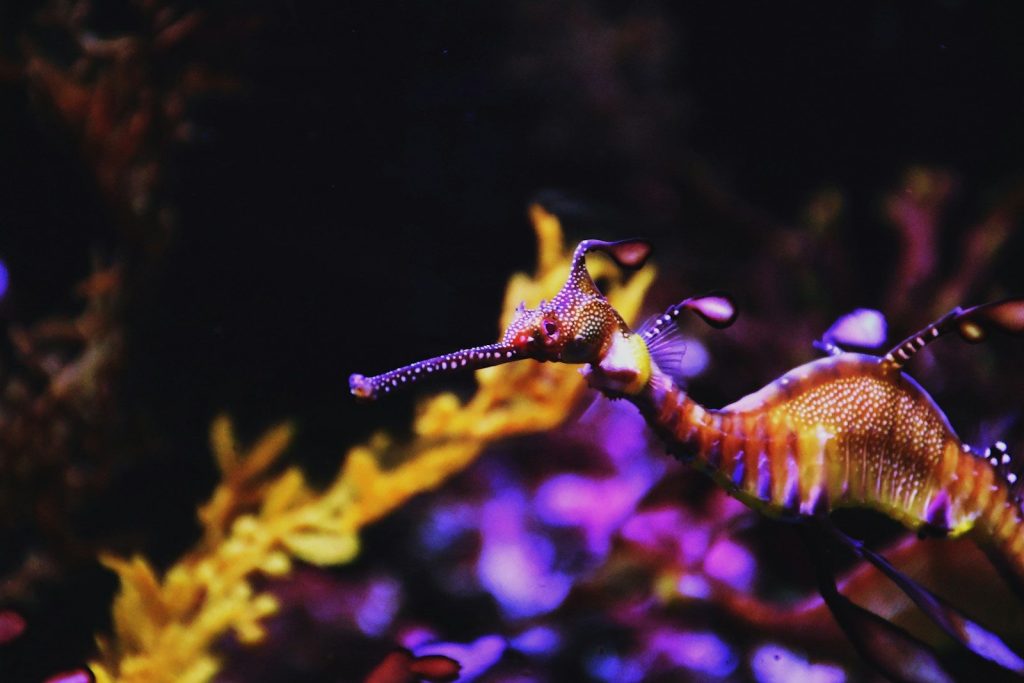
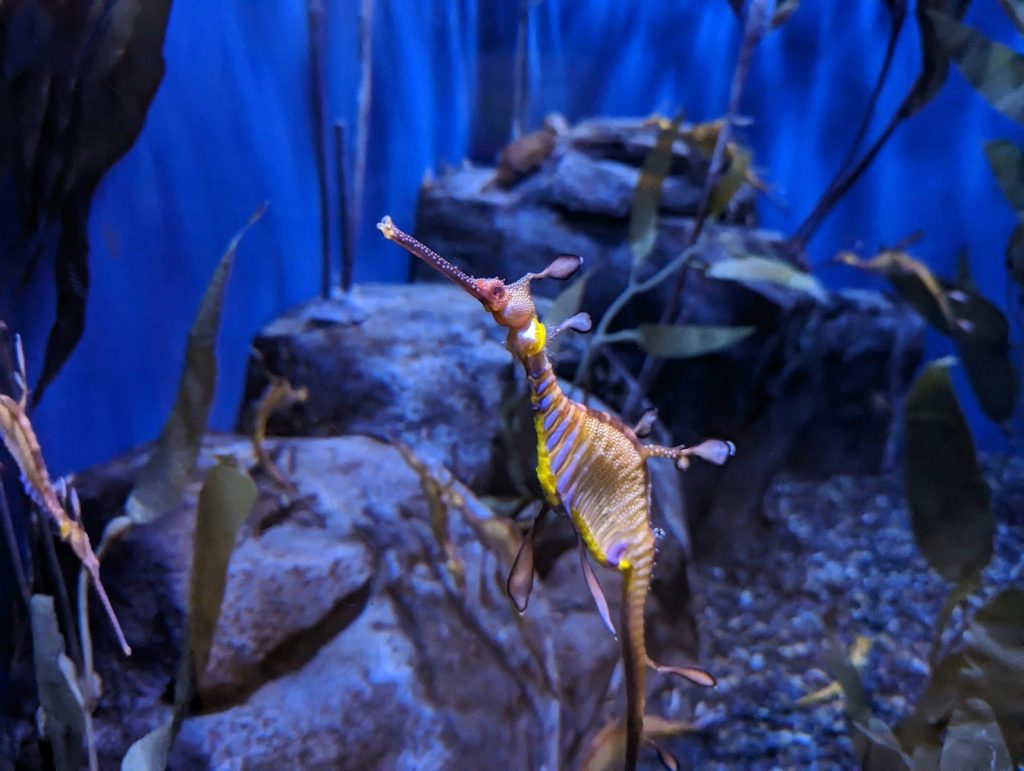
    Seadragons usually live a little longer, reaching lifespans of five to seven years. Scientists have officially identified only three species of seadragon: the leafy seadragon, the weedy seadragon, and the ruby seadragon, which was discovered in 2015.

    Where these unusual fish live

    a bug on a flower
    Photo by Karthik B K on Unsplash

    Seadragons have a very limited range compared to seahorses. They are found only in ocean waters along the southern and western coasts of Australia. Their preferred habitats include rocky reefs, sandy areas, seaweed beds, and seagrass meadows.

    Seahorses are much more widespread. They can be found worldwide in tropical and temperate shallow waters. Their ability to live in many different environments has helped them spread across a much larger area.

    How seahorses move through the water

    A sea horse is floating in the water
    Photo by Arturo Esparza on Unsplash

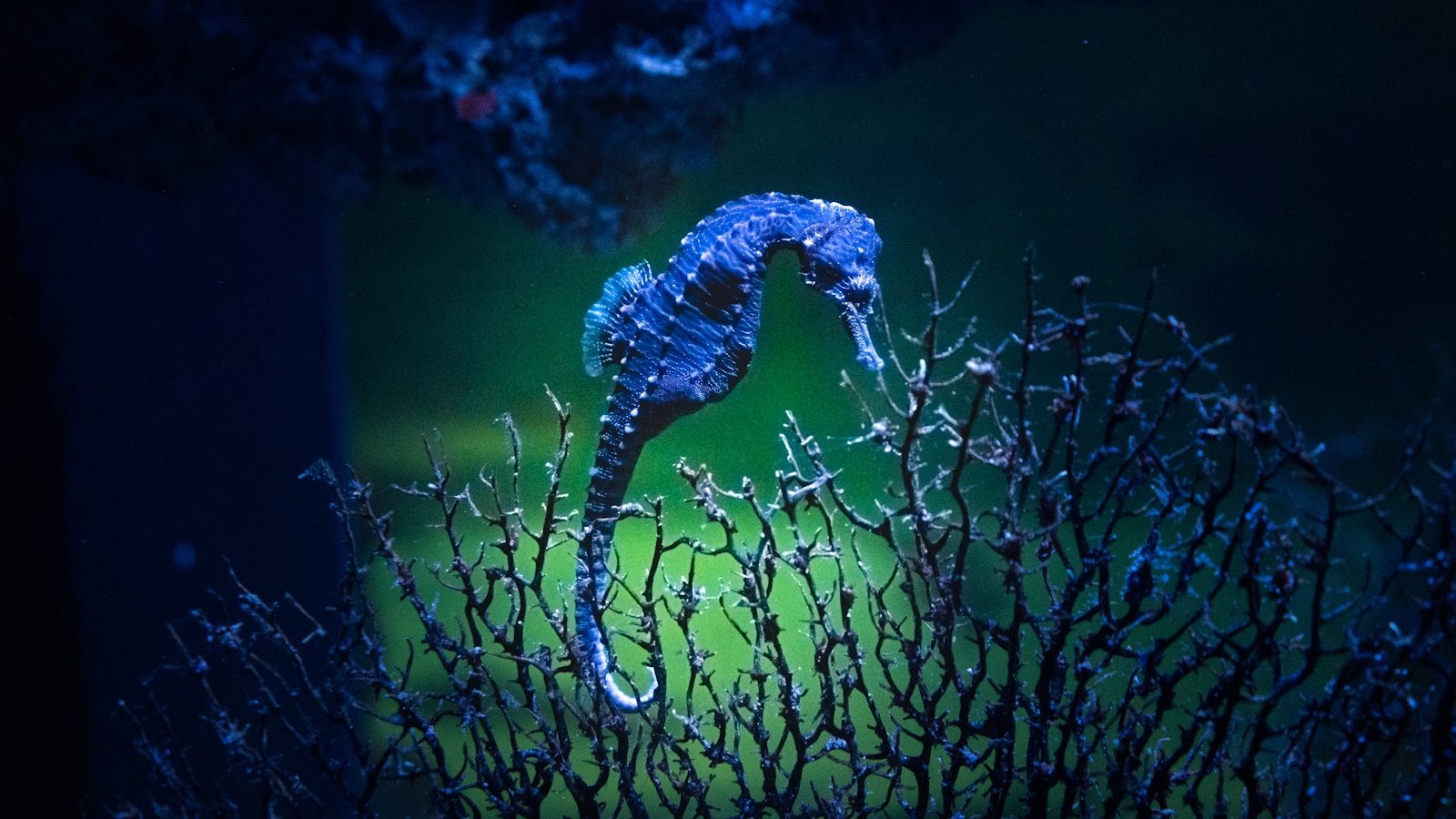
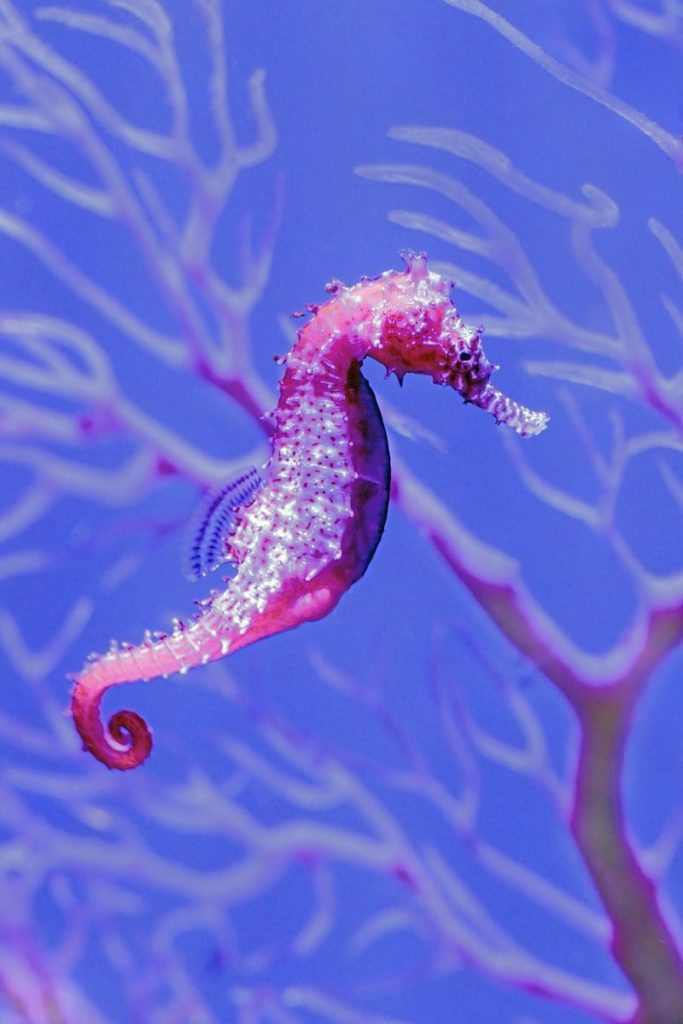
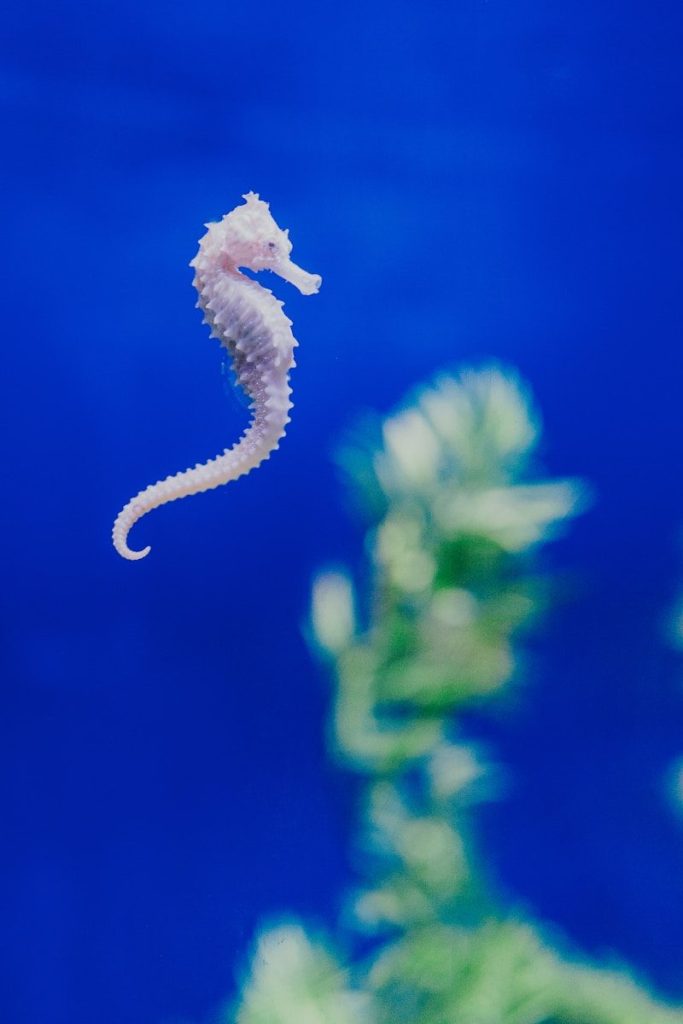
    Seahorses are true fish with gills, a swim bladder, and a bony spine. Their bodies are covered with hard bony plates, and they have prehensile tails that allow them to grip seagrass or coral for stability.

    To move, seahorses rely on their dorsal and pectoral fins. These fins can beat up to forty times every second, making the movement too fast for the human eye to easily see. Most seahorses stay close to home, although strong currents can sometimes carry them far from where they were born.

    How seadragons travel and survive

    a sea horse in an aquarium with rocks and plants
    Photo by Charles Givens on Unsplash

    Seadragons can grow to about 18 inches long. Like seahorses, they have a solid outer covering that limits flexibility. Despite this, they move effectively through the water using small fins that rapidly oscillate.

    Their tails act as rudders, helping them navigate their habitat. Although they are not powerful swimmers, their specialized bodies allow them to move carefully through seaweed beds and other coastal environments where they spend most of their lives.

    Adaptations that help them stay hidden

    a group of seahorses are swimming in an aquarium
    Photo by David Clode on Unsplash

    One of the most important survival tools of seahorses and seadragons is camouflage. They can change the color of their skin to blend into their surroundings, helping them avoid predators and remain hidden while hunting prey.

    Their markings, body shapes, and decorative appendages also improve their disguise. In addition, their hard outer bodies may make them more difficult for predators to swallow. Their eyes can move independently, much like a chameleon’s, allowing them to scan for food and danger at the same time.
  • A diver saves a trapped puffer fish from a fishing line

    A diver saves a trapped puffer fish from a fishing line

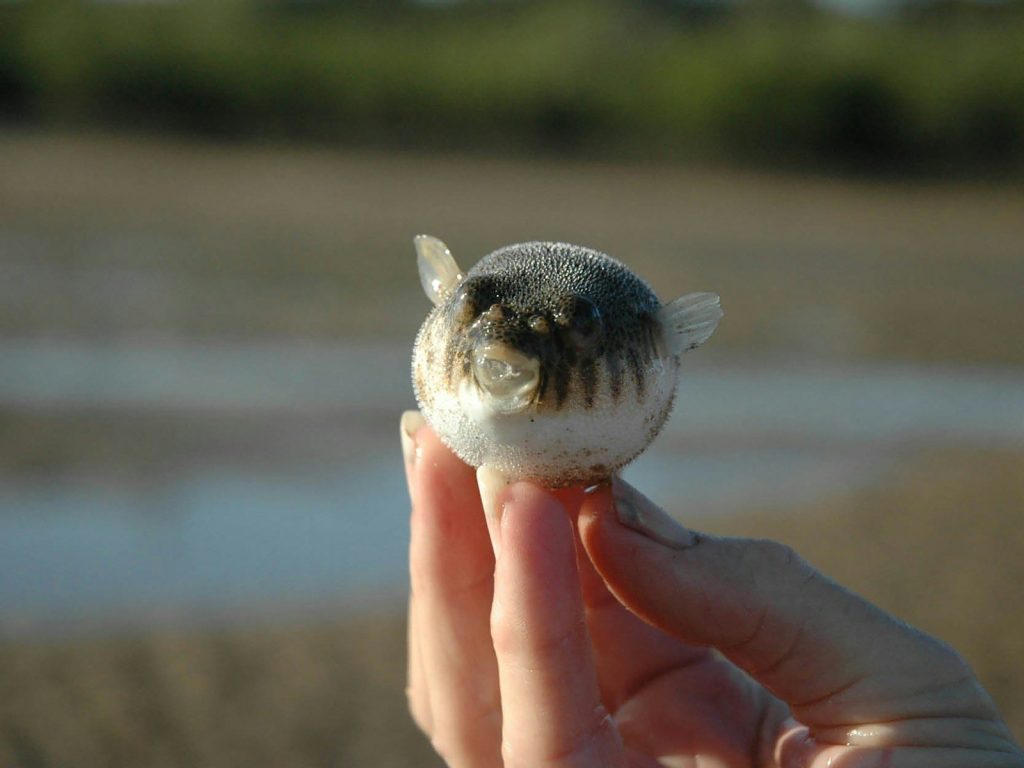
    A day at the beach turned into an unexpected rescue mission when a diver came across a puffer fish in serious trouble. What started as a search for a lost bracelet quickly became a fight to save a marine animal trapped by fishing gear. The diver noticed something was wrong as the fish struggled to swim near a reef.
    After taking a closer look, he realized the puffer fish was hooked and tangled in fishing line. This remarkable rescue highlights the dangers that discarded fishing gear can create for ocean life and shows how one chance encounter made a big difference for a stranded fish.

    A search mission leads to an unexpected discovery

    man holding a fishnet
    Photo by Fredrik Öhlander on Unsplash

    The day began with a simple goal. The diver and his companion headed to a local beach after receiving a tip about a lost gold bracelet somewhere in the water. The area was known for its rocky coastline, diving spots, fishing areas, and strong waves.

    Conditions were far from ideal. The water was murky, the surf was rough, and visibility was limited. Even so, the diver explored the underwater landscape, swimming through rocky areas and checking different parts of the reef in hopes of finding something valuable.

    An unusual fish catches the diver’s attention

    white and brown fish in close up photography
    Photo by Stelio Puccinelli on Unsplash

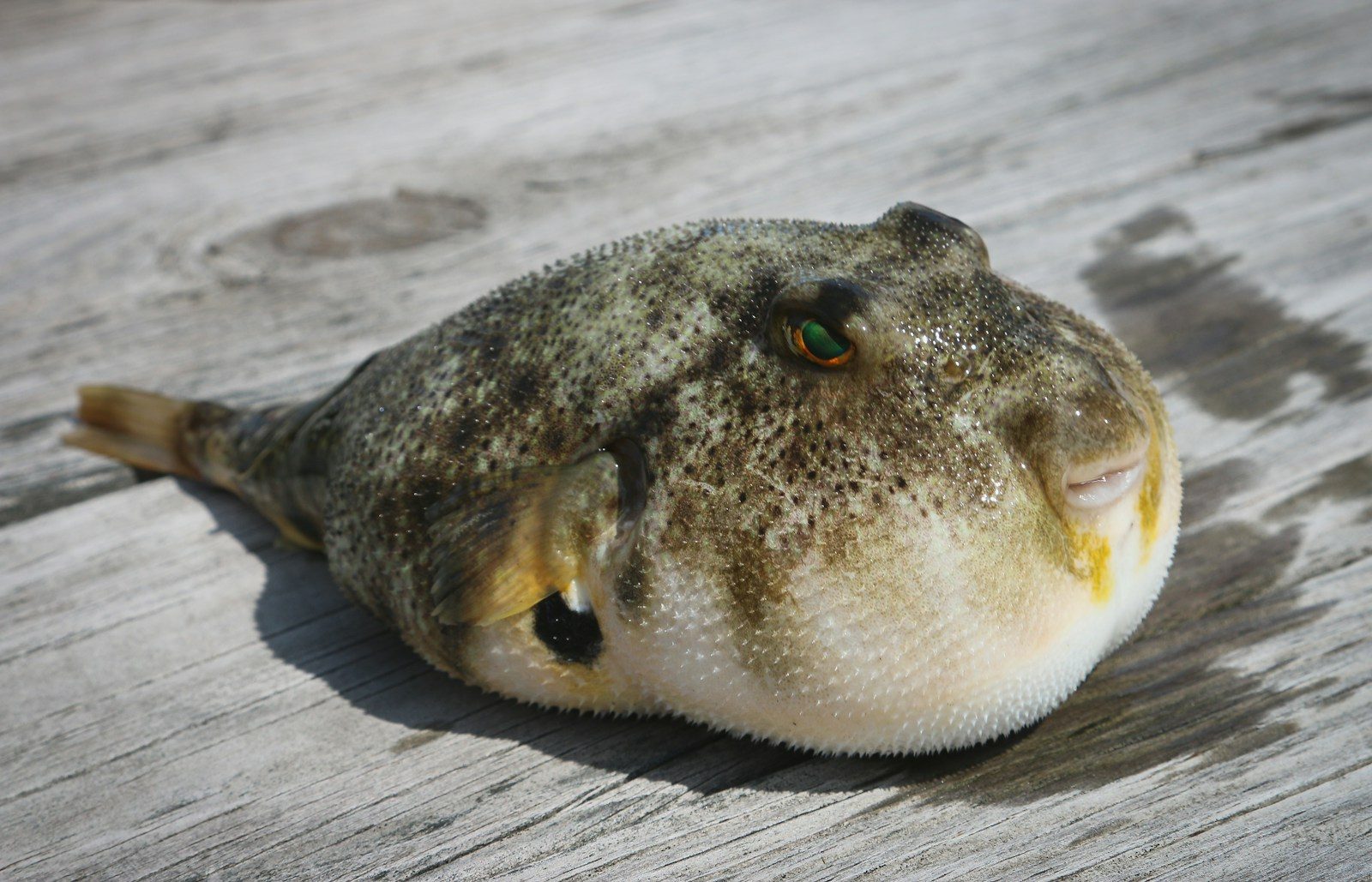
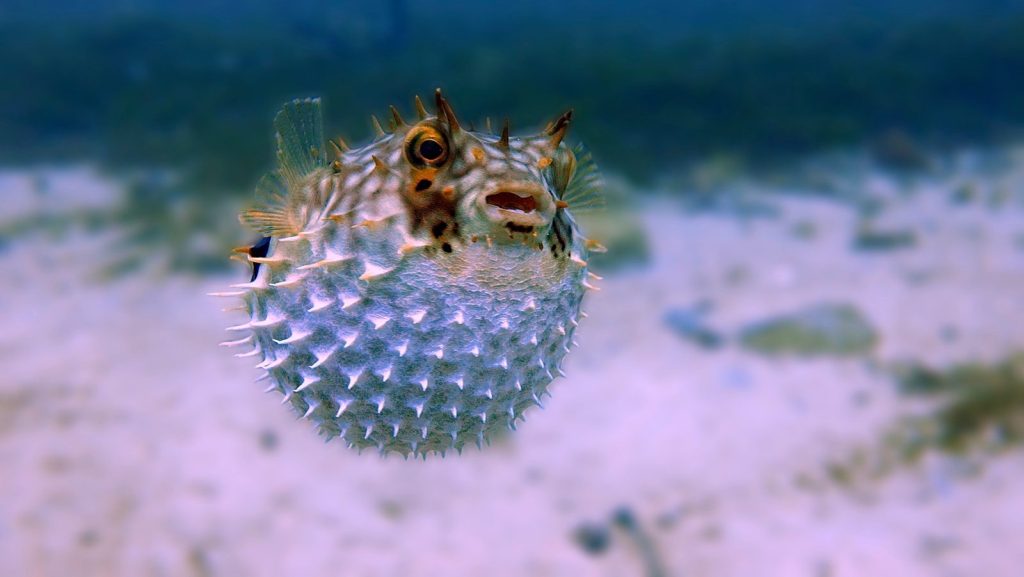
    While exploring underwater tunnels and rocky formations, the diver spotted a large puffer fish. At first, the fish simply seemed unusual because of its size. The diver even joked that it looked more like a small dog than a fish.

    As he moved closer, he noticed that something was not right. The puffer fish was swimming strangely and staying close to the reef. A closer look revealed the problem. The fish had become trapped by a fishing hook, fishing line, and weights that were holding it down against the reef.

    A difficult rescue begins

    man in yellow jacket and yellow pants standing on boat dock during daytime
    Photo by Paul Einerhand on Unsplash

    The diver immediately knew the fish needed help. However, the rescue would not be easy. He did not have a knife with him, and the rough waves constantly pushed him around while he tried to reach the fish.

    Every attempt came with challenges. The fish was frightened and swam away whenever the diver moved too quickly. At the same time, the diver had to avoid getting injured by the fishing hook or the puffer fish itself, which had strong teeth and protective spines.

    Working carefully to free the fish

    man in white t-shirt holding a fish
    Photo by Drew Farwell on Unsplash

    After studying the situation, the diver realized removing the hook directly would be difficult. The hook was large, barbed, and firmly attached. Pulling it out risked causing more harm to the fish.

    Instead, he focused on the fishing line. Looking closely, he discovered that the knot holding the line together was not tied very tightly. He carefully worked at the knot while waves continued to move both him and the fish around the reef.

    A moment of success underwater

    a large group of fish swimming around a coral reef
    Photo by Kevin Gilleard on Unsplash

    Untying the knot took several minutes. Progress was slow, and each small movement felt important. The diver remained patient, knowing that freeing the fish depended on getting the line loose without causing additional stress.

    Finally, the knot came undone. The puffer fish was no longer trapped by the weights and fishing line. The diver briefly held the fish before releasing it back into the water. The fish quickly swam away, ending a rescue that had seemed uncertain just moments earlier.

    Cleaning up the ocean after the rescue

    green and brown boat on sea under blue sky during daytime
    Photo by Paul Einerhand on Unsplash

    The rescue did not end when the fish swam away. The diver wanted to remove as much of the abandoned fishing gear as possible to prevent another animal from becoming trapped. He began pulling on the tangled line wrapped around the reef.

    Although rough conditions made the cleanup difficult, he managed to remove part of the fishing line along with fishing weights and a lure. During the rest of the dive, he also collected bottles, cans, golf balls, and other debris found around the area.

    Why the rescue mattered

    A person holding a small animal in their hand
    Photo by Misfit Branding on Unsplash

    The encounter showed how dangerous discarded fishing equipment can be for marine life. A single hook and length of fishing line were enough to trap a healthy fish and leave it struggling to survive on the reef.

    The diver later reflected on how fortunate the timing had been. If he had not been searching the area that day, the puffer fish might never have been found. What began as a mission to locate a lost bracelet became an opportunity to save an animal and remove harmful trash from the ocean.

  • A fisherman hooks a shark before a bigger predator strikes

    A fisherman hooks a shark before a bigger predator strikes

    What would you do if you hooked a huge shark and thought you were about to land the catch of a lifetime? For one fisherman, that exciting moment quickly turned into something far more dramatic. A massive shark was on the line, the battle was intense, and everything seemed to be going as planned. Then, without warning, another giant predator appeared.

    This incredible event shows just how unpredictable life in the ocean can be. The massive shark gets eaten during the fight, turning a routine fishing trip into a shocking display of nature’s power. Here’s a closer look at what happened and why this moment captured so much attention.

    The fishing trip starts like any other

    black fishing rod and body of water during golden hour
    Photo by James Wheeler on Unsplash

    Every great fishing story begins with a single bite. In this case, an angler hooked a large shark and prepared for what appeared to be a long, challenging fight. Catching a shark is never easy, and reeling in such a powerful animal requires patience, strength, and skill.

    As the struggle continued, the shark pulled hard against the line. The fisherman stayed focused while the shark fought to escape. At that point, the biggest challenge seemed to be bringing the animal close enough to the boat or shore.

    A sudden change shocks everyone

    person holding black fishing rod
    Photo by Mathieu Le Roux on Unsplash

    Just when it seemed the battle was reaching its most exciting stage, something unexpected happened. Another large predator entered the scene. The calm focus of the fishing fight instantly turned into complete chaos.

    The water erupted with movement. Splashes appeared across the surface as the hooked shark suddenly faced a threat much bigger than the fishing line attached to it. The situation changed in seconds.

    Nature reveals its power

    six black-and-yellow fishing rod in boat
    Photo by stephen momot on Unsplash

    The attack showed a side of nature that many people rarely get to see. Large marine predators sit near the top of the food chain, yet they are not always safe from danger. In the ocean, size and strength can change the outcome of a fight in an instant.

    As the attack unfolded, the hooked shark was overwhelmed. The predator that arrived proved to be stronger and more dominant. The dramatic scene highlighted the constant competition that exists beneath the waves.

    The water explodes with action

    Great white shark” by Gussy (Luke) is licensed under CC BY-NC-ND 2.0

    One reason the event gained attention is the sheer intensity of what happened. The water burst into motion as the attack took place. The sudden explosion of activity transformed a normal fishing moment into a remarkable spectacle.

    People are often fascinated by wildlife because it can be unpredictable. A peaceful scene can become dramatic in a matter of seconds. That unpredictability is exactly what made this encounter so memorable.

    Why did the moment capture attention?

    Great White Shark” by kqedquest is licensed under CC BY-NC 2.0

    Stories involving large sharks naturally attract interest. Sharks are powerful animals that inspire both respect and curiosity. When one of these predators suddenly becomes prey, people are eager to learn more.

    The event also highlights the mystery of the ocean. Much of what happens beneath the surface remains hidden from view. Encounters like this provide a rare glimpse into a world that most people never see.

    A reminder of who rules the ocean

    Great White Shark” by Elias Levy is licensed under CC BY 2.0

    The fisherman may have hooked an impressive shark, but the final outcome was the ocean’s. The arrival of a larger predator changed everything and demonstrated the power of life beneath the waves.

    While humans can interact with marine environments through fishing, boating, and diving, nature remains in control. The ocean is home to creatures that have survived and competed for millions of years.

  • 6 deadly ocean creatures hiding in plain sight

    6 deadly ocean creatures hiding in plain sight

    The ocean is filled with breathtaking creatures, but some of its most beautiful residents are also among its most dangerous. Many people picture sharks when they think of deadly marine animals, yet some of the ocean’s greatest threats are much smaller, quieter, and harder to spot.

    From venomous fish that blend into the seafloor to tiny octopuses carrying powerful toxins, these creatures have evolved remarkable ways to hunt, defend themselves, and survive. Here are six marine animals whose deadly abilities make them some of the most fascinating and feared creatures in the sea.

    Blue-ringed octopus carries a powerful toxin

    brown and white stone fragment
    Photo by Compagnons on Unsplash

    The blue-ringed octopus is small enough to fit in the palm of a hand, but it possesses one of the most powerful venoms found in the ocean. Usually shy and non-aggressive, it only bites when threatened or handled.

    What makes this animal especially dangerous is that the bite is often painless. Victims may not realize they have been bitten until symptoms begin to appear. The toxin can quickly affect the nervous system, causing numbness, paralysis, and severe breathing difficulties.

    Box jellyfish deliver a devastating sting

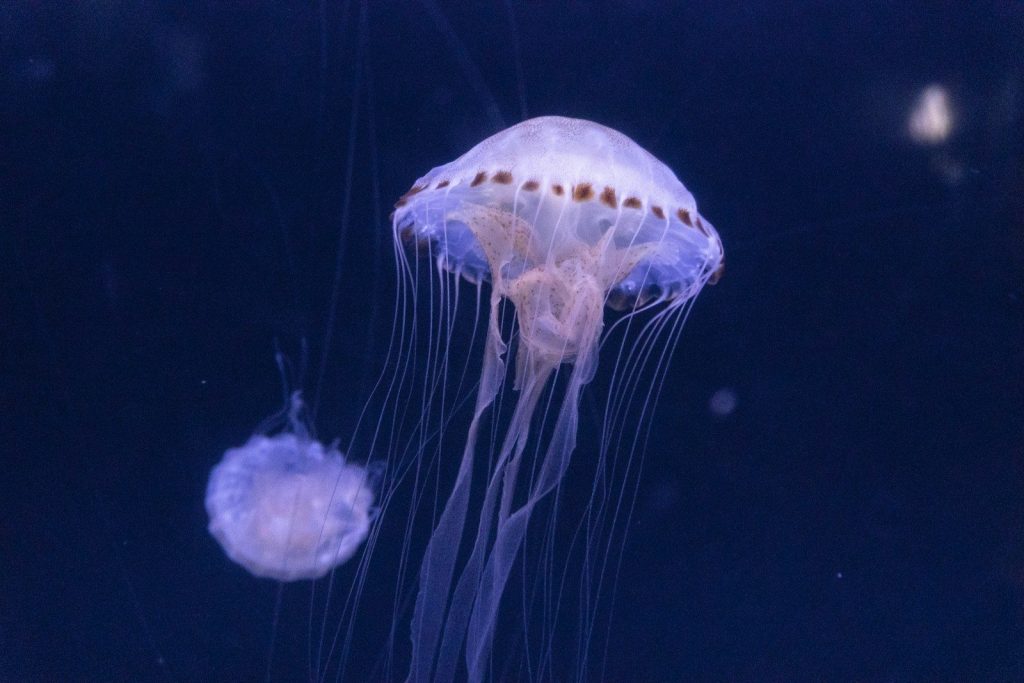
    a couple of jellyfish swimming in an aquarium
    Photo by Albert Canite on Unsplash

    The box jellyfish is often considered one of the most dangerous marine animals on Earth. Found in tropical waters, it has nearly transparent tentacles that are difficult to see underwater.

    Its venom attacks the nervous system and can cause intense pain almost immediately. Swimmers who come into contact with its tentacles may experience severe reactions within minutes, making prompt medical attention essential.

    Anglerfish uses light as a deadly trap

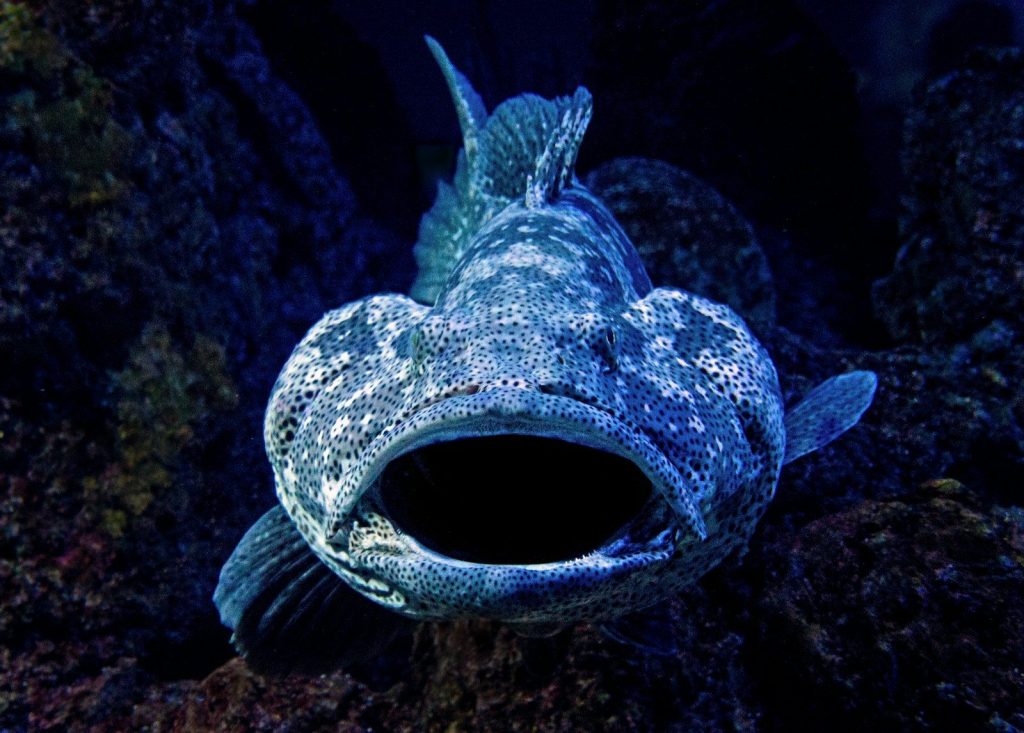
    close-up photography of blue fish
    Photo by David Clode on Unsplash

    Deep beneath the ocean surface, where sunlight cannot reach, the anglerfish uses a remarkable hunting technique. A glowing lure extends from its head, attracting curious prey in the darkness.

    When an unsuspecting animal moves closer, the anglerfish strikes. Its large mouth and inward-pointing teeth make escape nearly impossible. This clever adaptation allows it to survive in one of the harshest environments on Earth.

    Flower urchin hides danger behind beauty

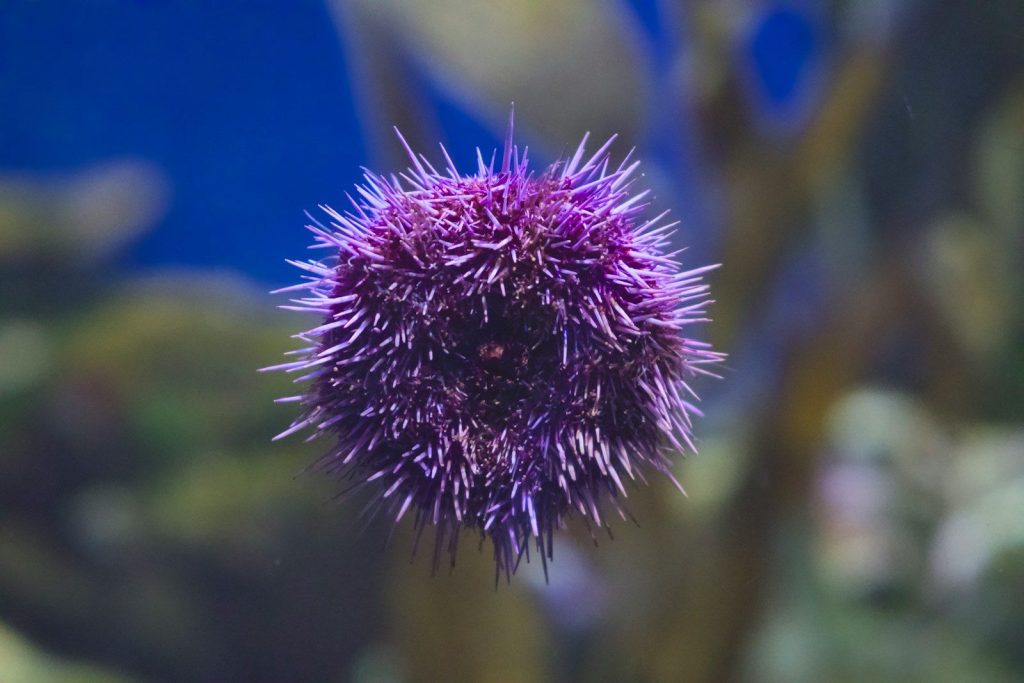
    A purple sea urchin floats in blue water
    Photo by Spencer DeMera on Unsplash

    The flower urchin is often admired for its attractive appearance. Its delicate pink and white structures make it look harmless, but appearances can be deceiving.

    Among sea urchins, it is considered one of the most venomous species. Contact with its venom can cause serious symptoms, including intense pain, muscle problems, and other severe reactions. Its beauty often makes it particularly dangerous to curious divers and swimmers.

    Stonefish is a master of camouflage

    a close up of a sea anemone on a coral
    Photo by David Clode on Unsplash

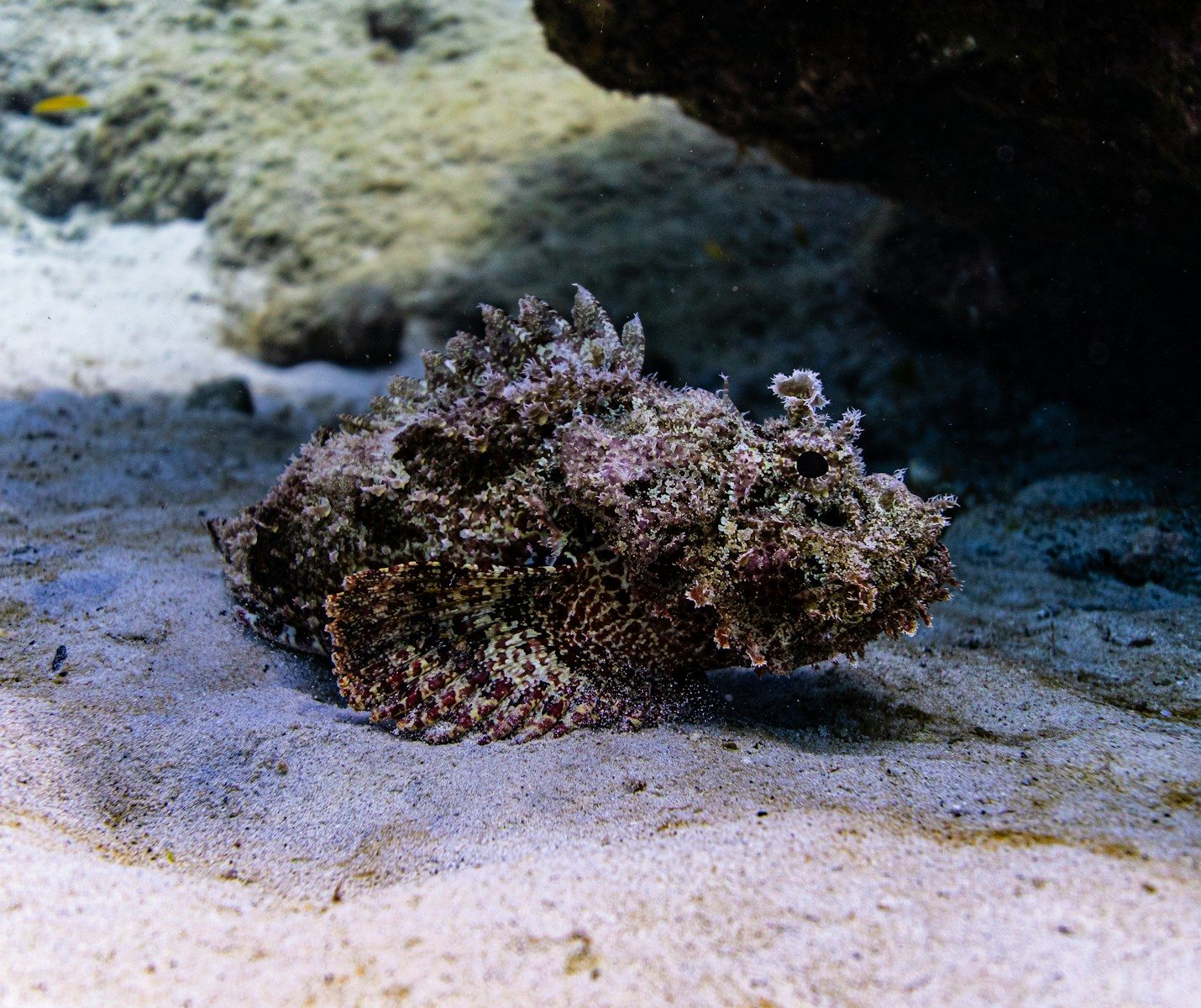
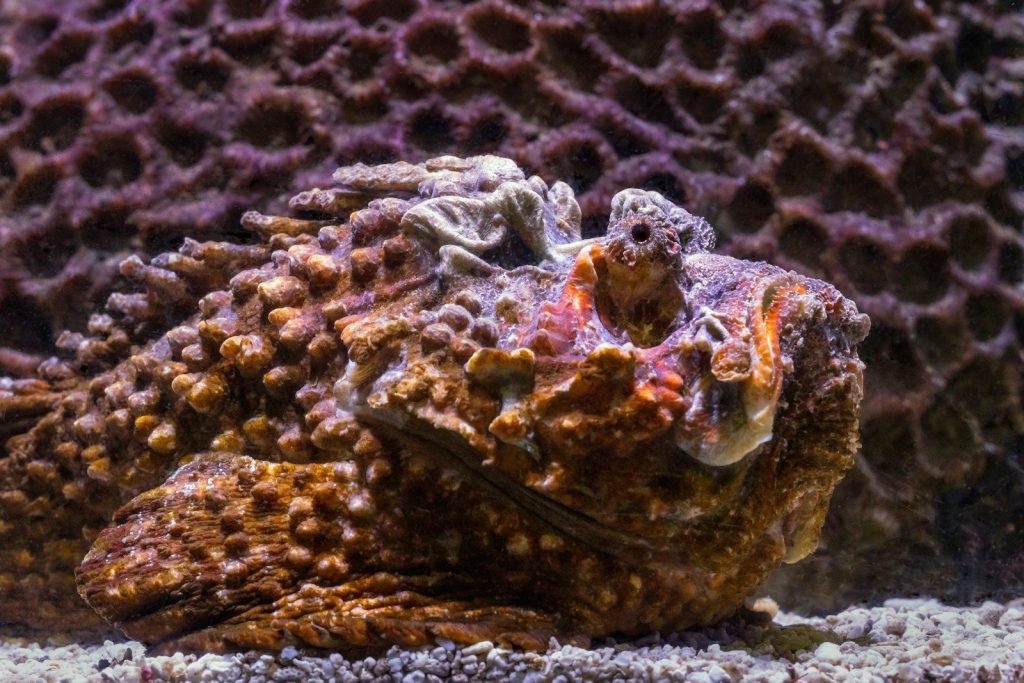
    The stonefish is widely regarded as the world’s most venomous fish. Its rough appearance allows it to blend almost perfectly with rocks, coral, and the seafloor.

    Because it is so difficult to see, accidental contact is a common risk in areas where it lives. When stepped on or disturbed, the stonefish can inject venom through its sharp spines. Victims often experience extreme pain and require immediate medical treatment.

    Cone snail hunts with a venomous harpoon

    a snail is sitting on top of a pine cone
    Photo by Arnaud Padallé on Unsplash

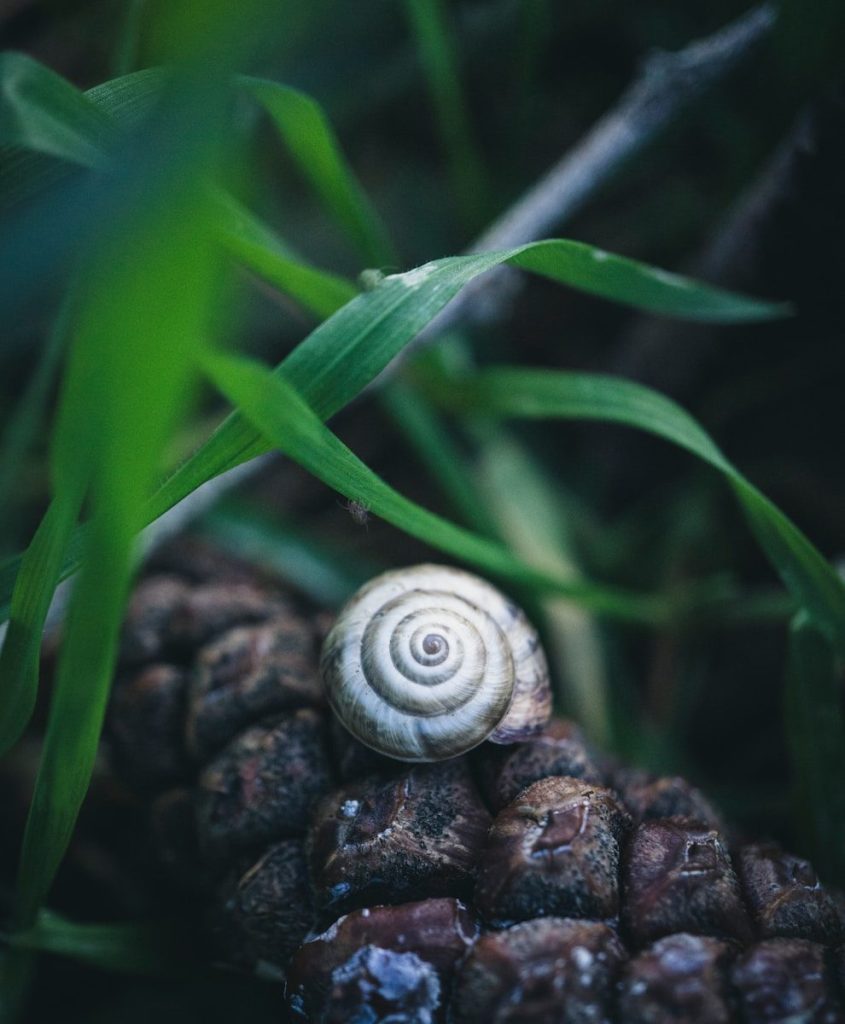
    At first glance, cone snails appear harmless. Their beautifully patterned shells make them popular among shell collectors and beachcombers worldwide.

    However, some cone snail species use a specialized harpoon-like tooth to inject venom into prey. This venom can act rapidly, helping the snail capture fish and other animals. Their attractive shells often hide one of the ocean’s most effective hunting weapons.

  • 6 real animals behind famous mythical creatures

    6 real animals behind famous mythical creatures

    Mythical creatures have fascinated people for thousands of years. Stories of dragons, sea monsters, unicorns, and other legendary beasts appear in cultures around the world. While many of these creatures seem impossible, some may have been inspired by real animals that people misunderstood, exaggerated, or encountered only briefly.

    Before modern science, unusual animals often sparked rumors and legends. Strange bones, rare sightings, and mysterious creatures from distant lands could easily become the foundation of myths. Here are six famous mythical creatures and the real animals that may have inspired them.

    The kraken may have been a giant squid

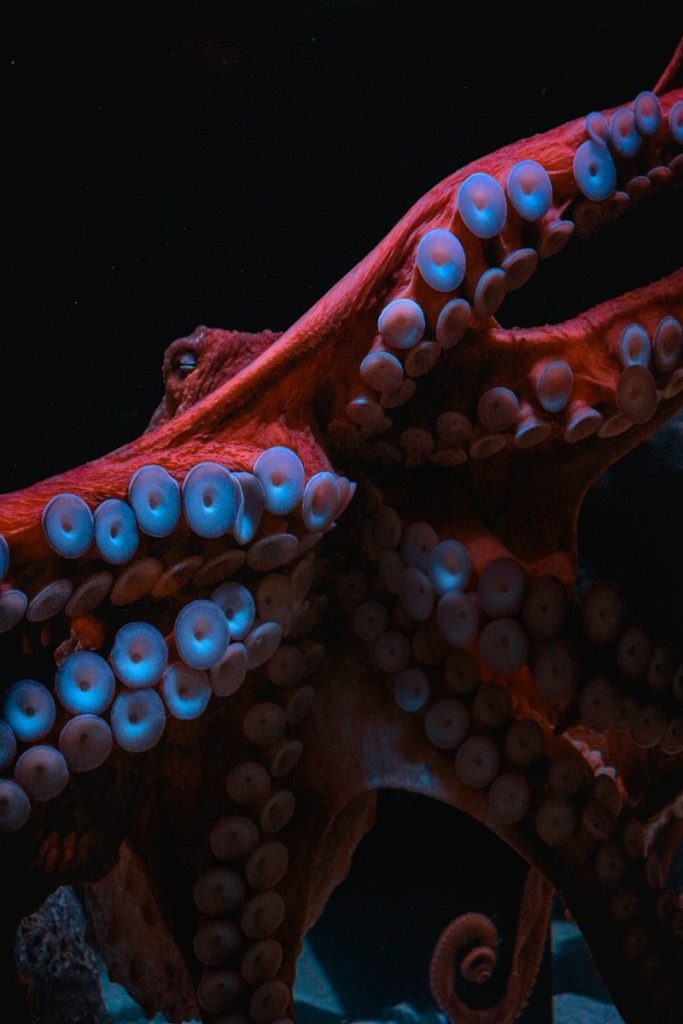
    shallow focus photography of octopus
    Photo by Masaaki Komori on Unsplash

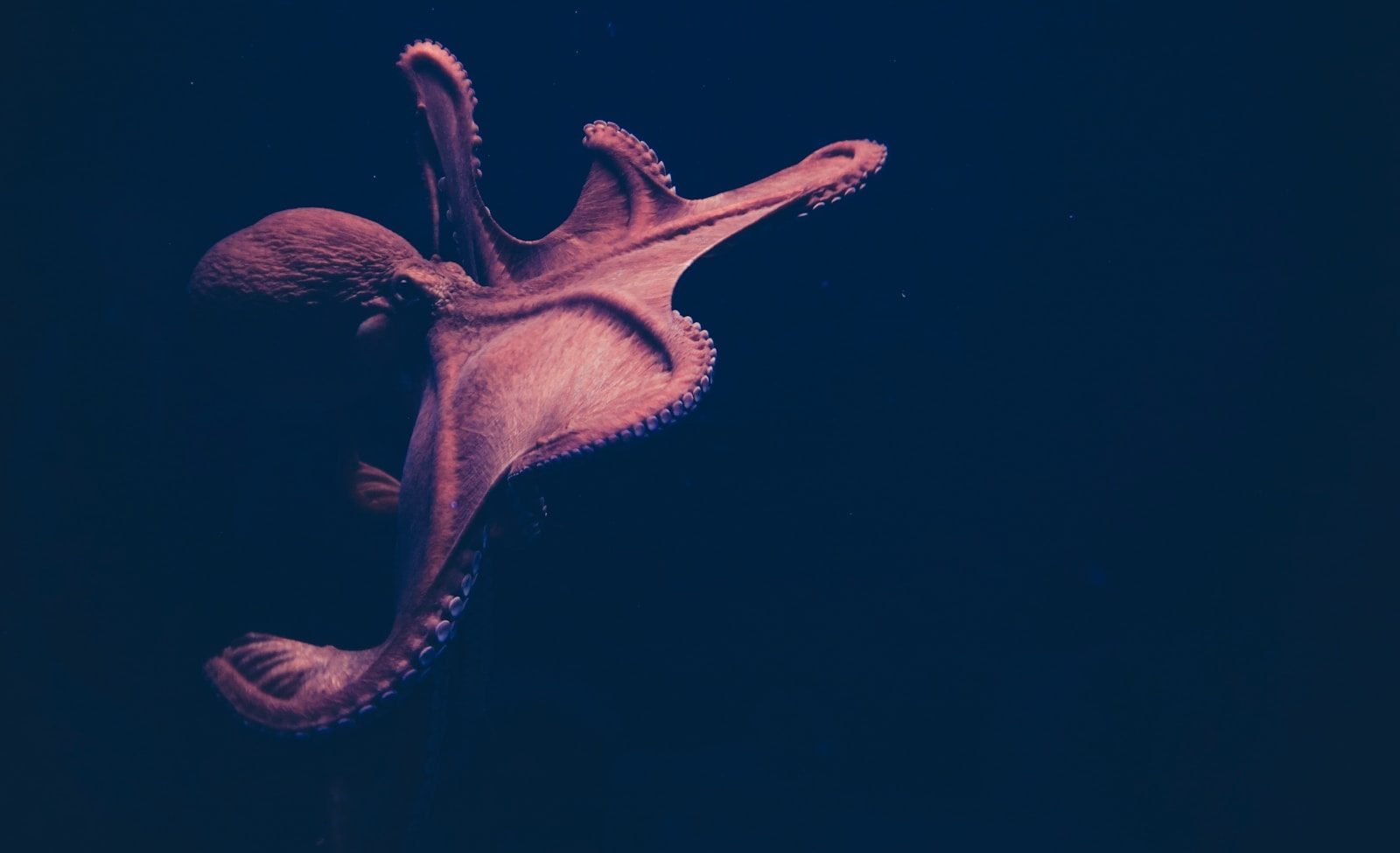
    The kraken is one of the most famous sea monsters in Scandinavian folklore. Legends described it as a gigantic creature lurking beneath the waves, capable of terrifying sailors and dragging ships down to the depths.

    Descriptions recorded during the 1700s mentioned large structures rising from the water and growing larger as they emerged. These accounts closely resemble giant squid. Living deep in the ocean, giant squid can reach enormous sizes and are rarely seen by humans, making them perfect candidates for the origin of the kraken legend.

    Sea serpents may have been giant oarfish

    A snake swims in the deep blue ocean water.
    Photo by Ben Koorengevel on Unsplash

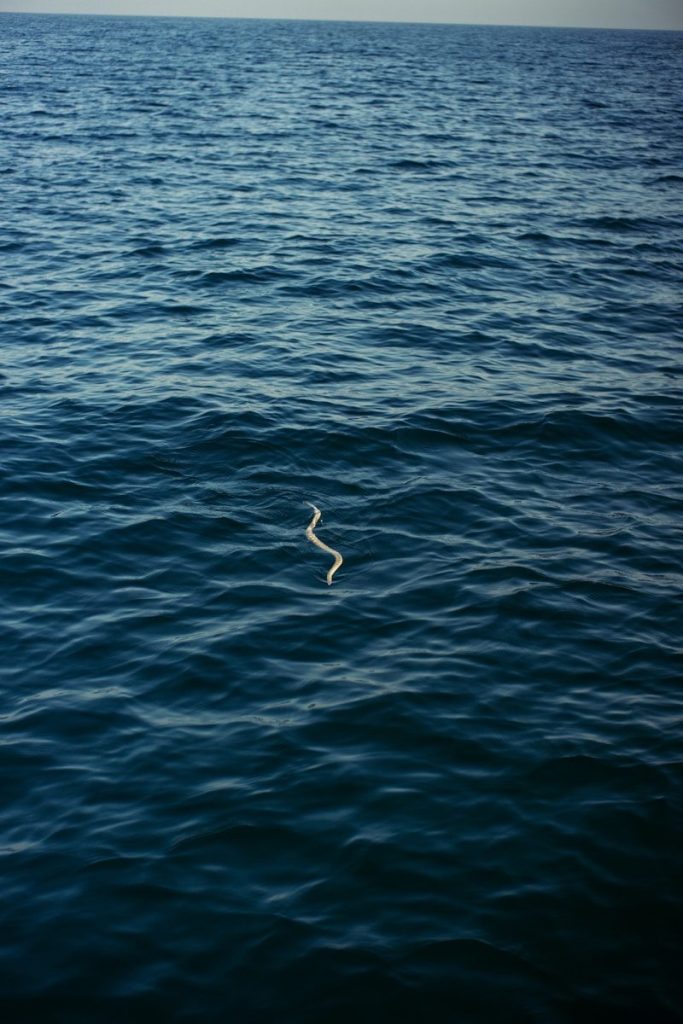
    Stories of giant sea serpents appear throughout maritime history. Sailors often reported seeing long, snake-like creatures moving through the water, leading many people to believe that monstrous serpents lived beneath the waves.

    A likely explanation is the oarfish. This deep-sea fish can grow up to 26 feet long and has a long, ribbon-like body. When seen near the surface, especially from a distance or during rough weather, an oarfish could easily be mistaken for a giant sea serpent.

    Dragons may have started with ancient fossils

    shallow focus photo of dragon on gray building
    Photo by Sean Thomas on Unsplash

    Dragons appear in myths from Europe to Asia and are among the most famous creatures in human history. Many stories describe them as large reptilian beasts capable of causing destruction and inspiring fear.

    One possible source of dragon legends comes from fossil discoveries. In Austria during the 1300s, people discovered a large skull and believed it belonged to a dragon. Centuries later, scientists identified the remains as those of a woolly rhinoceros. Similar discoveries of unusual bones may have fueled dragon stories across different cultures.

    Unicorns may have been inspired by rhinos and narwhals

    silhouette of man holding stick during sunset
    Photo by Paul Bill on Unsplash

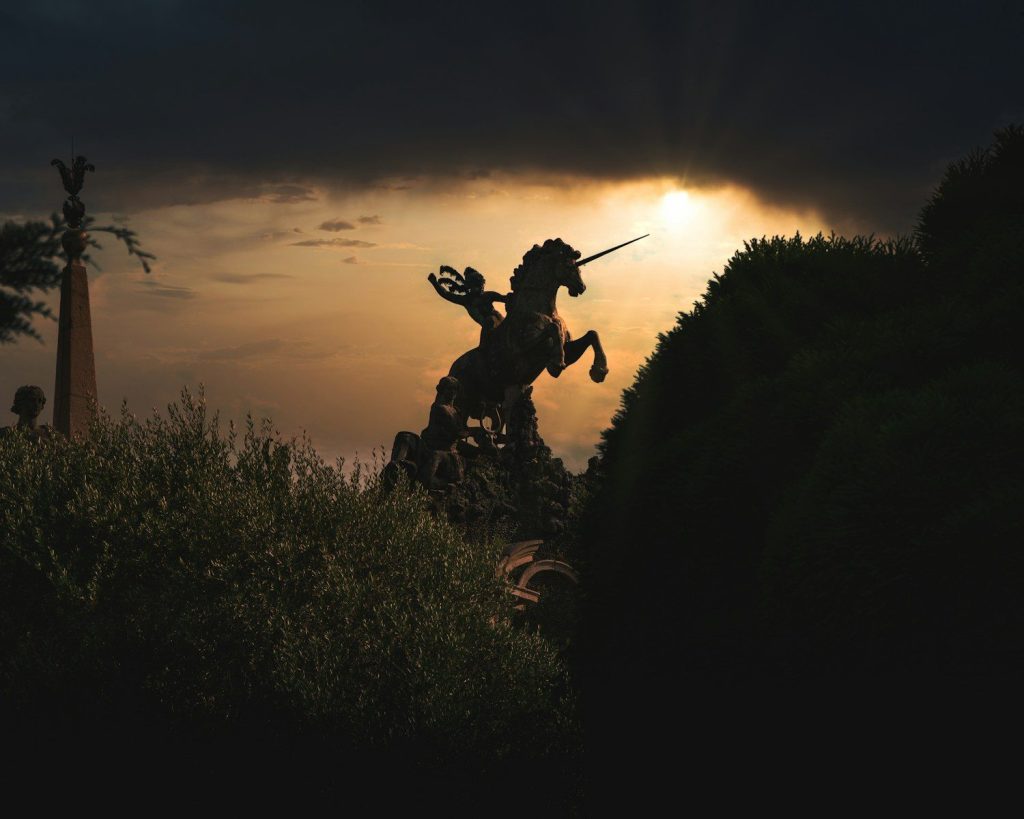
    Unicorns are usually described as horse-like animals with a single horn growing from their forehead. For centuries, many people believed they were real, and unicorn horns became valuable treasures among wealthy collectors.

    The legend may have been inspired by rhinoceroses, which possess a prominent horn and would have seemed extraordinary to people unfamiliar with them. The prized “unicorn horns” sold during the Middle Ages were often narwhal tusks. These long spiral tusks closely matched popular descriptions of unicorn horns, thereby strengthening belief in the mythical creature.

    Kappa legends resemble giant salamanders

    a white and black animal laying on top of rocks
    Photo by Mattias Banguese on Unsplash

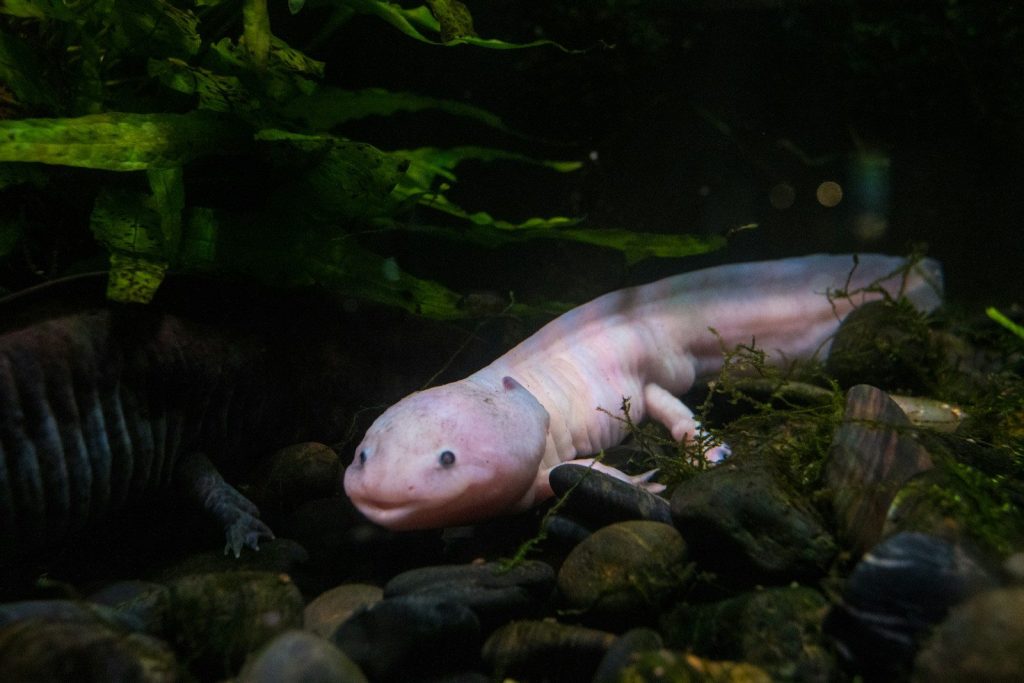
    The kappa is a famous creature from Japanese folklore. It is often described as a strange water-dwelling being that lives in rivers and ponds and has both human and amphibian features.

    Many researchers believe sightings of Japanese giant salamanders may have contributed to these stories. These large amphibians can grow up to five feet long and live in freshwater habitats. Their unusual appearance and secretive behavior could easily have inspired tales of mysterious river creatures.

    Griffins may have come from ancient fossils

    a statue of a lion with wings on top of a building
    Photo by Deborah L Carlson on Unsplash

    Griffins are legendary creatures with the body of a lion and the head and wings of an eagle. Ancient stories claimed that griffins guarded valuable treasures, particularly gold hidden in remote regions.

    One theory suggests that Griffin legends began when ancient people discovered unusual fossils in gold-rich areas. Without knowledge of extinct animals, strange skeletons could have appeared to belong to giant creatures that combined features of different animals. These discoveries may have helped shape the image of the griffin in mythology.

  • What makes great white shark attacks so effective

    What makes great white shark attacks so effective

    A great white shark attack can happen in just a few seconds. One moment, the ocean appears calm, and the next, a powerful predator explodes from the water beneath its target. These dramatic attacks have made great white sharks one of the most feared animals on Earth.

    Yet, behind the violence lies a highly refined hunting strategy shaped by millions of years of evolution. Great white sharks rely on speed, surprise, and powerful senses to capture prey. Understanding how they attack helps scientists learn more about these remarkable predators and their role in ocean ecosystems.

    Great white sharks are masters of surprise

    Great white shark” by Gussy (Luke) is licensed under CC BY-NC-ND 2.0

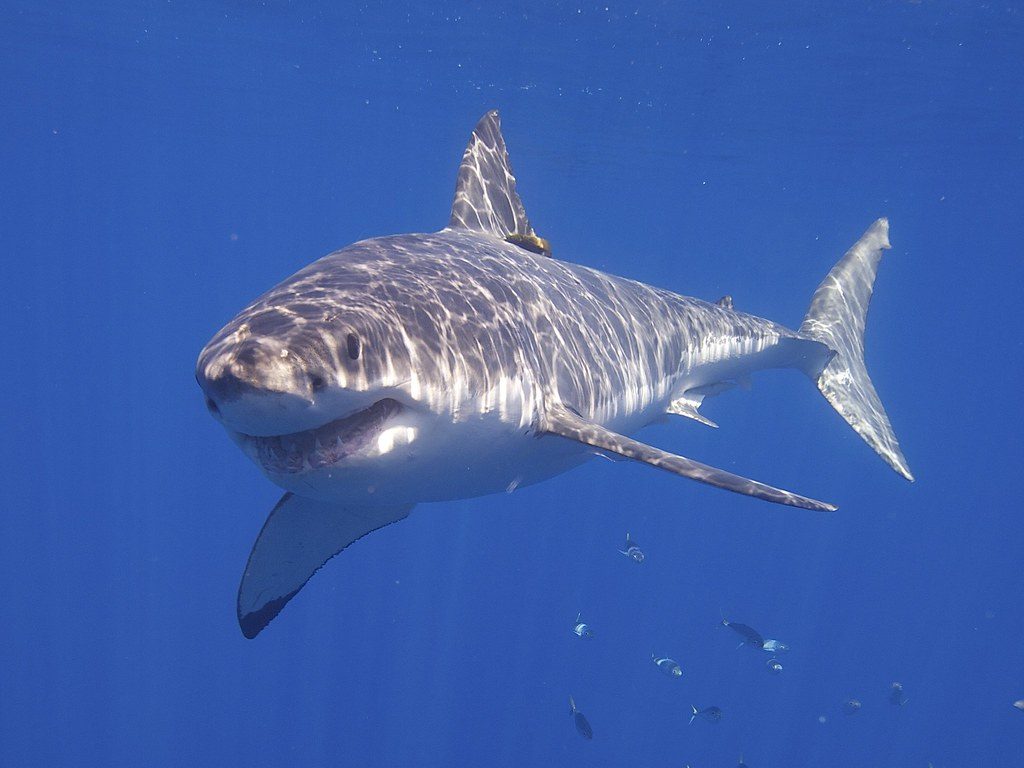
    Great white sharks rarely chase prey over long distances. Instead, they often use ambush tactics. Researchers have found that they commonly approach from below, remaining hidden in darker water while observing prey near the surface.

    This position gives the shark a major advantage. Animals swimming at the surface are silhouetted against the light above, making them easier to spot. By staying hidden until the last moment, the shark can launch an attack before its target has time to react.

    The attack begins with a rapid ascent

    Great White Shark” by kqedquest is licensed under CC BY-NC 2.0

    Once a target is selected, the shark accelerates upward from deeper water. Using its powerful tail, it can reach impressive speeds as it closes the distance between itself and its prey. Great whites can reach speeds of up to 50 kilometers per hour.

    The final moments happen incredibly fast. The shark aims directly at the prey and often strikes from beneath. This upward attack can generate tremendous force and frequently catches seals and other marine mammals completely off guard.

    Breaching is one of nature’s most spectacular hunts

    Great White Shark” by Elias Levy is licensed under CC BY 2.0

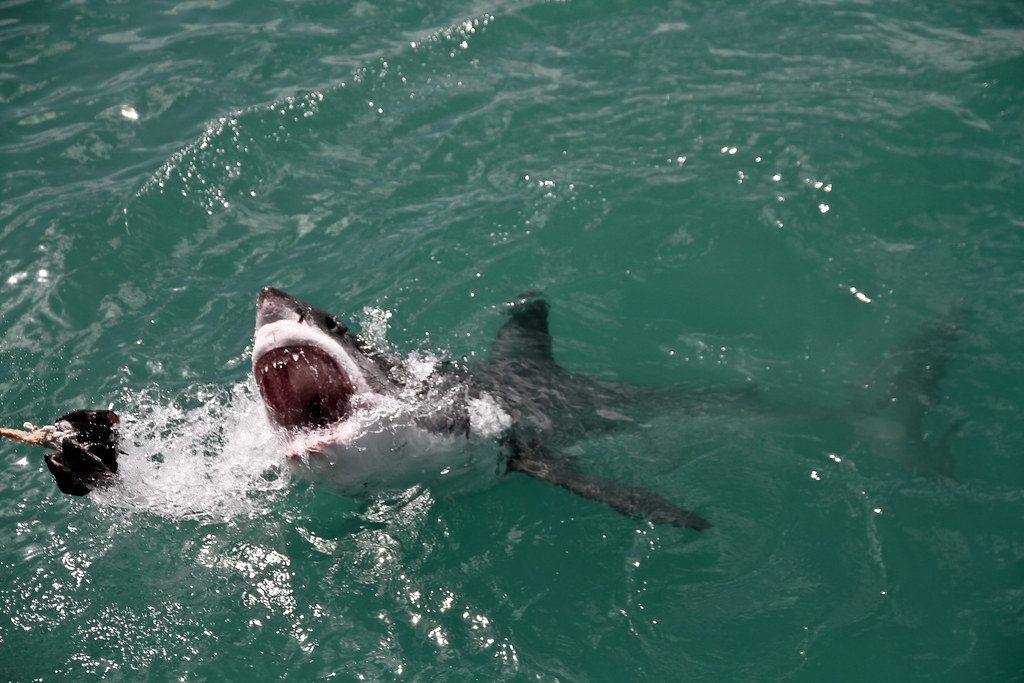
    In some locations, particularly where seals are common, great white sharks perform a behavior known as breaching. During these attacks, the shark launches itself entirely out of the water while pursuing prey.

    Breaching requires precise timing and enormous power. The shark builds speed underwater before bursting through the surface. Slow-motion footage has revealed just how explosive these attacks are, with several tons of predator and prey sometimes becoming airborne for a brief moment.

    Powerful teeth do the rest

    Great White Shark” by Elias Levy is licensed under CC BY 2.0

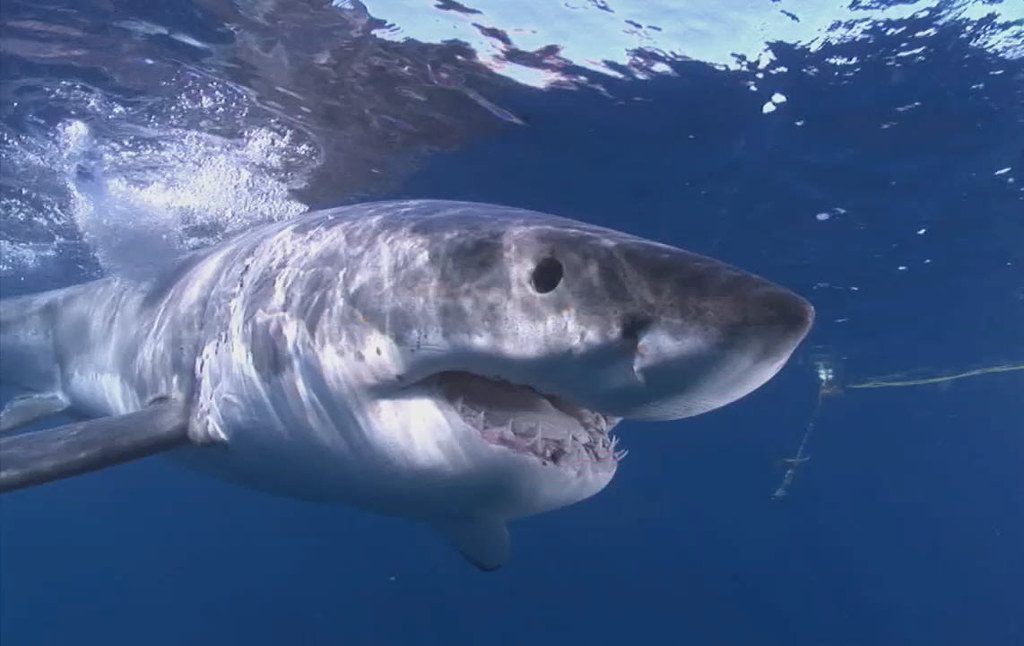
    A great white shark’s mouth is equipped with rows of large, triangular teeth designed for gripping and tearing flesh. During an attack, the shark often delivers a powerful initial bite intended to disable its prey.

    Researchers have observed that the first strike is often the most important. Once the prey is injured or weakened, the shark can return to feed more safely. This strategy reduces the risk of injury from struggling prey, especially large animals such as seals.

    Human encounters are usually different

    Great White Shark” by Elias Levy is licensed under CC BY 2.0

    Although great white sharks are responsible for more recorded shark bite incidents than any other shark species, humans are not considered their preferred prey. Scientists believe many incidents involve mistaken identity, particularly when a surfer or swimmer resembles a seal from below.

    Many encounters involve what researchers call a “test bite.” In these cases, the shark investigates an unfamiliar object with a bite and then moves away. Most people who survive a great white shark attack are not pursued afterward because humans do not match the shark’s usual food preferences.

    Even great white sharks have enemies

    An angry Great White Shark” by TheGrantPeters is licensed under CC BY 2.0

    Great white sharks sit near the top of the ocean food chain and have very few natural predators. Their size, speed, and hunting ability make them one of the sea’s most successful predators.

    However, killer whales have shown they can hunt great white sharks. Researchers have documented orcas attacking, killing, and feeding on great whites, often targeting their nutrient-rich livers. These encounters demonstrate that even apex predators can become prey under the right circumstances.