Author: Ethan

  • Sea lion pup’s adorable reunion steals the spotlight

    Sea lion pup’s adorable reunion steals the spotlight

    For a few tense moments, a tiny sea lion pup seemed completely alone. Looking around the shoreline, the young animal could not spot his mother and appeared worried as he waited alone.

    The emotional scene quickly captured attention online, but what happened next turned concern into relief. When the sea lion pup finally spotted his mother returning from the ocean, the heartwarming reunion reminded viewers of the strong bond between sea lion mothers and their pups.

    A worrying moment on the shore
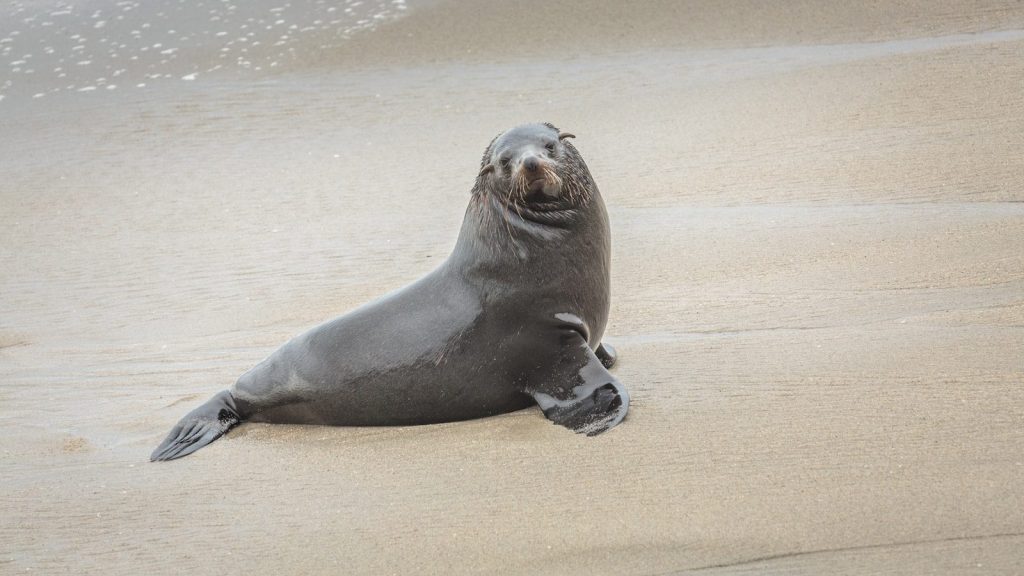
    sea lion on brown sand during daytime
    Photo by Chris Stenger on Unsplash

    The video begins with a young sea lion pup standing alone near the coast. As he looks around, he appears confused and uncertain about where his mother has gone. Because the pup is still very young, being separated from his mother can be a stressful experience.

    Many viewers immediately felt sympathy for the small animal. Watching the pup search the area without finding his mother made the situation seem heartbreaking, especially because he looked so tiny and vulnerable on his own.

    Sea lion mothers sometimes leave temporarily
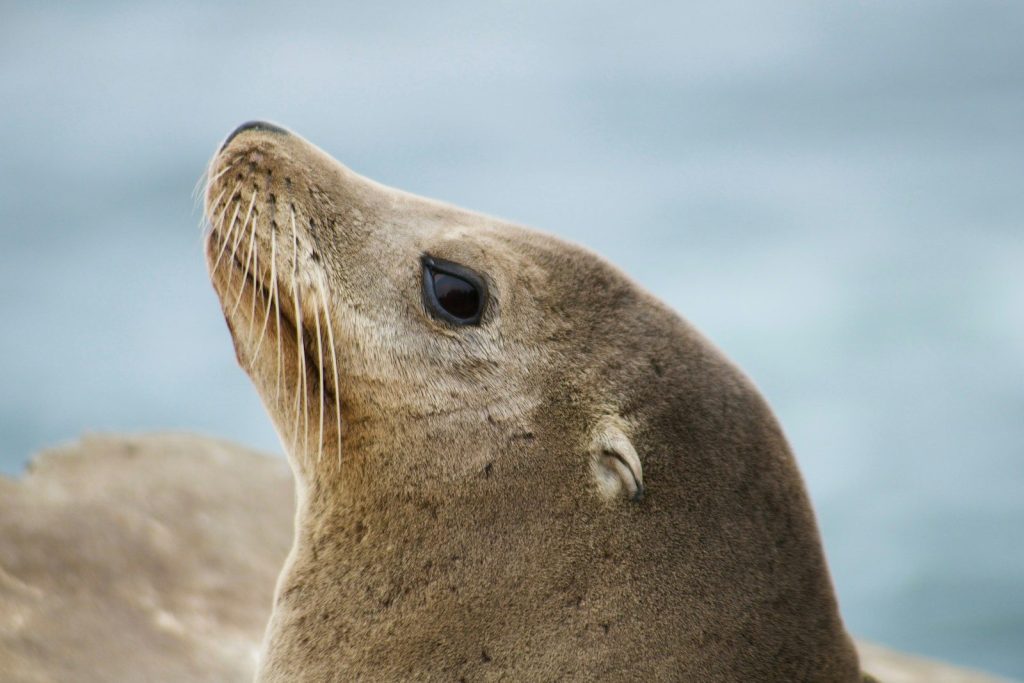
    brown seal
    Photo by James Lee on Unsplash

    While the scene appeared alarming at first, it is actually normal behavior for sea lions. Mothers often leave their pups for short periods while they head out into the ocean to feed themselves and gather energy.

    These feeding trips are important because sea lion mothers need enough food to continue caring for their growing pups. Although the separation may seem long to the young animal, the mother usually returns once she has finished foraging.

    The mother was searching too
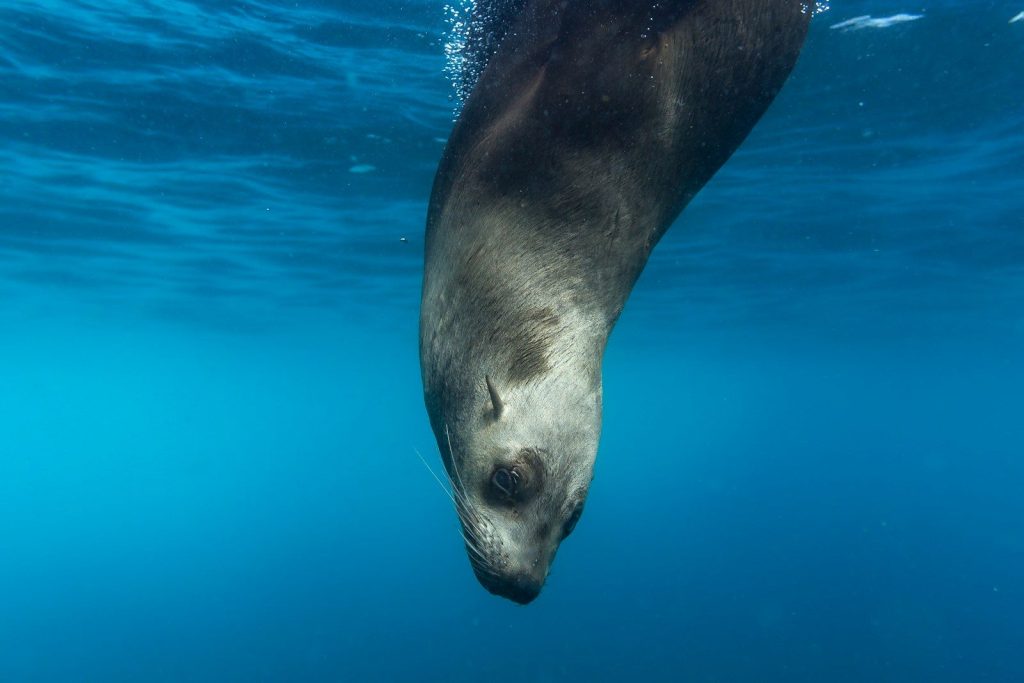
    seal underwater
    Photo by Samuel Scrimshaw on Unsplash

    As the mother sea lion emerged from the water, she also appeared to be looking around for her pup. After spending time away feeding, she needed to find her young one among the busy shoreline.

    This moment highlighted that the reunion was important for both animals. The pup was searching for his mother, while the mother was equally focused on locating her baby after returning from the ocean.

    The reunion melts hearts
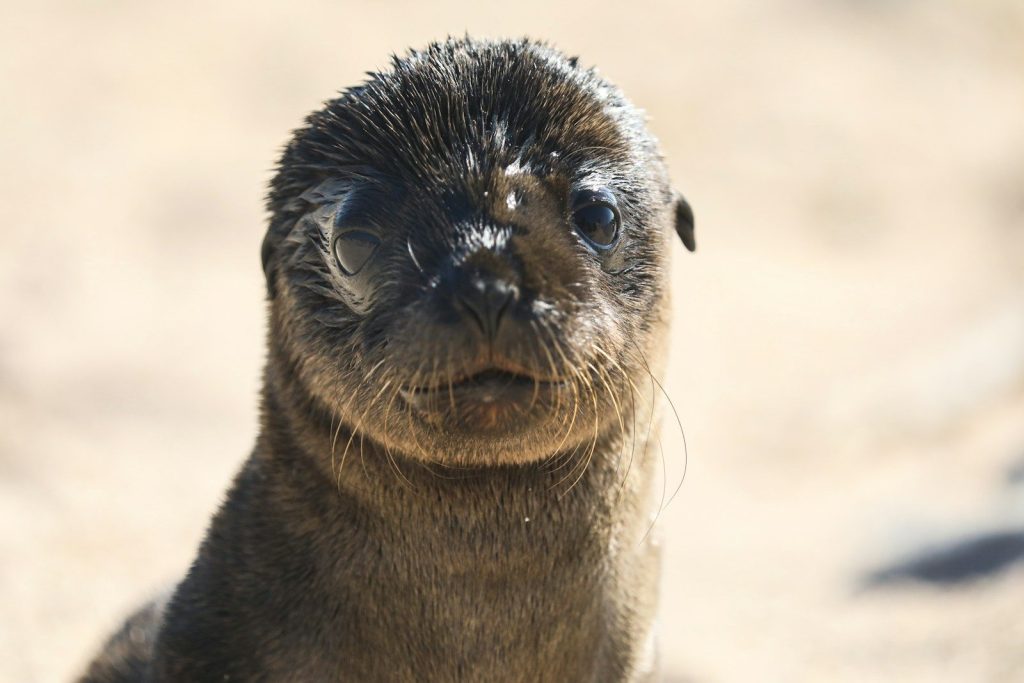
    A close up of a small animal on a dirt ground
    Photo by Dylan Shaw on Unsplash

    The emotional turning point came when the pair finally spotted each other. Almost immediately, both animals moved quickly toward one another, closing the distance between them.

    Once reunited, the mother and pup greeted each other with an affectionate nuzzle. The joyful interaction instantly transformed the mood of the video, replacing worry with relief and happiness.

    Viewers could not hide their emotions
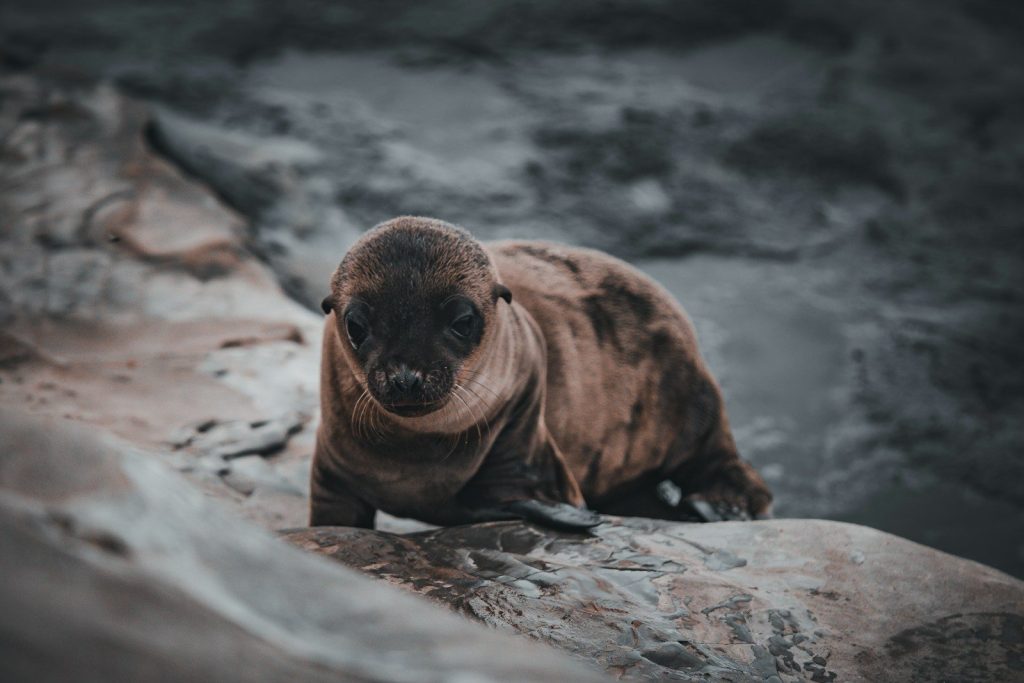
    brown seal on grey rock
    Photo by Craig Marolf on Unsplash

    The reunion quickly sparked emotional reactions online. Many viewers admitted that watching the pup’s excitement when he recognized his mother brought tears to their eyes.

    Others were amazed at how quickly the pair identified each other. The pup’s small, excited steps toward his mother became one of the most talked-about moments in the clip, with many people calling it adorable and heartwarming.

    Sea lions are devoted parents
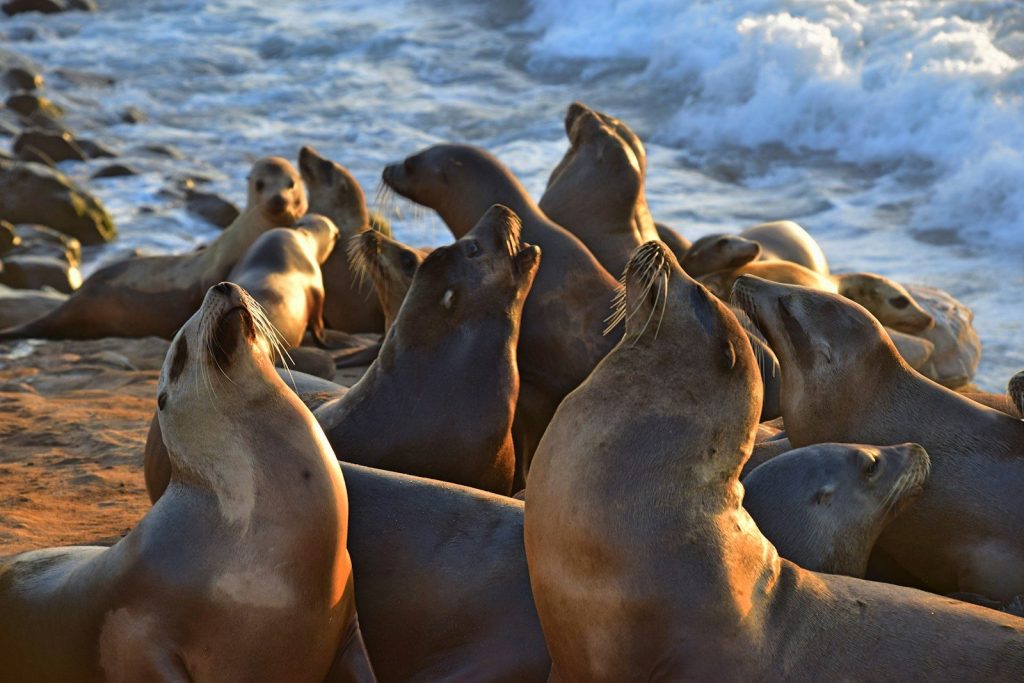
    seal on the sea shore
    Photo by Joss Woodhead on Unsplash

    Sea lions are known for being attentive mothers. Females typically give birth to one pup each year after a pregnancy that lasts between nine and eleven months. Multiple births are extremely rare.

    Because mothers invest so much time and energy into raising a single pup, strong bonds develop between them. This touching reunion offered a small glimpse into that relationship and showed why sea lions are considered caring and dedicated parents.
  • What really happened during Steve Irwin’s final dive?

    What really happened during Steve Irwin’s final dive?

    Steve Irwin was known around the world for getting closer to wild animals than almost anyone else. From crocodiles and snakes to sharks and other powerful predators, he spent decades teaching people to respect wildlife rather than fear it. That is why the story of Steve Irwin’s fatal stingray attack continues to capture attention years later.

    In September 2006, what began as a routine filming session at Australia’s Great Barrier Reef suddenly turned tragic when a stingray struck him in the chest. The shocking incident was caught on camera, and questions about what happened that day continue to fascinate people around the world. This article explores the events of that final dive and the lasting impact of Irwin’s legacy.

    Steve Irwin built a career around wildlife

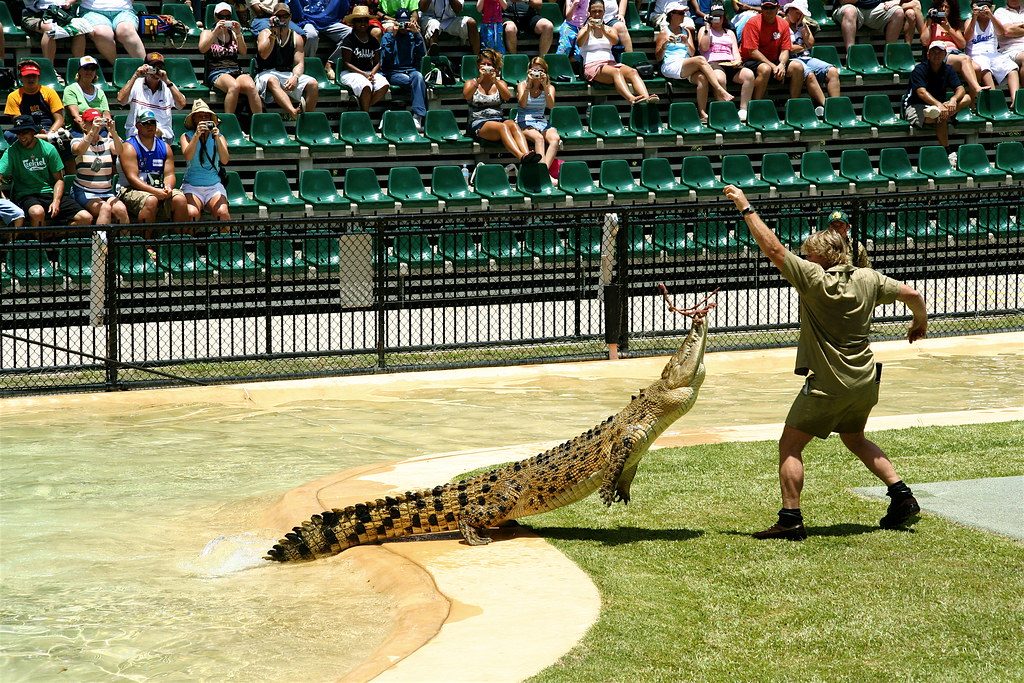
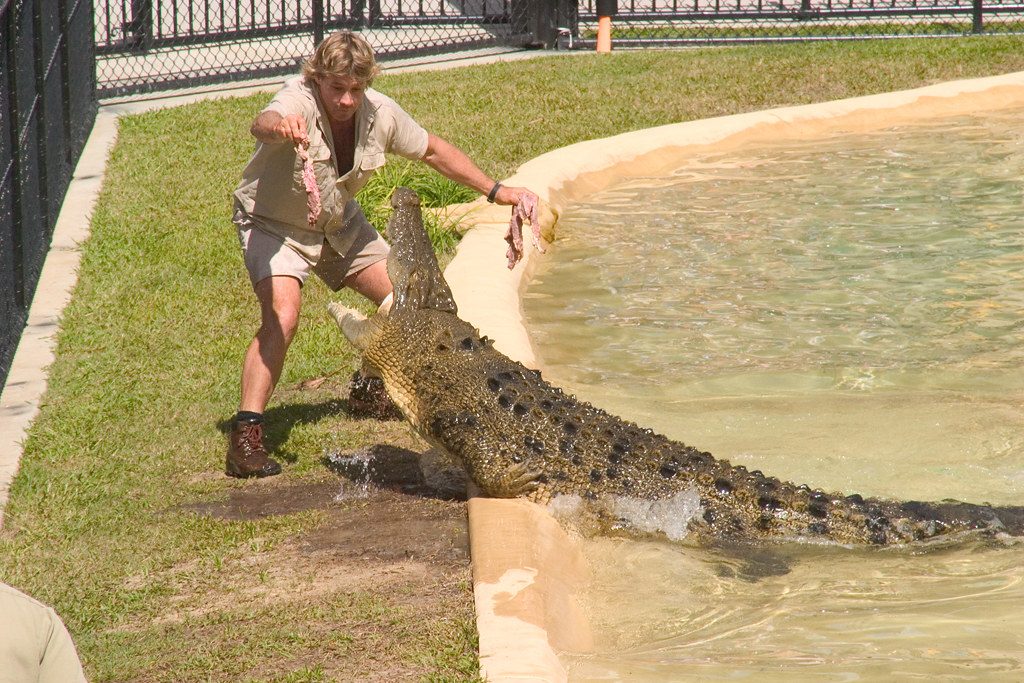
    Steve Irwin feeding Croc=” by Sheba_Also 48,000 photos incl private is licensed under CC BY-SA 2.0

    Steve Irwin became one of the most recognizable wildlife presenters in the world. Known as the “Crocodile Hunter,” he earned a reputation for his fearless approach to animals and his passion for conservation. His television programs introduced millions of viewers to species that many people had never seen before.

    Throughout his career, Irwin worked alongside some of the world’s most dangerous animals. He survived countless encounters with crocodiles, snakes, sharks, and other powerful creatures while encouraging people to appreciate and protect wildlife rather than fear it. His enthusiasm and energy made him a global icon.

    A routine filming day took a tragic turn

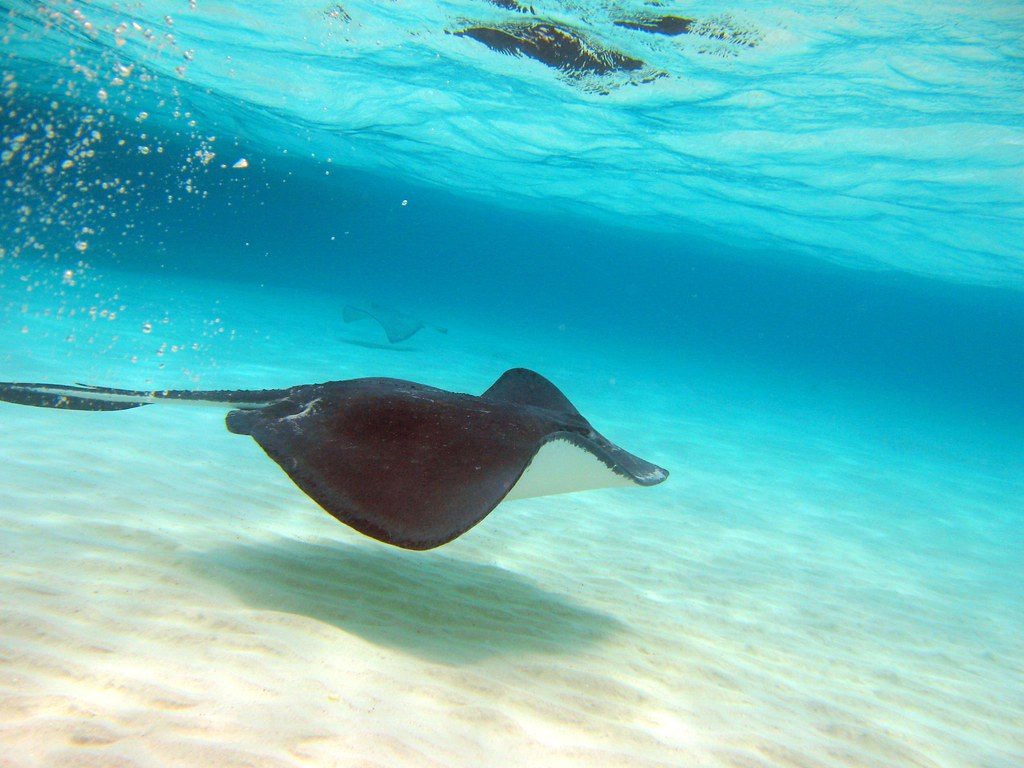
    Stingray, Grand Cayman” by GANDALF_GREY is licensed under CC CC0 1.0

    On September 4, 2006, Irwin was filming near Australia’s Great Barrier Reef for a documentary project. The day was not expected to be dangerous, and the crew was carrying out what appeared to be a normal underwater shoot.

    During the filming session, Irwin entered shallow water near a large stingray. The animal was not considered a major threat compared with many of the species he had worked with throughout his career. However, events unfolded quickly, turning an ordinary filming day into a tragedy that would shock the world.

    The stingray’s barb struck his chest

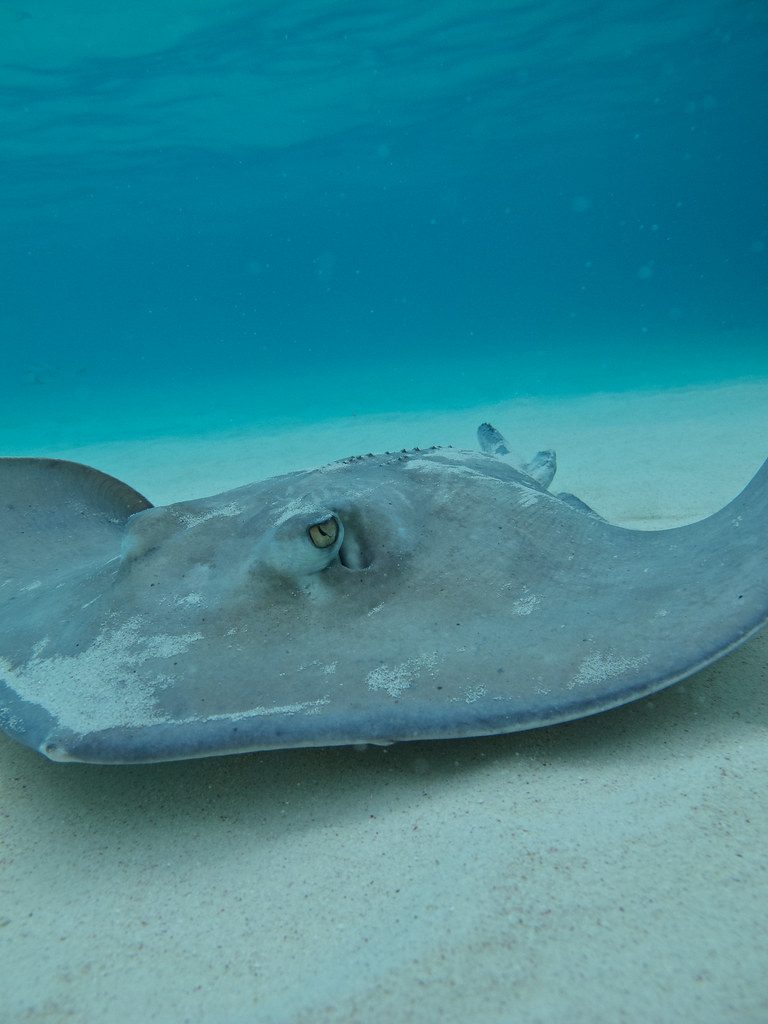
    Stingray City” by SF Brit is licensed under CC BY-ND 2.0

    As Irwin approached the stingray, the animal suddenly reacted. Reports from those present indicate that the stingray raised itself and struck with its tail, driving its barb into Irwin’s chest. The injury caused severe trauma and penetrated his heart.

    The attack happened in only moments. Crew members initially did not realize how serious the injury was until they saw the extent of the damage. Although stingray fatalities are extremely rare, the location of the wound made this incident devastating.
    The cameras continued recording

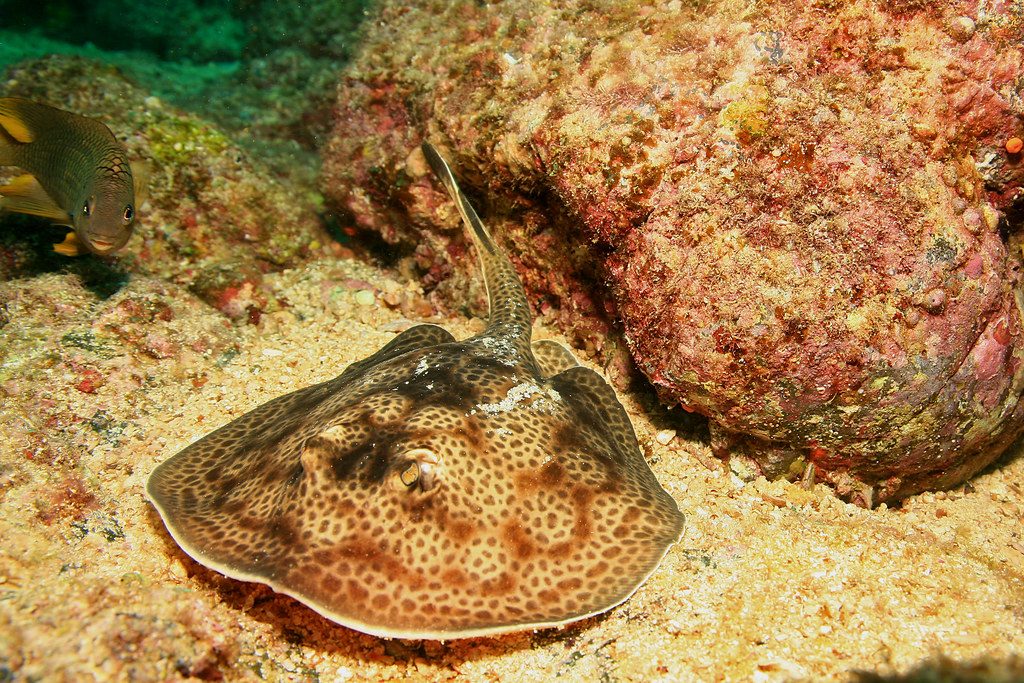
    Round Stingray” by laszlo-photo is licensed under CC BY 2.0

    One detail that continues to interest people is that cameras were still recording during the incident. The attack was captured on video, making it one of the few fatal wildlife encounters ever filmed. However, the footage has never been released publicly.

    Over the years, many rumors have circulated about the recording. Family members and those close to the production have stated that the footage showing the injury and death was destroyed, ensuring that the final moments would remain private. Even so, public curiosity about the unreleased video remains strong nearly two decades later.

    Efforts to save Irwin began immediately

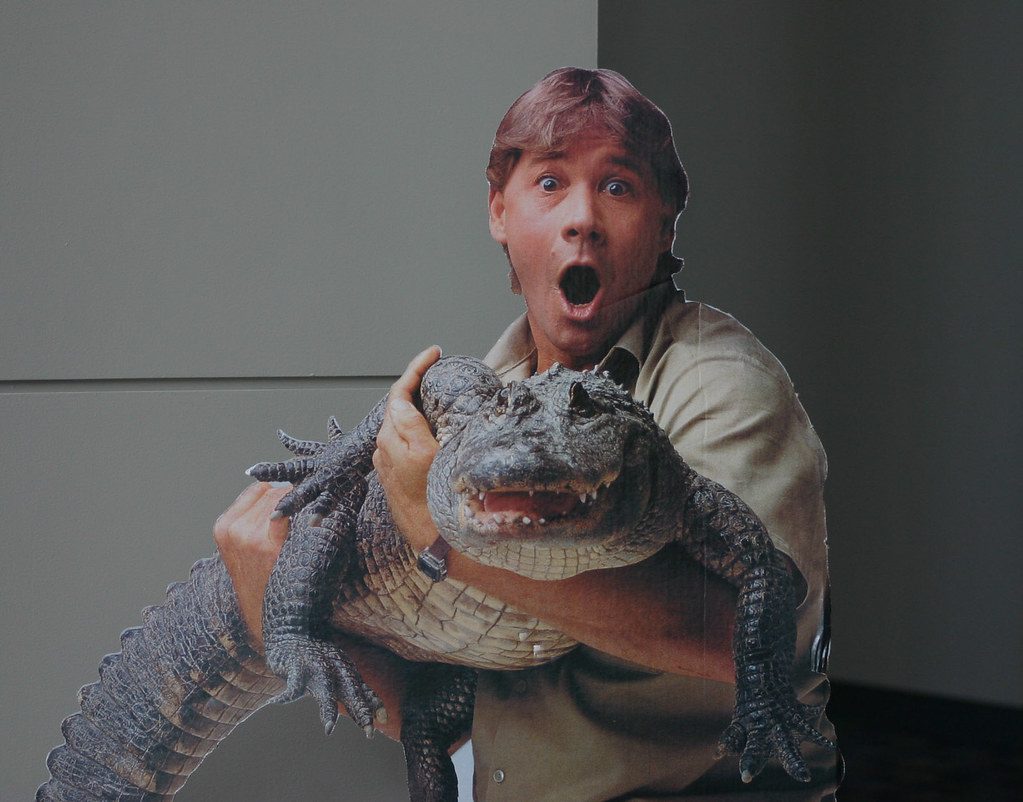
    Steve Irwin, ‘Crocodile Hunter’” by dbking is licensed under CC BY 2.0

    As soon as the crew understood the seriousness of the situation, they rushed to help him. CPR was performed while efforts were made to get him to medical assistance as quickly as possible. Everyone involved worked urgently in an attempt to save his life.

    Despite those efforts, the injury was too severe. The stingray’s barb had caused catastrophic damage, and Irwin was later pronounced dead. News of his passing spread rapidly across the world, leaving fans shocked that a man who had survived so many dangerous encounters could lose his life in such an unexpected way.

    His final words and lasting legacy

    Steve Irwin-031+” by Sheba_Also 48,000 photos incl private is licensed under CC BY-SA 2.0

    Witnesses later revealed that Irwin spoke shortly before losing consciousness. Reports from members of the crew indicated that his final words reflected an understanding of the seriousness of his condition. Those moments have become part of the story that continues to surround his final dive.

    While the circumstances of his death remain widely discussed, Irwin’s lasting legacy goes far beyond the tragedy. He inspired millions of people to care about animals, conservation, and the natural world. Through his family, conservation work, and the programs he created, his message continues to reach new generations.

  • Scientists detect a giant squid hidden deep below the ocean

    Scientists detect a giant squid hidden deep below the ocean

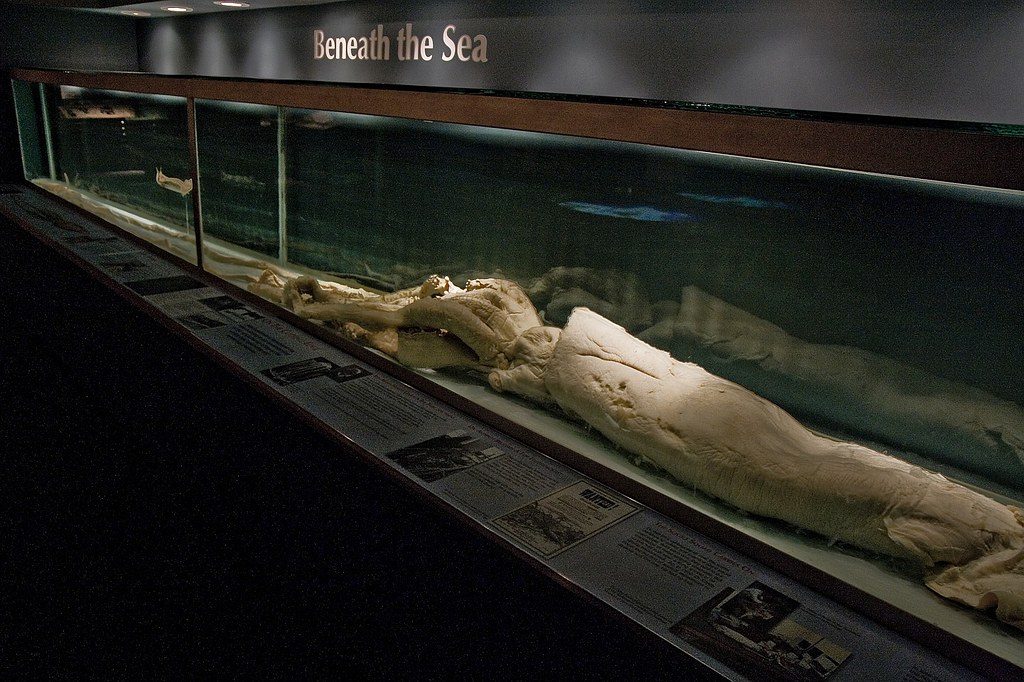
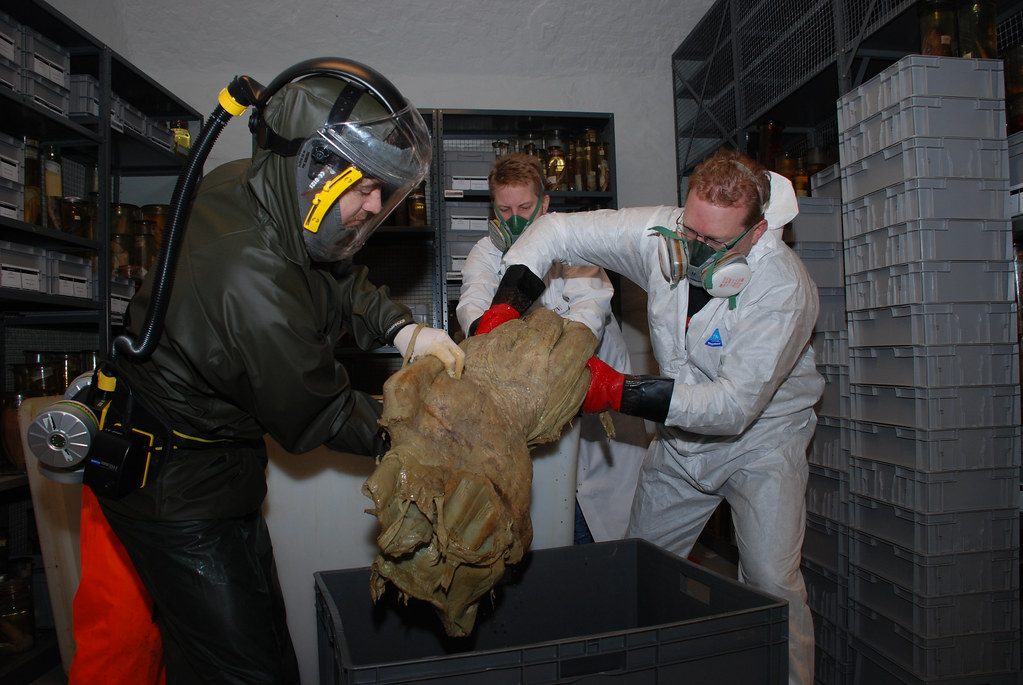
    Few creatures inspire more mystery than the giant squid. For centuries, sailors told stories of enormous tentacled animals lurking in the deep ocean, yet sightings remained incredibly rare. Even today, giant squids are among the least understood animals on Earth because they spend most of their lives far below the surface.

    Now, scientists have uncovered new evidence that one of these elusive giants is living in deep-sea canyons off Western Australia. Remarkably, they did not find the animal itself. Instead, researchers detected traces of its genetic material in seawater, revealing a creature that had remained hidden in the darkness of the deep ocean.

    A discovery made from seawater

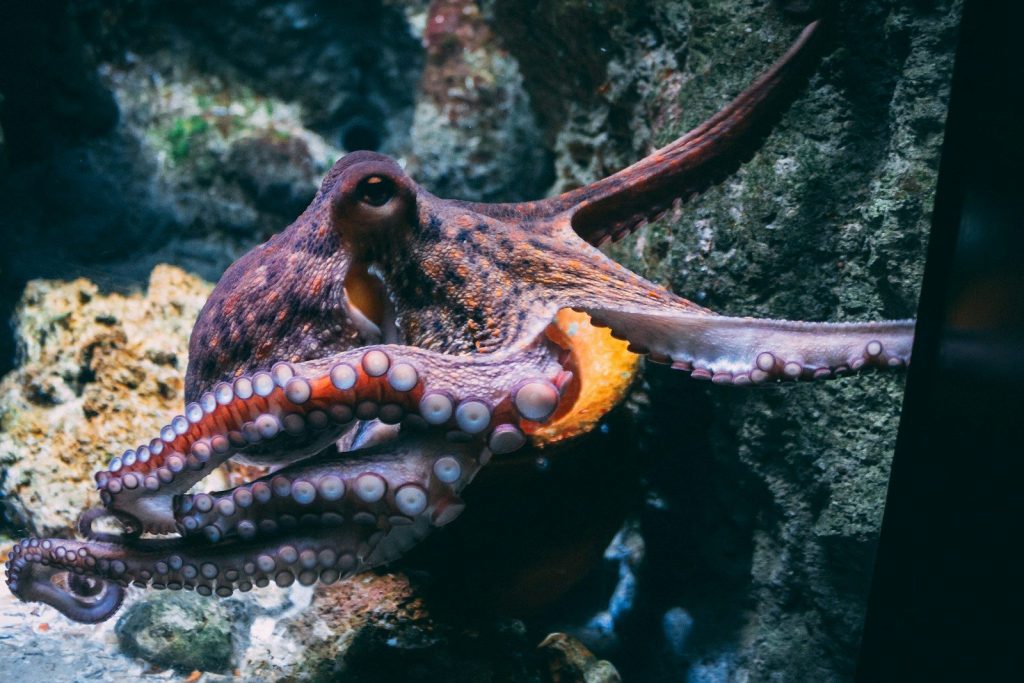
    an octopus and a squid swimming in the ocean
    Photo by Meressa Chartrand on Unsplash

    The breakthrough came during a scientific expedition near the Ningaloo coast of Western Australia. Researchers were exploring deep-sea canyons and collecting water samples at different depths.

    Rather than searching for animals directly, the team analyzed environmental DNA, also known as eDNA. This technique allows scientists to identify species by examining tiny traces of genetic material left in water by skin cells, mucus, waste, and other biological material.

    Exploring the deep ocean

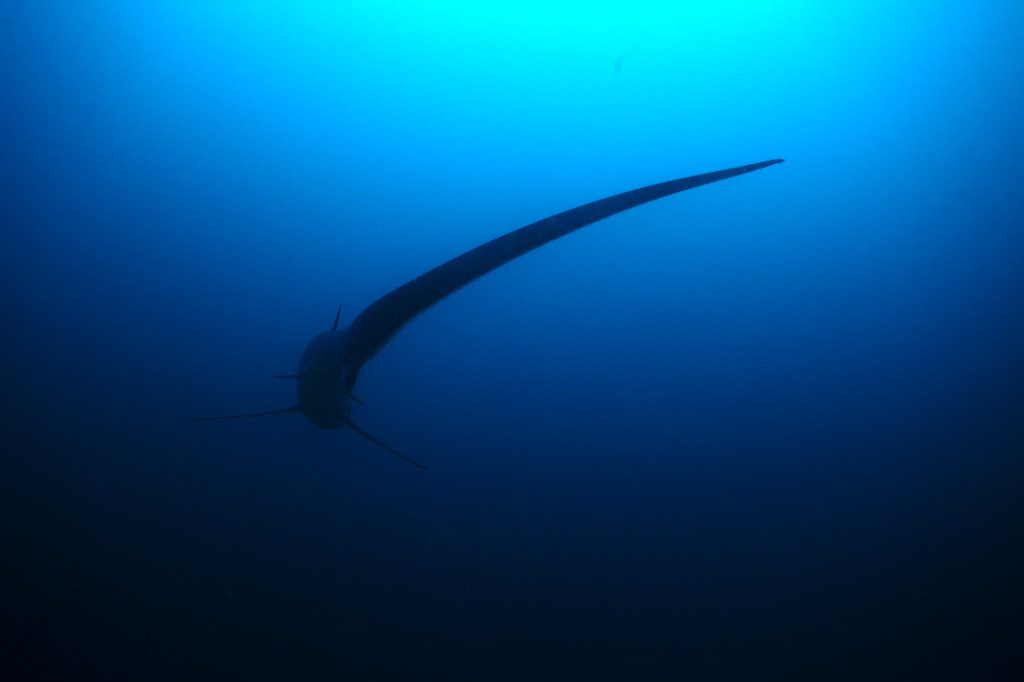
    Thresher Shark Tail” by PacificKlaus is licensed under CC BY-NC 2.0

    The expedition took place aboard the Schmidt Ocean Institute’s research vessel RV Falkor. Scientists collected nearly 200 water samples from two deep-sea canyons known as Cape Range and Cloates Canyon.

    The samples came from five different depth levels, reaching nearly 2.8 miles below the ocean’s surface. These depths remain among the least explored environments on the planet and are home to many species that scientists rarely encounter.

    Evidence of a legendary creature

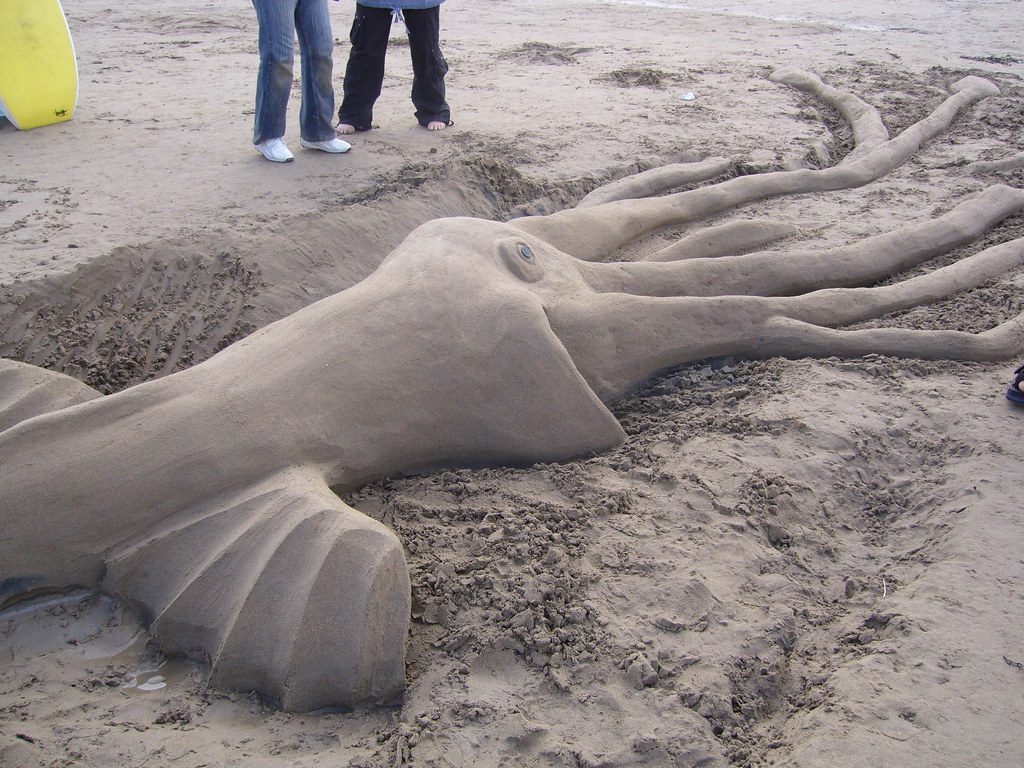
    Giant squid sand sculpture” by Graham Tait is licensed under CC BY-NC-SA 2.0

    When researchers compared the DNA fragments to genetic databases, they found evidence of a giant squid in both underwater canyons. The discovery was especially significant because giant squids are rarely detected anywhere in the world.

    According to the researchers, scientists had documented a giant squid in Western Australian waters only twice before. The last confirmed evidence from the region occurred more than 25 years ago, making the new finding particularly important.

    More than just a giant squid

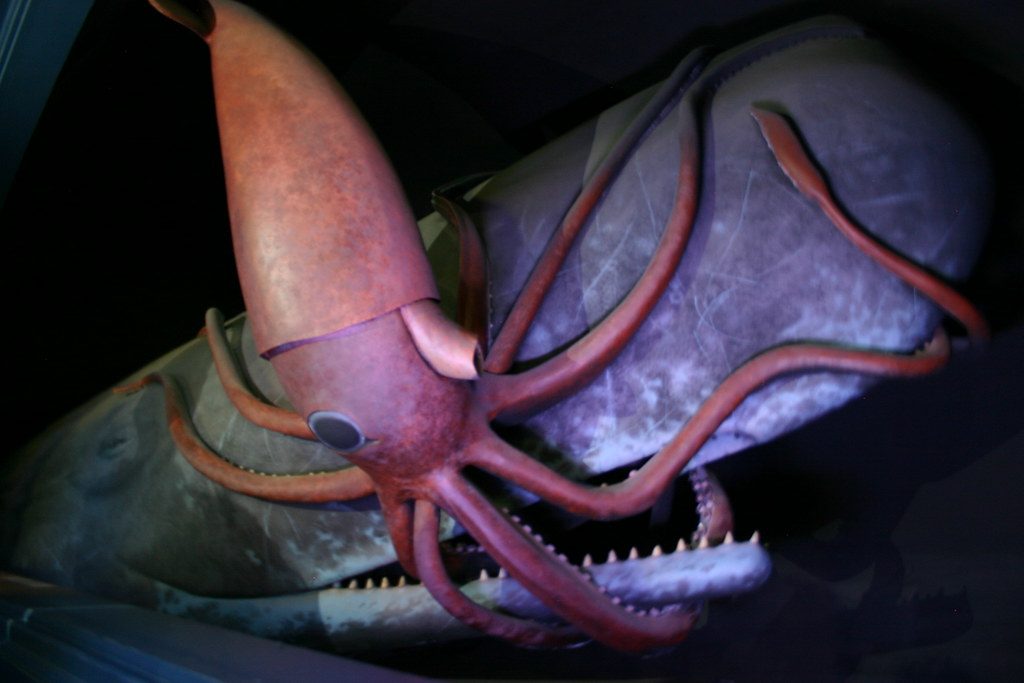
    Giant Squid and Normal Squid” by Zach Bonnell is licensed under CC BY-NC-ND 2.0

    The study revealed far more than evidence of a single species. Researchers identified a total of 226 marine species living within the deep-sea ecosystem.

    Among the discoveries were animals not previously recorded in Western Australian waters, including the faceless cusk eel and sleeper shark. The findings highlighted how much remains unknown about life in the deep ocean and how many species may still await discovery.

    Every depth tells a different story

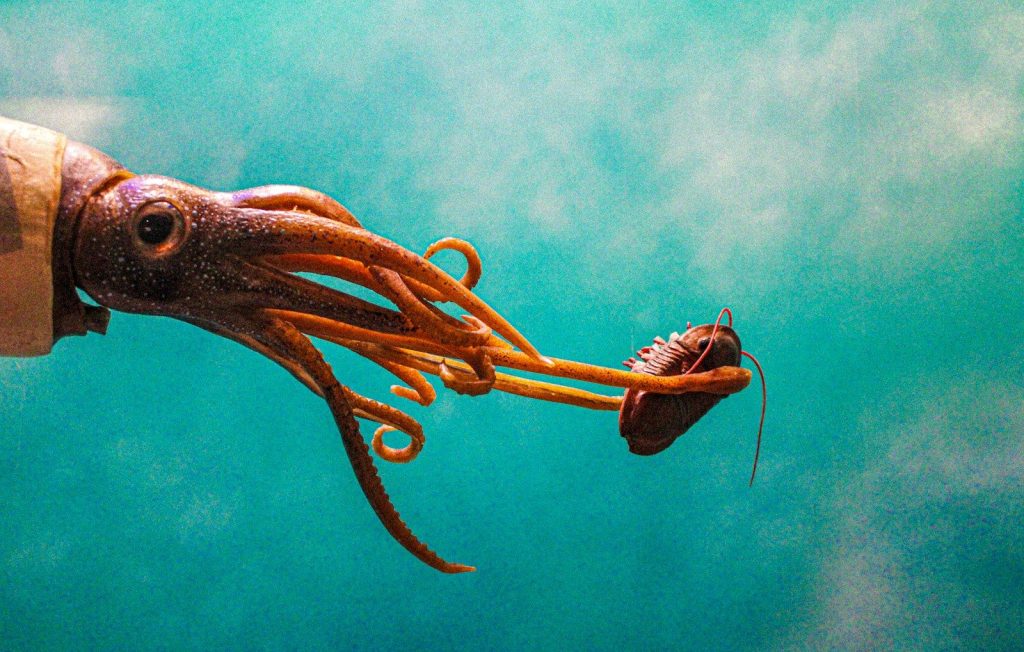
    Giant squid” by Derek Keats is licensed under CC BY 2.0

    One of the study’s most important findings was that different parts of the deep sea contained different communities of animals. Species varied not only by location but also by depth.

    Researchers found that the two canyons supported distinct ecosystems, suggesting that deep-ocean habitats cannot be treated as identical environments. Understanding these differences may become increasingly important when planning future conservation efforts.
    A powerful new tool for ocean science

    Kjempeblekksprut – Giant Squid” by NTNU Vitenskapsmuseet is licensed under CC BY 2.0

    Environmental DNA is becoming one of the most valuable tools available to marine researchers. Unlike cameras or fishing nets, eDNA can detect rare, fragile, or fast-moving species without disturbing them.
    By analyzing a single water sample, scientists can identify evidence of many different animals living nearby. As technology continues to improve, researchers hope it will help reveal more hidden species, track changes in marine ecosystems, and guide conservation efforts in some of the ocean’s most mysterious regions.

  • A giant ocean predator just returned after a decade

    A giant ocean predator just returned after a decade

    For years, scientists feared one of the Pacific Ocean’s most important predators was disappearing for good. Billions of sea stars died during a devastating disease outbreak that transformed marine ecosystems along North America’s west coast. The losses were so severe that many underwater habitats struggled to recover.

    Now, researchers have discovered a hopeful sign in Northern California. Eighteen giant sunflower sea stars, once thought nearly gone from the region, have been found living in the waters of the Greater Farallones National Marine Sanctuary. Their return could play an important role in restoring fragile kelp forests and rebuilding balance in the ocean ecosystem.

    A surprising discovery beneath the waves

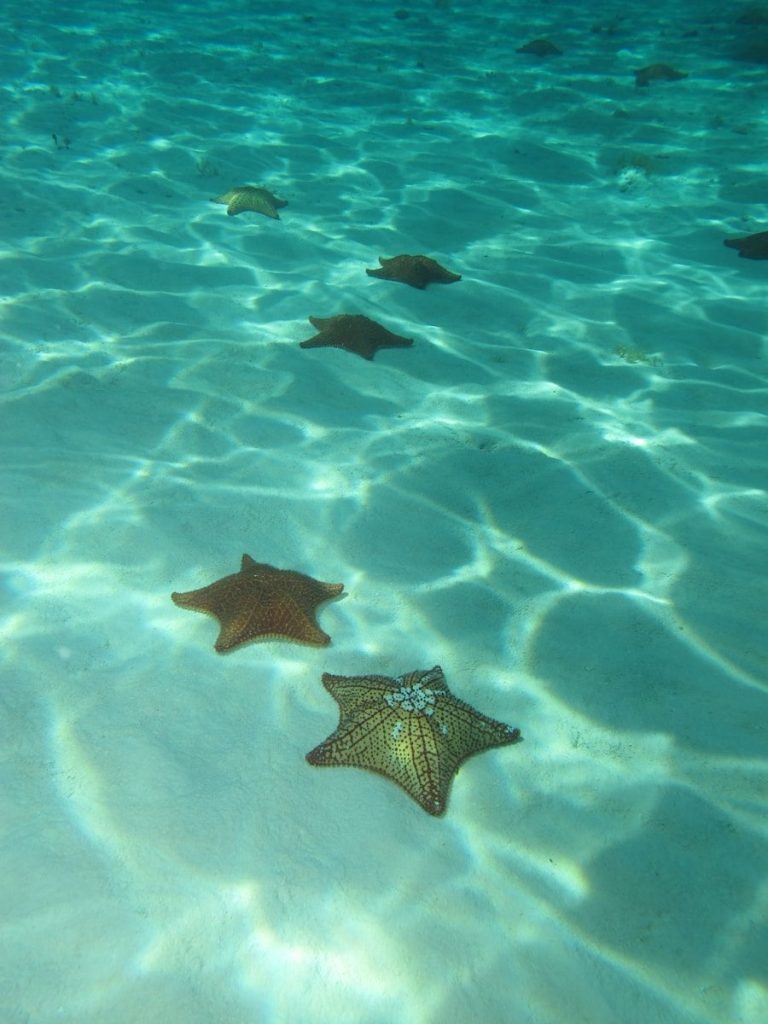
    starfish lot
    Photo by David Clode on Unsplash

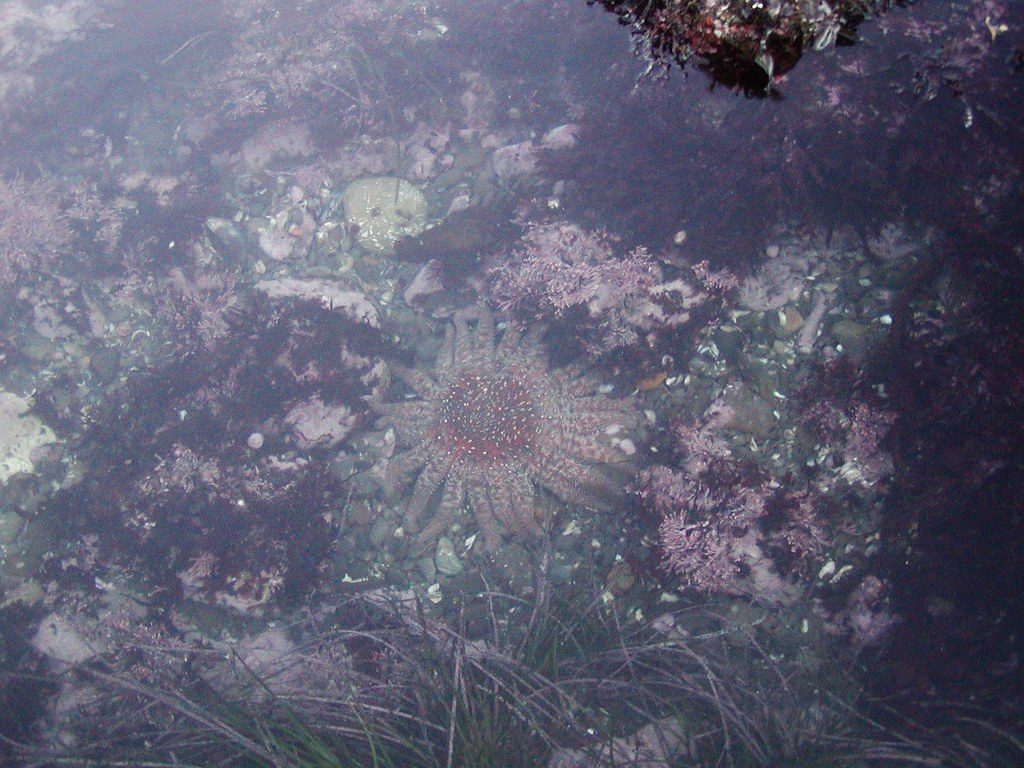
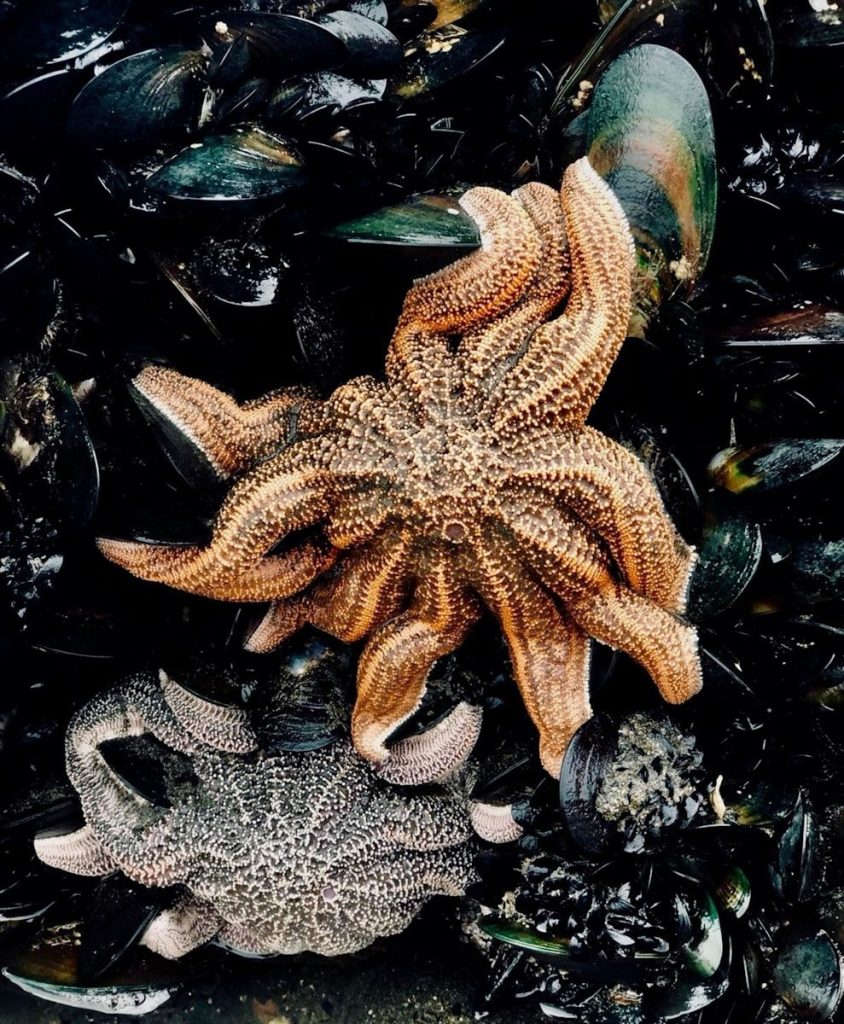
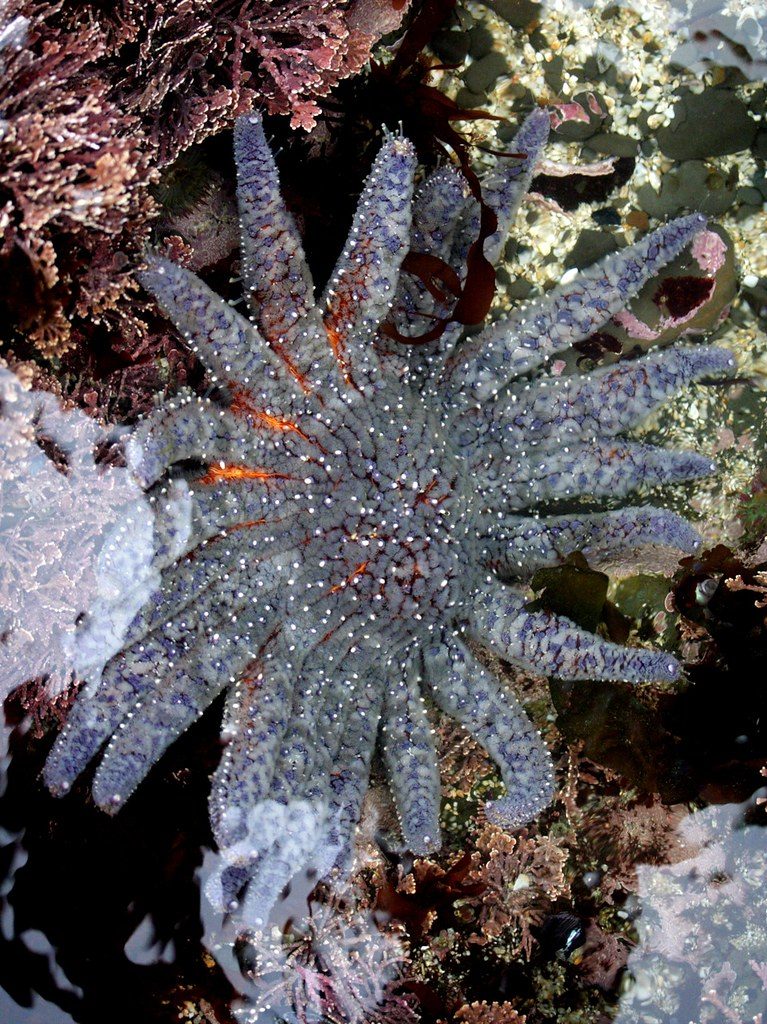
    Last summer, scientists exploring waters off Northern California located 18 sunflower sea stars in the Greater Farallones National Marine Sanctuary. The discovery marked one of the most encouraging sightings of the species in years.

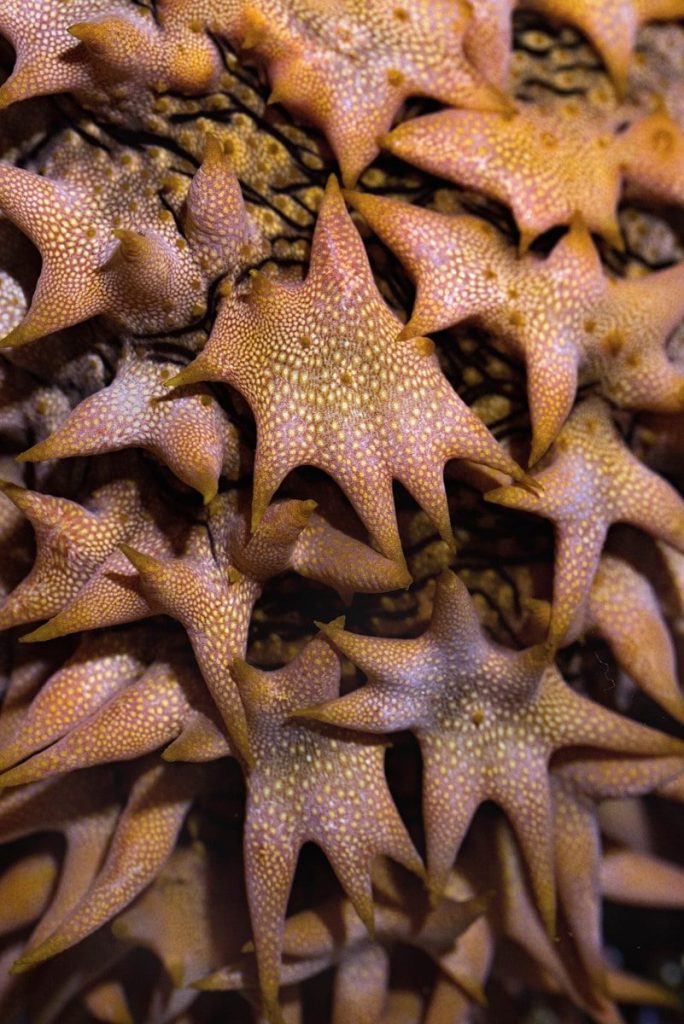
    Sunflower sea stars are among the largest sea stars on Earth. Some individuals can grow more than three feet across and display striking colors ranging from orange and purple to brown and red. Their appearance makes them one of the most recognizable marine invertebrates in Pacific waters.

    The disease that changed the coastline

    turtles swimming in the water
    Photo by Rafaëlla Waasdorp on Unsplash

    Between 2013 and 2017, sea star wasting disease caused one of the largest marine epidemics ever recorded. The outbreak killed billions of sea stars across the Pacific coast, devastating populations throughout their range.

    Researchers now believe a bacterium called Vibrio pectenicida played a major role in the disease. Scientists continue studying why the illness spread so widely and what environmental factors may have contributed to the massive losses.

    Why sunflower sea stars matter

    brown sea creature
    Photo by Lachlan on Unsplash

    Sunflower sea stars are not just another marine species. They serve as important predators within kelp forest ecosystems. Using their many arms and surprising speed, they hunt purple sea urchins that feed on kelp.

    When sunflower sea star populations collapsed, sea urchin numbers increased dramatically. Without enough predators to control them, the urchins consumed vast areas of kelp, causing severe habitat loss throughout parts of the Pacific coast.

    The connection to kelp forests

    a starfish laying on the sand in the water
    Photo by Dulcey Lima on Unsplash

    Kelp forests are often called the underwater jungles of the ocean. They provide shelter, food, and breeding grounds for hundreds of marine species, including sea otters, sharks, fish, and many invertebrates.

    In the Farallones region, the loss of sunflower sea stars contributed to a dramatic decline in kelp forests. Scientists estimate that roughly 90 percent of some kelp habitats disappeared after sea urchin populations expanded without natural control.

    A possible path to recovery

    an underwater scene of an octopus and an octopus fish
    Photo by Andre Fourie on Unsplash

    Researchers believe the return of sunflower sea stars could help restore balance to affected ecosystems. By feeding on sea urchins, the sea stars may allow kelp forests to recover naturally over time.

    Scientists involved in conservation efforts collected tissue samples, water samples, and ecological data from the newly discovered sea stars. This information may help future restoration and repopulation projects designed to strengthen wild populations.

    Hope for the future

    Sunflower Sea Star” by Ken-ichi is licensed under CC BY-NC 2.0

    The discovery has given marine scientists renewed optimism. Researchers are exploring several ways to support recovery, including breeding programs and studies focused on disease resistance and climate resilience.

    While sunflower sea stars remain threatened, their reappearance shows that recovery is still possible. For ecosystems damaged by disease, warming oceans, and habitat loss, the return of these giant predators offers a rare and encouraging sign that nature can sometimes begin to heal.

  • What happens when an electric eel decides to strike

    What happens when an electric eel decides to strike

    Most predators rely on speed, strength, or sharp teeth to catch their prey. The electric eel uses something entirely different. Hidden in the dark rivers of South America, this remarkable hunter can generate powerful electrical shocks that stun prey almost instantly. Instead of chasing its target through murky water, it uses electricity to locate, track, and disable animals before they have a chance to escape.

    An electric eel attack can happen in a fraction of a second. What looks like an ordinary fish suddenly becomes a living weapon capable of delivering hundreds of volts through the water. Its unique hunting strategy has fascinated scientists for centuries and continues to reveal surprising new secrets about life beneath the surface.

    A fish powered by electricity

    gray snake photography
    Photo by David Clode on Unsplash

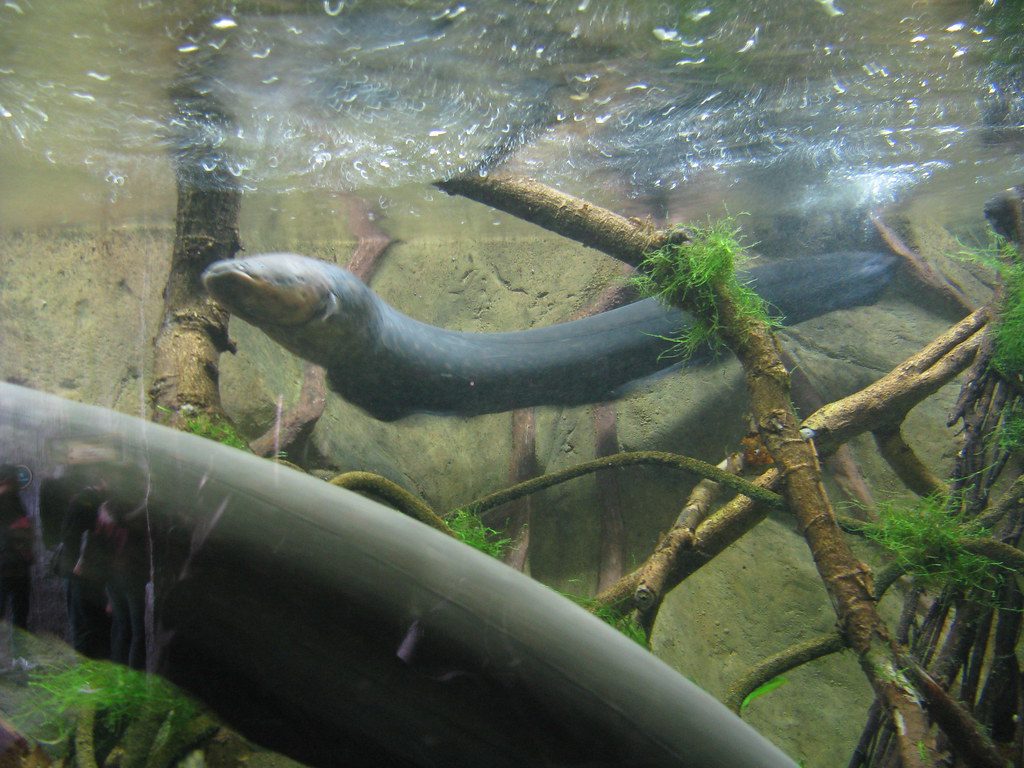
    Despite its name, the electric eel is not a true eel. It belongs to a group of South American knifefish and has evolved specialized organs that allow it to generate electricity. These organs make up most of its body and are responsible for producing both weak and powerful electrical discharges.

    The strongest species can generate electrical shocks reaching up to 860 volts. These powerful bursts are used for hunting and defense, making the electric eel one of the most unusual predators in the animal kingdom.

    Hunting in dark and muddy rivers

    green snake fish
    Photo by Lance Anderson on Unsplash

    Electric eels live in waters where visibility is often poor. In these conditions, relying on eyesight alone would make hunting extremely difficult. Instead, they use weak electrical signals to sense their surroundings and detect nearby animals.

    These electrical pulses act like a natural navigation system. By reading disturbances in the electric field around them, electric eels can locate prey even when the water is too dark or muddy to see clearly.

    The moment the attack begins

    a close up of a reptile
    Photo by MARIOLA GROBELSKA on Unsplash

    Once prey is detected, the eel switches from low-voltage sensing signals to powerful high-voltage discharges. The sudden electrical burst travels through the water and directly affects the prey’s nervous system.

    Scientists have discovered that these shocks can trigger involuntary muscle contractions in prey animals. The result is immediate loss of control, making escape nearly impossible once the strike begins.

    Electricity becomes a tracking system

    multicolored sea creatures on corals
    Photo by Francisco Jesús Navarro Hernández on Unsplash

    The electric eel’s attack is not just about stunning prey. Researchers found that the eel can use high-voltage pulses to track fast-moving targets while simultaneously disabling them.

    This ability has been compared to a biological radar system. Even if prey attempts to flee after the first shock, the eel can continue tracking its movement through electrical signals and adjust its attack accordingly.

    More than a defensive weapon

    a fish swimming in the water
    Photo by Christian Hess Araya on Unsplash

    For many years, scientists believed the eel’s electricity served mainly as a weapon. Recent studies have shown that its electrical system is far more sophisticated than previously thought. The same system helps with communication, navigation, hunting, and defense.

    This combination of functions makes the electric eel one of the most specialized fish on Earth. Few animals can use a single biological adaptation in so many different ways.

    One of nature’s most remarkable predators

    a turtle swimming in the water
    Photo by Adél Grőber on Unsplash

    The electric eel demonstrates that successful predators do not always need claws, speed, or enormous size. By turning its own body into an electrical generator, it has developed a hunting strategy unlike almost anything else in nature.

    Every strike highlights millions of years of evolution that transformed a fish into a living battery. In the dark rivers where it lives, electricity gives the eel an extraordinary advantage and makes it one of the most fascinating hunters in the aquatic world.

  • Dramatic shark pursuit turns into life-or-death ocean encounter

    Dramatic shark pursuit turns into life-or-death ocean encounter

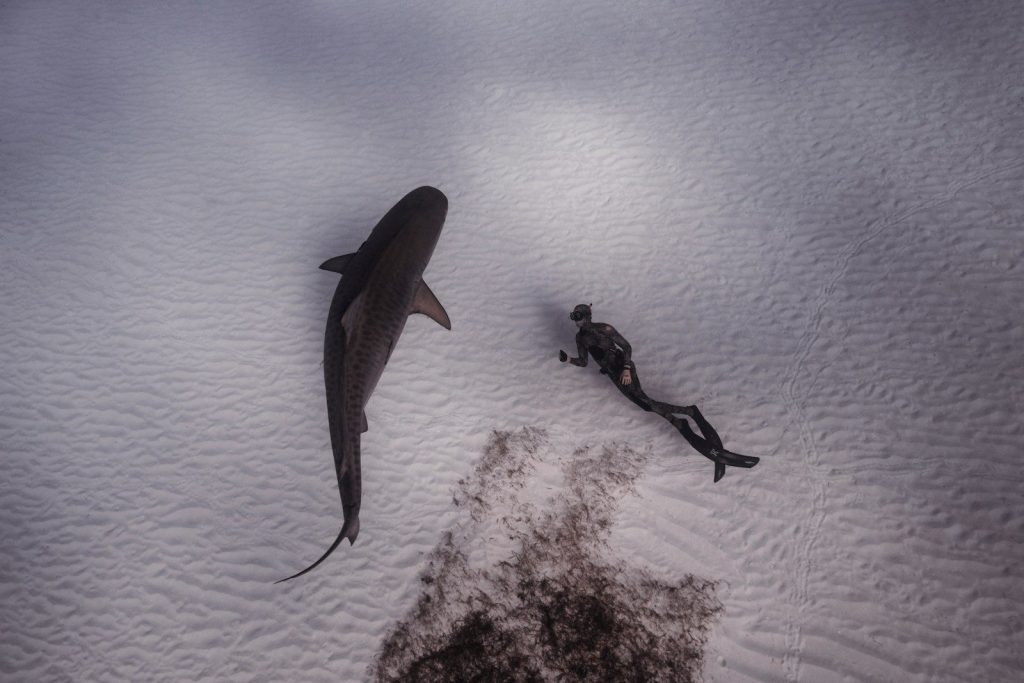
    The open ocean can seem calm and peaceful, but survival often depends on split-second decisions. A remarkable video captured off the coast of the Bahamas shows exactly how quickly life can become a fight for survival. What began as unusual splashing in the water soon revealed a dramatic chase between a tiger shark and a sea turtle.

    The footage, recorded by Kai Survance and a friend on November 22, 2020, shows a sea turtle desperately trying to escape one of the ocean’s most powerful predators. As the tiger shark closed in, the turtle made an unexpected move, turning an already intense encounter into a truly unforgettable moment.

    An ordinary day changed in seconds

    a shark and a scuba in the snow
    Photo by Michael Worden on Unsplash

    Kai Survance and a friend were fishing near Abaco in the Bahamas when they noticed unusual activity ahead of their boat. At first, the disturbance looked like a large fish moving near the surface.

    As they got a better view, they realized something much more dramatic was unfolding. A tiger shark was actively pursuing a sea turtle, and the chase was happening at high speed across open water.

    A sea turtle fights for survival

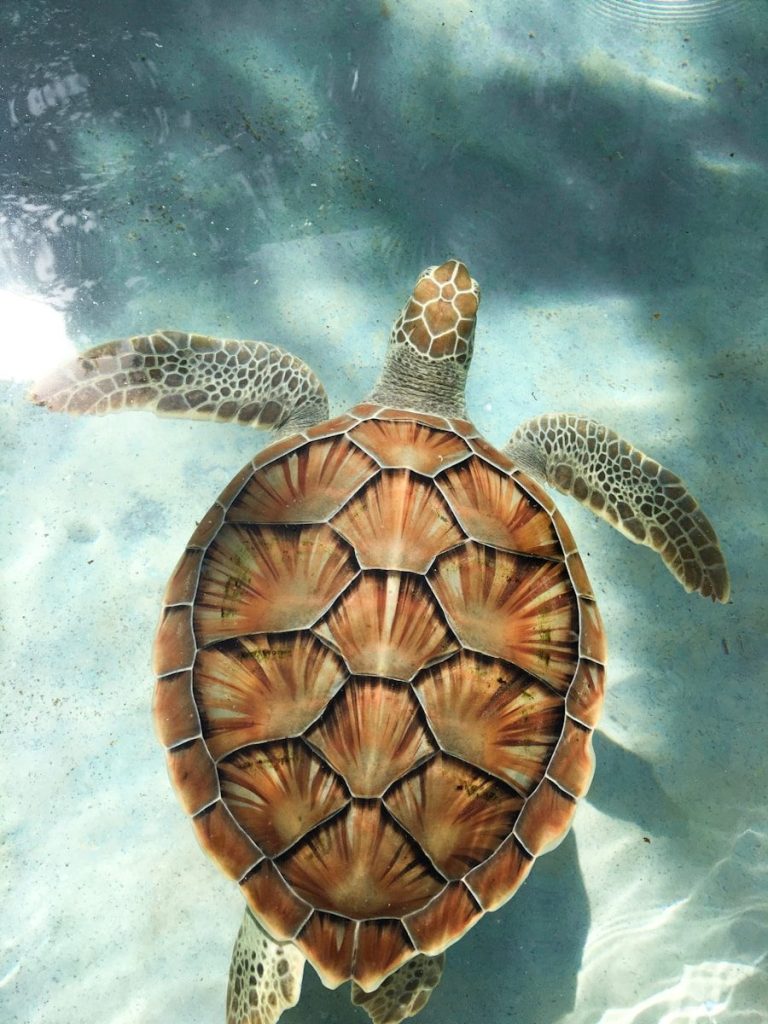
    brown turtle swimming underwater
    Photo by Wexor Tmg on Unsplash

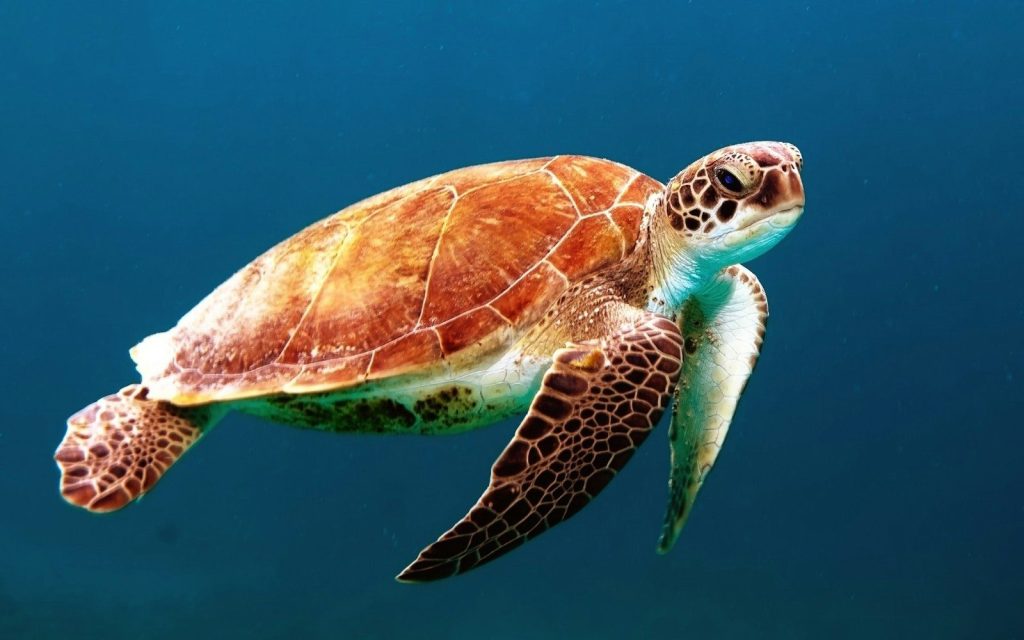
    The sea turtle moved rapidly through the water in an apparent attempt to escape the shark. Every turn and burst of speed seemed focused on creating distance between itself and the predator.

    Sea turtles face numerous threats in the ocean, and large sharks are among their natural predators. In moments like this, speed, awareness, and quick reactions can make the difference between life and death.

    Why tiger sharks are such effective hunters

    white shark in blue water
    Photo by Jeremy Lanfranchi on Unsplash

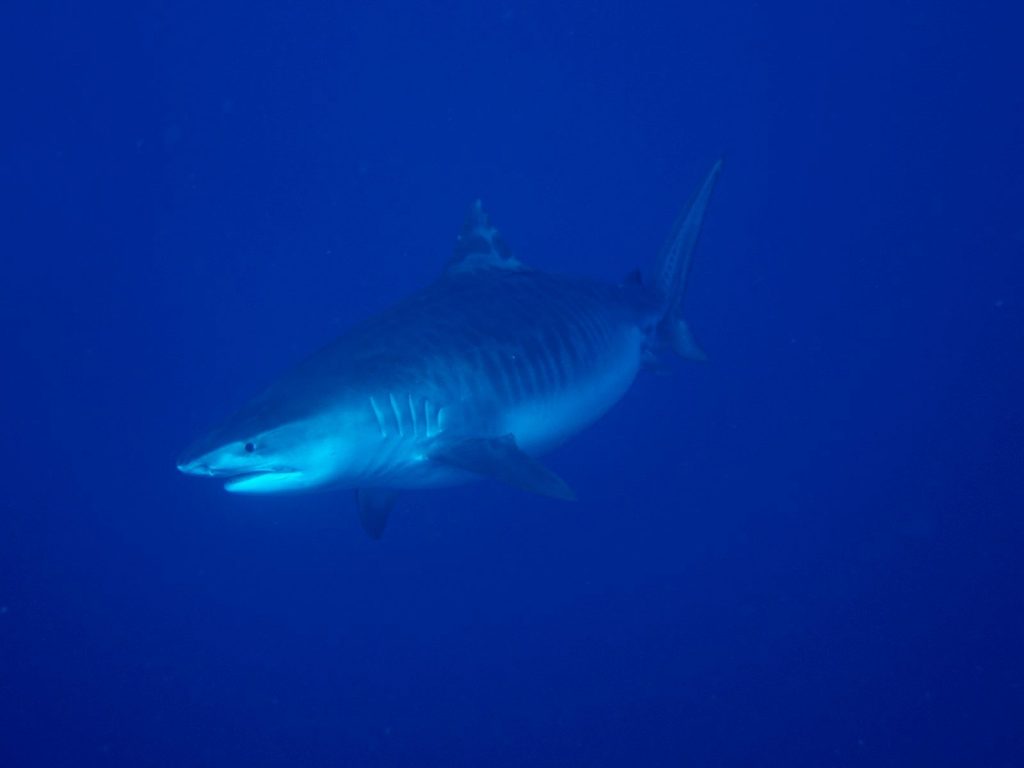
    Tiger sharks are among the ocean’s most powerful predators. Their strong bodies, sharp senses, and ability to adapt to different hunting situations make them highly successful hunters.

    Unlike predators that rely on a single strategy, tiger sharks often combine patience, stealth, and sudden bursts of speed. This flexibility allows them to target a wide variety of prey throughout their range.

    The turtle makes an unexpected move

    brown turtle swimming in water
    Photo by Abner abiu Castillo diaz on Unsplash

    As the chase continued, the sea turtle suddenly changed direction and headed toward the fishing boat. Instead of continuing into open water, it appeared to seek refuge near the vessel.

    The turtle moved toward the diving platform at the rear of the boat while the tiger shark followed closely behind. The decision created a dramatic scene as predator and prey approached within just a few feet of the observers.

    A rare look at predator and prey behavior

    gray and black fish in body of water
    Photo by Jeremy Lanfranchi on Unsplash

    Wild encounters like this provide a unique glimpse into the realities of ocean life. While many people see sharks only as fearsome hunters, these interactions also highlight the constant challenges faced by prey species.

    For the turtle, survival depended on recognizing danger and reacting quickly. For the shark, the chase represented a natural hunting opportunity that is part of maintaining balance within marine ecosystems.

    Why moments like this fascinate people

    a shark swimming in the ocean with a fish nearby
    Photo by Michael Worden on Unsplash

    Videos of predator-prey interactions often capture attention because they reveal behaviors rarely witnessed firsthand. The raw unpredictability of nature can be both exciting and educational.

    This encounter reminds viewers that the ocean is home to complex predator-prey relationships. Every day, countless survival stories unfold beneath the surface, most of them unseen. In this case, a camera happened to be in the right place at the right time to capture one of those extraordinary moments.

  • One splash and the fish was gone in seconds

    One splash and the fish was gone in seconds

    At first, it looks like an ordinary feeding. A fish is released into the water, and everything seems calm. Then, without warning, a giant predator explodes from below. In a split second, the fish disappears, swallowed whole before anyone has time to react.

    Moments like this remind us how fast life can change beneath the surface. While ponds and lakes may appear peaceful, they are home to powerful hunters that rely on surprise, speed, and perfect timing. This encounter, captured on camera, reveals the harsh reality of aquatic ecosystems and the incredible abilities of the predators that live there.

    The calm before the strike

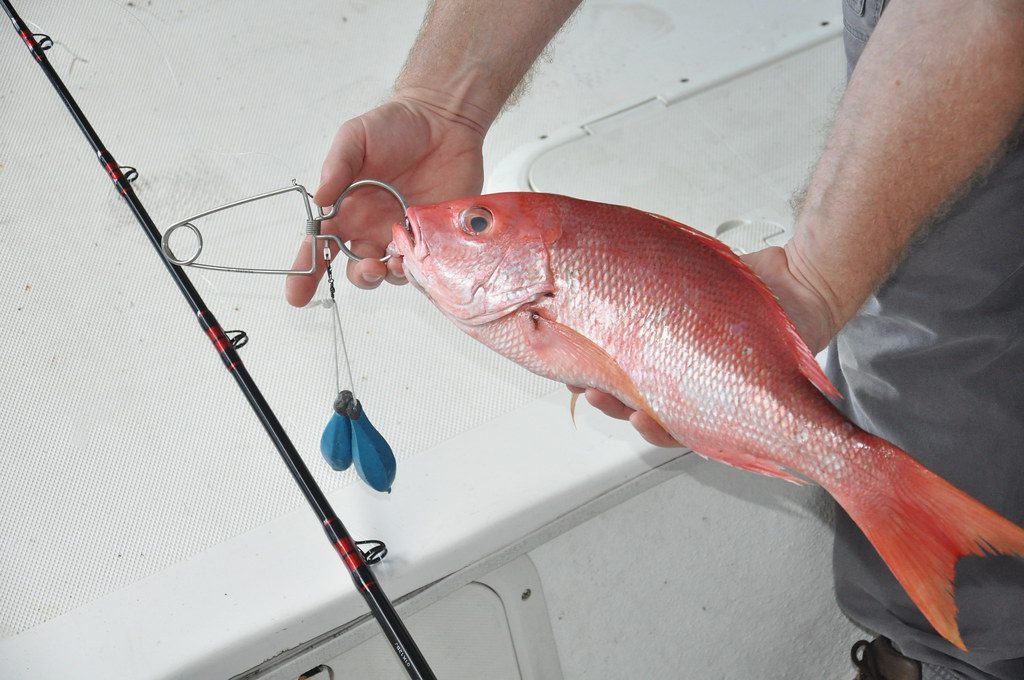
    Descending Device Example on Red Snapper” by MyFWC Florida Fish and Wildlife is licensed under CC BY-ND 2.0

    The water appeared completely still as the fish entered the pond. There were no obvious signs of danger, and nothing suggested a predator was waiting below.

    Many aquatic predators depend on this advantage. By remaining motionless and hidden, they can avoid detection while waiting for the perfect opportunity to attack. The fish had only moments to adjust to its new surroundings before the situation changed dramatically.

    A predator attacks in an instant

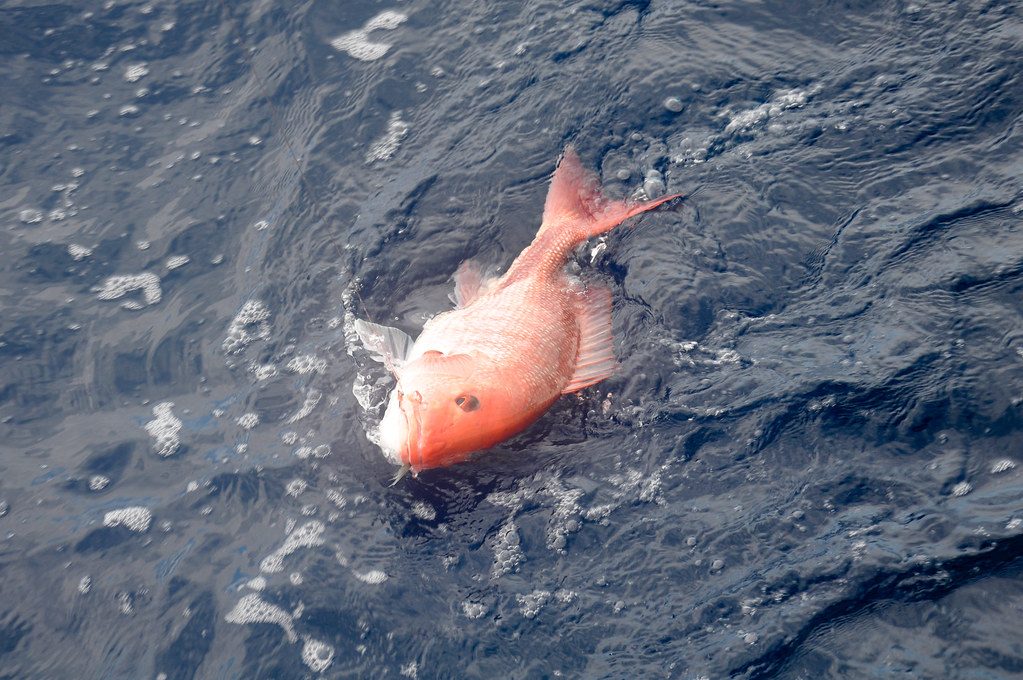
    Red Snapper” by MyFWC Florida Fish and Wildlife is licensed under CC BY-ND 2.0

    As soon as the fish entered the water, a massive predator launched its attack. The strike happened so quickly that it was almost impossible to follow with the naked eye.

    This kind of ambush is common among large predatory fish. Rather than chasing prey over long distances, they often rely on explosive bursts of speed. The sudden attack leaves prey with almost no chance of escaping once the predator commits to the strike.

    Why ambush hunters are so effective

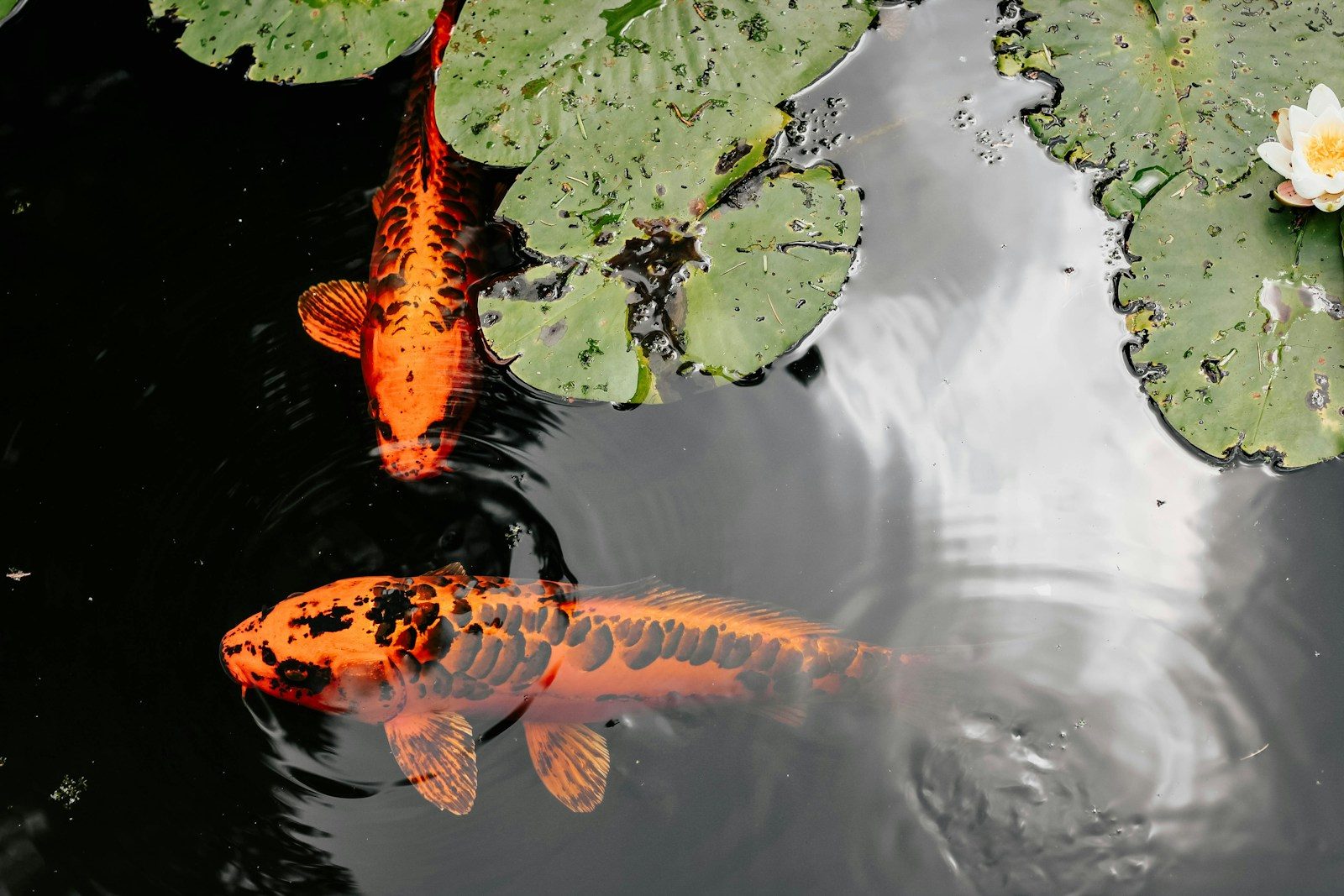
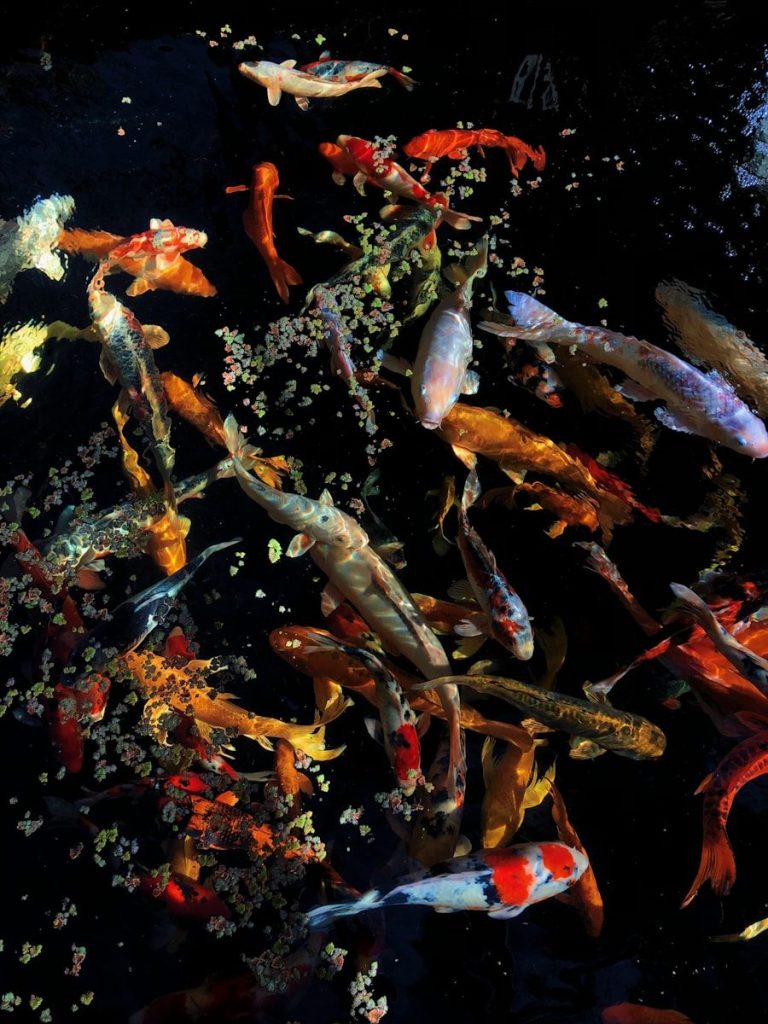
    shoal of koi fish
    Photo by paris on Unsplash

    Many large freshwater predators succeed because they conserve energy. Instead of constantly searching for food, they remain hidden and wait for prey to come within range.

    When the moment arrives, powerful muscles allow them to accelerate rapidly. The attack may last only a fraction of a second, but it is often enough to secure a meal. This strategy helps predators maximize success while minimizing energy spent hunting.

    Swallowing prey whole

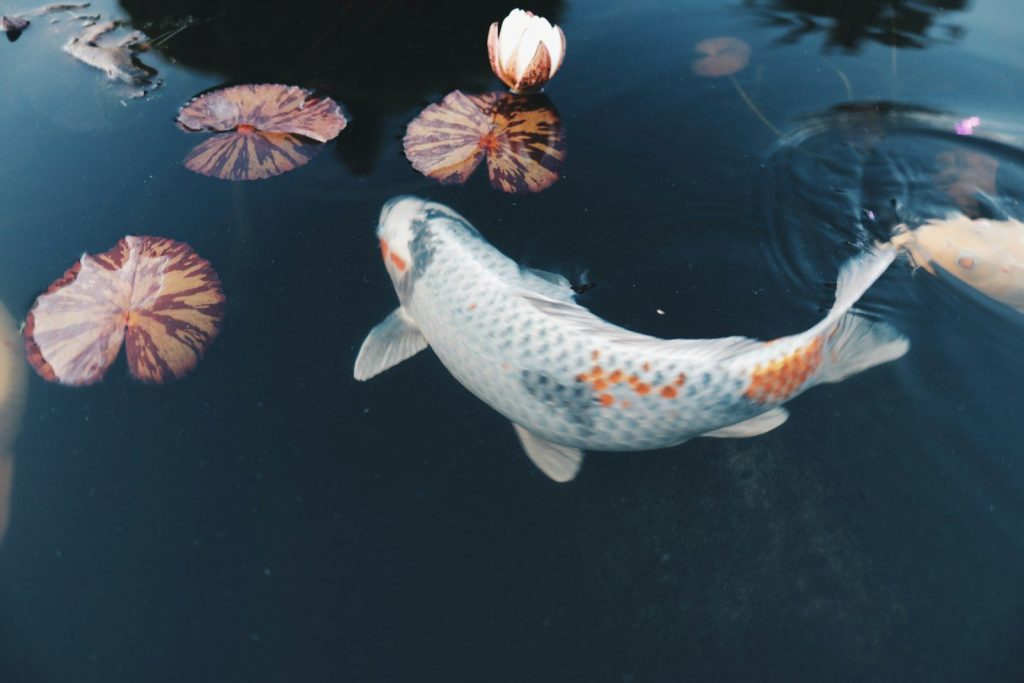
    a koi fish swimming in a pond with lily pads
    Photo by Frank Zhang on Unsplash

    One of the most shocking parts of the encounter was how quickly the fish disappeared. The predator swallowed it whole, ending the struggle almost immediately.

    Large predatory fish often have jaws designed to grip and consume prey efficiently. Rather than tearing food apart, many species simply engulf smaller animals in a single motion. This allows them to feed quickly and reduces the risk of losing a meal to competing predators.

    The hidden dangers beneath the surface

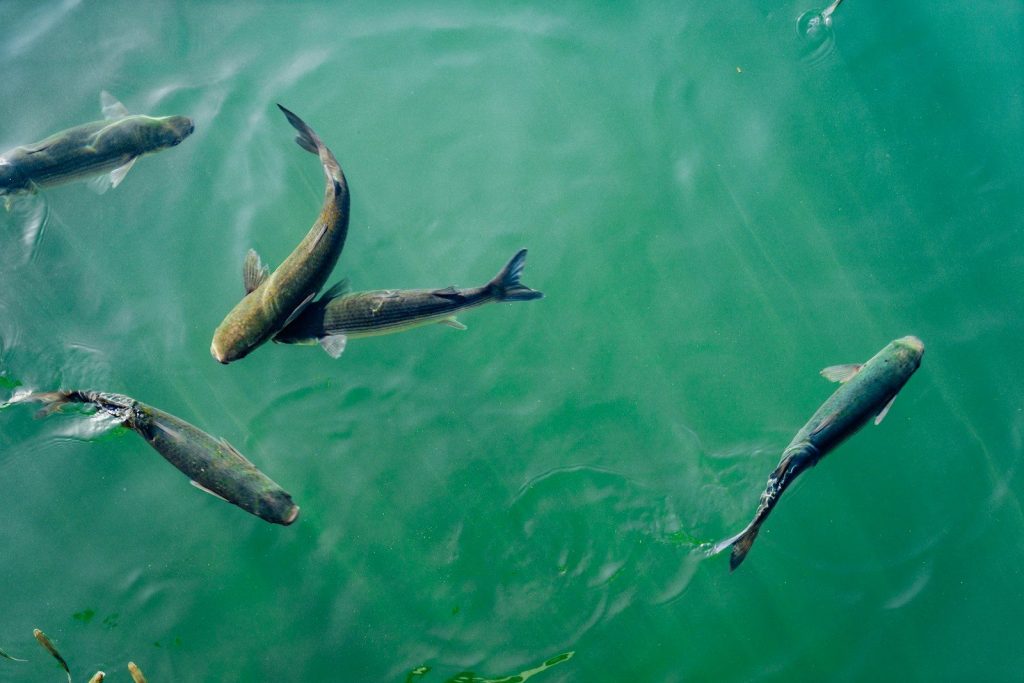
    five black fish in body of water
    Photo by Dan Gold on Unsplash

    To people standing above the water, ponds often seem peaceful and harmless. Beneath the surface, however, a completely different world exists.

    Predators constantly patrol their territory, searching for opportunities to feed. Fish, insects, amphibians, and other creatures must remain alert because danger can appear without warning. What seems calm on the surface may hide intense competition below.

    Nature’s unforgiving reality

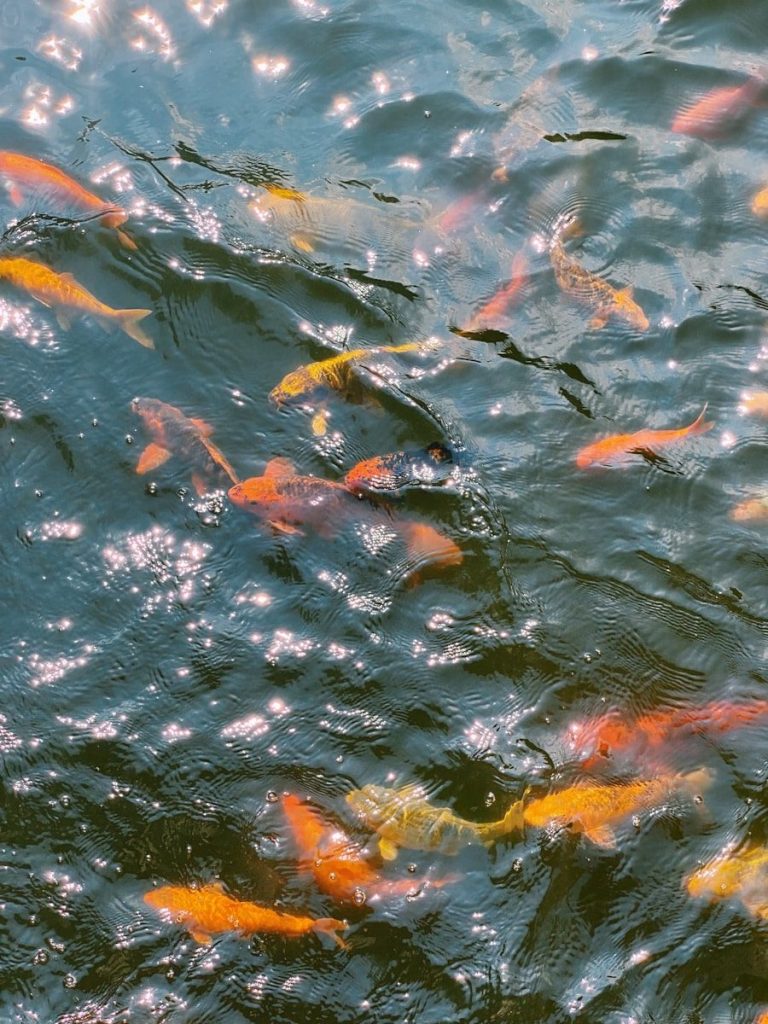
    school of koi fish in water
    Photo by Elena Gordienko on Unsplash

    Videos like this capture the raw reality of life in aquatic environments. Survival often depends on speed, awareness, and luck. One mistake or one moment of bad timing can have immediate consequences.

    Although the scene may appear brutal, it is a natural part of healthy ecosystems. Predators help maintain balance by controlling prey populations and supporting the complex food webs that exist in ponds, lakes, and rivers around the world.

  • Behind the internet’s most incredible shark moments

    Behind the internet’s most incredible shark moments

    A dog paddling through shallow water. A hammerhead spinning at full speed. A shark shadowing a kayaker in open water. These moments often go viral because they look terrifying, mysterious, or impossible to explain. But what is really happening beneath the surface?

    Many viral shark and ray videos are shared without context, leading to confusion and exaggerated claims. In reality, science often tells a very different story. By examining shark behavior, hunting instincts, curiosity, and environmental conditions, we can better understand these remarkable animals. This article breaks down some of the most unbelievable shark and ray encounters and explains what experts believe actually happened in each case.

    When a dog swims near a shark

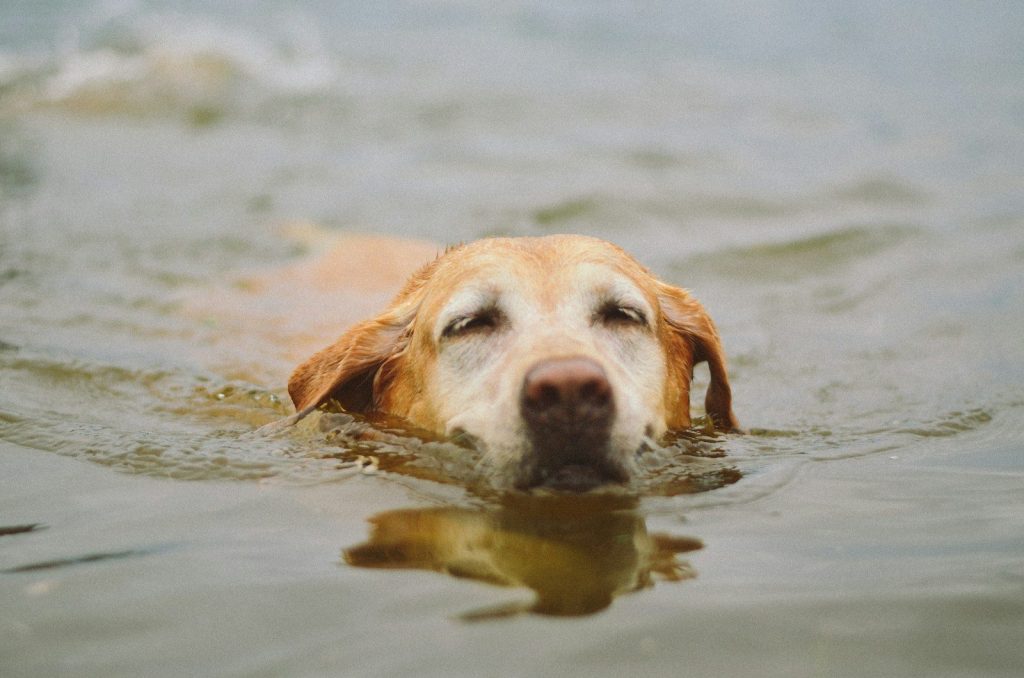
    yellow labrador retriever on water during daytime
    Photo by Marina Helena Muller on Unsplash

    One of the most alarming viral clips shows a dog swimming dangerously close to a shark. The video appears terrifying because the shark seems to follow the animal through the water. Viewers often assume an attack is moments away.

    However, sharks are naturally curious animals and frequently investigate unfamiliar objects in their environment. Curiosity does not always mean aggression. In many cases, sharks approach to inspect movement, sound, or vibrations before swimming away. Scientists note that sharks often investigate potential prey or unknown objects without attacking.

    The hammerhead that seemed out of control

    “Great Hammerhead Shark with Black Tip Reef Shark in Background :)” by angel_shark is licensed under CC BY-NC-SA 2.0

    Another viral clip shows a hammerhead shark spinning rapidly through the water. At first glance, the behavior looks strange and even alarming. Some viewers suggested the shark was injured or behaving aggressively.

    In reality, sharks display a wide range of movements that can look unusual to people unfamiliar with their behavior. Environmental conditions, navigation, hunting activity, or interactions with other marine animals can all influence how a shark moves. Without full context, dramatic footage often appears far more mysterious than it actually is.

    The great white following a kayaker

    grey shark in the water
    Photo by Elaine Brewer on Unsplash

    Few videos create more anxiety than footage of a large shark swimming beneath a kayak. In one widely shared clip from New Zealand, a white shark appeared to trail a kayaker through open water.

    While the footage is undeniably dramatic, experts often explain that large sharks investigate objects near the surface as part of their normal behavior. Sharks use multiple senses to gather information about their surroundings. They may approach out of curiosity rather than predatory intent. Many encounters end without any aggressive action at all.

    Why stingrays spit water

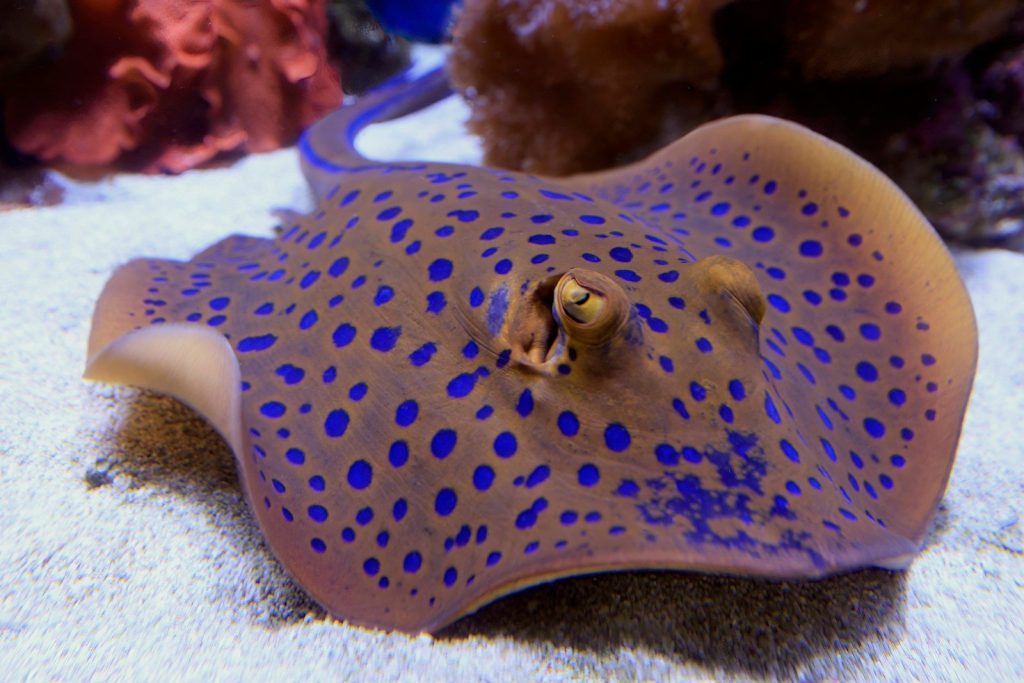
    a close up of a blue and brown stingfish
    Photo by David Clode on Unsplash

    Some viral videos show stingrays squirting water at people standing near aquariums or docks. The behavior looks playful and sometimes appears almost intentional.

    Researchers believe stingrays often learn that certain actions can attract attention or food. By spraying water, they may be attempting to interact with people who regularly feed them. While it may look amusing, it also demonstrates how adaptable some marine animals can become when repeatedly exposed to human interaction.

    The octopus riding a shark

    brown and black dragon in water
    Photo by Diane Picchiottino on Unsplash

    One of the strangest ocean clips ever recorded showed an octopus clinging to the back of a fast-moving shark. The footage quickly spread online because it looked almost impossible.

    Marine experts suggest the octopus may have attached itself temporarily while searching for protection or simply because it encountered the shark unexpectedly. Encounters between species can produce surprising results, especially in complex ocean ecosystems where animals constantly interact in ways scientists are still discovering.

    What viral videos often leave out

    A person holding a smart phone with social media on the screen
    Photo by Berke Citak on Unsplash

    The biggest problem with viral wildlife clips is that viewers usually see only a few seconds of a much longer event. Important details such as animal behavior before and after the encounter are often missing.

    As a result, ordinary curiosity can appear threatening, and natural behavior can seem mysterious or dangerous. Sharks remain among the most misunderstood animals on Earth. Despite their reputation, attacks on humans are extremely rare, and most shark encounters end without injury. Understanding the science behind these moments helps separate reality from fear and creates a clearer picture of life beneath the waves.

  • 5 shark bites powerful enough to crush almost anything

    5 shark bites powerful enough to crush almost anything

    Shark attacks are extremely rare, but powerful shark bites have fascinated people for decades. Movies and television often portray sharks as relentless hunters, yet most species avoid humans whenever possible. Even so, some sharks possess incredible jaw strength, sharp teeth, and hunting abilities that make them among the ocean’s most effective predators.

    From coastal waters to the open ocean, these sharks rely on powerful bites to catch prey and survive. Bite force, tooth design, body size, and feeding behavior all play a role in determining how devastating a shark’s bite can be. Here are five shark species known for having some of the strongest and most damaging bites in the sea.

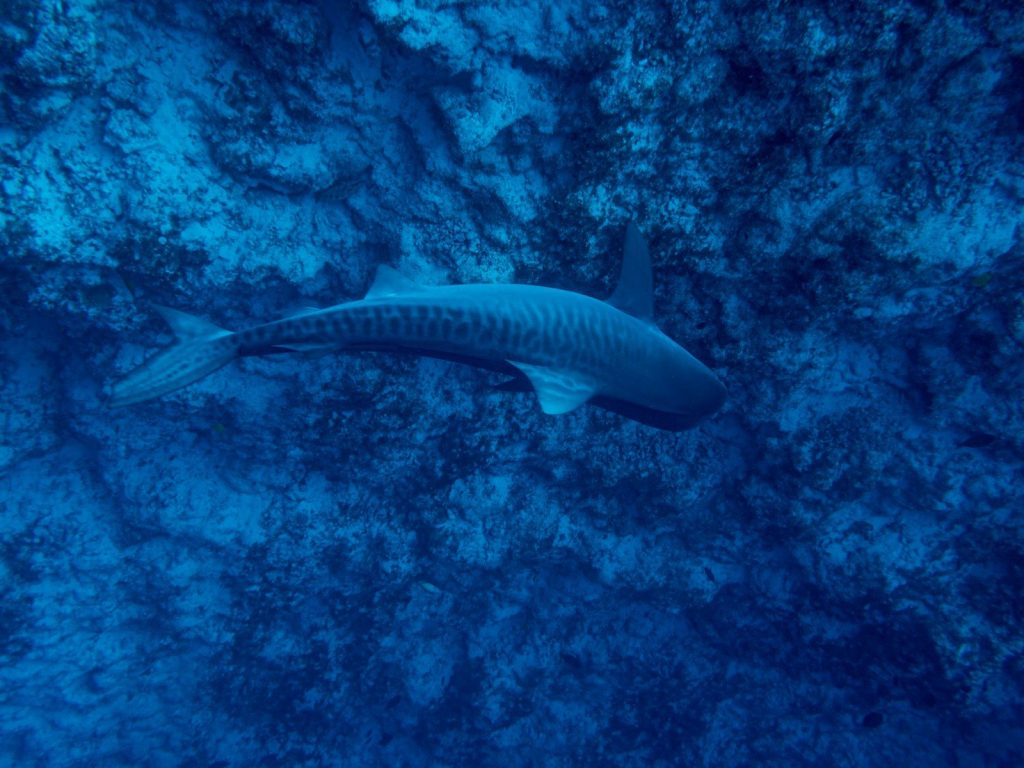
    Tiger shark combines power with size

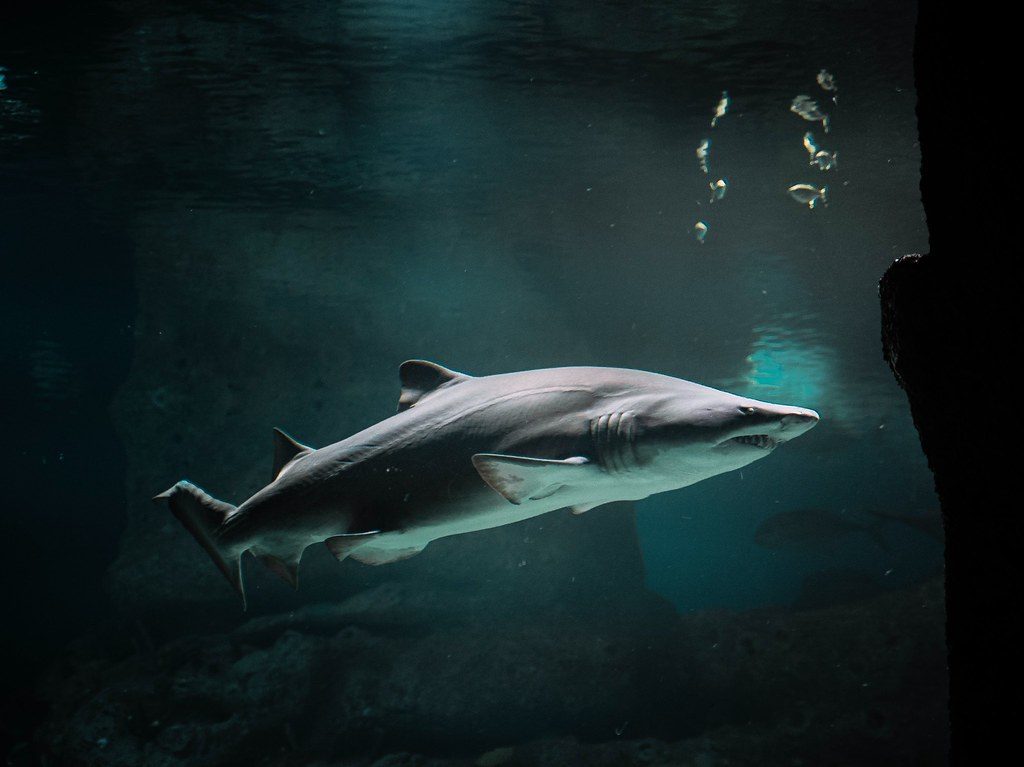
    gray and black fish in body of water
    Photo by Jeremy Lanfranchi on Unsplash

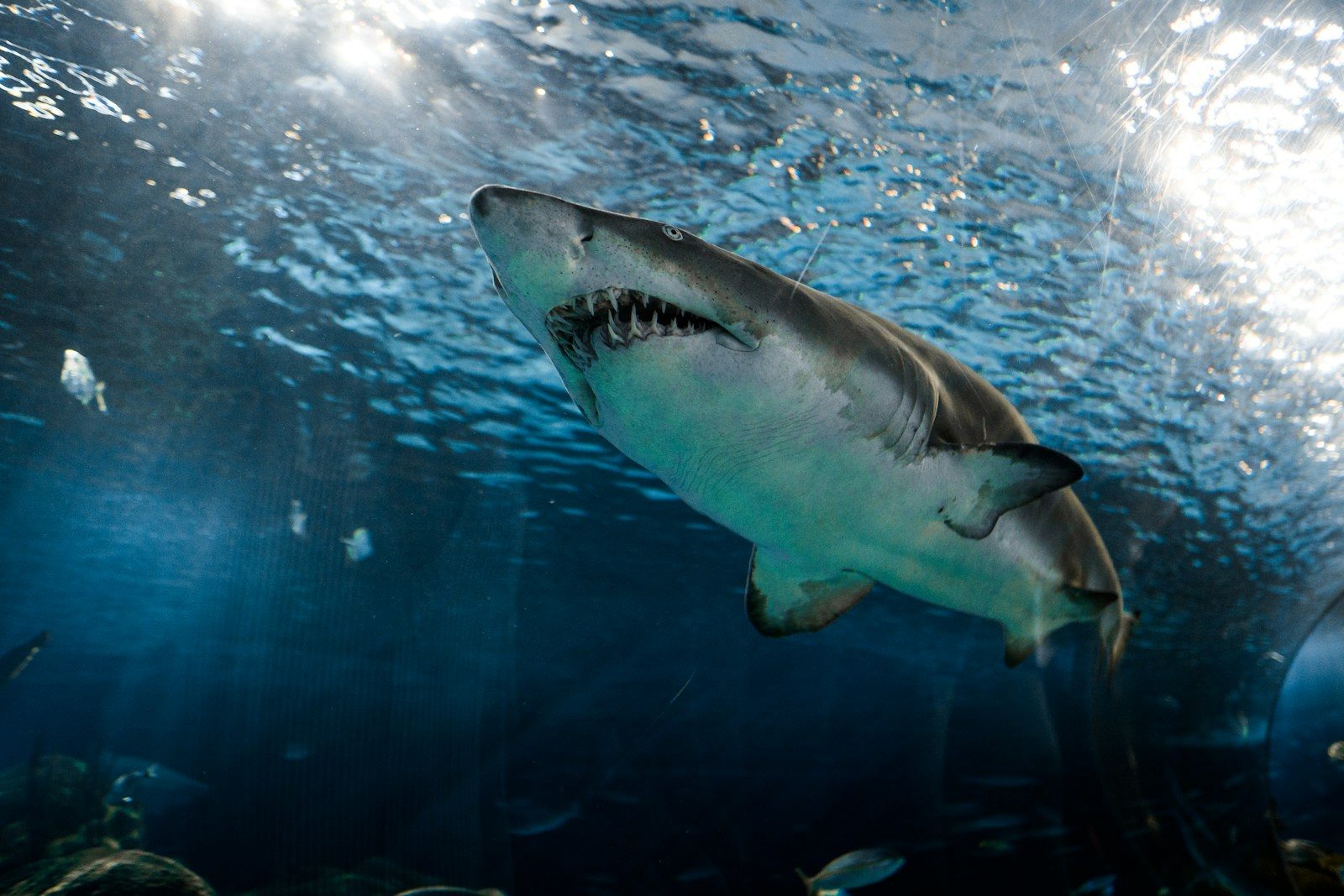
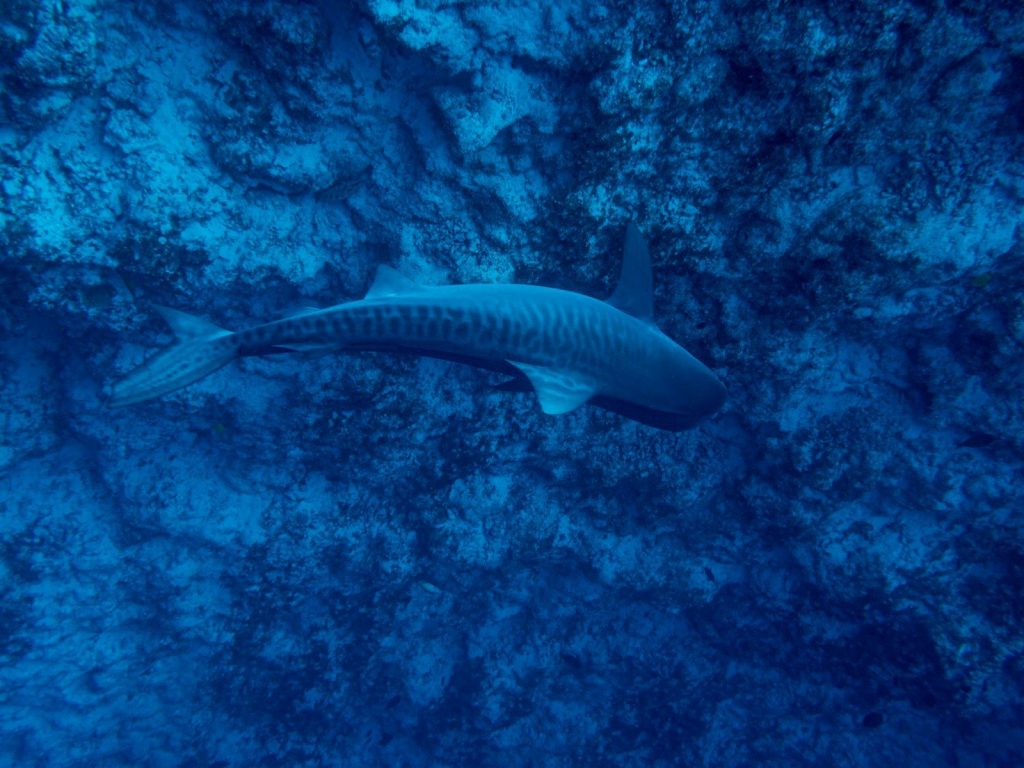
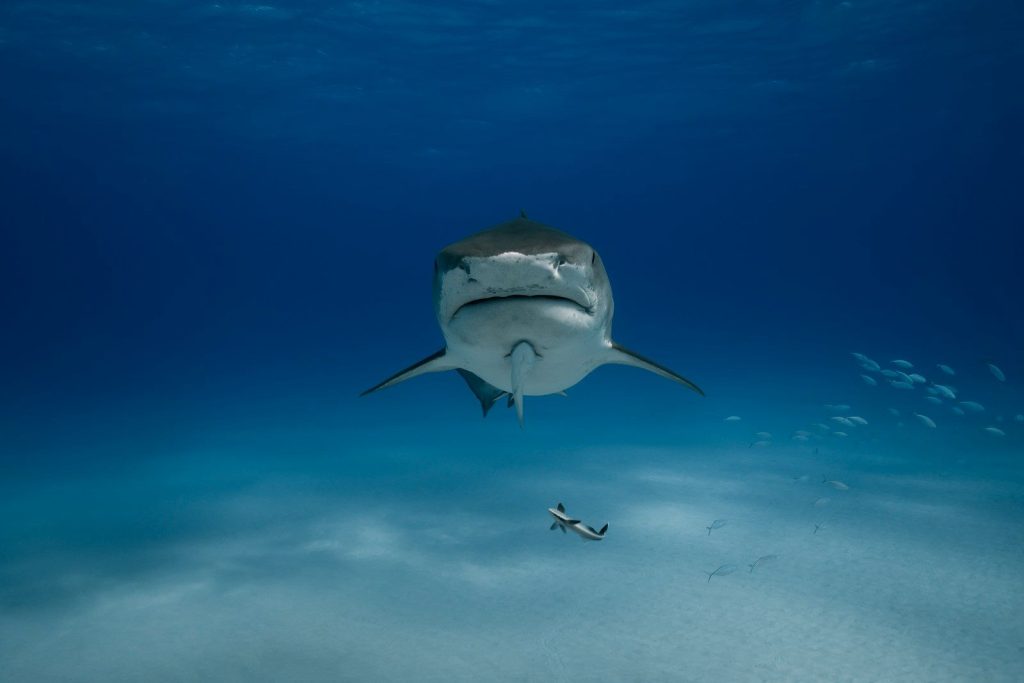
    The tiger shark ranks among the largest predatory sharks in the world. Growing to 18 feet long and weighing up to 2,000 pounds, it has the size and strength to tackle a wide variety of prey. It’s estimated bite force reaches about 325 pounds per square inch, making it one of the strongest shark bites in the ocean.

    Tiger sharks are known for their broad diet and powerful jaws. Their strong bite allows them to crush and tear through tough food items, helping them thrive in tropical and subtropical waters around the world. Although encounters with people are uncommon, their size and strength make them one of the ocean’s most formidable predators.

    Great hammerhead uses a surprisingly strong bite

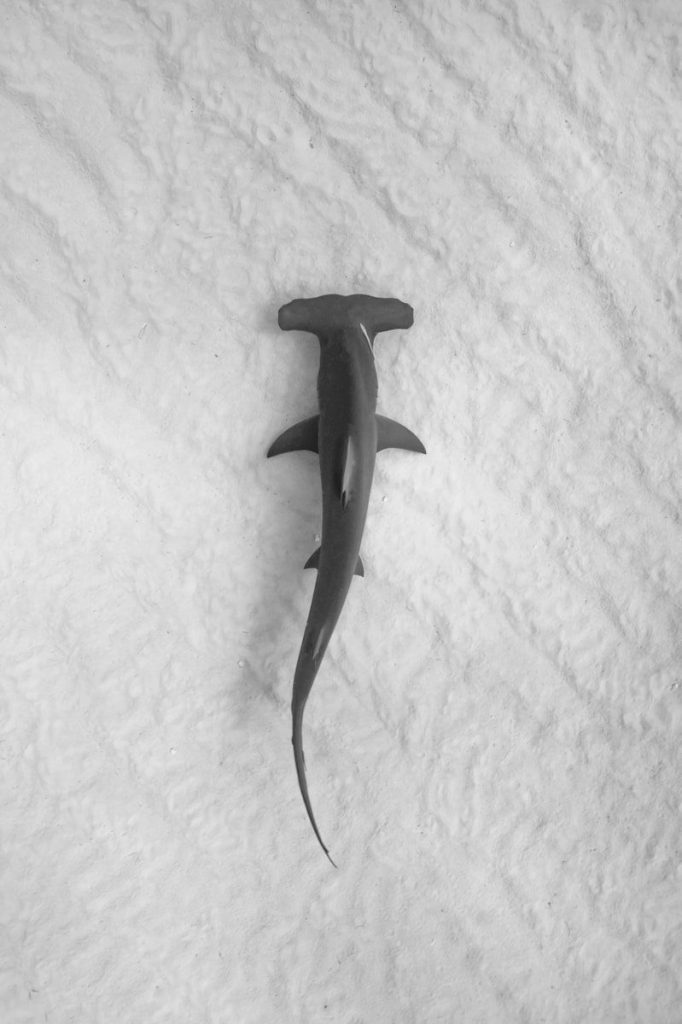
    a black and white photo of a shark in the snow
    Photo by Michael Worden on Unsplash

    The great hammerhead is instantly recognizable because of its unique hammer-shaped head. While its appearance often gets the most attention, its bite force is equally impressive. Researchers estimate that the species can generate around 539 pounds per square inch of pressure.

    Most great hammerheads grow to about 13 feet long, though some individuals have reached lengths near 20 feet. Their distinctive head helps them locate prey, while their strong jaws allow them to capture and consume a variety of marine animals. Together, these adaptations make the great hammerhead a highly effective hunter.

    Bull sharks deliver crushing force near shore

    a great white shark swimming in the ocean
    Photo by Chase Baker on Unsplash

    Bull sharks are famous for living in both saltwater and freshwater environments. Unlike most shark species, they can travel far up rivers and into large lakes, increasing the chances of encounters with humans. Their estimated bite force reaches around 1,300 pounds per square inch.

    This tremendous bite strength, combined with their stocky bodies and aggressive reputation, makes bull sharks among the ocean’s most powerful predators. While attacks on people remain rare, a single bite from a large bull shark can cause serious injuries because of the force generated by its jaws.

    Shortfin mako combines speed and strength

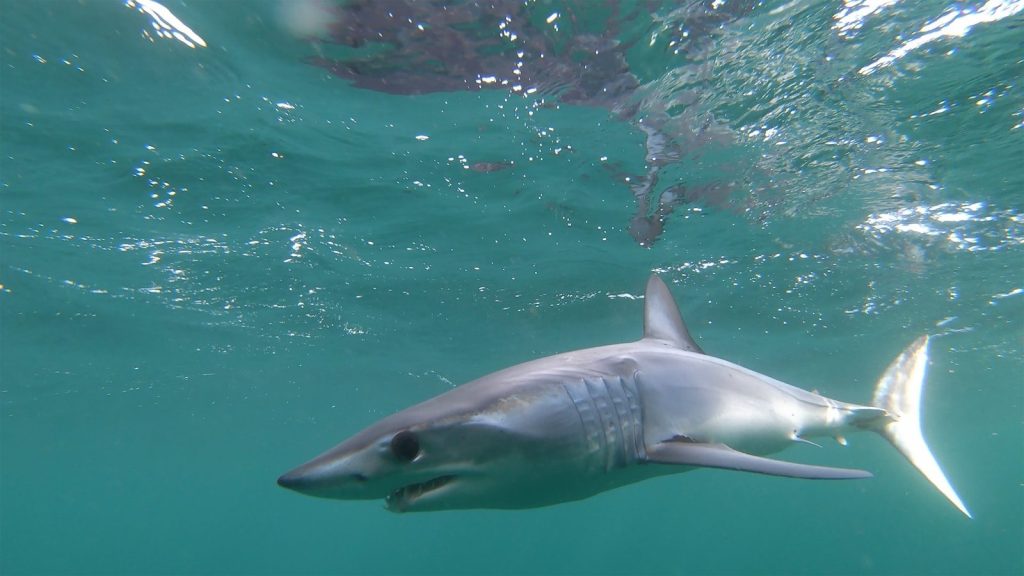
    grey shark in the water
    Photo by Elaine Brewer on Unsplash

    The shortfin mako is best known as the world’s fastest shark. Capable of reaching speeds of about 45 miles per hour, it is built for chasing fast-moving prey in the open ocean. However, speed is only part of its advantage. The species is also credited with a bite force of roughly 3,000 pounds per square inch.

    Shortfin makos typically grow to around 12 feet long and can weigh more than 1,000 pounds. Their combination of speed, agility, and jaw strength allows them to hunt efficiently in deep offshore waters. These sharks are also known for spectacular leaps above the water while pursuing prey.

    The great white shark has the strongest bite

    Great white shark” by Gussy (Luke) is licensed under CC BY-NC-ND 2.0

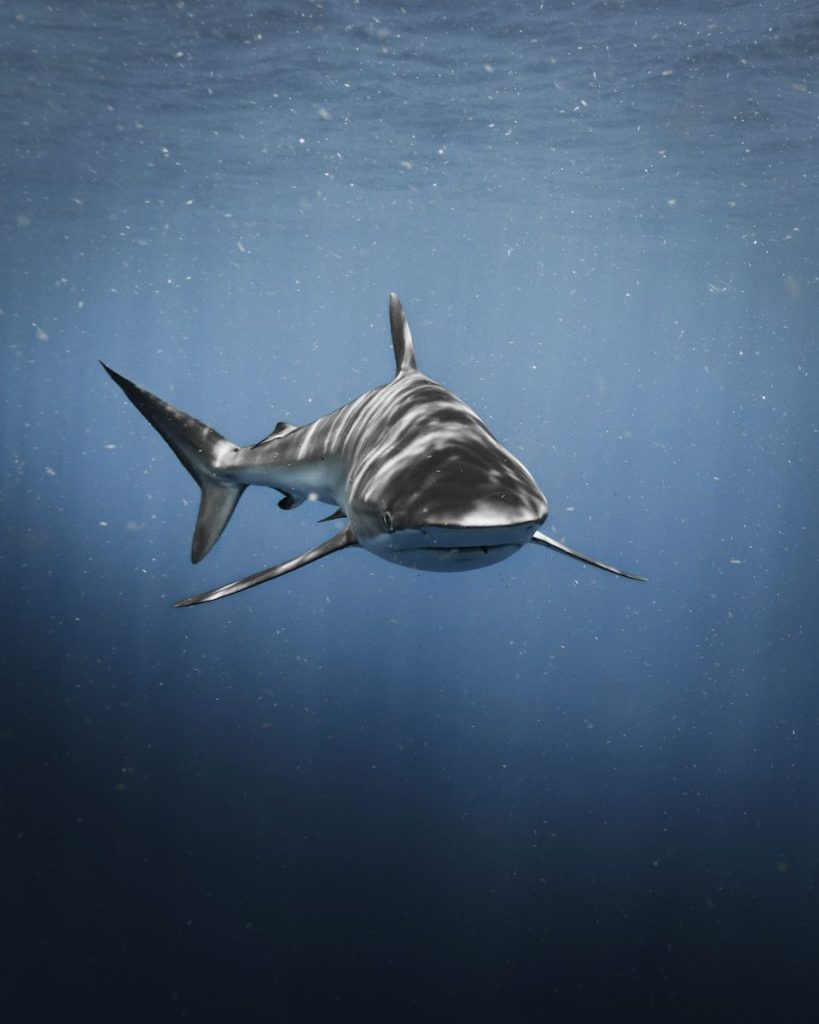
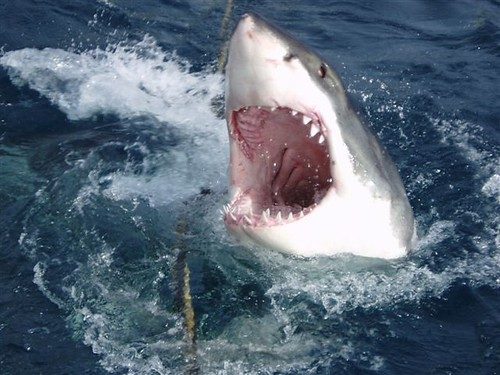
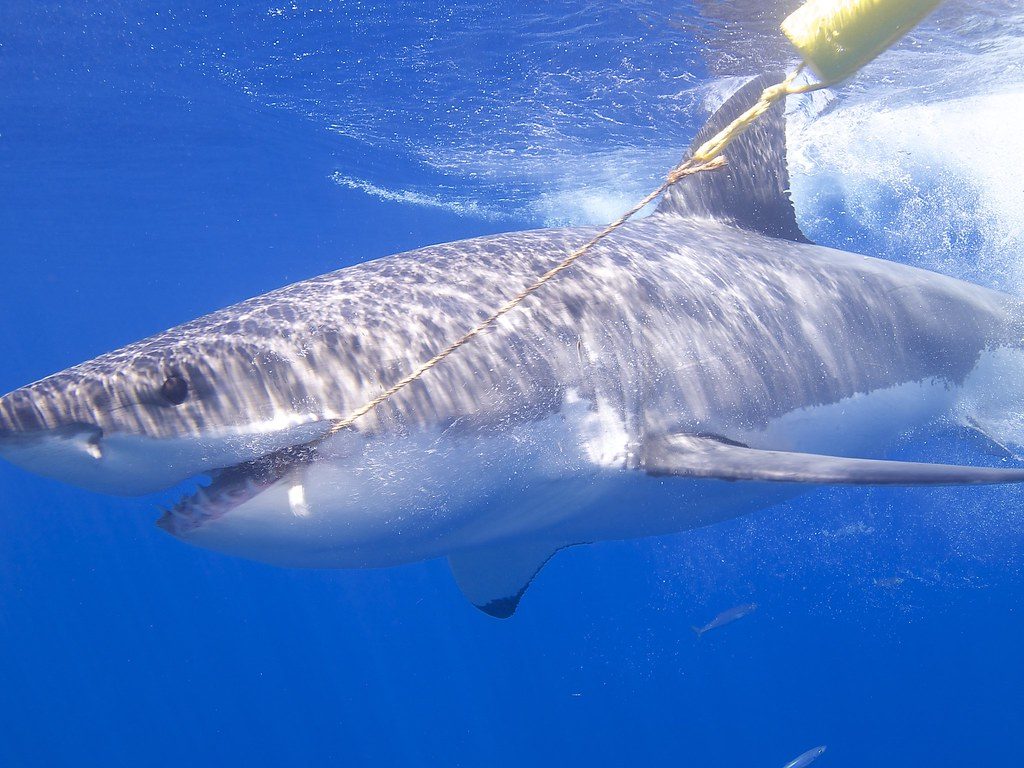
    The great white shark sits at the top of the list. With an estimated bite force of about 4,000 pounds per square inch, it is considered to have the strongest bite of any living shark species. Scientists believe its powerful jaws are perfectly designed for gripping and tearing large prey.

    Fully grown great whites can exceed 20 feet in length and weigh more than 4,000 pounds. Their torpedo-shaped bodies, powerful tails, and rows of sharp, serrated teeth make them one of the most efficient predators in the ocean. Despite their reputation, great whites do not typically hunt humans, and most interactions are believed to be cases of mistaken identity.

    Why bite force is only part of the story

    Great White Shark” by Elias Levy is licensed under CC BY 2.0

    A powerful bite alone does not determine how dangerous a shark can be. Body size, hunting strategy, tooth shape, speed, and behavior all contribute to a shark’s ability to capture prey. Some sharks rely on crushing force, while others depend on speed or stealth to succeed.

    These five species demonstrate the remarkable diversity of sharks. Each has evolved unique adaptations that help it survive in different parts of the ocean. While their bites are impressive, they also serve as reminders of how specialized and important sharks are within marine ecosystems.

  • Ancient underwater city near Cuba stuns researchers

    Ancient underwater city near Cuba stuns researchers

    A remarkable discovery beneath the waters off Cuba’s coast has captured worldwide attention. Researchers using advanced sonar technology identified what appear to be geometric structures and formations deep underwater, leading some to describe the site as a possible lost city. If confirmed, the discovery could offer valuable clues about ancient civilizations and human history.

    At the same time, many questions remain unanswered. Scientists continue to study the site carefully to determine whether the formations were created by humans or natural geological processes. Regardless of the final answer, the discovery has sparked renewed interest in underwater archaeology and the mysteries hidden beneath the ocean.

    Sonar technology revealed unusual formations

    a person in scuba gear underwater
    Photo by David Clode on Unsplash

    The discovery began when researchers used advanced sonar equipment to scan the seafloor off the coast of Cuba. The technology produced images showing geometric shapes and patterns that appeared different from the surrounding underwater landscape.

    Scientists were intrigued by what appeared to be organized structures beneath the ocean floor. The sonar data suggested formations resembling streets, buildings, or city-like layouts, prompting further investigation of the site.

    Researchers used modern tools to investigate

    gray and black underwater camera
    Photo by Jakob Owens on Unsplash

    After the initial discovery, teams relied on satellite imagery, underwater drones, and specialized equipment to study the area in greater detail. These technologies allowed scientists to examine the formations without disturbing the site.

    High-resolution imaging helped researchers create maps of the underwater environment. The combination of sonar and drone technology provided a clearer view of the structures and helped confirm their unusual appearance.

    The site could have historical importance

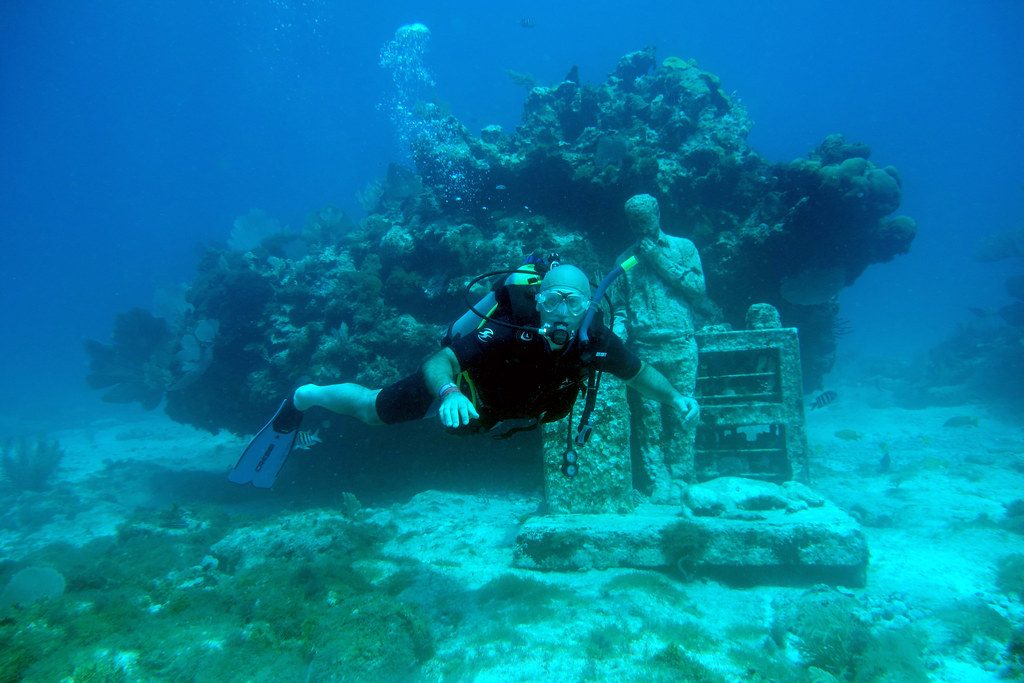
    Me at the Museo Subacuático de Arte” by snackariah is licensed under CC BY-SA 2.0

    Some researchers believe the formations resemble features found in ancient urban centers. Comparisons have been made to early civilizations known for organized city planning and engineering achievements.

    If the structures were built by humans, the discovery could provide new insights into ancient settlement patterns in the Caribbean. It may also encourage scientists to reexamine existing theories about early human societies in the region.

    Questions remain about who built it

    a statue of a man and a woman in the water
    Photo by Mikhail Preobrazhenskiy on Unsplash

    One of the biggest mysteries surrounding the site is the identity of the people who may have created it. Various theories suggest the city could be linked to an unknown culture that existed before well-known civilizations in the Americas.

    Others believe environmental changes or natural disasters may have contributed to the area’s submergence. At present, researchers do not have enough evidence to determine exactly who built the structures or why they ended up underwater.

    The discovery highlights advances in archaeology

    Tools are laying out on a piece of wood
    Photo by Trnava University on Unsplash

    Modern underwater archaeology depends heavily on technology. Sonar systems, underwater drones, and remotely operated vehicles now allow scientists to explore areas that were once impossible to study.

    These tools have transformed the search for submerged sites around the world. As technology continues to improve, researchers expect to discover more locations hidden beneath oceans, lakes, and other bodies of water.

    Preservation is becoming increasingly important

    statue under ocean water
    Photo by Jeremy Bishop on Unsplash

    Discoveries like the Cuban underwater site raise important questions about conservation. Archaeologists must balance scientific research with the need to protect historically significant locations.

    Preserving underwater sites helps ensure future generations can continue studying them. Careful exploration methods are essential to avoid damaging structures or artifacts that may hold important clues about the past.