Author: Ethan

  • How sea stars really eat beneath the ocean

    How sea stars really eat beneath the ocean

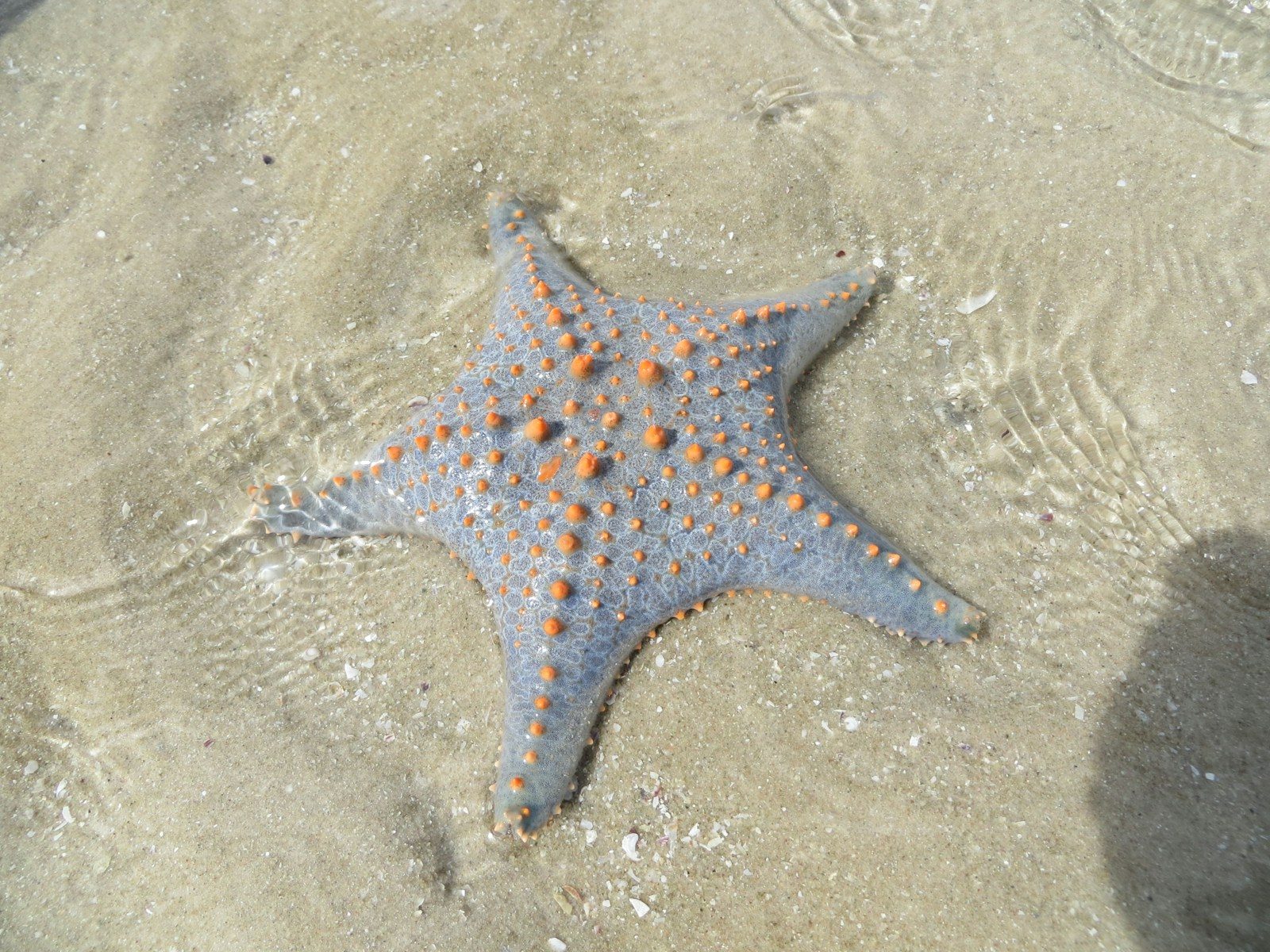
    Many people think a sea star can be opened like a shell. That idea seems simple, but nature works very differently. During an underwater adventure, a woman finds a sea star and asks if she can open it. Instead of trying to open it, her guide explains how a sea star really works.

    Then they witness something that surprises many people for the first time. This article explains how sea stars eat, why they cannot be opened like shells, and what makes this underwater moment so special.

    Why can a sea star not be opened?
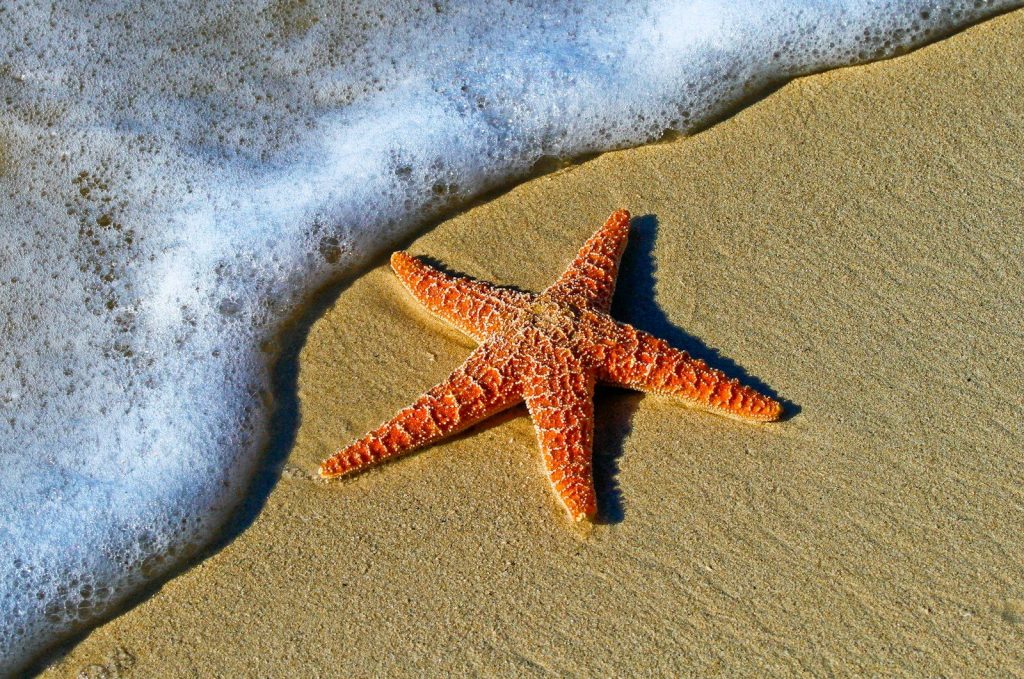
    closeup photo of red star fish beside seashore
    Photo by Pedro Lastra on Unsplash

    While exploring the ocean floor, the woman spots a sea star resting on the seabed. She becomes curious and asks if it can be opened. It is an easy mistake because many sea animals, such as clams and oysters, have shells that open and close.

    The guide gently explains that a sea star is completely different. It does not have a shell that opens. Instead of forcing it open, the best way to learn is by watching how it naturally lives and feeds in the ocean.

    A surprising lesson underwater
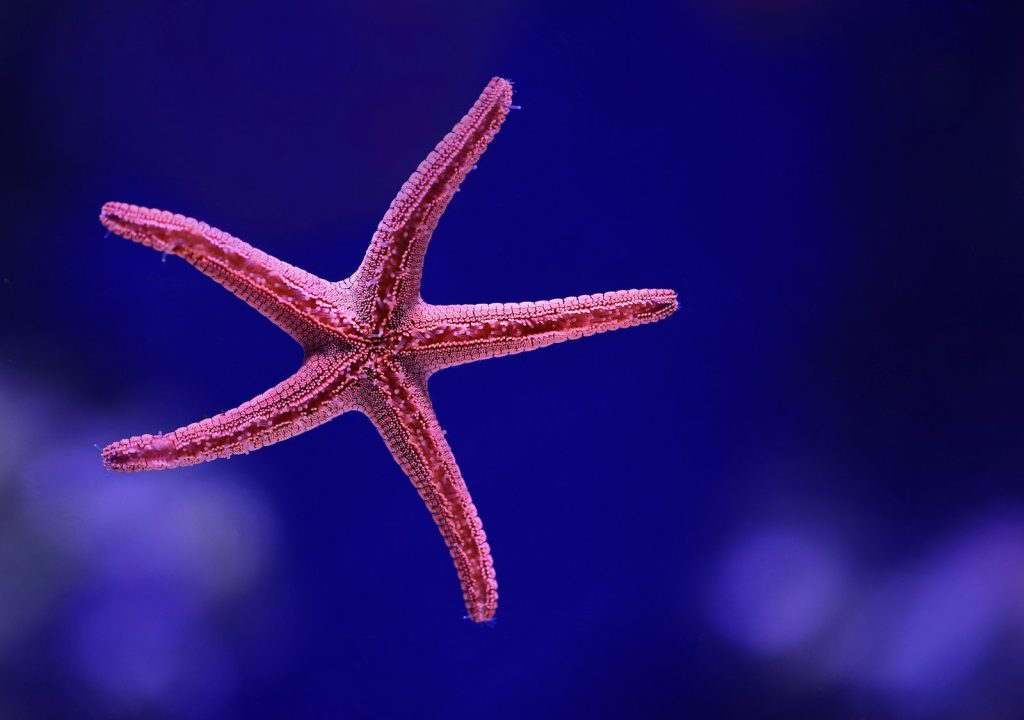
    macro shot photography of starfish
    Photo by David Clode on Unsplash

    Instead of ending the conversation, the guide invites her to look closer. They continue swimming beneath the surface, hoping to see something most people never get to witness in the wild.

    Soon, they find the perfect example. The sea star begins to feed, turning a simple question into an unforgettable lesson. It becomes clear that nature often offers answers far more interesting than people expect.

    How a sea star really eats
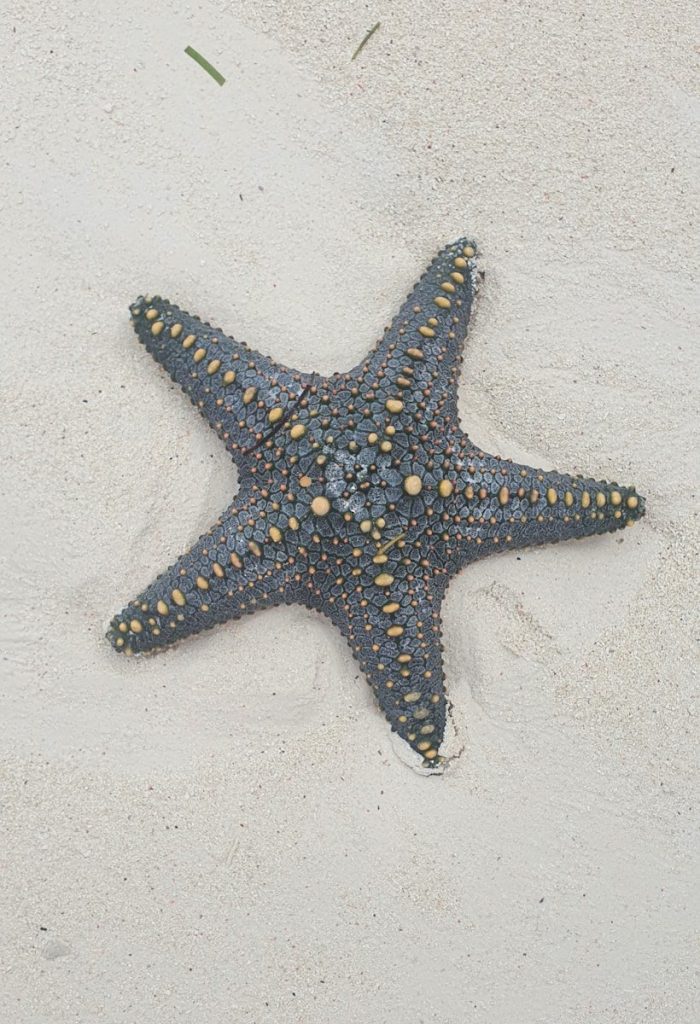
    a starfish laying on the sand at the beach
    Photo by Patricia (Trisha) Berberat on Unsplash

    The biggest surprise comes when the guide points to the sea star’s stomach. Rather than keeping it inside its body while eating, the sea star extends its stomach outward over its food. This strange process is completely natural.

    Watching this happen underwater is both surprising and fascinating. Many people have never seen a sea star feed in real life. The moment changes the way the woman thinks about these animals, showing that they are very different from creatures with shells.

    Why does this moment surprise so many people?
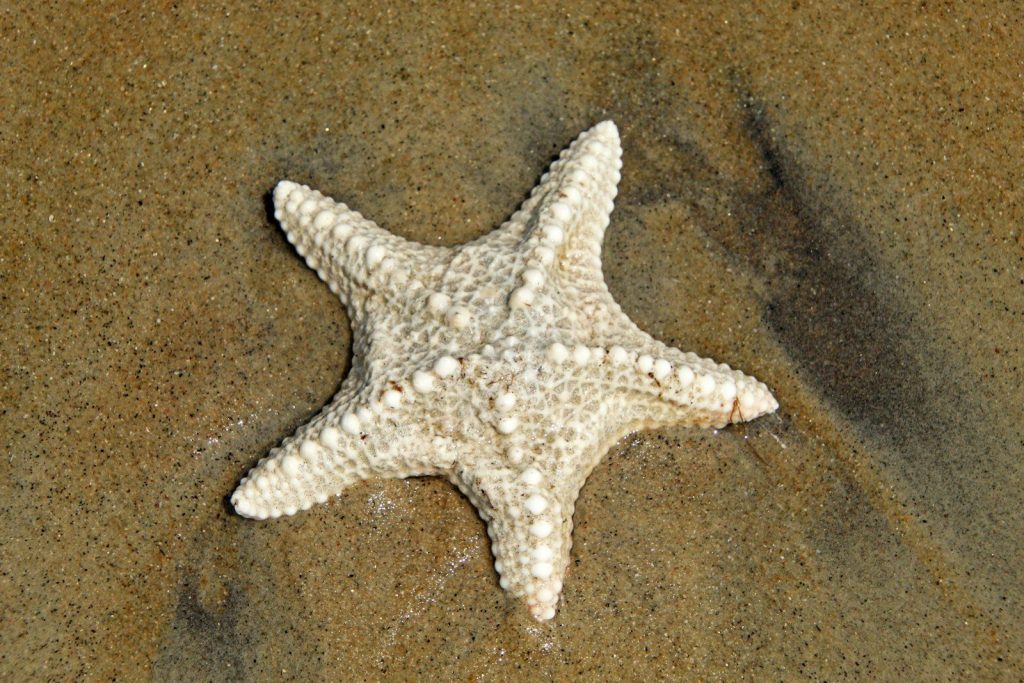
    a white starfish laying on top of a sandy beach
    Photo by viswaprem anbarasapandian on Unsplash

    Most people only see sea stars at beaches, in photos, or inside aquariums. Because of that, they rarely get to watch one feeding in its natural home beneath the ocean.

    Seeing the stomach extend outside the body is unexpected for first-time viewers. What seemed like a simple sea creature suddenly becomes one of the most interesting animals on the ocean floor. The experience reminds everyone that the ocean still holds many amazing sights.

    Learning from nature up close
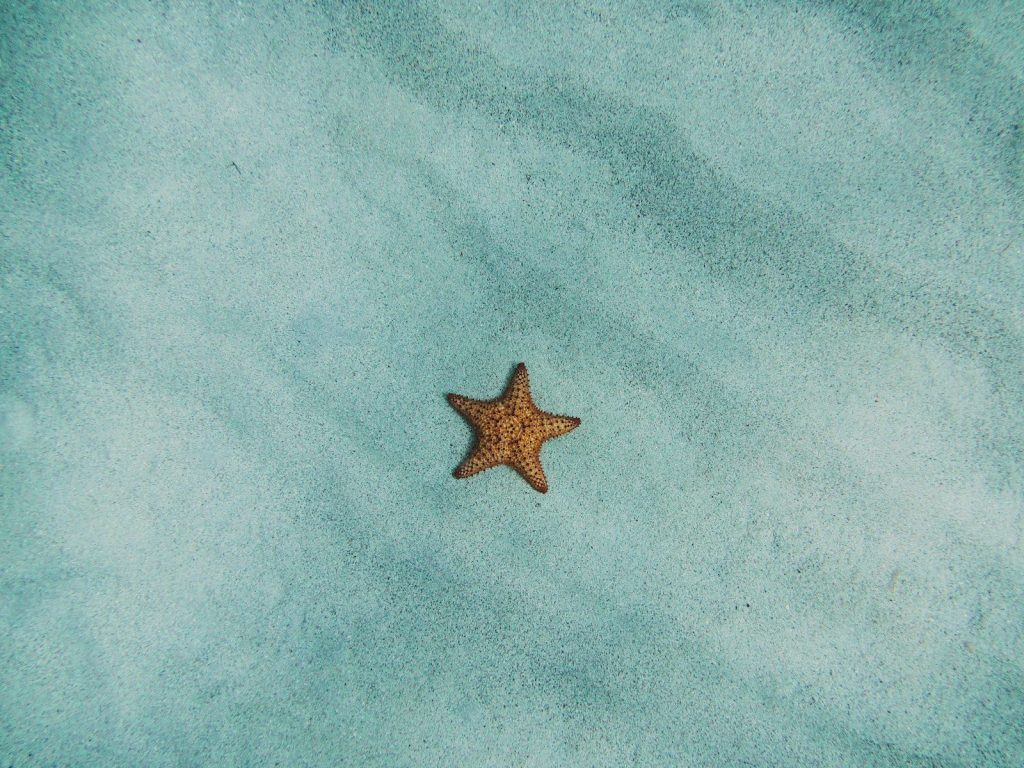
    brown starfish on blue sand
    Photo by Amy Humphries on Unsplash

    This underwater experience shows why asking questions is important. A simple question about opening a sea star leads to a much deeper understanding of how these animals actually live.

    Instead of making guesses, watching wildlife in its natural environment can reveal incredible facts. Sometimes the best lessons come from careful observation and patient explanation rather than quick answers.

    A memory that lasts long after the dive
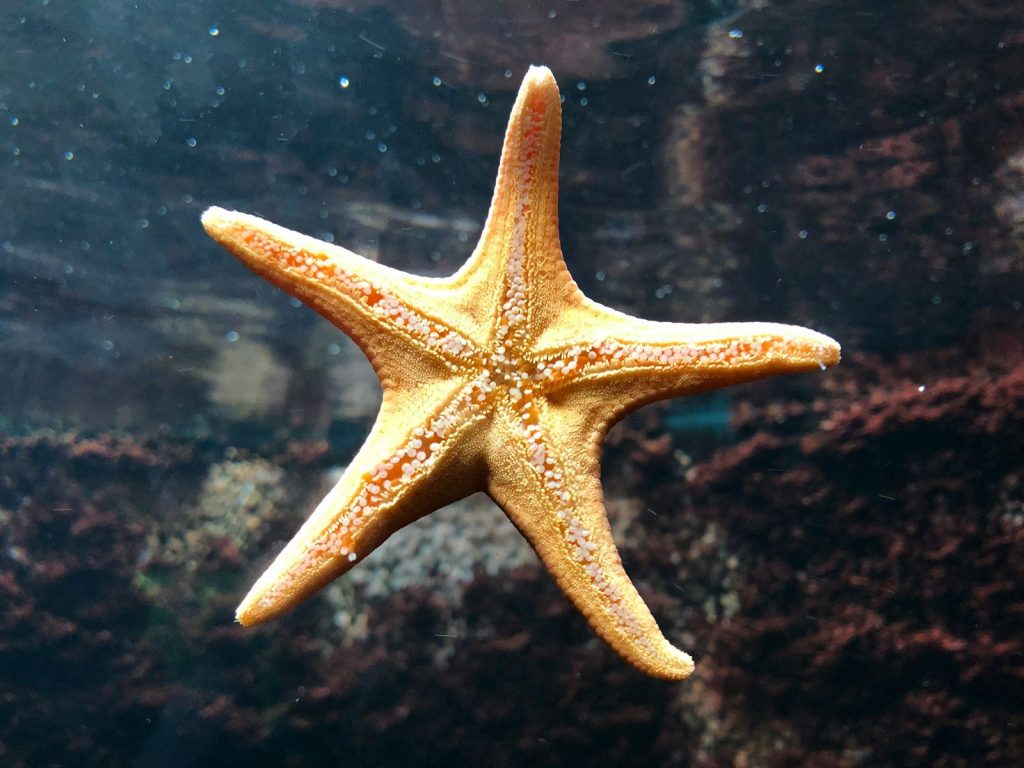
    brown starfish
    Photo by Clara Cordero on Unsplash

    The underwater encounter becomes more than just another dive. It starts with curiosity, continues with learning, and ends with an unforgettable look at one of nature’s most unusual feeding methods.

    By the end of the experience, the woman no longer wonders how to open a sea star. Instead, she leaves with a greater appreciation for the remarkable way these ocean animals survive and feed. It is a small moment that creates a lasting memory beneath the sea.
  • 6 living fossil fish still swimming today

    6 living fossil fish still swimming today

    Earth’s oceans and rivers were once filled with strange creatures long before dinosaurs appeared. Many ancient fish groups vanished during mass extinctions, but a handful survived and continue to swim today. These remarkable animals are often called “living fossils” because their lineages stretch back hundreds of millions of years.

    While these fish have continued to evolve, they still preserve traits that help scientists understand the history of life on Earth. From air-breathing fish to jawless predators and deep-sea survivors, these ancient species provide clues about the evolution of vertebrates, limbs, lungs, and even the human body. Here are six of the most fascinating ancient fish lineages still alive today.

    Coelacanth

    gray fish in sea
    Photo by Dylan McLeod on Unsplash

    The coelacanth became one of the most famous fish in the world after a living specimen was discovered off the coast of South Africa in 1938. Before that, scientists believed the species had disappeared about 65 million years ago. The discovery shocked researchers and became one of the greatest zoological surprises of the twentieth century.

    This deep-sea fish belongs to a group of lobe-finned fishes that dates back roughly 400 million years. Genetic studies later showed that lungfish, not coelacanths, are the closest living relatives of land vertebrates. Researchers also found that many coelacanth genes evolve more slowly than those of most other vertebrates.

    Sturgeon

    a fish with a long tail and a black background
    Photo by Anil Sharma on Unsplash

    Sturgeons are large freshwater fish protected by rows of bony plates. Their lineage extends back more than 200 million years, making them among the oldest fish groups still alive today. Fossils show that modern sturgeons still resemble many of their ancient ancestors.

    Scientists studying sturgeon genomes discovered evidence of an ancient whole-genome duplication that occurred about 180 million years ago. Despite carrying multiple sets of chromosomes, sturgeons have experienced relatively slow evolutionary change compared with many other vertebrates. Today, many species face threats from dams, pollution, habitat loss, and the caviar trade.

    Lungfish

    A fish that is swimming in some water
    Photo by Laura España on Unsplash

    Lungfish are extraordinary because they can breathe air using true lungs. They belong to the same broad group of lobe-finned fishes that eventually gave rise to four-limbed vertebrates, including humans. Some species can survive droughts by burying themselves in mud and slowing their metabolism.

    Recent genome studies have made lungfish even more remarkable. Researchers found that the South American lungfish possesses the largest animal genome ever sequenced, containing about 91 billion DNA bases, roughly 30 times larger than the human genome. These discoveries are helping scientists understand how vertebrates first adapted to life on land.

    Lamprey

    Western Brook Lamprey” by USFWS Pacific is licensed under CC BY-NC 2.0

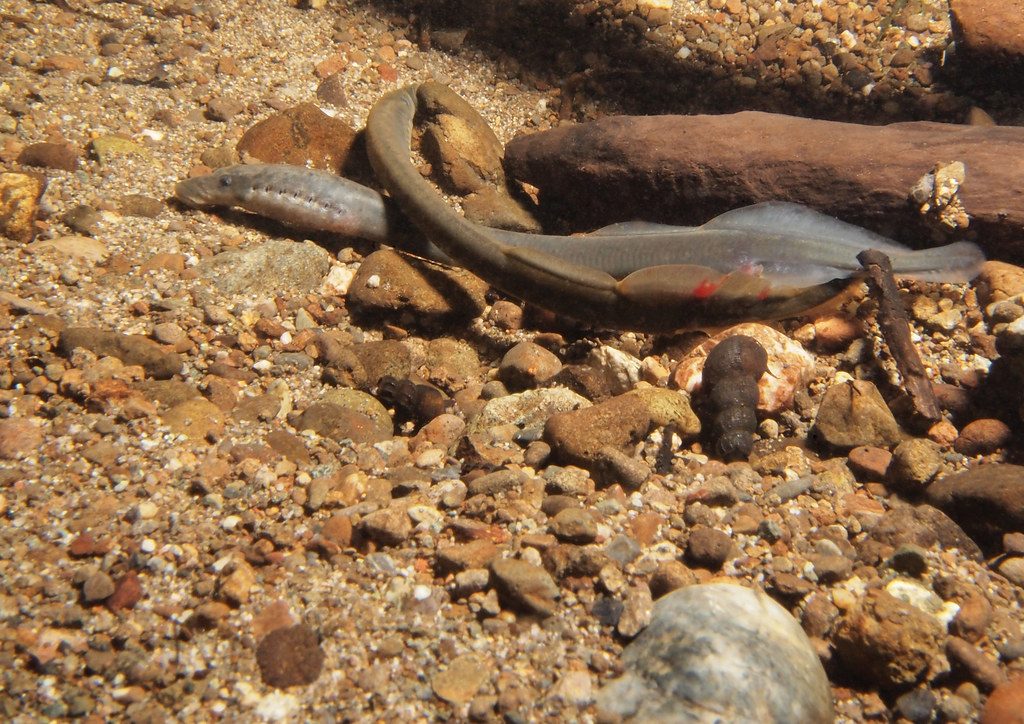
    Lampreys look unlike most living fish. They have long eel-like bodies and circular mouths lined with rows of teeth. Some species attach themselves to other fish and feed on blood and body fluids, giving them a fearsome reputation.

    Their lineage stretches back more than 340 million years. Lampreys split from the evolutionary branch leading to jawed vertebrates before jaws and paired fins became common. Despite their primitive appearance, researchers have found that important parts of lamprey brain development use genetic systems similar to those found in humans, making them valuable for scientific research.

    Hagfish

    Hagfish Rocks Your Lame Ass!” by cramsay23 is licensed under CC BY-NC-ND 2.0

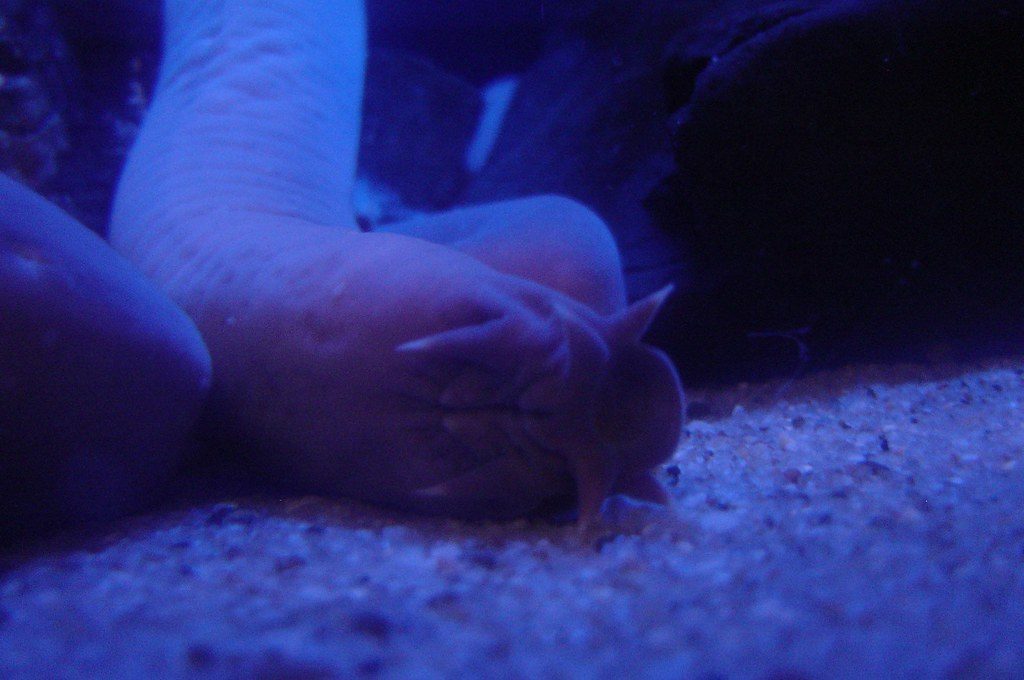
    Hagfish are famous for their ability to produce huge amounts of slime when threatened. This mucus can clog predators’ gills, giving the hagfish time to escape. They also lack jaws and have a body structure unlike that of most modern fish.

    Originating around 500 million years ago, hagfish are among the oldest branches of the vertebrate family tree. Recent genome research has helped scientists better understand early vertebrate evolution, revealing major genomic changes, chromosome rearrangements, and the loss of genes associated with structures such as eyes and cartilage. These findings offer insights into the deep ancestry of all vertebrates, including humans.

    Paddlefish

    Paddlefish” by Benson Kua is licensed under CC BY-SA 2.0

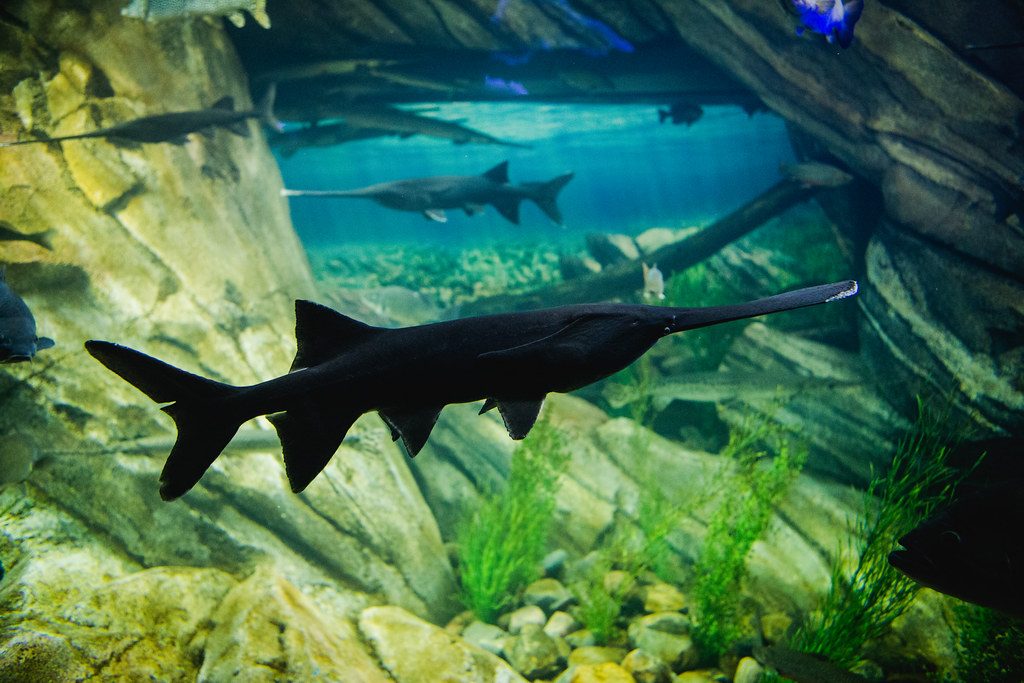
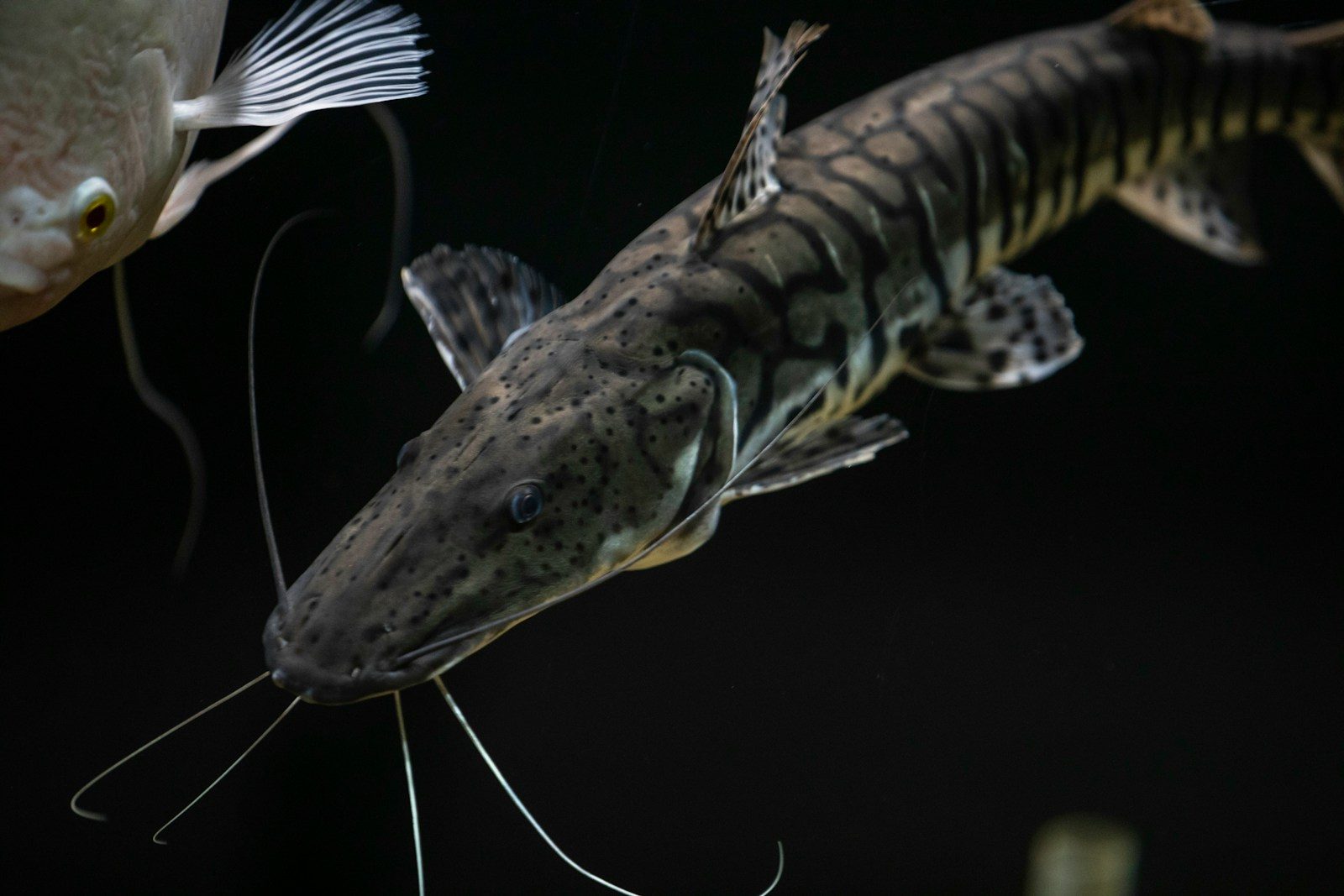
    The American paddlefish is one of the strangest freshwater fish alive today. It has a long paddle-shaped snout covered with sensors that help detect tiny prey in muddy rivers. Paddlefish belong to the same ancient order as sturgeons, with roots that may extend back more than 300 million years.

    Genetic studies have shown that paddlefish experienced ancient whole-genome duplication events, similar to those found in sturgeons. These genetic changes may have helped them survive major extinction events throughout Earth’s history. Sadly, their relatives have not all been as fortunate. The Chinese paddlefish was recently declared functionally extinct, leaving the American paddlefish as the only surviving member of its family.

  • Scientists still can’t explain these deep-sea sounds

    Scientists still can’t explain these deep-sea sounds

    The deep ocean remains one of the least explored places on Earth. Far below the surface, where sunlight never reaches, scientists use sensitive underwater microphones called hydrophones to listen to what is happening in the darkness. Sometimes they hear whales, earthquakes, or shifting ice. Other times, they record sounds that seem impossible to explain.

    Over the years, researchers have captured powerful signals coming from depths exceeding 1,000 meters. While many mysterious recordings have eventually been identified, some sounds remained unexplained for years and sparked worldwide fascination. These strange noises continue to remind scientists how little we truly know about the deep sea.

    The ocean is far from silent

    black and gray gas mask
    Photo by Mikhail Preobrazhenskiy on Unsplash

    Many people imagine the deep ocean as a quiet and empty place. In reality, it is filled with sound. Whales communicate across vast distances, underwater earthquakes send vibrations through the water, and shifting ice can create noises powerful enough to travel thousands of miles.

    To monitor these sounds, scientists deploy hydrophones on the seafloor and throughout the ocean. These instruments can detect everything from animal calls to geological activity, helping researchers study parts of the ocean that remain difficult to explore directly.

    The sound that shocked researchers

    gray and black fish in body of water
    Photo by Jeremy Lanfranchi on Unsplash

    One of the most famous examples is a mysterious signal known as “The Bloop.” It was recorded in 1997 by NOAA hydrophones in the Pacific Ocean and was so powerful that it was detected by sensors thousands of miles apart.

    At first, nobody knew what caused it. Because the sound seemed unusually loud and resembled some biological noises, speculation quickly spread that it could have come from an unknown giant marine creature living in the deep ocean.

    Why did people think it was a monster?

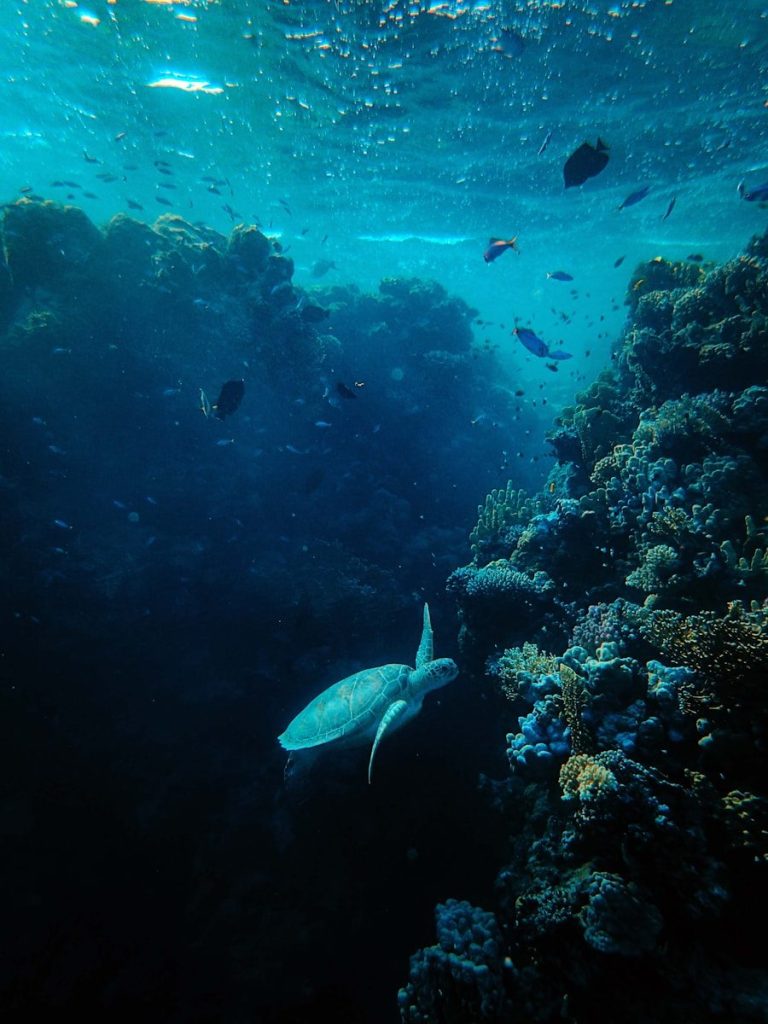
    gray turtle
    Photo by Francesco Ungaro on Unsplash

    The Bloop captured public imagination because the deep sea remains largely unexplored. When a sound appears that does not match anything familiar, theories naturally emerge about undiscovered animals or mysterious ocean creatures.

    Researchers themselves admitted the sound was unusual. It was louder than any known animal call and traveled across enormous distances, making it one of the strangest underwater recordings ever captured.

    The explanation took years to find

    a man in a swimming pool
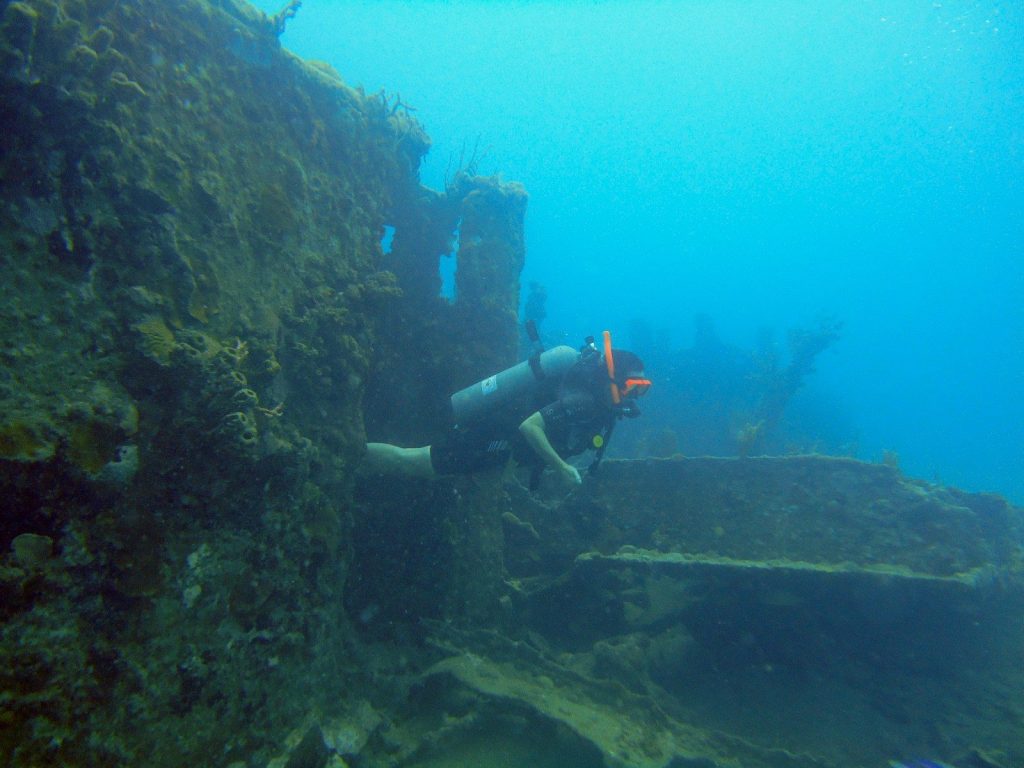
    Photo by Karl Callwood on Unsplash

    Scientists spent years comparing the recording with other ocean sounds. Eventually, NOAA researchers concluded that the source was not a giant sea creature but an icequake caused by large Antarctic ice masses cracking and breaking apart.

    The discovery solved one mystery but revealed another reality. Natural processes in remote parts of the world can generate sounds so powerful that they travel across entire ocean basins, demonstrating how dynamic and interconnected Earth’s oceans really are.

    Some sounds remain difficult to identify

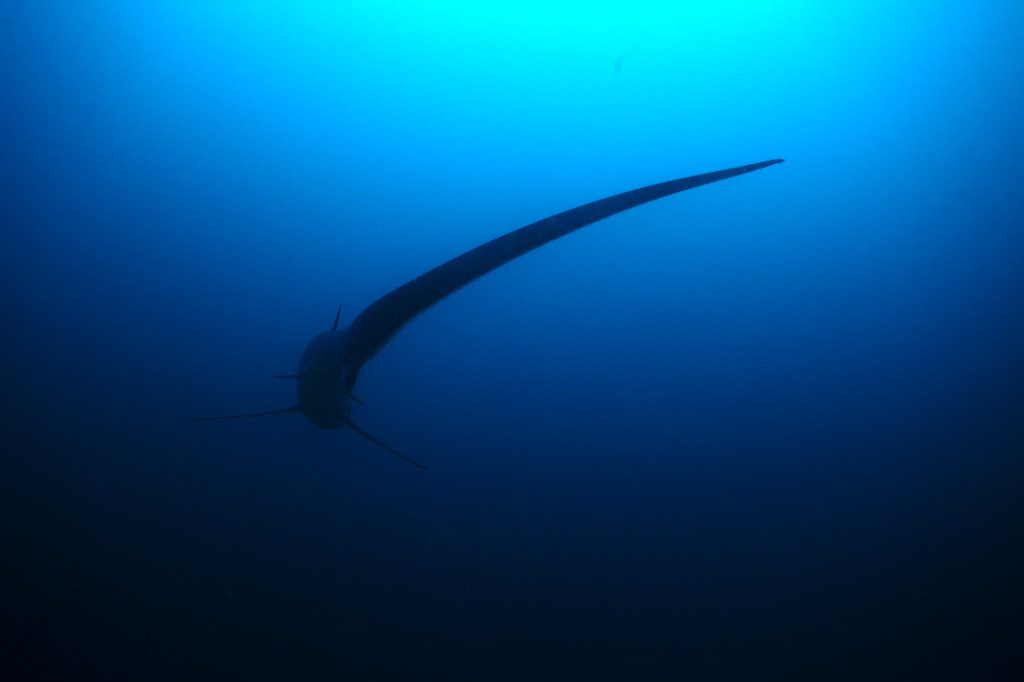
    Thresher Shark Tail” by PacificKlaus is licensed under CC BY-NC 2.0

    Not every mysterious ocean sound has been explained immediately. NOAA hydrophone networks have recorded signals with names such as Julia, Upsweep, and Slow Down, many of which puzzled researchers for years before likely sources were identified.

    Other recordings have required decades of study. In some cases, scientists eventually linked mysterious sounds to marine animals, while others turned out to be geological events, ice activity, or complex environmental processes that were previously unknown.

    The deep ocean still holds secrets

    statue under ocean water
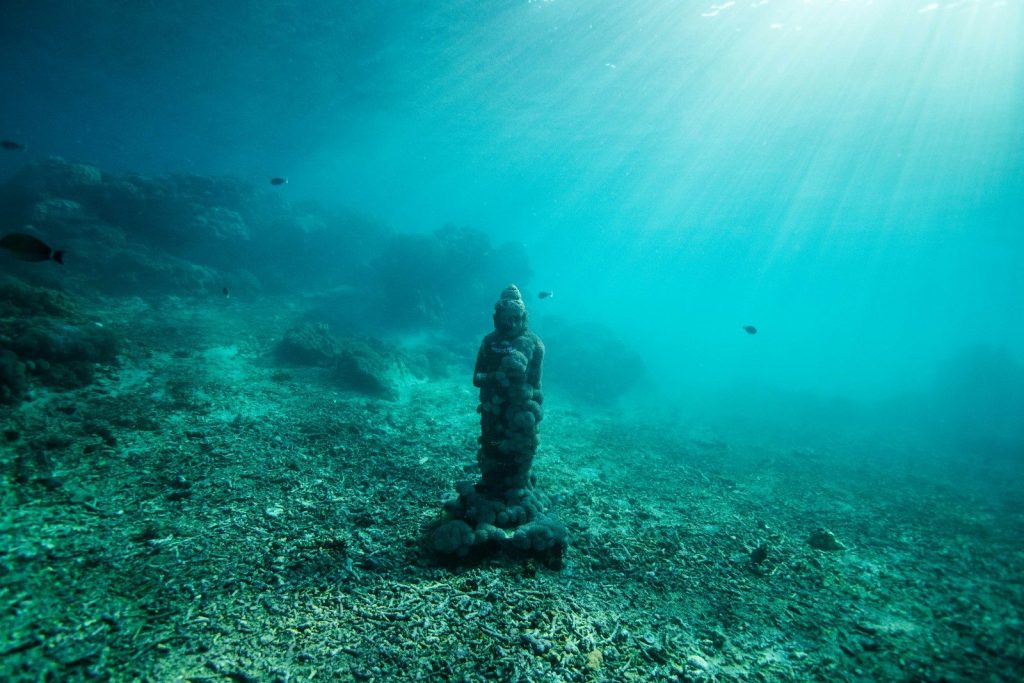
    Photo by Jeremy Bishop on Unsplash

    Despite major advances in technology, much of the deep ocean remains poorly understood. Researchers continue to discover new species, unexplored habitats, and unexpected behaviors in regions that humans rarely visit.

    Every unexplained sound serves as a reminder that the ocean still has many secrets left to reveal. What seems mysterious today may have a scientific explanation tomorrow, but until then, the strange signals echoing through the darkness continue to fuel curiosity about the world’s last great frontier.

  • She found an octopus during a shell hunt and lost badly

    She found an octopus during a shell hunt and lost badly

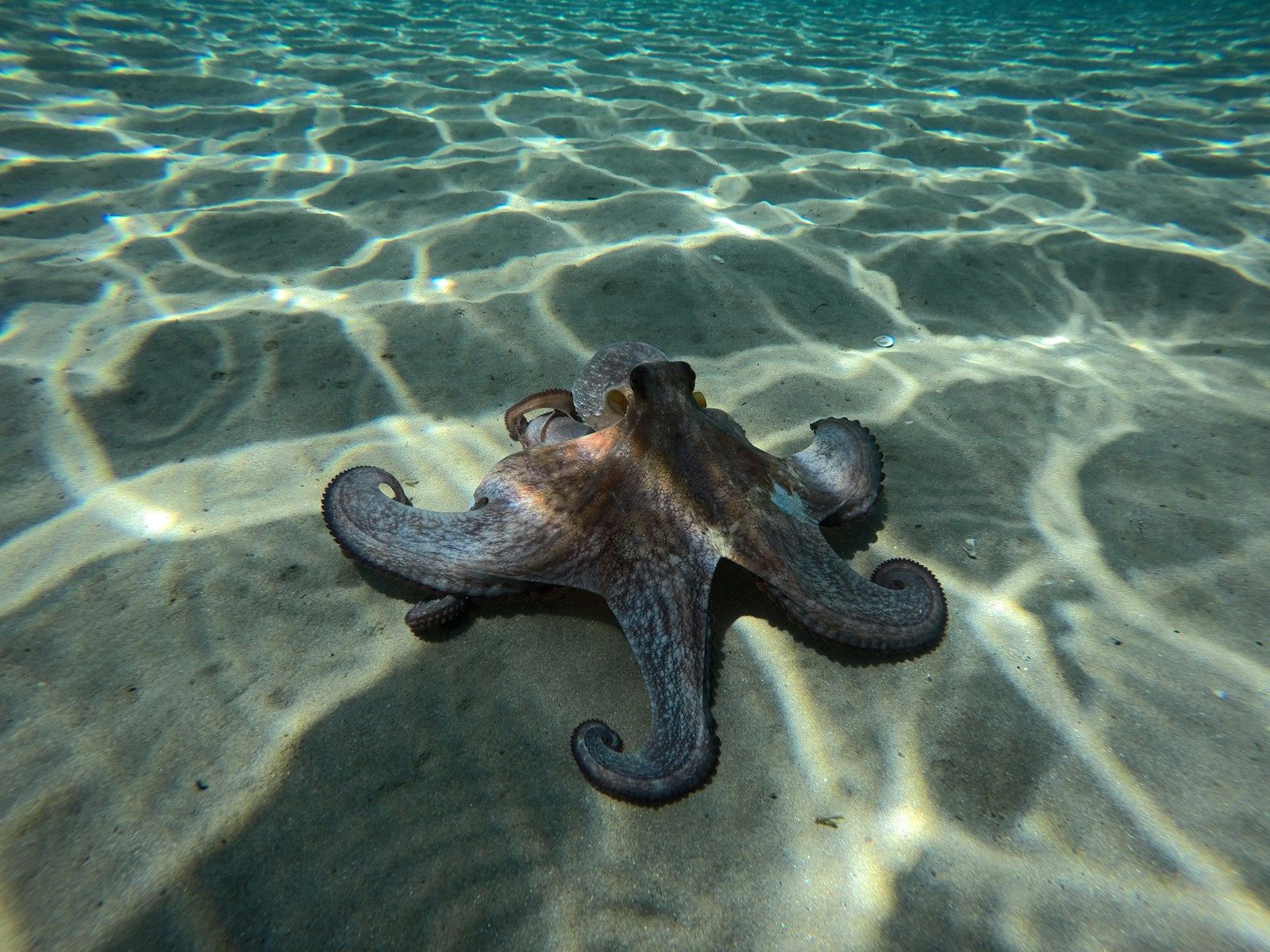
    What began as a relaxing search for seashells quickly turned into an unexpected competition. As she explored the shoreline looking for interesting finds, a curious octopus appeared and seemed determined to join the hunt. At first, it felt like a fun encounter, but before long, the octopus was uncovering shell after shell while the human collector struggled to keep up.

    The surprising interaction highlights something scientists have learned repeatedly about octopuses: they are among the most intelligent animals in the ocean. Their ability to explore objects, manipulate items, and interact with their surroundings often produces moments that seem almost unbelievable.

    The shell hunt starts normally

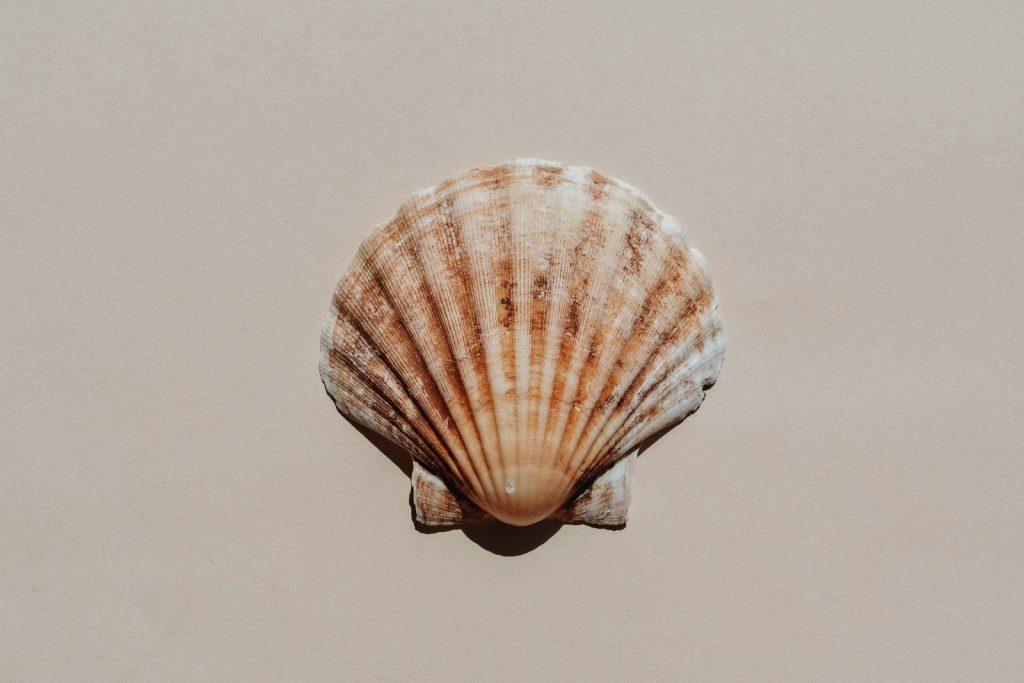
    a sea shell is seen from above on a beige background
    Photo by Content Pixie on Unsplash

    The goal was simple enough—walk along the shoreline and search for interesting shells. For a while, everything seemed ordinary as small shells and bits of debris appeared along the beach.

    Then an octopus entered the scene. What looked like a random encounter quickly became the center of attention as the animal began investigating the same area and interacting with objects scattered across the seafloor.

    The octopus keeps finding better treasures

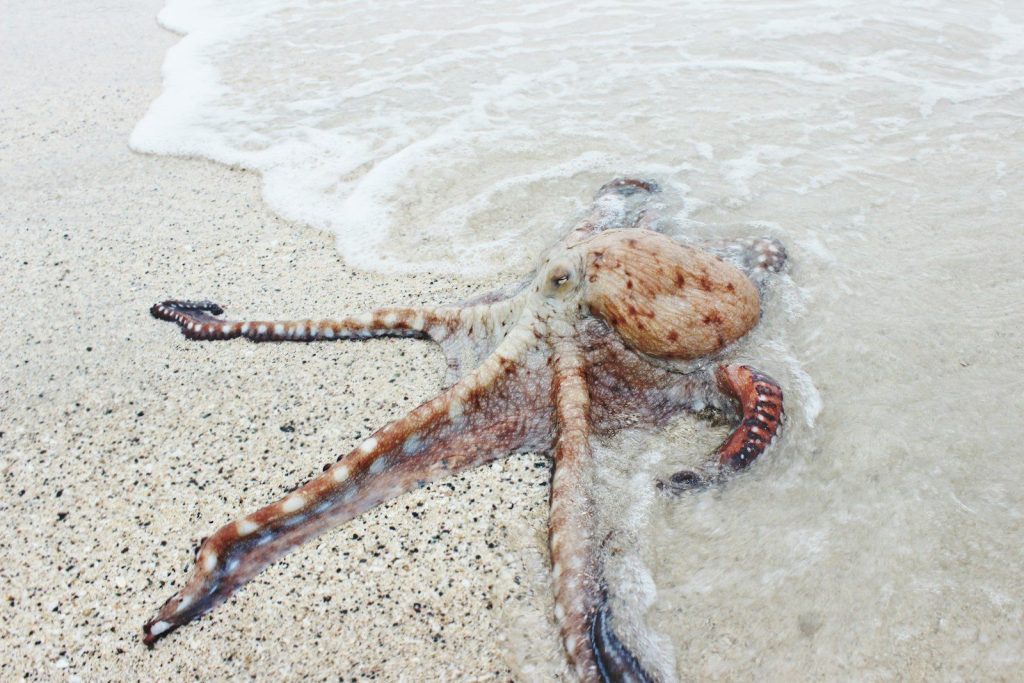
    an octopus is laying on the ocean floor
    Photo by Nick Brice on Unsplash

    Every time a decent shell appeared, the octopus seemed to discover an even more impressive one. The growing collection made it feel as if the animal had developed a personal mission to outdo its human companion.

    While the situation was amusing, it was not entirely surprising. Octopuses are known for their curiosity and frequently investigate, collect, and manipulate objects in their environment. Researchers have documented species carrying shells, arranging materials, and even transporting objects for later use.

    Why octopuses care about shells

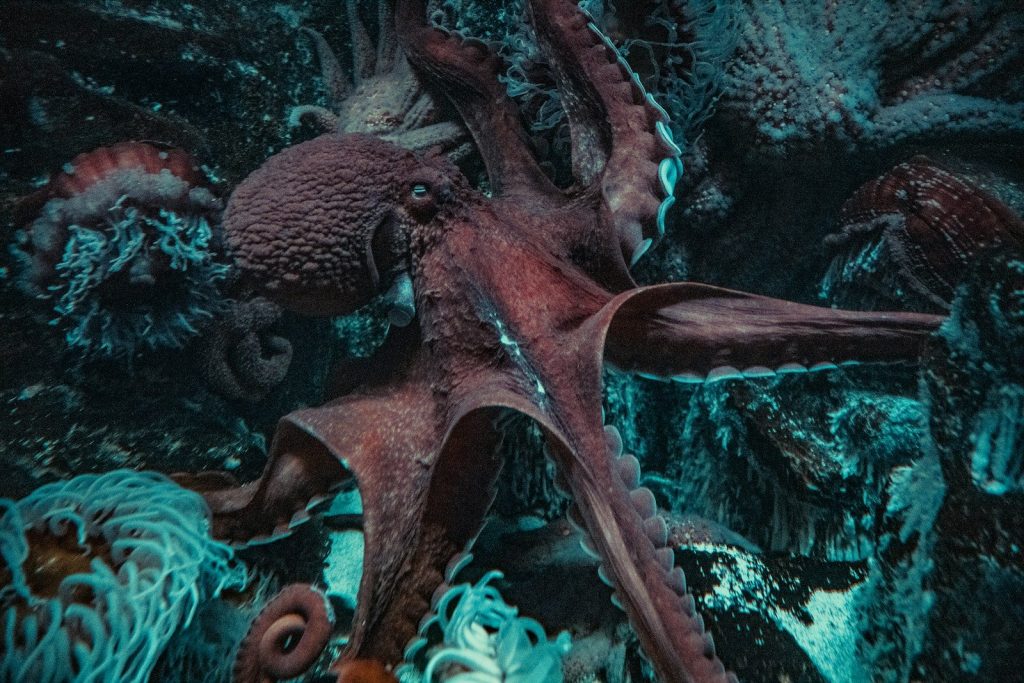
    selective focus photography of octopus
    Photo by Vlad Tchompalov on Unsplash

    For many octopus species, shells are much more than decorations. They can provide shelter, protection, and hiding places from predators. Some species even carry shells across the seafloor and assemble them into temporary homes.

    Scientists consider some of these behaviors examples of tool use. Certain octopuses have been observed collecting shells and other objects, transporting them long distances, and saving them for future protection.

    The intelligence behind the behavior

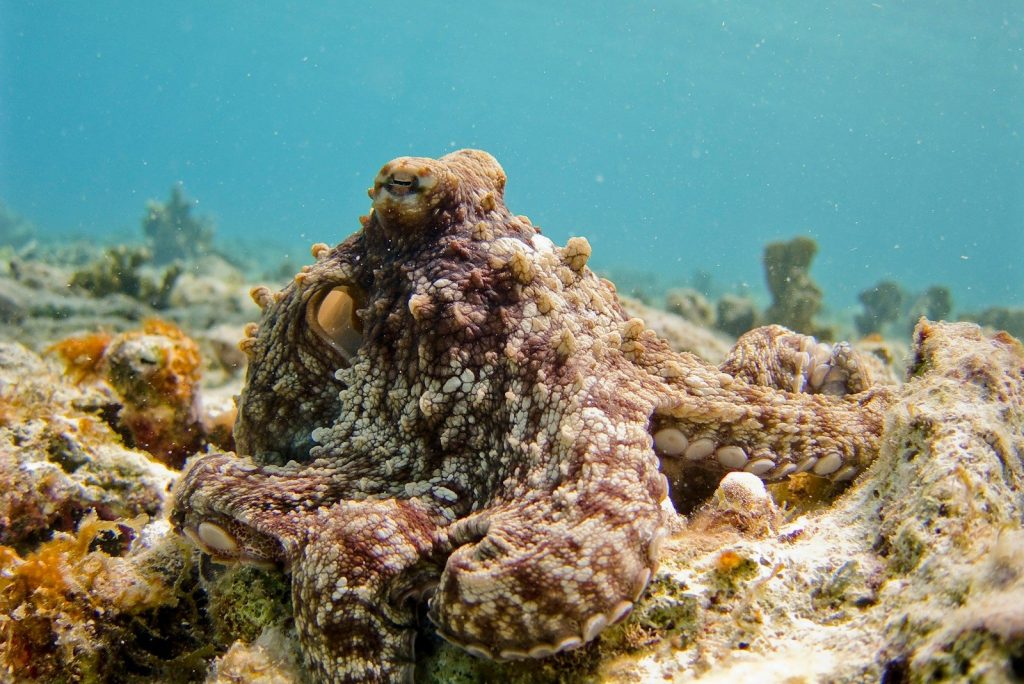
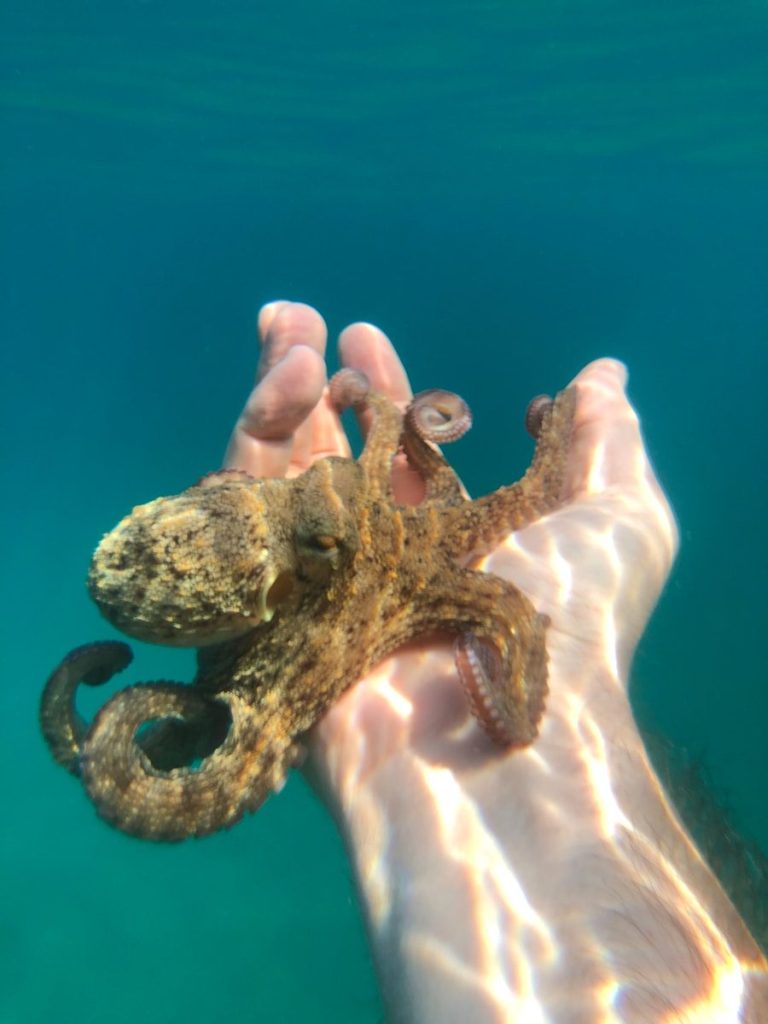
    brown octopus on seashore
    Photo by Bryan Burgos on Unsplash

    Octopuses possess remarkable problem-solving abilities. They can navigate complex environments, learn from experience, and manipulate objects with extraordinary precision using their eight arms.

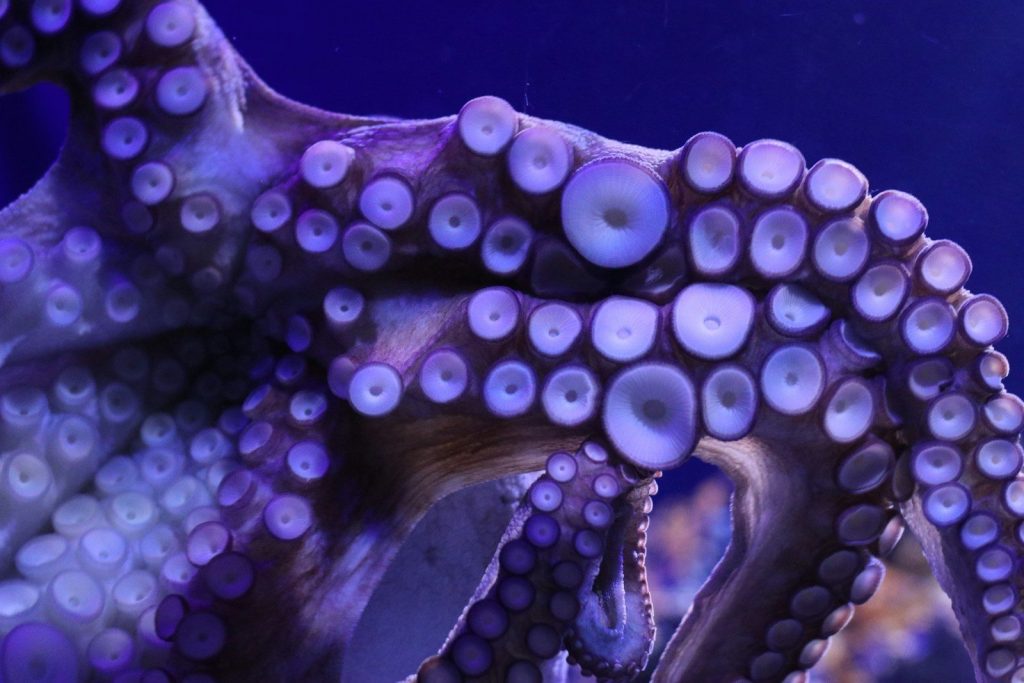
    Unlike most invertebrates, octopuses have highly complex nervous systems. A large portion of their neurons is located within their arms, allowing them to explore and interact with the world in ways that continue to surprise researchers.

    It starts to feel personal

    purple and black abstract painting
    Photo by Stephanie Harlacher on Unsplash

    As the shell hunt continued, the growing difference between the collections became impossible to ignore. The octopus appeared to have an endless talent for finding interesting objects while the human collector kept ending up with ordinary shells and random trash.

    Of course, the octopus was not actually competing. Its behavior was likely driven by natural curiosity and exploration. Still, from a human perspective, it certainly looked as though the animal was winning the challenge with ease.

    A reminder of how surprising the ocean can be

    persons feet on brown and beige starfish
    Photo by Alessandro Canepa on Unsplash

    Moments like this help explain why octopuses fascinate people around the world. They often display behaviors that seem thoughtful, playful, and surprisingly human-like, even though they evolved along a completely different path from mammals.

    What began as a simple shell hunt ended as a reminder that the ocean is filled with intelligent creatures capable of astonishing behavior. Sometimes the most memorable discovery is not the shell itself—it is the animal that finds it first.

  • This is what 20 years did to a sunken aircraft carrier

    This is what 20 years did to a sunken aircraft carrier

    The ocean has a remarkable way of changing everything it touches. Metal rusts, surfaces become covered in marine life, and even the largest ships slowly transform into part of the underwater world. Few places show this process more dramatically than the USS Oriskany, a retired aircraft carrier that now rests on the seafloor off the coast of Florida. Sunk intentionally in 2006, the USS Oriskany became one of the largest artificial reefs ever created.

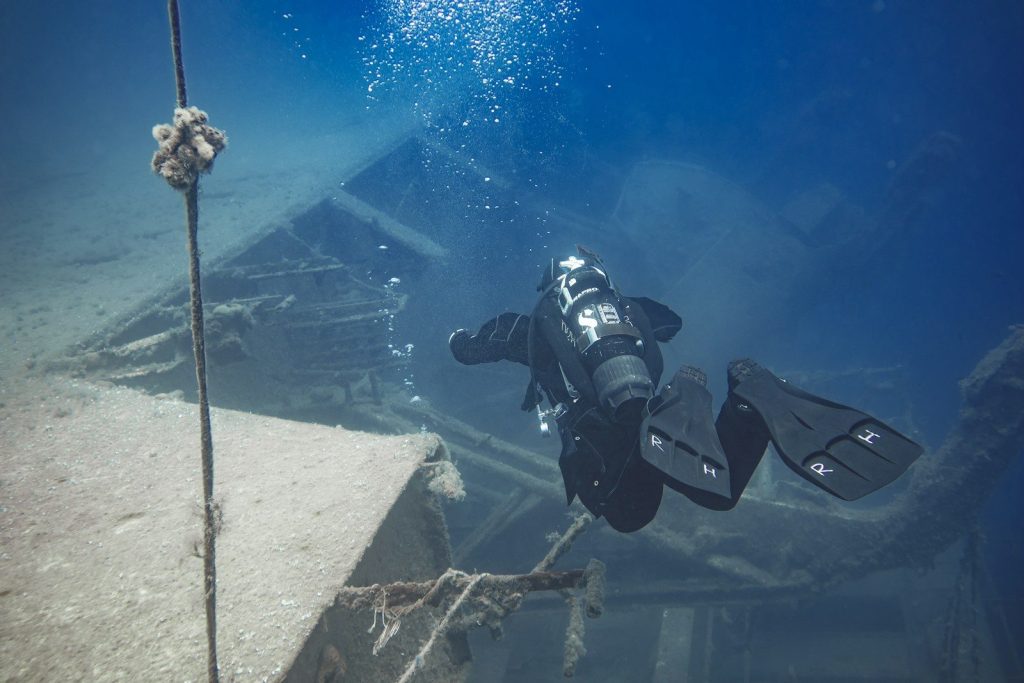
    Nearly two decades later, a team set out to explore what remained at the very bottom of the wreck. Armed with a remote-control submarine, they faced equipment failures, rough conditions, and unexpected wildlife encounters in an effort to document how time and the ocean had reshaped this massive warship. The journey revealed a ship that is no longer just a vessel, but a thriving underwater ecosystem. The Oriskany was intentionally sunk in 2006 and now rests upright in about 212 feet of water off Pensacola, Florida.

    From warship to artificial reef

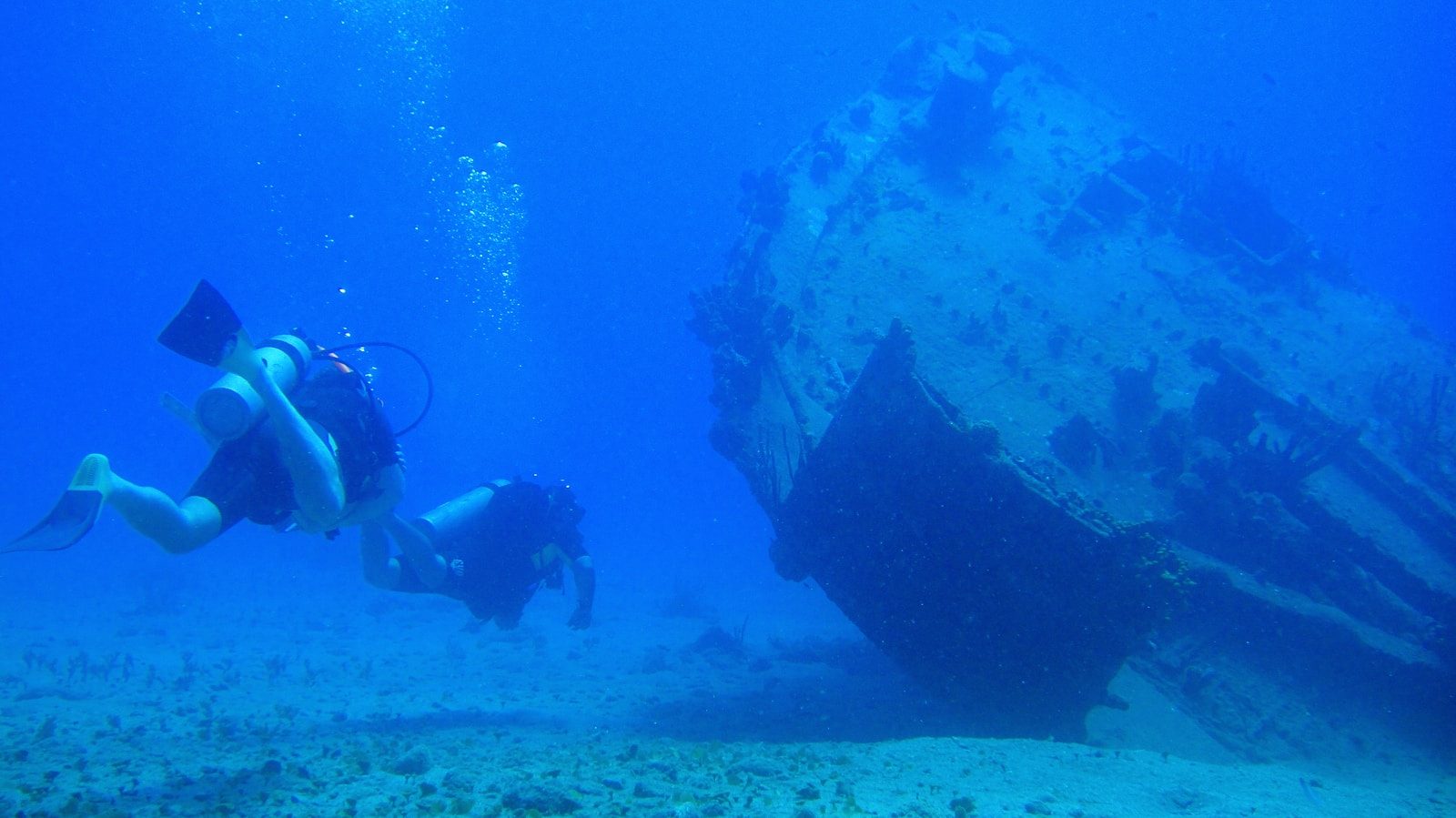
    sunken ship
    Photo by Olga ga on Unsplash

    The USS Oriskany served the U.S. Navy for decades before being retired from active duty. Rather than being scrapped, the vessel was selected for a unique second life beneath the waves. After extensive preparation, it was intentionally sunk off Florida’s Gulf Coast.

    The decision transformed the former aircraft carrier into a giant artificial reef. Measuring more than 900 feet long, the ship quickly became a major attraction for divers and marine life. Today, it is widely recognized as one of the largest intentionally created artificial reefs in U.S. waters.

    A mission to reach the ocean floor

    a large ship sitting on top of a body of water
    Photo by Karl Callwood on Unsplash

    Although thousands of divers have explored parts of the wreck, very few have documented the seabed directly beneath it. Curious about what existed at the bottom after nearly two decades underwater, a team launched a new expedition.

    Instead of relying solely on divers, they used a remote-control submarine to reach the deepest areas safely. The goal sounded simple: descend to the ocean floor and capture clear footage of the carrier’s final resting place. As often happens with deep-water exploration, the reality proved much more difficult than expected.

    Setbacks almost ended the project

    A rusted ship sitting in the middle of the ocean
    Photo by The neek on Unsplash

    The expedition quickly ran into trouble. Equipment failures interrupted testing, technical problems delayed progress, and multiple attempts ended unsuccessfully before the team could reach its target depth.

    Each setback created new expenses and consumed valuable time. Battery limitations became a constant concern, forcing the crew to carefully balance exploration with the risk of losing power before returning to the surface. Every dive became a race against both technology and the ocean itself.

    Life has taken over the wreck

    a man in a swimming pool
    Photo by Karl Callwood on Unsplash

    As the submarine descended along the carrier’s massive structure, it became clear that nature had completely transformed the ship. Coral growth covered large sections of the metal, while schools of fish moved through areas that once housed sailors and aircraft.

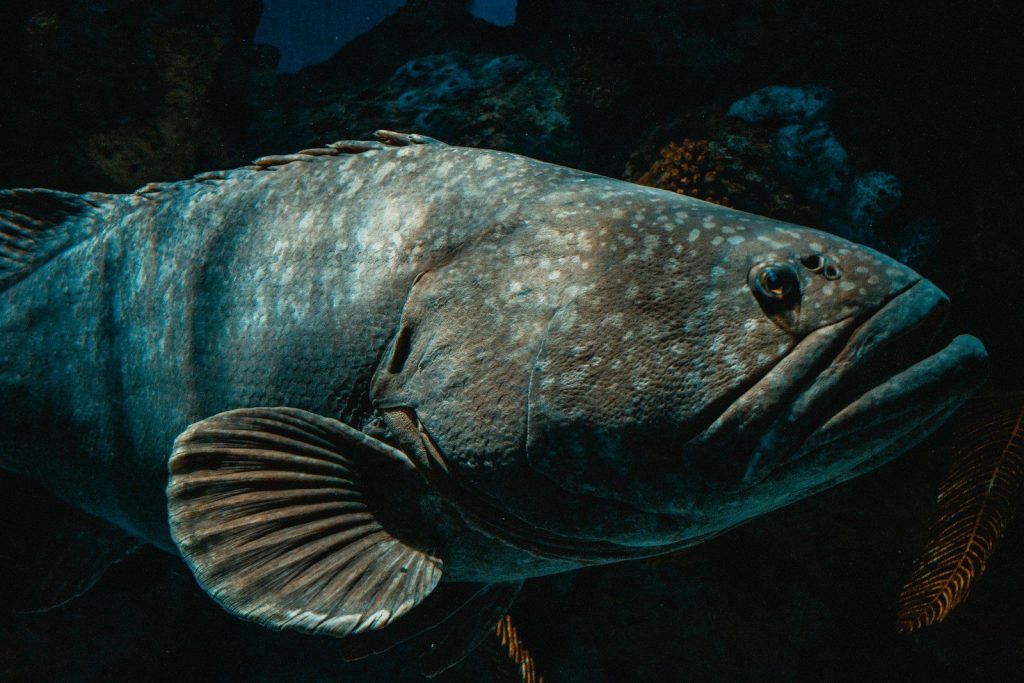
    Large predators and other marine creatures now call the wreck home. Sharks and giant grouper were among the animals encountered during the mission. What was once a symbol of military power has become a thriving habitat supporting countless forms of ocean life. Artificial reefs like the Oriskany are known for attracting a wide variety of marine species over time.

    The challenge of reaching 212 feet

    aerial photography of abandoned boat in body of water during daytime
    Photo by Joshua Kettle on Unsplash

    The Oriskany rests in deep water, making exploration significantly more difficult than many recreational dive sites. Strong currents, changing visibility, and the sheer size of the ship create challenges even for experienced teams.

    The remote submarine had to navigate around massive structures while maintaining communication with operators at the surface. Every movement required precision. A single mistake could leave the vehicle trapped, damaged, or unable to complete the mission before its batteries ran out.

    More than a search for the bottom

    black and gray gas mask
    Photo by Mikhail Preobrazhenskiy on Unsplash

    By the time the team finally reached the seabed, the expedition had become about more than simply proving they could get there. The journey highlighted how persistence often matters more than the final destination.

    The ocean repeatedly forced the explorers to adapt, solve problems, and continue despite failure. In the end, the footage captured at the bottom of the USS Oriskany served as proof of success, but the greater story was about determination, curiosity, and the willingness to keep going when the finish line seems just out of reach.

  • Meet the giant crocodile that hunted dinosaurs

    Meet the giant crocodile that hunted dinosaurs

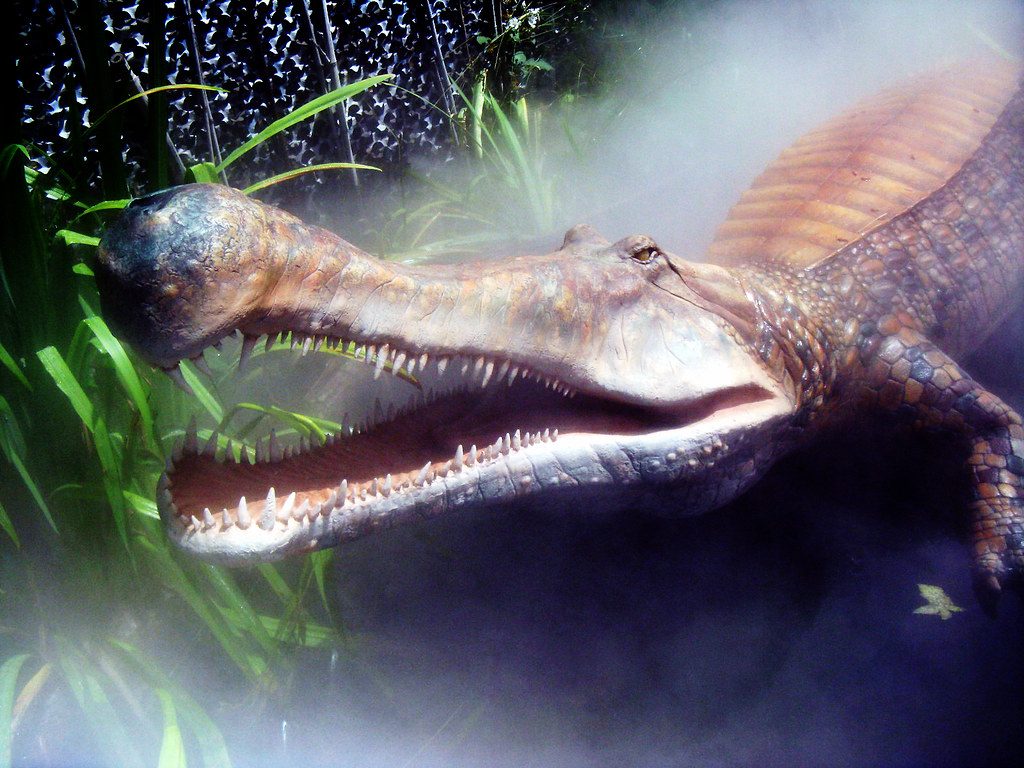
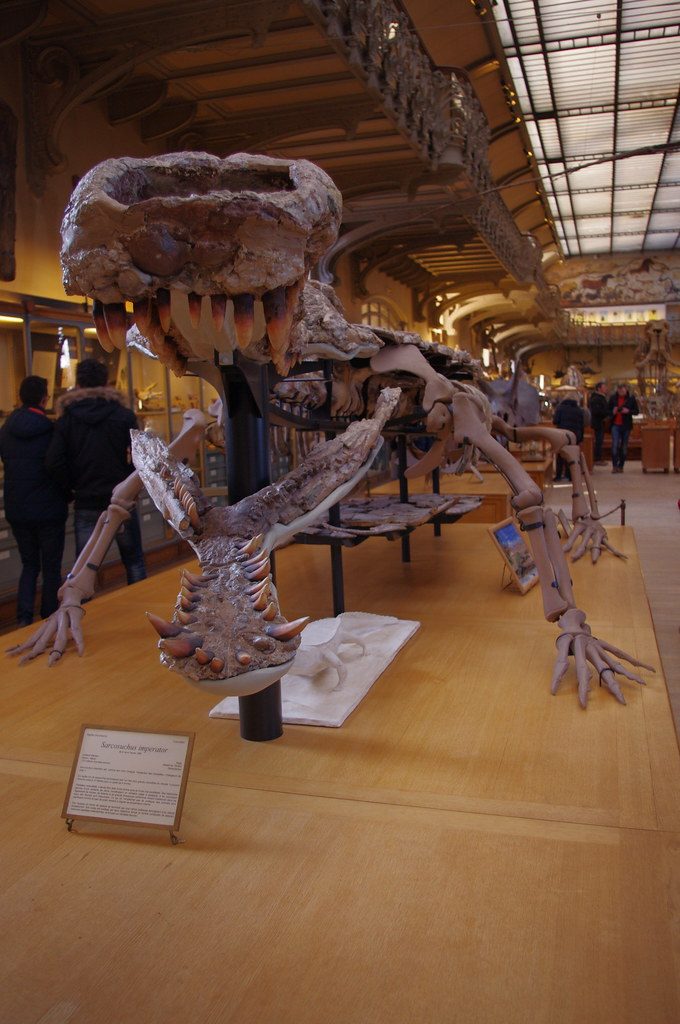
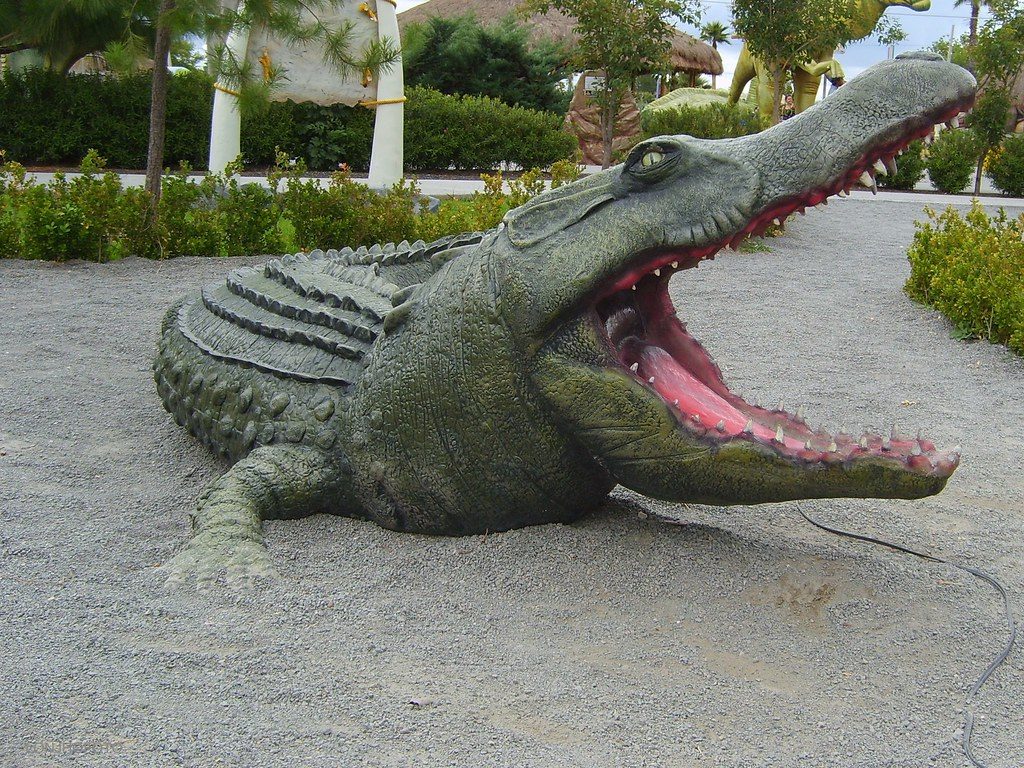
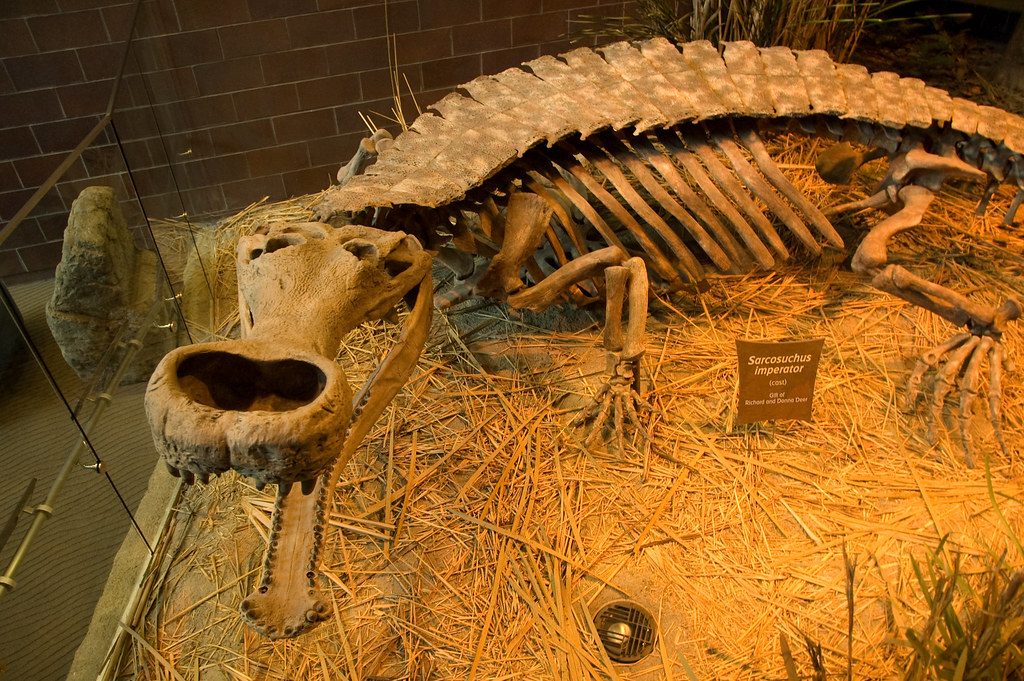
    Long before modern crocodiles appeared, a gigantic predator ruled the waterways of prehistoric Africa. Known as Sarcosuchus, this enormous reptile lived during the Early Cretaceous Period and grew to sizes that make today’s largest crocodiles seem small. Its massive jaws, armored body, and ambush-hunting skills helped it become one of the most feared predators of its time.

    Nicknamed “SuperCroc,” Sarcosuchus is believed to have stretched more than 30 feet in length and weighed several tons. Fossil discoveries suggest it lived alongside dinosaurs, making it one of the most impressive reptilian hunters ever discovered. Even millions of years after its extinction, Sarcosuchus continues to fascinate scientists and dinosaur enthusiasts worldwide.

    A giant among crocodile relatives

    SARCOSUCHUS IMPERATOR” by marsupilami92 is licensed under CC BY 2.0

    Sarcosuchus was not a true modern crocodile, but it belonged to an ancient group of crocodile-like reptiles. It lived roughly 110 million years ago in what is now North Africa, when large river systems crossed regions that are mostly desert today.

    Scientists estimate that some individuals may have reached lengths exceeding 30 feet. This made Sarcosuchus one of the largest crocodile-like animals ever known, significantly larger than most living crocodilians.

    Built for power

    Sarcosuchus imperator cast” by Intiaz Rahim is licensed under CC BY-NC-ND 2.0

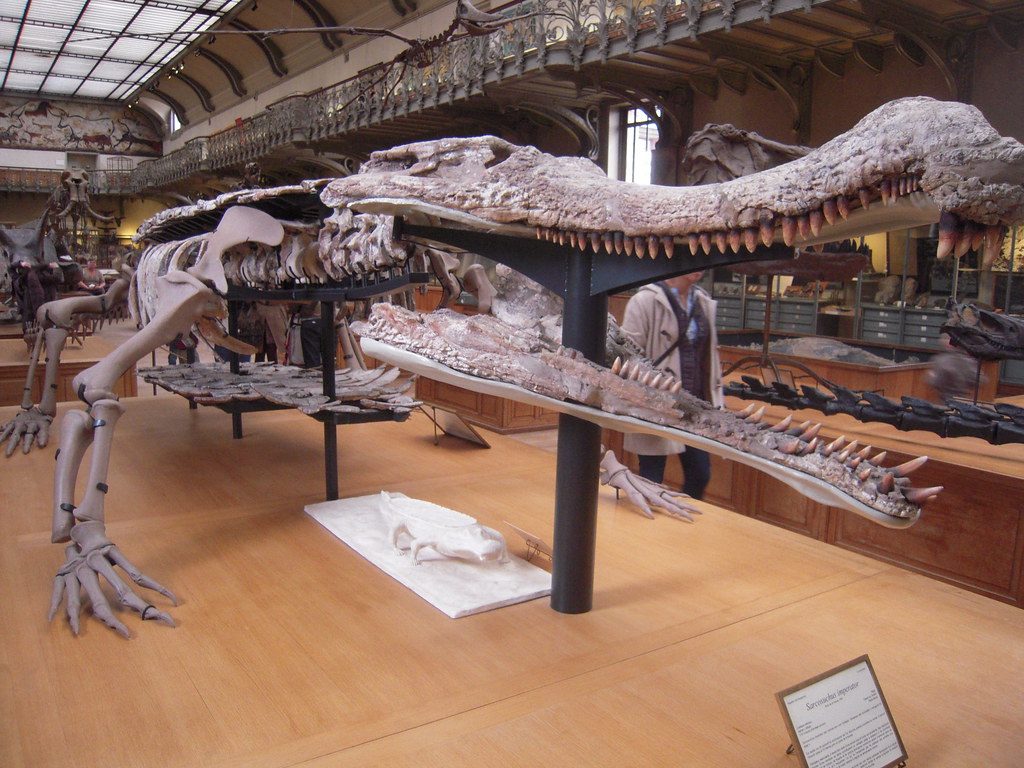
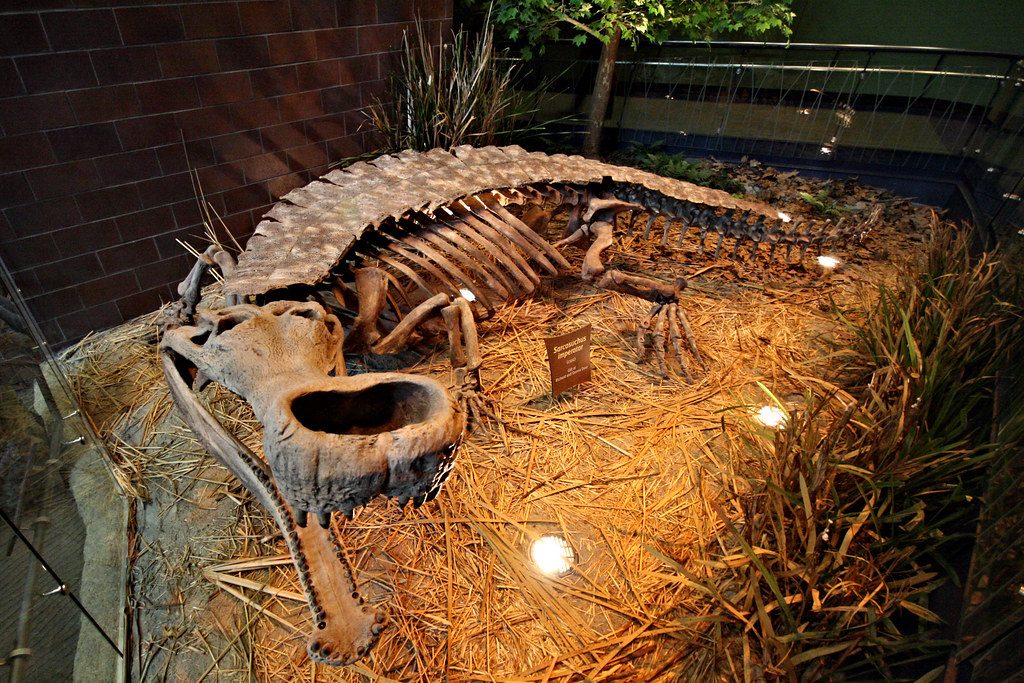
    One of the most impressive features of Sarcosuchus was its enormous skull. Some fossil skulls measure more than five feet long, providing enough room for hundreds of sharp teeth designed to grip struggling prey.

    Its body was protected by thick armored plates called osteoderms. These natural shields helped defend the animal while also providing support for its huge frame as it moved through rivers and along muddy shorelines.

    The ambush hunter of ancient rivers

    Sarcosuchus Imperator – Indy Childrens Museum” by MrTopher is licensed under CC BY-NC-ND 2.0

    Like modern crocodiles, Sarcosuchus likely relied on stealth rather than speed. It could remain mostly hidden beneath the water’s surface while waiting for prey to approach the shoreline.

    When an opportunity presented itself, the giant predator could launch a sudden, powerful attack. Its long jaws and powerful muscles made it well-suited for grabbing animals that came too close to the water.

    Did it really hunt dinosaurs?

    grey and black dinosaur statue
    Photo by Frank Kroeger on Unsplash

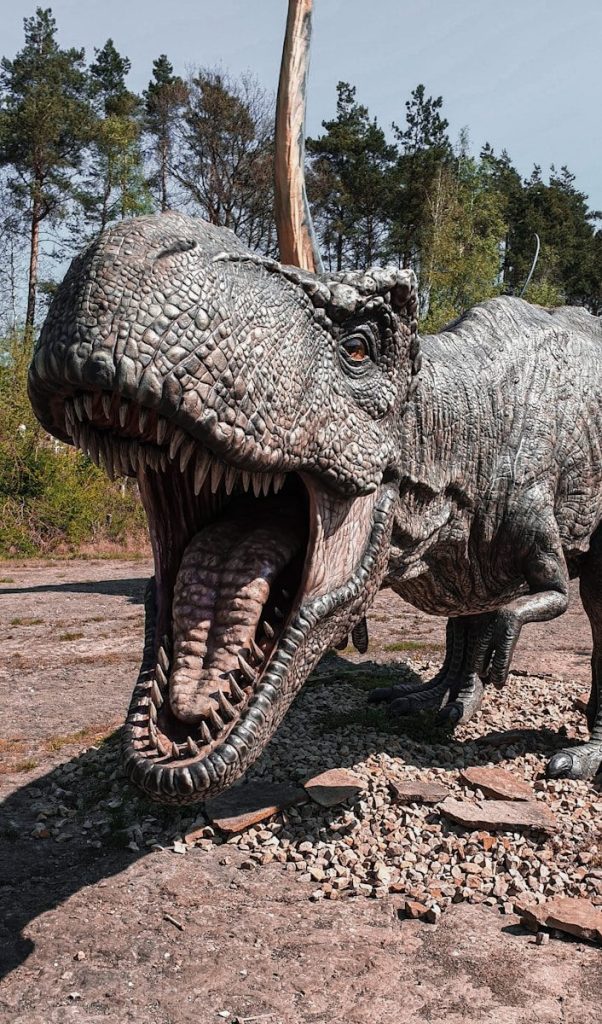
    The nickname “dinosaur killer” comes from evidence suggesting that Sarcosuchus lived alongside many dinosaur species. Some paleontologists believe large dinosaurs may occasionally have become targets, especially young or smaller individuals.

    While direct proof of dinosaur hunting remains limited, its size and strength certainly made such encounters possible. Any animal approaching the riverbank would have faced a serious threat from a predator of this scale.

    Life in a prehistoric ecosystem

    Sarcosuchus imperator” by maza34 is licensed under CC BY-SA 2.0

    The world of Sarcosuchus looked very different from today’s Sahara Desert. During the Early Cretaceous, the region contained rivers, wetlands, and abundant wildlife that supported a variety of large predators.

    These waterways were home to fish, reptiles, and dinosaurs, creating a rich ecosystem where competition for food was intense. Sarcosuchus occupied a position near the top of this ancient food chain.

    Why Sarcosuchus still fascinates scientists

    Sarcosuchus” by Lonjho is licensed under CC BY-NC-SA 2.0

    Every new fossil helps researchers better understand how giant crocodile relatives evolved and adapted to their environments. Sarcosuchus offers a glimpse into a time when reptilian predators reached extraordinary sizes.

    Its combination of immense length, powerful jaws, and dinosaur-era habitat has made it one of the most famous prehistoric reptiles ever discovered. Even today, SuperCroc remains a symbol of the incredible predators that once ruled Earth’s waterways.

  • Trapped 34 miles offshore with sharks below

    Trapped 34 miles offshore with sharks below

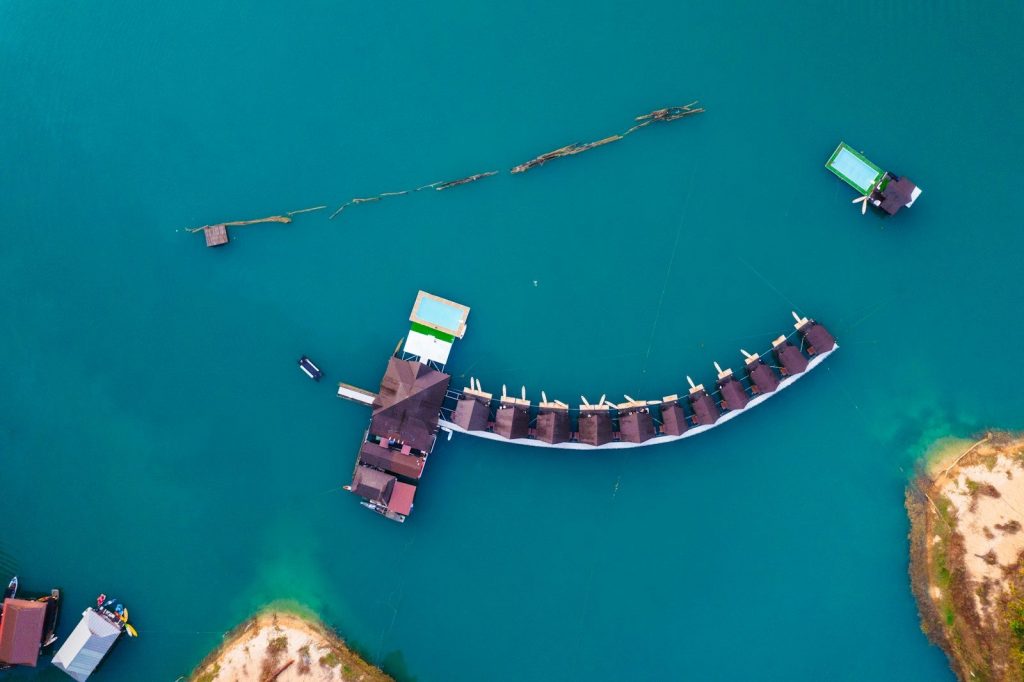
    Most hotels offer comfort, room service, and an easy way home. This one offered none of those things. Located roughly 34 miles offshore, the isolated ocean structure left its visitors surrounded by open water with no quick escape and no contact with the outside world. What began as a survival-style challenge quickly became much more intense when participants realized they would need to find food or go hungry.

    The remote setting created a constant sense of uncertainty. Waves rocked the structure, supplies were limited, and the endless ocean stretched in every direction. As hours passed without success, the challenge became a test of patience, skill, and nerves. Then came the moment that changed everything: getting into waters known to contain sharks.

    A hotel in the middle of nowhere

    An aerial view of a pier in the middle of a body of water
    Photo by Antonio Araujo on Unsplash

    The structure sat far from land, surrounded by nothing but open ocean. Being so isolated meant there were few options if something went wrong. Participants quickly realized they were truly cut off from normal life.

    Even simple tasks felt different in such a remote environment. Every sound, movement, and weather change seemed more important when there was no nearby help and no easy route back to shore.

    When the survival challenge became real

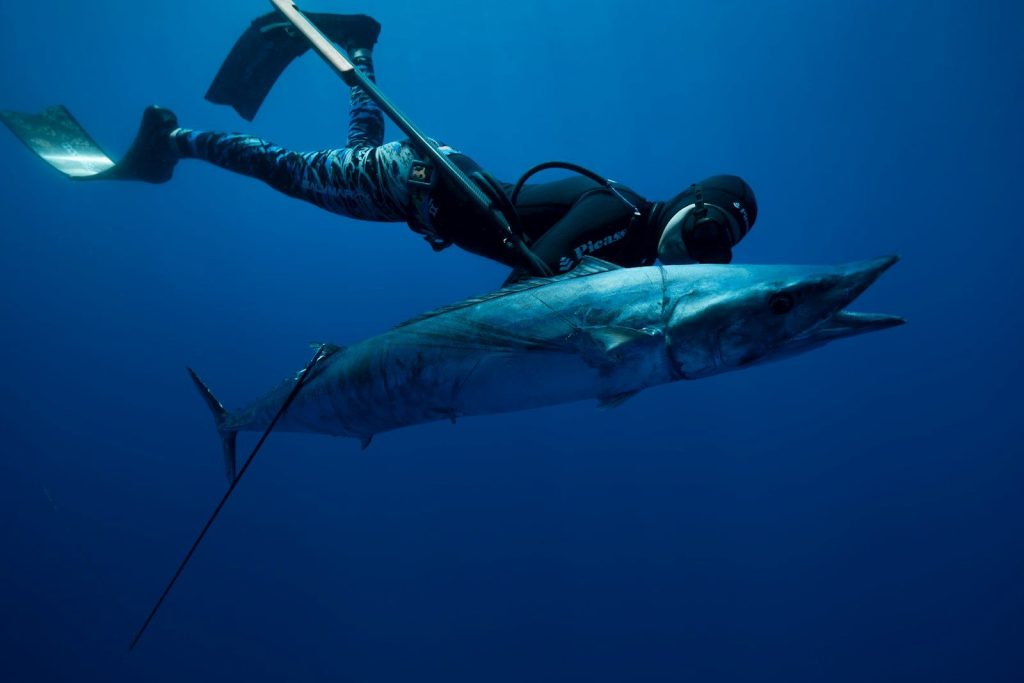
    a man in a wet suit is diving with a large shark
    Photo by Michael Worden on Unsplash

    The original goal sounded straightforward. Participants would rely on the ocean around them and attempt to catch their own food. The idea was meant to simulate a survival situation in a controlled environment.

    Reality proved much harder. Hours passed without a successful catch, and frustration started building. The longer they went without food, the more serious the challenge felt.

    Hunting for dinner in open water

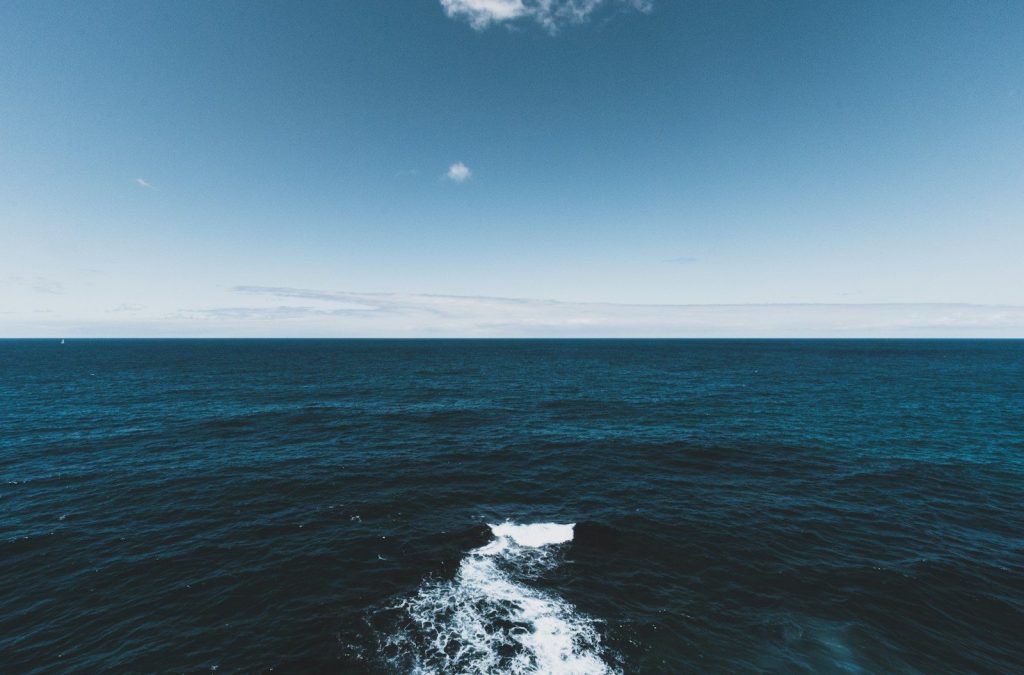
    blue sea under blue sky
    Photo by Quentin Grignet on Unsplash

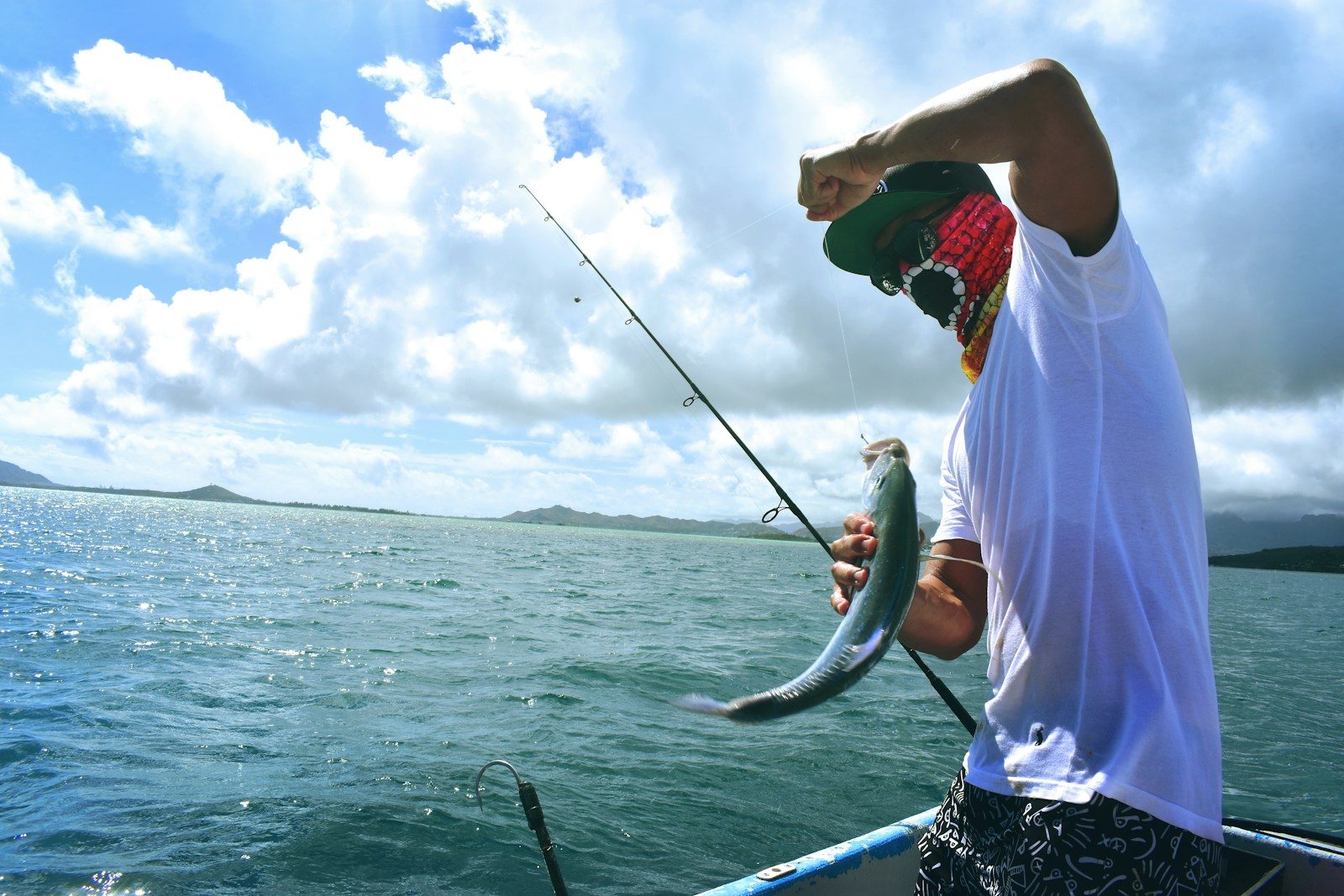
    Fishing in the open ocean is never guaranteed. Even experienced anglers can spend long periods waiting for a bite, especially when conditions are unpredictable.

    As time went on, the pressure increased. Every missed opportunity mattered because catching food was no longer just part of the experience. It had become the only way to avoid going hungry.

    The sharks below the platform

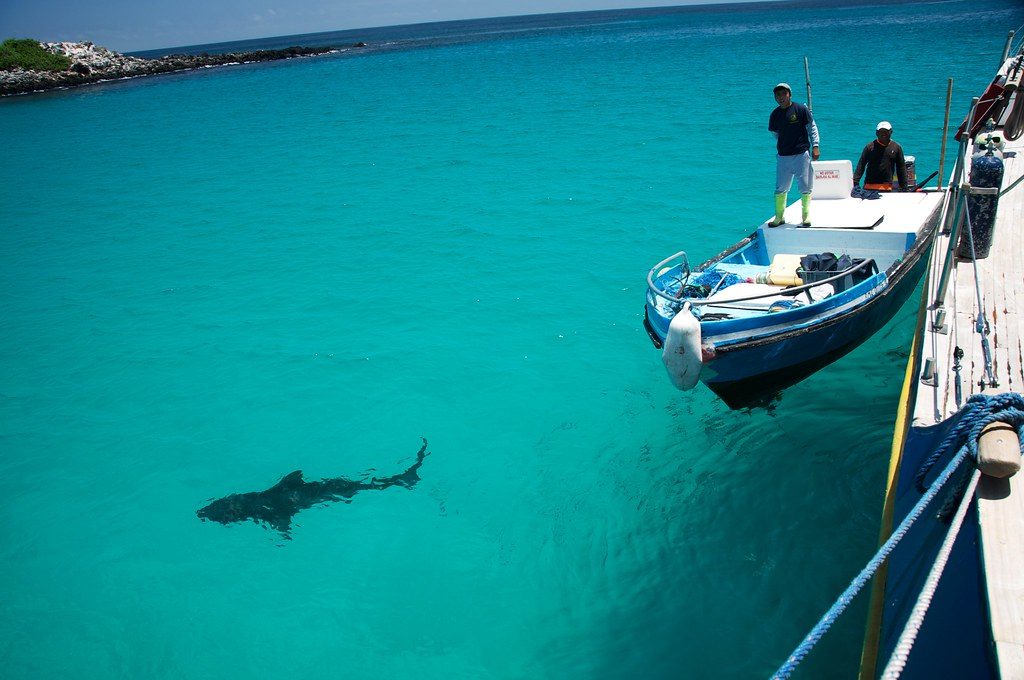
    Shark starboard” by empty007 is licensed under CC BY-NC 2.0

    One of the most unsettling parts of the experience was knowing sharks were present in the surrounding waters. Sharks are common in many ocean environments, especially around structures that attract fish.

    Seeing them from above was one thing. Knowing they were swimming beneath the platform added a new layer of tension. The ocean suddenly felt much less welcoming.

    The moment they had to jump in

    white boat
    Photo by Max Andrey on Unsplash

    Eventually, participants faced a challenge they could not avoid. To continue, they had to enter the water despite knowing sharks had been spotted nearby.

    The jump itself lasted only seconds, but the mental challenge was far greater. Every movement felt amplified, and the awareness of what might be below made the experience unforgettable.

    Why did the experience feel so intense?

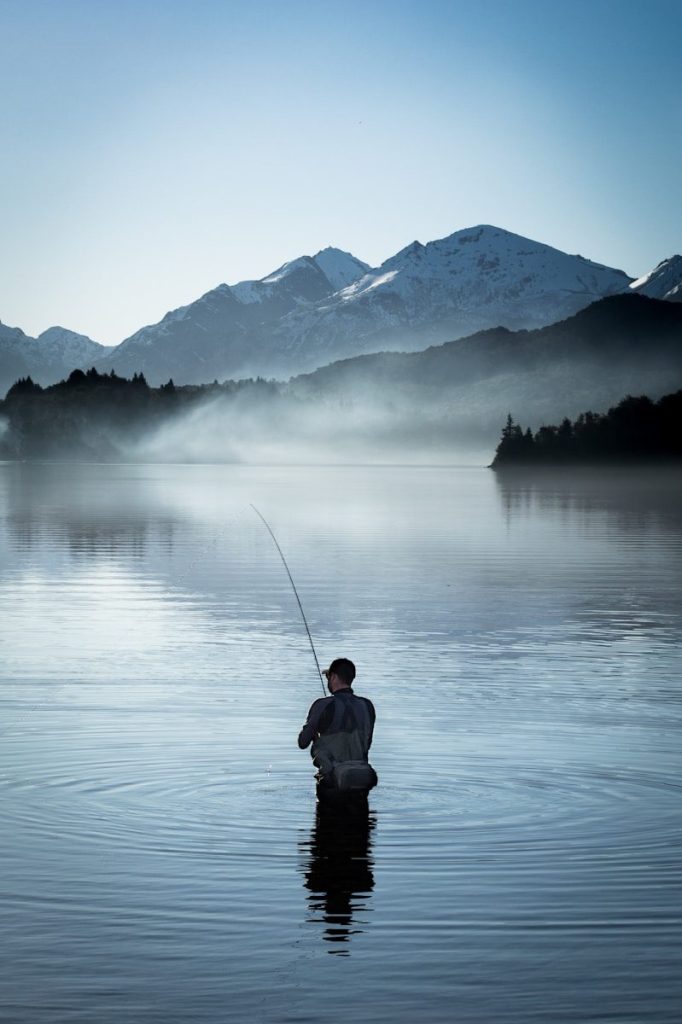
    a man standing in a body of water holding a fishing pole
    Photo by Domie Sharpin on Unsplash

    The real challenge was not just the sharks or the fishing. It was the combination of isolation, uncertainty, and the feeling of being completely dependent on the environment.

    Being surrounded by open ocean changes how people think and react. Small problems feel larger, simple decisions become more important, and every success feels earned. That combination turned an unusual stay into an experience few people would ever forget.

  • How blue whales grow bigger than dinosaurs

    How blue whales grow bigger than dinosaurs

    How can the largest animal in Earth’s history survive by eating creatures smaller than your finger? It sounds impossible, but that is exactly how blue whales live. These giants are bigger than any known dinosaur, yet they depend almost entirely on tiny shrimp-like animals called krill. A single blue whale can consume several tons of krill every day while traveling through the world’s oceans.

    Scientists have spent decades studying how blue whales became so enormous. Their findings reveal a remarkable combination of giant hearts, expandable mouths, and highly efficient feeding techniques. These adaptations allow blue whales to gather huge amounts of energy from tiny prey and may have pushed animal size to its biological limit.

    Bigger than any dinosaur

    grey and black dinosaur statue
    Photo by Frank Kroeger on Unsplash

    Blue whales hold the record as the largest animals ever known to have lived on Earth. Adults can grow close to 100 feet long and weigh more than 200 tons. Even the largest confirmed dinosaurs were not known to exceed the blue whale’s overall size.

    Their bodies are so massive that individual organs reach unbelievable sizes. A blue whale’s tongue can weigh as much as an elephant, while its heart can be compared to the size of a small car. Despite this enormous scale, blue whales remain graceful swimmers that travel thousands of miles across the ocean.

    Living on tiny krill

    Krill” by tim ellis is licensed under CC BY-NC 2.0

    For such a giant animal, the blue whale has a surprisingly simple diet. It feeds mainly on krill, tiny shrimp-like crustaceans that gather in enormous swarms throughout the ocean. These swarms can contain millions of individual animals packed closely together.

    Blue whales can eat up to four tons of krill in a single day, and some research suggests they may consume even more during peak feeding periods. What seems like a tiny meal becomes a massive feast when millions of krill are swallowed at once.

    The power of lunge feeding

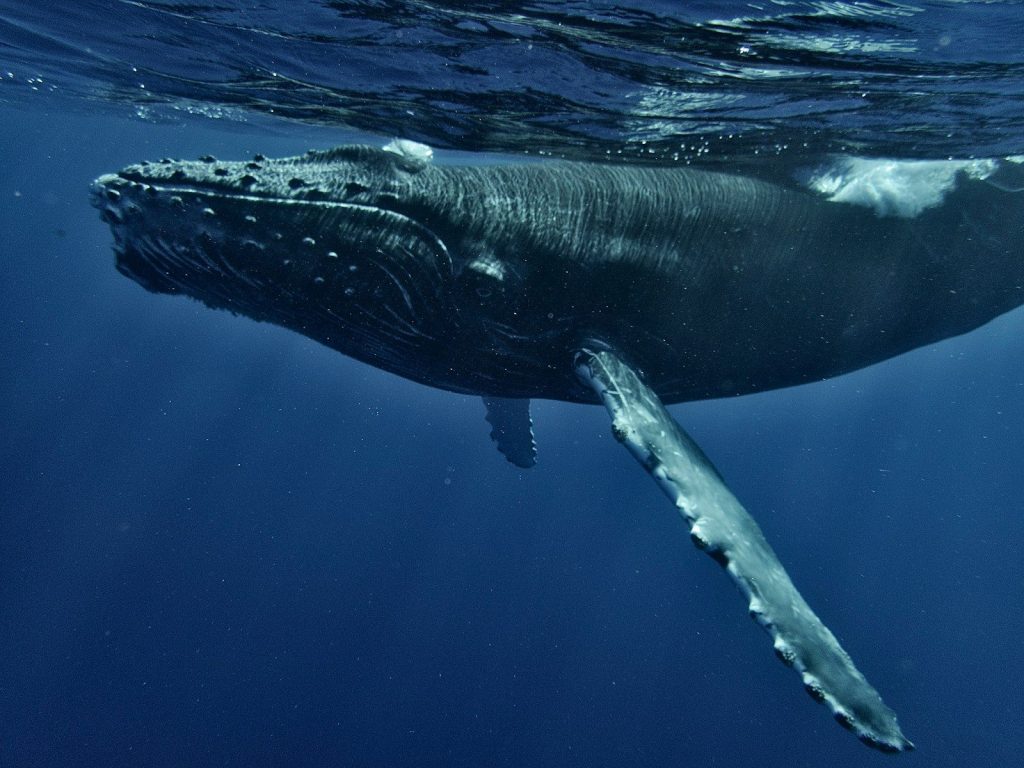
    a humpback whale swims under the surface of the water
    Photo by Chinh Le Duc on Unsplash

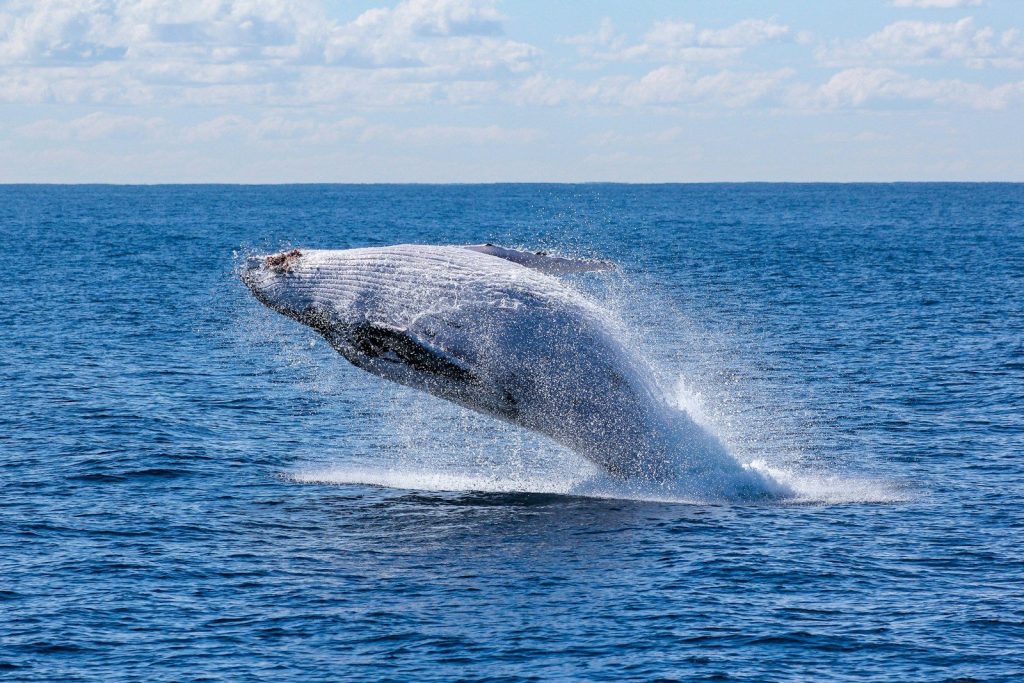
    To catch enough food, blue whales use a hunting method called lunge feeding. They accelerate toward dense patches of krill and suddenly open their mouths, engulfing huge amounts of water and prey in a single movement.

    Their throat pleats expand like a giant accordion, allowing them to hold more water than many animals weigh. After closing their mouths, they force the water back out through baleen plates that act like filters, trapping the krill inside before swallowing them.

    Built for extreme size

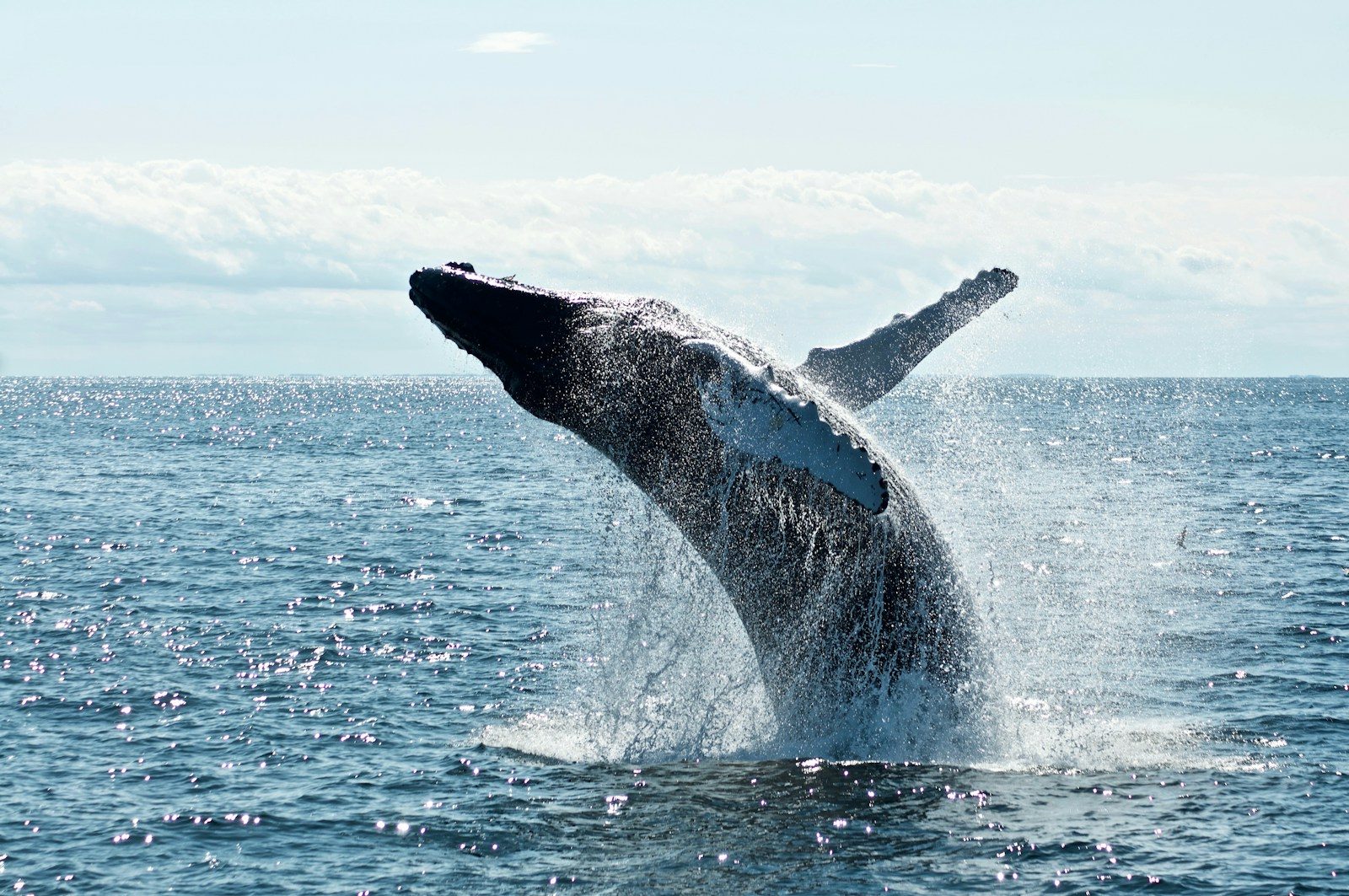
    a humpback whale jumping out of the water
    Photo by Saroj Bhandari on Unsplash

    Everything about a blue whale is designed for efficiency. Its streamlined body helps it move through the water while using less energy than many people would expect from such a giant creature. This efficiency is critical because maintaining a body that large requires enormous amounts of food.

    Its feeding system is equally impressive. The expandable mouth, baleen filters, and powerful tongue allow the whale to process huge quantities of water and prey quickly. Together, these features help blue whales gather enough energy to support their record-breaking size.

    Why size has limits

    black and white whale under water
    Photo by Seiji Seiji on Unsplash

    Being larger can provide many advantages, including protection from most predators and the ability to travel efficiently over long distances. However, larger animals also need more energy, creating a challenge that becomes harder to solve as body size increases.

    Scientists believe blue whales may already be approaching the maximum size that biology can support. Their success depends on finding dense concentrations of krill that provide enough calories to balance the tremendous energy costs of maintaining such a massive body.

    Nature’s ultimate giant

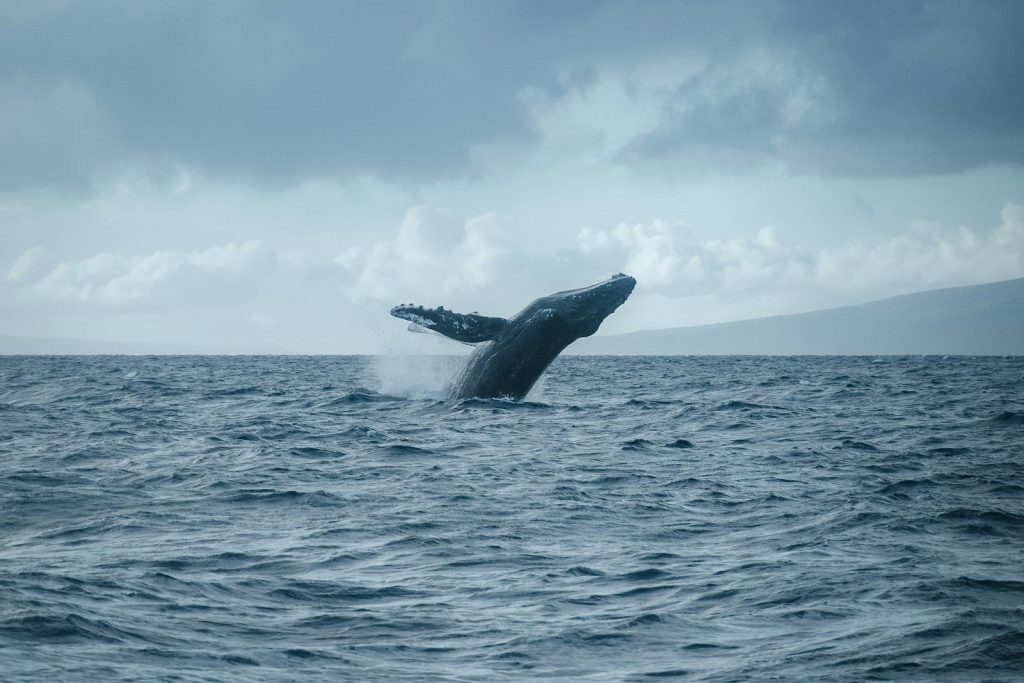
    gray whale jumping on sea at daytime
    Photo by Georg Wolf on Unsplash

    The blue whale represents one of evolution’s greatest achievements. Over millions of years, it developed a body capable of harvesting enormous amounts of energy from some of the smallest animals in the ocean. This unusual relationship between giant predator and tiny prey continues to amaze researchers.

    Today, blue whales remain symbols of the ocean’s incredible power and diversity. Their existence proves that nature can create giants beyond imagination, all sustained by tiny creatures drifting through the sea.
  • This 400-year-old shark was alive before modern history

    This 400-year-old shark was alive before modern history

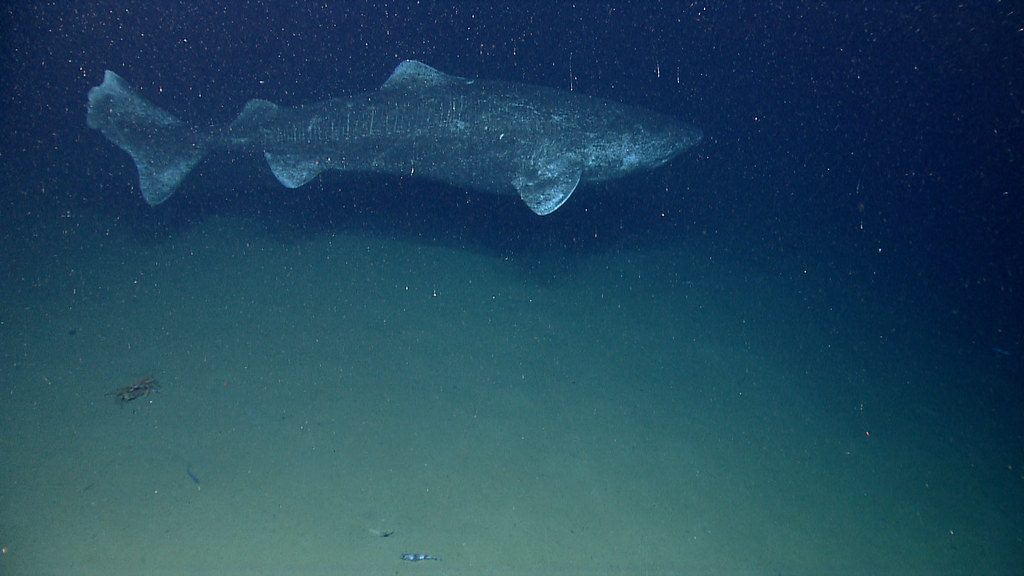
    The Greenland shark is one of the most mysterious animals in the ocean. While most predators live for a few decades, this slow-moving giant can survive for more than 400 years, making it the longest-lived vertebrate ever discovered. Some Greenland sharks swimming today may have been alive before many major events in modern history took place.
    Living in the icy waters of the Arctic and North Atlantic, the Greenland shark spends its life in deep, dark environments far from human eyes. Its incredible lifespan, unusual hunting habits, and ancient origins have fascinated scientists for years. Here is a closer look at the predator that seems to have escaped the passage of time itself.

    A shark older than modern civilization

    Greenland shark” by DocJ96 is licensed under CC BY-NC 2.0

    The Greenland shark has attracted worldwide attention for its astonishing age. Scientists estimate that some individuals can live for more than 400 years, while some age estimates suggest certain sharks may survive even longer. This makes the species the longest-lived vertebrate known on Earth.

    To put that into perspective, a shark born in the early 1600s could still be swimming today. Entire civilizations, wars, and technological revolutions have come and gone during the lifetime of a single Greenland shark.

    How scientists discovered its incredible age

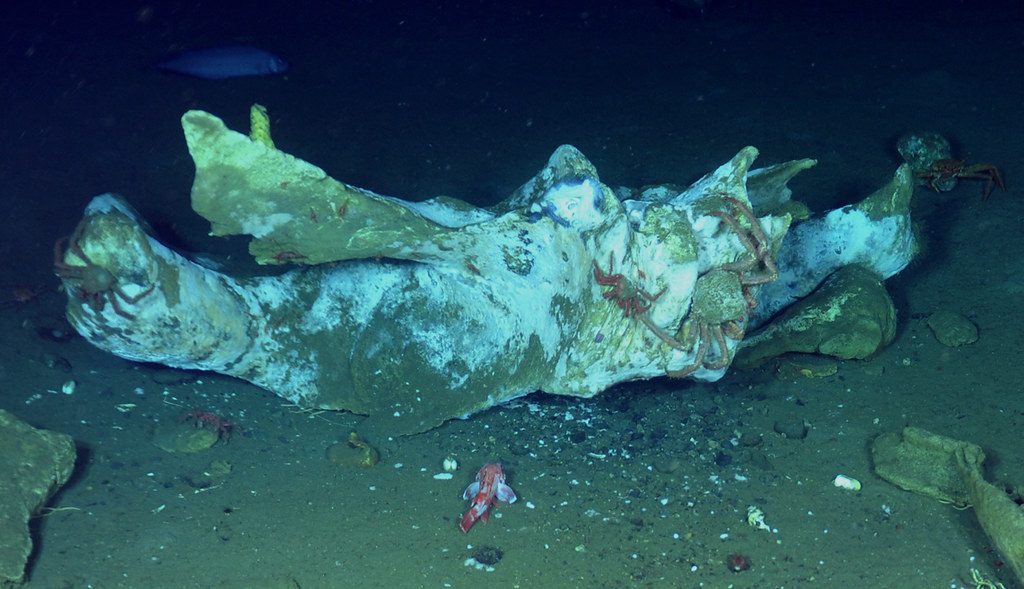
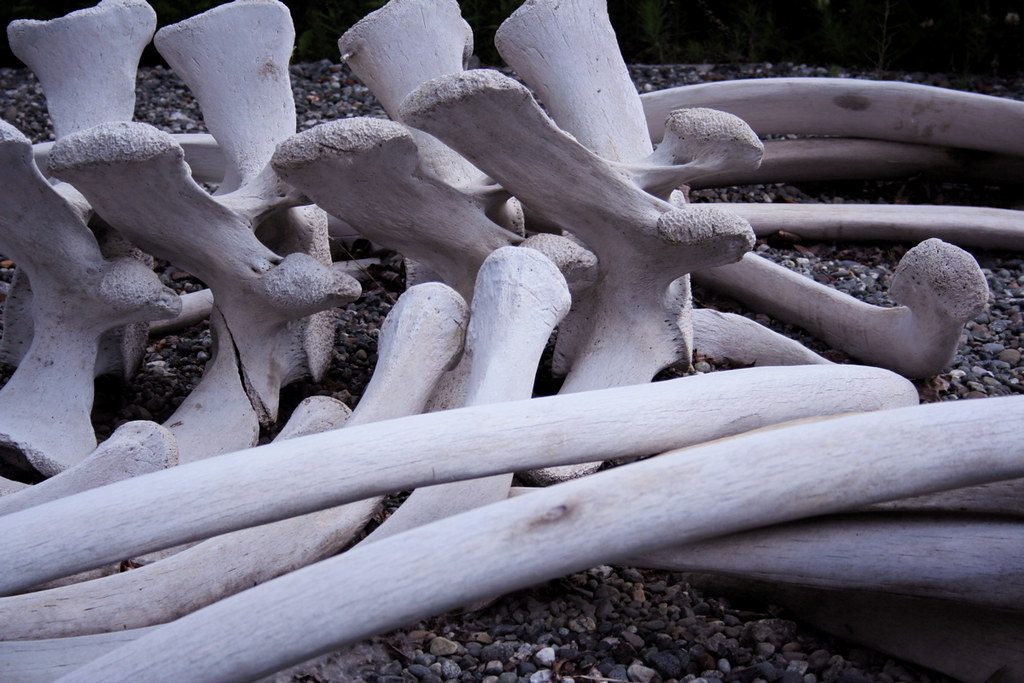
    Whale Bone with Crabs” by OceanNetworks Canada is licensed under CC BY-NC-SA 2.0

    Determining the age of a shark is not easy because sharks do not have bones that can be counted like tree rings. Researchers instead studied material found in the lenses of Greenland shark eyes and used radiocarbon dating techniques to estimate their age.

    The results shocked the scientific community. The oldest sharks examined were estimated to be hundreds of years old, with one famous study suggesting an age range between 272 and 512 years for the largest individuals.

    Life in the freezing Arctic darkness

    bird's-eye view of icebergs
    Photo by Willian Justen de Vasconcellos on Unsplash

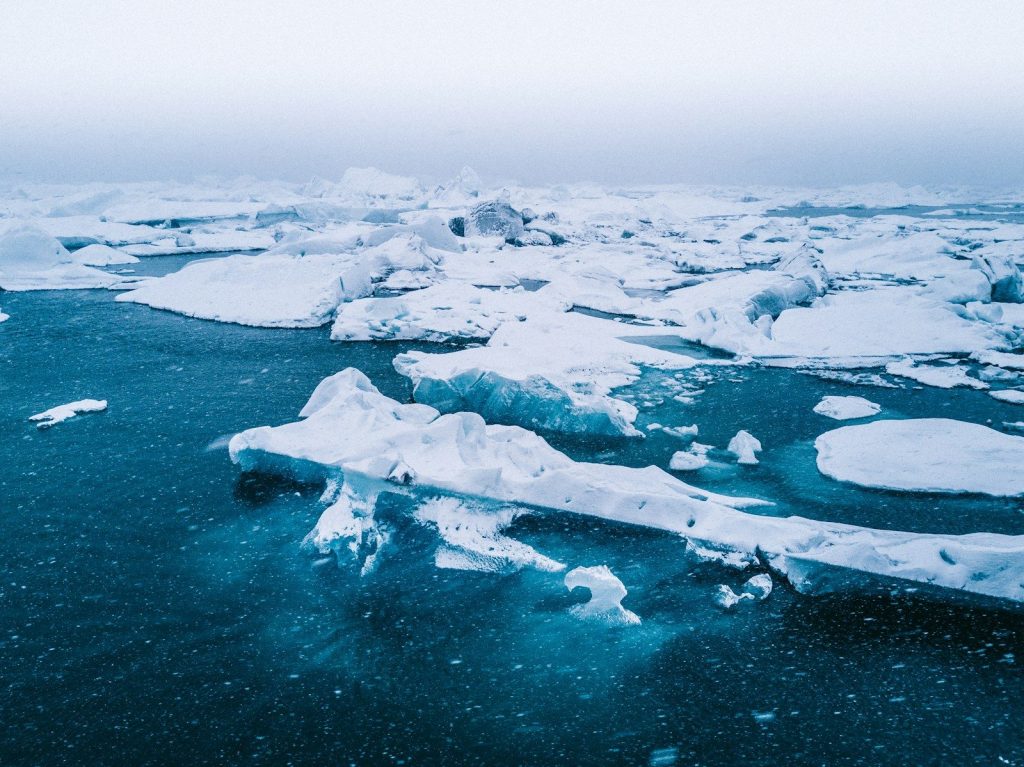
    Greenland sharks live in some of the coldest waters on Earth. They are found in the Arctic and North Atlantic oceans, often at great depths where sunlight barely reaches, and temperatures remain near freezing year-round.

    These harsh conditions help shape their unique lifestyle. The cold environment slows their metabolism, allowing them to conserve energy and possibly contributing to their remarkable longevity. Scientists believe this slow pace of life is one reason they can survive for centuries.

    The predator that hunts at a slow pace

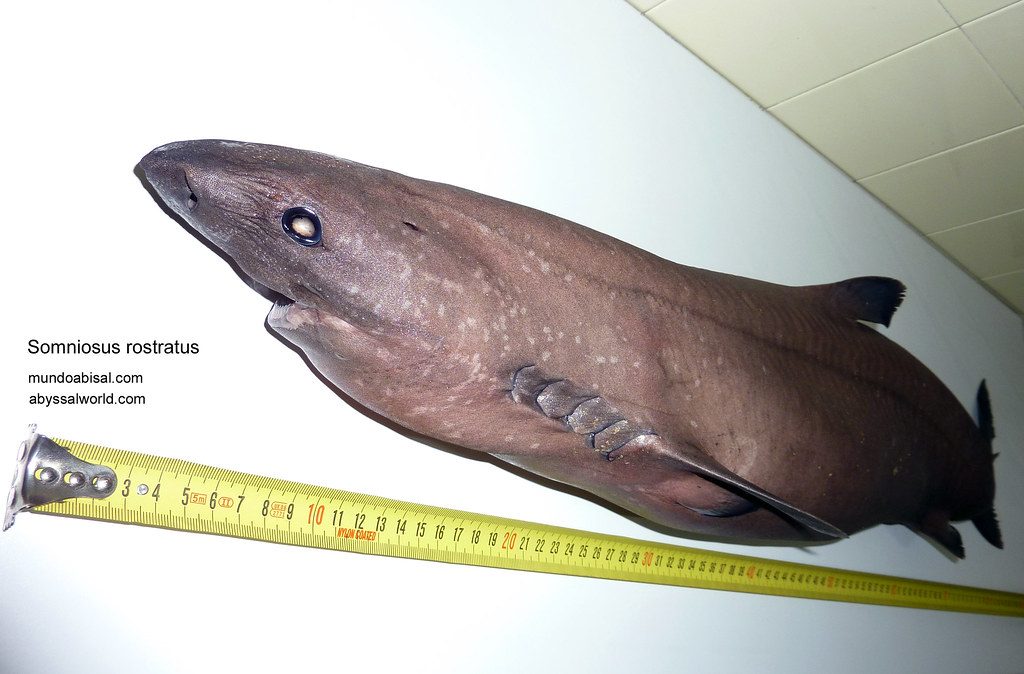
    Sleeper Shark. Tiburón dormilón. Somniosus rostratus” by Fran Martín de la Sierra is licensed under CC BY-NC-ND 2.0

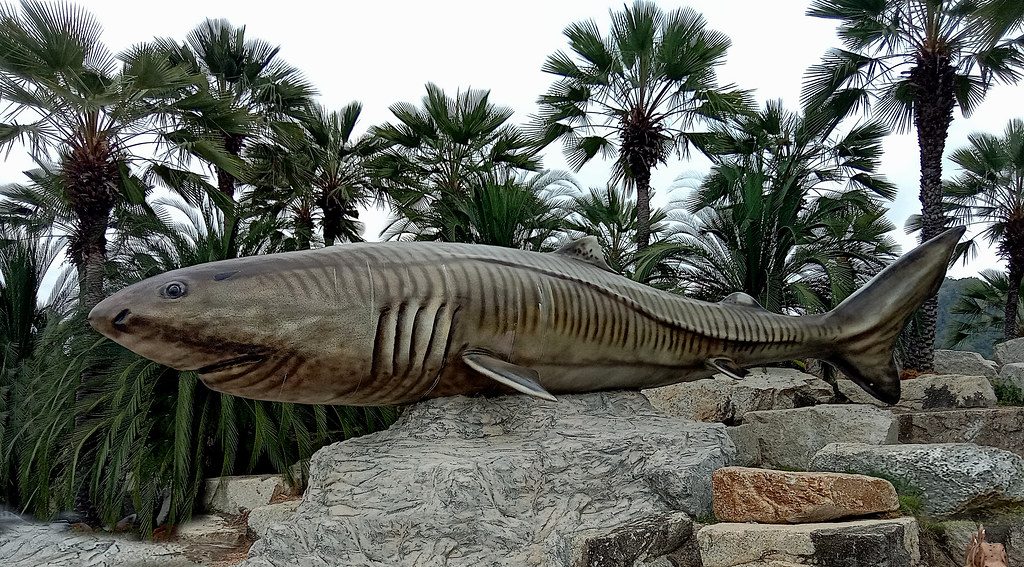
    Unlike fast predators such as great white sharks or makos, Greenland sharks move slowly through the water. Their relaxed swimming speed has earned them the nickname “sleeper sharks.” Yet they remain successful hunters despite their sluggish appearance.

    Researchers have found evidence that Greenland sharks feed on a variety of prey. Their strategy relies less on speed and more on patience, stealth, and taking advantage of opportunities in the dark depths where they spend most of their lives.

    Why Greenland sharks live so long

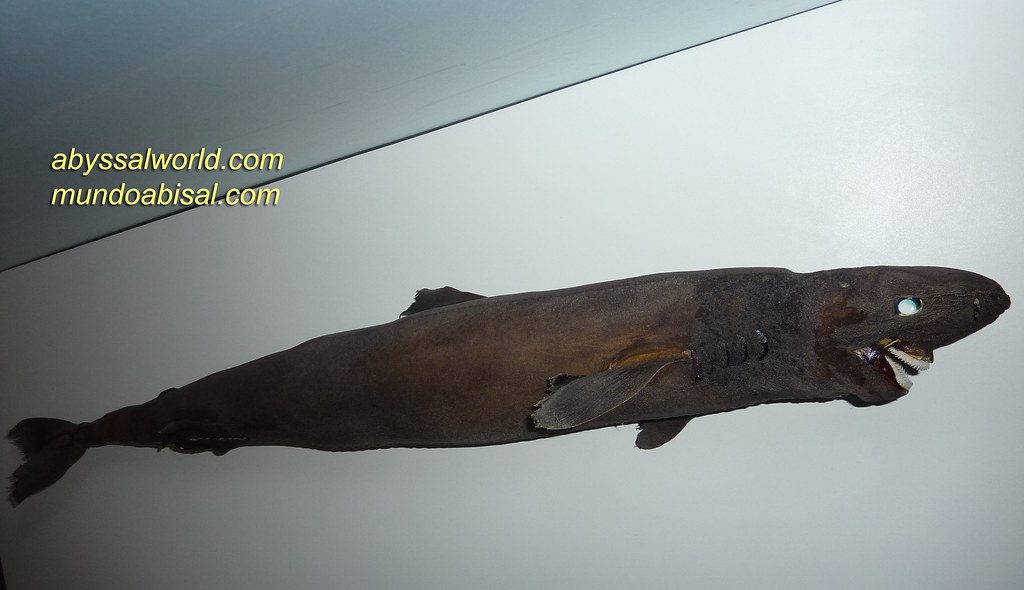
    Rare deepsea shark taxidermy – Somniosus Sleeper shark – For sale” by Fran Martín de la Sierra is licensed under CC BY-NC-ND 2.0

    One of the biggest mysteries surrounding Greenland sharks is how they avoid many of the problems associated with aging. Their extremely slow growth rate and delayed maturity are unlike almost any other vertebrate species. Females may not reach maturity until around 150 years of age.

    Scientists are now studying the shark’s genetics to understand how it survives for so long. Early research suggests that unique adaptations involving DNA repair, immune function, and protection against cellular damage may play a role in its extraordinary lifespan.

    A living relic from another era

    Whale Bones” by glaciergirl is licensed under CC BY-NC 2.0

    The Greenland shark feels like a survivor from another world. It has inhabited cold northern oceans for countless generations while maintaining a body design that has worked successfully for millions of years. Scientists describe it as an evolutionary success story.

    Because these sharks live so long and reproduce very slowly, protecting them is especially important. Every individual represents centuries of survival, making the Greenland shark not only one of the ocean’s oldest predators but also one of its most remarkable living treasures.

  • Millions are emotional after watching these seal pups

    Millions are emotional after watching these seal pups

    Few sights in nature are as touching as a group of baby seals racing across a beach toward the ocean. To them, the water represents safety, freedom, and the beginning of life. But the reality is far more complicated. These young seal pups are entering a world filled with predators, harsh conditions, and countless challenges they cannot yet understand.

    Their journey is both inspiring and heartbreaking, showing just how difficult survival can be in the wild. As millions of viewers discover these emotional scenes online, many are gaining a new appreciation for the struggles that seal pups face from the moment they enter the world.

    The ocean seems like a safe haven

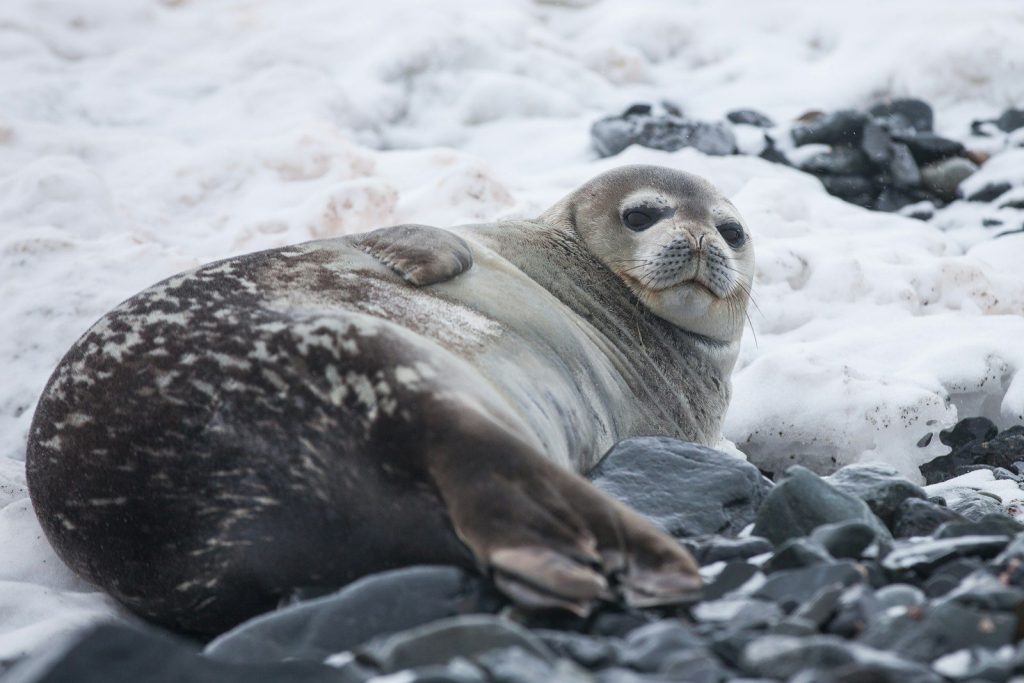
    Seal lying on rock covered with snow
    Photo by Yuriy Rzhemovskiy on Unsplash

    As the pups make their way toward the shoreline, they appear full of determination. Their instincts push them toward the water, where they will eventually learn the skills needed to survive on their own.

    To an outside observer, the scene looks peaceful and hopeful. Yet the ocean is not the safe refuge it appears to be. It is a place where young animals must quickly adapt or face serious risks from the environment and other predators.

    Seal pups begin life at a disadvantage

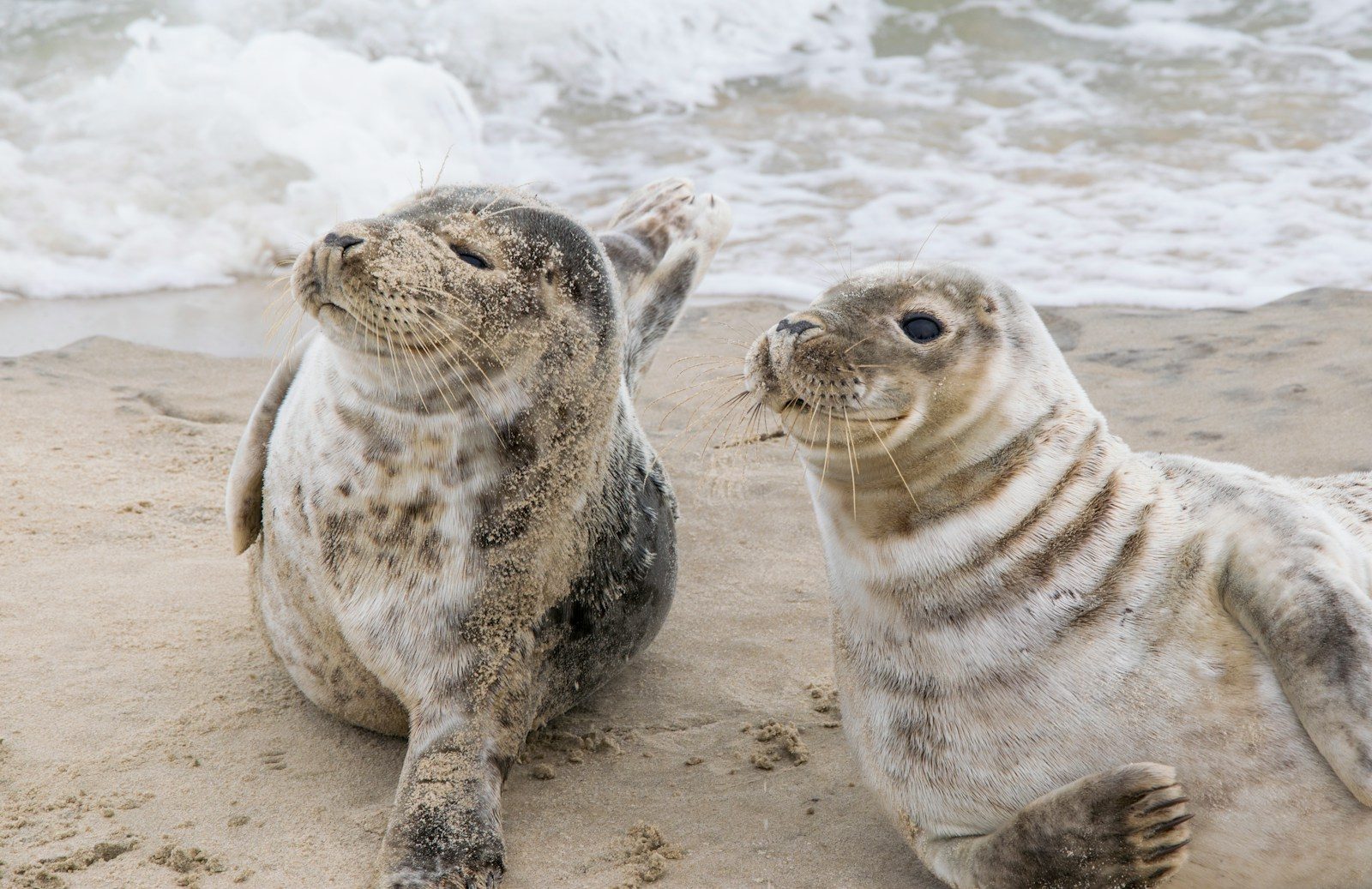
    photo of seals
    Photo by Neil Cooper on Unsplash

    Baby seals enter the world with very little experience. While they depend heavily on their mothers during their earliest weeks, they eventually must begin exploring their surroundings and developing independence.

    This stage can be dangerous because young seals are still learning basic survival skills. Every trip into the water becomes a lesson, and every mistake can carry serious consequences. Their innocence is part of what makes these scenes so emotional for viewers.

    Predators are never far away

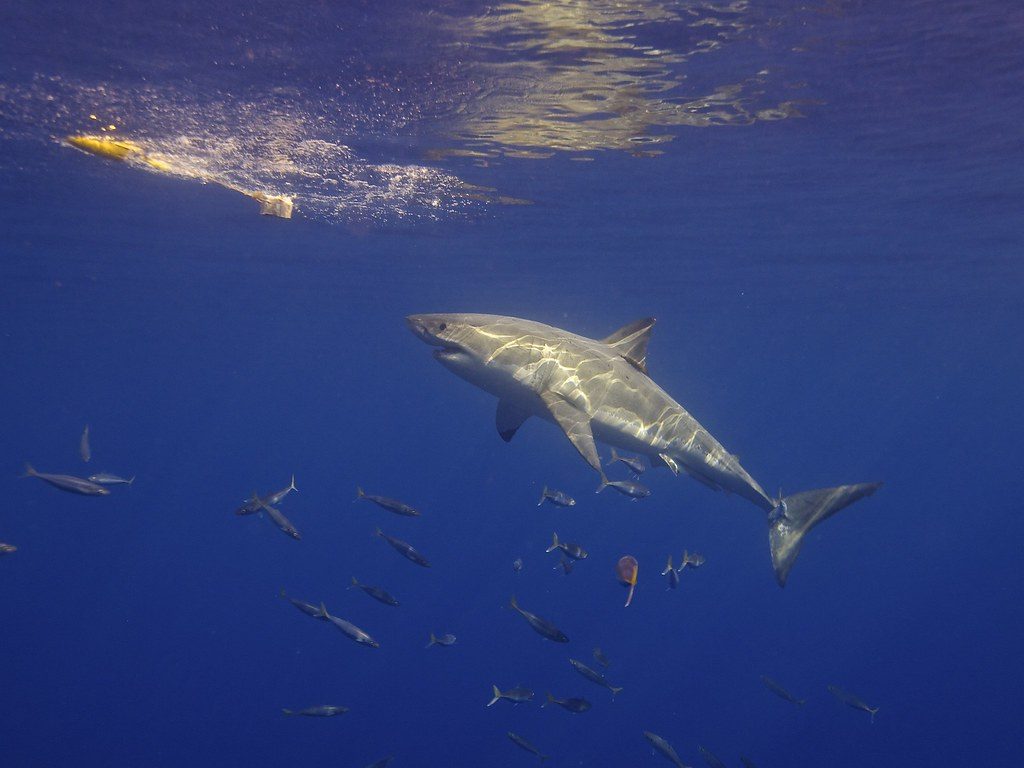
    Great White Shark” by Elias Levy is licensed under CC BY 2.0

    For many seal species, predators are a constant threat. Sharks and killer whales are among the natural predators that hunt seals worldwide, making the ocean a challenging place for young animals.

    Because pups are smaller and less experienced than adults, they are often more vulnerable. Even when danger is not immediately visible, predators may be watching from below the surface, waiting for an opportunity to strike.

    Survival depends on learning quickly

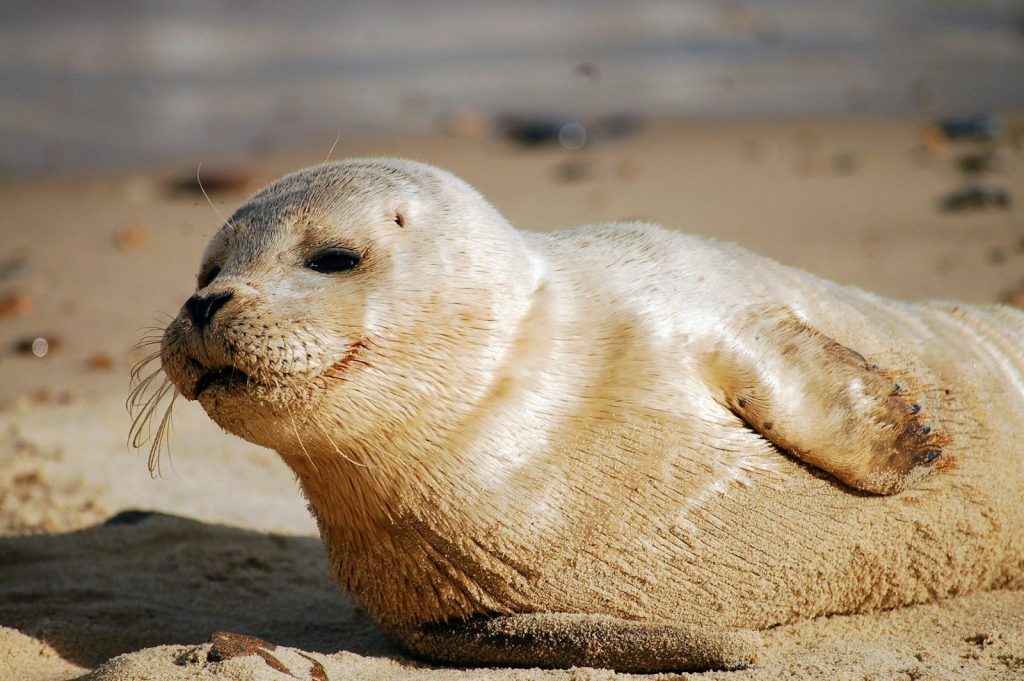
    white seal on soil
    Photo by Amy Asher on Unsplash

    Despite the dangers, seal pups are remarkably resilient. Many learn to swim, dive, and navigate their environment at a surprisingly young age as they prepare for life in the open ocean.

    Their early experiences help shape the skills they need as adults. Every successful journey into the water increases their chances of surviving future encounters with predators and other challenges they may face throughout their lives.

    The emotional reality of life in the wild

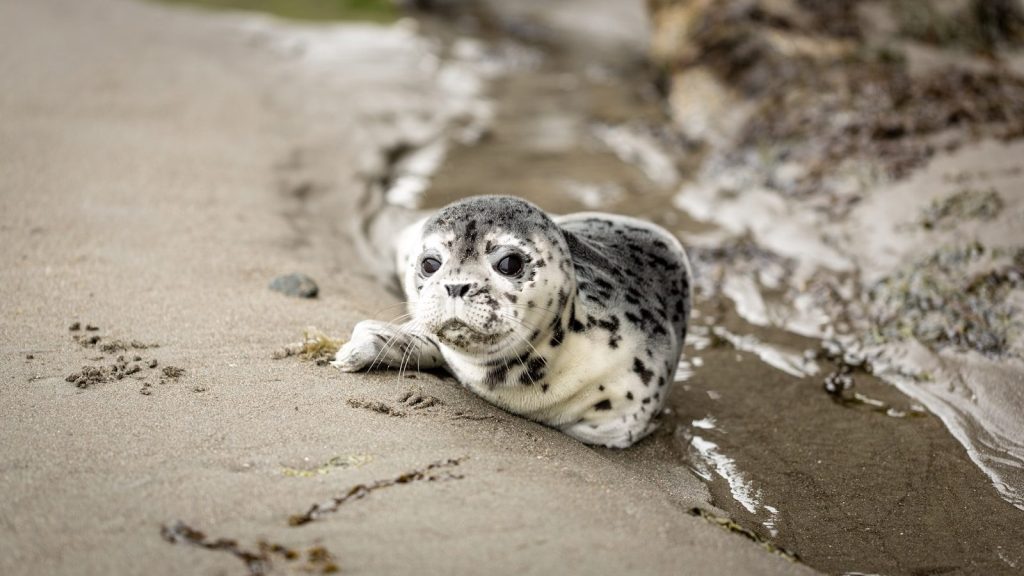
    seal on sandy ground
    Photo by Ruvim M on Unsplash

    What makes these videos so powerful is the contrast between the pups’ innocence and the harsh reality surrounding them. They are simply following their instincts, unaware of the many dangers that exist beyond the shoreline.

    For viewers, this creates a mixture of admiration and sadness. The pups’ determination is inspiring, but their vulnerability reminds us that nature can be both beautiful and unforgiving.

    Why these moments resonate with millions

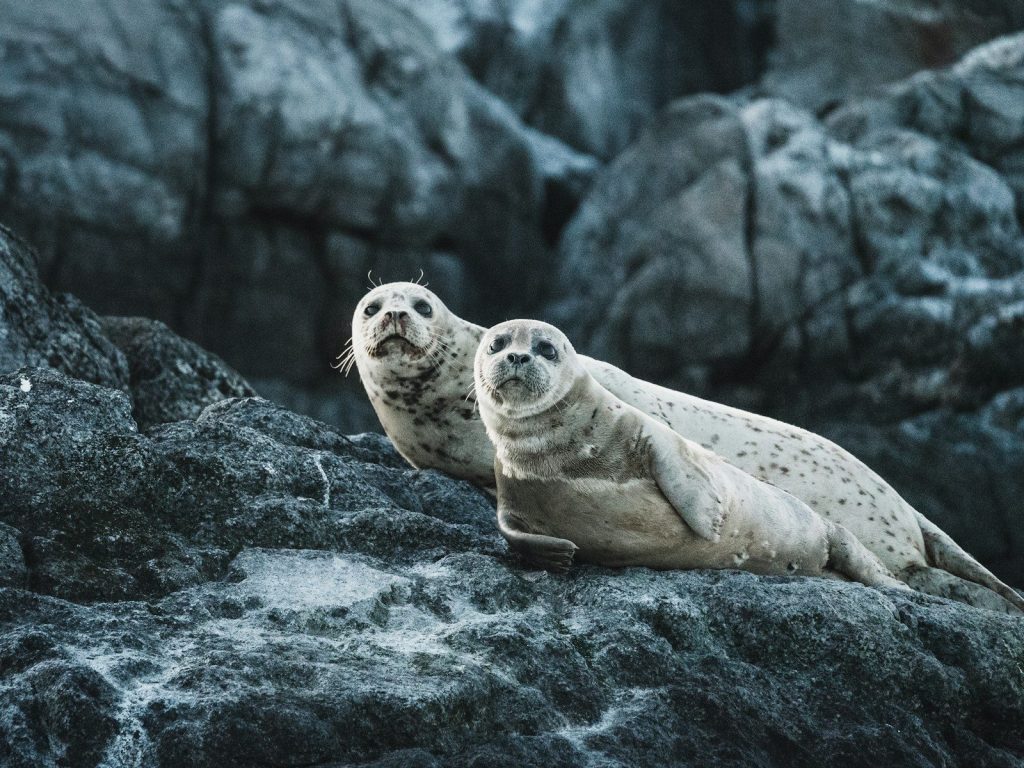
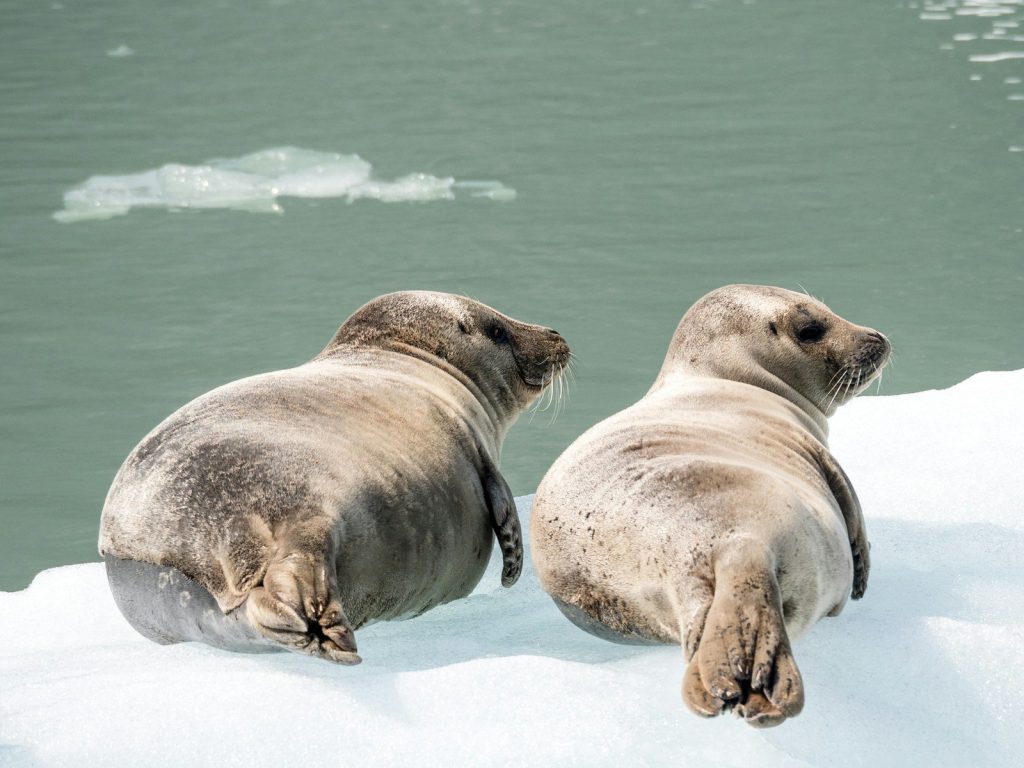
    two seal on ice cap
    Photo by Federico Artusi on Unsplash

    People often connect deeply with young animals because their struggles feel familiar. Watching a tiny seal pup take its first steps toward independence naturally evokes empathy and concern.

    The journey of these baby seals highlights one of nature’s most important lessons: survival is never guaranteed. Yet, despite the risks, generation after generation continues to make the same courageous journey into the unknown, driven by instinct and the will to live.